
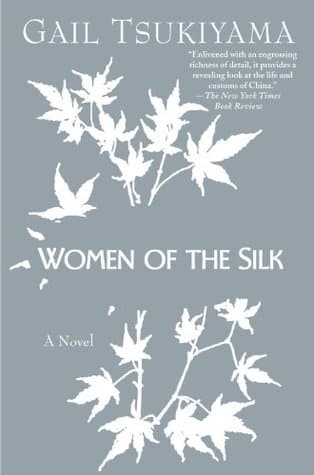
Synopsis
Covers the whole plot, including the ending.
- Difficulty
- Easy
- Pacing
- Moderate
- Mood
- Atmospheric, Resilient, Reflective, Hopeful
- Read it if
- You enjoy character-driven historical fiction about female resilience, cultural traditions, and the power of collective action in early 20th-century China.
- Skip it if
- You prefer fast-paced plots with high-stakes action or are not interested in detailed depictions of daily labor and cultural nuances.
Women of the Silk Plot Summary
Covers the whole plot, including the ending.
A New Life at the Silk Factory
In 1926, eight-year-old Pei's poor family sends her from their village, Fragrant Willow, to the coastal village of the House of a Thousand Lanterns. She will work at the silk factory. Her family receives a small payment for her labor, believing it will secure her future. At the factory, Pei meets Auntie Yee, the strict but fair dormitory matron, and her roommates: the lively Lin, the quiet Rosedrop, the practical May, and the independent Wildflower. Pei quickly learns the hard work of reeling silk cocoons, enduring long hours and the constant threat of scalding water. She adapts to her demanding new life away from her family.
Forging Bonds and Daily Toil
Pei slowly adjusts to factory life, working fifteen-hour days with hundreds of other women. She learns the process of silk production, from sorting cocoons to reeling threads. Her initial shyness turns into a bond with her roommates. Lin's humor, Rosedrop's art, May's nurturing spirit, and Wildflower's independence become important to Pei. They share meals, dreams, and fears, forming a close sisterhood that helps them endure the harsh conditions and loneliness. Pei sends part of her small earnings to her family, fulfilling her duty.
The Arrival of the New Foreman
The factory's stability ends with a new foreman. He is a harsh man, replacing the more lenient supervisor. He immediately puts in stricter rules, increases production quotas, and reduces the women's short breaks. The women, including Pei and her friends, work longer hours under more oppressive conditions, with punishment for small mistakes. The factory atmosphere becomes tense and fearful. The women's physical and emotional health declines under the new rules, sparking resentment among them.
A Spark of Rebellion
The new foreman's increasing harshness and the unbearable working conditions spark a rebellion among the women. Wildflower, who has a strong sense of justice, leads the discussions. May's quiet strength and Lin's outspokenness support her. The women share stories of unfair treatment, exhaustion, and low wages. Pei, hesitant at first, listens closely, her own sense of injustice growing. The idea of a strike, a radical and dangerous concept in their village, begins to spread, fueled by their shared suffering and hope for change.
The First Strike
With Wildflower's strong leadership and the workers' resolve, the women decide to strike. This is an unprecedented act in their village, with great danger and risk. On the chosen day, the women, including Pei, Lin, Rosedrop, and May, bravely put down their tools. They refuse to work until their demands for better wages, shorter hours, and improved conditions are met. The factory floor, usually loud with machines, falls silent. The foreman and factory owners are dismissive at first, but the women's unity and determination prove to be a strong force, surprising everyone.
Negotiations and Hardship
The strike continues for days, then weeks, causing great hardship for the women. Without wages, they struggle to buy food, and their families, who depend on their earnings, also suffer. The factory owners try to break their resolve with intimidation and small offers, but the women stand firm. During this time, the bond between Pei and her friends deepens. They share their dwindling resources, offer emotional support, and strengthen each other's commitment. The strike becomes a test of their endurance, unity, and belief in their own worth, with Wildflower remaining a strong example of courage.
Victory and Its Cost
After a long and difficult struggle, the factory owners, facing big losses, finally agree to many of the women's demands. The strike is a success, securing better wages, reduced hours, and improved working conditions. The women return to work with a new sense of dignity and empowerment. However, the victory changes the village's social fabric and the women's lives. Some face criticism from conservative families or village elders. Others, like Wildflower, find their independence solidified but also face an uncertain future outside traditional expectations.
The Path of the Golden Orchid
After the strike, Wildflower, always independent, decides to become a 'Golden Orchid' – a woman who vows never to marry. She chooses to live independently and follow her own path. This decision goes against societal norms, but it shows Wildflower's commitment to her freedom. She moves into a house with other Golden Orchids, forming a new community based on shared principles of independence. Her choice affects Pei and her friends deeply, showing them an alternative way of life and challenging their ideas of a woman's place in society.
Pei's Growing Independence
As years pass, Pei grows from a timid girl into a thoughtful and independent young woman. The lessons from the strike and Wildflower's example shape her. She continues to work at the factory, now under fairer conditions, but her view of her future has widened. She observes her friends' lives – May's eventual marriage and family, Lin's continued zest for life, and Rosedrop's quiet pursuit of art – and begins to think about her own desires beyond traditional expectations. Pei's growing self-awareness allows her to make choices that fit her evolving sense of self and purpose.
Changes and Departures
Over time, the close sisterhood experiences the natural changes of life. May eventually marries and moves away, starting her own family, following a traditional path. Rosedrop, always artistic, finds ways to express herself through her craft, though her life remains somewhat limited. Lin remains a lively presence, navigating her own path with humor and resilience. Wildflower remains a steadfast Golden Orchid, a symbol of independence. Pei, having seen these different paths, continues to work, save, and learn. She understands that while their paths may diverge, the bonds formed in the silk factory will always connect them, shaping their individual futures.
Principal Figures
Pei
Protagonist
A young girl sent to work in the silk factory who grows into an independent woman.
Pei begins the story as an eight-year-old, timid and somewhat naive girl, sent away by her family to work in the silk factory. Over the years, she transforms into a resilient, observant, and eventually independent young woman. She is initially driven by duty to her family but gradually develops her own sense of self-worth and agency. Her quiet nature allows her to absorb the lessons and strengths of her friends, eventually finding her own voice and path. She embodies the journey from childhood innocence to mature understanding of life's complexities.
Relationships: Lin (Close friend, source of humor and outspokenness); Rosedrop (Close friend, inspires appreciation for art and quiet strength); May (Close friend, nurturing and practical, like an older sister); Wildflower (Close friend, mentor figure, embodies independence and defiance); Auntie Yee (Dormitory matron, stern but caring guardian)
Wildflower
Supporting
A fiercely independent and defiant silk worker who challenges traditional norms.
Wildflower is a spirited and outspoken young woman, characterized by her fierce independence and refusal to conform to societal expectations. She is a natural leader, possessing a strong sense of justice and a courageous spirit, especially evident during the factory strike. Her decision to become a 'Golden Orchid' – vowing never to marry – is a radical act of self-determination, serving as an inspiration and alternative model for Pei and her friends. She is driven by a profound desire for freedom and autonomy, often challenging the status quo with her words and actions.
Relationships: Pei (Close friend, mentor figure, inspires Pei's independence); Lin (Close friend, shares a rebellious spirit); Rosedrop (Close friend, values her artistic nature); May (Close friend, respects her practicality)
Lin
Supporting
Pei's boisterous and humorous friend who brings levity to their hard lives.
Lin is the most boisterous and outgoing of Pei's friends. She possesses a quick wit and a sharp tongue, often using humor to navigate the harsh realities of factory life. Lin is fiercely loyal to her friends and is not afraid to speak her mind, making her an important voice during the strike. While she may appear carefree, she is deeply observant and understands the nuances of their situation. She embodies resilience and the ability to find joy and connection amidst hardship, providing much-needed levity and outspoken support.
Relationships: Pei (Close friend, source of humor and emotional support); Wildflower (Close friend, shares a rebellious streak); Rosedrop (Close friend, balances her quietness with Lin's exuberance); May (Close friend, shares daily life and struggles)
May
Supporting
The practical and nurturing friend who provides stability and care.
May is the most grounded and nurturing of the group, often taking on a motherly role among her friends. She is practical, responsible, and possesses a quiet strength that provides stability to the group. May is concerned with the well-being of others and often acts as a mediator or caregiver. Her decision to eventually marry and have a family reflects a more traditional path, but she approaches it with the same thoughtful consideration that characterizes her personality. She represents the enduring strength found in quiet determination and traditional values.
Relationships: Pei (Close friend, nurturing figure); Lin (Close friend, balances Lin's outspokenness); Rosedrop (Close friend, shares daily life); Wildflower (Close friend, respects her independence)
Rosedrop
Supporting
The quiet and artistic friend who finds beauty amidst their harsh lives.
Rosedrop is the quietest and most artistic of Pei's friends. She possesses a gentle spirit and a keen eye for beauty, often finding solace and expression through her drawings and observations of nature. Despite the harshness of their lives, Rosedrop maintains a sense of wonder and creativity, representing the enduring power of art and imagination. Her quiet nature allows her to observe deeply, and her artistic expressions often provide a contemplative counterpoint to the more pragmatic or rebellious spirits of her friends. She embodies the inner world and sensitivity.
Relationships: Pei (Close friend, shares quiet moments and observations); Lin (Close friend, balances Lin's exuberance); May (Close friend, shares daily life); Wildflower (Close friend, respects her individuality)
Auntie Yee
Supporting
The stern but caring matron of the dormitory.
Auntie Yee is the dormitory matron, responsible for overseeing the young girls and women living at the factory. She appears stern and unyielding, adhering strictly to the factory rules. However, beneath her tough exterior lies a deep, if often unspoken, care for the girls under her charge. She understands the harsh realities of their lives and, in her own way, tries to protect them and ensure their survival. Auntie Yee represents the traditional authority figure who, despite outward appearances, harbors empathy and a sense of responsibility for the girls' welfare.
Relationships: Pei (Guardian figure, strict but ultimately caring); Wildflower (Authority figure, sometimes challenged by Wildflower's defiance)
The Foreman
Antagonist
The cruel and oppressive factory supervisor.
The new foreman is a central antagonistic force in the story. He is a harsh, unyielding man driven by efficiency and profit, showing little to no empathy for the women under his supervision. His arrival marks a significant downturn in working conditions, as he implements stricter rules, longer hours, and reduced breaks. He embodies the oppressive capitalist system that exploits the vulnerable, and his actions are the primary catalyst for the women's decision to strike. He represents the impersonal and cruel aspects of industrial labor.
Relationships: Pei (Oppressor, object of resentment); Wildflower (Target of Wildflower's defiance)
Themes & Insights
Sisterhood and Female Solidarity
The novel explores sisterhood, showing how the bonds between the women in the silk factory become their main source of strength and survival. Away from their families, Pei, Lin, Rosedrop, May, and Wildflower form a strong connection, sharing resources, fears, and dreams. This solidarity is clearest during the strike, where their collective will and support help them challenge oppressive forces and win a victory impossible individually. Their shared experiences of hardship and resilience create a unique community.
“They were sisters, bound by the thread of silk and the loom of their lives.”
Independence and Self-Determination
The search for independence, especially for women, is a main theme. The novel contrasts traditional expectations for women (marriage, family) with other paths. Wildflower's decision to become a 'Golden Orchid' – a woman who vows never to marry – is a radical act of self-determination that inspires Pei and challenges societal norms. The collective strike for better conditions also represents independence, as the women assert themselves and demand fair treatment. Pei's journey from a dutiful child to an independent woman shows this changing understanding of self-determination.
“A woman could choose her own path, even if it meant walking alone.”
The Price of Progress and Exploitation
The story highlights the realities of industrialization and labor exploitation, especially in pre-WWII China. The silk factory, while an economic symbol, also represents a system that demands hard labor, long hours, and low wages from its mostly female workforce. The new foreman's arrival worsens these conditions, pushing the women to their limit. The strike, though successful, reveals the great personal cost and risk involved in fighting for basic human rights against a profit-driven system. It shows the tension between economic progress and human dignity.
“The silk threads spun gold for others, but for them, it spun only exhaustion.”
Tradition vs. Modernity
The novel explores the tension between traditional Chinese customs and new ideas of modernity and individual rights. The expectation for young girls like Pei to work and send money home, and the societal pressure for women to marry, represent tradition. However, the women's collective action during the strike, and Wildflower's choice to become a Golden Orchid, challenge these norms. The factory itself is a symbol of modernity, but it also creates new social structures and chances for women to assert themselves, blurring the lines between old ways and new possibilities.
“The old ways held them tight, but new dreams began to unfurl like the silk itself.”
Plot Devices & Literary Techniques
The Silk Factory as a Microcosm
The factory setting reflects broader societal changes and struggles.
The silk factory serves as a microcosm of Chinese society during a period of significant change. It represents the harsh realities of industrialization, the exploitation of labor, and the limited opportunities available to women. Simultaneously, it becomes a crucible where new forms of community, solidarity, and female empowerment are forged. The enclosed, demanding environment of the factory forces the women to rely on each other, turning a place of hardship into a site of resistance and personal growth, mirroring the larger struggles and transformations occurring in China.
Symbolism of Silk
Silk represents beauty, wealth, and the women's intertwined destinies.
Silk itself is a powerful symbol throughout the novel. It represents beauty, luxury, and wealth, yet its production is a grueling, often painful process for the women who create it. The delicate, strong threads mirror the women's own resilience and the intricate bonds of their sisterhood. The cocoons, transformed into silk, can also symbolize the women's own transformations from innocent girls into strong, independent individuals. The thread of silk metaphorically connects their destinies, their labor, and their struggles, highlighting the contrast between the product and its producers.
The Golden Orchid
A social institution representing female independence and defiance.
The 'Golden Orchid' is a specific social institution or choice that serves as a powerful plot device for exploring female independence. It represents a radical alternative to traditional marriage and family life, allowing women to live autonomously and pursue their own paths. Wildflower's decision to become a Golden Orchid provides a concrete example of self-determination and challenges the societal norms presented throughout the story. This choice not only highlights individual agency but also fosters a community of like-minded women, expanding the narrative's exploration of female solidarity beyond the factory walls.
Women of the Silk Quotes
“We were sisters of the silk, and the silk was our life.”
“A woman's hands were her fortune, and ours were meant for silk.”
“The cocoon held both death and life, an ending and a beginning.”
“Sometimes the greatest freedom was found in the smallest choices.”
“The river carried away our sorrows, but it also brought us our sustenance.”
“Even in the darkest times, there was beauty to be found in the threads we spun.”
“Our stories were woven into the silk, thread by delicate thread.”
“A woman's heart could be as strong and as delicate as the finest silk.”
“We learned early that silence could be a weapon, and also a shield.”
“The past was a thread that refused to break, no matter how much we pulled.”
“Hope was a fragile thing, easily unraveled, but essential to re-weave.”
“Some dreams were like the raw silk, needing much processing before they could become beautiful.”
“We were bound by tradition, but also by the love we held for one another.”
“The scent of mulberry leaves was the scent of our lives, our past, and our future.”
Quiz
10 questions on the plot and the characters. Each answer comes with a short explanation.
Question 1
At what age was Pei sent to work in the silk factory?
- Ten years old
- Eight years old
- Twelve years old
- Six years old
Show answer
B. Eight years old Pei was sent to the factory at the tender age of eight, a common practice for families needing income during that era.
Question 2
What is the primary reason Pei's family sends her to work at the silk factory?
- To gain independence and learn a trade
- To escape a forced marriage
- To provide financial support for the family
- To fulfill a family tradition
Show answer
C. To provide financial support for the family Like many young girls in rural China during that period, Pei was sent to work to help her family survive financially.
Question 3
Which of the following characters becomes Pei's closest friend and confidante at the factory?
- Auntie Yee
- Lin
- Mei-hua
- Grandmother
Show answer
B. Lin Lin is introduced early in the novel as Pei's closest friend and sister-figure, sharing her struggles and dreams.
Question 4
What significant event do the women of the silk factory organize to demand better working conditions?
- A petition to the local government
- A hunger strike
- A factory wide strike
- An appeal to the factory owners' families
Show answer
C. A factory wide strike The women, empowered by their unity, organize the first strike the village has ever seen to fight for their rights.
Question 5
What is the traditional Chinese custom that some of the older women in the factory, like Auntie Yee, practice regarding marriage?
- They arrange marriages for younger girls.
- They become 'sworn sisters' to avoid marriage.
- They choose their own husbands after a certain age.
- They marry only within their factory community.
Show answer
B. They become 'sworn sisters' to avoid marriage. The practice of 'sworn sisters' or 'self-combed women' is a central theme, allowing women to escape traditional marriage and maintain their independence.
Question 6
What is the primary product the factory produces, and what is its significance to the local economy?
- Cotton fabric, essential for clothing everyone.
- Tea, a major export commodity.
- Silk, a valuable commodity that provides the main livelihood for the village.
- Rice, the staple food crop.
Show answer
C. Silk, a valuable commodity that provides the main livelihood for the village. The book explicitly details the 'silk work' and its central role in the village's economy and the lives of the women.
Question 7
How do the women in the factory manage to save money for their future or to send home, despite their meager wages?
- They receive bonuses for exceeding production quotas.
- They pool their resources and live communally, sharing expenses.
- They work extra shifts on Sundays.
- They secretly sell discarded silk scraps.
Show answer
B. They pool their resources and live communally, sharing expenses. The communal living and sisterhood among the women allow them to share resources and make their small wages stretch further, enabling them to save.
Question 8
What historical period does the novel primarily take place in, and why is this significant for the women's struggle for independence?
- The Ming Dynasty; traditional roles were strictly enforced.
- Just prior to World War II, a time of social and political upheaval in China.
- The Cultural Revolution; women were encouraged to join the workforce.
- The early 2000s; rapid industrialization was changing society.
Show answer
B. Just prior to World War II, a time of social and political upheaval in China. The novel is set in 1926, just prior to World War II, a turbulent time in China where traditional values were beginning to clash with modernizing forces, making the women's fight for freedom particularly poignant.
Question 9
Beyond economic necessity, what deeper psychological or emotional need does the sisterhood among the women fulfill?
- It provides a means to find suitable husbands from other factory workers.
- It offers a sense of belonging, mutual support, and an alternative to traditional patriarchal society.
- It creates a competitive environment to motivate higher production.
- It allows them to collectively pool money for gambling.
Show answer
B. It offers a sense of belonging, mutual support, and an alternative to traditional patriarchal society. The sisterhood is central to the novel's themes, providing emotional solace, a shared identity, and strength against the harsh realities of their lives and societal expectations.
Question 10
What is the ultimate 'freedom' that Pei and her sworn sisters strive to achieve, which goes beyond just better wages?
- The freedom to travel and see the world.
- The freedom to choose their own destinies, often by remaining unmarried and independent.
- The freedom to own their own silk factory.
- The freedom to return to their families as respected elders.
Show answer
B. The freedom to choose their own destinies, often by remaining unmarried and independent. The core theme of the book is the pursuit of personal autonomy and independence, particularly for women who traditionally had little say in their own lives, often achieved through the 'sworn sisters' pact.
Women of the Silk FAQ
What is the central premise of 'Women of the Silk' and when does it take place?
'Women of the Silk' is set in rural China starting in 1926, and follows young Pei as she is sent to work in a silk factory. The novel explores her journey to womanhood, the harsh realities of factory life, and the powerful sisterhood she forms with other women amidst the clamor of the reeling machines.
Who is Pei and what is her initial motivation for working in the silk factory?
Pei is the protagonist, a young woman sent by her family to work in the silk factory. Her primary motivation is to earn money to send back to her family, who essentially abandoned her, fulfilling a traditional filial duty despite her own difficult circumstances and long, arduous working hours.
What kind of work do the women perform in the silk factory, and what are its challenges?
The women work on reeling machines, processing silk from cocoons, a task that is physically demanding and monotonous. They endure fifteen-hour days, constant noise, and often poor working conditions, making their daily existence a struggle for survival and a testament to their endurance.
How does the 'sisterhood' among the factory women develop and what role does it play in the story?
The sisterhood forms out of shared hardship, mutual support, and collective ambition within the factory. This bond becomes crucial, providing emotional solace, a sense of belonging, and the collective strength needed for them to challenge their circumstances and achieve greater freedom.
What significant act of rebellion do the women undertake, and what is its outcome?
The women organize and lead the first strike the village has ever seen, demanding better conditions and greater autonomy. This collective action, fueled by their ambition and friendship, ultimately leads to them achieving a form of freedom they could not have hoped for individually, highlighting their courage.
Beyond the factory, what details of Chinese village life are woven into the narrative?
Tsukiyama integrates details of traditional Chinese village life, including family expectations, social hierarchies, and the limited opportunities for women. These elements provide a rich cultural backdrop, contrasting the factory's modernity with enduring customs and traditions.
Are there any subtle foreshadowing elements regarding the women's eventual strike?
Yes, early interactions among the women, their shared grievances, and discussions about their dreams and frustrations subtly build towards their collective action. The growing solidarity and quiet defiance among characters like Pei and her friends hint at their eventual courage to challenge the established order.
How does the setting of 'just prior to World War II' subtly influence the story, even if not explicitly a plot point?
While not a direct plot driver, the pre-WWII setting subtly underscores the precariousness of their lives and the broader societal shifts occurring in China. It adds a layer of historical context, hinting at future uncertainties and making their fight for personal freedom within their village even more poignant.
What is the significance of the silk itself as a recurring motif throughout the book?
Silk symbolizes both beauty and oppression; it is a valuable commodity that brings wealth but is produced through immense female labor and suffering. It also represents the women's connection to their heritage and the threads of their intertwined lives, ultimately becoming a metaphor for their own strength and resilience.
How does Pei's psychology evolve from a dutiful daughter to a leader in the strike?
Pei transforms from a submissive, duty-bound girl into a strong, independent woman and leader. Her journey involves internalizing the injustices she faces, finding her voice through the sisterhood, and ultimately channeling her personal frustrations into collective action, demonstrating remarkable psychological growth and resilience.
What psychological impact does the monotonous and grueling factory work have on the women?
The monotonous and grueling work initially fosters a sense of despair and resignation among the women. However, it also paradoxically strengthens their bonds, as they rely on each other for emotional support and shared resilience, preventing complete psychological breakdown and fueling their desire for change.
How do the characters cope with the feeling of abandonment by their families, particularly Pei?
Pei and others cope by redirecting their emotional investment towards their chosen 'sisters' in the factory. This sisterhood provides the familial love, support, and acceptance that their biological families withheld, serving as a vital psychological defense mechanism against feelings of isolation and abandonment.
What psychological factors contribute to the women's collective courage to strike, rather than just individual discontent?
The collective courage stems from shared grievances, a deep sense of injustice, and the powerful psychological reinforcement found in their sisterhood. The belief that 'together they are stronger' overcomes individual fear, allowing them to collectively challenge authority, driven by a shared vision of a better future.
Is the ending of 'Women of the Silk' an optimistic one, or is there a lingering sense of the challenges ahead?
The ending is largely optimistic, celebrating the women's triumph in achieving a new form of freedom and autonomy. However, it also subtly acknowledges the ongoing challenges of their societal position and the broader changes in China, suggesting that while a battle was won, the war for complete equality and stability continues.
How does Tsukiyama use 'graceful prose' to balance the harsh realities of factory life with moments of beauty and hope?
Tsukiyama's graceful prose often juxtaposes the stark descriptions of factory labor with poetic descriptions of nature, the women's inner thoughts, and the quiet beauty of their camaraderie. This stylistic choice softens the harshness, highlighting the resilience of the human spirit and finding moments of hope amidst adversity.
What is the broader message about female empowerment that 'Women of the Silk' conveys?
The novel powerfully conveys that female empowerment can arise from solidarity, shared struggle, and collective action, even in oppressive environments. It emphasizes that women, when united, can challenge patriarchal structures and achieve significant personal and collective freedom, defining their own destinies.
Could the women's strike be interpreted as a microcosm for larger social or political changes happening in China at the time?
Yes, the strike can be interpreted as a microcosm for broader social and political changes. It reflects a growing awareness of worker's rights and a burgeoning spirit of rebellion against oppressive systems, mirroring the larger revolutionary currents and shifts in power dynamics occurring in China during that era.
How does the novel challenge traditional notions of 'family' and 'home' for Pei and her sisters?
The novel challenges traditional notions by showing that family is not solely defined by blood ties or traditional structures. For Pei and her sisters, 'family' becomes the chosen sisterhood within the factory, and 'home' is where they find acceptance, support, and the freedom to pursue their dreams, redefining these concepts on their own terms.
Similar books
- Snow Flower and the Secret Fan
Lisa See
4.1 (339k) average on GoodreadsHistorical FictionExplores female friendships and historical Chinese culture with a focus on women's experiences and resilience.
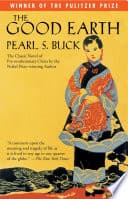
- The Good Earth
Pearl S. Buck
4.0 (223k) average on GoodreadsHistorical FictionOffers a detailed look into rural Chinese life, hardship, and the perseverance of its people in a historical setting.
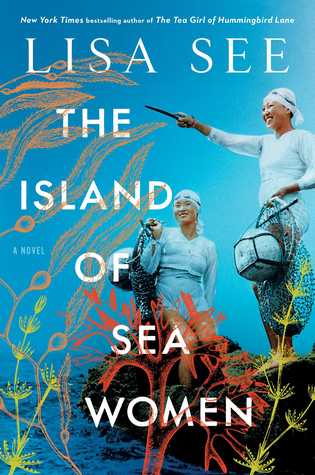
- The Island of Sea Women
Lisa See
4.3 (48k) average on GoodreadsHistorical FictionFocuses on strong female bonds, traditional labor, and cultural shifts in an Asian historical context.
- To Kill a Mockingbird
Harper Lee
4.3 (4.5M) average on GoodreadsHistorical FictionIn the 1930s Jim Crow South, Harper Lee writes about racial injustice, moral growth, and the quiet courage of a lawyer father, Atticus Finch, as seen through his young daughter's eyes.
- The Great Gatsby
F. Scott Fitzgerald
3.9 (3.8M) average on GoodreadsHistorical FictionIn the opulent Roaring Twenties, a mysterious millionaire's lavish parties hide his desperate, tragic pursuit of a lost love, exposing the emptiness within the American Dream.
- Pride and Prejudice
Jane Austen
4.3 (3M) average on GoodreadsHistorical FictionIn a society focused on status and money, Elizabeth Bennet navigates love and pride, challenging Mr. Darcy and social expectations to find true affection.



Enjoyed the summary?
A summary gives you the shape of the book. The book itself has the detail, the examples and the voice.
Find Women of the Silk on AmazonAs an Amazon Associate, BookBrief earns from qualifying purchases. How we're funded