

Synopsis
Covers the whole plot, including the ending.
- Difficulty
- Medium
- Pacing
- Moderate
- Mood
- Introspective, Sensual, Melancholy, Poetic
- Read it if
- You enjoy poetic, philosophical explorations of love, desire, and the human body, with a focus on intense emotional and physical intimacy. Perfect for readers who appreciate ambiguous narration and a non-traditional romance.
- Skip it if
- You prefer concrete plotlines, named characters, or a clear gender identity for the narrator. Not for those who dislike abstract language or a melancholic tone.
Written on the Body Plot Summary
Covers the whole plot, including the ending.
The Narrator's Obsession with Louise
The story begins with the unnamed, ungendered narrator describing their intense, immediate attraction to Louise, a married woman they meet through friends. The narrator describes Louise with anatomical detail, focusing on her physical traits and the strong desire she causes. Louise is beautiful, intelligent, and captivating, an obsession for the narrator. Despite Louise being married to Elgin, a successful cancer researcher, the narrator wants to pursue her, believing they have a deep connection. The first meetings are full of unspoken tension and longing, setting up a secret affair.
The Affair Begins
The narrator and Louise start a passionate, secret affair. Their relationship has intense physical and emotional intimacy. The narrator describes Louise's body and their shared experiences in detail. These descriptions are often poetic and philosophical, looking at love, desire, and the body as a place of memory and emotion. Louise, at first hesitant because of her marriage, is drawn into the affair. She finds a deep connection with the narrator that she seems to lack with Elgin. Their stolen moments are urgent and full of forbidden joy as they manage their illicit love.
Elgin's Unawareness and the Narrator's Guilt
Elgin, Louise's husband, mostly does not know about the affair; he is busy with his work as a cancer specialist. The narrator watches Elgin from afar, noting his dedication to science and his seemingly conventional love for Louise. The narrator feels some guilt for betraying Elgin, but their love for Louise is stronger than these moral feelings. The narrator believes their connection with Louise is unique and fated, and that Louise deserves a love as deep as the one they offer. The secrecy makes the affair more intense, making each stolen moment feel more precious and risky.
Deepening Intimacy and Physical Exploration
As the affair deepens, the narrator's fascination with Louise's body grows. They explore every part of her, not just physically, but also metaphorically, seeing her body as a text to read. The narrator details Louise's skin, hair, scars, and how her body responds to touch. These observations become a deep look at love and human connection. This exploration is not just sexual; it is an attempt to understand Louise's essence through her physical form. The narrator believes the body holds the true story of a person's life and emotions. This time marks the peak of their intimacy and passion.
Louise's Illness Revealed
The passionate affair stops suddenly with bad news: Louise has a rare and aggressive blood disease, a type of leukemia. The news breaks the lovers' ideal world. Louise's health quickly gets worse, and she gets different treatments. This medical crisis brings Elgin, her husband, back to the forefront. As a medical professional, he gets deeply involved in her care. The narrator falls into despair, facing life's fragility and the possible loss of Louise.
Elgin's Sacrifice and Louise's Choice
To save Louise, Elgin suggests a new, experimental treatment: a bone marrow transplant. He says he is a suitable donor, offering his own body to save his wife. This act of self-sacrifice puts Louise in a hard spot. She is torn between her love for the narrator and her husband's life-saving devotion. The narrator understands the moral issues and the huge pressure on Louise. They know Elgin's offer is not just a medical procedure but a deep emotional claim on her life and loyalty. Louise's choice becomes clear.
The Narrator's Departure
Given Elgin's life-saving sacrifice, Louise makes the painful decision to stay with her husband. The narrator understands the seriousness of the situation and Louise's moral duty. They realize their presence is in the way of Louise's recovery and her reconciliation with Elgin. Despite deep heartbreak, the narrator chooses to leave. They believe it is the only way for Louise to heal, both physically and emotionally. This departure is an act of love and self-sacrifice. It marks the end of their intense affair and puts the narrator into deep grief and solitude.
Life After Louise: Solitude and Reflection
After leaving Louise, the narrator lives alone, dealing with the loss and heartbreak. The story becomes more introspective and philosophical. The narrator thinks about love, memory, and the physical body as a storage of experiences. They revisit their memories of Louise, recalling every detail of her body and their intimacy. This time is marked by deep longing and an attempt to understand what remains when the beloved is physically gone. The narrator tries to find meaning in their suffering and to keep the essence of their love for Louise, even in her absence.
The Body as Text and Memory
In solitude, the narrator looks deeper into the philosophy of the body. They think about how the body tells a story—a 'history' written on its skin, scars, and shape. This becomes a main idea. The narrator tries to 'read' Louise's body from memory, seeing it as a complete text of her being, their love, and their experiences. The narrator concludes that even when absent, the beloved's body, as remembered and internalized, continues to exist within them. This intellectual and emotional journey helps cope with loss and makes Louise lasting in their mind and heart.
Acceptance and Enduring Love
Towards the end, the narrator accepts Louise's departure and the end of their physical relationship. The pain of loss remains, but it is softened by a deep understanding that their love for Louise is a part of who they are. The narrator acknowledges that love, in its purest form, goes beyond physical presence and societal rules. They find peace in knowing that Louise's memory and their shared love are 'written on their body' and will always be a part of them. The ending is not a complete resolution, but a poignant thought on the lasting impact of love and loss.
Principal Figures
The Narrator
Protagonist
An unnamed, ungendered individual deeply in love with Louise.
The narrator is the central character, an unnamed and ungendered individual whose identity is deliberately left ambiguous, emphasizing the universal nature of love and desire. They are highly introspective, poetic, and philosophical, driven by an intense, almost obsessive love for Louise. Their narrative voice is intellectual, often dissecting emotions and physical sensations with a literary precision. They are fiercely passionate, capable of profound devotion, but also prone to intense suffering and introspection when faced with loss. Their identity is largely defined by their relationships and their internal landscape.
Relationships: Louise (Intense, passionate, and ultimately heartbreaking romantic affair); Elgin (Rival, largely unknown to the narrator, Louise's husband)
Louise
Love Interest
A beautiful, married woman who becomes the object of the narrator's obsession.
Louise is the 'beloved,' a captivating and complex woman married to Elgin. She is described as beautiful, intelligent, and possessing a unique allure that completely enthralls the narrator. She is initially torn between her marital duty and the profound connection she feels with the narrator, eventually succumbing to the affair. Louise is depicted as someone who finds a deeper, more passionate fulfillment with the narrator than with her husband. Her character is largely presented through the narrator's perception, making her a somewhat idealized figure, though her illness and difficult choice reveal her vulnerability and capacity for difficult decisions.
Relationships: The Narrator (Intense, passionate, and ultimately heartbreaking romantic affair); Elgin (Husband, a dedicated scientist who saves her life)
Elgin
Supporting
Louise's husband, a dedicated and self-sacrificing cancer researcher.
Elgin is Louise's husband, a successful and dedicated cancer researcher. He is portrayed as a stable, intelligent, and somewhat conventional man, deeply committed to his work and to Louise. While initially unaware of the affair, his character gains significant moral weight when he selflessly offers his bone marrow to save Louise's life. This act of profound devotion and sacrifice forces Louise to choose him and implicitly highlights the depth of his love, contrasting with the narrator's more illicit passion. He represents duty, stability, and the conventional bonds of marriage.
Relationships: Louise (Husband, deeply devoted and ultimately life-saving); The Narrator (Unwitting rival for Louise's affection)
Jacqueline
Mentioned
A past lover of the narrator, briefly referenced in reflections.
Jacqueline is one of the narrator's past lovers, mentioned briefly as a point of comparison or reflection on previous relationships. She serves to illustrate the narrator's history of passionate, though perhaps less profound, romantic entanglements before Louise. Her character highlights the narrator's capacity for intense feelings and provides context for the unique depth of their connection with Louise. She is not an active participant in the main plot but exists as a memory.
Relationships: The Narrator (Past romantic relationship)
Gail
Mentioned
Another past lover of the narrator.
Gail is another of the narrator's previous romantic partners, mentioned in passing. Like Jacqueline, her inclusion serves to establish the narrator's romantic history and to underscore the extraordinary nature of their love for Louise. She helps to paint a picture of the narrator's life before Louise, suggesting a pattern of passionate but perhaps ultimately unfulfilling relationships that precede the all-consuming love for Louise. She is a background detail rather than a developed character.
Relationships: The Narrator (Past romantic relationship)
The Narrator's Father
Mentioned
Briefly referenced by the narrator in relation to childhood memories.
The narrator's father is mentioned in fragmented memories, often in the context of childhood experiences or early understandings of love and the body. These brief allusions provide a glimpse into the narrator's formative years and the influences that shaped their perception of intimacy and relationships. He is not a direct participant in the story but offers a touch of biographical detail to the otherwise unrooted narrator.
Relationships: The Narrator (Parent-child relationship)
The Narrator's Mother
Mentioned
Briefly referenced by the narrator in relation to childhood memories.
Similar to the father, the narrator's mother is recalled in brief, often abstract, memories. These recollections contribute to the narrator's internal world and philosophical leanings, perhaps influencing their views on love, family, and the body. Her presence is more symbolic, representing a foundational aspect of the narrator's past rather than an active character within the primary plot of the affair.
Relationships: The Narrator (Parent-child relationship)
The Doctor
Mentioned
The medical professional who diagnoses Louise's illness.
The doctor is a minor, functional character who delivers Louise's devastating diagnosis of a rare blood disease. This character serves as the catalyst for the major turning point in the plot, shifting the narrative from passionate romance to a crisis of health and moral dilemma. The doctor's role is purely plot-driven, providing the crucial medical information that forces Louise and the narrator to confront the fragility of life and the realities of Louise's marriage.
Relationships: Louise (Patient-doctor relationship)
Themes & Insights
Identity and the Body
The novel explores how identity is understood through the body. The unnamed, ungendered narrator shows that true identity goes beyond labels, existing in experiences, desires, and connections. The narrator's detailed 'reading' of Louise's body—her skin, scars, and reactions—aims to understand her essence. This suggests the body is a living text of one's history and self. This theme states that our physical forms are not just containers but parts of who we are, holding memories and defining our being, especially in love.
“What is the body? That keeps coming back to me. What is the body? Is it a house, a cage, a garment, a vessel? Or is it us?”
The Nature of Love and Desire
Winterson looks at the many sides of love, separating passionate, forbidden desire from conventional marital affection. The narrator's love for Louise is consuming and goes beyond societal norms, driven by an almost spiritual connection. This contrasts with Elgin's stable, devoted love, which, while life-saving, lacks the intense exploration of the narrator's bond with Louise. The novel argues that love is not always rational or moral, but a powerful force that can both lift and destroy, and that its core can last even when absent.
“I had found you, I had found the one whose body was the map of my desire, the one whose geography was the landscape of my life.”
Loss and Grief
The novel shows the experience of deep loss and the journey through grief. When Louise is diagnosed with a serious illness and chooses Elgin, the narrator falls into deep sorrow. The story then looks at the aftermath of this loss, focusing on how one copes with the absence of a loved one. The narrator's introspection and philosophical thoughts are a direct response to their grief. They try to understand and internalize their love for Louise, keeping it in memory and thought, even when her physical presence is gone.
“How do you do it? How do you survive the loss of someone who is not dead, but gone?”
The Ambiguity of Gender and Identity
A main theme is the narrator's ambiguous gender. By not giving this information, Winterson challenges traditional ideas of gender and sexuality in love stories. This ambiguity lets the novel focus on the universal aspects of human connection, desire, and emotional intimacy. It is not limited by specific gender roles or expectations. It suggests that love goes beyond gender, and that the emotional and intellectual connection between two people is most important, emphasizing the fluid nature of identity in matters of the heart.
“I love you. I love your hands, your feet, your arms, your legs, your hair, your voice, your eyes, your mouth. I love your skin, your bones, your blood, your organs. I love your body, inside and out.”
The Power of Language and Narrative
The novel itself shows the power of language. The narrator uses rich, poetic, and philosophical prose to build and rebuild their love for Louise. Writing and storytelling become ways to preserve memory, process grief, and understand oneself. The narrator describes Louise's body in detail, not just as a physical thing, but as a 'text' to be read. This shows how language can shape perception, make experiences lasting, and create meaning from intense emotions. The book's structure is a narrative exploration of love.
“I am telling you a story. I am telling you my story. I am telling you the story of my body, and the story of your body, and the story of our bodies together.”
Plot Devices & Literary Techniques
Unnamed, Ungendered Narrator
Creates universality and focuses on the essence of love.
The most prominent device is the narrator's lack of a name or specified gender. This choice universalizes the experience of love and desire, allowing readers of any gender or sexual orientation to identify with the protagonist. It shifts the focus from societal labels to the raw, emotional, and intellectual aspects of human connection. By removing these markers, Winterson emphasizes that love is about the individual soul and body, rather than predefined roles or identities, challenging conventional romantic narratives and making the story timeless and inclusive.
Body as Text/Map Metaphor
Explores identity and memory through physical form.
The narrator consistently uses the metaphor of Louise's body as a 'text,' a 'map,' or a 'landscape' to be read and explored. This device allows for a profound philosophical inquiry into identity, memory, and the nature of love. By detailing every physical aspect of Louise, the narrator is not merely describing her, but attempting to understand her life, her history, and their shared intimacy as if deciphering a personal narrative written on her skin. This metaphor elevates physical intimacy to an intellectual and spiritual endeavor, suggesting that the body holds the complete story of a person.
Intrusive Philosophical Interludes
Deepens thematic exploration and the narrator's introspection.
Throughout the narrative, the intensely personal account of the affair is interspersed with philosophical meditations on love, time, absence, and the body itself. These interludes often break the linear flow of the plot, offering abstract reflections that transcend the immediate events. This device serves to deepen the thematic content, allowing the narrator (and the author) to explore complex ideas directly with the reader. It highlights the narrator's intellectual and introspective nature, transforming a love story into a profound philosophical inquiry into the human condition and the nature of existence.
Second-Person Address to Louise
Creates intimacy and immediacy in the narrator's voice.
Much of the novel is addressed directly to Louise using 'you.' This second-person address creates an intense sense of intimacy and immediacy, as if the reader is overhearing a deeply personal confession or a letter written directly to the beloved. It allows the narrator to relive and recount their memories with a passionate, direct voice, drawing the reader into the emotional core of the relationship. This device blurs the line between internal monologue and direct communication, making the narrator's love and longing palpable and engaging.
Non-Linear Narrative Elements
Reflects the subjective nature of memory and emotion.
While there is a general progression of the affair, the narrative frequently jumps between past memories, present reflections, and philosophical digressions. This non-linear structure mirrors the subjective and often fragmented nature of memory and intense emotional states. It allows the narrator to revisit crucial moments, explore their significance from different angles, and weave together their intellectual musings with their personal experiences. This device enriches the narrative by offering a multi-layered exploration of love and loss, rather than a straightforward chronological account.
Written on the Body Quotes
“Why is the measure of love loss?”
“I’m not an easy person to love. I’m a mess. I’m a hurricane.”
“Language is a virus from outer space.”
“To be loved is to be seen. To be seen is to be known.”
“The body is a book. A book of blood. Wherever I go, I leave a trail of blood.”
“There are no new feelings. Only new people to feel them.”
“I wanted to be written on your body. I wanted to be your book.”
“Love is not a game. It is a war. And I am losing.”
“The past is a foreign country; they do things differently there.”
“The story of my life is not a story, it's a map.”
“Sex is a conversation. It's a dialogue. It's not just a monologue.”
“How can you tell a love story without a body?”
“We are not always what we seem. And we can't always choose what we are.”
“I’m not looking for love. I’m looking for truth.”
“The universe is made of stories, not atoms.”
Quiz
10 questions on the plot and the characters. Each answer comes with a short explanation.
Question 1
The narrator's gender is never explicitly stated. What effect does this stylistic choice primarily have on the reader's experience?
- It makes the narrator less relatable.
- It forces the reader to focus on the universal aspects of love and desire, rather than specific gender roles.
- It makes the story confusing and difficult to follow.
- It suggests the narrator is a supernatural being.
Show answer
B. It forces the reader to focus on the universal aspects of love and desire, rather than specific gender roles. Winterson's deliberate omission of the narrator's name and gender is a key thematic element, allowing the reader to project themselves onto the narrator and emphasizing that love and desire transcend conventional gender binaries. It focuses on the essence of the connection rather than societal labels.
Question 2
What is the primary reason the beloved, Louise, initially cannot leave her husband, despite her affair with the narrator?
- She is financially dependent on him.
- She fears social ostracization.
- She struggles with guilt and a sense of obligation to her husband, who is ill.
- She doesn't truly love the narrator.
Show answer
C. She struggles with guilt and a sense of obligation to her husband, who is ill. Louise's internal conflict is deeply rooted in her sense of duty and guilt towards her ailing husband. This obligation, rather than a lack of love for the narrator, is what initially keeps her from fully committing to the affair.
Question 3
The narrator often uses anatomical descriptions and scientific language to describe Louise's body. What does this stylistic choice reveal about the narrator's approach to love and understanding the beloved?
- It suggests a cold, detached, and unemotional perspective.
- It reflects an attempt to understand love through a meticulous, almost forensic examination of its physical manifestation.
- It indicates the narrator is a doctor or scientist by profession.
- It is a metaphor for the narrator's desire to control Louise.
Show answer
B. It reflects an attempt to understand love through a meticulous, almost forensic examination of its physical manifestation. The narrator's detailed, almost clinical descriptions of Louise's body are not meant to be detached, but rather an intense, intellectual, and passionate way of 'reading' and understanding the beloved. It's an attempt to comprehend the entirety of Louise, from the cellular level to her emotional core.
Question 4
What significant event ultimately leads to Louise leaving the narrator?
- The narrator has an affair with someone else.
- Louise's husband discovers the affair and confronts her.
- Louise's husband becomes gravely ill, requiring her full-time care.
- The narrator becomes possessive and demanding, pushing Louise away.
Show answer
C. Louise's husband becomes gravely ill, requiring her full-time care. Louise ultimately returns to her husband because his illness progresses significantly, requiring her devoted care. This event forces her to choose her perceived duty over her passion for the narrator.
Question 5
The novel frequently uses metaphors related to maps and exploration. How does this imagery contribute to the novel's themes?
- It suggests the narrator is a cartographer or explorer in their profession.
- It emphasizes the journey of discovering and understanding the beloved's body and soul as a vast, uncharted territory.
- It highlights the geographical distance between the narrator and Louise.
- It implies that love is a puzzle with a single, correct solution.
Show answer
B. It emphasizes the journey of discovering and understanding the beloved's body and soul as a vast, uncharted territory. The 'map' metaphor underscores the narrator's deep desire to know Louise intimately, to trace every curve and detail, both physical and emotional, as if charting a new world. It speaks to the profound act of discovery inherent in intense love.
Question 6
What is the significance of the title, 'Written on the Body'?
- It refers to literal tattoos the characters have.
- It symbolizes how love and experience leave indelible marks and memories on one's physical and emotional being.
- It suggests a historical document discovered on a body.
- It is a literal description of how the narrator writes notes on Louise's skin.
Show answer
B. It symbolizes how love and experience leave indelible marks and memories on one's physical and emotional being. The title is deeply metaphorical, referring to how love, desire, and all life experiences are inscribed upon us, shaping who we are. The narrator 'reads' Louise's body as a text, full of history and meaning, and their shared experience is 'written' on both their bodies.
Question 7
After Louise leaves, how does the narrator attempt to cope with their loss and grief?
- They immediately seek out another lover.
- They travel extensively to forget Louise.
- They immerse themselves in intellectual pursuits and a meticulous, almost obsessive, recall of Louise's physical details.
- They write letters to Louise, begging her to return.
Show answer
C. They immerse themselves in intellectual pursuits and a meticulous, almost obsessive, recall of Louise's physical details. The narrator's coping mechanism is to retreat into a highly intellectualized and detailed recollection of Louise, dissecting her body and their shared experiences in an attempt to understand, preserve, and perhaps even resurrect their love through memory and language.
Question 8
The novel often blurs the lines between physical sensation and intellectual thought. What does this suggest about the nature of love as portrayed in the book?
- Love is primarily a physiological response, devoid of deeper meaning.
- True love is a holistic experience that engages both the body and the mind, where the physical is a gateway to the intellectual and spiritual.
- The narrator struggles to distinguish between reality and imagination.
- Intellectual thought ultimately distracts from the raw experience of love.
Show answer
B. True love is a holistic experience that engages both the body and the mind, where the physical is a gateway to the intellectual and spiritual. Winterson argues for a comprehensive understanding of love. The narrator's detailed anatomical descriptions are not just physical; they are intellectual acts of understanding and devotion. The book suggests that the most profound love integrates both the carnal and the cerebral.
Question 9
Consider the narrator's past relationships mentioned (Jacqueline, Gail, Bathsheba, etc.). What pattern emerges regarding the narrator's approach to love before Louise?
- The narrator consistently sought stable, long-term partnerships.
- The narrator tended to have fleeting, intense, and often destructive affairs, lacking true emotional depth or commitment.
- The narrator was always the one being pursued, never initiating relationships.
- The narrator preferred platonic friendships over romantic entanglements.
Show answer
B. The narrator tended to have fleeting, intense, and often destructive affairs, lacking true emotional depth or commitment. Before Louise, the narrator's relationships are characterized by a series of passionate but ultimately superficial and transient encounters. Louise represents a profound shift, marking the first time the narrator experiences a love that demands and receives such deep, all-consuming devotion and introspection.
Question 10
The novel includes a section where the narrator contemplates the history of medicine and anatomical study. How does this seemingly digressive content relate to the central narrative of love and loss?
- It serves as a purely academic interlude, unrelated to the plot.
- It provides a historical context for the narrator's own 'dissection' of Louise, linking personal obsession with a broader human attempt to understand the body and the self.
- It foreshadows Louise's eventual illness and the medical care she receives.
- It symbolizes the narrator's desire to become a medical professional.
Show answer
B. It provides a historical context for the narrator's own 'dissection' of Louise, linking personal obsession with a broader human attempt to understand the body and the self. These historical digressions are crucial. They frame the narrator's intensely personal and often obsessive examination of Louise's body within a larger human tradition of trying to understand existence through the physical form. It elevates the narrator's personal quest to a philosophical inquiry, connecting their love story to centuries of scientific and existential exploration.
Written on the Body FAQ
What is 'Written on the Body' about?
'Written on the Body' tells the story of an unnamed, ungendered narrator's passionate and all-consuming affair with Louise, a married woman. The novel delves into the physical and emotional intensity of their love, the narrator's deep fascination with Louise's body, and the profound grief and introspection that follow when Louise ultimately chooses to return to her husband.
Why should I read 'Written on the Body'?
You should read 'Written on the Body' for its lyrical prose, its unique exploration of love and desire beyond conventional gender binaries, and its profound philosophical meditations on the body, identity, and the nature of memory. It's a deeply intimate and intellectually stimulating novel that dissects the anatomy of love with poetic precision.
What is the background/setting of 'Written on the Body'?
The novel is primarily set in contemporary England, often shifting between the narrator's internal reflections, their shared domestic spaces with Louise, and the various locations where their affair unfolds. The 'setting' is often less about physical geography and more about the internal landscape of the narrator's mind, their memories, and their intense focus on Louise's physical presence.
What are the most memorable quotes?
Some memorable quotes include: 'Why is the measure of love loss?', 'I am a woman and he is a man. That is not a love story. We are the same sex, so it is a love story.', and 'Language is a virus from outer space.' These lines encapsulate the novel's themes of identity, the pain of love, and the power of words.
What writing style does Jeanette Winterson use in 'Written on the Body'?
Winterson employs a highly poetic, lyrical, and often fragmented writing style. The prose is rich with metaphors, philosophical digressions, and vivid sensory descriptions, particularly of the human body. The narrative frequently shifts between direct storytelling, anatomical descriptions, and internal monologues, creating an intimate and immersive reading experience.
What minor details add significant meaning?
The narrator's detailed, almost clinical, descriptions of Louise's body parts – her skin, her bones, her organs – are not merely physical observations but profound attempts to understand and possess Louise's essence. This anatomical dissection serves as a metaphor for the narrator's deep desire to fully comprehend their beloved, even as she remains ultimately unknowable.
What are some subtle foreshadowing moments?
Early in the novel, the narrator's intense focus on the impermanence and fragility of the body, and their musings on what remains when a loved one is gone, subtly foreshadow Louise's eventual departure. The narrator's recurring anxieties about possession versus freedom also hint at the inevitable conflict that will drive Louise away.
What unexpected character connections exist?
While not a connection in the traditional sense, the narrator's 'connection' with Louise's husband, through their shared love for Louise, is an unexpected dynamic. The narrator spends time observing and reflecting on him, not as a rival, but as another facet of Louise's life, complicating their own singular claim to her.
What are unspoken character motivations?
Louise's unspoken motivation for returning to her husband, Elgin, appears to stem from a deep-seated need for conventional stability and perhaps a fear of the all-consuming, boundary-dissolving intensity of the affair with the narrator. While she loves the narrator passionately, her choice suggests a desire to reclaim a more defined sense of self within a known structure.
What psychological complexities do characters exhibit?
The narrator exhibits profound psychological complexity, grappling with identity, gender fluidity, and an almost obsessive need to understand love through physical and intellectual dissection. Louise, too, is complex, torn between the passionate freedom of her affair and the security, albeit perhaps less thrilling, of her marriage, revealing a struggle with commitment and self-definition.
What are the major emotional turning points?
A major emotional turning point is Louise's decision to leave the narrator and return to her husband, prompted by his cancer diagnosis. This event shatters the narrator's world, forcing them into a period of intense grief, introspection, and a re-evaluation of love, loss, and the nature of their own being.
How do relationship dynamics evolve?
The initial dynamic is one of intense, all-consuming passion and mutual discovery, where boundaries between the narrator and Louise dissolve. After Louise's departure, the dynamic shifts to one of profound absence and longing, forcing the narrator into a singular journey of self-discovery and a philosophical examination of their past relationship, transforming their understanding of love itself.
Which parts remain ambiguous or open-ended?
The narrator's gender and name are deliberately left ambiguous, inviting readers to project their own understanding of love and identity onto the text. The ultimate fate of Louise and Elgin, and whether Louise ever truly finds lasting happiness or regrets her choice, also remains open-ended, focusing the narrative instead on the narrator's internal journey.
What are controversial scenes or decisions?
Louise's decision to leave the narrator, who clearly loves her deeply, to return to her husband, especially when he is ill, can be seen as a controversial and heartbreaking choice. It forces readers to confront the complexities of loyalty, sacrifice, and the often painful choices involved in love and relationships.
'Written on the Body' ending explained: how it ends & what it means
The novel ends with the narrator in a state of profound solitude, having processed the loss of Louise. They have moved beyond raw grief to a deeper, more philosophical understanding of love, the body, and the self. The ending is not a reunion but a transcendence, where the narrator carries Louise's 'writing on the body' within them, signifying that love, even lost love, irrevocably shapes who we become.
About the author

Jeanette Winterson is an English author. Her first book, Oranges Are Not the Only Fruit, was a semi-autobiographical novel about a sensitive teenage girl rebelling against convention. Other novels explore gender polarities and sexual identity and later ones the relations between humans and technology. She broadcasts and teaches creative writing. She has won a Whitbread Prize for a First Novel, a BAFTA Award for Best Drama, the John Llewellyn Rhys Prize, the E. M. Forster Award and the St. Louis Literary Award, and the Lambda Literary Award twice. She has received an Officer of the Order of the British Empire (OBE) and a Commander of the Order of the British Empire (CBE) for services to literature, and is a Fellow of the Royal Society of Literature.
Similar books
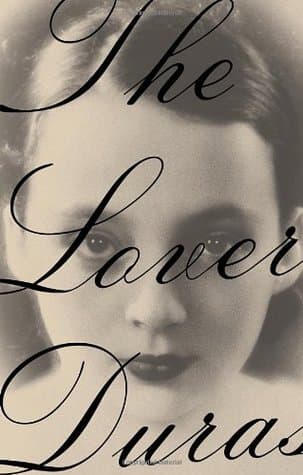
- The Lover
Marguerite Duras
3.7 (36k) average on GoodreadsHistorical FictionExplores an intense, sensual, and illicit affair with a strong focus on memory and the body.
- Orlando
Virginia Woolf
3.9 (61k) average on GoodreadsFantasyFeatures an exploration of identity, gender fluidity, and the nature of love over time, with a poetic narrative style.
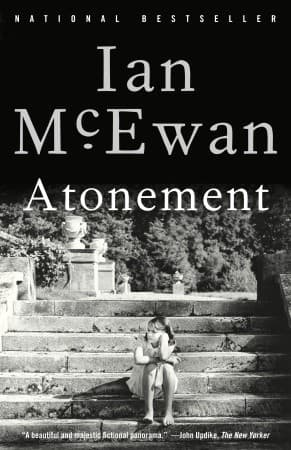
- Atonement
Ian McEwan
4.4 (70) average on GoodreadsUnlike McEwan's Atonement, which offers a meticulously detailed psychological narrative within a traditional plot and historical context, Winterson's novel prioritizes philosophical and poetic abstraction over strict realism and character-driven plot, focusing on the universal experience of desire rather than specific individual circumstances.
- Love in the Time of Cholera
Gabriel García Márquez
3.9 (412k) average on GoodreadsLiterary FictionIn contrast to Marquez's Love in the Time of Cholera, which presents a sweeping, epic narrative of enduring love with richly developed characters and a vibrant setting, Winterson's Written on the Body is far more compressed and internalized, deconstructing romantic love by focusing on the intimate, almost microscopic details of physical and emotional connection rather than a grand saga.
- The Old Man and the Sea
Ernest Hemingway
3.8 (831k) average on GoodreadsLiterary FictionA Cuban fisherman's long struggle with a giant marlin becomes a story of endurance and dignity, now retold for young adults with illustrations, phonetic guides, and writing prompts in Traditional Chinese.
- One Hundred Years of Solitude
Gabriel García Márquez
4.1 (753k) average on GoodreadsLiterary FictionThrough the multi-generational story of the Buendía family, a mythical town deals with the repeating patterns of time, love, and solitude, as the extraordinary mixes with the ordinary.



Enjoyed the summary?
A summary gives you the shape of the book. The book itself has the detail, the examples and the voice.
Find Written on the Body on AmazonAs an Amazon Associate, BookBrief earns from qualifying purchases. How we're funded