

Synopsis
Covers the whole plot, including the ending.
- Difficulty
- Easy
- Pacing
- Moderate
- Mood
- Heartwarming, Hopeful, Romantic, Timely
- Read it if
- You enjoy contemporary YA romance with a strong focus on political activism and character growth, featuring diverse protagonists.
- Skip it if
- You prefer fantasy or sci-fi, or are looking for a romance without any political themes.
Yes No Maybe So Plot Summary
Covers the whole plot, including the ending.
A Reluctant Start to Canvassing
Jamie Goldberg, a high school senior, dreads his summer. His parents, both lawyers and politically active, push him into volunteering for the local state senate campaign of Sarah Miller, a progressive Democrat. Jamie's social anxiety makes the idea of knocking on strangers' doors terrifying, and he initially plans to stick to behind-the-scenes data entry. However, his mother, wanting to push him out of his comfort zone, assigns him to door-to-door canvassing alongside Maya Rehman, a girl he vaguely knows from elementary school. This pairing sets the stage for their reluctant involvement in the campaign and their developing relationship.
Maya's Unraveling Summer
Maya Rehman's summer starts badly. Her parents have announced their separation, her best friend, Betsy, is distant with a new boyfriend, and her anticipated summer trip to visit family in Pakistan has been canceled. To make matters worse, her mother, hoping to distract Maya and give her purpose, insists she volunteer for Sarah Miller's campaign. Maya, feeling angry and helpless, reluctantly agrees, finding herself paired with the awkward and quiet Jamie Goldberg. This forced collaboration begins amid her personal upheaval, creating a challenging backdrop for her involvement.
First Forays into Canvassing
Jamie and Maya begin their canvassing efforts, an experience full of awkwardness for both. Jamie struggles to start conversations, often fumbling his words or freezing, while Maya, though more outwardly confident, is internally resistant. Their first few days are a series of uncomfortable encounters, slammed doors, and polite rejections. Despite their anxieties and reluctance, they slowly start to develop a rhythm and a tentative understanding of each other. Jamie observes Maya's resilience, while Maya finds Jamie's earnestness charming, slowly easing their initial reservations.
Building a Connection
Through countless hours of walking neighborhoods, knocking on doors, and sharing snacks, Jamie and Maya's relationship deepens. They start to confide in each other about their personal lives: Maya shares details about her parents' separation and her frustrations with Betsy, while Jamie reveals his struggles with social anxiety and his aspirations to become a filmmaker. Their conversations become more natural, filled with humor and shared observations about the campaign and the people they meet. A romantic tension begins to build between them, complicated by their different cultural backgrounds and personal challenges, but undeniable.
The Campaign Heats Up
As the election draws closer, the race between Sarah Miller and the incumbent, David Miller (no relation), becomes tight. This intensifies the campaign's efforts, requiring more hours and more effective canvassing from all volunteers, including Jamie and Maya. They attend campaign rallies, phone bank, and continue their door-to-door outreach, facing more passionate supporters and more aggressive detractors. The political stakes rise, forcing both Jamie and Maya to confront their discomforts and become more vocal advocates for Sarah Miller, pushing them further out of their comfort zones and strengthening their bond.
Navigating Cultural Differences
As their romantic feelings grow, Jamie and Maya begin to confront the realities of their different backgrounds. Jamie is Jewish, and Maya is Muslim. While both are secular to varying degrees, their families hold cultural and religious traditions that could complicate a relationship. They have candid conversations about their family expectations, holidays, and potential reactions to their romance. This open dialogue helps them understand each other better and address potential obstacles, showing their commitment to making their relationship work despite external pressures and internal anxieties about cultural acceptance.
Personal Crises and Support
Throughout the campaign, Jamie and Maya lean on each other for support during their personal crises. Maya continues to struggle with her parents' separation and the emotional distance from her best friend, Betsy. Jamie, meanwhile, faces his own challenges, including a setback in his filmmaking aspirations and moments of overwhelming social anxiety. Their shared experiences on the campaign trail, coupled with their growing affection, make them each other's primary confidantes and sources of comfort. They learn to be vulnerable and rely on one another.
The Rise of Political Extremism
As the election nears, the political climate becomes charged and hostile. Jamie and Maya encounter more aggressive and prejudiced voters, particularly those who express Islamophobic sentiments towards Maya and antisemitic remarks towards Jamie, often fueled by the opposing campaign's rhetoric. This exposure to open bigotry is jarring and frightening for both teenagers, highlighting the real-world dangers of political polarization. These experiences solidify their commitment to Sarah Miller's progressive platform and strengthen their resolve to fight for a more inclusive society, while also drawing them closer together.
The Election Day Push
Election Day arrives, bringing a whirlwind of activity. Jamie and Maya, alongside other dedicated volunteers, spend the entire day making last-minute calls, driving voters to the polls, and ensuring every possible vote for Sarah Miller is cast. The atmosphere is tense and exhilarating, filled with a mix of hope and anxiety. Their individual anxieties about public interaction are momentarily overshadowed by the collective goal, and they work seamlessly as a team, their bond clear in their coordinated efforts and shared determination to see their candidate win. It is a culmination of their summer's hard work.
Election Night and Beyond
Election night is a rollercoaster of emotions. Jamie and Maya, along with their families and fellow volunteers, gather at the campaign headquarters to watch the results. The race is incredibly close, creating suspense. While Sarah Miller ultimately loses the election by a narrow margin, the volunteers, including Jamie and Maya, find solace in their collective effort and the bonds they have formed. In the aftermath, Jamie and Maya officially begin their romantic relationship, choosing to focus on their future together and the positive impact they made, regardless of the election's outcome.
Principal Figures
Jamie Goldberg
Protagonist
A shy, anxious Jewish teenager who finds his voice through political activism and romance.
Jamie is a high school senior with significant social anxiety, particularly when speaking to strangers or in public. He's an aspiring filmmaker, observant and thoughtful, but struggles with self-confidence. His parents are politically active, pushing him into volunteer work, which initially terrifies him. He's Jewish, though not strictly religious, and his identity plays a role in his understanding of the world and his relationship with Maya. He's kind-hearted and earnest, gradually learning to overcome his shyness.
Relationships: Maya Rehman (Romantic interest, canvassing partner, confidante); Jamie's Parents (Supportive but sometimes pushy, politically active); Sarah Miller (Political candidate he volunteers for)
Maya Rehman
Protagonist
A spirited Muslim teenager grappling with family changes, who discovers her strength in activism and love.
Maya is a high school senior facing a turbulent summer: her parents are separating, her best friend is distant, and her summer travel plans are canceled. She's initially resistant to volunteering for the campaign, viewing it as another unwanted change. Maya is Muslim, and her cultural identity is important to her, though she is not highly religious. She is generally outgoing and outspoken, but her personal struggles make her vulnerable. She is resilient and passionate, finding purpose in the campaign and her growing feelings for Jamie.
Relationships: Jamie Goldberg (Romantic interest, canvassing partner, confidante); Maya's Parents (Separating, her mother pushes her into volunteering); Betsy (Best friend who becomes distant); Sarah Miller (Political candidate she volunteers for)
Sarah Miller
Supporting
The progressive state senate candidate whom Jamie and Maya volunteer for.
Sarah Miller is the Democratic candidate running for state senate. She is presented as a progressive and compassionate politician, advocating for policies that benefit her community. She serves as the catalyst for Jamie and Maya's involvement in activism and their eventual connection. While not a central character in terms of personal arc, her campaign provides the backdrop and purpose for the protagonists' journey. She inspires loyalty and hard work from her volunteers.
Relationships: Jamie Goldberg (Volunteer); Maya Rehman (Volunteer)
Jamie's Mom
Supporting
A politically active lawyer who encourages Jamie's involvement in the campaign.
Jamie's mother is a driven and politically engaged lawyer. She is loving but also determined to push Jamie out of his comfort zone, particularly regarding his social anxiety. She sees the campaign as an opportunity for his personal growth and to make a difference. She is supportive of Jamie and his burgeoning relationship with Maya, demonstrating an open-minded and progressive outlook.
Relationships: Jamie Goldberg (Mother); Jamie's Dad (Husband)
Maya's Mom
Supporting
A mother coping with separation who encourages Maya to volunteer.
Maya's mother is dealing with the emotional fallout of her separation from Maya's father. She is trying to find ways to cope and to help Maya navigate the difficult summer. She insists Maya volunteer for the campaign, hoping it will provide distraction and purpose. She is initially more traditional in some aspects, particularly regarding Maya's cultural identity, but ultimately supportive of Maya's choices and happiness.
Relationships: Maya Rehman (Mother); Maya's Dad (Separated husband)
Betsy
Supporting
Maya's best friend who becomes distant during Maya's difficult summer.
Betsy is Maya's long-time best friend. At the beginning of the summer, she becomes preoccupied with a new boyfriend, leading to a noticeable distance and lack of support for Maya during her family's separation. This creates tension and hurt for Maya, highlighting the theme of changing friendships and the need for support during difficult times. She eventually reconnects with Maya, demonstrating the enduring nature of their bond.
Relationships: Maya Rehman (Best friend)
David Miller
Antagonist
The incumbent state senator, whose campaign employs divisive tactics.
David Miller is the incumbent state senator and Sarah Miller's opponent. While not a directly interacting character, his campaign's rhetoric and tactics serve as the antagonist force in the story. His campaign often resorts to fear-mongering and veiled bigotry, particularly against immigrants and minorities, which Jamie and Maya encounter firsthand while canvassing. He represents the divisive and prejudiced elements in politics that the protagonists are fighting against.
Relationships: Sarah Miller (Political opponent)
Themes & Insights
The Power of Political Activism
The novel shows how grassroots political activism, even at a local level, can empower individuals and build community. Jamie and Maya, initially reluctant, find purpose and agency through their involvement in Sarah Miller's campaign. They learn the importance of civic engagement, the impact of local elections, and how to stand up for their beliefs against prejudice. This theme is clear in their transformation from shy volunteers to passionate advocates, culminating in their dedication on Election Day, despite the outcome.
“Maybe it was the work that made it feel like we belonged there. Maybe it was the work that made us belong to each other.”
Overcoming Social Anxiety and Finding Your Voice
Jamie's journey is central to this theme. His severe social anxiety initially cripples him, making the idea of door-to-door canvassing a nightmare. However, through persistent effort and Maya's supportive presence, he gradually learns to articulate his thoughts, connect with strangers, and advocate for what he believes in. This theme is also present in Maya's initial reluctance to engage and her eventual embrace of public speaking and debate. The campaign helps both characters push past their inhibitions and discover their individual and collective voices.
“I was still an anxious person, but I was also a person who could do hard things. A person who could talk to people.”
Cross-Cultural Romance and Acceptance
The growing relationship between Jamie, who is Jewish, and Maya, who is Muslim, forms the emotional core of the story. The novel explores the beauty and challenges of an interfaith, cross-cultural romance in contemporary America. It looks at how their backgrounds shape their identities, how they navigate family expectations, and how they confront prejudice from others. Their relationship champions understanding, empathy, and acceptance, showing that love can bridge divides and that differences can enrich a partnership.
“It wasn’t about being Jewish or Muslim. It was about being Jamie and Maya.”
Navigating Personal Turmoil and Growth
Both Jamie and Maya are dealing with significant personal challenges outside the campaign. Maya grapples with her parents' separation, the disruption of her summer plans, and a distant best friend. Jamie contends with his social anxiety and struggles with his filmmaking aspirations. The campaign, while demanding, provides a framework for them to process their individual anxieties and grow. They find solace and strength in each other, showing how shared purpose and mutual support can help navigate life's upheavals and build personal resilience.
“I didn’t know what was going to happen with my parents. Or with Betsy. But I knew I wasn’t alone.”
Plot Devices & Literary Techniques
Dual Perspectives
The story is told through alternating first-person chapters from Jamie and Maya.
The novel utilizes dual first-person perspectives, alternating between Jamie Goldberg and Maya Rehman. This allows readers to intimately understand both protagonists' internal thoughts, anxieties, and motivations. It provides insight into their individual struggles with social anxiety, family issues, and cultural identity, as well as their evolving perceptions of each other. This device enhances the emotional depth of their burgeoning romance and their shared experiences on the campaign trail, creating a richer, more nuanced narrative.
Campaign as a Catalyst
The political campaign serves as the primary setting and driving force for character development and plot progression.
The state senate campaign for Sarah Miller acts as the central catalyst for all major plot developments and character arcs. It forces Jamie out of his comfort zone, provides a shared purpose for him and Maya, and creates the environment for their relationship to blossom. The challenges and successes of the campaign directly influence their personal growth, the deepening of their bond, and their exposure to broader societal issues like prejudice and activism. Without the campaign, their paths would likely not have intertwined in such a profound way.
Symbolism of 'Yes, No, Maybe So'
The title reflects the characters' initial reluctance, evolving certainty, and the complexities of life and love.
The title 'Yes No Maybe So' functions as a recurring motif and symbolic device throughout the novel. Initially, it reflects Jamie and Maya's internal struggles and their reluctance to engage with the campaign ('No'). As they grow, they begin to say 'Yes' to challenges, to activism, and to each other. The 'Maybe So' encapsulates the uncertainties of their cross-cultural romance, the unpredictable nature of politics, and the complexities of life. It signifies the journey from doubt to tentative hope, acknowledging that not all outcomes are certain, but the effort and connection are worthwhile.
Yes No Maybe So Quotes
“Voting is a right, yes, but it’s also a responsibility. And it's a privilege.”
“I’m not trying to change anyone’s mind. I’m just trying to make sure people have the information they need to make their own.”
“Sometimes it’s easier to see the good in other people than it is to see it in yourself.”
“The thing about being a teenager is that everything feels like the end of the world, even when it’s not.”
“You can’t just sit back and hope things get better. You have to make them better.”
“It’s not about being perfect. It’s about being present.”
“Fear is a powerful motivator. But so is hope.”
“Maybe love isn’t about finding someone who completes you. Maybe it’s about finding someone who helps you complete yourself.”
“The hardest part isn’t saying goodbye. It’s learning to live without the hello.”
“Sometimes you have to be brave enough to be vulnerable.”
“It’s easy to get discouraged, especially when it feels like the world is against you. But that’s when you have to push harder.”
“You don't have to have all the answers to make a difference. You just have to be willing to ask the questions.”
“The best kind of love makes you want to be a better person, not just for them, but for yourself too.”
“It's not about being right. It's about doing right.”
Quiz
10 questions on the plot and the characters. Each answer comes with a short explanation.
Question 1
What is Jamie's primary reservation about volunteering for the state senate candidate?
- He disagrees with the candidate's policies.
- He prefers to work behind the scenes due to his shyness.
- He already has too many summer commitments.
- He doesn't believe in the effectiveness of canvassing.
Show answer
B. He prefers to work behind the scenes due to his shyness. Jamie is described as a 'choke artist' when it comes to speaking to strangers and prefers to be 'behind the scenes'.
Question 2
Which of the following is NOT one of Maya's initial reasons for having 'the worst Ramadan ever'?
- Her best friend is too busy.
- Her parents are separating.
- Her summer trip is canceled.
- She failed a crucial school exam.
Show answer
D. She failed a crucial school exam. The synopsis mentions her best friend being busy, her summer trip being canceled, and her parents separating as reasons for her distress, but not a failed exam.
Question 3
What activity brings Jamie and Maya together initially?
- Attending a political rally.
- Volunteering at a local food bank.
- Canvassing door-to-door for a political candidate.
- Working on a school project together.
Show answer
C. Canvassing door-to-door for a political candidate. Both Jamie and Maya are reluctant to go door-to-door for political canvassing, which is where they meet and begin to connect.
Question 4
What is the central theme that the authors Becky Albertalli and Aisha Saeed aim to explore through the story of Jamie and Maya?
- The challenges of long-distance relationships.
- The power of love and resistance.
- The importance of academic achievement.
- The pitfalls of social media activism.
Show answer
B. The power of love and resistance. The book description explicitly states that the authors 'have crafted a resonant, funny, and memorable story about the power of love and resistance.'
Question 5
What specific type of political campaigning are Jamie and Maya involved in?
- Phone banking for donations.
- Organizing large-scale rallies.
- Knocking on doors to ask people for their votes.
- Managing the candidate's social media presence.
Show answer
C. Knocking on doors to ask people for their votes. The synopsis clearly states Jamie 'would never knock on doors to ask people for their votes' and Maya is told to go 'door to door'.
Question 6
What kind of romance is hinted at between Maya and Jamie, based on the provided synopsis?
- A forbidden romance due to family feuds.
- A mentor-mentee romance within a political campaign.
- A cross-cultural romance.
- A secret romance hidden from their friends.
Show answer
C. A cross-cultural romance. The synopsis mentions 'Navigating the cross-cultural romance of the century is another thing entirely,' directly indicating this aspect of their relationship.
Question 7
How does Maya's mother view political canvassing as a solution for Maya's problems?
- Maya's mother thinks it will help her get into a good college.
- Maya's mother believes it will distract her from her personal issues.
- Maya's mother sees it as an opportunity for Maya to gain leadership skills.
- Maya's mother is forcing her to do it for her own political ambitions.
Show answer
B. Maya's mother believes it will distract her from her personal issues. Maya questions 'Why her mother thinks the solution to her problems is political canvassing,' implying her mother's intention is to help Maya cope with her personal struggles.
Question 8
What is the broader context of the political campaign in the story, regarding its competitiveness?
- The candidate is expected to win by a landslide.
- The polls are getting closer, indicating a tight race.
- The campaign is primarily focused on fundraising, not votes.
- The candidate is an incumbent with little opposition.
Show answer
B. The polls are getting closer, indicating a tight race. The synopsis states, 'After all, the polls are getting closer—and so are Maya and Jamie,' indicating a competitive election.
Question 9
How does Jamie's initial reluctance to speak to strangers contrast with his eventual involvement in the campaign?
- He remains behind the scenes throughout, never speaking to voters.
- He overcomes his shyness to actively engage in door-to-door canvassing.
- He only speaks to people he already knows, avoiding strangers.
- He delegates all public speaking tasks to Maya.
Show answer
B. He overcomes his shyness to actively engage in door-to-door canvassing. Jamie initially states 'There’s no way he’d ever knock on doors...until he meets Maya,' implying he eventually participates in canvassing, overcoming his shyness.
Question 10
What does the phrase 'Mastering local activism is one thing. Navigating the cross-cultural romance of the century is another thing entirely' imply about the challenges faced by Maya and Jamie?
- That their political work will be much harder than their relationship.
- That their relationship will present unique complexities beyond their shared political goals.
- That they will abandon activism to focus solely on their romance.
- That their cultural differences will make political activism impossible.
Show answer
B. That their relationship will present unique complexities beyond their shared political goals. This line highlights that while they might find common ground in activism, their cross-cultural romance will introduce a separate, and potentially more significant, set of challenges.
Yes No Maybe So FAQ
What is the central premise of 'Yes No Maybe So'?
The book centers on Jamie Goldberg and Maya Rehman, two teenagers from different backgrounds who are reluctantly paired up to canvass for a local progressive state senate candidate, Shadi Khan, during a crucial election. As they go door-to-door, they navigate their personal challenges, growing feelings for each other, and the complexities of political activism.
Who are Jamie Goldberg and what are his initial struggles?
Jamie Goldberg is a socially anxious Jewish teenager who prefers to work behind the scenes. He is a 'choke artist' when it comes to speaking to strangers, making the idea of knocking on doors to solicit votes particularly daunting for him. His initial reluctance to canvass stems from his severe social anxiety.
Who is Maya Rehman and what challenges is she facing at the start of the story?
Maya Rehman is a Muslim teenager experiencing a difficult Ramadan. Her challenges include her best friend being unavailable, a canceled summer trip, and her parents' separation. She is initially resistant to her mother's suggestion of political canvassing with Jamie, viewing it as an unwelcome distraction from her personal turmoil.
What role does the political campaign play in the narrative?
The local state senate campaign for Shadi Khan serves as the primary setting and catalyst for Jamie and Maya's interactions. It provides a backdrop for their developing relationship, forces them out of their comfort zones, and highlights themes of political engagement, community activism, and the impact of local elections.
How does Jamie's social anxiety evolve throughout the book?
Jamie's social anxiety is a major hurdle early on, but through his interactions with Maya and the necessity of canvassing, he gradually learns to manage it. He starts by struggling to speak to anyone, but by the end, he's more confident in engaging with strangers and even speaking publicly, demonstrating significant personal growth.
What is the significance of Maya's parents' separation to her character arc?
Maya's parents' separation is a significant source of emotional distress for her, contributing to her initial cynicism and reluctance. It forces her to confront changes in her family structure and rely on external relationships, ultimately making her more resilient and open to new experiences and connections, including with Jamie.
How does the book address the intersection of religion and politics for its characters?
The book subtly explores how Jamie's Jewish faith and Maya's Muslim faith intersect with their political beliefs and actions. It highlights their individual cultural backgrounds while showing how they find common ground in their shared progressive values and commitment to the campaign, demonstrating cross-cultural understanding and solidarity.
What hidden detail about the campaign's opposition is revealed?
A hidden detail is that the opposing candidate, who runs a negative campaign, also employs tactics like 'voter caging' and other forms of voter suppression, making the stakes of Jamie and Maya's canvassing efforts even higher. This underscores the real-world challenges faced by grassroots campaigns.
How does the 'Yes No Maybe So' title reflect the characters' journeys?
The title reflects the characters' evolving perspectives: 'No' represents their initial reluctance and personal struggles, 'Yes' signifies their growing commitment to the campaign and each other, and 'Maybe So' captures the uncertainty and hope of both their romance and the election outcome. It mirrors their internal and external conflicts.
What specific challenges do Jamie and Maya face as an interfaith couple?
As an interfaith couple, Jamie (Jewish) and Maya (Muslim) face subtle challenges related to cultural understanding and potential family expectations, though the book focuses more on their shared values. They navigate the newness of their cross-cultural romance by learning about each other's traditions and finding respect for their differences.
How does the book portray the emotional toll of political activism on young people?
The book portrays the emotional toll through Jamie and Maya's experiences with rejection, exhaustion, and the pressure to perform. They encounter apathy, hostility, and the weight of a close election, which can be draining, but they also find resilience and purpose in their collective efforts.
Are there any subtle connections or cameos from other Becky Albertalli books?
While not explicitly stated as a direct crossover, fans of Albertalli's other works might notice thematic similarities in the portrayal of diverse characters and authentic teen voices. The book operates as a standalone but shares the author's signature style of blending romance with contemporary issues.
What is the significance of the specific progressive policies championed by Shadi Khan?
Shadi Khan's campaign focuses on issues like affordable healthcare, environmental protection, and education reform, which resonate deeply with Jamie and Maya. These specific policies highlight the real-world impact of local elections and provide tangible goals for their activism, making the political struggle relatable.
How do Jamie and Maya's initial perceptions of each other change?
Jamie initially sees Maya as an intimidatingly confident and somewhat exasperated peer, while Maya views Jamie as an awkward and unassuming stranger. As they spend time together, they discover each other's vulnerabilities, strengths, and shared passion for justice, leading to a deep mutual respect and attraction.
What message does the book convey about the importance of youth political engagement?
The book strongly conveys that youth political engagement is vital and impactful. It shows how Jamie and Maya, despite their initial reservations and inexperience, can make a tangible difference in a local election, inspiring readers to believe in the power of their own voices and actions.
How does the book handle the theme of 'resistance' mentioned in the synopsis?
The theme of 'resistance' is woven throughout, primarily through the characters' efforts to counter voter suppression, combat political apathy, and stand up against negative campaigning. Their resistance isn't just political; it's also personal, as they resist their own fears and societal expectations to fight for what they believe in.
What role does social media play in the campaign and the characters' lives?
Social media plays a nuanced role, showcasing both its power for organizing and its potential for negativity. It's used for campaign outreach and communication, but also highlights the spread of misinformation and the pressure of online presence, reflecting contemporary political landscapes.
In what ways do Jamie and Maya challenge traditional gender roles?
Jamie, despite his anxiety, takes initiative in the relationship and campaigning, while Maya, though initially resistant, becomes a strong, vocal advocate. Their dynamic subverts some traditional gender expectations, showing both characters embracing different forms of strength and vulnerability.
About the author

Becky Albertalli is a New York Times bestselling author known for her heartwarming and humorous young adult novels. Her most famous work, "Simon vs. the Homo Sapiens Agenda," was adapted into the critically acclaimed film "Love, Simon." Albertalli's writing often explores themes of identity, friendship, and romance with relatable characters and authentic dialogue.
Similar books
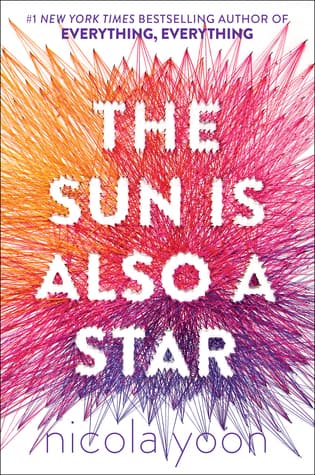
- The Sun Is Also a Star
Nicola Yoon
4.1 (184k) average on GoodreadsYoung AdultFeatures a day-long romance between diverse characters with philosophical undertones.
- The Hate U Give
Angie Thomas
4.5 (504k) average on GoodreadsYoung AdultYes No Maybe So shares with The Hate U Give a commitment to exploring contemporary social and political issues through the lens of a young protagonist. While Thomas's novel focuses on racial injustice and police brutality, Albertalli and Saeed center on grassroots political activism and the electoral process. Both books excel at portraying the personal impact of systemic issues and the journey of finding one's voice. However, The Hate U Give delves into more intense and traumatic events, leading to a more somber and urgent tone, whereas Yes No Maybe So maintains a lighter, more hopeful romantic comedy structure despite its serious political undertones.
- 1984
George Orwell
4.2 (3.1M) average on GoodreadsPoliticsIn a future where surveillance and thought control are absolute, a man's search for truth clashes with the Party, showing that hope can be a form of rebellion.
- Animal Farm
George Orwell
4.0 (2.7M) average on GoodreadsPoliticsA farm animals' rebellion against humans turns into a pig-led dictatorship, showing how power corrupts and revolutionary ideals are betrayed.
- Freakonomics: A Rogue Economist Explores the Hidden Side of Everything
Steven D. Levitt
4.0 (709k) average on GoodreadsBusinessThis book uses economic principles to reveal the surprising incentives behind everything from drug dealing and real estate to cheating teachers and the decline of crime.
- I Am Malala: The Story of the Girl Who Stood Up for Education and Was Shot by the Taliban
Malala Yousafzai
4.1 (419k) average on GoodreadsPoliticsA teenage girl from a Taliban-controlled valley refuses to give up her books, becoming a global voice for education even after an assassination attempt.





Enjoyed the summary?
A summary gives you the shape of the book. The book itself has the detail, the examples and the voice.
Find Yes No Maybe So on AmazonAs an Amazon Associate, BookBrief earns from qualifying purchases. How we're funded