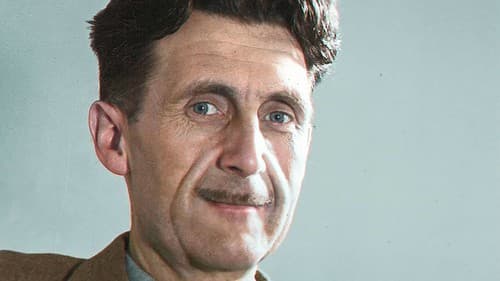
Eric Arthur Blair, better known by his pen name George Orwell, was an English novelist, essayist, journalist, and critic. His work is characterised by lucid prose, social criticism, opposition to totalitarianism, and support of democratic socialism.
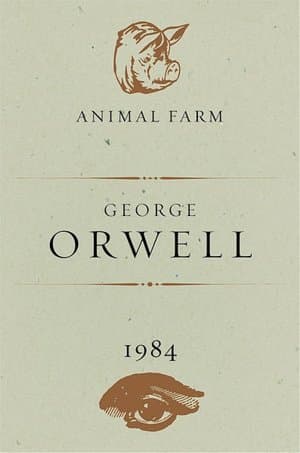
Winston Smith dreams of truth and rebellion in a world where Big Brother watches all, but he confronts the terrifying power of a regime that controls not just actions, but thoughts.
In a future where surveillance and thought control are absolute, a man's search for truth clashes with the Party, showing that hope can be a form of rebellion.
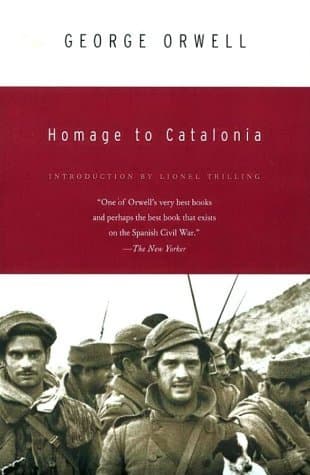
Orwell's memoir details his experiences in the Spanish Civil War, exposing the brutal realities and political betrayals that shaped his lifelong commitment to democratic socialism.
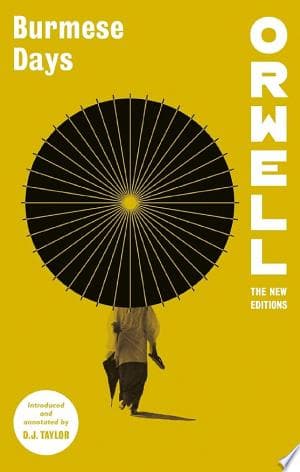
In colonial Burma, a timber merchant, fed up with the hypocrisy around him, navigates racial prejudice, political schemes, and a failed romance, eventually breaking under the weight of a system he despises.
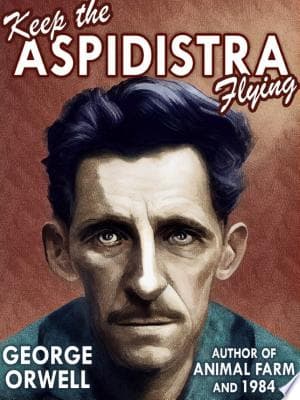
In 1930s London, a poet's defiant war against the 'money-god' spirals into a darkly comic descent through poverty, petulance, and the inescapable lure of the very conformity he despises.
Orwell's journey into 1930s Britain's industrial areas shows the harshness of poverty and class, creating a strong criticism of social injustice that still matters today.
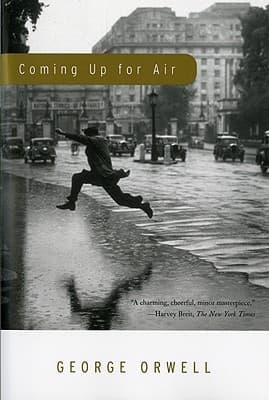
A middle-aged man, disillusioned with his suburban life, seeks solace in his childhood village, only to find it changed by progress and on the brink of war.
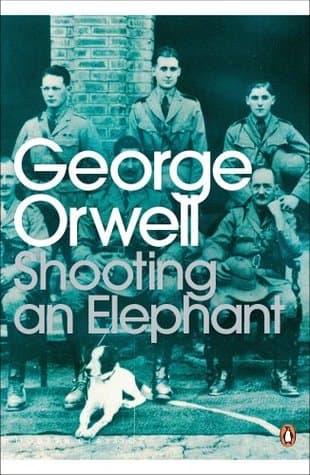
In colonial Burma, an English officer's reluctant decision to shoot an elephant for appearances tragically shows how imperialism dehumanizes both the oppressor and the oppressed.