

Synopsis
Covers the whole plot, including the ending.
- Difficulty
- Medium
- Pacing
- Moderate
- Mood
- Heartbreaking, Hopeful, Suspenseful, Emotional
- Read it if
- You enjoy emotionally intense stories about brotherhood, trauma, and the power of connection, with a focus on psychological depth and character development.
- Skip it if
- You prefer lighthearted reads or are sensitive to themes of child abuse and neglect.
A List of Cages Plot Summary
Covers the whole plot, including the ending.
An Unexpected Reunion
Adam Blake, a senior with ADHD, is assigned as an aide for the school psychologist, Dr. Mann. Adam initially sees this as an easy period to text friends. However, Dr. Mann asks him to find a freshman, Julian, who has been missing appointments. Adam is surprised to find that this Julian is his former foster brother, whom he hasn't seen in five years. Their reunion is happy, with Adam remembering their close bond and Julian's gentle nature. Adam wants to reconnect with Julian, despite Julian's quietness and struggles.
Julian's Secret Struggles
As Adam and Julian spend more time together, Adam sees several concerning behaviors. Julian is unusually withdrawn, often anxious and tired. He frequently hides in the library during lunch, refusing to go to the cafeteria. Adam also notices Julian's attachment to children's picture books, which he reads repeatedly. Julian avoids direct questions about his home life and his current foster father, Russell. Adam's attempts to get Julian to open up are met with resistance, but he senses sadness and fear, increasing his concern.
A Glimpse of the Past
The present-day story includes flashbacks to Adam and Julian's time together in foster care. These memories show their deep emotional connection. Adam, then a young boy, protected the younger, sensitive Julian. They shared stories, comforted each other, and found solace together. These flashbacks explain Adam's strong desire to help Julian now. The memories also contrast with Julian's current quiet state, showing the big change in his personality.
Escalating Concerns
Adam's concerns grow when he sees physical signs of abuse on Julian, including bruises and a limp. Julian says these are accidents, but Adam knows he is lying. One day, Julian collapses in the hallway, clearly malnourished and exhausted. Adam takes him to the nurse's office, where Julian's physical condition is clear. Julian reluctantly admits his foster father, Russell, is abusive. But he is afraid of what will happen if he says too much, fearing for himself and for Russell's biological daughter, Tasha, who also lives there.
A Plea for Help
After the incident at school, Julian finally tells Adam the details of his life with Russell. He describes being locked in a closet for long periods, being beaten, starved, and forced to do humiliating tasks. Russell manipulates Julian, threatening Tasha if Julian ever tells about the abuse. Julian explains his fear of speaking out, believing that if he leaves, Tasha will face Russell's cruelty. This confession strengthens Adam's resolve to save Julian, but also shows how complex and dangerous their situation is.
Adam's Desperate Plan
Adam talks to Dr. Mann, carefully sharing his concerns about Julian without revealing all the abuse, respecting Julian's fear. Dr. Mann begins to investigate, but is limited by Julian's refusal to speak. Adam also confides in his friends, Charlie and Rebecca, who are supportive but unsure how to intervene without Julian's help. Adam realizes that official channels are too slow and that Julian's immediate safety is at risk. He starts to make his own plan, feeling responsible for his foster brother.
The Plan to Escape
Adam, with Charlie and Rebecca's help, plans to get Julian out of Russell's house. They decide to create a diversion, allowing Adam to enter the house and get Julian. Charlie will create a loud disturbance outside to get Russell's attention, while Rebecca waits in the car as a lookout. Adam knows the house layout from Julian's descriptions and plans to act quickly. The tension builds as they finalize details, aware of the danger in confronting an abuser.
Confrontation and Rescue
The night of the rescue, Adam carries out his plan. Charlie creates the diversion, drawing Russell outside. Adam slips into the house and finds Julian in the closet, very weak and scared. As Adam tries to lead Julian out, Russell re-enters the house. A fight happens between Adam and Russell. Adam, driven by adrenaline and his love for Julian, fights back against Russell, managing to stop him long enough to get Julian out of the house and into Rebecca's waiting car. The escape is difficult, leaving both boys shaken.
Aftermath and Healing
After the rescue, Julian goes to the hospital for medical care and then to a safe place. Russell is arrested, and child protective services get involved. Julian begins a long and difficult recovery. Adam stays by his side, visiting regularly and providing support. The legal process happens, bringing some justice. Julian slowly starts to heal, finding his voice again and processing the trauma he endured, with Adam as his constant support.
A Future Uncaged
After recovery and therapy, Julian is placed with a new, loving foster family who know his past and want to help him. He continues to improve, slowly regaining confidence and a sense of safety. Adam remains a part of Julian's life, their bond stronger than ever. The novel ends with Julian looking towards a future where he can finally be himself, free from the abuse and fear, and Adam finding a deeper purpose in his life through his loyalty and love for his brother.
A List of Cages Characters
Adam Blake
Protagonist
A senior with ADHD, fiercely loyal to his foster brother, Julian.
Adam is a high school senior known for his boundless energy, quick wit, and a touch of impulsivity, often attributed to his ADHD. Beneath his sometimes-disorganized exterior lies a deeply compassionate and protective heart. His past experiences in foster care, particularly his bond with Julian, have shaped him into someone fiercely loyal. He struggles with academic focus but possesses an innate sense of justice and an unwavering determination when he cares deeply about someone. His primary motivation throughout the book is to save Julian, no matter the personal cost.
Relationships: Julian (Foster brother, deep emotional bond, protective); Charlie (Best friend, supportive); Rebecca (Close friend, supportive); Dr. Mann (School psychologist, mentor, confidante)
Julian
Protagonist
Adam's sensitive, artistic foster brother, suffering severe abuse.
Julian is a quiet, artistic freshman who was once a bright and imaginative child. Years of severe physical and psychological abuse at the hands of his foster father, Russell, have left him withdrawn, fearful, and malnourished. He carries deep emotional scars, manifested in his attachment to children's books, his reluctance to speak, and his constant state of anxiety. Despite his trauma, he retains a core of kindness and a capacity for love, particularly for Tasha, Russell's biological daughter, which complicates his ability to seek help. His greatest fear is of being abandoned or causing harm to others.
Relationships: Adam Blake (Foster brother, deep emotional bond, relies on him for safety); Russell (Abusive foster father, tormentor); Tasha (Russell's daughter, whom Julian tries to protect)
Russell
Antagonist
Julian's cruel and manipulative foster father.
Russell is Julian's foster father and the primary antagonist. He is a deeply disturbed and abusive individual who inflicts severe physical and psychological torture on Julian. He is manipulative, using threats against Tasha to control Julian and prevent him from speaking out. Russell presents a veneer of normalcy to the outside world, making it difficult for others to suspect his cruelty. He derives sadistic pleasure from Julian's suffering, embodying pure malice and a complete lack of empathy. His actions are the driving force behind Julian's trauma and Adam's desperate attempts to rescue him.
Relationships: Julian (Victim of his abuse); Tasha (His biological daughter, whom he also neglects and uses as a tool for manipulation)
Dr. Mann
Supporting
The school psychologist who tries to help Julian.
Dr. Mann is the compassionate and perceptive school psychologist for whom Adam works as an aide. She is dedicated to her students' well-being and quickly recognizes that Julian is deeply troubled. While initially limited by Julian's silence and the lack of concrete evidence, she is persistent in her attempts to reach out to him and investigate his situation. She serves as a vital adult figure, providing a safe space and professional guidance, even if her efforts are initially hampered by Julian's fear. She eventually plays a crucial role in the official aftermath of Julian's rescue.
Relationships: Adam Blake (Student aide, confidante to a degree); Julian (Student, patient)
Charlie
Supporting
Adam's loyal best friend who assists in Julian's rescue.
Charlie is Adam's best friend, a reliable and grounded presence. He is initially skeptical of Adam's impulsive ideas but quickly becomes a loyal and supportive ally once he understands the severity of Julian's situation. Charlie provides practical help and emotional support to Adam, demonstrating his unwavering friendship. He is instrumental in the planning and execution of Julian's rescue, acting as the crucial diversion, showcasing his bravery and commitment to his friends.
Relationships: Adam Blake (Best friend); Rebecca (Friend)
Rebecca
Supporting
Adam's close friend who aids in the rescue.
Rebecca is another one of Adam's close friends, intelligent and observant. She is empathetic to Julian's plight and, like Charlie, becomes fully committed to helping Adam rescue him. Rebecca's role in the rescue plan is critical, as she provides the getaway vehicle and acts as a lookout. She represents the power of friendship and collective action in the face of injustice. Her presence reinforces that Adam is not alone in his fight for Julian.
Relationships: Adam Blake (Close friend); Charlie (Friend)
Tasha
Supporting
Russell's biological daughter, also a victim of his neglect.
Tasha is Russell's biological daughter, a young girl living in the same abusive household as Julian. While not physically abused to the same extent as Julian, she suffers from severe emotional neglect and the psychological impact of living with an abusive father. Julian's concern for Tasha's safety is a major reason he initially refuses to speak out, believing that if he leaves, she will become Russell's sole target. Tasha represents the hidden victims of domestic abuse and highlights the complex emotional ties that bind victims to their abusers.
Relationships: Julian (Housemate, object of Julian's protection); Russell (Abusive father)
Adam's Mother
Supporting
Adam's adoptive mother, a source of stability and love.
Adam's adoptive mother is a loving and supportive figure in his life. Although she doesn't fully grasp the depth of Adam's past trauma or his current desperate mission, she provides him with a stable home, emotional security, and a sense of belonging. Her presence underscores the stark contrast between Adam's current loving environment and Julian's horrific situation, highlighting the importance of a safe home. She represents the positive impact of a nurturing family.
Relationships: Adam Blake (Adoptive mother)
A List of Cages Themes
The Power of Brotherhood and Unconditional Love
The main theme is the strong bond between Adam and Julian. Despite years apart and Julian's trauma, Adam's love and loyalty never change. His decision to rescue Julian, even risking his own life, shows this theme. Flashbacks to their foster care days show how this bond formed, with Adam protecting Julian and comforting him. This theme shows that love can last through time and circumstances, providing strength and hope in difficult situations, as seen when Adam helps Julian escape.
“I’d known Julian for five years, but it felt like five minutes. He was the one person who understood me completely.”
Child Abuse and Its Long-Lasting Impact
The novel explores the effects of child abuse, both physical and psychological. Julian shows how trauma can lead to withdrawal, fear, self-blame, and a loss of identity. The descriptions of Russell's cruelty and Julian's coping—like his attachment to children's books and his attempts to protect Tasha—show the lasting scars left by abuse. The book reveals the hidden nature of such suffering and the courage victims need to heal.
“The thing about the cages was, they weren’t always made of bars. Sometimes they were made of fear.”
Silence, Secrets, and the Struggle to Speak Out
A theme is the difficulty and danger of speaking about abuse. Julian's fear of Russell, and his desire to protect Tasha, keep him from telling about his suffering for a long time. This shows how abusers manipulate victims, making it hard for them to get help. Adam's struggle to get Julian to confide in him and Julian's slow process of finding his voice show the psychological barriers to speaking out and the role of a trusted person in overcoming them.
“It was like there was a whole language I’d forgotten how to speak.”
The Definition of Family and Home
The book questions traditional ideas of family, showing that blood ties do not guarantee love or safety. Adam and Julian, foster brothers, have a deeper, more loving bond than Julian has with his biological father or his abusive foster father, Russell. The contrast between Adam's supportive adoptive family and Julian's foster home shows that true family is built on care, protection, and acceptance, not just legal or biological connections. The story suggests that 'home' is a place of safety and love, not just a building.
“Family wasn’t always blood. Sometimes, it was the people who saved you.”
Plot Devices & Literary Techniques
Dual Narrative Perspective
Alternating chapters between Adam and Julian's viewpoints.
The story is told through alternating first-person perspectives of Adam and Julian. This device allows readers to experience the present-day urgency of Adam's quest to save Julian, while simultaneously delving into Julian's traumatic past and his internal struggles. Adam's chapters provide the external action and his growing concern, while Julian's provide a raw, intimate look into the psychological toll of abuse, his memories, and his profound fear. This contrast creates a powerful emotional impact and builds suspense as the reader pieces together the full extent of Julian's suffering.
Flashbacks
Interspersed memories of Adam and Julian's time in foster care.
Flashbacks are strategically placed throughout the narrative, depicting Adam and Julian's shared past in foster care before their separation. These memories serve several crucial functions: they establish the depth of their brotherhood, explain Adam's unwavering loyalty, and provide a stark contrast to Julian's current subdued state, highlighting the severity of the changes wrought by abuse. The flashbacks also offer moments of warmth and hope amidst the present-day darkness, reminding both characters and readers of the love that once existed and can be reclaimed.
Symbolism of 'Cages'
Metaphorical and literal 'cages' representing confinement and trauma.
The concept of 'cages' is a central and recurring symbol. Literally, Julian is locked in a closet, a physical cage. Metaphorically, he is trapped by his fear, silence, and the psychological manipulation of Russell. The title itself, 'A List of Cages,' refers to the various forms of confinement Julian experiences. The symbol extends to Adam, who feels caged by his helplessness and the constraints of official systems. The overarching goal of the narrative is to break Julian free from these literal and metaphorical cages, signifying liberation and healing.
The Children's Picture Books
A symbolic comfort object for Julian and a window into his inner world.
Julian's constant reading and re-reading of children's picture books, particularly 'The Little Prince,' serves as a significant symbolic device. These books represent his lost innocence, his regression to a safer, simpler time, and his desperate need for comfort and escape from his brutal reality. They also act as a subtle form of communication; Adam recognizes their significance and uses them as a way to connect with Julian, understanding that Julian is trying to hold onto the gentle, imaginative part of himself that Russell tries to destroy.
A List of Cages Quotes
“Sometimes, when you're afraid, you feel like you have to be mean to protect yourself. But it doesn't really protect you. It just makes you feel worse.”
“The hardest part of being a hero is that no one ever knows what you did, or what it cost you.”
“You don't get to choose what you remember. You only get to choose what you do with it.”
“Sometimes the people who need help the most are the ones who push it away the hardest.”
“It's funny how you can live with someone for years and still not really know them.”
“Being lonely isn't about being alone. It's about feeling like no one understands you.”
“Hope is a dangerous thing. It can keep you going, but it can also break your heart.”
“You can't save everyone. But you can save someone. And sometimes, that's enough.”
“The past isn't a cage. It's a key. You can use it to unlock your future, or you can let it lock you in.”
“Sometimes the bravest thing you can do is ask for help.”
“Love isn't always easy. Sometimes it's the hardest thing you'll ever do.”
“The world isn't always fair, but that doesn't mean you stop trying to make it better.”
“Secrets can eat you alive if you let them.”
“You don't need to be perfect to be loved. You just need to be yourself.”
Quiz
10 questions on the plot and the characters. Each answer comes with a short explanation.
Question 1
What elective does Adam Blake land in his senior year?
- School Newspaper Editor
- Teacher's Assistant for English
- Aide to the school psychologist
- Librarian's Assistant
Show answer
C. Aide to the school psychologist Adam's senior year elective, serving as an aide to the school psychologist, is where the story begins, leading him to reunite with Julian.
Question 2
What specific challenge does Adam face that makes 'sitting around' difficult for him?
- Anxiety disorder
- ADHD
- Dyslexia
- A physical injury
Show answer
B. ADHD The book explicitly states that Adam has ADHD, which makes the sedentary nature of his elective challenging for him.
Question 3
How long has it been since Adam and Julian last saw each other before their reunion at school?
- Two years
- Three years
- Five years
- Ten years
Show answer
C. Five years Adam discovers Julian is the foster brother he hasn't seen in five years, making their reunion a significant plot point.
Question 4
What initial impression does Julian give Adam upon their reunion?
- He seems aggressive and distant.
- He appears much like the kindhearted boy Adam once knew, still loving stories and picture books.
- He is overtly rebellious and dismissive of Adam.
- He is overly enthusiastic and tries to hide his past.
Show answer
B. He appears much like the kindhearted boy Adam once knew, still loving stories and picture books. Initially, Julian seems like the boy Adam once knew, kindhearted and still enjoying stories, which makes Julian's later revealed secrets more impactful.
Question 5
What is one of the key secrets Julian is keeping that Adam notices as they spend more time together?
- He is secretly dating a popular girl at school.
- He is involved in a school gang.
- He is hiding where he goes during the middle of the day.
- He is planning to run away from home.
Show answer
C. He is hiding where he goes during the middle of the day. As Adam spends more time with Julian, he realizes Julian is keeping secrets, including where he hides during the middle of the day, which hints at the abuse he's enduring.
Question 6
What is the primary motivation for Adam's determination to help Julian?
- He feels guilty for not staying in touch over the years.
- He wants to prove himself to the school psychologist.
- He deeply cares for Julian as his former foster brother and recognizes Julian is in trouble.
- He is bored with his elective and seeks excitement.
Show answer
C. He deeply cares for Julian as his former foster brother and recognizes Julian is in trouble. Adam's bond with Julian as his former foster brother and his recognition of Julian's distress are the driving forces behind his efforts to help, highlighting themes of loyalty and protection.
Question 7
What is the underlying genre of 'A List of Cages' as described?
- Fantasy Adventure
- Romantic Comedy
- Psychology, Young Adult
- Historical Fiction
Show answer
C. Psychology, Young Adult The book description explicitly states its genres as 'Psychology, Young Adult,' which is crucial for understanding its thematic focus.
Question 8
The phrase 'Adam is determined to help him, but his involvement could cost both boys their lives' foreshadows what central conflict or danger?
- They might get expelled from school for breaking rules.
- Julian's secrets involve a life-threatening situation, likely abuse, that puts both boys at grave risk.
- They could lose their friendship due to the stress of the situation.
- They might fail their classes due to Adam's distraction.
Show answer
B. Julian's secrets involve a life-threatening situation, likely abuse, that puts both boys at grave risk. This line strongly foreshadows that Julian's secrets are related to severe danger, implying abuse or a similar life-threatening situation at his home, which Adam's intervention could escalate.
Question 9
What does Julian's continued love for 'stories and picture books meant for little kids' suggest about his character despite his age and troubled circumstances?
- He is intellectually stunted and unable to mature.
- It highlights his innocence, vulnerability, and a possible regression or coping mechanism due to his trauma.
- He is secretly trying to become a children's book author.
- He is trying to impress Adam with his unique hobbies.
Show answer
B. It highlights his innocence, vulnerability, and a possible regression or coping mechanism due to his trauma. Julian's love for children's books suggests a retained innocence and vulnerability, potentially as a coping mechanism or a sign of arrested development due to the trauma he's experiencing, contrasting with the harsh realities of his life.
Question 10
The phrase 'what’s really going on inside his house' specifically points towards what central theme or issue in the novel?
- A mystery involving hidden treasure.
- The theme of domestic abuse or neglect, hidden from the outside world.
- Julian's secret aspirations to become a musician.
- A complex family inheritance dispute.
Show answer
B. The theme of domestic abuse or neglect, hidden from the outside world. This phrase directly indicates that the core problem lies within Julian's home environment, strongly implying themes of hidden domestic abuse or neglect, which is a common focus in 'psychology' and 'young adult' literature dealing with troubled youth.
A List of Cages FAQ
What is 'A List of Cages' about?
'A List of Cages' tells the story of Adam Blake, a high school senior with ADHD, who is reunited with his former foster brother, Julian, after five years. Adam, working as an aide for the school psychologist, is tasked with finding Julian, a troubled freshman. As they reconnect, Adam uncovers the dark secrets Julian is hiding about his abusive home life, leading Adam on a desperate mission to save him.
Why should I read 'A List of Cages'?
You should read 'A List of Cages' for its raw emotional depth and powerful exploration of brotherhood, trauma, and the courage to seek help. It offers a poignant look at the lasting impact of abuse and the strength of human connection, all while keeping you on the edge of your seat with its suspenseful narrative.
What is the background/setting of 'A List of Cages'?
The story is primarily set in a contemporary high school environment where Adam is a senior and Julian is a freshman. A significant portion of the narrative also delves into Julian's abusive home life with his uncle and aunt, contrasting the normalcy of school with the hidden terror of his private world. Flashbacks to Adam and Julian's time together in foster care five years prior also provide crucial context.
What are the most memorable quotes?
One memorable quote is, 'Maybe the only way to be okay is to let people in.' This reflects Adam's journey to help Julian. Another is, 'Some cages are invisible,' highlighting the hidden nature of Julian's abuse and his emotional confinement.
What writing style does the author use?
Robin Roe employs a dual-perspective narrative, alternating between Adam's and Julian's viewpoints, often with distinct chapter headings. The language is accessible yet deeply emotive, using vivid imagery to convey the characters' internal struggles and the escalating tension of Julian's situation. The pacing builds suspense effectively, especially as Adam uncovers more truths.
What minor details add significant meaning?
Julian's continued love for children's picture books and his habit of drawing small, intricate pictures in notebooks are minor details that powerfully symbolize his arrested development and his attempts to escape the harsh reality of his abuse. These innocent acts starkly contrast with the trauma he endures, emphasizing his lost childhood.
What are some subtle foreshadowing moments?
Subtle foreshadowing occurs early when Julian consistently evades the school psychologist and finds elaborate hiding spots, hinting at a deeper, more dangerous reason for his secrecy than just typical freshman shyness. Adam's increasing concern over Julian's weight loss, his tattered clothes, and his evasive answers about his home life also serve as early warnings of the abuse.
What unexpected character connections exist?
Beyond Adam and Julian's foster brother connection, the most significant unexpected connection is the revelation of Julian's Uncle Russell's true nature. Initially appearing as a stern but somewhat distant guardian, his escalating abuse of Julian is a horrifying discovery that profoundly impacts both boys and their support network.
What are unspoken character motivations?
Julian's unspoken motivation for enduring the abuse and not immediately seeking help is a complex mix of fear for his younger sister, shame, and a deeply ingrained belief that he might be somehow responsible or that no one would believe him. Adam's unspoken motivation to save Julian stems from guilt over losing contact and a profound sense of brotherly responsibility and love.
What psychological complexities do characters exhibit?
Julian exhibits severe trauma responses, including dissociation, secretive behavior, and a desperate need for control over small aspects of his life. Adam grapples with his ADHD, which can make focusing difficult, but also fuels his relentless determination and empathy for Julian, showcasing how his 'flaw' becomes a strength in his quest to help his brother.
What are the major emotional turning points?
A major emotional turning point is when Adam finally witnesses a direct sign of Julian's abuse, shattering his denial and solidifying his resolve to intervene. Another is when Julian, after much resistance, finally confides in Adam and the school psychologist, marking a crucial step towards healing and escape from his abusive environment.
How do relationship dynamics evolve?
The relationship between Adam and Julian evolves from a distant, almost forgotten bond to an intense, life-saving brotherhood. Initially, Adam struggles to reconnect with a withdrawn Julian. As Adam uncovers the truth, their dynamic shifts to one of deep trust and reliance, with Adam becoming Julian's protector and Julian slowly learning to lean on Adam for support and safety.
Which parts remain ambiguous or open-ended?
While the immediate crisis is resolved, the long-term journey of Julian's healing and recovery from the extensive trauma he endured remains open-ended. The book focuses on the rescue, leaving the full scope of his psychological and emotional rehabilitation to the reader's imagination, implying it will be a long and difficult path.
What are controversial scenes or decisions?
A potentially controversial aspect is Adam's decision to initially keep Julian's secrets from adults, attempting to handle the situation himself. While driven by good intentions and a desire to protect Julian, this prolongs Julian's suffering and puts both boys at greater risk, sparking debate about when to involve authorities versus personal intervention.
'A List of Cages' ending explained: how it ends & what it means
The book ends with Adam successfully getting Julian out of his abusive home, leading to Uncle Russell's arrest and Julian being placed in a safe foster home. It signifies the breaking of Julian's 'cage' of abuse and silence. The ending implies hope for Julian's future, as he begins to heal and rebuild his life with Adam's unwavering support, emphasizing the power of brotherhood and the importance of speaking out.
Similar books
- The Perks of Being a Wallflower
Stephen Chbosky
4.2 (1.3M) average on GoodreadsPsychologyExplores themes of trauma, friendship, and self-discovery in a high school setting.
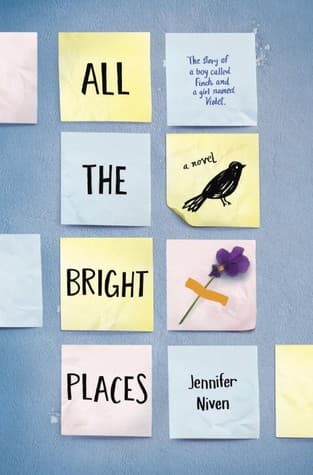
- All the Bright Places
Jennifer Niven
4.2 (300k) average on GoodreadsPsychologyDeals with mental health struggles and the impact of relationships on healing.
- Eleanor Oliphant Is Completely Fine
Gail Honeyman
4.3 (708k) average on GoodreadsLiterary FictionA lonely woman's structured life changes when an IT guy and an elderly man help her learn to open her heart.
- One Flew Over the Cuckoo's Nest
Ken Kesey
4.2 (631k) average on GoodreadsPsychologyIn a mind-bending asylum, the boisterous Randle McMurphy wages a defiant war against the tyrannical Nurse Ratched, inspiring his fellow inmates, including the seemingly catatonic Chief Bromden, to reclaim their lost humanity.
- The Bell Jar
Sylvia Plath
4.0 (591k) average on GoodreadsPsychologyIn the suffocating grip of 1950s expectations, a brilliant young woman's descent into mental illness is painted with such vivid, internal clarity that her 'insanity' feels terrifyingly rational and inevitable.
- The Subtle Art of Not Giving a F*ck: A Counterintuitive Approach to Living a Good Life
Mark Manson
3.9 (530k) average on GoodreadsBusinessEmbrace your flaws and stomach life's lemons, because true happiness isn't about relentless positivity, but about choosing what truly matters to give a f*ck about.





Enjoyed the summary?
A summary gives you the shape of the book. The book itself has the detail, the examples and the voice.
Find A List of Cages on AmazonAs an Amazon Associate, BookBrief earns from qualifying purchases. How we're funded