
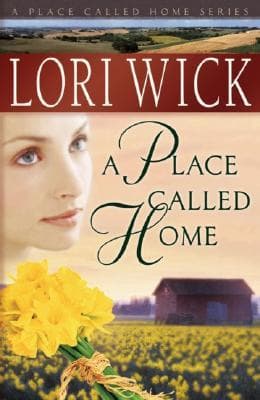
Synopsis
Covers the whole plot, including the ending.
- Difficulty
- Easy
- Pacing
- Moderate
- Mood
- Heartwarming, Hopeful, Suspenseful, Faith-filled
- Read it if
- You enjoy heartwarming historical romances with a strong faith element and a touch of suspense.
- Skip it if
- You prefer gritty realism or stories without explicit religious themes.
A Place Called Home Plot Summary
Covers the whole plot, including the ending.
The Grandfather's Legacy and a Treacherous Warning
Following the death of her beloved grandfather, Christine Bennett, a young woman living in the late 19th century, finds herself the sole heir to his substantial estate. However, the will contains a chilling clause: if Christine dies, everything passes to Vince Jeffers, a distant and sinister relative who has always harbored ill intentions. Christine feels an immediate sense of unease. Shortly after the will reading, she receives an anonymous, urgent note warning her that she is in grave danger and must leave town immediately. Fearing for her life, Christine makes the difficult decision to abandon her home and familiar surroundings, escaping into the unknown to protect herself from Jeffers's perceived threat.
A New Beginning in Baxter
Christine arrives by train in the small community of Baxter, a town far removed from her previous life of wealth and privilege. She adopts a new name, Christine Peterson, to avoid detection and starts from scratch. With limited funds and no connections, she seeks employment. She finds a position as a housekeeper for the kind Reverend Matthew Hunter and his young daughter, Becky. This new environment is a stark contrast to her past, forcing her to adapt to a simpler, more physically demanding existence. Despite the challenges, Christine finds a sense of safety and anonymity in Baxter, slowly beginning to heal from the trauma of her flight.
Life with the Hunters
As Christine settles into her role as housekeeper for Reverend Matthew Hunter, she quickly endears herself to his young daughter, Becky, who is still grieving the loss of her mother. Christine's gentle nature and ability to connect with Becky create a warm atmosphere in the Hunter home. Matthew, initially reserved, begins to appreciate Christine's quiet strength, diligence, and genuine kindness. Their daily interactions, from shared meals to discussions about Becky's well-being, slowly lead to mutual respect and admiration. Christine, in turn, finds solace in the stability and genuine affection offered by the Hunter family, a stark contrast to the fear and loneliness she experienced before.
Budding Affection and Community Integration
Christine's bond with Matthew Hunter deepens into a quiet, unspoken affection. They share meaningful conversations and find comfort in each other's presence. Beyond the Hunter household, Christine gradually integrates into the Baxter community. She attends church services, participates in local events, and makes friends with other townspeople. Her past remains a closely guarded secret, but her genuine character shines through, earning her the respect and warmth of the community. This period marks a significant shift for Christine, as she begins to experience a true sense of belonging and purpose, far from the shadows of her former life and the threat that drove her away.
The Arrival of Vince Jeffers
Just as Christine begins to feel truly safe and content in Baxter, her past catches up with her. Vince Jeffers, driven by greed and his desire to claim her inheritance, discovers her location. He arrives in Baxter under false pretenses, posing as a distant relative come to check on her. His presence immediately shatters Christine's newfound peace, reigniting her fear and anxiety. She knows his intentions are malicious, and his very presence in the quiet town threatens not only her life but also the safety and tranquility of the people she has come to care for, especially Matthew and Becky.
A Web of Deceit and Manipulation
Vince Jeffers, a manipulator, begins to subtly weave deceit around Christine and the unsuspecting townspeople of Baxter. He spreads rumors and insinuations about Christine's past, attempting to discredit her and isolate her from her new friends. He tries to coerce Christine into returning with him, promising her safety while subtly threatening her and those around her. The community, initially trusting, begins to feel a sense of unease as Jeffers's true nature slowly becomes apparent to some, particularly Matthew, who is protective of Christine and grows increasingly suspicious of Jeffers's motives and behavior.
The Confrontation and Revelation
The tension escalates as Jeffers's actions become more overt and threatening. Realizing she can no longer keep her past a secret, Christine makes the difficult decision to confide in Matthew, revealing her true identity, the circumstances of her grandfather's will, and the real danger posed by Vince Jeffers. Matthew, though initially shocked, is unwavering in his support. Together, they decide to inform the town's authorities and trusted community members. This revelation is a turning point, as Christine sheds the burden of her secret and finds strength in the support of those who care for her.
The Community Rallies
Upon learning the truth, the close-knit community of Baxter rallies around Christine. The townspeople, led by Matthew Hunter, stand firm against Vince Jeffers. They refuse to be swayed by his lies and manipulations. Evidence begins to mount against Jeffers, as his desperate actions expose his true criminal intentions. The community's unity and determination create a formidable front, making it clear that Jeffers will not succeed in his wicked plans. This collective stand not only protects Christine but also solidifies her place as a beloved member of Baxter.
Justice Prevails
The combined efforts of the Baxter community and local law enforcement lead to the apprehension of Vince Jeffers. With his schemes fully exposed and his threats neutralized, justice finally prevails. Christine's inheritance is secured, and more importantly, her safety is guaranteed. The fear and uncertainty that shadowed her life for so long are finally lifted. This moment marks a liberation for Christine, allowing her to fully embrace the peace and happiness she has found in Baxter, free from the shadow of her past and Jeffers's malevolent influence.
A Future in Baxter
With the danger behind them, Christine and Matthew Hunter are free to openly acknowledge their deep love and commitment to each other. They decide to marry, building a future together in the beloved community of Baxter. Christine, no longer just a housekeeper, becomes an integral part of Matthew's life and a loving mother figure to Becky. Their union shows the power of faith, resilience, and the enduring strength of community. Christine, who once fled her home in fear, has truly found a place called home, filled with love, family, and unwavering faith.
Principal Figures
Christine Bennett
Protagonist
A gentle and resilient young woman forced to flee her home.
Christine Bennett is introduced as a sheltered but kind young woman of means, suddenly orphaned and thrust into a dangerous situation. She possesses an innate goodness, intelligence, and a quiet strength that allows her to adapt to a completely new and challenging life in Baxter. She is initially fearful and vulnerable, but her experiences in Baxter, particularly her growing faith and the love she finds, strengthen her resolve. She values honesty and integrity, even when it means revealing a painful past.
Relationships: Grandfather (Beloved guardian, source of inheritance); Vince Jeffers (Antagonist, a greedy and threatening distant relative); Reverend Matthew Hunter (Love interest, employer, later husband); Becky Hunter (Matthew's daughter, Christine becomes a loving stepmother figure)
Reverend Matthew Hunter
Love Interest / Supporting
A kind, widowed minister who offers Christine a new life.
Matthew Hunter is a compassionate and principled widower, dedicated to his ministry and raising his young daughter, Becky. He is initially reserved but possesses a deep capacity for kindness, empathy, and strong moral convictions. He is observant and protective, quickly discerning Christine's good character and later sensing the danger posed by Vince Jeffers. His faith is central to his character, guiding his actions and offering comfort. He provides a stable and loving environment that allows Christine to heal and grow.
Relationships: Christine Bennett (Employer, love interest, later husband); Becky Hunter (His daughter)
Vince Jeffers
Antagonist
A greedy and manipulative relative intent on stealing Christine's inheritance.
Vince Jeffers is the embodiment of greed and malevolence. He is cunning, manipulative, and utterly ruthless, driven solely by the desire for wealth. He presents a polite facade when necessary but is quick to resort to threats and intimidation. He sees Christine as an obstacle to his inheritance and is willing to go to extreme lengths to eliminate her. His presence brings a tangible sense of danger and tension to the story, highlighting the contrast between his dark motives and the innocence of Baxter.
Relationships: Christine Bennett (Distant relative, intended victim of his schemes)
Becky Hunter
Supporting
Matthew's young daughter who quickly bonds with Christine.
Becky is Matthew Hunter's young daughter, still grieving the loss of her mother. She is sweet, innocent, and quickly forms a loving bond with Christine. Her presence in the Hunter household provides an immediate connection for Christine and helps her feel needed and loved. Becky's simple affection and trust are instrumental in opening Christine's heart and helping her find a sense of belonging in Baxter. She represents the pure, uncomplicated joy of family that Christine comes to cherish.
Relationships: Reverend Matthew Hunter (Her father); Christine Bennett (Housekeeper, later stepmother figure)
Christine's Grandfather
Mentioned
The deceased guardian whose will sets the plot in motion.
Christine's grandfather is a benevolent figure whose death precipitates the entire plot. Though deceased, his presence is felt through Christine's grief and the terms of his will. He was a loving guardian who provided Christine with a comfortable life, but his foresight in including the clause about Vince Jeffers inadvertently places Christine in danger, even as it highlights Jeffers's long-standing avarice. He represents the lost security of Christine's past.
Relationships: Christine Bennett (His granddaughter and heir)
The Baxter Community
Supporting
The collective residents of Baxter who provide refuge and support.
The Baxter community functions as a collective character, embodying the ideals of small-town life, faith, and mutual support. They are initially welcoming to Christine and, when the truth of her situation is revealed, they rally around her with unwavering loyalty and protection. Their collective strength and moral fortitude are crucial in standing up against Vince Jeffers. They represent the 'home' that Christine finds, built on trust, compassion, and shared values.
Relationships: Christine Bennett (New member, protected by the community); Reverend Matthew Hunter (Spiritual leader)
Themes & Insights
The Search for Home and Belonging
Christine's journey is about finding a true 'home' not just a physical place, but a place where she feels safe, loved, and accepted. Initially, her home is shattered by her grandfather's death and Jeffers's threat. She flees, rootless and alone. In Baxter, she gradually builds a new life, finding belonging through her relationships with Matthew and Becky, and her integration into the community. The town itself, with its warmth and faith, becomes her sanctuary, fulfilling her deep need for a place where she can truly belong. This is shown when the entire community defends her against Jeffers, solidifying her place among them.
“As the dim lights of the train station faded, Christine Bennett wondered if she would ever see home again.”
Faith and Providence
Faith is central to Christine's journey and the overall narrative. Initially, Christine is not explicitly religious, but her experiences in Baxter, particularly through Matthew's gentle guidance and the community's strong Christian values, lead her to embrace a deeper faith. This newfound faith provides her with strength, comfort, and hope during times of fear and uncertainty. Matthew's character embodies unwavering faith, which he shares with Christine, helping her to trust in a divine plan even amidst danger. The resolution of the conflict against Jeffers can be seen as an act of divine providence, reinforcing the theme that goodness and faith ultimately prevail.
“The love she finds there, along with newfound faith, sustains her as she faces the threat of danger.”
Good Versus Evil
The novel clearly shows the forces of good and evil. Christine Bennett and the benevolent community of Baxter, led by Reverend Matthew Hunter, represent goodness, kindness, and integrity. Their actions are driven by love, compassion, and a strong moral compass. In contrast, Vince Jeffers embodies pure evil, driven by insatiable greed and a willingness to harm others to achieve his selfish desires. The plot is a direct confrontation between these two opposing forces, with the inherent goodness of the community ultimately triumphing over Jeffers's malice. This theme reinforces the idea that even in the face of significant threat, moral rectitude will prevail.
“Jeffers watched her with an evil look that made her shiver.”
The Power of Community and Family
The strength and support of both chosen family and a close-knit community are vital themes. Christine, orphaned and alone, finds a new family in Matthew and Becky, which provides her with emotional security and love. Beyond the immediate family, the entire community of Baxter acts as a protective force. When Christine's secret is revealed, they do not shun her but instead unite to defend her against Vince Jeffers. This collective action highlights the power and comfort that a supportive community can offer, showing how shared values and mutual care can overcome external threats and create an unbreakable bond.
“A Place Called Home”
Plot Devices & Literary Techniques
The Inherited Threat
A will clause that places the protagonist in mortal danger.
This device, the specific wording in Christine's grandfather's will that leaves everything to Vince Jeffers upon Christine's death, acts as the primary catalyst for the entire plot. It creates immediate conflict and suspense, forcing Christine to flee and setting up Jeffers as the clear antagonist. It not only establishes the stakes (Christine's life and fortune) but also highlights Jeffers's greedy character, as the clause makes him the prime suspect in any harm that might befall her. This device ensures that the danger is personal and deeply rooted in Christine's past.
Anonymous Warning
A mysterious note that initiates the protagonist's flight.
The anonymous note Christine receives, warning her of danger and urging her to leave town immediately, serves as a crucial plot device. It provides the initial impetus for her escape to Baxter, without revealing the source or full extent of the threat. This creates immediate suspense and mystery, as Christine (and the reader) is left to wonder who sent the note and why, adding to her isolation and vulnerability. It also allows for her arrival in Baxter under a veil of secrecy, setting the stage for her new life and the eventual confrontation with her past.
The Small-Town Sanctuary
A secluded, virtuous community that offers refuge and contrast.
Baxter functions as a classic small-town sanctuary, a deliberate contrast to Christine's dangerous past. Its isolation and close-knit, faith-based community provide a safe haven where Christine can heal and find anonymity. This setting allows for the development of genuine relationships and a strong sense of belonging, which are essential for Christine's character arc. The sanctuary is then threatened by the intrusion of Vince Jeffers, heightening the drama and demonstrating the community's protective nature, solidifying Baxter's role as Christine's true 'home'.
A Place Called Home Quotes
“She had always believed that God had a plan for her life, but sometimes it was hard to see what that plan was when everything felt so uncertain.”
“True love wasn't about perfection, but about two imperfect people choosing to love each other despite their flaws.”
“Home wasn't just a place; it was a feeling, a sense of belonging that warmed the soul.”
“Sometimes the greatest strength lay not in fighting, but in surrendering to God's will.”
“A kind word, a gentle touch, could sometimes mend wounds that no medicine could reach.”
“The past might shape who you were, but it didn't have to define who you would become.”
“It was in the quiet moments, the everyday routines, that the deepest love often grew.”
“Hope was a fragile thing, easily broken, but essential for the human spirit to survive.”
“Forgiveness was not for the other person, but for your own heart to be set free.”
“Even in the darkest valleys, there was always a glimmer of light if one only looked for it.”
“Love wasn't always a grand declaration; sometimes it was just showing up, day after day.”
“The greatest riches were not found in gold or silver, but in the love of family and friends.”
“Sometimes the most difficult paths led to the most beautiful destinations.”
Quiz
10 questions on the plot and the characters. Each answer comes with a short explanation.
Question 1
Why does Christine Bennett leave her original home town?
- She was offered a new job opportunity in Baxter.
- She inherited a house in Baxter and moved there.
- She received a note warning her of danger and telling her to leave.
- She wanted to escape a difficult relationship.
Show answer
C. She received a note warning her of danger and telling her to leave. Christine leaves her hometown after receiving an anonymous note warning her of danger and instructing her to leave immediately.
Question 2
What is the name of the community Christine escapes to?
- Fairview
- Baxter
- Hopewell
- Springfield
Show answer
B. Baxter After leaving her hometown, Christine arrives in the community of Baxter to start a new life.
Question 3
Who is Vince Jeffers, and what is his connection to Christine?
- He is Christine's childhood friend who helps her escape.
- He is the executor of her grandfather's will and a kind guardian.
- He is the person who inherits everything if Christine dies, and he gives her an evil look.
- He is a stranger she meets on the train to Baxter.
Show answer
C. He is the person who inherits everything if Christine dies, and he gives her an evil look. Vince Jeffers is the person named in Christine's grandfather's will to inherit everything in the event of Christine's death, and his 'evil look' makes her wary.
Question 4
What two key elements sustain Christine as she builds her new life in Baxter?
- Her new job and a large inheritance.
- The love she finds and newfound faith.
- A strong sense of independence and a desire for revenge.
- Old friends from her past and a peaceful environment.
Show answer
B. The love she finds and newfound faith. The synopsis states that 'The love she finds there, along with newfound faith, sustains her as she faces the threat of danger.'
Question 5
What event immediately precedes Christine's deep loneliness and the reading of her grandfather's will?
- A major argument with Vince Jeffers.
- The death of her grandfather.
- Receiving the warning note.
- A fire that destroys her home.
Show answer
B. The death of her grandfather. The text states, 'With the death of her grandfather, Christine experienced a deep loneliness she'd never felt before.The words of his will rang in her ears.'
Question 6
What is the primary motivation for Christine obeying the warning note to leave town?
- A desire for adventure and new experiences.
- A wish to escape her grief over her grandfather's death.
- Fear of potential harm or danger mentioned in the note.
- She was simply tired of her old life.
Show answer
C. Fear of potential harm or danger mentioned in the note. The text explicitly states she was 'afraid of what might happen' and was 'obeying a note she had received saying she was in danger and must leave town immediately.'
Question 7
The historical fiction setting implies that Christine's journey and new life take place during a specific time period. Based on the mention of a 'train station' and general themes of historical romance, which of the following is most likely NOT the setting?
- Late 19th or early 20th century.
- Post-World War II era.
- Contemporary 21st century.
- Turn of the century (1900s).
Show answer
C. Contemporary 21st century. The genre 'Historical Fiction, Romance' combined with elements like train travel suggests a past era, making the contemporary 21st century the least likely setting.
Question 8
What does the phrase 'A Place Called Home' in the title most likely refer to in the context of the synopsis?
- The physical house Christine inherits from her grandfather.
- The feeling of belonging and security Christine finds in Baxter, rather than just a physical location.
- The name of the train station where Christine departs.
- A specific landmark in her original hometown.
Show answer
B. The feeling of belonging and security Christine finds in Baxter, rather than just a physical location. Given Christine's journey and her finding 'love' and 'faith' to sustain her in a new community, 'home' likely symbolizes a deeper sense of belonging and security she builds, rather than just a physical structure.
Question 9
The synopsis mentions Christine beginning to 'piece together a new life' in Baxter. What does this phrase imply about her initial state upon arrival?
- She arrived with a detailed plan for her future.
- Her life was fragmented and uncertain, requiring effort to rebuild.
- She was immediately welcomed into a pre-existing community structure.
- She had significant financial resources to establish herself quickly.
Show answer
B. Her life was fragmented and uncertain, requiring effort to rebuild. To 'piece together' something implies it was broken or incomplete, suggesting Christine arrived in a fragmented state, needing to actively reconstruct her life.
Question 10
Considering the genre 'Romance,' what can we infer about the 'love she finds' in Baxter?
- It is exclusively platonic love from new friends.
- It primarily refers to her love for the new community itself.
- It strongly suggests a significant romantic relationship will develop for Christine.
- It refers to her renewed love for her family.
Show answer
C. It strongly suggests a significant romantic relationship will develop for Christine. As the genre is listed as 'Romance,' the mention of 'the love she finds there' strongly indicates the development of a romantic relationship for the protagonist.
A Place Called Home FAQ
What is the central conflict that drives Christine Bennett to leave her home?
Christine Bennett is forced to leave her home due to the menacing threat posed by Vince Jeffers, who stands to inherit her grandfather's estate if she dies. A mysterious note warning her of immediate danger and advising her to flee confirms her fears, prompting her desperate escape to the unknown community of Baxter.
Who is Vince Jeffers and what is his role in the story?
Vince Jeffers is the sinister individual named in Christine's grandfather's will as the secondary heir, poised to inherit everything if Christine dies. His 'evil look' and the clear threat he represents are the primary catalysts for Christine's flight and the initial source of danger she faces throughout the narrative.
Where does Christine find refuge after leaving her original home?
Christine finds refuge in the community of Baxter, a new and unfamiliar place where she attempts to rebuild her life. It is in Baxter that she begins to establish new relationships, discover love, and cultivate a newfound faith, all of which become crucial to her resilience.
What significant personal transformations does Christine undergo in Baxter?
In Baxter, Christine experiences profound personal growth, primarily through finding love and developing a deep, newfound faith. These elements become her foundational support, empowering her to confront the lingering dangers from her past and navigate the challenges of her new life.
What is the primary genre of 'A Place Called Home'?
'A Place Called Home' is primarily a blend of Historical Fiction and Romance. It combines elements of a historical setting with a central romantic storyline, while also incorporating themes of suspense and spiritual journey as Christine navigates her perilous circumstances.
Was the mysterious note Christine received a genuine warning, and who likely sent it?
While the book doesn't explicitly state the sender, the mysterious note was undoubtedly a genuine warning, likely sent by someone aware of Vince Jeffers's nefarious intentions and concerned for Christine's safety. This individual probably had some connection to her grandfather or the estate, possessing inside knowledge of the threat.
Are there any subtle clues about Christine's grandfather's past that might explain Jeffers's involvement?
The synopsis hints at a complex past by making Jeffers the secondary heir, suggesting a pre-existing relationship or arrangement with Christine's grandfather. This might imply a past business dealing, a hidden debt, or even a misguided sense of obligation that led to Jeffers's inclusion in the will, rather than just random malice.
How does the 'dim lights of the train station' imagery foreshadow Christine's journey?
The 'dim lights' imagery foreshadows Christine's journey into an uncertain and potentially dangerous future, leaving behind the familiar but now threatening past. It symbolizes the darkness of her immediate circumstances and the unknown path she is embarking upon, seeking a brighter, safer 'home' in Baxter.
What role does the historical setting play in shaping Christine's options and challenges?
The historical setting likely limits Christine's options for independent financial security and legal recourse, making her more vulnerable to Jeffers's schemes. It also influences the modes of travel and communication, intensifying her isolation and making her escape to a remote community like Baxter a more drastic and necessary measure.
How does Christine's initial 'deep loneliness' influence her susceptibility to new relationships in Baxter?
Christine's initial 'deep loneliness' makes her particularly open and perhaps vulnerable to forming new connections in Baxter. This emotional void allows the love and newfound faith she discovers to fill a significant need, making these new relationships profoundly impactful and central to her healing and resilience.
What psychological impact does the constant threat of Vince Jeffers have on Christine, even in Baxter?
Even in Baxter, the constant threat of Vince Jeffers likely causes Christine significant anxiety, hyper-vigilance, and a sense of unease. This lingering fear could make it difficult for her to fully trust her new environment and relationships, initially hindering her ability to feel completely safe and settled.
How does Christine's 'newfound faith' psychologically empower her to face danger?
Christine's 'newfound faith' psychologically empowers her by providing a sense of hope, purpose, and inner strength. It likely helps her overcome fear, find peace amidst uncertainty, and develop a belief in divine protection, enabling her to confront the external threats with greater resilience and courage.
Discuss the symbolic significance of 'home' in the book's title and Christine's journey.
The title 'A Place Called Home' symbolizes not just a physical dwelling but a state of belonging, safety, and emotional security. Christine's journey is about finding this true 'home' – a place where she is loved, safe from danger, and spiritually grounded, transcending her initial physical home that became a place of threat.
Could Vince Jeffers be seen as more than just an antagonist, perhaps a catalyst for Christine's growth?
While an antagonist, Vince Jeffers undeniably acts as a catalyst for Christine's profound personal and spiritual growth. His threat forces her out of her comfort zone, leading her to discover resilience, love, and faith in Baxter, elements she might not have found otherwise. He indirectly pushes her towards a better life.
How does the element of 'romance' intertwine with the themes of danger and faith in the narrative?
The romance in the narrative provides Christine with emotional support and a reason to fight for her new life, strengthening her resolve against danger. Simultaneously, her newfound faith often underpins her relationships, teaching her about unconditional love and forgiveness, thus intertwining these themes to form her complete journey.
What message might the author be conveying about resilience in the face of adversity through Christine's story?
The author likely conveys a powerful message about resilience, emphasizing that even in the face of profound loss and immediate danger, individuals can rebuild their lives. Christine's journey highlights the importance of finding internal strength, community support, and spiritual grounding as key elements for overcoming adversity.
Is the 'love she finds there' purely romantic, or does it encompass broader forms of affection and community?
While the synopsis hints at romantic love, 'the love she finds there' likely encompasses a broader spectrum of affection, including deep friendships and the warmth of a supportive community. These varied forms of love would collectively contribute to her sense of belonging and provide the stability she desperately needs.
How does the phrase 'piece together a new life' reflect Christine's active role in her own recovery and future?
The phrase 'piece together a new life' emphasizes Christine's agency and active participation in her recovery, rather than passively waiting for circumstances to improve. It suggests a deliberate, often challenging, process of rebuilding, where she consciously makes choices and efforts to establish stability and happiness in Baxter.
About the author

Lori Wick is an author known for her fiction, particularly in the realm of inspirational and romantic stories. Her notable works include "The Princess," "A Place Called Home," and "Sabrina," which explore themes of love and personal growth. Wick's writing often resonates with readers seeking uplifting narratives.
Similar books
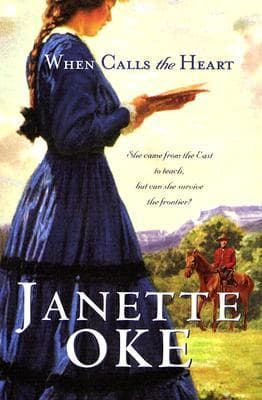
- When Calls the Heart
Janette Oke
4.2 (21k) average on GoodreadsHistorical FictionShares themes of a woman starting anew in a frontier community, finding love and faith.
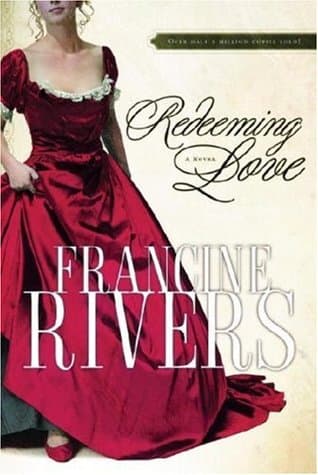
- Redeeming Love
Francine Rivers
4.5 (213k) average on GoodreadsHistorical FictionExplores themes of faith, redemption, and enduring love amidst adversity in a historical context.
- The Blue Castle
L.M. Montgomery
4.3 (30k) average on GoodreadsHistorical Fiction'The Blue Castle' shares with 'A Place Called Home' the theme of a protagonist finding a new life and love in an unexpected place, and both feature a charming small-town setting. However, Montgomery's novel, while also heartwarming, is not explicitly Christian fiction. It explores themes of independence, societal expectations, and finding joy in unconventional ways with a more secular lens. Wick's book consistently integrates faith as a central driving force for character decisions and plot resolution, a distinction not as pronounced in Montgomery's work, which focuses more on individualistic self-discovery outside of a specific religious framework.
- To Kill a Mockingbird
Harper Lee
4.3 (4.5M) average on GoodreadsHistorical FictionIn the 1930s Jim Crow South, Harper Lee writes about racial injustice, moral growth, and the quiet courage of a lawyer father, Atticus Finch, as seen through his young daughter's eyes.
- The Great Gatsby
F. Scott Fitzgerald
3.9 (3.8M) average on GoodreadsHistorical FictionIn the opulent Roaring Twenties, a mysterious millionaire's lavish parties hide his desperate, tragic pursuit of a lost love, exposing the emptiness within the American Dream.
- Pride and Prejudice
Jane Austen
4.3 (3M) average on GoodreadsHistorical FictionIn a society focused on status and money, Elizabeth Bennet navigates love and pride, challenging Mr. Darcy and social expectations to find true affection.




Enjoyed the summary?
A summary gives you the shape of the book. The book itself has the detail, the examples and the voice.
Find A Place Called Home on AmazonAs an Amazon Associate, BookBrief earns from qualifying purchases. How we're funded