

Synopsis
Covers the whole plot, including the ending.
- Difficulty
- Medium
- Pacing
- Moderate
- Mood
- Introspective, Emotional, Thought-provoking, Melancholy
- Read it if
- You enjoy intimate family sagas exploring cultural identity, faith, and intergenerational conflict within an immigrant family.
- Skip it if
- You prefer fast-paced plots or stories with clear, linear narratives and minimal introspection.
A Place for Us Plot Summary
Covers the whole plot, including the ending.
Hadia's Wedding
The novel begins with Hadia's wedding, a major event that brings the entire Indian-American Muslim family to California. Hadia, the eldest daughter, is marrying a man she loves, not through an arranged marriage, showing a mix of tradition and modern ways. The most anticipated guest is Amar, the youngest sibling, who has been away from the family for three years. His return creates tension and suppressed emotions, especially for his parents, Layla and Rafiq. The wedding is lively, full of guests, traditional rituals, and the joy of the union. Yet, the family's internal problems and the mystery of Amar's absence are present beneath the celebration. His presence forces the family to face the past choices and betrayals that led to his estrangement.
Layla's Early Life and Marriage
The story moves to Layla's past, detailing her early life in India and her arranged marriage to Rafiq. She recounts leaving her homeland and adjusting to life in America, far from her culture. Layla's initial struggles with loneliness, cultural assimilation, and raising children in a new country are explored. Her marriage to Rafiq, though arranged, grows stronger over time, built on shared faith and the effort to build a new life. This section explains her parenting style and her strong desire to give her children a Muslim identity, often clashing with their American upbringing.
Rafiq's Ambition and Faith
Rafiq's perspective shows his journey as an immigrant father and husband. We see his dedication to his family, working hard to establish himself in America. His faith is central to who he is, and he tries to be a devout Muslim, passing these values to his children. However, his strong beliefs sometimes lead to rigid expectations, especially about his children's religious practices and cultural norms. He deals with the tension between his traditional values and the American individualism his children increasingly adopt, especially as they grow older and form their own identities outside the home.
Hadia and Huda's Childhood
Hadia and Huda's childhood balances their parents' devout Muslim faith and the American culture they find at school and with friends. Hadia, the eldest, often feels responsible, trying to be a good role model and a dutiful daughter. Huda, more observant and thoughtful, finds comfort and identity in her faith. They navigate typical teenage challenges, from friendships to school pressures, while trying to reconcile their parents' expectations with their own growing desires for independence. Their bond is strong, but their paths diverge as they grow, with Hadia often mediating between her parents and younger siblings.
Amar's Early Struggles
Amar's childhood is marked by feeling different, both within his family and in the wider world. Unlike his sisters, he struggles to fully embrace either his Muslim faith or American culture, often feeling like he doesn't belong anywhere. His sensitivity makes him vulnerable to perceived slights and misunderstandings. He often clashes with his parents, especially his father, over religious observance and behavior. These early struggles contribute to his growing alienation and a deep feeling of being misunderstood, setting the stage for his later rebellion and estrangement. He often seeks comfort in outside friendships.
The Weight of Expectations
As the children become teenagers, their parents' expectations about their faith, education, and future choices become clearer. Hadia excels in school and is seen as the ideal child, but she also feels pressure to maintain this image. Huda finds comfort in her faith but also questions some strict interpretations. Amar, however, feels increasingly stifled and misunderstood. His parents' attempts to guide him often seem like criticisms, pushing him further away. The family's efforts to enforce traditions, especially around prayer and social interactions, lead to more friction, particularly with Amar, who wants more freedom and understanding.
Amar's Rebellion and Departure
Amar's struggles grow during his teenage years, leading to acts of rebellion. He starts neglecting prayers, tries substances, and engages in behaviors his parents find unacceptable. These actions are often a desperate plea for attention and understanding, but his parents, Layla and Rafiq, respond with stricter discipline and disappointment. A particularly painful confrontation, from a misunderstanding or a perceived betrayal of family values, leads Amar to leave home. This departure, full of pain and unspoken words, leaves a deep wound in the family, especially for Layla, who blames herself.
Life Apart
After Amar leaves, the family tries to move on, but his absence casts a long shadow. Layla struggles with deep grief and guilt, constantly worrying about her son. Rafiq, though outwardly calm, also carries the pain of the separation. Hadia and Huda live their own lives, pursuing education and careers, but the unspoken tension and void left by Amar are always present. They often try to understand Amar's perspective, feeling caught between loyalty to their parents and their brother's need for independence. The years of separation are filled with unanswered questions and a desire for reconciliation.
The Wedding Day's Aftermath
Amar's return for Hadia's wedding brings out long-suppressed emotions and unresolved conflicts. While the wedding is joyful, the days after are tense. Amar has tentative conversations with his sisters, trying to bridge the gap between them. His interactions with his parents are especially difficult, marked by longing, resentment, and unspoken apologies. Layla and Rafiq deal with their own regrets and the painful realization that their attempts to protect and guide Amar may have accidentally pushed him away. The wedding forces them to confront the choices that led to his estrangement and the possibility of healing.
Reconciliation and Understanding
After the wedding, the family slowly begins the difficult process of reconciliation. Through individual conversations and shared moments, they start to express their feelings, regrets, and hopes. Amar, now older and more thoughtful, begins to understand his parents' reasons, even if he doesn't fully agree with their methods. Layla and Rafiq, in turn, start to see Amar not just as their son, but as an individual with his own struggles and desires. While not all wounds are fully healed, there is a sense of tentative understanding and a renewed commitment to being a family, acknowledging their differences while valuing their shared bonds. The novel ends with a fragile hope for their future.
Principal Figures
Layla
Protagonist/Mother
The devout, loving, and often anxious matriarch of the family.
Layla is the mother of Hadia, Huda, and Amar. She is a devout Muslim woman who immigrated from India to America with her husband, Rafiq. Her life is deeply rooted in her faith and her family, and she strives to instill traditional Islamic values in her children. Layla is fiercely protective and loving, but her anxieties about her children's spiritual and cultural assimilation often manifest as strictness and a reluctance to fully understand their individual struggles. She carries a profound guilt over Amar's estrangement, believing she failed him as a mother.
Relationships: Rafiq (Husband; partner in raising the family, shares deep faith but sometimes differing parenting approaches.); Hadia (Eldest daughter; Layla sees her as a responsible and exemplary child.); Huda (Middle daughter; Layla finds comfort in Huda's consistent faith and quiet nature.); Amar (Youngest son; Layla's relationship with him is fraught with love, concern, and deep-seated guilt over his estrangement.)
Rafiq
Protagonist/Father
The stoic, hardworking, and traditionally-minded patriarch.
Rafiq is the father of Hadia, Huda, and Amar, and Layla's husband. He is a hardworking immigrant who built a life for his family in America, driven by a strong sense of responsibility and a deep commitment to his Muslim faith. Rafiq is often stoic and less outwardly expressive than Layla, but his love for his family is unwavering. He believes firmly in discipline and traditional values, sometimes struggling to bridge the cultural gap with his American-born children. He struggles to express his emotional pain, particularly concerning Amar's distance.
Relationships: Layla (Wife; shares a life built on faith and shared goals, though they have different emotional expressions.); Hadia (Eldest daughter; respects her academic achievements and responsibility.); Huda (Middle daughter; appreciates her quiet devotion and adherence to faith.); Amar (Youngest son; their relationship is strained by misunderstandings and Rafiq's difficulty in connecting emotionally.)
Hadia
Supporting/Eldest Daughter
The responsible and academically driven eldest sister, a bridge between her parents and siblings.
Hadia is the eldest child, a diligent and intelligent young woman who often takes on the role of mediator within the family. She excels academically and professionally, striving to meet her parents' expectations while also forging her own path. Her marriage, chosen for love rather than tradition, symbolizes her ability to blend her cultural heritage with modern American values. She feels a deep sense of responsibility for her siblings, particularly Amar, and often tries to understand and advocate for him, even when it puts her at odds with her parents.
Relationships: Layla & Rafiq (Parents; she strives to please them but also seeks independence.); Huda (Sister; a close and supportive bond.); Amar (Brother; protective and understanding, often tries to bridge the gap between him and their parents.); Tariq (Husband; her choice of partner signifies her modern approach to marriage.)
Huda
Supporting/Middle Daughter
The quiet, observant, and deeply spiritual middle sister.
Huda is the middle child, known for her quiet demeanor and deep devotion to her faith. She finds solace and identity in her religious practices, often adhering more closely to her parents' traditions than her siblings. While less outwardly rebellious than Amar, she possesses an introspective nature that allows her to subtly question and interpret her faith on her own terms. She is a keen observer of family dynamics and often acts as a quiet confidante, offering support without judgment. Her faith provides her with a strong inner compass.
Relationships: Layla & Rafiq (Parents; generally compliant and respectful of their religious teachings.); Hadia (Sister; a close and understanding bond.); Amar (Brother; empathetic and tries to understand his struggles, though less directly involved in his conflicts.)
Amar
Protagonist/Youngest Son
The sensitive, rebellious, and misunderstood youngest son who struggles with belonging.
Amar is the youngest child, a sensitive and introspective boy who struggles profoundly with his identity. He feels like an outsider within his own family, unable to fully conform to his parents' religious expectations or embrace the American culture around him. His childhood is marked by a deep sense of loneliness and a yearning for understanding, which often manifests as rebellion and self-destructive behavior. His estrangement from the family is a central conflict, born from a desperate search for authenticity and a feeling of being continually misunderstood and judged.
Relationships: Layla & Rafiq (Parents; their relationship is deeply strained by unmet expectations, misunderstandings, and his eventual estrangement.); Hadia (Sister; he feels understood by her more than his parents.); Huda (Sister; a quieter, more distant understanding.)
Tariq
Supporting/Hadia's Husband
Hadia's supportive husband, who represents a modern approach to marriage.
Tariq is Hadia's husband, whose presence at the wedding signifies a departure from traditional arranged marriages. He is depicted as kind, understanding, and supportive of Hadia. His integration into the family, though recent, highlights the evolving cultural landscape and the possibility of harmonious blending of tradition and individual choice. He provides an external perspective on the family's dynamics, particularly for Hadia, offering a stable and loving partnership.
Relationships: Hadia (Wife; a loving and supportive partnership.); Layla & Rafiq (Parents-in-law; respectful and welcomed into the family.)
Themes & Insights
Identity and Belonging
The novel explores the struggle of forming an identity when caught between two cultures: Indian-Muslim heritage and American society. Each character grapples with where they belong. Amar's deep feeling of alienation, feeling neither fully American nor fully Muslim, leads to his rebellion and estrangement. Hadia, in contrast, successfully combines aspects of both worlds, shown by her love marriage. Huda finds comfort and belonging mainly within her faith. The parents, Layla and Rafiq, constantly try to preserve their cultural and religious identity in a new land, often placing their own worries onto their children.
“He hadn’t understood then, as he would later, that it wasn’t only his parents who were foreign. It was the entire family, in this country, that was foreign.”
Family Loyalty vs. Individual Autonomy
A main tension in the novel is the conflict between the children's desire for independence and their loyalty to their family and its traditions. Layla and Rafiq expect their children to uphold religious and cultural values, often seeing deviation as betrayal. Amar's story shows this conflict clearly, as his attempts to assert his individuality meet with parental disapproval, causing him to leave. Hadia and Huda also navigate this balance, making choices that honor both their heritage and personal goals. They show different ways to reconcile these opposing forces within a loving but demanding family structure.
“They had given him everything, and he had given them nothing but worry.”
Faith and Modernity
The book examines the challenges of keeping religious faith in a modern, secular world. Layla and Rafiq's strong commitment to Islam shapes their lives and parenting. However, their children, growing up in America, encounter different influences. Huda finds strength and identity in her faith, embracing its principles. Hadia deals with it more flexibly, blending it with her professional life and personal choices. Amar, however, struggles intensely with religious observance, seeing some practices as restrictive and feeling unable to truly connect with them. The novel does not condemn faith or modernity but explores the nuanced, often painful, decisions individuals make between them.
“What was the point of praying if you didn’t feel it? What was the point of all of it, if it felt like a performance?”
Parental Expectations and Misunderstanding
Layla and Rafiq's deep love for their children is tied to their high expectations, especially about religious adherence and academic success. These expectations, while coming from love and a desire for their children's well-being, often cause deep misunderstandings. They struggle to understand Amar's internal turmoil and his need for different support, often seeing his struggles as defiance rather than distress. The story highlights how communication breakdowns and different worldviews can create emotional distance between parents and children, despite underlying affection, leading to unintentional hurt and estrangement.
“They wanted him to be good, but they didn’t know how to make him good, and he didn’t know how to be.”
Plot Devices & Literary Techniques
Non-Linear Narrative
The story jumps between different characters' perspectives and time periods.
The novel employs a non-linear narrative structure, shifting perspectives between Layla, Rafiq, Hadia, Huda, and Amar, and moving back and forth in time. This allows the reader to gain a comprehensive understanding of each character's internal world and their individual experiences, revealing the roots of their current relationships and conflicts. By presenting events from multiple viewpoints and across decades, the author builds a rich, layered tapestry of family history, gradually revealing the complexities and nuances of their decisions and their impact on Amar's estrangement and the family dynamic.
Multiple Perspectives
The story is told through the eyes of several family members.
Each chapter or section is often dedicated to a particular character's point of view, offering intimate access to their thoughts, feelings, and memories. This device is crucial for understanding the deep-seated misunderstandings and unspoken grievances within the family. For instance, Layla's fears for Amar are contrasted with Amar's feelings of suffocation, and Hadia's attempts at mediation are seen through her own eyes. This allows the reader to empathize with each character's struggles and appreciate the subjective nature of family history, showing that there isn't one singular 'truth' but a mosaic of personal experiences.
The Wedding as a Framing Device
Hadia's wedding serves as both the beginning and a central reunion point for the family.
The novel opens and largely revolves around Hadia's wedding, which functions as a powerful framing device. It is the catalyst for Amar's return and the forced confrontation of the family's unresolved issues. The celebration itself, a blend of tradition and modernity, mirrors the family's internal struggles. By bringing everyone together, the wedding creates a heightened emotional environment, forcing characters to reflect on the past and consider the possibility of reconciliation. It symbolizes both continuity and change, setting the stage for the deep dives into individual pasts and the eventual, tentative healing.
Symbolism of the Hijab
The hijab represents faith, tradition, and personal choice for the female characters.
The hijab, or headscarf, serves as a recurring symbol, particularly for Layla, Hadia, and Huda. For Layla, it is a non-negotiable aspect of her faith and identity. For Huda, it is a personal choice that reinforces her devotion. For Hadia, her decision to wear it or not at different points in her life reflects her evolving relationship with tradition and her own sense of self. It symbolizes not just religious adherence but also the pressure to conform, the freedom to choose, and the visible marker of cultural identity within American society, highlighting the different ways the sisters navigate their faith and their public presentation.
A Place for Us Quotes
“When you’re a child, you think the world will go on forever, that nothing will change, and then you blink, and everything is different.”
“Every time I prayed, I felt like I was reaching for something I couldn't quite grasp, something just beyond my understanding.”
“The hardest part of loving someone is knowing when to let them go, even if it breaks your heart.”
“We carried our past with us, like a second skin, impossible to shed.”
“Sometimes, the quietest moments are the ones that speak the loudest.”
“He wanted to be good, to be worthy, but the path to goodness felt like a maze with no end.”
“Marriage was a promise you made not just to another person, but to a whole new life, a whole new way of being.”
“Our parents tried to give us everything, but some things, you have to find for yourself.”
“Grief was a strange thing; it didn't just shrink with time, it changed its shape, finding new corners of your heart to inhabit.”
“The weight of unspoken words could be heavier than any confession.”
“Home wasn't just a place; it was the people who made you feel safe, understood, and loved.”
“To forgive was not to forget, but to release the hold the past had on your present.”
“Sometimes, the truest love was the one that allowed you to be entirely yourself, flaws and all.”
Quiz
10 questions on the plot and the characters. Each answer comes with a short explanation.
Question 1
What is the significant family event that brings Amar back to his family after three years of estrangement?
- His youngest sister Huda's graduation
- His eldest sister Hadia's wedding
- His parents' 25th wedding anniversary
- A family reunion organized by his aunt
Show answer
B. His eldest sister Hadia's wedding The novel opens with Amar returning for Hadia's wedding, which is a pivotal moment for the family's reunion and the subsequent exploration of their past.
Question 2
Which character struggles most overtly with balancing authenticity in themselves with loyalty to their home and parents' traditions, leading to estrangement?
- Hadia
- Layla
- Amar
- Huda
Show answer
C. Amar The synopsis explicitly states that Amar's estrangement is a result of his struggle to balance authenticity with loyalty, leading to a reckoning for his parents.
Question 3
In what Californian city does the family reside and gather for the wedding?
- Los Angeles
- San Francisco
- Their Californian hometown
- San Jose
Show answer
C. Their Californian hometown The text states the family gathers in 'their Californian hometown' for the wedding, without specifying a particular city name.
Question 4
What is a central thematic conflict explored in the novel regarding the children's lives?
- The struggle between pursuing wealth and artistic passions.
- The tension between individual desires and societal expectations in arranged marriages.
- The reconciliation of their present American culture with their parents' Muslim faith.
- The challenge of maintaining sibling bonds despite geographical distance.
Show answer
C. The reconciliation of their present American culture with their parents' Muslim faith. The synopsis highlights the children's attempt to 'reconcile their present culture with their parent's faith, to tread a path between the old world and the new'.
Question 5
How does Hadia's wedding differ from traditional expectations within the family's culture?
- It is a destination wedding in a foreign country.
- It is a match of love rather than tradition.
- It involves a non-Muslim partner, which is unusual.
- It is a secret elopement, unknown to the parents.
Show answer
B. It is a match of love rather than tradition. The synopsis explicitly states Hadia's wedding is 'a match of love rather than tradition', indicating a departure from customary arranged marriages.
Question 6
The narrative structure of 'A Place for Us' is characterized by:
- A linear progression focusing solely on Amar's perspective.
- A series of flashbacks from a single omniscient narrator.
- Spanning decades and seeing family life through the eyes of each member.
- Alternating chapters between the present day and the wedding day.
Show answer
C. Spanning decades and seeing family life through the eyes of each member. The text describes the narrative as 'spanning decades and sees family life through the eyes of each member', highlighting its multi-perspective and non-linear approach.
Question 7
What is the primary concern of Rafiq and Layla (the parents) regarding their children?
- Their financial success and career choices.
- Passing on their cultures and traditions.
- Ensuring they marry within their specific ethnic group.
- Their academic achievements and pursuit of higher education.
Show answer
B. Passing on their cultures and traditions. The synopsis states Rafiq and Layla 'strove to pass on their cultures and traditions to their children', which is a central aspect of their parental struggle.
Question 8
The 'deepest of betrayals' mentioned in the synopsis primarily refers to:
- Financial deceit among the siblings.
- Amar's estrangement and the family's broken trust.
- A secret affair involving one of the parents.
- Betrayal of a professional secret by Hadia.
Show answer
B. Amar's estrangement and the family's broken trust. The text links 'the smallest decisions' to 'the deepest of betrayals' in the context of the children's struggles and the parents' 'choices and betrayals that lead to their son's estrangement', strongly implying Amar's estrangement is the core betrayal.
Question 9
What specific aspect of the family's identity does the novel particularly examine, beyond just being 'American'?
- Their economic class and social mobility.
- Their regional identity as Californians.
- Their dual identity as both American and Muslim.
- Their professional aspirations in modern America.
Show answer
C. Their dual identity as both American and Muslim. The synopsis explicitly states the novel 'eloquently examines what it means to be both American and Muslim'.
Question 10
The phrase 'a reckoning of parents' implies what about Rafiq and Layla's role in Amar's estrangement?
- They are seeking revenge for his absence.
- They must confront their own choices and their impact on Amar.
- They are demanding an explanation from Amar.
- They are tallying the financial cost of his absence.
Show answer
B. They must confront their own choices and their impact on Amar. A 'reckoning' implies a time for accounting or facing consequences. In this context, it means the parents must confront their own 'choices and betrayals' that led to Amar's estrangement.
A Place for Us FAQ
What is the central event that brings the family together at the start of the novel?
The novel opens with the family gathering in their Californian hometown to celebrate the wedding of the eldest daughter, Hadia. This event marks the first time Amar, the youngest sibling, has reunited with his family in three years, setting the stage for the exploration of their past and present dynamics.
Who are the primary parental figures in the story, and what are their main struggles?
Rafiq and Layla are the parents. They struggle to reconcile the choices and betrayals that led to their son Amar's estrangement, particularly their efforts to pass on their Indian-American Muslim culture and traditions to their children, who in turn navigate balancing their authentic selves with loyalty to their home.
How do the siblings Hadia, Huda, and Amar each attempt to balance their present culture with their parents' faith?
Hadia, Huda, and Amar each carve out lives that require them to reconcile their American upbringing with their Muslim faith. This often involves navigating different paths between the 'old world' values of their parents and the 'new world' influences they encounter, leading to both connection and conflict within the family.
What is the significance of the narrative structure spanning decades and multiple perspectives?
The narrative structure allows readers to experience crucial moments in the family's past through the eyes of each member. This multi-perspective approach illuminates the bonds that unite them and the differences that pull them apart, providing a deep understanding of their individual struggles and collective history.
What is the 'deepest of betrayals' hinted at in the synopsis, and how does it manifest?
The 'deepest of betrayals' refers to the cumulative impact of small decisions and misunderstandings that lead to Amar's estrangement and the family's fractured relationships. It's not a single dramatic event, but rather a slow erosion of trust and connection stemming from conflicting expectations and unspoken grievances.
What specific incident involving Amar and alcohol is a major turning point in his relationship with his parents?
A significant turning point occurs when Amar is caught with alcohol, violating his parents' religious and cultural expectations. This incident, while seemingly minor to some, deeply wounds Rafiq and Layla, contributing significantly to the growing chasm between them and Amar, and fueling his sense of alienation.
How does Hadia's decision to marry for love, rather than tradition, subtly influence her siblings?
Hadia's choice to marry for love, openly defying traditional arranged marriage expectations, sets a precedent for her siblings, particularly Amar, that authenticity in personal choices is possible. While she navigates her path successfully, it implicitly highlights the different pressures and expectations placed on Amar, especially regarding his own identity and choices.
What role does Layla's past experience with arranged marriage play in her parenting choices?
Layla's own experience with an arranged marriage, while not explicitly detailed as negative, subtly influences her desire for her children to find happiness within their cultural framework, yet also instills a fear of them straying too far. This internal conflict contributes to her sometimes rigid approach, especially with Amar, as she tries to protect them from perceived dangers while preserving tradition.
How does the family's move to California impact their cultural and religious identity compared to their previous life?
The move to California places the family in a more diverse and secular environment than they might have experienced in a different part of the US, or in India. This exposure to Western ideals and the relative absence of a strong, insular Muslim community challenges their children's adherence to traditional practices and forces the parents to adapt or resist in new ways.
How does Amar's perceived 'otherness' within his own family contribute to his psychological development?
Amar's consistent feeling of being 'othered' or misunderstood by his parents, particularly in contrast to his sisters, fosters a deep sense of isolation and rebellion. This perception shapes his identity, leading him to seek acceptance and define himself outside the family unit, often through choices that conflict with his parents' values.
What psychological impact does the pressure to uphold family honor and religious tradition have on Hadia and Huda?
Hadia and Huda experience significant psychological pressure to uphold family honor and religious tradition, albeit differently. Hadia channels it into academic and professional success, while Huda navigates it through quieter rebellion and personal choices. Both internalize the weight of their parents' expectations, leading to moments of anxiety and self-doubt, even as they forge their own paths.
How does Layla's love for Amar manifest in ways that might inadvertently push him away?
Layla's deep love for Amar often manifests as overprotectiveness, anxiety, and a desire to control his choices, particularly regarding his faith and future. While her intentions are rooted in affection and concern for his spiritual well-being, her methods are sometimes perceived by Amar as suffocating and judgmental, inadvertently pushing him towards independence and estrangement.
Analyze Rafiq's internal conflict between his desire for his children's happiness and his adherence to tradition.
Rafiq grapples with an internal conflict between his profound love for his children and his deep-seated adherence to religious and cultural traditions. He wants them to be happy and successful, but often interprets their deviation from tradition as a personal failure or a threat to their spiritual well-being, leading to a stern demeanor that masks his underlying fear and affection.
Is Amar's estrangement primarily a result of his own choices, or is the family dynamic equally responsible?
Amar's estrangement is a complex interplay of both his individual choices and the intricate family dynamic. While his decisions to defy parental expectations contribute, the family's rigid adherence to tradition, their inability to openly communicate, and the differing ways each member copes with cultural assimilation all contribute significantly to the chasm that forms between them.
How does the novel challenge or affirm traditional notions of 'family loyalty'?
The novel both challenges and affirms traditional notions of 'family loyalty.' It challenges the idea that loyalty requires unquestioning obedience to tradition, showing how such expectations can lead to resentment and estrangement. However, it also affirms loyalty as an enduring, complex bond that persists even through conflict, as seen in the family's eventual reunion and attempts at understanding.
To what extent is the book a critique of immigrant parenting, and to what extent is it a celebration of cultural resilience?
The book can be interpreted as both a subtle critique of some aspects of immigrant parenting, particularly the challenges of rigid expectations in a new cultural context, and a celebration of cultural resilience. It highlights the difficulties parents face in transmitting heritage while also acknowledging the strength and enduring beauty of the traditions they strive to maintain.
What is the ultimate message about 'a place for us' that the novel conveys by its conclusion?
The novel ultimately conveys that 'a place for us' is not necessarily a fixed physical location or an unyielding adherence to tradition, but rather a space of understanding, acceptance, and reconciliation within the family unit. It suggests that finding a place means acknowledging individual differences while still valuing the bonds that connect them, creating a more inclusive sense of belonging.
Does the novel offer a definitive resolution to the conflicts, or does it lean towards ambiguity?
The novel leans towards ambiguity rather than offering a definitive, neatly tied-up resolution. While the family reunites and attempts at understanding are made, the deep-seated conflicts and individual struggles are not entirely eradicated. It suggests that reconciliation is an ongoing process, not a singular event, reflecting the complexities of real family dynamics.
About the author

Fatima Farheen Mirza is an author known for her fiction, particularly her debut novel, A Place for Us, which explores themes of family and identity within the context of a Muslim American family. Her work has garnered attention for its nuanced portrayal of cultural and generational conflicts.
Similar books
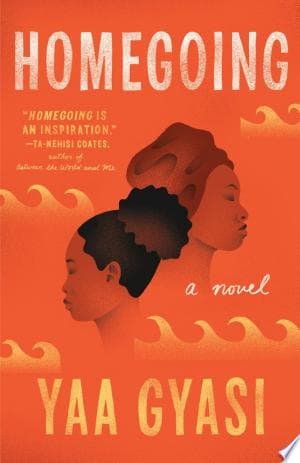
- Homegoing
Yaa Gyasi
4.4 (175k) average on GoodreadsLiterary FictionExplores generational trauma and family legacy across different timelines and perspectives.
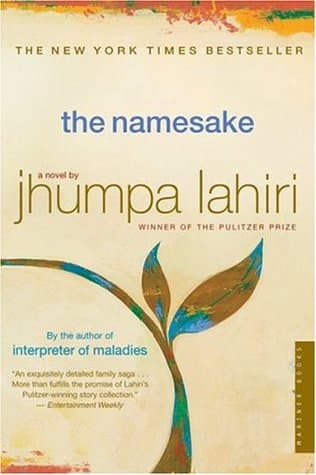
- The Namesake
Jhumpa Lahiri
4.0 (234k) average on GoodreadsLiterary FictionFocuses on the immigrant experience and the clash between traditional culture and American identity.
- An American Marriage
Tayari Jones
4.0 (258k) average on GoodreadsLiterary FictionExamines the complexities of marriage, family, and societal pressures through multiple viewpoints.
- Americanah
Chimamanda Ngozi Adichie
4.3 (264k) average on GoodreadsLiterary FictionWhile "A Place for Us" focuses on the Indian-American Muslim experience, Adichie's "Americanah" delves into the Nigerian immigrant experience in America and the UK. Both novels explore themes of identity, belonging, and cultural assimilation, but Adichie's work often foregrounds racial dynamics and the Black American experience more explicitly, whereas Mirza's primarily examines intergenerational and religious conflicts within a family unit. Adichie's narrative is more linear and centered on a single protagonist's journey, offering a different approach to exploring diasporic identity.
- The Old Man and the Sea
Ernest Hemingway
3.8 (831k) average on GoodreadsLiterary FictionA Cuban fisherman's long struggle with a giant marlin becomes a story of endurance and dignity, now retold for young adults with illustrations, phonetic guides, and writing prompts in Traditional Chinese.
- One Hundred Years of Solitude
Gabriel García Márquez
4.1 (753k) average on GoodreadsLiterary FictionThrough the multi-generational story of the Buendía family, a mythical town deals with the repeating patterns of time, love, and solitude, as the extraordinary mixes with the ordinary.




Enjoyed the summary?
A summary gives you the shape of the book. The book itself has the detail, the examples and the voice.
Find A Place for Us on AmazonAs an Amazon Associate, BookBrief earns from qualifying purchases. How we're funded