
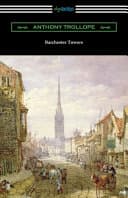
Synopsis
Covers the whole plot, including the ending.
- Difficulty
- Medium
- Pacing
- Moderate
- Mood
- Witty, Satirical, Observational, Charming
- Read it if
- You enjoy Victorian social satire, intricate character studies, and a witty look at church politics and romantic maneuvering in a charming English town.
- Skip it if
- You prefer fast-paced plots, high-stakes action, or stories without extensive focus on clerical hierarchies and subtle social commentary.
Barchester Towers Plot Summary
Covers the whole plot, including the ending.
The Death of Bishop Grantly and the New Appointment
The novel begins with the death of Bishop Grantly, who was well-liked by his clergy and the town of Barchester. His son, Archdeacon Grantly, a traditional figure in the diocese, is expected to take over. However, due to political actions in London, the Prime Minister appoints Dr. Proudie, a low-church Evangelical, as the new Bishop. This surprises Barchester, as Dr. Proudie and his strong wife, Mrs. Proudie, are very different from the old ways. Mrs. Proudie immediately takes control, showing a change in power within the cathedral.
Arrival of the Proudies and Mr. Slope
Bishop Proudie arrives in Barchester with his strong wife, Mrs. Proudie, and his ambitious new chaplain, Mr. Obadiah Slope. Mr. Slope, a man with smooth manners and Evangelical passion, quickly becomes Mrs. Proudie's trusted helper, which upsets the established clergy. He immediately starts to undermine traditional practices and clergy, especially Archdeacon Grantly and Mr. Harding. Mr. Slope's sermons and public statements aim to show the new Bishop's authority and his own influence, creating tension and anger in the cathedral community.
The Hiram's Hospital Wardenship Controversy
The wardenship of Hiram's Hospital, previously held by Mr. Harding, becomes open, causing a major conflict. Mrs. Proudie and Mr. Slope want to appoint someone who agrees with their Evangelical beliefs, specifically Mr. Quiverful, a man with a large family. Archdeacon Grantly and his group, however, support Mr. Harding's reappointment, believing it is his right and a matter of principle. This dispute over the wardenship becomes the main battle between the old high-church traditions and the new low-church Evangelicalism, with Mr. Harding caught in the middle.
Eleanor Harding's Widowed State and Suitors
Eleanor Harding, now the wealthy widow of John Bold, is a desirable woman in Barchester society. The ambitious Mr. Slope pursues her, seeing her wealth and position as a way to advance his career. At the same time, the somewhat awkward but kind Reverend Francis Arabin, a friend of Archdeacon Grantly and a scholar, also comes to Barchester and becomes interested in Eleanor. Eleanor, however, is careful of Mr. Slope's advances, finding him unpleasant, and is still grieving her late husband, making her hesitant about new relationships.
The Thornes of Ullathorne and Miss Dunstable
The novel introduces the Thornes of Ullathorne, an old and unique family who represent the old country gentry. Mr. Thorne is a kind, old-fashioned squire, and his sister, Miss Thorne, is a strong traditionalist who dislikes modern changes and the Proudie group. They host a large party where much of the social drama happens. Another important character, Miss Dunstable, a wealthy heiress, also arrives in Barchester, often staying with the Thornes. She observes the Barchester scene and becomes a trusted friend to Eleanor, offering independent and witty opinions.
Mr. Slope's Ambitious Pursuit of Eleanor
Mr. Slope, driven by ambition and a desire for Eleanor's money, continues to pursue her. He uses flattery and manipulation, believing he can win her over. His advances, however, are often clumsy and inappropriate, leading to several embarrassing moments, especially at the Ullathorne party where he tries to dance with Eleanor and later proposes to her crudely. These actions show his true, selfish character to Barchester society and strengthen Eleanor's dislike for him, while also making Mrs. Proudie suspicious, as she sees Eleanor as a rival for Mr. Slope's attention.
Mrs. Proudie's Jealousy and Downfall of Mr. Slope
Mrs. Proudie, initially Mr. Slope's ally, becomes more jealous and suspicious of his interest in Eleanor. She sees Eleanor's wealth as a threat to her control over Mr. Slope and the Bishop. Her jealousy leads to a dramatic confrontation where she publicly removes Mr. Slope from his chaplaincy, ending his career in Barchester. This public shame shows Mrs. Proudie's great power and her willingness to crush anyone who challenges her authority, even her former protégé. Mr. Slope, without his position, is forced to leave Barchester in disgrace.
Reverend Arabin's Courtship and Eleanor's Decision
Unlike Mr. Slope's aggressive tactics, Reverend Francis Arabin's pursuit of Eleanor is more subtle and respectful. He truly admires her and shares similar intellectual interests. After Mr. Slope leaves and several misunderstandings, Arabin's true feelings become clear. Eleanor, having rejected Mr. Slope and thought about other options, eventually realizes her affection for Arabin. His honesty, gentle nature, and intellectual friendship are the qualities she values, leading her to accept his marriage proposal. This delights her father, Mr. Harding, and Archdeacon Grantly.
The Resolution of the Wardenship and Other Appointments
With Mr. Slope's influence gone, the Hiram's Hospital wardenship issue is settled. Mr. Harding, though hesitant at first, accepts the precentorship, a less demanding position that lets him stay connected to the cathedral. Reverend Arabin is appointed dean of Barchester, a position that suits his scholarly nature and provides a secure future with Eleanor. These appointments show a return to a more traditional and peaceful balance within the Barchester clergy. Suitable men now hold appropriate roles, pleasing the Grantly group and bringing peace to the community.
Marriages and Restored Harmony
The novel ends with Eleanor Harding and Reverend Francis Arabin marrying, bringing happiness and stability to Eleanor's life and securing Arabin's place in the Barchester establishment. Mr. Harding finds contentment in his new role, and Archdeacon Grantly is happy with the outcome, seeing his friend and ally as dean. While the Proudies remain, their power is somewhat reduced by Mr. Slope's departure and the establishment of a more united, though still resistant, traditional clergy. The novel concludes with harmony and a comedic resolution for the main characters.
Barchester Towers Characters
Eleanor Harding (Bold)
Protagonist
A kind and sensible widow, caught between suitors and clerical factions.
Eleanor Harding, widowed early in the novel, is a central figure in Barchester society. She is kind, intelligent, and possesses a significant inheritance from her late husband, John Bold, making her a desirable match. Despite her wealth, she remains grounded and values integrity and genuine affection over social climbing or financial gain. She is devoted to her father, Mr. Harding, and navigates the complexities of her suitors with a mixture of good sense and occasional naiveté, seeking a partner who offers true companionship and respect.
Relationships: Mr. Harding (Devoted daughter); Archdeacon Grantly (Sister-in-law, respected family member); Mr. Slope (Object of his unwanted advances, finds him distasteful); Reverend Francis Arabin (Love interest, eventually husband)
Archdeacon Grantly
Supporting
A traditional, high-church clergyman, fiercely protective of the established order.
Dr. Theophilus Grantly, son of the late Bishop and brother-in-law to Eleanor, is a formidable and influential figure in Barchester. He is a staunch defender of the Church of England's traditional practices and a leader of the 'high-church' faction. Intelligent, proud, and often hot-tempered, he is deeply resentful of the Proudies' and Mr. Slope's attempts to impose Evangelical reforms. He is devoted to his family and friends, particularly Mr. Harding, and works tirelessly to maintain the dignity and established customs of the diocese.
Relationships: Mr. Harding (Father-in-law, close friend and ally); Bishop Proudie (Antagonist, rival for power); Mr. Slope (Arch-rival, despises his methods); Reverend Francis Arabin (Close friend and ally)
Mr. Harding
Supporting
A gentle, peace-loving clergyman, often caught in the middle of conflicts.
Reverend Septimus Harding is Eleanor's father, a gentle, kind, and rather unworldly man. He previously served as Warden of Hiram's Hospital and Precentor of Barchester Cathedral. He is a man of deep faith and musical talent, but lacks the assertiveness and ambition to navigate the political machinations of the Church. He values peace and quiet above all else and is often distressed by the conflicts surrounding him, particularly the dispute over the hospital wardenship. He is beloved by many for his gentle nature and integrity.
Relationships: Eleanor Harding (Devoted father); Archdeacon Grantly (Son-in-law, close friend); Bishop Proudie (Boss, somewhat intimidated by him); Mr. Slope (Dislikes his methods and character)
Bishop Proudie
Antagonist/Supporting
The new, weak-willed Bishop of Barchester, dominated by his wife.
Dr. Proudie is the newly appointed Bishop of Barchester, an Evangelical clergyman chosen for political reasons. He is a timid, indecisive man, entirely overshadowed and controlled by his formidable wife, Mrs. Proudie. While he holds the title, he rarely makes decisions independently, instead deferring to his wife's will. He is well-meaning but lacks the strength of character to assert his authority or stand up to the machinations of his household, making him a largely ineffectual figurehead.
Relationships: Mrs. Proudie (Dominated husband); Mr. Slope (Chaplain, initially trusted, later dismissed); Archdeacon Grantly (Opponent in clerical politics)
Mrs. Proudie
Antagonist
The formidable, domineering wife of the Bishop, the true power behind the throne.
Mrs. Proudie is the true power in the Bishop's palace. She is an overbearing, ambitious, and highly opinionated woman who dictates her husband's actions and policies. A staunch Evangelical, she is determined to reform the Barchester diocese according to her own strict principles, often clashing with the established clergy. She is a master manipulator and a formidable opponent, whose jealousy and desire for control ultimately lead to Mr. Slope's downfall. She embodies the intrusive and zealous spirit of the new clerical regime.
Relationships: Bishop Proudie (Dominant wife); Mr. Slope (Protector and ally, later rival and dismisser); Archdeacon Grantly (Bitter enemy and rival)
Mr. Obadiah Slope
Antagonist
The unctuous, ambitious, and hypocritical chaplain to Bishop Proudie.
Mr. Slope is Bishop Proudie's new chaplain, an unctuous, self-serving, and hypocritical clergyman. He is an Evangelical whose zeal is often mixed with a strong desire for personal advancement and social climbing. He is initially Mrs. Proudie's confidant and agent, using his position to undermine the traditional clergy and pursue his own ambitions, which include marrying the wealthy Eleanor Harding. His manners are often distasteful, and his true character is revealed through his manipulative actions and overly familiar behavior, leading to his eventual downfall.
Relationships: Mrs. Proudie (Protector and ally, later rival and dismisser); Eleanor Harding (Unwanted suitor); Archdeacon Grantly (Rival and antagonist)
Reverend Francis Arabin
Protagonist/Supporting
A scholarly, high-church clergyman, Eleanor's eventual husband.
Reverend Francis Arabin is a highly intelligent and scholarly clergyman, a friend of Archdeacon Grantly and a staunch adherent of the high-church tradition. He is initially introduced as a potential counterweight to Mr. Slope and the Evangelical faction. Arabin is a man of integrity, wit, and deep learning, but also somewhat shy and socially awkward. He develops a genuine affection for Eleanor Harding, pursuing her with a gentle respect that contrasts sharply with Mr. Slope's aggressive advances. He eventually becomes Dean of Barchester.
Relationships: Eleanor Harding (Love interest, eventually husband); Archdeacon Grantly (Close friend and ally); Mr. Harding (Respected friend)
Miss Thorne of Ullathorne
Supporting
An eccentric, traditionalist lady of the gentry, who upholds old customs.
Miss Monica Thorne is an elderly, unmarried lady of ancient lineage, living at Ullathorne Court. She is a staunch conservative, fiercely proud of her family's history and the old traditions of the county and the Church. She despises modern innovations, the railway, and especially the Evangelical zeal of the Proudies and Mr. Slope. Her character adds an element of humorous eccentricity and provides a strong voice for the preservation of the old ways against the tide of change. She is kind to those she respects, particularly Mr. Harding.
Relationships: Mr. Thorne (Brother); Mr. Harding (Respected friend); Mrs. Proudie (Dislikes her and her influence)
Miss Dunstable
Supporting
A wealthy, shrewd, and independent observer of Barchester society.
Miss Dunstable is a wealthy heiress who frequently visits the Thornes of Ullathorne. She is sharp-witted, intelligent, and possesses a keen understanding of human nature. Despite her wealth, she is unpretentious and has a refreshingly independent spirit. She serves as a shrewd commentator on the social and clerical intrigues of Barchester, often providing a voice of reason and humor. She is a good friend to Eleanor, offering her sensible advice and perspective on her various suitors and the ongoing conflicts.
Relationships: Eleanor Harding (Confidante and friend); Miss Thorne (Friend and host)
Barchester Towers Themes
The Conflict Between Old and New Church Factions
The novel's main theme is the conflict between traditional, high-church Anglicanism, represented by Archdeacon Grantly, and the new, passionate Evangelical movement, embodied by Bishop and Mrs. Proudie and Mr. Slope. This conflict appears in disagreements over church appointments, rituals, and the church's very spirit. The traditionalists value dignity, established order, and scholarship, while the Evangelicals prioritize strict morals, active preaching, and often a more severe approach to worship. The fight for the wardenship of Hiram's Hospital is a key example of this clash, as is the constant tension in the Bishop's palace.
“There are some men who are made to be bishops, and some men who are made to be archdeacons; and some men who are made to be neither. Of the latter class was Dr. Proudie.”
Ambition and Hypocrisy
The novel explores the harm caused by unchecked ambition and the hypocrisy that often comes with it, especially through Mr. Slope. Slope's constant pursuit of wealth, power, and Eleanor's hand is driven by self-interest disguised as religious fervor. His smooth flattery and manipulative tactics show his deep insincerity. Mrs. Proudie also shows ambition, not for personal wealth, but for control and influence in the diocese, often using her religious beliefs as a weapon. The novel criticizes how these flaws corrupt individuals and disrupt the community.
“He was a man whom it was impossible to avoid seeing, and equally impossible to see without disliking.”
The Role and Influence of Women in Society
Trollope shows the important, often indirect, influence of women in 19th-century society, particularly Mrs. Proudie and Eleanor Harding. Mrs. Proudie has great power through her control of her husband, effectively running the diocese and making all major decisions. Her character demonstrates how female influence can be overbearing and disruptive. Eleanor, on the other hand, influences through her wealth, her position as a desirable widow, and her moral sense, ultimately choosing a partner based on character rather than status. The novel also features strong, independent female observers like Miss Dunstable and Miss Thorne, who offer their own views on the male-dominated church world.
“It is not often that a man is so well served as was the Bishop by his wife.”
The Nature of True Love vs. Self-Interest
The romantic subplots in Barchester Towers show the difference between true affection and relationships driven by self-interest. Mr. Slope's pursuit of Eleanor is entirely motivated by her wealth and his desire for social advancement, making his advances unpleasant and ultimately repulsive to her. In contrast, Reverend Arabin's quiet, respectful courtship of Eleanor is based on genuine admiration, shared values, and intellectual companionship. The novel supports the idea that true love is built on mutual respect and affection, rather than financial motives, ultimately leading to Eleanor's happiness with Arabin.
“He felt that he was a fool, but he was a fool in love.”
Tradition vs. Progress
Beyond the church conflict, the novel subtly explores the wider social tension between keeping cherished traditions and accepting change. The Grantly group, the Thornes of Ullathorne, and Mr. Harding represent the wish to maintain the established order, the dignity of old institutions, and the charm of historical customs. The Proudies and Mr. Slope, with their modern Evangelical passion and desire for reform, symbolize the forces pushing for change, often without considering existing feelings or the beauty of the past. The novel offers a balanced view, acknowledging that change is certain but also valuing the wisdom and comfort found in tradition.
“The good old Bishop had gone, and with him had departed the good old things.”
Plot Devices & Literary Techniques
The Love Triangle (or Quadrangle)
A romantic entanglement involving Eleanor Harding and multiple suitors.
The romantic pursuits of Eleanor Harding by Mr. Slope, Reverend Arabin, and even a brief mention of Bertie Stanhope, serve as a central plot device. This device not only adds a layer of personal drama but also functions to highlight the contrasting moral characters of the suitors. Eleanor's choices reflect the novel's themes of integrity, genuine affection versus self-interest, and the conflict between the 'old' and 'new' Barchester. Her eventual choice of Arabin symbolizes the triumph of virtue and traditional values over manipulative ambition.
The Cathedral Close as a Microcosm
The small clerical community of Barchester reflects broader societal and political struggles.
The setting of Barchester Cathedral Close acts as a microcosm of wider English society and the Church of England itself. The conflicts over clerical appointments, the power struggles between factions, and the social intrigues within this small, enclosed community mirror larger political and religious debates of the era. By focusing on this limited yet intricate world, Trollope is able to explore universal themes of power, ambition, hypocrisy, and social dynamics with intense detail and satirical insight, making the specific feel universally relevant.
Satire and Irony
Humorous ridicule and contrast between expectation and reality to critique social and religious attitudes.
Trollope extensively uses satire and irony to critique the various characters and the social and religious attitudes of his time. The exaggerated portrayal of Mrs. Proudie's dominance, Mr. Slope's unctuousness, and the often petty squabbles of the clergy are all targets of Trollope's gentle but pointed humor. The ironic contrast between the declared piety of some characters and their actual self-serving motives is a recurring element. This device allows Trollope to expose human follies and societal absurdities without resorting to harsh condemnation, making the critique both effective and entertaining.
The Narrator's Omniscient Commentary
An intrusive, conversational narrator who guides the reader's understanding and provides moral judgments.
Trollope employs an omniscient, often intrusive narrator who frequently addresses the reader directly, offering insights into characters' motives, foreshadowing events, and providing moral commentary. This narrator acts as a guide, shaping the reader's perception of the characters and their actions. The commentary is often witty and insightful, reinforcing the novel's themes and moral lessons. This device creates a strong connection between the reader and the story, allowing for a deeper understanding of the social dynamics and ethical dilemmas presented.
Barchester Towers Quotes
“The world is not so much in want of new teachers, as of those who will make effectual use of the teachers which they have.”
“It is a comfortable feeling to know that you are safe whether you deserve it or not.”
“Fame, or at least the desire for it, is the last infirmity of noble minds.”
“There are some women who can take the lead in any society, and can make themselves agreeable to any man, and can make any man agreeable to them.”
“When a man is in the wrong, he is generally the last to find it out.”
“He knew that he was a man of power, and he was not afraid to use it.”
“The greatest pleasure in life is doing what people say you cannot do.”
“It is not the custom of Barchester to allow its bishops to die quietly.”
“He was a man who, if he had not been a clergyman, would have been a lawyer; and if not a lawyer, a politician.”
“The world is full of people who are always wanting to do good, but who never do any.”
“She was a woman of spirit and determination, and she was not to be put down by any man.”
“There is nothing so difficult as to be able to judge impartially between two friends.”
“A man should always be master in his own house.”
“The worst of all things is to be a bore.”
Quiz
10 questions on the plot and the characters. Each answer comes with a short explanation.
Question 1
Who is expected to succeed the beloved old Bishop of Barchester upon his death, according to the citizens?
- Mr. Harding
- Archdeacon Grantly
- Mr. Slope
- Bishop Proudie
Show answer
B. Archdeacon Grantly The citizens of Barchester fully expected the old Bishop's son, Archdeacon Grantly, to fill the vacancy.
Question 2
What is the primary characteristic of the new Bishop Proudie, contrasting with the previous bishop?
- He is very traditional and conservative.
- He is known for his quiet and unassuming nature.
- He is described as far more Evangelical.
- He is beloved by all the citizens immediately.
Show answer
C. He is described as far more Evangelical. Bishop Proudie is described as 'far more Evangelical' compared to the previous, popular bishop.
Question 3
Which character is described as the Bishop's 'overbearing wife' who uses her power to control church affairs?
- Eleanor Harding
- Mrs. Proudie
- Mrs. Grantly
- Miss Thorne
Show answer
B. Mrs. Proudie Mrs. Proudie is specifically identified as the Bishop's overbearing wife who exerts significant influence.
Question 4
What specific position in the local hospital do Mrs. Proudie and Mr. Slope attempt to control the selection of?
- The head physician
- The new warden
- The chief accountant
- The head nurse
Show answer
B. The new warden Mrs. Proudie and Mr. Slope use their power to control the selection of the new warden of the local hospital.
Question 5
What is the primary conflict that arises due to Bishop Proudie's appointment?
- A dispute over the ownership of the cathedral.
- A struggle for power between traditional and new forces within the church.
- A disagreement about the city's secular governance.
- A debate about the proper decoration of the cathedral.
Show answer
B. A struggle for power between traditional and new forces within the church. The text states, 'A struggle for power ensues between these traditional and new forces' upon Bishop Proudie's arrival.
Question 6
How is Mr. Slope, Bishop Proudie's new chaplain, generally characterized?
- As a quiet and scholarly individual.
- As a charming and universally liked figure.
- As distasteful and hypocritical.
- As a strong advocate for traditional church practices.
Show answer
C. As distasteful and hypocritical. Mr. Slope is explicitly described as 'the distasteful and hypocritical Mr. Slope'.
Question 7
Besides the power struggle within the church, what other type of drama is interwoven into the story?
- Political espionage.
- Business negotiations.
- Romantic entanglements and dramas.
- Criminal investigations.
Show answer
C. Romantic entanglements and dramas. The struggle between factions plays out 'amid the romantic entanglements and dramas of the town's inhabitants'.
Question 8
What is the ultimate outcome for Eleanor and other Barchester citizens at the end of the novel?
- They are left in a state of unresolved conflict.
- The new forces completely dominate the traditional ones.
- The results are more than satisfactory.
- They experience further disappointment and loss.
Show answer
C. The results are more than satisfactory. The novel concludes with 'the results are more than satisfactory for Eleanor and other citizens of Barchester'.
Question 9
What literary genre is 'Barchester Towers' classified as, according to the provided information?
- Mystery
- Science Fiction
- Historical Fiction
- Fantasy
Show answer
C. Historical Fiction The genre is explicitly stated as 'Historical Fiction' at the beginning of the book description.
Question 10
What is the broader series that 'Barchester Towers' belongs to?
- The Palliser Novels
- The Chronicles of Barsetshire
- The Oxford Chronicles
- The Cathedral City Sagas
Show answer
B. The Chronicles of Barsetshire 'Barchester Towers' is identified as 'the second novel of Anthony Trollope's 'Chronicles of Barsetshire' series'.
Barchester Towers FAQ
What is the central conflict in 'Barchester Towers'?
The central conflict revolves around the struggle for power and influence within the Church of England in Barchester. It pits the traditional High Church faction, represented by Archdeacon Grantly and his allies, against the new Evangelical Low Church party led by Bishop Proudie, his formidable wife Mrs. Proudie, and their ambitious chaplain, Mr. Slope.
Who is Eleanor Harding, and what is her role in the novel?
Eleanor Harding, daughter of Mr. Harding and widow of John Bold, is a central figure whose romantic entanglements drive much of the plot. She is pursued by multiple suitors, including Mr. Slope and Mr. Arabin, and her eventual choice signifies a triumph of genuine affection and integrity over ambition and hypocrisy.
How does the death of the old bishop impact the story?
The death of the beloved old bishop is the inciting incident, as it creates the vacancy that Bishop Proudie fills. This change in leadership directly sparks the clash between the established High Church traditions and the new, more Evangelical doctrines and practices championed by the Proudie regime.
Who are Bishop and Mrs. Proudie, and what are their defining characteristics?
Bishop Proudie is a weak and indecisive man, largely dominated by his overbearing wife, Mrs. Proudie. Mrs. Proudie is a formidable, dogmatic, and power-hungry woman who effectively runs the diocese, enforcing her strict Evangelical views and attempting to control all clerical appointments and social affairs.
What is the significance of the wardenship of Hiram's Hospital?
The wardenship of Hiram's Hospital becomes a key battleground for control and influence. The struggle over who will be appointed warden – whether it be Mr. Harding or another candidate favored by the Proudies – symbolizes the larger conflict between the old guard and the new administration over clerical patronage and power.
How does Mr. Slope's character contribute to the novel's themes?
Mr. Slope embodies hypocrisy, ambition, and sycophancy. His attempts to curry favor with the Proudies, his manipulative pursuit of Eleanor, and his general distasteful behavior highlight the moral decay and self-serving nature that Trollope critiques within certain segments of the church establishment.
What is the nature of the relationship between Mrs. Proudie and Mr. Slope?
Initially, Mrs. Proudie and Mr. Slope are allies, with Slope serving as her instrument to implement her policies and undermine the traditional clergy. However, their relationship sours as Slope's ambition grows, leading him to challenge her authority and even attempt to marry Eleanor against Mrs. Proudie's wishes, ultimately resulting in his downfall.
How does Archdeacon Grantly represent the 'old guard' of the Church?
Archdeacon Grantly embodies the traditional High Church Anglicanism, valuing decorum, established practices, and a certain gentlemanly comfort within the church. He fiercely resists the Proudies' Evangelical reforms, viewing them as an encroachment on the dignity and heritage of the Barchester diocese.
What role do the Stanhope family play in the social dynamics of Barchester?
The Stanhope family, particularly the eccentric artist Bertie, the beautiful but cynical Signora Neroni, and the pious but ineffectual Charlotte, serve as a worldly counterpoint to the clerical struggles. Their unconventional lifestyles and social maneuvering add a layer of satire and provide alternative perspectives on morality and ambition.
How does Mr. Arabin's arrival affect the narrative?
Mr. Arabin, a scholarly and devout High Church clergyman, is introduced as a potential suitor for Eleanor and a intellectual counterweight to Mr. Slope. His integrity and genuine affection for Eleanor, combined with his theological alignment with the traditionalists, make him a fitting partner for Eleanor and a symbol of the eventual triumph of virtue.
What does Trollope's portrayal of clerical marriage suggest about Victorian society?
Trollope highlights the significant role of wives in shaping clerical life and influence, particularly through Mrs. Proudie's dominance. He critiques how a clergyman's wife could either enhance or, as in the Proudie's case, severely hinder a bishop's effectiveness, reflecting broader societal views on women's roles and power within the domestic and public spheres.
Is 'Barchester Towers' primarily a satire or a serious commentary on the Church?
While 'Barchester Towers' is celebrated for its witty satire, particularly of ecclesiastical ambition and hypocrisy, it also offers a serious commentary on the state of the Church of England during the Victorian era. Trollope critiques the factionalism, power struggles, and the intrusion of personal agendas into spiritual matters, while also celebrating genuine piety and integrity.
How does the novel resolve the various romantic subplots?
The novel resolves its romantic subplots with Eleanor rejecting Mr. Slope and eventually marrying Mr. Arabin, signifying a choice based on character and genuine affection. Other potential pairings, like Bertie Stanhope and Eleanor, or Mr. Slope and Signora Neroni, fail, reinforcing the novel's moral framework where integrity is rewarded.
What is the ultimate fate of Mr. Slope?
Mr. Slope experiences a significant downfall. After alienating Mrs. Proudie, failing to secure the wardenship for his chosen candidate, and being rejected by Eleanor, he is dismissed from his chaplaincy. He eventually leaves Barchester to take up a less prestigious position elsewhere, effectively banished from the sphere of influence he so eagerly sought.
How does the narrative voice contribute to the novel's tone?
The narrative voice is often omniscient, witty, and directly addresses the reader, creating a sense of intimacy and guiding the audience's moral judgments. Trollope's authorial intrusions, often humorous and insightful, enhance the satirical elements while also providing clear moral compass points for evaluating the characters' actions.
What might Trollope be suggesting about the nature of power through Mrs. Proudie?
Through Mrs. Proudie, Trollope suggests that unchecked power, especially when wielded by a dogmatic and unyielding personality, can be destructive and alienating. Her attempts to control every aspect of diocesan life highlight the dangers of administrative tyranny and the erosion of traditional structures by an overzealous, self-righteous authority.
Are there any characters who bridge the gap between the two clerical factions?
No single character fully bridges the gap, as the factions are largely defined by their rigid adherence to either traditional High Church or new Evangelical principles. However, characters like Mr. Harding, with his gentle nature and desire for peace, often find themselves caught between the two, highlighting the personal cost of such clerical divisions.
How do the minor characters, such as the Thorne family, contribute to the social tapestry?
The Thorne family, particularly Miss Thorne of Ullathorne Court, represents the old landed gentry and their traditional values, providing a contrast to both the clerical struggles and the newer social climbers. Their annual fete and interactions with the clergy help to flesh out the broader social hierarchy and customs of Barchester, grounding the clerical drama in a wider community.
About the author
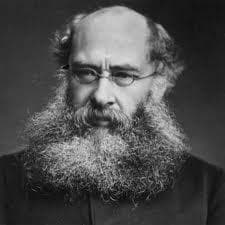
Anthony Trollope was an English novelist and civil servant of the Victorian era. Among his best-known works is a series of novels collectively known as the Chronicles of Barsetshire, which revolves around the imaginary county of Barsetshire. He also wrote novels on political, social, and gender issues, and other topical matters.
Similar books
- Middlemarch
George Eliot
4.0 (136k) average on GoodreadsHistorical FictionExplores provincial life, social dynamics, and character interactions in a similar Victorian setting.
- Pride and Prejudice
Jane Austen
4.3 (3M) average on GoodreadsHistorical FictionFeatures witty social commentary, romantic entanglements, and nuanced character relationships.
- The Warden
Anthony Trollope
3.7 (13k) average on GoodreadsHistorical FictionThe first book in the Barsetshire series, sharing characters and setting.
- Vanity Fair
William Makepeace Thackeray
3.8 (118k) average on GoodreadsHistorical FictionThackeray's Vanity Fair (1847-48) shares with Barchester Towers a critical, satirical view of society, particularly regarding social climbing and hypocrisy. Both authors employ an omniscient narrator who directly addresses the reader. However, Thackeray's satire is generally more biting and cynical, often portraying human nature as fundamentally selfish and corrupt, with fewer genuinely virtuous characters than Trollope's world. Vanity Fair boasts a wider geographical scope and a more diverse cast of characters, tracing Becky Sharp's ambitious journey through various social strata, from governess to high society. Trollope's world, while critical, often retains a sense of underlying order and the possibility of moral rectitude, whereas Thackeray's 'novel without a hero' suggests a more pervasive moral vacuum.
- To Kill a Mockingbird
Harper Lee
4.3 (4.5M) average on GoodreadsHistorical FictionIn the 1930s Jim Crow South, Harper Lee writes about racial injustice, moral growth, and the quiet courage of a lawyer father, Atticus Finch, as seen through his young daughter's eyes.
- The Great Gatsby
F. Scott Fitzgerald
3.9 (3.8M) average on GoodreadsHistorical FictionIn the opulent Roaring Twenties, a mysterious millionaire's lavish parties hide his desperate, tragic pursuit of a lost love, exposing the emptiness within the American Dream.



Enjoyed the summary?
A summary gives you the shape of the book. The book itself has the detail, the examples and the voice.
Find Barchester Towers on AmazonAs an Amazon Associate, BookBrief earns from qualifying purchases. How we're funded