
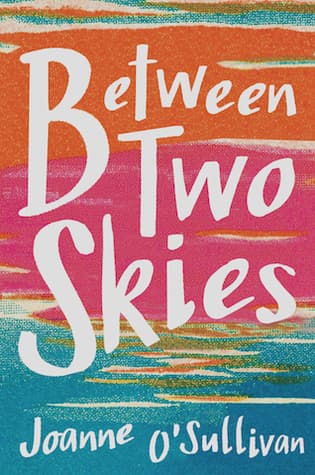
Synopsis
Covers the whole plot, including the ending.
- Difficulty
- Easy
- Pacing
- Moderate
- Mood
- Atmospheric, Hopeful, Resilient, Romantic, Reflective
- Read it if
- You enjoy poignant historical fiction with a strong sense of place, a resilient protagonist, and a gentle, heartwarming romance set against a backdrop of natural disaster and recovery.
- Skip it if
- You prefer fast-paced thrillers or stories without a significant focus on emotional journeys and rebuilding after loss.
Between Two Skies Plot Summary
Covers the whole plot, including the ending.
Life in Bayou Perdu
Sixteen-year-old Evangeline Riley lives a calm, connected life in Bayou Perdu, Louisiana. She spends her days fishing on her skiff, with her best friends Kendra and Danielle, and learning from her grandmother, Mamere. The bayou is her home and part of who she is, a place of comfort and freedom. She is a skilled fisher and loves the quiet beauty of the water, sky, and wildlife. This peaceful life, rich in local culture and strong community ties, sets the stage for the big changes coming, showing what Evangeline stands to lose.
The Looming Storm
News of a strong hurricane, Katrina, starts to spread through Bayou Perdu. At first, many residents, including Evangeline's family, don't want to leave their homes, used to smaller storms. But as the hurricane grows stronger and warnings become more urgent, the need to evacuate increases. Evangeline, her parents, and Mamere decide to leave, packing what little they can. There is a sense of dread and the pain of leaving everything familiar, including their dog, as they join others heading away from the coast, unsure if they will ever return.
Refugee in Baton Rouge
Evangeline and her family arrive in Baton Rouge, finding temporary shelter in a crowded, noisy relief center. This is very different from their peaceful bayou life. They are surrounded by many other refugees, all upset by the storm. Food is scarce, there is no privacy, and the future is unclear. Evangeline struggles to get used to this new life, feeling a deep sense of loss. News reports of the destruction back home confirm her worst fears about Bayou Perdu. This time is marked by a strong feeling of being uprooted and the harsh reality of being a refugee in her own country.
Meeting Tru
In the sadness and anonymity of the Baton Rouge shelter, Evangeline meets Tru, a young man who is also a refugee. Tru is a blues musician, carrying his guitar and a quiet strength. They start talking slowly, but a connection quickly forms over their shared experience of loss. Tru's calm way and artistic spirit are a strong contrast to the chaos around them, giving Evangeline a much-needed sense of normalcy and understanding. Their talks become a source of comfort, and Tru's music starts to ease Evangeline's pain, hinting at new beginnings even amid such destruction.
The Search for News
As weeks pass, Evangeline needs news about Bayou Perdu and her friends, Kendra and Danielle. Communication is hard, and rumors are common, but specific information about her isolated community is scarce. She spends hours trying to reach them, checking message boards, and listening to news reports, often with little luck. The uncertainty is painful, adding to her sadness and worry. This constant search shows her deep loyalty and the strong bonds she has with her home and community, even as she thinks everything she knew might be gone.
A New Life in Baton Rouge
With no immediate way to go home, Evangeline's family tries to start a new life in Baton Rouge. They move from the crowded shelter to temporary housing, and Evangeline starts a new school. This change is very hard; she feels like an outsider, struggling to connect with new classmates who haven't been through the same trauma. The city feels strange and overwhelming compared to the quiet bayou. Despite these problems, Evangeline tries to adapt, driven by her parents' strength and her own desire for stability, even if it feels wrong.
Growing Closer to Tru
Tru becomes more important in Evangeline's life. They spend more time together, sharing stories, fears, and hopes. Tru's music, especially his blues, connects deeply with Evangeline, expressing feelings she finds hard to say. Their relationship is a safe place after the storm, a quiet understanding born from shared loss. Tru encourages Evangeline to find her own voice and strength, and she finds comfort and a growing sense of hope with him. Their bond grows into a tender romance, offering comfort and a glimpse of a future beyond the destruction.
The Return to Bayou Perdu
Eventually, Evangeline and her family return to Bayou Perdu. The sight is heartbreaking: their home and community are destroyed, submerged, and damaged by the storm. The once lively landscape is unrecognizable, a wasteland of debris. Evangeline walks through the ruins, overwhelmed by grief. The physical destruction reflects the emotional trauma she has faced, and the reality of what they have lost sinks in clearly. This return is an important moment, making her confront the full extent of Katrina's impact.
Reunion and Rebuilding
Among the ruins of Bayou Perdu, Evangeline remarkably reunites with Kendra and Danielle, who also survived. Their reunion is a powerful moment of joy and relief, showing the lasting strength of their friendship. Together, they begin the hard task of cleaning up and trying to rebuild. The community, though broken, shows signs of strength. Evangeline actively helps with recovery, finding purpose in the physical work and the shared spirit of her neighbors. This period is marked by hard work, small wins, and the slow process of putting their lives back together, showing the enduring spirit of the bayou residents.
Facing the Future
As Bayou Perdu slowly recovers, Evangeline faces a difficult choice. Her heart is tied to her home and the rebuilding, but her connection with Tru represents a different future, one that might take her away from the bayou. Tru, having found opportunities in Baton Rouge, encourages her to think about her own path and not be defined only by the past. Evangeline thinks about what home, belonging, and love mean. She realizes that while Bayou Perdu will always be part of her, she also has the strength to create her own destiny, combining her past with the possibilities of a new future.
A Choice for Herself
Evangeline makes a choice that honors both her deep roots in Bayou Perdu and her growing love for Tru and the potential for a new life. While the details of her final decision are complex, the story emphasizes her power in shaping her own future. She understands that home is not just a place, but also a feeling, a connection to people, and a sense of who she is. Her decision shows her growth from a dependent girl to a strong young woman able to handle complex emotions and create a path that includes both her heritage and the exciting, uncertain possibilities ahead, marking her journey of self-discovery and resilience.
Principal Figures
Evangeline Riley
Protagonist
A resilient sixteen-year-old Louisiana girl displaced by Hurricane Katrina.
Evangeline is a strong-willed, observant, and deeply connected sixteen-year-old from Bayou Perdu. She is an avid fisher, finding solace and identity on the water. Before Katrina, she was content with her small, familiar world, cherishing her family, friends, and the unique culture of her bayou home. The storm forces her to confront profound loss, displacement, and the challenge of rebuilding her life. She possesses an inner strength and a deep loyalty, but also a vulnerability as she navigates an uncertain future.
Relationships: Mamere (wise, beloved grandmother and mentor); Kendra (best friend from Bayou Perdu); Danielle (best friend from Bayou Perdu); Tru (romantic interest and fellow refugee)
Tru
Supporting/Romantic Interest
A thoughtful, aspiring blues musician and fellow refugee.
Tru is a quiet, artistic young man Evangeline meets in the Baton Rouge shelter. He is a budding blues musician, carrying his guitar wherever he goes. He possesses a calm demeanor and an empathetic understanding of Evangeline's trauma, having experienced similar displacement. Tru is a source of comfort and stability for Evangeline, offering a different perspective on their shared experience. He encourages her to look forward and embrace new possibilities, subtly challenging her to define herself beyond her lost home.
Relationships: Evangeline Riley (romantic interest and confidant)
Mamere
Supporting
Evangeline's wise and spiritual grandmother.
Mamere is Evangeline's beloved grandmother, a central figure in her life and a repository of local wisdom and tradition in Bayou Perdu. She is deeply connected to the land and its spiritual essence. Mamere provides Evangeline with guidance, comfort, and a strong sense of cultural identity. Even in the face of immense loss and displacement, she maintains a quiet strength and resilience, offering a grounding presence for Evangeline and her family. Her stories and beliefs help Evangeline process her grief and maintain hope.
Relationships: Evangeline Riley (grandmother, mentor, and spiritual guide)
Kendra
Supporting
One of Evangeline's best friends from Bayou Perdu.
Kendra is one of Evangeline's two best friends from Bayou Perdu. She represents the close-knit community and the deep bonds of friendship that Evangeline cherishes before the storm. Kendra shares Evangeline's love for their bayou life and provides a sense of normalcy and companionship. After the storm, her absence and the uncertainty of her fate weigh heavily on Evangeline, making their eventual reunion a powerful symbol of enduring connection and the hope for rebuilding.
Relationships: Evangeline Riley (best friend); Danielle (best friend)
Danielle
Supporting
One of Evangeline's best friends from Bayou Perdu.
Danielle is the other of Evangeline's two best friends, completing the trio of bayou girls. Like Kendra, she embodies the familiar comforts and shared experiences of Evangeline's life before Hurricane Katrina. Her character emphasizes the profound impact of the storm on the entire community and the personal devastation of losing connections. Her eventual reunion with Evangeline underscores the theme of resilience and the importance of human connection in healing.
Relationships: Evangeline Riley (best friend); Kendra (best friend)
Evangeline's Parents
Supporting
Evangeline's hardworking and resilient mother and father.
Evangeline's parents are hardworking, loving, and deeply rooted in their Bayou Perdu life. They represent the adult generation grappling with the immense responsibility of protecting their family and rebuilding their lives after the storm. They demonstrate resilience and determination, striving to provide stability for Evangeline amidst the chaos. Their struggles and efforts to adapt to life as refugees, and then to the immense task of returning and rebuilding, highlight the broader impact of Katrina on families.
Relationships: Evangeline Riley (parents); Mamere (daughter/son-in-law to Mamere)
Themes & Insights
The Meaning of Home and Belonging
The novel explores what 'home' truly means, especially when a physical home is destroyed. For Evangeline, Bayou Perdu is not just a place but part of who she is, linked to her family, culture, and nature. Her move to Baton Rouge shows the pain of being displaced and the struggle to belong somewhere new. This theme appears in her longing for the bayou, her efforts to reconnect with her past, and her eventual realization that home can also be found in relationships and within herself, not only in a place. This is clear when she returns to her ruined town but still feels a desire to rebuild.
“The bayou had been my skin, my breath, my blood. Now it was gone, and I felt hollowed out, a ghost of myself.”
Resilience and Survival
Hurricane Katrina tests human endurance, and the novel shows the strength of Evangeline and her community. Despite losing everything, they find the power to survive, adapt, and begin the hard process of rebuilding. Evangeline's personal journey from shock and sadness to helping with recovery shows this theme. The shared spirit of the Bayou Perdu residents, helping each other clear debris, highlights the power of community when facing disaster. Tru's survival and his ability to find beauty in music also contribute to this theme.
“We were broken, yes, but not shattered. We still had our hands, our hearts, and each other.”
Loss and Grief
The experience of Hurricane Katrina is one of great loss—loss of life, homes, memories, and a way of life. Evangeline deals with grief not just for her physical home, but for the life she knew, her safety, and the possible loss of her friends. The novel shows the stages of grief, from initial shock in the shelter to the heartbreaking realization when seeing Bayou Perdu's destruction. This theme is central to Evangeline's emotional journey, as she learns to process and eventually accept her losses into her growing understanding of herself and the world.
“The wind howled, a mournful song for everything that had been, and everything that was now gone.”
The Power of Connection (Friendship and Love)
After such widespread destruction, human connection is a key source of healing and hope. The lasting friendships between Evangeline, Kendra, and Danielle offer support, and their reunion is a powerful moment of joy amid sadness. The growing romance between Evangeline and Tru, a fellow refugee, shows how shared experience and empathy can create deep bonds, offering comfort and a glimpse of a future. These relationships help Evangeline deal with her trauma, reminding her that even when everything else is lost, human connection can last and provide strength.
“He didn't need to say anything. He just sat beside me, and that was enough. More than enough.”
Plot Devices & Literary Techniques
Setting as a Character
Bayou Perdu is deeply intertwined with Evangeline's identity and the story's emotional core.
Bayou Perdu, Louisiana, functions as more than just a backdrop; it is a character in itself. Before Katrina, it embodies Evangeline's sense of self, freedom, and cultural heritage, described with rich sensory details of its waters, wildlife, and unique way of life. The destruction of Bayou Perdu by the hurricane is therefore not just a physical loss but a profound personal trauma for Evangeline, akin to losing a part of herself. Its slow, painful rebuilding mirrors Evangeline's own journey of healing and rediscovery, making the setting a vital emotional anchor for the narrative.
First-Person Narration
The story is told directly through Evangeline's eyes, providing intimate access to her thoughts and feelings.
The novel is narrated in the first person by Evangeline Riley, allowing readers direct access to her internal world, her immediate reactions to the unfolding disaster, and her processing of grief and change. This perspective fosters deep empathy, as readers experience the fear, displacement, and eventual resilience alongside her. Her voice is strong, purposeful, and filled with controlled emotion, making her journey of loss and self-discovery feel incredibly personal and authentic. This device is crucial for conveying the profound psychological impact of Katrina on a young person.
Symbolism of the Skiff
Evangeline's fishing skiff symbolizes her freedom, identity, and connection to her home.
Evangeline's skiff is a powerful symbol throughout the novel. Before the storm, it represents her independence, her skill as a fisher, and her deep connection to the bayou's natural world, a place where she finds peace and solitude. Its potential loss or destruction during Katrina emphasizes the profound disruption to her life and identity. The idea of returning to the water, or even envisioning a new vessel, becomes a metaphor for her desire to reclaim her sense of self and find a path forward, whether that is rebuilding her old life or forging a new one.
Music (Blues) as a Coping Mechanism
Tru's blues music provides emotional expression and a means of healing.
Tru's blues music serves as a significant plot device, acting as a form of emotional expression and a coping mechanism for both him and Evangeline. The blues, with its themes of hardship, loss, and resilience, perfectly mirrors the characters' experiences in the aftermath of Katrina. Tru's playing offers solace and a way to articulate feelings that words often fail to capture. It creates a bond between him and Evangeline, allowing them to connect on a deeper, more emotional level, and signifies the enduring power of art to heal and provide hope even in the darkest times.
Between Two Skies Quotes
“The wind could change everything, and it always did. You just had to be ready for it.”
“Sometimes you have to break a few rules to find out what you're really made of.”
“The past wasn't a place you could visit, not really. It was a current that pulled you, whether you wanted it to or not.”
“Love wasn't always a smooth sail. Sometimes it was a hurricane, tearing everything apart before putting it back together differently.”
“You can't outrun the tide, no matter how fast you think you can swim.”
“There's a difference between being strong enough to stand on your own and being too stubborn to ask for help.”
“Home wasn't just a place; it was the people you shared it with, the memories you built, even the ghosts you carried.”
“Sometimes the biggest storms are the ones brewing inside you.”
“The future was a wide-open sea, and sometimes that was more terrifying than a storm.”
“Grief was like the sand after a storm, always shifting, always finding new places to settle.”
“We were all just trying to find our way back to something, even if we didn't know what it was anymore.”
“There’s a kind of beauty in wreckage, if you know where to look. A testament to what was, and what could be again.”
“You can't hold onto everything. Sometimes you just have to let the current take what it takes and focus on what's left.”
“The hardest part wasn't the storm itself, but learning how to live in the quiet that came after.”
Quiz
10 questions on the plot and the characters. Each answer comes with a short explanation.
Question 1
What is the name of Evangeline Riley's hometown in Louisiana?
- New Orleans
- Bayou Perdu
- Port Sulphur
- Grand Isle
Show answer
B. Bayou Perdu Evangeline's hometown is specifically mentioned as Bayou Perdu, a tiny fishing town.
Question 2
What natural disaster is central to the plot of 'Between Two Skies'?
- A devastating earthquake
- A massive flood from a levee breach
- Hurricane Katrina
- A series of tornadoes
Show answer
C. Hurricane Katrina The synopsis explicitly states that Hurricane Katrina sets Evangeline adrift and is the storm that changes everything.
Question 3
What is Evangeline's primary passion and skill before the storm?
- Playing the blues guitar
- Cooking traditional Louisiana dishes
- Winning fishing rodeo titles
- Writing poetry about the bayou
Show answer
C. Winning fishing rodeo titles The description notes she has 'back-to-back titles in the under-sixteen fishing rodeo' and loves taking her skiff out.
Question 4
Who is Tru in relation to Evangeline?
- Her estranged older brother
- A childhood friend from Bayou Perdu
- A fellow refugee and budding bluesman who becomes a love interest
- A government official helping with relief efforts
Show answer
C. A fellow refugee and budding bluesman who becomes a love interest Tru is described as 'a fellow refugee, a budding bluesman, a balm for Evangeline’s aching heart,' indicating a romantic connection.
Question 5
What aspect of Evangeline's character is highlighted by her love for taking her skiff out?
- Her desire for fame and recognition
- Her appreciation for solitude and the natural environment
- Her rebellious nature against her family's wishes
- Her ambition to become a professional fisherwoman
Show answer
B. Her appreciation for solitude and the natural environment The text states she finds 'the peace that only comes when she takes her skiff out to where there is nothing but sky and air and water and wings,' emphasizing her connection to nature and a sense of tranquility.
Question 6
According to the Kirkus Reviews blurb, what distinguishes O'Sullivan's debut from other Katrina stories?
- Its focus solely on the political aftermath
- Its detailed scientific explanation of hurricane formation
- O'Sullivan's deft lyricism and light touch
- Its explicit and graphic depictions of the disaster
Show answer
C. O'Sullivan's deft lyricism and light touch Kirkus Reviews specifically notes, 'What separates Evangeline's story from the myriad others...is O'Sullivan's deft lyricism.'
Question 7
Beyond the romance, what compelling questions does the novel ask, according to the synopsis?
- Questions about technological advancement and climate change denial.
- Questions about class and politics, exile and belonging.
- Questions about the history of jazz music and its origins.
- Questions about the effectiveness of various disaster relief organizations.
Show answer
B. Questions about class and politics, exile and belonging. The synopsis states the novel 'asks compelling questions about class and politics, exile and belonging, and the pain of being cast out of your home.'
Question 8
The Booklist review praises the novel for its 'expressive language and the use of place.' How does the 'use of place' contribute to Evangeline's story?
- It highlights Evangeline's desire to travel the world.
- It contrasts her lost colorful home with a new city and the aftermath of the storm.
- It focuses on the architectural details of historical buildings.
- It emphasizes the uniformity of all post-disaster environments.
Show answer
B. It contrasts her lost colorful home with a new city and the aftermath of the storm. Booklist notes, 'a colorful home, a city that contrasts what Evangeline has lost, and the aftermath of the storm that destroyed nearly everything she holds dear,' indicating how place reflects her journey.
Question 9
What does the School Library Journal review suggest about the broader impact of Hurricane Katrina that this book addresses?
- That the event primarily affected only a few major cities.
- That the horror of the event was only beginning for millions in the Gulf when the skies cleared.
- That most people in the Gulf region recovered quickly after the storm.
- That the storm's impact was largely confined to property damage.
Show answer
B. That the horror of the event was only beginning for millions in the Gulf when the skies cleared. The School Library Journal states, 'This tale reminds readers that there were millions of people all over the gulf affected by [Hurricane Katrina] and that for many, the horror of the event was only beginning, not ending, when the skies cleared.'
Question 10
How does Evangeline's 'strong, steady voice' contribute to the novel's portrayal of her journey?
- It implies she is entirely unemotional and detached from her circumstances.
- It suggests her narrative is filled with uncontrolled anger and despair.
- It reflects her drive to regain her sense of self and belonging amidst controlled emotion and hope.
- It indicates a lack of personal growth throughout the story.
Show answer
C. It reflects her drive to regain her sense of self and belonging amidst controlled emotion and hope. Booklist describes her voice as 'strong, purposeful...filled with controlled emotion and hope,' and connects it to 'Evangeline’s drive to regain her sense of self and belonging.'
Between Two Skies FAQ
What is the central conflict Evangeline faces at the beginning of the novel?
Evangeline's central conflict at the beginning is the impending destruction of her familiar life in Bayou Perdu by Hurricane Katrina. She cherishes her small, peaceful existence, her friends Kendra and Danielle, her grandmother Mamere, and her deep connection to the bayou, all of which are threatened by the approaching storm.
How does Evangeline's relationship with Tru develop amidst the chaos of Hurricane Katrina?
Evangeline meets Tru, a fellow refugee and aspiring blues musician, in the aftermath of Hurricane Katrina. Their relationship blossoms as they find solace and connection in each other during a time of immense loss and displacement, offering a balm for Evangeline's aching heart and a promise of new beginnings.
What role do Evangeline's best friends, Kendra and Danielle, play in her initial life in Bayou Perdu?
Kendra and Danielle are Evangeline's closest companions in Bayou Perdu, sharing her small-town life and experiences. They represent the strong community bonds and familiar comfort that are shattered by Hurricane Katrina, making their potential separation a significant part of Evangeline's loss.
How does Evangeline's skill in fishing contribute to her identity and sense of belonging?
Evangeline's back-to-back titles in the under-sixteen fishing rodeo highlight her deep connection to the bayou and her competence within her community. This skill is a core part of her identity, symbolizing her rootedness and mastery of her environment, which is profoundly disrupted by the storm.
What specific details about Bayou Perdu emphasize its unique character and Evangeline's attachment to it?
Bayou Perdu is depicted as a tiny fishing town 'way, way down in Louisiana,' emphasizing its remote, insular nature. Evangeline's love for taking her skiff out to 'nothing but sky and air and water and wings' illustrates her profound, almost spiritual, connection to the natural landscape of her home.
Are there any subtle foreshadowing elements regarding the hurricane's impact before it makes landfall?
The description of Evangeline's life as 'a small life, but it is Evangeline's' immediately preceding the statement 'And then the storm comes, and everything changes' subtly foreshadows the complete upheaval. The peace she finds on the water also serves as a poignant contrast to the impending chaos.
How does Tru's background as a 'budding bluesman' subtly connect to the themes of loss and resilience in the story?
Tru's identity as a 'budding bluesman' subtly links to the themes of loss and resilience, as blues music often emerges from hardship and sorrow, transforming pain into expressive art. This background suggests he understands and can articulate the emotional weight of their shared experience, offering a different kind of solace.
What deeper meaning can be inferred from the title, 'Between Two Skies,' beyond a literal interpretation of the bayou's landscape?
The title 'Between Two Skies' can be interpreted beyond the literal landscape of water and sky to symbolize Evangeline's liminal state: caught between her lost past and an uncertain future, or between her old identity and the new one forged in the aftermath of the storm. It reflects her journey of finding a new sense of belonging.
How does the novel explore the political and class implications of the hurricane's aftermath for communities like Bayou Perdu?
The novel subtly addresses the class and political implications by portraying the specific struggles of a marginalized fishing community like Bayou Perdu, often overlooked in disaster relief efforts. Evangeline's exile highlights the systemic challenges faced by those without resources or political influence after such a catastrophic event.
In what ways does Evangeline's 'strong, steady voice' reflect her psychological state throughout the narrative?
Evangeline's 'strong, steady voice' reflects her innate resilience and inner fortitude, even amidst immense loss and grief. It suggests a character who processes trauma with a degree of emotional control and determination, highlighting her drive to regain a sense of self and belonging despite the chaos.
How does the loss of 'peace that only comes when she takes her skiff out' psychologically impact Evangeline?
The loss of her skiff and the ability to find peace on the water profoundly impacts Evangeline's psychological well-being. This activity was her sanctuary and a source of self-identity, so its absence creates a void, intensifying her feelings of displacement and the struggle to find new coping mechanisms and a sense of calm.
What psychological journey does Evangeline undertake in moving from 'cast out of your home' to regaining 'her sense of self and belonging'?
Evangeline's psychological journey involves navigating the trauma of displacement, processing grief for her lost home and community, and actively seeking new connections and purpose. She moves from a state of being 'cast out' to rebuilding her identity, finding new anchors, and redefining what 'home' and 'belonging' mean to her in a changed world.
How does the 'gently woven love story' between Evangeline and Tru serve as a psychological anchor for her during the disaster?
The 'gently woven love story' with Tru serves as a crucial psychological anchor for Evangeline, providing emotional support, companionship, and a sense of hope amidst the despair. His presence offers stability and a reason to look forward, helping her navigate the profound emotional and physical displacement caused by the hurricane.
How does the contrast between Evangeline's colorful home and the post-storm city reflect her internal struggle?
The contrast between Evangeline's 'colorful home' in Bayou Perdu and the 'city that contrasts what Evangeline has lost' reflects her internal struggle to adapt to a new, unfamiliar environment. The vibrant colors of her past represent warmth and familiarity, while the starkness of the city symbolizes her displacement and the challenge of finding beauty or comfort in her new reality.
What is the significance of Mamere's 'wise, beloved' presence in Evangeline's life before the storm?
Mamere's 'wise, beloved' presence signifies a deep connection to tradition, ancestral knowledge, and unconditional love for Evangeline. She represents a stable, guiding force and a link to Evangeline's heritage, making her fate and the loss of her wisdom a significant emotional blow in the wake of the hurricane.
How does the 'restraint' and 'light touch' of O'Sullivan's writing style impact the reader's experience of Evangeline's grief?
O'Sullivan's 'restraint' and 'light touch' allow readers to experience Evangeline's grief with profound empathy, rather than being overwhelmed by graphic details. This subtle approach lets the emotional weight of her losses resonate deeply, enabling readers to connect with her internal struggles and resilience as she processes her trauma.
What questions does the novel raise about the definition of 'home' and 'belonging' in the context of forced displacement?
The novel compellingly asks what 'home' means when its physical manifestation is destroyed, and how 'belonging' can be redefined when one is 'cast out.' It explores whether home is a place, a community, or an internal state, forcing Evangeline to grapple with these definitions as she seeks to rebuild her life and identity.
Are there any specific cultural elements of Louisiana life, beyond fishing, that are highlighted or subtly woven into the narrative?
Beyond fishing, the novel subtly weaves in cultural elements like the presence of a 'budding bluesman' in Tru, hinting at Louisiana's rich musical heritage. The description of Bayou Perdu itself, with its unique sense of place and community, evokes the distinct cultural fabric of the region, which is deeply tied to its natural environment.
Similar books
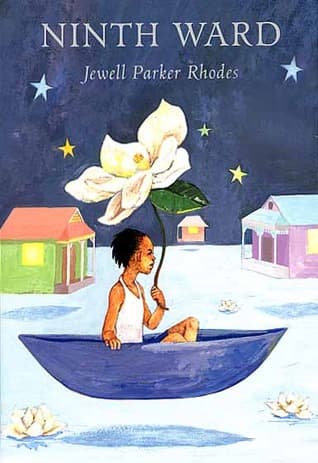
- Ninth Ward
Jewell Parker Rhodes
4.0 (6k) average on GoodreadsChildren'sExplores the impact of Hurricane Katrina on a young protagonist in New Orleans.
- The Thing About Jellyfish
Ali Benjamin
4.1 (27k) average on GoodreadsChildren'sA young protagonist deals with grief and finding her place in the world after a significant loss.
- Flygirl
Sherri L. Smith
4.0 (7k) average on GoodreadsHistorical FictionWhile Flygirl is also historical fiction YA dealing with a young woman navigating societal upheaval (WWII), Smith's novel offers a more complex examination of systemic racism, gender roles, and personal ambition. Between Two Skies focuses more on immediate personal and communal recovery from a natural disaster, with less emphasis on broader societal critiques.
- To Kill a Mockingbird
Harper Lee
4.3 (4.5M) average on GoodreadsHistorical FictionIn the 1930s Jim Crow South, Harper Lee writes about racial injustice, moral growth, and the quiet courage of a lawyer father, Atticus Finch, as seen through his young daughter's eyes.
- The Great Gatsby
F. Scott Fitzgerald
3.9 (3.8M) average on GoodreadsHistorical FictionIn the opulent Roaring Twenties, a mysterious millionaire's lavish parties hide his desperate, tragic pursuit of a lost love, exposing the emptiness within the American Dream.
- Pride and Prejudice
Jane Austen
4.3 (3M) average on GoodreadsHistorical FictionIn a society focused on status and money, Elizabeth Bennet navigates love and pride, challenging Mr. Darcy and social expectations to find true affection.





Enjoyed the summary?
A summary gives you the shape of the book. The book itself has the detail, the examples and the voice.
Find Between Two Skies on AmazonAs an Amazon Associate, BookBrief earns from qualifying purchases. How we're funded