

Synopsis
Covers the whole plot, including the ending.
- Difficulty
- Medium
- Pacing
- Slow
- Mood
- Reflective, Poignant, Immersive, Observational
- Read it if
- You enjoy character-driven literary fiction exploring themes of immigration, cultural identity, female empowerment, and the complexities of arranged marriages.
- Skip it if
- You prefer fast-paced plots with clear resolutions, or are uncomfortable with narratives that delve into cultural specificities of immigrant communities.
Brick Lane Plot Summary
Covers the whole plot, including the ending.
A New Life in London
In 1980s Bangladesh, teenage Nazneen is married to Chanu, an older, educated, but disappointed man. She leaves her village for a small flat in a council estate on Brick Lane, East London, a world away from her home. Nazneen knows no English and relies completely on Chanu, who often boasts of his past achievements and future plans, few of which happen. Her early days are marked by culture shock, loneliness, and a quiet sense of duty as she deals with the unfamiliar city and her new life as a wife, far from her sister Hasina.
Motherhood and Quiet Endurance
Nazneen soon becomes pregnant and gives birth to a son, Raqib. Her joy is immense, but Raqib tragically dies as an infant. This loss deeply affects Nazneen, strengthening her fatalistic view of life. She later has two daughters, Shahana and Bibi. Shahana, the elder, is intelligent and rebellious, often clashing with Chanu's traditional views. Bibi, the younger, is calmer and more religious. Nazneen finds purpose and quiet happiness raising her daughters, dealing with Chanu's quirks and financial problems with resolve, sewing clothes at home to add to their small income.
Chanu's Grand Schemes
Chanu, despite his ambitions, struggles to find stable work that matches his self-perceived intelligence. He starts various failed business ventures, from a taxi business to an internet café, all of which fail, often leaving the family in more debt. He dreams of returning to Bangladesh in triumph, a dream that becomes more of a comfort than a practical plan. His constant statements and perceived intellectual superiority often annoy Shahana, who wants a more modern, English life.
The Arrival of Karim
As the girls grow older, Nazneen continues her work as a seamstress. She receives an order from Karim, a young, charismatic Bangladeshi activist who runs a local community group and delivers leaflets for a radical Islamic organization. Karim is modern, passionate, and speaks English fluently, showing a different kind of Bangladeshi identity than Chanu's. Their first interactions are professional, but Nazneen is subtly drawn to his energy and conviction, a sharp contrast to Chanu's resigned fatalism.
A Budding Affair
Karim starts visiting Nazneen's flat more often, at first to discuss sewing orders. Gradually, their conversations deepen, and a strong attraction grows between them. Nazneen, who has lived a life of quiet submission and duty, finds herself drawn to Karim's intensity and the attention he gives her. Their affair begins, kept secret in her flat. This forbidden relationship awakens a sensuality and independence in Nazneen she never knew she had, challenging her long-held beliefs about marriage and self-worth.
Cultural and Political Tensions
The story often mentions the growing racial tensions and post-9/11 anxieties within the Bangladeshi community in East London. Karim is deeply involved in local activism, protesting against Islamophobia and supporting the rights of the Muslim community. These political currents set a volatile background for Nazneen's personal awakening. She hears news and discussions from Karim and even Chanu, who, despite his detachment, sometimes shares his opinions on the injustices faced by their community, further showing the cultural divide between generations.
Hasina's Letters
Throughout the novel, Nazneen receives letters from her younger sister, Hasina, who stayed in Bangladesh. Hasina's letters tell of a life of increasing hardship and misfortune. She runs away from an abusive husband, endures poverty, works in garment factories, and faces exploitation. Her story contrasts Nazneen's struggles, reminding Nazneen of their different life paths and the relative stability, however imperfect, she found in London. The letters also show the lasting bond between the sisters, despite their physical separation.
Shahana's Rebellion
Shahana, now a teenager, becomes increasingly rebellious. She resents Chanu's traditionalism, his constant talk of returning to Bangladesh, and his unfulfilled promises. She embraces her English identity, listening to pop music, asking for Western clothes, and openly challenging her father. Her defiance reflects the generational clash in immigrant families, as children born and raised in the UK navigate their dual heritage. Nazneen tries to mediate between Shahana and Chanu, understanding both their views to some extent, but often feels caught in the middle.
Chanu's Decision to Return
After years of discussion, Chanu finally decides to move back to Bangladesh, convinced it will offer him a better life and more respect. He expects Nazneen and the girls to go with him. This decision throws Nazneen's life into chaos. The thought of leaving London, her home for two decades, and more importantly, leaving Karim, fills her with dread. It forces her to seriously consider her own desires and agency for the first time, rather than passively accepting her fate.
Nazneen's Choice
Faced with Chanu's upcoming departure, Nazneen finally confronts her feelings for Karim and her own growing sense of self. She realizes she cannot return to Bangladesh and abandon the life she has built, however imperfect, in London. In a quiet but strong act of defiance, she tells Chanu that she and the girls will not be going with him. This decision marks a significant turning point for Nazneen, showing her new independence and willingness to shape her own destiny, even if it means breaking from tradition and her husband.
A New Beginning
Chanu returns to Bangladesh alone, leaving Nazneen to manage life as a single mother. She continues her sewing business, now with a greater sense of purpose and control. While her affair with Karim eventually cools and ends, it helped awaken her. Nazneen finds strength in her work and her daughters. She takes on more responsibility, manages her finances, and slowly integrates more into the wider community. The ending shows her at the start of a truly independent life, still in Brick Lane, but with a sense of control and self-possession.
Principal Figures
Nazneen
Protagonist
A quiet, dutiful Bangladeshi woman who finds her voice and independence in London.
Nazneen is initially presented as a passive, fatalistic young woman, married off from rural Bangladesh to an older man in London. She embodies a quiet strength and resilience, enduring hardship with stoicism. She is deeply devoted to her children and finds solace in her domestic duties and sewing. Her internal world is rich with observation and reflection, even as her outward life appears constrained. Her journey is one of gradual awakening, from accepting her fate to actively shaping it.
Relationships: Chanu (Husband, a source of frustration and occasional affection, her initial anchor in London.); Karim (Lover, catalyst for her sexual and emotional awakening.); Shahana (Daughter, often a source of conflict due to their generational differences, but deeply loved.); Bibi (Daughter, a gentle and devout child, a comfort to Nazneen.); Hasina (Sister, a poignant connection to her past and a mirror to a different, harder life.)
Chanu
Supporting
Nazneen's verbose, often ineffectual husband, burdened by unfulfilled ambitions.
Chanu is an educated, older man who prides himself on his intellect and knowledge, frequently quoting proverbs and offering unsolicited advice. He is largely ineffectual in providing for his family, with his grand schemes consistently failing. He dreams of returning to Bangladesh as a respected figure, a dream that becomes a crutch for his disappointments. Despite his flaws and self-importance, he is not malicious and occasionally displays moments of genuine, if clumsy, affection for Nazneen and his daughters.
Relationships: Nazneen (Wife, whom he largely takes for granted but relies on.); Shahana (Daughter, with whom he has a strained relationship due to her modern views.); Bibi (Daughter, whom he dotes on, seeing her as more traditional.)
Karim
Supporting
A passionate, radical young activist who awakens Nazneen's desires.
Karim is a charismatic young Bangladeshi man, deeply involved in local community activism and radical politics. He is articulate, confident, and represents a more modern, politically engaged generation of immigrants. His passion for social justice and his strong sense of identity contrast sharply with Chanu's resigned detachment. He becomes Nazneen's lover, serving as a catalyst for her sexual and emotional awakening, pushing her to consider a life beyond her prescribed role. He is driven by a desire for change and respect for his community.
Relationships: Nazneen (Lover, a source of forbidden passion and a mirror to her untapped potential.)
Shahana
Supporting
Nazneen's eldest daughter, rebellious and determined to forge her own English identity.
Shahana is intelligent, outspoken, and fiercely independent. She embodies the generational conflict within immigrant families, rejecting her father's traditionalism and aspirations to return to Bangladesh. She embraces her English identity, often clashing with Chanu over cultural practices and personal freedoms. Her defiance and strong will mirror, in a different way, Nazneen's own burgeoning desire for self-determination, though Shahana expresses it more overtly. She is a modern girl navigating two cultures.
Relationships: Nazneen (Mother, whom she loves but often frustrates with her modern ways.); Chanu (Father, with whom she has a strained and often argumentative relationship.)
Bibi
Supporting
Nazneen's younger daughter, sweet-natured and more inclined towards tradition.
Bibi is the younger of Nazneen's daughters, characterized by her placid nature and growing interest in her Muslim faith. She is less rebellious than Shahana and often acts as a peacemaker within the family. Her gentle demeanor and religious devotion offer a contrast to Shahana's modernity. Bibi represents a different facet of the immigrant experience, finding comfort and identity within religious and cultural traditions, rather than seeking to break away from them. She is a source of quiet joy for Nazneen.
Relationships: Nazneen (Mother, a loving and comforting presence.); Chanu (Father, whom she respects and tries to please.); Shahana (Sister, a foil to her own personality.)
Mrs. Islam
Supporting
A nosy, gossiping neighbor who provides Nazneen with news and traditional advice.
Mrs. Islam is Nazneen's neighbor, a traditional Bangladeshi woman who is a constant presence in Nazneen's life. She is known for her gossiping, her superstitions, and her strong opinions on how a woman should behave. She provides a connection to the wider Bangladeshi community and its customs, often offering unsolicited advice or recounting local news. While sometimes irritating, she also represents a familiar comfort and a sense of shared cultural identity for Nazneen.
Relationships: Nazneen (Neighbor and confidante (of sorts), a source of community news and traditional views.)
Hasina
Supporting
Nazneen's beloved sister, whose tragic life in Bangladesh is revealed through letters.
Hasina is Nazneen's younger sister, who remained in Bangladesh. Her story is told through letters sent to Nazneen, detailing a life of hardship, abuse, poverty, and exploitation after she runs away from an arranged marriage. She works in garment factories, faces numerous challenges, and never achieves the stability Nazneen finds, however imperfectly, in London. Her letters serve as a powerful reminder of the different fates that can befall women in their culture and underscore Nazneen's own relative fortune.
Relationships: Nazneen (Sister, a deep and enduring bond of love and shared history.)
Themes & Insights
Identity and Belonging
The novel explores the complex layers of identity for immigrants, especially women, caught between two cultures. Nazneen deals with her Bangladeshi heritage and her life in London, at first feeling lost. Her daughters, Shahana and Bibi, show different parts of this struggle, with Shahana embracing her Englishness and Bibi finding comfort in tradition. The characters constantly figure out what it means to be Bangladeshi in Britain, how much of their ancestral culture to keep, and how much to adapt. Nazneen's journey is about finding her own sense of self, independent of either culture's complete embrace.
“She had wanted to be a good daughter, a good wife, a good mother. But when was she going to be a good Nazneen?”
Female Agency and Emancipation
A central theme is Nazneen's slow but deep journey towards self-determination. At first, she passively accepts her fate, defined by her roles as wife and mother. Her affair with Karim, though forbidden, awakens her to her own desires and the possibility of choice. Her decision to stay in London and build an independent life, defying Chanu's expectations, is a strong act of freedom. The novel contrasts this with her sister Hasina's lack of control in Bangladesh, showing the different levels of freedom women can achieve.
“She was a woman. She was a mother. She was a wife. She was a daughter. But she was not a doormat.”
Cultural Clash and Generational Divide
The novel clearly shows the friction between traditional Bangladeshi culture and modern British society, especially as experienced by immigrant families. Chanu represents the older generation holding onto the dream of returning 'home' and following customs. Shahana, on the other hand, embodies the second generation, fully integrated into British life and often rebelling against her parents' expectations. Nazneen is in the middle, slowly bridging this gap as she adapts to her new environment while keeping parts of her heritage. The racial and religious tensions in Brick Lane further highlight these clashes.
“What was the point of coming all this way, if you were going to live as if you'd never left?”
Love, Duty, and Desire
The complexities of love are explored through Nazneen's relationships. Her marriage to Chanu is based on duty and tradition; it lacks passionate love but grows into a form of companionship. Her affair with Karim ignites a powerful, sensual desire that challenges her understanding of herself and her marriage. The novel examines the tension between marital duty and the intoxicating pull of personal desire, suggesting that true love might be found in self-respect and the freedom to choose one's own path, even if that path is solitary.
“Love was not a thing to be searched for, but a thing to be endured.”
Plot Devices & Literary Techniques
Epistolary Narrative (Hasina's Letters)
Letters from Nazneen's sister in Bangladesh provide a parallel narrative and social commentary.
The letters from Nazneen's sister, Hasina, serve as an intermittent epistolary element. They offer a poignant counterpoint to Nazneen's experiences, revealing a life of escalating hardship, abuse, and poverty in Bangladesh. This device allows the author to broaden the scope of the narrative beyond Nazneen's immediate world, providing a stark comparison of the fates of two sisters and highlighting the socio-economic realities faced by women in their homeland. The letters also underscore the enduring bond between the sisters and Nazneen's deep connection to her past.
Third-Person Limited Omniscient Point of View
The story is primarily told through Nazneen's internal thoughts and perceptions.
The novel is largely told from a third-person limited omniscient perspective, closely following Nazneen's internal world. This allows readers deep access to her thoughts, feelings, and observations, even when her outward demeanor is quiet and submissive. This narrative choice is crucial for portraying her gradual awakening and her internal struggles with identity, desire, and duty. It emphasizes her journey from passive acceptance to active self-determination, making her internal life the primary engine of the plot, despite the seemingly small scale of her external existence.
Symbolism of Sewing and Fabric
Nazneen's work as a seamstress symbolizes her constrained life and eventual creativity/independence.
Nazneen's constant sewing, initially a means of income and a quiet activity within her confined flat, becomes a powerful symbol. The fabrics and threads represent the intricate, sometimes restrictive, patterns of her life. Initially, it signifies her domesticity and reliance on others' designs. As she gains agency, her sewing can be seen as an act of creation and control, literally shaping her own livelihood and, metaphorically, her own destiny. It's a quiet craft that anchors her, but also allows for a subtle expression of her inner world.
The Setting of Brick Lane
The vibrant, diverse East London neighborhood acts as a character and cultural backdrop.
Brick Lane itself functions almost as a character in the novel, embodying the vibrant, complex, and sometimes fraught reality of immigrant life in London. It is a microcosm of Bangladeshi culture transplanted to Britain, a place of community, tradition, and change. The sights, sounds, and smells of the market, the curry houses, and the mosque provide a rich sensory backdrop. The racial and political tensions that simmer in the area reflect the broader societal issues affecting the characters, making the setting integral to the themes of identity and belonging.
Brick Lane Quotes
“What is this life? A drop of water in the ocean, a grain of sand on the shore. What are we but a breath, a fleeting moment?”
“She saw the city as a series of small, self-contained worlds, each with its own rules and rhythms.”
“It was not a question of wanting more, but of realizing that there could be more.”
“The past was not a foreign country; it was a room in her house, sometimes locked, sometimes open.”
“To be an immigrant was to live in a state of constant translation.”
“She had come to understand that silence was not always empty; sometimes it was full of unspoken things.”
“Hope was a thing with feathers, but sometimes it felt like a thing with chains.”
“She learned that freedom was not a gift, but a muscle that had to be exercised.”
“Love, she thought, was not a grand gesture but a thousand tiny acts of endurance.”
“The smell of curry was the smell of home, even when home was a place she barely recognized.”
“Life was not a story with a beginning, middle, and end, but a series of moments, some bright, some dim.”
“She had lived her life in the shadows, but now she was stepping, hesitantly, into the light.”
“The world was not waiting for her; she had to go out and find it.”
Quiz
10 questions on the plot and the characters. Each answer comes with a short explanation.
Question 1
What is Nazneen's primary occupation within her London flat to earn a living?
- Cooking Bangladeshi dishes for local restaurants
- Cleaning services for other residents in her building
- Sewing clothes and alterations for a garment business
- Working as a cashier in a local grocery store
Show answer
C. Sewing clothes and alterations for a garment business Confined in her tiny flat, Nazneen sews furiously for a living, creating clothes and alterations, often for a garment business.
Question 2
Who is the 'radical' character that steps into Nazneen's life and sparks a love affair?
- Dr. Azad, a community leader
- Karim, a younger activist
- Shahana, her sister
- Rana, her husband's friend
Show answer
B. Karim, a younger activist The synopsis explicitly states that 'the radical Karim steps unexpectedly into her life' and they embark on a love affair.
Question 3
What is Nazneen's initial proficiency in English upon arriving in London?
- She has a basic conversational understanding.
- She is fluent, having studied it in Bangladesh.
- She knows not a word of English.
- She can read but not speak English.
Show answer
C. She knows not a word of English. The text states, 'Nazneen knows not a word of English, and is forced to depend on her husband,' highlighting her initial linguistic isolation.
Question 4
What is the primary reason for Nazneen's marriage to her older husband?
- They met and fell in love through mutual friends.
- It was an arranged marriage, common in her culture.
- She chose him after a long courtship.
- She immigrated to London specifically to marry him.
Show answer
B. It was an arranged marriage, common in her culture. The synopsis clearly states, 'Still in her teenage years, Nazneen finds herself in an arranged marriage with a disappointed older man,' indicating it was not a love match.
Question 5
Which London neighborhood is the primary setting for Nazneen's life in England?
- Southall
- Whitechapel
- Brick Lane in the East End
- Brixton
Show answer
C. Brick Lane in the East End The book title itself, 'Brick Lane', directly refers to the specific area in London's East End where the story is set and where Nazneen's 'cramped flat in a high-rise block' is located.
Question 6
What significant personal development does Nazneen experience as a result of her affair with Karim?
- She decides to return to Bangladesh permanently.
- She becomes more dependent on her husband.
- She finally takes control of her fate.
- She becomes involved in local political activism.
Show answer
C. She finally takes control of her fate. The text states that the love affair 'forces Nazneen finally to take control of her fate,' indicating a profound shift in her agency and independence.
Question 7
What broader societal context forms a backdrop to Nazneen's personal story in London?
- Economic prosperity and urban development.
- Racial conflict and tension.
- A period of intense cultural integration.
- Political stability and community harmony.
Show answer
B. Racial conflict and tension. The synopsis mentions, 'On a background of racial conflict and tension,' indicating that these societal issues are integral to the setting and narrative.
Question 8
How does Nazneen's husband's character generally contribute to her initial confinement and dependence?
- He encourages her to explore London independently.
- He is a 'disappointed older man' who she depends on due to her lack of English and isolation.
- He actively teaches her English and helps her integrate.
- He provides her with extensive social connections in London.
Show answer
B. He is a 'disappointed older man' who she depends on due to her lack of English and isolation. He is described as a 'disappointed older man' and Nazneen 'is forced to depend on her husband' due to her lack of English, contributing to her initial confinement rather than alleviating it.
Question 9
Beyond the physical location, what does the 'cramped flat in a high-rise block' symbolize for Nazneen early in the novel?
- A symbol of her newfound freedom and independence.
- A representation of her cultural assimilation into British society.
- Her isolation, confinement, and dependence in a foreign land.
- An opportunity for social engagement and community building.
Show answer
C. Her isolation, confinement, and dependence in a foreign land. The phrase 'Confined in her tiny flat' directly links the physical space to her early experiences of isolation and dependence, especially given her lack of English and new environment.
Question 10
How does Nazneen's journey from her Bangladeshi village to London impact her sense of self and agency throughout the novel?
- She immediately embraces her new life and abandons her past traditions.
- Initially dependent and confined, she gradually develops agency and takes control of her fate.
- She remains entirely unchanged, maintaining her village customs without adaptation.
- Her journey leads to deeper dependence on her husband and family.
Show answer
B. Initially dependent and confined, she gradually develops agency and takes control of her fate. The narrative arc described shows her starting as 'forced to depend on her husband' but ultimately, her affair with Karim 'forces Nazneen finally to take control of her fate,' illustrating a profound development of agency.
Brick Lane FAQ
What is the central premise of 'Brick Lane'?
The novel follows Nazneen, a young Bangladeshi woman, as she navigates an arranged marriage and cultural assimilation after moving from her rural village to a cramped flat in London's East End. It explores her journey from passive wife to an individual seeking agency, set against the backdrop of racial tensions and community life in Brick Lane.
Who is Nazneen's husband, and what is his personality like?
Nazneen's husband is Chanu, an older, well-meaning but often pompous and ineffectual man. He fancies himself an intellectual and a 'man of ideas,' frequently embarking on ill-fated schemes and lamenting his perceived lack of recognition, which contributes to his disappointment in life.
How does Nazneen initially cope with her new life in London?
Initially, Nazneen copes by internalizing her experiences and finding solace in her sewing, a skill she uses to earn a living. She struggles with the language barrier and cultural isolation, relying heavily on her husband for external communication and navigating the unfamiliar urban environment.
Who is Karim, and what role does he play in Nazneen's life?
Karim is a younger, charismatic, and politically radical Bengali man who becomes Nazneen's lover. He represents a different kind of freedom and a connection to a more active, politically charged Bengali identity, challenging Nazneen's traditional domestic existence and awakening her sensuality and independence.
What significant events or conflicts shape the narrative in Brick Lane?
The narrative is shaped by Nazneen's affair with Karim, Chanu's various failed business ventures and dreams of returning to Bangladesh, and the rising racial tensions and anti-immigrant sentiment in London. These external conflicts parallel Nazneen's internal struggle for self-discovery and agency.
How do Nazneen's daughters, Shahana and Bibi, reflect different aspects of assimilation?
Shahana, the older daughter, is more rebellious and embraces Western culture, often clashing with Chanu's traditional views. Bibi, the younger, is more compliant but still a product of her British upbringing, showing a blend of cultural influences and highlighting the generational shift in immigrant families.
What is the significance of the letters Nazneen receives from her sister Hasina?
Hasina's letters detail her own struggles and eventual tragic fate in Bangladesh, providing a stark contrast to Nazneen's life in London. They serve as a constant reminder of the life Nazneen left behind and the different paths women can take, often influencing Nazneen's perspective on her own choices and opportunities.
How does Monica Ali use food and sewing to illustrate Nazneen's cultural identity and personal growth?
Food preparation often connects Nazneen to her Bangladeshi heritage and provides comfort, while her meticulous sewing for piece-work initially symbolizes her confinement. As she evolves, sewing becomes a source of income and a quiet act of independence, allowing her to gain financial agency and a sense of self-worth outside her domestic role.
What subtle clues suggest Nazneen's growing internal strength even before her affair with Karim?
Nazneen's quiet observations of her surroundings, her meticulous attention to her sewing, and her increasingly critical internal monologues about Chanu's impracticality and the hypocrisy of some community members subtly hint at her developing independence and a mind of her own, rather than pure passivity.
How does Nazneen's initial passivity serve as a survival mechanism?
Nazneen's initial passivity is a direct result of her upbringing in a patriarchal society and her arranged marriage, where women are expected to be compliant. It functions as a survival mechanism, allowing her to adapt to an unfamiliar country and a domineering husband by minimizing conflict and maintaining harmony.
Discuss Chanu's psychological need for validation and how it impacts his family.
Chanu constantly seeks validation for his intelligence and social standing, which stems from deep-seated insecurities and a sense of unfulfilled potential. This need drives his unrealistic schemes and pronouncements, often leading to financial instability and embarrassment for Nazneen and their daughters, as he prioritizes his ego over practicalities.
How does the novel explore the psychology of cultural displacement and identity formation?
The novel explores cultural displacement through Nazneen's struggle to reconcile her Bangladeshi heritage with her life in London, leading to a fragmented identity. It shows how identity is fluid, shaped by environment, relationships, and personal choices, as Nazneen gradually redefines herself outside traditional expectations.
What psychological impact does the arranged marriage have on Nazneen's emotional development?
The arranged marriage initially stunts Nazneen's emotional development, as she learns to suppress her desires and expectations, leading to a detached existence. Her affair with Karim, though brief, acts as a catalyst, awakening her sensuality and emotional needs, prompting her to confront her own identity and desires.
Is Nazneen's decision to stay in London at the end a definitive act of independence, or is it still influenced by external factors?
While Nazneen's decision to stay in London is a powerful act of self-determination, it is also influenced by her daughters' desire to remain and her practical need for work. It represents a complex blend of newfound agency and continued responsibility, suggesting independence is not always a solitary act but a negotiation with circumstances.
Does the novel ultimately portray Nazneen's affair with Karim as liberating or simply another form of confinement?
The affair is portrayed as initially liberating, awakening Nazneen's sexuality and sense of self. However, it also introduces new forms of emotional dependence and risk, eventually becoming unsustainable. Its true significance lies in its role as a catalyst, propelling Nazneen towards a more profound and self-directed liberation.
How does the ending of the novel, with Nazneen ice skating, symbolize her journey?
Nazneen's ice skating at the end symbolizes her newfound freedom, balance, and willingness to embrace life's uncertainties. It represents her ability to move gracefully and confidently on her own terms, having found a sense of self and belonging in London, no longer confined by her past or external expectations.
To what extent is 'Brick Lane' a critique of traditional patriarchal structures within immigrant communities?
'Brick Lane' offers a nuanced critique, showing how patriarchal structures, embodied by Chanu and some community elders, can limit women's autonomy and perpetuate generational struggles. However, it also highlights the resilience and quiet rebellion within these structures, rather than presenting a simplistic condemnation.
Is Chanu a sympathetic character despite his flaws, or is he primarily an antagonist?
Chanu is a complex character who evokes both sympathy and frustration. While his flaws are evident, his underlying insecurities, genuine love for his daughters, and his own struggles with cultural identity make him a sympathetic figure. He serves less as an antagonist and more as a representation of the challenges faced by many first-generation immigrants.
About the author

Monica Ali FRSL is a British writer of Bangladeshi and English heritage. In 2003, she was selected as one of the "Best of Young British Novelists" by Granta magazine based on her unpublished manuscript; her debut novel, Brick Lane, was published later that year. It was shortlisted for the Man Booker Prize. It was adapted as a 2007 film of the same name. She has also published three other novels. Her fifth novel, Love Marriage, was published by Virago Press in February 2022 and became an instant Sunday Times bestseller.
Similar books
- The Namesake
Jhumpa Lahiri
4.0 (234k) average on GoodreadsLiterary FictionExplores the immigrant experience, cultural identity, and family dynamics across generations.
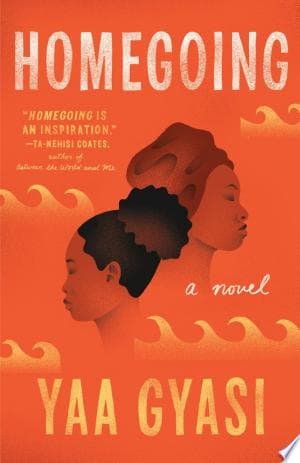
- Homegoing
Yaa Gyasi
4.4 (175k) average on GoodreadsLiterary FictionExamines the lasting impact of history and cultural heritage on individuals and families through generations.
- White Teeth
Zadie Smith
3.8 (124k) average on GoodreadsLiterary FictionZadie Smith's White Teeth also portrays multicultural London, particularly focusing on immigrant families and their descendants. However, Smith employs a much broader canvas, a more satirical tone, and a sprawling, multi-generational narrative with numerous interwoven plotlines and a larger cast of characters. Ali's Brick Lane is more intimate and focused, primarily on Nazneen's perspective and her immediate family. While both novels address themes of identity, belonging, and cultural clashes, Smith's approach is more maximalist and overtly comedic, whereas Ali's is more introspective, realistic, and subtly dramatic.
- The Old Man and the Sea
Ernest Hemingway
3.8 (831k) average on GoodreadsLiterary FictionA Cuban fisherman's long struggle with a giant marlin becomes a story of endurance and dignity, now retold for young adults with illustrations, phonetic guides, and writing prompts in Traditional Chinese.
- One Hundred Years of Solitude
Gabriel García Márquez
4.1 (753k) average on GoodreadsLiterary FictionThrough the multi-generational story of the Buendía family, a mythical town deals with the repeating patterns of time, love, and solitude, as the extraordinary mixes with the ordinary.
- The Goldfinch
Donna Tartt
3.9 (720k) average on GoodreadsLiterary FictionHaunted by a tragic explosion and clutching a stolen Dutch masterpiece, a young orphan navigates the opulent drawing rooms of New York and the gritty underbelly of the art world, desperately seeking connection and redemption amidst a life spiraling into crime and obsession.




Enjoyed the summary?
A summary gives you the shape of the book. The book itself has the detail, the examples and the voice.
Find Brick Lane on AmazonAs an Amazon Associate, BookBrief earns from qualifying purchases. How we're funded