

Synopsis
Covers the whole plot, including the ending.
- Difficulty
- Medium
- Pacing
- Variable
- Mood
- Dark, Intense, Obsessive, Heartbreaking
- Read it if
- You enjoy intense, character-driven stories about forbidden love, addiction, and the dark side of urban life, with a focus on psychological depth and moral dilemmas.
- Skip it if
- You prefer lighthearted reads or are sensitive to themes of drug addiction, prostitution, and violence.
Candy Plot Summary
Covers the whole plot, including the ending.
A Chance Encounter in a Shady Alley
Fifteen-year-old Joe Beck, a suburban London teenager and musician, gets lost in a bad part of London on his way to a guitar lesson. In a dirty alley, he meets Candy, a beautiful and seemingly innocent girl. They talk briefly; Candy teases him, asks for a cigarette, and gives him her phone number before leaving. Joe is immediately taken with her, wanting to see her again, despite the unsettling area and Candy's mysterious manner. This first meeting starts Joe's involvement in a world very different from his comfortable suburban life.
The Perfect Day at the Zoo
After their first meeting, Joe calls Candy, and they plan to meet. They spend a good day at the London Zoo, where Candy seems happy, laughing and enjoying the animals. Joe is completely charmed, liking her more and more. But, under their perfect day, there are hints of Candy's difficult life – she avoids talking about her past, where she lives, and her work. Joe knows the difference between her apparent innocence and the harsh reality he suspects she lives in, but he ignores the warning signs, blinded by his growing affection for her.
Iggy's Introduction and the Dark Reality
Joe's attempts to see Candy more often lead him into her increasingly dangerous world. He learns that Candy is a prostitute, and her life is controlled by a violent pimp named Iggy. Iggy quickly makes his presence known, threatening Joe and making it clear that Candy belongs to him. Joe sees Candy's fear of Iggy and the grim truth of her life. Despite the growing danger and his friends' and family's disapproval, Joe's desire to 'save' Candy grows, even as he becomes more involved in her risky life, often meeting her in cheap hotel rooms or on the streets.
The Grip of Addiction and Joe's Obsession
Joe soon finds out that Candy is not only a prostitute but also addicted to heroin. He sees her withdrawal symptoms, her desperation, and how much the drug controls her. This discovery makes Joe want to rescue her even more. His obsession with Candy starts to take over his life; he ignores his band, his schoolwork, and his friends, putting all his energy into Candy. He spends more and more time and money trying to be with her, often putting himself in dangerous situations with Iggy and his friends. Joe believes that if he can get Candy away from Iggy and help her get clean, they can have a normal life together.
The Stolen Song and Missed Opportunities
While deeply involved with Candy, Joe writes a song inspired by her and shares it with his band. A record producer picks up the song, called 'Candy,' and it becomes a hit. However, Joe is so focused on saving Candy that he largely ignores his own growing musical success. He misses band practices, skips recording sessions, and does not take advantage of the opportunities from the song's popularity. The song's success, meant to be a win, instead becomes background to his increasingly desperate and dangerous mission to free Candy, showing how much she has become his main priority.
The Escape Attempt and Hiding Out
Driven by his desperate love and belief that he can save her, Joe decides to take Candy away from London and Iggy. He gets her out of the city and takes her to a secluded cottage in the countryside, planning to help her detox from heroin. This is a very risky move, as Joe knows Iggy will be looking for them. During their time in hiding, Candy goes through the painful process of withdrawal, a time of intense physical and emotional suffering. Joe stays with her, seeing her pain firsthand, and trying to support her through it, believing he is finally freeing her.
The Growing Bond and Fragile Hope
As Candy goes through the difficult detox in the isolated cottage, her defenses slowly break down. She shares more about her past, her fears, and her hopes with Joe, showing a vulnerability she had hidden. Their bond grows much stronger during this time, becoming more than just interest. Joe feels a sense of accomplishment and hope, believing that his efforts are working and that they can build a life together once she is clean. They share intimate moments, dreaming of a future free from Iggy and drugs, a future that seems close.
Iggy's Retribution and the Unthinkable Choice
Just as Candy starts to recover and a new life seems possible, Iggy, still looking for them, finds them at the cottage. His arrival destroys their fragile peace. Iggy, with his threatening associates, confronts Joe and Candy. He does not hurt Candy directly but instead targets Joe's younger sister, Anna, using her to force Joe's hand. Iggy gives Joe an unbearable choice: either Candy returns to him, or Anna will face bad consequences. Joe is faced with a painful choice between his love for Candy and his innocent sister's safety, a choice that tests his devotion.
The Heartbreaking Farewell
In a terrible decision, Joe chooses to protect his sister. He tearfully tells Candy that she must go back with Iggy to keep Anna safe. This moment is devastating for both of them, as it means the end of all their hopes and dreams for a life together. Candy, understanding the seriousness of the situation and Joe's loyalty to his family, reluctantly agrees. As she leaves with Iggy, Joe is completely broken, having given up his love and his vision of Candy's freedom to save his sister. The ending is filled with deep sadness and the bitter understanding that some fights, despite great love, cannot be won.
Candy Characters
Joe Beck
Protagonist
A suburban teenager who becomes obsessed with saving Candy from her troubled life.
Joe is a fifteen-year-old aspiring musician from a comfortable suburban background. Initially naive and somewhat sheltered, his encounter with Candy rapidly transforms him. He is characterized by his intense infatuation, deep empathy, and a strong, almost naive, belief in his ability to 'save' Candy. His journey is one of self-discovery, where his youthful idealism clashes with the harsh realities of addiction, prostitution, and violence. He is driven by a powerful sense of responsibility and love, even as he neglects his own life and safety.
Relationships: Candy (Obsessive love interest and object of his desire to save); Iggy (Antagonist, Candy's pimp and his rival); Anna Beck (Younger sister, whom he deeply loves and protects); Steve (Bandmate and friend, often concerned for Joe)
Candy
Love Interest/Supporting
A beautiful, heroin-addicted prostitute controlled by a violent pimp.
Candy is a beautiful and enigmatic young woman whose initial innocence captivates Joe. Beneath her charming and playful exterior lies a deeply traumatized individual, trapped by heroin addiction and the ruthless control of Iggy. She is a victim of circumstances, yearning for freedom but often too weak or resigned to fight for it independently. Her vulnerability and glimpses of her true self fuel Joe's determination to save her, even though she is often manipulative and evasive due to her circumstances. She represents the harsh realities of a life on the streets.
Relationships: Joe Beck (Her love interest and potential savior); Iggy (Her pimp and abuser, whom she fears); Anna Beck (Joe's sister, whose safety ultimately dictates her fate)
Iggy
Antagonist
Candy's ruthless and violent pimp, who controls her life and finances.
Iggy is the primary antagonist of the story, a cold, calculating, and violent pimp who controls Candy's life, her work, and her addiction. He views Candy as his property and a source of income, showing no empathy or compassion. Iggy represents the dark, predatory forces of the underworld that Joe tries to fight against. He is cunning and relentless, using intimidation, violence, and psychological manipulation to maintain his control. His ultimate act of threatening Anna reveals his true depravity and the lengths he will go to get what he wants.
Relationships: Candy (His prostitute and victim, whom he controls); Joe Beck (His rival for Candy's affection and freedom)
Anna Beck
Supporting
Joe's innocent younger sister, who becomes a pawn in Iggy's game.
Anna is Joe's younger sister, a symbol of his innocent suburban life and family ties. She is bright, cheerful, and completely unaware of the dark world her brother has become involved in. Her presence highlights the stark contrast between Joe's two lives. She is deeply loved by Joe, and her safety is paramount to him. Iggy's decision to use Anna as leverage against Joe underscores the ultimate sacrifice Joe must make and the devastating consequences of his choices, as her well-being becomes the catalyst for the story's tragic climax.
Relationships: Joe Beck (Older brother, whom she looks up to and is protected by)
Steve
Supporting
Joe's bandmate and loyal friend, who tries to keep him grounded.
Steve is Joe's bandmate and close friend, representing Joe's connections to his 'normal' life. He is observant and concerned about Joe's increasingly erratic behavior and his involvement with Candy. Steve tries to be a voice of reason, warning Joe about the dangers he is getting into and reminding him of his musical aspirations. He is loyal and supportive, even when Joe is neglecting their band and their friendship. Steve's perspective offers an external, more objective view of Joe's self-destructive path.
Relationships: Joe Beck (Close friend and bandmate)
Joe's Parents
Supporting/Mentioned
Concerned but often clueless figures in Joe's suburban life.
Joe's parents represent the stable, suburban home life that Joe increasingly distances himself from. They are loving and concerned, noticing Joe's withdrawal and changes in behavior, but they are largely unaware of the true extent of his involvement with Candy and the dangerous world he has entered. Their inability to fully grasp the gravity of Joe's situation highlights his isolation and the secret life he leads. They are a constant, if sometimes distant, reminder of the normalcy Joe is sacrificing.
Relationships: Joe Beck (Parents of the protagonist); Anna Beck (Parents of Joe's sister)
The Producer
Mentioned
Figure who recognizes Joe's musical talent and the potential of his song.
The producer is a minor character who recognizes the commercial potential of Joe's song 'Candy.' He represents the fleeting success and opportunity that Joe largely ignores due to his obsession with Candy. His interest in the song highlights Joe's talent and the alternative path his life could have taken, contrasting sharply with the grim reality he chooses to pursue. He is a symbol of the 'normal' future Joe forsakes.
Relationships: Joe Beck (Recognizes his musical talent)
The Drug Dealers/Iggy's Associates
Supporting
Menacing figures who reinforce the dangerous environment surrounding Candy and Iggy.
These are unnamed, often brutish individuals who work for or with Iggy, serving as enforcers and further emphasizing the perilous nature of Candy's world. They are often present during Joe's encounters with Candy in the city, their silent or threatening presence adding to the tension and danger. They are extensions of Iggy's power and cruelty, representing the constant threat of violence and the criminal underworld that Joe bravely, but perhaps foolishly, tries to navigate.
Relationships: Iggy (Associates and enforcers); Candy (Overseers of her 'work')
Candy Themes
Obsessive Love and Self-Sacrifice
The main theme is Joe's all-consuming love for Candy. His wish to 'save' her from her life as a prostitute and addict becomes his only goal, causing him to neglect his own life, risk his safety, and make a huge personal sacrifice. This theme explores the destructive power of love when it becomes an obsession, blurring the lines between true care and a dangerous fixation. Joe's journey shows how far someone might go for another, even if it means personal ruin, ending with his heartbreaking decision to let Candy go to protect his sister.
“He knew he loved her, knew it with a fierce, desperate certainty that burned inside him, hotter than any fever.”
The Loss of Innocence
Joe's journey from a sheltered suburban teenager to a young man deeply involved in London's dark side is an exploration of lost innocence. His meeting with Candy exposes him to prostitution, drug addiction, violence, and the grim realities of street life. This theme appears in Joe's growing awareness of human depravity, his willingness to be in dangerous situations, and the emotional toll these experiences take on him. The contrast between his innocent sister, Anna, and the world he enters further shows this loss, as he gives up his own purity to face the harshness of Candy's life.
“He saw the city differently now. Not as a place of adventure, but as a place of shadows and secrets, a place where things got broken.”
Addiction and Its Chains
Both literal and metaphorical addiction are main ideas in the novel. Candy's heroin addiction drives the plot, showing its devastating physical and psychological hold, her desperation, and how hard it is to escape. Joe's addiction to Candy is similar – his obsessive love acts like a drug, clouding his judgment and making him take extreme risks. The theme explores how addiction, whether to a substance or a person, can take away control, trap individuals in bad cycles, and make freedom seem impossible, despite the good intentions of those trying to help.
“She was like a drug to him, a sweet, dangerous poison he couldn't get enough of, even though he knew it was killing him.”
The Nature of Freedom and Captivity
The book constantly explores different types of captivity and how hard it is to find freedom. Candy is literally held captive by Iggy and her addiction; external forces control her life. Joe, in his desperate attempt to free her, becomes captive to his own obsession and the dangerous world he enters. The cottage in the countryside offers a brief, fragile feeling of freedom, but it proves temporary. The novel questions if true freedom is ever possible for characters like Candy, and if love, even with good intentions, can truly free someone from their past and circumstances, or if it just trades one type of captivity for another.
“He wanted to untie her, unchain her, set her free. But he knew, even then, that some chains were invisible.”
Social Class and Urban Divide
The clear difference between Joe's comfortable suburban life and Candy's existence in the gritty, dangerous urban underworld highlights themes of social class and the divide in society. Joe's initial innocence about the 'other side' of London quickly disappears as he sees poverty, crime, and desperation. The novel subtly critiques the social structures that allow such differences to exist, and how easily people can fall through the cracks. It also shows how difficult it is for someone from one world to truly blend in or rescue someone from another, emphasizing the systemic nature of Candy's difficult situation.
“It was like stepping into a different country, a place where the rules were different, and life was cheaper.”
Plot Devices & Literary Techniques
The Innocent Outsider
Joe's perspective as a naive teenager entering a dangerous world.
Joe serves as the innocent outsider, a common literary device where a character from a sheltered background is thrust into a harsh, unfamiliar world. This allows the author to gradually reveal the grim realities of prostitution and drug addiction through Joe's eyes, making the discoveries more impactful for both the character and the reader. His naivety initially makes him vulnerable but also fuels his idealistic drive to save Candy, creating dramatic tension as his innocence clashes with the brutal reality he encounters.
Foil Characters
Candy and Anna as contrasting figures to highlight themes of innocence and corruption.
Candy and Anna serve as powerful foil characters. Anna represents Joe's innocent, secure, and 'normal' life, symbolizing purity and the suburban world he comes from. Candy, in contrast, embodies the dark, dangerous, and corrupted urban underworld. Their existence highlights the stark choices and conflicts Joe faces. Ultimately, the choice Joe must make between Candy and Anna's safety underscores the novel's central themes of sacrifice, innocence lost, and the devastating consequences of Joe's obsession, making Anna the ultimate leverage point for Iggy.
Symbolism of the Song 'Candy'
The song represents Joe's love, missed opportunities, and Candy's essence.
The song 'Candy' that Joe writes for her is a potent symbol. It represents his pure affection and idealization of her, initially created from a place of innocent love. Its unexpected commercial success symbolizes the alternative, successful life Joe could have had if not for his obsession. Simultaneously, the song becoming a hit while Joe is embroiled in Candy's dark world highlights the tragic irony and the sacrifices he makes. It encapsulates both the beauty and the sorrow of their connection, a melody of hope and despair.
The London Zoo and the Secluded Cottage
Settings that symbolize fleeting hope and attempts at escape.
The London Zoo, where Joe and Candy share a perfect, innocent day, symbolizes a brief, idealized escape from her reality, representing a 'normal' life they could have. In contrast, the secluded cottage in the countryside serves as another attempt at escape and a symbol of fragile hope for rehabilitation and a new beginning. Both locations offer temporary sanctuary and a glimpse of a different future, only to be ultimately shattered by the intrusion of Iggy's world. They highlight the transient nature of their happiness and the difficulty of truly escaping their circumstances.
Candy Quotes
“Sometimes you have to be cruel to be kind.”
“Love isn't about finding someone perfect, it's about seeing an imperfect person perfectly.”
“The heart wants what it wants, even when the mind knows better.”
“In the darkness, even a flicker of light can seem like a beacon.”
“We're all just trying to survive, some of us just have further to fall.”
“Addiction isn't a choice, it's a prison without bars.”
“The line between love and obsession is thinner than you think.”
“Sometimes the people who need saving the most are the ones who can't be saved.”
“In a world of noise, silence can be the loudest sound.”
“You can't fix someone else's broken pieces if you're still picking up your own.”
“The most dangerous lies are the ones we tell ourselves.”
“Love in the shadows is still love, but it burns differently.”
“Sometimes running away is the bravest thing you can do.”
“The past is a ghost that haunts the present, especially when you try to ignore it.”
Quiz
10 questions on the plot and the characters. Each answer comes with a short explanation.
Question 1
What is the name of the menacing pimp who controls Candy's life?
- Carlos
- Iggy
- Vincent
- Mick
Show answer
B. Iggy Iggy is Candy's pimp who poses a constant threat throughout the story, particularly when Joe tries to help Candy escape her life of addiction and prostitution.
Question 2
Where do Joe and Candy spend their 'perfect day' together early in their relationship?
- Hyde Park
- The London Eye
- London Zoo
- Camden Market
Show answer
C. London Zoo The London Zoo outing represents a brief moment of innocence and connection between Joe and Candy before the darker realities of her life become fully apparent to him.
Question 3
What significant opportunity does Joe neglect because of his obsession with helping Candy?
- A college scholarship
- A recording contract for his band
- A job at his father's company
- A chance to study abroad
Show answer
B. A recording contract for his band Joe's band has an opportunity for a recording contract, but he becomes so consumed with trying to save Candy from her addiction and pimp that he neglects this important chance.
Question 4
What does Joe write for Candy that becomes a hit without his involvement?
- A poem
- A short story
- A song
- A screenplay
Show answer
C. A song Joe writes a song for Candy that becomes successful, but he doesn't benefit from it because he's too focused on trying to rescue her from her circumstances.
Question 5
How does Joe first encounter Candy in London?
- At a music venue where she's performing
- When he gets lost in a disreputable neighborhood
- Through mutual friends at school
- At a hospital where she's seeking treatment
Show answer
B. When he gets lost in a disreputable neighborhood Joe gets lost in a rough area of London on his way to an appointment and is immediately captivated by his first sight of Candy, who seems beautiful and innocent despite her surroundings.
Question 6
What method does Joe use to help Candy overcome her addiction?
- He takes her to a professional rehab center
- He hides her away to 'sweat out' her addiction
- He administers medication-assisted treatment
- He involves her family in an intervention
Show answer
B. He hides her away to 'sweat out' her addiction Joe rescues Candy from her rooming house and takes her into hiding where she must endure withdrawal symptoms ('sweat out' her addiction) without professional medical support.
Question 7
What is the central theme explored through Joe's relationship with Candy?
- The corrupting influence of wealth
- The destructive nature of obsessive love
- The importance of family loyalty
- The benefits of formal education
Show answer
B. The destructive nature of obsessive love The novel explores how Joe's obsessive love for Candy leads him to neglect his own life, opportunities, and well-being in a futile attempt to save her from her circumstances.
Question 8
What does Iggy use against Joe in the climax that proves stronger than Joe's passion for Candy?
- Threats against Joe's family
- Blackmail with compromising photos
- Financial ruin through debt
- Legal charges for kidnapping
Show answer
A. Threats against Joe's family In the heart-thumping conclusion, Iggy discovers and exploits the one thing that matters more to Joe than his passion for Candy - threats against Joe's family members.
Question 9
What initial impression does Candy give Joe when they first meet, despite her actual circumstances?
- Worldly and sophisticated
- Angry and defensive
- Beautiful and seemingly innocent
- Desperate and needy
Show answer
C. Beautiful and seemingly innocent Despite being a heroin-addicted prostitute controlled by a pimp, Candy initially appears to Joe as beautiful and seemingly innocent, which makes her situation all the more tragic and compelling to him.
Question 10
What parallel addiction does the novel draw between Joe and Candy?
- Both are addicted to danger
- Joe becomes as addicted to Candy as she is to heroin
- Both use music as an escape from reality
- They share an addiction to London's nightlife
Show answer
B. Joe becomes as addicted to Candy as she is to heroin The novel powerfully illustrates how Joe's obsession with Candy becomes its own form of addiction, mirroring Candy's physical dependence on heroin and showing how destructive relationships can be as consuming as substance abuse.
Candy FAQ
What is 'Candy' by Kevin Brooks about?
'Candy' follows fifteen-year-old Joe Beck, who becomes obsessed with a girl named Candy after meeting her in a rough London neighborhood. Their romance is complicated by Candy's heroin addiction and her menacing pimp, Iggy, leading Joe to risk everything to save her from her life of prostitution and addiction.
Why should I read 'Candy'?
This book offers a raw, unflinching look at addiction, obsession, and the blurred lines between love and self-destruction. It's a gripping young adult novel that explores dark themes with psychological depth, making it a thought-provoking read about the consequences of desperate choices.
What is the background/setting of 'Candy'?
The story is set in contemporary London, contrasting Joe's safe suburban life with the gritty, disreputable neighborhoods where Candy lives. Key locations include the London Zoo, where Joe and Candy share a perfect day, and the sordid rooming house where Candy is trapped.
What are the most memorable quotes from 'Candy'?
Memorable quotes include Joe's reflections on addiction, such as 'I was as addicted to Candy as she was to heroin,' highlighting the parallel obsessions. Another is Candy's teasing line, 'You're too good for me, Joe,' which underscores her self-awareness and the tragic dynamic of their relationship.
What writing style does Kevin Brooks use in 'Candy'?
Brooks employs a first-person narrative from Joe's perspective, using a direct and emotional prose style that captures teenage angst and urgency. The writing is gritty and realistic, with vivid descriptions of London's underworld to enhance the story's dark tone.
What minor details add significant meaning in 'Candy'?
The London Zoo visit symbolizes a fleeting moment of innocence and normalcy in Candy's chaotic life, contrasting sharply with her reality. Joe's song, which becomes a hit without him, represents his neglected talents and how his obsession overshadows his own potential.
What are some subtle foreshadowing moments in 'Candy'?
Early scenes where Candy reveals little about herself hint at her hidden, dangerous life. Iggy's initial threats foreshadow the violent climax, and Joe's growing neglect of his band's recording contract subtly predicts how his obsession will lead to personal loss.
What unexpected character connections exist in 'Candy'?
Joe's connection to Candy is unexpectedly mirrored by Iggy's control over her, creating a love triangle of sorts based on power and addiction. The hit song Joe writes for Candy connects him to a wider audience, yet he remains isolated in his personal struggle.
What are unspoken character motivations in 'Candy'?
Joe is driven by a savior complex, wanting to rescue Candy to prove his love and worth, while Candy's addiction masks a deeper desire for escape from her traumatic past. Iggy's cruelty stems from a need to maintain power and profit, not just malice.
What psychological complexities do characters exhibit in 'Candy'?
Joe shows teenage naivety mixed with obsessive love, blurring care with control. Candy exhibits the psychological turmoil of addiction, using charm to manipulate while grappling with self-loathing. Iggy displays sociopathic traits, using fear and dependency to dominate others.
What are the major emotional turning points in 'Candy'?
Key turning points include Joe and Candy's day at the zoo, which deepens his attachment; when Joe realizes the full extent of her addiction; and the climax where Iggy exploits Joe's weakness, forcing a heartbreaking choice between saving Candy and another priority.
How do relationship dynamics evolve in 'Candy'?
Joe and Candy's relationship shifts from innocent attraction to a codependent bond centered on her rescue. Iggy's presence escalates from vague threats to direct violence, turning their romance into a life-or-death struggle. Joe's ties to his band and family deteriorate as his focus narrows to Candy.
Which parts of 'Candy' remain ambiguous or open-ended?
The ending leaves Candy's ultimate fate ambiguous—whether she overcomes her addiction or falls back into her old life. Joe's future after the traumatic events is also unclear, reflecting the ongoing impact of his choices and the unresolved nature of addiction.
What are controversial scenes or decisions in 'Candy'?
Joe's decision to hide Candy and force her through withdrawal is controversial, as it blurs the line between help and control. The violent confrontation with Iggy raises ethical questions about revenge and sacrifice, challenging readers on the limits of love and morality.
'Candy' ending explained: how it ends & what it means
The climax involves Iggy exploiting Joe's one remaining priority—likely a person or moral principle—to break his resolve, leading to a breathless confrontation. The ending suggests that obsession can lead to loss, with Joe possibly realizing that saving Candy might require letting go, leaving their futures uncertain and tinged with tragedy.
About the author

Kevin Brooks is a British author known for his young adult fiction. His notable works include "Lucas," "The Bunker Diary," "Candy," "iBoy," "The Road of the Dead," and "Black Rabbit Summer." His writing often explores themes of identity, survival, and the complexities of adolescence.
Similar books
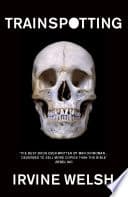
- Trainspotting
Irvine Welsh
4.1 (153k) average on GoodreadsThrillerExplores the harsh realities of drug addiction and life on the fringes of society.
- The Perks of Being a Wallflower
Stephen Chbosky
4.2 (1.3M) average on GoodreadsPsychologyFeatures a sensitive male protagonist navigating complex relationships and dark themes in his youth.
- Paper Towns
John Green
3.8 (919k) average on GoodreadsMysteryWhile both feature a male protagonist infatuated with a mysterious girl, Paper Towns has a lighter tone and focuses on self-discovery, whereas Candy delves into genuine peril, exploitation, and moral compromise, making it significantly darker and more realistic.
- Speak
Laurie Halse Anderson
4.0 (485k) average on GoodreadsPsychologyBoth address trauma and difficult experiences in young adulthood. However, Candy focuses more on the transactional nature of a relationship and the protagonist's complicity and moral ambiguity, rather than solely on the aftermath of sexual assault, offering a different lens on exploitation and responsibility.
- Eleanor Oliphant Is Completely Fine
Gail Honeyman
4.3 (708k) average on GoodreadsLiterary FictionA lonely woman's structured life changes when an IT guy and an elderly man help her learn to open her heart.
- One Flew Over the Cuckoo's Nest
Ken Kesey
4.2 (631k) average on GoodreadsPsychologyIn a mind-bending asylum, the boisterous Randle McMurphy wages a defiant war against the tyrannical Nurse Ratched, inspiring his fellow inmates, including the seemingly catatonic Chief Bromden, to reclaim their lost humanity.




Enjoyed the summary?
A summary gives you the shape of the book. The book itself has the detail, the examples and the voice.
Find Candy on AmazonAs an Amazon Associate, BookBrief earns from qualifying purchases. How we're funded