
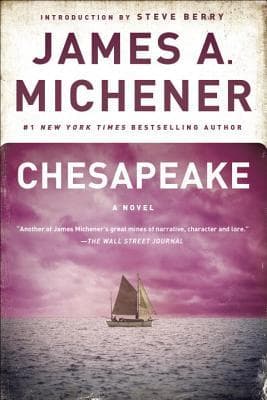
Synopsis
Covers the whole plot, including the ending.
- Difficulty
- Medium
- Pacing
- Slow
- Mood
- Epic, Informative, Reflective, Grand
- Read it if
- You love sprawling historical sagas, multi-generational family stories, and detailed explorations of a specific geographic region's history.
- Skip it if
- You prefer fast-paced plots, character-driven narratives over historical scope, or shorter books.
Chesapeake Plot Summary
Covers the whole plot, including the ending.
The Ancient Shore and the Arrival of the White Dahlias
The story begins before Europeans arrived, showing the lives of the indigenous peoples, mainly the Susquehannock and Algonquin tribes, who lived by the Chesapeake Bay. These tribes, including the Susquehannock under their leader, Pemmit, and the Algonquin, had complex societies, spiritual beliefs, and ways of hunting and fishing. The story introduces characters like Pentaquod, an Algonquin boy, who learns about the Bay. Their lives were closely tied to the land and water's natural cycles, experiencing both plenty and hardship. This world was about to change dramatically, as rumors and sightings of strange, pale men on distant coasts, called 'White Dahlias' by some native peoples, began.
Captain John Smith and the First Encounters
The story moves to Captain John Smith's arrival in 1607, leading an expedition to start the Jamestown colony. Smith, a practical explorer, carefully mapped the Chesapeake Bay, meeting various native tribes, including the Powhatan Confederacy and their leader, Wahunsenacawh. His encounters involved diplomacy, trade, and sometimes conflict, as he sought resources and information about the new world. The indigenous people, at first curious and sometimes cautious, observed the Europeans' customs, technology, and their strong desire for land and wealth. This time marked the start of lasting changes for the native inhabitants, as the English presence slowly grew.
The Founding of Devon and the Steed Family Legacy
In the mid-17th century, Edmund Steed, a Quaker seeking religious freedom, arrived on the Eastern Shore of the Chesapeake Bay. He bought land from the local Indians, founding the town of Devon on principles of tolerance and hard work. Steed's family became one of the region's first, showing Quaker values of peace and industry. The Steeds, over generations, would help develop the area, becoming landowners, shipbuilders, and community leaders. Their story connects with the Bay's changing landscape, from early colonial struggles to building a new society in a wild land, often clashing with aristocratic, slave-owning planters.
The Rise of Tobacco and the Introduction of Slavery
As the 17th and 18th centuries passed, tobacco became the main crop in the Chesapeake region, changing its economy and society. The demand for labor to grow tobacco led to widespread indentured servitude and, more and more, chattel slavery. The story follows the lives of enslaved Africans, like those brought to the Turlock plantation, showing the harshness of their lives, their strong spirit, and their efforts to keep their culture. The wealth from tobacco created a clear social order, with powerful planter families at the top, and slavery became deeply set, shaping the Chesapeake's moral and economic structure.
Revolutionary Fervor and Divided Loyalties
The American Revolution brought trouble to the Chesapeake. Families like the Steeds struggled with divided loyalties. Some, like the independent Amos Steed, supported independence, fighting against British rule. Others, with ties to England or fearing rebellion, remained loyal. The Bay became important for strategy, seeing naval fights and troop movements. The conflict forced communities to choose sides, sometimes breaking families apart. The ideas of liberty and freedom, though strongly spoken by many, also showed the contradiction of a society that enslaved people, a problem that would last for generations.
The War of 1812 and the Defense of the Bay
Decades after the Revolution, the War of 1812 brought British forces back to the Chesapeake, threatening coastal towns and Washington D.C. Residents of the Eastern Shore, including descendants of the Steeds and other families, gathered to defend their homes. The story details naval battles, the burning of Washington, and the strength of American forces, especially at the Battle of Baltimore and the defense of Fort McHenry. This period strengthened American identity and unity, even as the region dealt with its own conflicts and growing tensions over slavery.
The Antebellum South and the Underground Railroad
In the decades before the Civil War, the Chesapeake region became a center of abolitionist activity, even as slavery remained. The story explores the dangerous journeys of enslaved people seeking freedom through the Underground Railroad, often helped by brave individuals, both Black and white. Characters like the Steeds' descendants, especially those with Quaker roots, are shown as active in the abolitionist movement, sometimes at great personal risk. The moral divide over slavery grew, causing social and political unrest that hinted at the coming national conflict, with the Bay serving as both a barrier and a way to freedom.
The Civil War and Its Aftermath
The Civil War tore the nation apart, and the Chesapeake region, between Union and Confederacy, faced huge changes. Families were again divided, with some fighting for the Union and others for the Confederacy. The Bay itself became important for strategy, seeing naval battles and blockades. The war freed enslaved people, changing the region's social and economic structure. The aftermath was a time of rebuilding, struggle, and the slow, often hard, process of adapting to a new social order, with former slaves building new lives and former slaveholders dealing with their changed situation. The Steed family navigated these changes, reflecting the wider societal shifts.
The Age of Industrialization and Oyster Wars
After the Civil War, the Chesapeake Bay saw much industrial growth. The oyster industry became a main economic force, attracting thousands of watermen and leading to strong competition. The story details the 'Oyster Wars,' a time of violent conflicts between rival oyster dredgers and tongers, as the Bay's resources were used up quickly. New technologies and increased demand put pressure on the natural environment. The Steeds' descendants, now in various industries, witnessed and took part in these changes, dealing with the environmental effects of progress and the social tensions from fast economic change.
The Great Depression and World Wars
The early to mid-20th century brought the Great Depression, causing economic hardship and unemployment for Chesapeake residents. The story shows how families, including the Steeds, adapted and survived these difficult times, often relying on the Bay's resources. Later, World War I and World War II drew young men and women from the region into global conflicts. The Bay played a role in wartime efforts, with more shipbuilding and naval activities. These global events further connected the Chesapeake to the larger American story, while showing the lasting spirit and strength of its people in hard times.
Modern Times: Environmental Challenges and Changing Lifestyles
As the story moves into the late 20th century, the Chesapeake Bay faces environmental problems, including pollution, overfishing, and habitat loss. The story focuses on the growing awareness of these issues and efforts to protect the Bay's ecosystem. Traditional jobs, like fishing and crabbing, declined, leading to changes in the local economy and culture. The descendants of the Steeds and other families adapted to these changes, with some becoming environmental advocates, while others tried to keep traditional ways of life. The story reflects on human activity's long-term impact on the Bay and the ongoing effort to balance progress with preservation.
The Enduring Legacy of the Chesapeake
The final parts of the book bring the story to recent times, reflecting on the history and lasting spirit of the Chesapeake Bay. The connected lives of the various families – the Steeds, the Turlocks, the Cattlets, and the remaining descendants of the indigenous peoples – show the complex nature of American history. The story emphasizes the Bay itself as a main character, always witnessing human effort, struggle, and success. It ends with a sense of both the challenges facing the Bay today and hope for its future, showing the deep connection between the land, the water, and the generations who have lived there.
Principal Figures
Edmund Steed
Protagonist/Founding Ancestor
A devout Quaker who establishes the town of Devon on the Eastern Shore.
Edmund Steed is a principled and industrious Quaker who flees religious persecution in England to seek a new life in the American colonies. He is characterized by his strong moral compass, his commitment to peace and fair dealings, especially with the Native Americans from whom he purchases land. His ambition is not for personal power but for the creation of a community founded on tolerance and hard work. He is practical, resilient, and deeply spiritual, laying the groundwork for a family line that will profoundly influence the Chesapeake region.
Relationships: Ruth Steed (His wife, a supportive and equally devout Quaker.); Native Americans (Forms peaceful, respectful relationships based on fair trade for land.)
Captain John Smith
Historical Figure/Explorer
An ambitious English explorer who maps the Chesapeake Bay and interacts with native tribes.
Captain John Smith is depicted as a courageous, resourceful, and pragmatic leader. He is driven by a desire for exploration, mapping, and the establishment of English colonies. While often blunt and sometimes ruthless in his dealings, he possesses a keen understanding of survival and diplomacy, particularly in his interactions with various Native American tribes, including the Powhatan. He is a pivotal figure in the early European understanding and settlement of the Chesapeake region, embodying the adventurous and sometimes exploitative spirit of early colonialism.
Relationships: Pocahontas (Has a legendary, though historically debated, encounter with her.); Wahunsenacawh (Chief Powhatan) (Engages in complex diplomatic and confrontational exchanges.)
Pentaquod
Indigenous Protagonist
An Algonquin boy who grows into a wise leader, witnessing the arrival of Europeans.
Pentaquod is introduced as a young Algonquin boy, deeply connected to the land and water of the Chesapeake. He represents the indigenous perspective, embodying their traditions, spiritual beliefs, and harmonious relationship with nature. As he grows, he becomes a leader and a witness to the profound changes brought by European colonization. He is intelligent, observant, and initially hopeful, but eventually becomes a tragic figure, symbolizing the loss and displacement experienced by his people as their world is encroached upon.
Relationships: Pemmit (Susquehannock leader) (Initially a rival, later a figure representing another powerful native tribe.); His tribe (A respected member and eventual leader, dedicated to their survival.)
Amos Steed
Descendant/Revolutionary Figure
A passionate patriot and descendant of Edmund, fighting for American independence.
Amos Steed, a descendant of Edmund, embodies the spirit of American independence. He is fiercely patriotic, courageous, and willing to sacrifice for the cause of liberty during the Revolutionary War. Unlike some of his more conservative kin, Amos is a firebrand, driven by a deep belief in self-governance and a rejection of British tyranny. He is a man of action, representing the revolutionary fervor that swept through the colonies, particularly in the Chesapeake region, and plays an active role in the conflict.
Relationships: His family (Some support his cause, others remain loyalists, creating familial tension.); Continental Army (Serves as a soldier, fighting for independence.)
Tim Turlock
Planter/Slave Owner
A prominent planter whose family embodies the wealth and moral complexities of the slave economy.
Tim Turlock represents the planter class of the Chesapeake, whose wealth and status are built upon the tobacco industry and the institution of slavery. He is often depicted as pragmatic and driven by economic interests, though not always overtly cruel. His family line, the Turlocks, symbolizes the deep entrenchment of slavery in the region's economy and social structure. Tim's character explores the moral ambiguities and justifications employed by slave owners, and the gradual, sometimes painful, reckoning with the human cost of their prosperity.
Relationships: His enslaved people (Owns and manages enslaved Africans, benefiting from their forced labor.); Steed family (Often in opposition due to differing moral and economic views, particularly on slavery.)
The Turlock Slaves (various individuals)
Enslaved People
A collective representation of the enslaved African community on the Turlock plantation.
While no single enslaved character is followed for generations, the narrative often focuses on the collective experience of the Turlock slaves. These individuals represent the resilience, suffering, and cultural preservation of enslaved Africans in the Chesapeake. They are shown forming families, maintaining traditions, resisting oppression, and seeking freedom through the Underground Railroad. Their stories highlight the brutal realities of slavery, the enduring human spirit, and the profound impact of this institution on American society.
Relationships: Tim Turlock and his family (Forced into servitude under the Turlock masters.); Other enslaved people (Form strong bonds of community, family, and mutual support.)
The Cattlet Family
Supporting/Watermen
A family of watermen whose lives are deeply tied to the Bay's fishing and oyster industries.
The Cattlet family represents the working-class watermen of the Chesapeake, whose livelihoods are intrinsically linked to the Bay's natural resources. They are hardy, independent, and often resistant to outside interference, embodying the rugged spirit of those who make their living from the water. Their story traces the evolution of the fishing and oyster industries, from bountiful harvests to the 'Oyster Wars' and later, the challenges of environmental degradation. They provide a ground-level perspective on the economic and ecological changes impacting the Bay.
Relationships: Steed family (Often interact as landowners/employers and laborers, or as community members.); The Bay (Their entire existence is dependent on the health and bounty of the Chesapeake.)
Polly Steed
Descendant/Environmentalist
A modern descendant of Edmund Steed, advocating for the preservation of the Chesapeake Bay.
Polly Steed is a contemporary character, a modern descendant of Edmund Steed, who embodies the growing environmental consciousness of the late 20th century. She is educated, passionate, and dedicated to the conservation and restoration of the Chesapeake Bay, recognizing the cumulative damage inflicted over centuries. Polly represents a shift in focus from exploitation to preservation, grappling with the complex challenges of balancing economic development with ecological health. She works to bridge historical understanding with future responsibility.
Relationships: Her family (Carries on the Steed legacy, but with a modern focus on environmental stewardship.); Local community and government (Works to influence policy and raise awareness about the Bay's health.)
Themes & Insights
The Intertwined Destiny of Humanity and Nature
The Chesapeake Bay is more than just a place; it is a main character, its health tied to the people living on its shores. From indigenous peoples who lived with its cycles to European settlers who used it for tobacco, oysters, and development, the book always shows how human actions affect the Bay. Modern ecological damage, and later conservation efforts, show a repeating pattern: the Bay's decline reflects human greed, and its possible recovery depends on human responsibility. The characters' success and suffering often reflect the Bay's own health.
“The Bay was not merely water; it was life, food, beauty, danger, and a silent witness to all that happened on its shores.”
The Enduring Quest for Freedom and Self-Determination
This theme appears across many generations and groups. It starts with Edmund Steed's escape from religious persecution and his wish to create a community based on freedom of belief. It continues with the American Revolution, where characters like Amos Steed fight for political independence from British rule. Most strongly, it is seen in the struggles of enslaved Africans, who risk everything for personal liberty through the Underground Railroad and gain freedom through the Civil War. The theme explores different meanings of freedom and the often-hypocritical way its ideals were applied throughout American history, especially regarding race.
“Liberty,' he thought, 'is a grand word, but it means different things to the master and the slave.”
The Weight of History and Legacy
The novel shows how the past always shapes the present and future. Each generation inherits the good and bad results of their ancestors' choices. The Steed family's Quaker values, the Turlocks' history of slavery, and the lasting impact of European arrival on Native American tribes are all examples. Characters often deal with the moral debts and cultural traditions passed down to them. The long span of history reveals patterns of conflict, adaptation, and resilience, showing that the Chesapeake's identity is built from centuries of human experience and interaction with the land.
“The past was not merely prologue; it was the very ground upon which they walked, the air they breathed, and the water that sustained them.”
Conflict and Coexistence
From the first meetings between Native Americans and European settlers, the story is full of conflict and attempts, often fragile, at living together. There are tribal wars, clashes between colonists and indigenous peoples, religious persecutions, the 'Oyster Wars,' and the deep divisions of the Revolutionary and Civil Wars. Yet, amidst these conflicts, there are also times of cultural exchange, intermarriage, and mutual help. The theme explores the tension between different groups competing for land, resources, and power, and the complex, often violent, process of forming a new, multi-cultural society.
“The Bay was wide enough for all, perhaps, but the hearts of men were often too narrow.”
Plot Devices & Literary Techniques
Generational Saga
Traces multiple families over centuries to illustrate historical changes.
The novel employs a generational saga structure, following the descendants of several key families (Steed, Turlock, Cattlet, and the indigenous lines) from the 17th century to the late 20th century. This allows Michener to depict the long-term impact of historical events, societal shifts, and moral choices across centuries. It provides a panoramic view of the Chesapeake's development, showing how values, conflicts, and legacies are passed down and evolve, creating a rich tapestry of interwoven destinies that reflect the broader American experience.
The Chesapeake Bay as a Character
The physical environment is personified, influencing and witnessing human events.
Beyond being a mere setting, the Chesapeake Bay itself functions as a central character. It is described with vivid detail, its moods, resources, and ecological health directly impacting the lives and livelihoods of the human inhabitants. The Bay provides sustenance, serves as a battleground, a pathway to freedom, and eventually, a fragile ecosystem in need of protection. Its enduring presence and transformative power link all the disparate stories and generations, acting as a constant witness to human history and a reflection of humanity's relationship with nature.
Historical Vignettes and Mini-Sagas
Detailed, self-contained narratives within the larger story, focusing on specific events or individuals.
Michener frequently uses historical vignettes or mini-sagas, dedicating significant portions of the book to specific events or individual lives that, while part of the larger narrative, feel almost like short stories in themselves. Examples include the detailed exploration of Captain John Smith's interactions, the specific journey of a slave on the Underground Railroad, or the intricacies of the 'Oyster Wars.' This device allows for deep dives into particular historical moments and character experiences, providing rich detail and emotional resonance, before returning to the broader sweep of the generational narrative.
Contrasting Family Lines
Utilizes different families to represent diverse social, economic, and moral perspectives.
The novel strategically uses several distinct family lines—the Quaker Steeds, the planter Turlocks, the watermen Cattlets, and the indigenous tribes—to represent contrasting social classes, economic interests, and moral viewpoints throughout Chesapeake's history. This allows for a multifaceted exploration of key historical themes like religious freedom, slavery, environmental exploitation, and social mobility. The interactions and conflicts between these families provide a dynamic framework for understanding the complex social fabric and evolving values of the region over centuries.
Chesapeake Quotes
“The land was a gift, and they were the stewards of it, not its owners.”
“There was a fierce joy in wresting a living from the wild, an independence that bred strong men and women.”
“History was not a straight line, but a river, constantly changing course, carving new paths, yet always flowing to the sea.”
“Slavery was a stain on the soul, a cancer that ate at the very heart of the new nation's ideals.”
“The bay was a living thing, demanding respect, offering bounty, and sometimes, taking lives without mercy.”
“Progress, they called it, but sometimes progress left behind more wreckage than it built new things.”
“To be an American was to be a blend of many bloods, many dreams, many struggles.”
“The past was not dead; it was merely sleeping, waiting for a chance to reassert its claims.”
“Love, like the tides, had its ebbs and flows, its calm moments and its storms.”
“A man's worth was not in his possessions, but in his character and the honor he brought to his name.”
“The taste of freedom, once experienced, could never truly be forgotten, no matter how distant it became.”
“War was a madness that seized men, making them forget their common humanity.”
“The future was not something to be feared, but something to be shaped, with courage and with hope.”
Quiz
10 questions on the plot and the characters. Each answer comes with a short explanation.
Question 1
Which of the following Native American tribes is prominently featured at the beginning of 'Chesapeake', particularly through the character of Pentaquod?
- Lenape
- Susquehannock
- Powhatan
- Nanticoke
Show answer
B. Susquehannock Pentaquod is a Susquehannock, and his tribe plays a significant role in the early chapters of the book, interacting with the first European explorers.
Question 2
What was the primary crop that brought initial prosperity and shaped the early economy of the English settlers in the Chesapeake region, as depicted in the novel?
- Corn
- Cotton
- Tobacco
- Wheat
Show answer
C. Tobacco Tobacco became the dominant cash crop, driving the economy, land expansion, and the demand for labor in the early colonial Chesapeake.
Question 3
Which historical figure, known for his explorations and mapping of the Chesapeake Bay, makes an appearance early in the novel and interacts with the Native American characters?
- Sir Walter Raleigh
- Captain John Smith
- William Penn
- Lord Baltimore
Show answer
B. Captain John Smith Captain John Smith's explorations and interactions with the indigenous peoples are a key part of the early historical narrative in 'Chesapeake'.
Question 4
The Steed family, a central lineage in the novel, establishes their initial landholding around what significant geographical feature on the Eastern Shore?
- The Choptank River
- The Potomac River
- The James River
- Assateague Island
Show answer
A. The Choptank River The Steed family's ancestral home and land are situated along the Choptank River, which becomes a focal point for their generations.
Question 5
What is the primary motivation for the Quaker families, like the Paxmores, to settle in the Chesapeake region, particularly in the area that would become Maryland?
- To establish lucrative tobacco plantations
- To escape religious persecution and practice their faith freely
- To engage in the fur trade with Native Americans
- To discover new routes for trade with the West Indies
Show answer
B. To escape religious persecution and practice their faith freely The Quakers, including the Paxmores, sought refuge in Maryland, which offered a degree of religious tolerance, allowing them to practice their faith without persecution.
Question 6
During the Revolutionary War period, how does the novel portray the conflicting loyalties and economic challenges faced by the residents of the Eastern Shore?
- Unanimous support for the American cause due to economic hardship imposed by the British.
- A clear divide between wealthy Loyalists and poor Patriots, with little in-between.
- A complex mix of Patriot sentiment, Loyalist sympathies, and practical neutrality driven by economic ties and geographic isolation.
- Focus primarily on naval battles in the Bay, with little attention to civilian loyalties.
Show answer
C. A complex mix of Patriot sentiment, Loyalist sympathies, and practical neutrality driven by economic ties and geographic isolation. Michener depicts a nuanced situation where many Eastern Shore residents, due to their existing trade relationships with Britain and relative isolation, had mixed loyalties or preferred neutrality, making the war a period of internal conflict and economic strain.
Question 7
The character of Captain Timothy Turlock is significant for his involvement in which specific maritime activity that becomes a long-standing tradition in the Chesapeake Bay?
- Deep-sea whaling
- Transatlantic slave trade
- Oyster dredging and harvesting
- Piracy and privateering
Show answer
C. Oyster dredging and harvesting Captain Turlock is a key figure in the development of the oyster industry, particularly the controversial practice of oyster dredging, which shapes the economy and ecology of the Bay for generations.
Question 8
Which major environmental theme becomes increasingly prominent in the later sections of 'Chesapeake' as the region approaches modern times?
- The impact of volcanic activity on the Bay's ecosystem.
- The challenges of desertification due to over-farming.
- Pollution, overfishing, and the degradation of the Bay's natural resources.
- The effects of invasive species introduced from other continents.
Show answer
C. Pollution, overfishing, and the degradation of the Bay's natural resources. As the novel progresses into the 20th century, Michener increasingly focuses on the environmental damage caused by human activity, including pollution and over-harvesting, leading to the decline of the Bay's health.
Question 9
The concept of 'manifest destiny' and westward expansion is subtly contrasted with the deep-rooted, generations-long connection to a specific place. How does 'Chesapeake' primarily explore this contrast?
- By showing characters who abandon the Chesapeake for the frontier and never return.
- By depicting the struggles of those who leave the Bay only to find greater hardship elsewhere.
- Through characters who feel the pull of the West but ultimately choose to remain and dedicate themselves to the Bay and its land.
- By focusing solely on the internal development of the Bay, ignoring external national movements.
Show answer
C. Through characters who feel the pull of the West but ultimately choose to remain and dedicate themselves to the Bay and its land. Many characters in 'Chesapeake' are presented with opportunities or desires to seek fortunes elsewhere, but a recurring theme is their deep, almost ancestral, connection to the Bay and the land, leading them to stay and continue the family legacy.
Question 10
The novel portrays the complex and often tragic relationship between European settlers and Native Americans. Which of the following best describes the long-term impact on the Susquehannock tribe as depicted in the book?
- They successfully integrated into colonial society, maintaining their cultural identity.
- They formed a powerful alliance with the English, dominating other tribes.
- They were gradually decimated by disease, warfare, and displacement, eventually losing their ancestral lands and distinct presence.
- They migrated en masse to the far West, establishing new thriving communities.
Show answer
C. They were gradually decimated by disease, warfare, and displacement, eventually losing their ancestral lands and distinct presence. The fate of the Susquehannock, represented by Pentaquod's lineage, is a tragic narrative of decline, marked by epidemics, conflicts with settlers, and the eventual loss of their land and cultural distinctiveness in the face of European expansion.
Chesapeake FAQ
What is the overarching narrative structure of 'Chesapeake' and how does it follow the Steed family?
'Chesapeake' is a multi-generational saga spanning four centuries, from the 1600s to the late 20th century. It traces the intertwined destinies of several families, most notably the Steeds, the Paxmores, the Turlocks, and the Cavenys, as they settle, develop, and struggle over the land and waters of the Chesapeake Bay's Eastern Shore. The narrative jumps forward in time, focusing on key descendants during pivotal historical periods.
Who are some of the earliest significant characters introduced, and what roles do they play in the initial settlement?
Early significant characters include Edmund Steed, the indentured servant who founds the Steed family line, and Captain John Smith, whose explorations are recounted. Additionally, figures like Jabez Turlock represent the hardy, independent watermen, while the native Susquehannock and Nanticoke leaders, like Pemmican, offer the indigenous perspective on the arrival of Europeans and the subsequent conflicts over land and resources.
How does the novel portray the relationship between the European settlers and the Native American tribes?
The novel portrays this relationship as complex and evolving, initially marked by cautious interaction and trade, but gradually devolving into conflict, displacement, and the tragic decline of the Native American populations. It highlights the cultural misunderstandings, land disputes, and the devastating impact of European diseases and weaponry on tribes like the Susquehannock and Nanticoke.
What role does slavery and the African American experience play in the saga?
Slavery is a significant and painful theme, introduced through characters like the African slave, Cuff, and his descendants, who become the Caveny family. The novel details the brutality of the slave trade, the hardships of plantation life, the fight for freedom during the Civil War, and the ongoing struggles for civil rights and equality for African Americans on the Eastern Shore up to modern times.
Besides the Revolutionary War, what other major historical events are depicted and how do they impact the characters?
Beyond the Revolutionary War, the novel vividly depicts the War of 1812, with battles on the Bay, and the American Civil War, highlighting the divided loyalties within Maryland. Later, it covers the oyster wars of the late 19th century, the Great Depression, and the environmental movements of the 20th century, showing how these events reshape the lives and livelihoods of the families and the Bay itself.
What is the significance of the 'Muddy Creek' location throughout the generations?
Muddy Creek, initially a small inlet, serves as a recurring geographical and symbolic anchor for the Steed family and their neighbors. It represents their ancestral land, their connection to the water, and the enduring legacy of their struggles and triumphs. Its evolution, from a pristine waterway to one facing environmental challenges, mirrors the broader changes to the Chesapeake Bay.
Are there any subtle connections between characters from different eras that might be missed on a first read?
Yes, Michener often weaves subtle connections, such as recurring character archetypes or family traits that resurface generations later. For instance, the independent spirit and sometimes stubborn nature seen in early Turlocks echo in their descendants' resistance to authority or new ways. Also, certain land disputes or family feuds initiated centuries ago can still have lingering effects or be referenced in later chapters.
How do the recurring themes of land ownership and environmental stewardship evolve over the centuries?
Initially, land ownership is about claiming and clearing wilderness, often at the expense of native inhabitants. Over time, it shifts to agricultural prosperity, then to industrial use and development. By the 20th century, the theme evolves into a desperate struggle for environmental stewardship, as characters like Professor Steed fight to protect the Bay from pollution and over-exploitation, directly contrasting the earlier generations' exploitation of resources.
What is the symbolic significance of the 'oyster wars' and the conflict between the dredgers and tongers?
The 'oyster wars' symbolize the clash between traditional, sustainable livelihoods (tongers) and more aggressive, often destructive industrial exploitation (dredgers) of natural resources. It represents a microcosm of the larger environmental battles and the human tendency to over-exploit valuable resources for short-term gain, often leading to long-term ecological damage and social conflict.
How does Michener use the geography of the Chesapeake Bay to influence character development and destiny?
The Bay's geography profoundly shapes character development by dictating livelihoods (watermen, farmers), influencing trade routes, and providing both sustenance and danger. Its isolation fosters unique cultural identities, while its strategic importance draws characters into major historical conflicts. The Bay itself acts as a living character, reflecting the health and struggles of the people connected to it.
Discuss the psychological impact of the 'indentured servitude' experience on Edmund Steed and his descendants.
Edmund Steed's experience as an indentured servant instills in him a deep drive for land, independence, and social advancement, shaping the Steed family's ambition and work ethic for generations. This initial struggle for freedom and ownership creates a powerful psychological blueprint, leading his descendants to value self-reliance and often to be leaders in their communities, driven by a desire to never return to subservience.
How does the novel explore the psychology of racial prejudice and the enduring struggle for equality through the Caveny family line?
Through the Caveny family, the novel deeply explores the psychological toll of racial prejudice, depicting the dehumanization of slavery, the trauma of segregation, and the constant fear and injustice faced by African Americans. It highlights the resilience, dignity, and determination of characters like Caleb Caveny and his descendants as they navigate systemic racism and fight for basic human rights and equality, illustrating the profound psychological scars left by generations of oppression.
What psychological motivations drive the persistent conflicts between different families, such as the Steeds and the Turlocks?
The persistent conflicts are often driven by a mix of economic competition over land and water, social class distinctions, and ingrained family pride and rivalry. Psychological motivations include a desire for dominance, a stubborn adherence to traditional ways (Turlocks), and a perceived sense of entitlement or superiority (Steeds), leading to grudges and misunderstandings that can span generations, fueled by past slights and differing visions for the region.
Is 'Chesapeake' ultimately optimistic or pessimistic about the future of the Bay and its people?
'Chesapeake' offers a nuanced view, leaning towards cautious optimism tempered by realism. While it unflinchingly portrays the environmental degradation and social injustices that have plagued the Bay, it also highlights the tireless efforts of individuals and communities to protect it. The concluding chapters often suggest that while challenges remain, there is hope in continued human dedication to conservation and understanding.
How does Michener's choice to follow multiple families rather than a single protagonist enhance the historical scope?
By following multiple families, Michener achieves a panoramic view of history, allowing him to represent diverse perspectives and experiences across different social strata, ethnicities, and professions. This multi-threaded approach ensures that no single viewpoint dominates, providing a richer, more comprehensive tapestry of the region's development and the complex interplay of human lives during pivotal historical moments, enhancing the historical scope significantly.
What is the author's implied message about the relationship between humanity and nature in the context of the Chesapeake Bay?
Michener's implied message is that humanity's relationship with nature is one of both dependence and destructive potential. While the Bay provides life and livelihood, human greed and ignorance often lead to its exploitation and degradation. The novel advocates for a respectful, symbiotic relationship, emphasizing that the health of the Bay is inextricably linked to the well-being and future of its human inhabitants, urging stewardship over exploitation.
How does the ending of the novel tie together the various generational narratives and themes?
The ending typically brings together the contemporary descendants of the founding families, often facing modern challenges like environmental preservation or economic changes. It usually offers a reflection on the enduring legacy of their ancestors' struggles and triumphs, showcasing how past decisions continue to influence the present. It often concludes with a sense of continuity and the ongoing fight to preserve the unique heritage and environment of the Chesapeake Bay.
To what extent does Michener romanticize or realistically portray the past, especially regarding early colonial life or Native American culture?
Michener strives for historical realism, avoiding overt romanticization of early colonial life, often depicting its harshness, disease, and social stratification. While he attempts to portray Native American culture with respect and detail, some critics might argue that his perspective, as a non-indigenous author writing for a mainstream audience, still contains elements of 'noble savage' tropes or simplifies the complexities of tribal societies, though he generally aims for an empathetic and informed depiction of their plight.
About the author
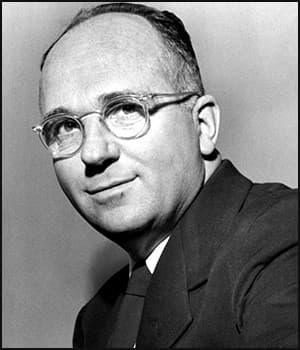
James A. Michener was an American author known for his historical fiction. His notable works include Hawaii, Chesapeake, Alaska, The Source, Poland, and Space, which often explore the history and culture of specific regions. Michener's storytelling is characterized by extensive research and a focus on the human experience within historical contexts.
Similar books
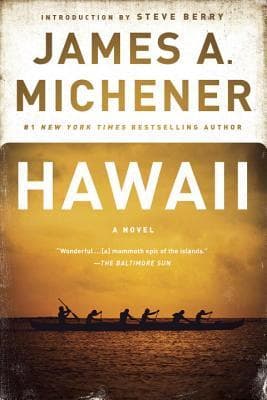
- Hawaii
James A. Michener
4.2 (72k) average on GoodreadsLifestyleAnother epic historical saga by Michener covering the history of a specific region.
- Alaska
James A. Michener
4.1 (12k) average on GoodreadsLifestyleMichener's signature style applied to the vast history of Alaska.
- The Source
James A. Michener
4.0 (11k) average on GoodreadsFantasyExplores the multi-millennial history of a place through archaeological layers and generations.
- Roots: The Saga of an American Family
Alex Haley
4.4 (146k) average on GoodreadsHistorical FictionWhile both Chesapeake and Roots employ a multi-generational saga to explore American history, Haley's work is intensely focused on the African American experience, particularly the transatlantic slave trade and its legacy, tracing a single family line with profound emotional depth. Michener's scope is broader, encompassing multiple families and a wider array of ethnic and social groups, offering a more panoramic, albeit sometimes less intimate, view of historical development. Roots prioritizes personal identity and the impact of systemic oppression on individuals, whereas Chesapeake often prioritizes the evolution of a region and its diverse inhabitants.
- To Kill a Mockingbird
Harper Lee
4.3 (4.5M) average on GoodreadsHistorical FictionIn the 1930s Jim Crow South, Harper Lee writes about racial injustice, moral growth, and the quiet courage of a lawyer father, Atticus Finch, as seen through his young daughter's eyes.
- The Great Gatsby
F. Scott Fitzgerald
3.9 (3.8M) average on GoodreadsHistorical FictionIn the opulent Roaring Twenties, a mysterious millionaire's lavish parties hide his desperate, tragic pursuit of a lost love, exposing the emptiness within the American Dream.





Enjoyed the summary?
A summary gives you the shape of the book. The book itself has the detail, the examples and the voice.
Find Chesapeake on AmazonAs an Amazon Associate, BookBrief earns from qualifying purchases. How we're funded