

Synopsis
Covers the whole plot, including the ending.
- Difficulty
- Easy
- Pacing
- Variable
- Mood
- Inspiring, Heartwarming, Reflective, Encouraging
- Read it if
- You are a teenager looking for relatable stories and encouragement, or an adult seeking insight into the adolescent experience. Great for quick, inspiring reads.
- Skip it if
- You are looking for a continuous narrative, deep psychological analysis, or a single author's perspective. Not suitable for those who dislike anecdotal collections.
Chicken Soup for the Teenage Soul Plot Summary
Covers the whole plot, including the ending.
Introduction: A Collection of Shared Experiences
The book starts with an introduction by Jack Canfield. It explains the book's goal: to comfort, inspire, and help teenagers understand things through true stories written by and for young people. It says the stories are put into different themes relevant to teen life, like friendship, family, love, loss, challenges, and dreams. The introduction tells readers they are not alone in their experiences and can get strength and wisdom from the stories. It sets a tone of empathy and support, inviting readers to use the stories for personal growth and connection. It shows the power of shared human experience during the often difficult teenage years.
On Friendship: Navigating Bonds and Betrayals
This section looks at the many sides of friendships among teenagers. Stories show the joy and support in good friendships, like 'The Best Present Ever,' where friends help a peer during a hard time, or 'The Lunch Box,' which shows a kind act between classmates. Other stories talk about the pain of betrayal, being left out, and misunderstandings, such as 'The Cliques,' which discusses social pressures and divisions in school groups, or stories about friends growing apart. These accounts show the importance of talking, forgiving, and doing what is right, even when it is hard. They offer lessons on having good relationships and dealing with their ups and downs.
On Love and Kindness: First Crushes and Compassionate Acts
This part of the book explores the gentle and often confusing world of teenage love, from the excitement of a first crush to the pain of heartbreak. Stories like 'The First Kiss' or 'Love at First Sight' capture the innocence and intensity of young romance, while others discuss unrequited love or breaking up. Beyond romantic love, this section also focuses on kindness and compassion. Stories such as 'The Special Gift' or 'The Ripple Effect' show times when teenagers do selfless acts for others, often strangers. They show how small gestures can have a big positive effect on people and communities, building empathy and a sense of connection.
On Family: Navigating Home Life and Generational Gaps
The 'On Family' section shows the different experiences teenagers have with their families. Stories range from funny moments about sibling fights and parent misunderstandings, like 'My Annoying Younger Brother' or 'The Communication Gap,' to heartfelt stories of family support during hard times. Stories explore trying to meet parent expectations, dealing with divorce, or coping with family illness. Many stories show the lasting love and support families often give, even with disagreements. These accounts offer comfort to those facing similar family issues and encourage readers to appreciate and talk to their loved ones. They show the foundation that family provides.
On Learning: School Life, Teachers, and Personal Growth
This part of the collection focuses on the learning journey of teenagers, both in and out of school. Stories tell about the pressures of school performance, struggling with subjects, and the joy of discovering new things. A big theme is the effect of inspiring teachers, with stories like 'The Teacher Who Believed' showing how one teacher can change a student's life path. Beyond formal education, stories also show life lessons learned through after-school activities, school projects, or overcoming school difficulties. These accounts show the importance of not giving up, believing in oneself, and finding passion in learning. They celebrate the mentors who guide young people and the growth that comes from facing school challenges.
On Tough Stuff: Overcoming Adversity and Personal Struggles
This section addresses some of the hardest experiences teenagers face. Stories talk about coping with long-term illness, dealing with a loved one's death, overcoming bullying, or managing depression and anxiety. Stories like 'My Battle with Cancer' or 'Standing Up to the Bully' offer honest accounts of pain and resilience. These stories are not just about suffering; they are also about the strength found in being open, asking for help, and getting support from friends, family, and professionals. They show the human spirit's ability to last and find hope even in the darkest times, reminding readers they are not alone in their struggles.
On Choices: Making Decisions and Facing Consequences
The 'On Choices' section explores the important moments in a teenager's life when decisions must be made, often under pressure. Stories show the effect of peer pressure, whether it is about using substances, being honest in school, or fitting in socially. Stories like 'The Party's Over' or 'Choosing the Right Path' tell about the inner struggles and outside temptations young people face. This section also shows the importance of personal responsibility and honesty, showing times when teenagers stick to their values despite opposition, or learn important lessons from mistakes. These accounts help readers think about the long-term results of their actions and trust their own moral compass.
On Belief: Faith, Hope, and Inner Strength
This section gathers stories that focus on the role of belief in a teenager's life. This can be spiritual faith, belief in a higher power, or simply strong optimism and self-belief. Stories like 'The Power of Prayer' or 'Miracle in the Making' explore how faith can give comfort and strength during hard times. Other stories focus on positive thinking and imagining success, such as 'The Game-Winning Shot,' where believing in one's abilities leads to victory. These accounts inspire readers to have hope, trust their inner strength, and stay positive, even when things look bad. They show the big effect of conviction on one's journey.
On Attitude and Perspective: Finding the Silver Lining
The 'On Attitude and Perspective' section focuses on how a positive mindset can change things. Stories show how people can choose to react to situations, often finding humor or lessons in difficulty. Stories like 'The Bad Hair Day' or 'Lost and Found' show how changing one's view can turn a seemingly bad situation into a memorable or even valuable experience. This section encourages readers to be grateful, look for the good in every situation, and understand that while they cannot always control what happens to them, they can control their reaction. These accounts give practical examples of resilience and mental strength, encouraging an optimistic way of facing life's challenges.
On Goals and Dreams: Pursuing Passions and Overcoming Obstacles
This section is about the hopes and goals of young people. Stories tell about pursuing personal goals, whether for school, sports, art, or careers. Stories like 'My Olympic Dream' or 'The Aspiring Artist' detail the dedication, hard work, and sacrifices needed to reach one's dreams. They also touch on the difficulties and rejections met along the way, and how important it is to keep going and not give up. These accounts inspire readers to find their own passions, set big goals, and understand that the journey to achieve them is often as rewarding as the achievement itself, giving a sense of purpose and future focus.
Making a Difference: Acts of Service and Community Impact
This part of the book shows how teenagers can have a big positive effect on their communities and beyond. Stories tell about acts of service, volunteering, and actions taken by young people to help others or deal with social issues. Stories like 'The Soup Kitchen Volunteers' or 'Saving the Environment' show how even small actions can create real change. These accounts inspire readers to look beyond themselves, find needs around them, and actively help make the world better. They show the importance of being involved in the community, empathy, and the deep satisfaction that comes from helping others. They prove that age does not stop someone from making a difference.
Epilogue: Continuing the Journey of Self-Discovery
The book ends with an epilogue that repeats the main message of the 'Chicken Soup' series: shared experiences build connection and give strength. It encourages readers to keep exploring themselves, to embrace the challenges and joys of being a teenager, and to always remember the lessons from the stories inside. The ending emphasizes how powerful storytelling is for empathy, understanding, and personal growth. It leaves readers with hope and the reassurance that they are part of a larger group of young people going through similar things. It encourages them to find their own voices and share their unique stories with the world.
Chicken Soup for the Teenage Soul Characters
The Teenager (Narrator/Protagonist of individual stories)
Protagonist of individual stories
A diverse group of young individuals navigating the complexities of adolescence.
Each story features a different teenager as its protagonist, representing a wide spectrum of experiences, emotions, and backgrounds. These 'characters' are not singular but collective, embodying the universal struggles and triumphs of adolescence. They face challenges like bullying, academic pressure, family issues, first love, and loss, while also experiencing moments of profound friendship, personal growth, and self-discovery. Their individual narratives are raw and authentic, making them highly relatable to the target audience. The collective 'Teenager' character is driven by a desire for understanding, acceptance, and finding their place in the world, often seeking to overcome obstacles and learn valuable life lessons.
The Friend
Supporting
A source of support, conflict, and shared experiences in many narratives.
Friends appear in numerous stories, playing crucial roles in the lives of the teenage protagonists. They can be sources of unwavering support during difficult times, confidantes for secrets and dreams, or even catalysts for conflict and betrayal, reflecting the complex dynamics of adolescent friendships. Examples include the loyal friend who stands up to a bully, the understanding friend who listens to heartbreak, or the peer who influences a difficult choice. Their presence highlights the importance of social connections, peer influence, and the development of interpersonal skills during the teenage years, often shaping the protagonist's decisions and emotional well-being.
Relationships: The Teenager (friendship (supportive, conflicting, transformative))
The Parent/Guardian
Supporting
Figures of authority, love, and occasional misunderstanding in the home.
Parents and guardians feature prominently in stories concerning family life, providing a backdrop of both stability and occasional conflict. They are often depicted as loving but sometimes overprotective, struggling to understand the burgeoning independence of their teenage children. Narratives explore the challenges of communication gaps, parental expectations, and the emotional impact of family events like divorce or illness. However, they are also frequently shown as sources of unconditional love, wisdom, and support, offering guidance and comfort when teenagers face their toughest struggles. Their presence underscores the foundational role of family in shaping a teenager's identity and values.
Relationships: The Teenager (parent-child (supportive, challenging, loving))
The Teacher/Mentor
Supporting
Inspirational figures who guide and believe in their students.
Teachers and mentors appear in stories related to school and personal growth, often serving as pivotal figures who profoundly impact a teenager's life. These characters are depicted as insightful, patient, and capable of seeing potential where others might not. They inspire students to overcome academic difficulties, pursue their passions, or navigate personal challenges. A memorable teacher might offer a crucial piece of advice, provide unwavering encouragement, or create a safe space for learning and self-expression. Their role highlights the importance of positive adult role models outside the family, demonstrating how guidance and belief from a mentor can be transformative for young people.
Relationships: The Teenager (mentor-mentee (inspirational, guiding))
The Bully/Adversary
Antagonist
A source of conflict and challenge, often leading to moments of resilience.
The bully or adversary character represents external challenges and negative social interactions that teenagers often face. This character might be a peer who engages in verbal or physical harassment, a social clique that excludes others, or simply a person who creates an environment of discomfort or fear. While not a singular character, this archetype appears in stories about overcoming social adversity, building self-esteem, and learning to stand up for oneself or others. Their presence serves to highlight themes of courage, resilience, and the importance of seeking help and support in the face of unkindness, often being the catalyst for a protagonist's moment of empowerment.
Relationships: The Teenager (antagonistic (bullying, social exclusion))
The Love Interest
Supporting
The object of affection, bringing joy, confusion, and sometimes heartbreak.
The love interest appears in stories exploring the themes of first love, crushes, and romantic relationships. This character is often the source of intense emotions, from the exhilarating highs of mutual affection to the painful lows of unrequited love or heartbreak. They can be a classmate, a new acquaintance, or a long-time friend with whom a romantic connection develops. Stories involving a love interest delve into the complexities of communication, vulnerability, and navigating the emotional landscape of young romance, often teaching the protagonist valuable lessons about self-worth, emotional resilience, and the nature of love itself.
Relationships: The Teenager (romantic (crush, relationship, heartbreak))
The Sibling
Supporting
A source of both rivalry and deep connection within the family unit.
Siblings appear in family-focused stories, embodying the unique blend of competition, camaraderie, and unconditional bond found within sibling relationships. They can be a source of annoyance and rivalry, leading to humorous or frustrating situations, but also a profound source of support, understanding, and shared history. Stories might feature an older sibling offering advice, a younger sibling looking up to their elder, or siblings navigating a shared family challenge together. Their presence highlights the dynamics of family hierarchy, the development of empathy, and the enduring strength of familial ties, often teaching protagonists lessons about patience, forgiveness, and loyalty.
Relationships: The Teenager (sibling (rivalry, support, shared experience))
The Stranger/Community Member
Mentioned
Individuals who impact the protagonist through random acts of kindness or unexpected encounters.
While not a recurring character, the 'Stranger/Community Member' archetype represents individuals encountered briefly but meaningfully by the teenage protagonists. These characters appear in stories about kindness, generosity, and making a difference. They might be an elderly person needing help, a homeless individual receiving compassion, or a community leader inspiring action. Their role is often to elicit an act of empathy or service from the protagonist, demonstrating the ripple effect of positive actions and the interconnectedness of society. These encounters often lead to moments of profound realization for the teenagers, teaching them about the broader world and their place within it.
Relationships: The Teenager (brief, impactful encounter (kindness, inspiration))
Chicken Soup for the Teenage Soul Themes
Identity and Self-Discovery
Many stories are about teenagers trying to figure out who they are, what they believe, and where they belong. Characters explore their values, face their fears, and learn to accept who they are. For example, stories about overcoming bullying or choosing not to give in to peer pressure directly address the journey of finding one's identity. The book shows that adolescence is a key time for self-exploration and developing a strong sense of self, often through hard experiences.
“It was in that moment, standing alone against the crowd, that I truly understood who I was and what I stood for.”
The Power of Connection and Empathy
A main theme is the importance of human connection—through friendship, family, and community. Stories often show how kind acts, understanding, and support can change lives. Whether it is a friend listening during heartbreak, a family coming together in a crisis, or a teenager helping a stranger, the book consistently shows the big effect of empathy. It shows that feeling connected and understood is important for dealing with the challenges of being a teenager and feeling like you belong.
“A true friend isn't just someone who makes you laugh, but someone who picks you up when you're too broken to stand.”
Resilience and Overcoming Adversity
The collection has many stories of teenagers facing big challenges—illness, loss, bullying, school problems, family issues—and finding the strength to keep going. These stories show that people can recover from setbacks, learn from mistakes, and grow stronger through hard experiences. They give inspiration and hope, showing that even in the darkest times, courage and determination can lead to success and personal growth. The book celebrates the inner strength young people have.
“The scar reminded me not of the fall, but of the strength I found to get back up.”
Making a Difference and Social Responsibility
Many stories show teenagers actively helping their communities and having a positive effect on the world around them. This theme encourages young readers to look beyond themselves and do acts of service, kindness, and advocacy. Whether it is volunteering, standing up against unfairness, or simply doing a small kind act, the book shows that everyone can make a difference and that age does not stop someone from helping society.
“I realized that making a difference wasn't about grand gestures, but about countless small acts of kindness, one person at a time.”
The Importance of Attitude and Perspective
Several stories show that one's attitude and perspective can greatly affect their life experience. Even in hard situations, choosing a positive outlook, finding humor, or seeing a problem differently can lead to growth and happiness. This theme teaches readers that while they cannot always control outside events, they can control how they react and what they think. It promotes resilience, optimism, and the understanding that a change in mindset can open new possibilities and solutions.
“It wasn't the rain that ruined the day, but my decision to let it.”
Plot Devices & Literary Techniques
First-Person Narrative / Personal Anecdote
Allows for direct emotional connection and authenticity.
The entire book is composed of short stories written in the first person by teenagers or adults reflecting on their teenage years. This device creates an immediate and intimate connection between the narrator and the reader, fostering a sense of authenticity and relatability. By presenting experiences directly through the eyes of someone who lived them, the stories feel genuine and believable, making the emotional impact more potent. This narrative choice reinforces the book's core message that these are shared, real-life experiences, validating the feelings and struggles of its young audience.
Categorization by Theme
Organizes diverse stories into relatable life areas for easy navigation and focus.
The book divides its 101 stories into distinct thematic sections such as 'On Friendship,' 'On Love,' 'On Family,' 'On Tough Stuff,' and 'On Choices.' This organizational device allows readers to easily find stories relevant to specific challenges or interests they might be facing. It also helps to highlight the universal nature of adolescent experiences, demonstrating that similar issues arise across different contexts. This structure makes the vast collection of narratives more digestible and purposeful, guiding the reader through various aspects of teenage life in a structured yet empathetic manner.
Moral / Life Lesson
Each story implicitly or explicitly conveys a valuable lesson or insight.
Almost every story in the collection, while presenting a personal experience, implicitly or explicitly concludes with a moral or a life lesson learned by the protagonist. This device is central to the book's purpose of inspiring and guiding teenagers. Whether it's the importance of forgiveness, the strength found in vulnerability, the power of kindness, or the value of perseverance, each narrative aims to impart wisdom. These lessons are not didactic but emerge organically from the recounted experiences, making them more impactful and memorable for the reader, encouraging reflection and personal growth.
Relatable Scenarios / Universal Experiences
Presents common adolescent situations to foster identification and validation.
The book extensively uses relatable scenarios and universal experiences common to the teenage years—first crushes, peer pressure, family arguments, academic stress, moments of triumph, and feelings of loneliness. This device ensures that a wide range of readers can identify with the situations and emotions depicted, fostering a sense of 'I'm not alone.' By showcasing common struggles and joys, the book validates teenagers' experiences, making them feel understood and less isolated. This broad relatability is key to the book's success in connecting with its target audience and offering comfort.
Chicken Soup for the Teenage Soul Quotes
“Life is not about waiting for the storm to pass, it's about learning to dance in the rain.”
“Sometimes the hardest part isn't letting go but rather learning to start over.”
“You are braver than you believe, stronger than you seem, and smarter than you think.”
“Friends are the family you choose for yourself.”
“It's okay to not be okay. Just don't give up.”
“The only way to have a friend is to be one.”
“Dream big, work hard, stay focused, and surround yourself with good people.”
“Sometimes the smallest step in the right direction ends up being the biggest step of your life.”
“Happiness is not something you postpone for the future; it is something you design for the present.”
“You never know how strong you are until being strong is your only choice.”
“Be kind, for everyone you meet is fighting a hard battle.”
“The best way to predict your future is to create it.”
“It's not about being the best, it's about being better than you were yesterday.”
“Love is not about how much you say 'I love you,' but how much you prove it's true.”
Quiz
10 questions on the plot and the characters. Each answer comes with a short explanation.
Question 1
What is the primary format of the stories in 'Chicken Soup for the Teenage Soul'?
- Fictional novels
- Poems and songs
- Personal anecdotes and real-life stories
- Scientific essays
Show answer
C. Personal anecdotes and real-life stories The book consists of 101 real-life stories and personal anecdotes that teenagers can relate to, rather than fictional narratives or academic texts.
Question 2
How many stories are included in the first batch of 'Chicken Soup for the Teenage Soul'?
- 50
- 75
- 101
- 150
Show answer
C. 101 The book explicitly states it contains 101 stories, designed to cover a wide range of experiences relevant to teenagers.
Question 3
What is a key goal of the stories in this book, according to the description?
- To criticize teenage behavior
- To provide entertainment only
- To help teens learn without feeling judged
- To promote academic success
Show answer
C. To help teens learn without feeling judged The description emphasizes that the stories allow teenagers to learn important lessons without feeling criticized or judged, fostering a supportive environment.
Question 4
Which of the following is NOT listed as a lesson covered in the book?
- The nature of friendship and love
- The importance of belief in the future
- The value of respect for oneself and others
- The techniques for financial investing
Show answer
D. The techniques for financial investing The book focuses on emotional and social lessons like friendship, love, belief in the future, and self-respect, not practical skills like financial investing.
Question 5
What genre best describes 'Chicken Soup for the Teenage Soul' based on the provided categories?
- Science Fiction
- Psychology and Young Adult
- Historical Fiction
- Biography
Show answer
B. Psychology and Young Adult The book is categorized under Psychology, Children's, and Young Adult, reflecting its focus on psychological insights and teen-related content.
Question 6
Why might this book be particularly appealing to teenagers?
- It offers complex philosophical theories
- It includes stories they can relate to personally
- It provides step-by-step life instructions
- It focuses on adult perspectives only
Show answer
B. It includes stories they can relate to personally The book is designed with stories that every teenager can relate to, making it relevant and engaging for its target audience.
Question 7
What overarching theme is implied by the book's emphasis on 'belief in the future'?
- Pessimism about growing up
- Hope and optimism for teenage challenges
- Focus on past mistakes
- Avoidance of future planning
Show answer
B. Hope and optimism for teenage challenges By highlighting belief in the future, the book promotes hope and optimism, encouraging teens to face challenges with a positive outlook.
Question 8
How does the book likely approach the topic of self-respect, based on its description?
- Through critical essays on teen behavior
- By sharing stories that model self-respect in real situations
- Using fictional characters with unrealistic traits
- By avoiding personal topics altogether
Show answer
B. By sharing stories that model self-respect in real situations As a collection of real-life stories, the book teaches self-respect by presenting relatable examples and experiences rather than abstract criticism.
Question 9
What distinguishes this book from typical self-help guides for teenagers?
- It uses a narrative, story-based approach instead of direct advice
- It focuses solely on academic achievement
- It is written by teenagers only
- It avoids emotional topics completely
Show answer
A. It uses a narrative, story-based approach instead of direct advice Unlike direct self-help manuals, this book employs personal stories to convey lessons, making the guidance more immersive and less prescriptive.
Question 10
Based on the description, what is a likely reason the book includes 'much more' beyond the listed lessons?
- To fill space with unrelated content
- To cover a broad spectrum of teen experiences and issues
- To make the book longer for commercial purposes
- To focus exclusively on humorous anecdotes
Show answer
B. To cover a broad spectrum of teen experiences and issues The phrase 'much more' suggests the book addresses diverse topics relevant to teenagers, ensuring comprehensive coverage of their experiences and challenges.
Chicken Soup for the Teenage Soul FAQ
What is 'Chicken Soup for the Teenage Soul' about?
This book is a collection of 101 true stories, poems, and essays that address common teenage experiences like friendship, love, self-esteem, family issues, and overcoming challenges. It aims to provide inspiration and guidance without criticism, covering themes such as belief in the future and respect for oneself and others.
Why should I read 'Chicken Soup for the Teenage Soul'?
It offers relatable, real-life stories that help teens feel understood and less alone in their struggles. The book provides emotional support, practical life lessons, and encouragement to navigate adolescence with resilience and hope.
What is the background/setting of 'Chicken Soup for the Teenage Soul'?
The stories are set in various everyday environments like schools, homes, and communities across different time periods and locations, reflecting universal teenage experiences rather than a single fictional world.
What are the most memorable quotes?
While specific quotes vary by story, common themes include lines like 'Believe in yourself' and 'Friendship is a sheltering tree,' emphasizing self-worth and support. The book is known for uplifting messages rather than singular iconic quotes.
What writing style does the author use?
Jack Canfield and co-authors use an accessible, heartfelt, and conversational style, blending personal narratives with motivational insights. The tone is empathetic and non-judgmental, designed to connect emotionally with teenage readers.
What minor details add significant meaning?
Small acts of kindness or moments of vulnerability in stories—like a shared smile or a handwritten note—often symbolize larger themes of compassion and human connection, reinforcing the book's message of empathy.
What are some subtle foreshadowing moments?
In stories about overcoming adversity, early hints of a character's inner strength or support systems subtly foreshadow their eventual growth and resilience, such as a mention of a trusted friend before a crisis.
What unexpected character connections exist?
Stories often reveal how seemingly minor characters—like a teacher or a stranger—play pivotal roles in a teen's life, highlighting the impact of everyday interactions and the interconnectedness of human experiences.
What are unspoken character motivations?
Many characters are driven by unspoken desires for acceptance, fear of failure, or a need to prove themselves, which underlie their actions in stories about peer pressure, family conflicts, or personal goals.
What psychological complexities do characters exhibit?
Teens in the stories grapple with mixed emotions like hope and doubt, or confidence and insecurity, reflecting real adolescent psychology. For example, a character might outwardly rebel while secretly craving parental approval.
What are the major emotional turning points?
Key moments include realizations of self-worth after a setback, reconciliations in relationships, or acts of forgiveness, which often mark shifts from despair to empowerment or from isolation to connection.
How do relationship dynamics evolve?
Relationships often start with conflict or misunderstanding and evolve through empathy and communication, such as a strained parent-teen bond improving after a shared experience or a friendship deepening through mutual support.
Which parts remain ambiguous or open-ended?
Some stories leave outcomes unresolved, inviting readers to reflect on their own lives—for instance, a tale about future dreams might not specify if they're achieved, emphasizing the journey over the destination.
What are controversial scenes or decisions?
Stories addressing topics like bullying, loss, or risky behaviors can be controversial due to their emotional rawness, but they're presented to foster discussion and understanding rather than to shock or judge.
'Chicken Soup for the Teenage Soul' ending explained: how it ends & what it means
The book doesn't have a single narrative ending; it concludes with uplifting stories that reinforce themes of hope and resilience. This structure suggests that personal growth is ongoing and that readers can find strength in shared experiences.
About the author

Jack Canfield is an American author and motivational speaker best known for his work in the self-help genre. He co-authored the popular "Chicken Soup for the Soul" series, which includes titles like "Chicken Soup for the Teenage Soul," and he also wrote "The Power of Focus." Canfield's books focus on personal development and empowerment, reaching a wide audience worldwide.
Similar books
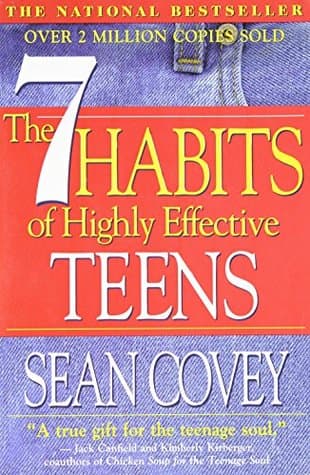
- The 7 Habits Of Highly Effective Teens
Sean Covey
4.1 (29k) average on GoodreadsBusinessOffers practical advice and insights for teenagers on personal growth, similar to the life lessons found in the stories.
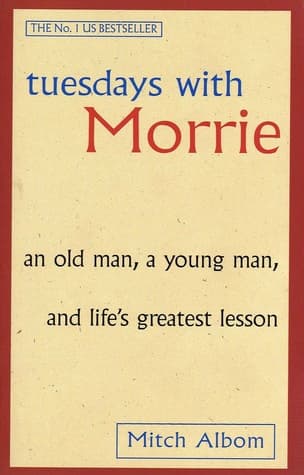
- Tuesdays with Morrie
Mitch Albom
4.1 (782k) average on GoodreadsBiographyA collection of life lessons and wisdom shared through personal stories, though for a broader audience.
- The Perks of Being a Wallflower
Stephen Chbosky
4.2 (1.3M) average on GoodreadsPsychologyThrough letters, a shy high school freshman learns to navigate first love, trauma, and self-discovery, stepping off the sidelines and into life.
- Eleanor Oliphant Is Completely Fine
Gail Honeyman
4.3 (708k) average on GoodreadsLiterary FictionA lonely woman's structured life changes when an IT guy and an elderly man help her learn to open her heart.
- One Flew Over the Cuckoo's Nest
Ken Kesey
4.2 (631k) average on GoodreadsPsychologyIn a mind-bending asylum, the boisterous Randle McMurphy wages a defiant war against the tyrannical Nurse Ratched, inspiring his fellow inmates, including the seemingly catatonic Chief Bromden, to reclaim their lost humanity.
- The Bell Jar
Sylvia Plath
4.0 (591k) average on GoodreadsPsychologyIn the suffocating grip of 1950s expectations, a brilliant young woman's descent into mental illness is painted with such vivid, internal clarity that her 'insanity' feels terrifyingly rational and inevitable.




Enjoyed the summary?
A summary gives you the shape of the book. The book itself has the detail, the examples and the voice.
Find Chicken Soup for the Teenage Soul on AmazonAs an Amazon Associate, BookBrief earns from qualifying purchases. How we're funded