
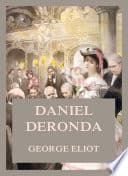
Synopsis
Covers the whole plot, including the ending.
- Difficulty
- Medium
- Pacing
- Slow
- Mood
- Thought-provoking, Melancholy, Reflective, Moralistic
- Read it if
- You enjoy complex character studies, profound moral introspection, and a rich exploration of social issues, religion, and identity in Victorian England.
- Skip it if
- You prefer fast-paced plots, lighthearted romance, or stories with straightforward, unambiguous heroes and villains.
Daniel Deronda Plot Summary
Covers the whole plot, including the ending.
Gwendolen's Fateful Gamble
The story opens with Gwendolen Harleth, a beautiful but spoiled young woman, losing heavily at the roulette table in Leubronn. Her family's financial ruin has forced them to travel abroad, and Gwendolen, accustomed to luxury, feels trapped. She observes Daniel Deronda, a mysterious and compassionate young man, who appears to be watching her. Embarrassed by her losses and his gaze, she feels an inexplicable shame. This encounter begins a complex, unspoken connection between them, as Deronda's presence often acts as a moral mirror for Gwendolen's actions, even when he doesn't directly intervene.
Grandcourt's Proposal
Gwendolen returns to England to find her family in dire straits. She receives a marriage proposal from Henleigh Mallinger Grandcourt, a wealthy baronet known for his cold indifference and controlling nature. Despite feeling a strong aversion to him and recognizing the moral compromise involved, Gwendolen accepts him to escape poverty and secure her family's future. Her decision is heavily influenced by her fear of destitution and a desire to maintain her social standing. She ignores her own conscience and the subtle discomfort she feels in Grandcourt's presence. This choice sets the stage for her subsequent marital suffering.
Deronda's Quest for Identity
Meanwhile, Daniel Deronda, raised by his wealthy guardian, Sir Hugo Mallinger, feels a deep sense of rootlessness. He knows he is not Sir Hugo's biological son and longs to discover his true parentage and heritage. This quest for identity drives much of his early narrative. He is drawn to scholarly pursuits and a deep interest in Jewish culture and history, foreshadowing his eventual discovery. His compassionate nature and intellectual curiosity are evident as he navigates his privileged but uncertain existence, often observing the world with a keen, moral eye.
Mirah's Rescue
During one of his contemplative walks along the Thames, Daniel sees a young Jewish woman, Mirah Lapidoth, attempting to drown herself. He rescues her and, moved by her distress, takes her under his protection. Mirah, a talented singer, reveals her tragic story of being abandoned by her manipulative father, Ezra, who exploited her musical talents. Daniel helps her find shelter with the kind German-Jewish family, the Meyricks, and assists her in reconnecting with her long-lost brother, Ezra Lapidoth (Mordecai), a passionate Jewish scholar. This act of compassion deepens Daniel's connection to the Jewish community.
Gwendolen's Marital Misery
Gwendolen's marriage to Grandcourt quickly becomes a source of unhappiness. Grandcourt is emotionally abusive, controlling, and indifferent, deliberately isolating her and stifling her spirit. He reveals his past mistress, Lydia Glasher, and their children, adding to Gwendolen's humiliation and moral torment. Gwendolen feels trapped and powerless. Her initial ambitions for a life of ease and social triumph are replaced by a suffocating sense of dread. She frequently seeks out Daniel Deronda, viewing him as a moral guide and confessor, though their interactions remain largely unspoken and constrained by her marriage.
Mordecai's Vision
Daniel becomes deeply involved with Mirah's family, especially her brother, Ezra Lapidoth, who now goes by Mordecai. Mordecai is a consumptive but brilliant Jewish scholar with a powerful, almost messianic vision for the restoration of the Jewish people and their cultural heritage in a homeland. He sees in Daniel a spiritual successor, someone capable of carrying forward his ideals. Daniel is deeply moved by Mordecai's passion and intellect, finding a profound resonance with his own search for meaning and belonging. This intellectual and spiritual connection further draws Daniel into the world of Jewish thought and identity.
Grandcourt's Death
During a yachting trip in Genoa, a dramatic event occurs. While on the water, Grandcourt falls overboard and drowns. Gwendolen, who was with him, witnesses the accident. Although she initially hesitates to save him, wrestling with a momentary, dark wish for his demise, she ultimately tries to help but fails. Grandcourt's death frees Gwendolen from her oppressive marriage, but it also leaves her with profound guilt and psychological trauma. She confesses her inner conflict to Daniel, who offers her moral support and guidance, further solidifying his role as her spiritual confessor.
The Revelation of Daniel's Heritage
Daniel is summoned to Genoa by a mysterious letter and finally meets his mother, the Princess Halm-Eberstein, a renowned Jewish opera singer. She reveals that Daniel is her son, born of a Jewish father, and that she entrusted him to Sir Hugo Mallinger to be raised as an English gentleman, free from the constraints of her own Jewish heritage and her artistic life. She explains her desire for freedom and her rejection of her Jewish past. This revelation deeply impacts Daniel, confirming his long-held sense of otherness and validating his growing affinity for Jewish culture. He embraces his Jewish identity with conviction.
Daniel's Embrace of Judaism
Armed with the knowledge of his Jewish heritage, Daniel fully embraces the path Mordecai laid out. He sees his identity not as a burden, but as a calling. He resolves to dedicate his life to the Jewish people, working toward the restoration and cultural flourishing of his ancestral nation, aligning with Mordecai's Zionist ideals. This commitment marks a profound shift in Daniel's purpose, moving him from searching to resolute action. He recognizes the historical and spiritual significance of his heritage and his role in its future.
Gwendolen's Redemption and Farewell
Following Grandcourt's death, Gwendolen is left a wealthy widow. She continues to rely on Daniel for moral guidance, confessing her inner turmoil and seeking his approval. Daniel, while compassionate, gently steers her toward self-reliance and moral responsibility, emphasizing that her redemption must come from within. When Daniel reveals his Jewish heritage and his intention to dedicate his life to his people, Gwendolen is initially heartbroken but ultimately accepts his path. Their final farewell marks a turning point for Gwendolen, who, though still fragile, shows signs of genuine moral growth and a commitment to living a more purposeful life.
Marriage and Departure
Daniel and Mirah, whose love has steadily deepened, finally marry. Their union symbolizes the blending of their shared Jewish heritage and their mutual commitment to a life of purpose. With Mordecai, whose health is failing, they prepare to embark on a journey to the East, intending to contribute to the realization of Mordecai's vision for the Jewish people. The novel concludes with Daniel and Mirah setting off on their new life, full of hope and dedication, leaving behind the complexities of English society to pursue a higher calling rooted in their shared identity and faith.
Principal Figures
Gwendolen Harleth
Protagonist
A beautiful, proud, and initially self-centered young woman who undergoes significant moral transformation.
Gwendolen is introduced as a spoiled and ambitious beauty, accustomed to admiration and luxury. She possesses a strong will but lacks deep moral conviction, often acting out of vanity and a fear of poverty. Her initial desire is for a life of ease and social prominence, leading her to make a disastrous marriage. Throughout the novel, she struggles with her own conscience, her moral failings, and the oppressive nature of her husband, Grandcourt. She is deeply affected by Daniel Deronda's silent moral influence.
Relationships: Daniel Deronda (Moral guide and unrequited love interest); Henleigh Mallinger Grandcourt (Abusive and oppressive husband); Mrs. Davilow (Her loving but somewhat ineffectual mother)
Daniel Deronda
Protagonist
A compassionate, intellectual, and morally upright young man searching for his identity and purpose.
Daniel is a thoughtful and sensitive young man, raised by his aristocratic guardian, Sir Hugo Mallinger, but aware of his unknown parentage. He feels a deep sense of rootlessness and a longing for belonging. He is inherently compassionate, often acting as a moral conscience for those around him, particularly Gwendolen. His journey is one of self-discovery, leading him to embrace his Jewish heritage and a higher purpose. He is drawn to intellectual and spiritual pursuits, embodying a blend of English gentlemanly conduct and deep moral earnestness.
Relationships: Gwendolen Harleth (Moral confidant and object of her unspoken admiration); Mirah Lapidoth (Love interest and eventual wife); Mordecai (Spiritual mentor and brother-in-law); Sir Hugo Mallinger (Adoptive father/guardian); Princess Halm-Eberstein (Biological mother)
Henleigh Mallinger Grandcourt
Antagonist
A wealthy, cold, and calculating baronet who marries Gwendolen.
Grandcourt is characterized by his extreme indifference, his subtle cruelty, and his desire for control. He is a man of immense wealth and social standing but possesses no genuine warmth or moral compass. He delights in exerting power over others, particularly women, and views marriage as a means to further his own comfort and dominance. His past involves an abandoned mistress and children, revealing his disregard for conventional morality. He represents the corrupting influence of unchecked power and privilege.
Relationships: Gwendolen Harleth (Wife, whom he torments); Lydia Glasher (Former mistress and mother of his children)
Mirah Lapidoth
Supporting
A gentle, talented Jewish singer rescued by Daniel, who becomes his wife.
Mirah is a sweet-natured, devout, and artistically gifted young Jewish woman. She possesses a strong moral character and deep family loyalty, despite being abandoned and exploited by her manipulative father. Her initial despair leads her to attempt suicide, from which Daniel rescues her. She represents purity, resilience, and the strength of Jewish tradition and family bonds. Her love for Daniel is steadfast and pure, contrasting with Gwendolen's more conflicted affections.
Relationships: Daniel Deronda (Love interest and eventual husband); Mordecai (Devoted brother); Ezra Lapidoth (Manipulative father)
Mordecai (Ezra Lapidoth)
Supporting
Mirah's brother, a consumptive but brilliant Jewish scholar with a powerful Zionist vision.
Mordecai is a deeply spiritual and intellectual Jewish man, consumed by a passionate vision for the restoration of the Jewish people and their cultural heritage. Despite his deteriorating health, his mind is sharp and his spirit fervent. He sees in Daniel Deronda a spiritual heir, someone who can carry forward his ideals of Jewish renaissance. He is a mystical figure, representing the intellectual and spiritual depth of Jewish identity and a prophetic yearning for a homeland. His influence is crucial in shaping Daniel's destiny.
Relationships: Mirah Lapidoth (Devoted brother); Daniel Deronda (Spiritual protégé and brother-in-law)
Sir Hugo Mallinger
Supporting
Daniel Deronda's kind and aristocratic guardian.
Sir Hugo is a benevolent and worldly English baronet who raises Daniel Deronda as his ward. He is a man of good humor and generosity, providing Daniel with a privileged upbringing. While he genuinely cares for Daniel, he remains somewhat detached from Daniel's deeper emotional and spiritual struggles, preferring a more conventional, comfortable existence. He represents the established English aristocracy and its values, which Daniel ultimately transcends in his quest for identity.
Relationships: Daniel Deronda (Guardian/adoptive father)
Princess Halm-Eberstein
Supporting
Daniel Deronda's biological mother, a renowned Jewish opera singer.
The Princess Halm-Eberstein is a powerful and complex figure, a Jewish woman who, in her youth, rejected her heritage to pursue an artistic career and personal freedom. She is a woman of immense talent, will, and a certain tragic grandeur. She reveals to Daniel his true parentage and explains her reasons for giving him up, expressing her desire for him to escape the constraints she felt. She embodies the conflict between individual freedom and ancestral duty, and her story provides crucial context for Daniel's identity.
Relationships: Daniel Deronda (Biological mother)
Lydia Glasher
Mentioned
Grandcourt's former mistress and mother of his children.
Lydia Glasher is Grandcourt's long-term mistress, with whom he has several children. She lives in a state of quiet desperation and resentment, having been abandoned by Grandcourt for Gwendolen. Her presence serves as a stark reminder of Grandcourt's cruelty and the moral compromises Gwendolen has made. She is a tragic figure, embodying the consequences of Grandcourt's selfish actions and adding to the moral complexity of Gwendolen's marital misery.
Relationships: Henleigh Mallinger Grandcourt (Former mistress)
Themes & Insights
The Search for Identity and Belonging
This theme is central to Daniel Deronda's character arc. Raised without knowledge of his true parentage, Daniel feels a deep sense of rootlessness and an inherent desire to understand his origins. His compassionate nature and intellectual curiosity lead him to explore various paths. It is his encounter with Mirah and Mordecai, and ultimately the revelation of his Jewish heritage, that provides him with a clear sense of self and purpose. This search is not merely about lineage, but about finding a community and a cause to which one can fully commit, as seen when Daniel embraces Mordecai's Zionist vision.
“What was the good of having a lot of money if you couldn't get what you wanted?”
Moral Responsibility and Redemption
Gwendolen Harleth's journey embodies this theme. Initially driven by vanity, fear, and a desire for social standing, she makes choices that lead to immense suffering, particularly her marriage to Grandcourt. Her internal struggles, her momentary dark wishes, and her subsequent guilt after Grandcourt's death force her to confront her moral failings. Daniel Deronda acts as her moral compass, guiding her toward self-reflection and the understanding that true redemption comes from within, through conscious effort and a commitment to living a more purposeful, less self-centered life. Her transformation, though incomplete at the novel's end, signifies a movement toward moral growth.
“The refuge of a lie is in the mouth of a fool.”
The Oppressive Nature of Society and Marriage
This theme is portrayed through Gwendolen's experience. Victorian society places immense pressure on women to marry for financial security and social standing, often at the expense of personal happiness and moral integrity. Gwendolen's marriage to Grandcourt is a stark example of a union devoid of love, becoming a cage of emotional abuse and control. Grandcourt's character exemplifies how social power and wealth can be used to dominate and stifle individuals. The novel critiques the societal structures that entrap women and the moral compromises they are forced to make, highlighting the devastating psychological impact of such oppressive relationships.
“What was the good of her being in the right, if Grandcourt could always make her feel in the wrong?”
The Revival of Jewish Identity and Zionism
A significant and innovative theme for its time, this focuses on the spiritual and cultural resurgence of the Jewish people. Through Mordecai's passionate vision, the novel explores the idea of a Jewish homeland and the preservation of Jewish heritage. Daniel Deronda's discovery of his Jewish roots leads him to embrace this cause, finding in it a profound sense of belonging and purpose. Eliot uses this theme to challenge prevailing anti-Semitic sentiments of the era and to advocate for a deeper understanding of Jewish history, culture, and future aspirations. It represents a call for collective identity and a rejection of assimilation.
“A great Jewish nation, which shall be a witness to the world.”
The Power of Compassion and Empathy
Daniel Deronda is an example of this theme. His compassion drives his actions, from rescuing Mirah from suicide to offering Gwendolen moral support despite her flaws. He possesses a rare ability to understand and feel for others, even those who initially seem undeserving. His empathy allows him to connect deeply with Mirah and Mordecai, and to act as a catalyst for Gwendolen's moral awakening. The novel suggests that true moral strength lies not in judgment, but in the capacity for understanding and offering guidance, encouraging growth and connection rather than condemnation.
“He felt that his life was a search, and that there was no rest for him till he had found a path.”
Plot Devices & Literary Techniques
The Moral Mirror
Daniel Deronda's presence acts as a silent moral gauge for Gwendolen.
Daniel Deronda frequently serves as a 'moral mirror' for Gwendolen Harleth. From their first encounter at the roulette table, his silent, observing presence often makes Gwendolen acutely aware of her own moral failings, vanity, and the compromises she makes. He rarely offers direct advice but his inherent goodness and integrity highlight her own conflicted conscience. This device allows Eliot to explore Gwendolen's inner turmoil and gradual moral awakening, as she constantly measures her actions and feelings against Daniel's perceived disapproval or understanding, even when he says nothing explicit.
The Unveiled Heritage
The delayed revelation of Daniel's Jewish parentage.
The mystery surrounding Daniel Deronda's parentage is a central plot device that fuels his personal quest and shapes the novel's thematic concerns. Eliot deliberately withholds this crucial information, building suspense and allowing Daniel's character to develop a strong affinity for Jewish culture and a sense of rootlessness before his true identity is revealed. This delayed unveiling allows the reader to witness Daniel's journey of discovery and to appreciate the profound impact of his heritage, making his eventual embrace of Judaism feel earned and deeply meaningful rather than a mere accident of birth.
Symbolic Drowning
Grandcourt's death by drowning and Mirah's attempted drowning.
Drowning serves as a powerful symbolic motif in the novel. Mirah's attempted suicide by drowning represents her despair and the overwhelming oppression she has faced, from which Daniel rescues her, symbolizing hope and new life. Grandcourt's death by drowning, witnessed by Gwendolen, is highly symbolic. It represents the violent end of her oppressive marriage and, for Gwendolen, a moment of profound moral crisis and guilt, as she briefly contemplates letting him die. This shared motif links the two main plotlines and underscores themes of despair, rescue, moral choice, and liberation.
The Prophetic Vision
Mordecai's fervent and almost mystical Zionist ideals.
Mordecai's prophetic vision for the restoration of the Jewish people and their cultural heritage functions as a key plot device, providing a driving force for Daniel Deronda's ultimate purpose. His passionate monologues and intellectual arguments introduce the theme of Zionism and imbue Daniel's quest for identity with a higher, collective significance. This device elevates Daniel's personal journey beyond individual fulfillment, transforming it into a mission for an entire people, and introduces a spiritual and almost mystical element to the narrative, guiding Daniel towards his destined path.
Daniel Deronda Quotes
“The only difference between a man and a boy is the size of their toys.”
“What are our ideals to us if we are not to labour for them?”
“A human life, I think, should be a constant process of education.”
“The highest love is that which is content to be for ever a secret, and to manifest itself only in the dedicated life.”
“We are on a journey, and cannot rest where we would.”
“To be right-minded means to be in a state of mind that is ready to receive what is true.”
“It is a common error to imagine that a man's heart is the whole of him.”
“Every fresh trial of a new path is a fresh trial of one's own capabilities.”
“The world is not a mere assemblage of facts, but a great poem, in which we are ourselves the living words.”
“A man's delight in his wife is not to be measured by the delight he takes in other women.”
“The strongest principle of growth lies in human choice.”
“We can only learn to love by loving.”
“The beginning of an acquaintance is a delicate moment, and one that may determine the future.”
“It is a rare gift to find a soul that can understand and respond to the unspoken.”
Quiz
10 questions on the plot and the characters. Each answer comes with a short explanation.
Question 1
What is Gwendolen Harleth's initial financial situation before her marriage proposal?
- She is independently wealthy from an inheritance.
- Her family is in a comfortable position, but she desires more.
- Her family faces sudden financial ruin due to her stepfather's death.
- She is a governess, supporting her family through her wages.
Show answer
C. Her family faces sudden financial ruin due to her stepfather's death. Gwendolen's family, specifically her mother and sisters, are plunged into poverty after the sudden death of her stepfather, Mr. Gascoigne, forcing Gwendolen to consider marriage for financial security.
Question 2
Which character serves as a moral and intellectual mentor to Daniel Deronda, particularly regarding his Jewish heritage?
- Sir Hugo Mallinger
- Mordecai Lapidoth
- Hans Meyrick
- Gwendolen Harleth
Show answer
B. Mordecai Lapidoth Mordecai Lapidoth is the Jewish scholar and mystic who recognizes Daniel as a fellow Jew and becomes his spiritual guide, revealing the importance of his heritage and his potential role in the Jewish future.
Question 3
What is the primary reason Gwendolen Harleth marries Grandcourt, despite her initial aversion?
- She is deeply in love with him.
- Her family's desperate financial situation.
- Daniel Deronda encourages the match.
- She wants to spite Lydia Glasher.
Show answer
B. Her family's desperate financial situation. Gwendolen marries Grandcourt out of necessity to save her mother and sisters from destitution after her stepfather's death leaves them impoverished.
Question 4
What secret does Daniel Deronda's mother, the Princess Halm-Eberstein, reveal to him about his parentage?
- He is the illegitimate son of Sir Hugo Mallinger.
- He is the son of a wealthy English nobleman and a German opera singer.
- He is the son of a Jewish father and a Jewish mother, and his true name is Daniel Charisi.
- He was adopted by Sir Hugo Mallinger from an orphanage.
Show answer
C. He is the son of a Jewish father and a Jewish mother, and his true name is Daniel Charisi. Daniel's mother reveals that both of his parents were Jewish, his father being a scholar named Ephraim Charisi, and that his true name is Daniel Charisi.
Question 5
What is the significance of the necklace Gwendolen Harleth pawns and then attempts to retrieve?
- It is a gift from Daniel Deronda, symbolizing their unspoken bond.
- It is a family heirloom that represents her lost social standing and a source of shame.
- It contains a hidden message from her deceased father.
- It is a symbol of her independence and rebellion against societal norms.
Show answer
B. It is a family heirloom that represents her lost social standing and a source of shame. The necklace is a family heirloom that Gwendolen pawns out of desperation when her family faces ruin. Her attempt to retrieve it highlights her pride and the shame she feels over her reduced circumstances.
Question 6
How does Grandcourt's former mistress, Lydia Glasher, influence Gwendolen's perception of her marriage?
- Lydia encourages Gwendolen to embrace her role as a wife.
- Lydia's existence and her children reveal Grandcourt's cruel and deceitful nature, tormenting Gwendolen's conscience.
- Lydia becomes Gwendolen's confidante and friend.
- Lydia attempts to reconcile Grandcourt with Gwendolen.
Show answer
B. Lydia's existence and her children reveal Grandcourt's cruel and deceitful nature, tormenting Gwendolen's conscience. Lydia Glasher's existence, along with her children by Grandcourt, exposes Grandcourt's past deceit and his ongoing cruelty, making Gwendolen's marriage a source of constant moral agony and guilt.
Question 7
What is the primary thematic contrast explored through the parallel narratives of Gwendolen Harleth and Daniel Deronda?
- The conflict between rural and urban life.
- The pursuit of superficial social status versus the search for meaningful identity and purpose.
- The struggle between scientific progress and traditional religious belief.
- The economic disparities between the rich and the poor.
Show answer
B. The pursuit of superficial social status versus the search for meaningful identity and purpose. Gwendolen's story focuses on her self-centered pursuit of social position and wealth, leading to moral degradation, while Daniel's narrative explores his journey to discover his true heritage and embrace a larger, purposeful identity within the Jewish community.
Question 8
How does Mirah Lapidoth's background and aspirations differ significantly from Gwendolen Harleth's?
- Mirah seeks wealth and social status, while Gwendolen desires a quiet domestic life.
- Mirah is a talented singer who values her artistic integrity and Jewish heritage, in contrast to Gwendolen's superficial ambitions.
- Mirah is a wealthy heiress, whereas Gwendolen is financially dependent.
- Mirah is a cynical realist, while Gwendolen is an idealistic dreamer.
Show answer
B. Mirah is a talented singer who values her artistic integrity and Jewish heritage, in contrast to Gwendolen's superficial ambitions. Mirah, a Jewish woman, is devoted to her family and her art (singing), seeking genuine connection and purpose, directly contrasting with Gwendolen's initial self-absorption and desire for external validation and dominance.
Question 9
What philosophical concept, heavily influenced by Spinoza, underpins Daniel Deronda's ultimate commitment to his Jewish heritage?
- Utilitarianism, focusing on the greatest good for the greatest number.
- The idea of finding one's 'particular stream' and contributing to a collective, historical purpose.
- Existential nihilism, questioning the meaning of all existence.
- Romantic individualism, prioritizing personal freedom above all else.
Show answer
B. The idea of finding one's 'particular stream' and contributing to a collective, historical purpose. Eliot, influenced by Spinoza, emphasizes the idea of individuals finding their 'particular stream' – their specific inherited identity and community – and contributing to a larger, historical, and moral purpose, which Daniel finds in his Jewish heritage and the Zionist ideal.
Question 10
How does the novel ultimately resolve Gwendolen Harleth's personal journey after Grandcourt's death?
- She marries Daniel Deronda and finds happiness.
- She inherits Grandcourt's estate and returns to her former life of social ambition.
- She remains single, having experienced profound moral awakening and a commitment to living a more meaningful life, though her future is uncertain.
- She becomes a successful actress, fulfilling her early theatrical ambitions.
Show answer
C. She remains single, having experienced profound moral awakening and a commitment to living a more meaningful life, though her future is uncertain. After Grandcourt's death, Gwendolen undergoes a significant moral transformation. While she does not marry Daniel, she expresses gratitude for his influence and resolves to lead a more earnest and less self-centered life, her future still open but marked by a newfound moral compass.
Daniel Deronda FAQ
What is the central premise of 'Daniel Deronda'?
The novel follows two intertwined plots: Daniel Deronda's search for his identity and purpose, leading him to embrace his Jewish heritage and a mission to restore a Jewish homeland, and Gwendolen Harleth's story of a young woman's moral awakening through suffering, particularly in her marriage to the cruel Grandcourt.
Who is Gwendolen Harleth and what is her initial character like?
Gwendolen Harleth is a beautiful, self-absorbed young woman from a genteel but impoverished family. Initially, she is proud, ambitious, and seeks to control her destiny through marriage, but lacks deep moral conviction and empathy, often using her beauty and intelligence to manipulate situations for her own benefit.
What role does Grandcourt play in Gwendolen's life?
Henleigh Mallinger Grandcourt is a wealthy, aristocratic, and utterly cold man whom Gwendolen marries out of financial necessity and a desire for status. He subjects her to psychological cruelty and control, becoming the catalyst for her profound suffering and eventual moral transformation.
Who is Daniel Deronda and what is his background?
Daniel Deronda is a sensitive, thoughtful young man raised by Sir Hugo Mallinger, who believes he is Sir Hugo's nephew. He feels a deep sense of unfulfillment and a longing for a clear purpose and identity, which leads him to spontaneously aid a young Jewish woman, Mirah Lapidoth, and later discover his true heritage.
How does Daniel Deronda discover his Jewish heritage?
Daniel's heritage is revealed to him by his dying mother, the Princess Halm-Eberstein, a renowned opera singer who had abandoned her Jewish identity and family to pursue her career and escape religious constraints. She reveals that Daniel's father was a Jewish man named Daniel Charisi, and that Daniel is meant to carry on the Jewish legacy.
What is the significance of the 'mystic' signet ring Daniel inherits?
The signet ring, bearing the Hebrew inscription ' חלקת מחוקק ספון' (A portion of a hidden lawgiver), is a crucial symbol of Daniel's unknown heritage and destiny. It is given to him by his mother, confirming his Jewish lineage and subtly guiding him towards his spiritual and communal calling, foreshadowing his eventual mission.
How does Mirah Lapidoth's story connect with Daniel's?
Mirah Lapidoth, a Jewish singer, is rescued by Daniel when she contemplates suicide after escaping her abusive father. Her presence in his life not only deepens his empathy but also directly leads him to the Jewish community and eventually to his own family, as she is the sister of Mordecai, Daniel's spiritual mentor.
What is the role of Mordecai in Daniel's journey?
Mordecai, Mirah's brother, is a visionary Jewish scholar dying of consumption. He recognizes in Daniel the spiritual successor to carry on his dream of Jewish restoration and a national homeland. Their intellectual and spiritual bond guides Daniel towards embracing his heritage and mission, fulfilling Mordecai's prophetic vision.
How does Gwendolen's 'terror' manifest and evolve throughout the novel?
Gwendolen's 'terror' initially manifests as a fear of the supernatural or unseen forces, particularly after her encounter with the portrait of the dead woman. After her marriage, this terror evolves into a profound psychological dread of Grandcourt's cruelty and her own complicity, eventually becoming a moral terror of her own capacity for evil.
Analyze the psychological impact of Grandcourt's abuse on Gwendolen.
Grandcourt's abuse is primarily psychological, involving subtle control, indifference, and a deliberate crushing of Gwendolen's spirit. This systematic dehumanization leads her to a state of profound despair, self-loathing, and a desperate longing for moral guidance, ultimately breaking her initial pride and forcing her into self-reflection.
How does Daniel Deronda's search for identity reflect universal psychological needs?
Daniel's quest for identity reflects a universal human need for belonging, purpose, and self-knowledge. His initial aimlessness and discomfort with his privileged but undefined status highlight the psychological importance of a clear heritage and a meaningful mission to anchor one's existence and provide direction.
Discuss the 'sympathetic imagination' as a key psychological theme in the novel.
The 'sympathetic imagination' is central, particularly in Gwendolen's development. Her suffering under Grandcourt's cruelty forces her to experience the pain she once inflicted on others, expanding her capacity for empathy. Daniel, by contrast, possesses a natural sympathetic imagination, making him a moral compass for Gwendolen.
Is Gwendolen Harleth truly redeemed by the end of the novel?
Her redemption is complex and incomplete. While Gwendolen undergoes a profound moral awakening and recognizes her past failings, she doesn't achieve full happiness or peace. Her future is one of continued struggle and self-improvement, suggesting that redemption is an ongoing process, not a sudden endpoint, and she must live with the consequences of her choices.
How does the novel challenge or reinforce Victorian societal norms regarding women?
The novel both challenges and reinforces norms. It critiques the limited choices for women, particularly marriage as a financial necessity, through Gwendolen's plight. However, it also portrays the transformative power of suffering within conventional roles, while presenting Mirah as a self-sufficient artist, suggesting alternative paths and strengths for women.
Was Grandcourt's death truly an accident, or did Gwendolen bear some responsibility?
The novel deliberately leaves Grandcourt's death ambiguous. While Gwendolen does not actively cause his drowning, her momentary paralysis and failure to act in the critical second, fueled by her intense hatred and desire for freedom, suggest a psychological complicity. She struggles with this moral burden, believing she willed his death.
What is George Eliot's message about the importance of heritage and community?
Eliot argues that heritage and community are vital for individual fulfillment and moral purpose. Through Daniel, she suggests that embracing one's roots and contributing to a collective identity, especially one with a historical mission, provides a profound sense of belonging and meaning that transcends individual ambition.
How does the novel explore the tension between individual desire and moral duty?
This tension is central, particularly in Gwendolen's initial pursuit of wealth and status against her moral instincts, and Daniel's struggle to find a personal calling beyond his comfortable upbringing. Both characters ultimately learn that true fulfillment comes from aligning individual desire with a higher moral duty, often involving self-sacrifice and connection to others.
Is 'Daniel Deronda' primarily a critique of anti-Semitism or a celebration of Jewish culture?
The novel functions as both. It directly critiques prevailing anti-Semitic attitudes in Victorian society through its portrayal of Jewish characters like Mirah and Mordecai. More profoundly, it is a passionate celebration of Jewish culture, history, and spiritual depth, presenting Judaism as a vibrant, enduring heritage with a crucial future, especially through Daniel's Zionist-like mission.
About the author
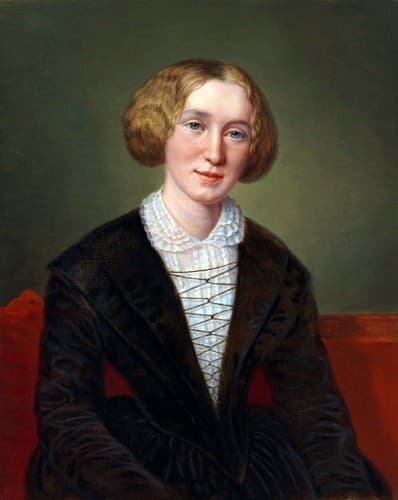
Mary Ann Evans, known by her pen name George Eliot, was an English novelist, poet, journalist, translator, and one of the leading writers of the Victorian era. She wrote seven novels: Adam Bede (1859), The Mill on the Floss (1860), Silas Marner (1861), Romola (1862–63), Felix Holt, the Radical (1866), Middlemarch (1871–72) and Daniel Deronda (1876). Like Charles Dickens and Thomas Hardy, she emerged from provincial England; most of her works are set there. Her works are known for their realism, psychological insight, sense of place and detailed depiction of the countryside.
Similar books
- Middlemarch
George Eliot
4.0 (136k) average on GoodreadsHistorical FictionShares Eliot's deep psychological insight, social commentary, and intricate plot structure.
- Jane Eyre
Charlotte Brontë
4.1 (1.6M) average on GoodreadsHistorical FictionFeatures a strong female protagonist navigating societal constraints and moral dilemmas, with elements of romance and personal growth.
- The Portrait of a Lady
Henry James
3.8 (73k) average on GoodreadsHistorical FictionExplores the tragic consequences of a young woman's choices in marriage and wealth, with a focus on psychological depth.
- Vanity Fair
William Makepeace Thackeray
3.8 (118k) average on GoodreadsHistorical FictionBoth Daniel Deronda and Thackeray's Vanity Fair (1848) feature ambitious, morally ambiguous female protagonists (Gwendolen Harleth and Becky Sharp) navigating a society obsessed with status and wealth. However, Thackeray's novel maintains a more consistent satirical tone and a cynical view of human nature, with little hope for genuine redemption for Becky. Eliot, by contrast, offers a deeper psychological dive into Gwendolen's internal struggle and provides a path, however arduous, towards moral awakening and redemption. While both expose societal hypocrisy, Eliot's approach in Deronda is more earnest and morally didactic, aiming to elevate the reader's moral consciousness rather than simply expose human folly.
- To Kill a Mockingbird
Harper Lee
4.3 (4.5M) average on GoodreadsHistorical FictionIn the 1930s Jim Crow South, Harper Lee writes about racial injustice, moral growth, and the quiet courage of a lawyer father, Atticus Finch, as seen through his young daughter's eyes.
- The Great Gatsby
F. Scott Fitzgerald
3.9 (3.8M) average on GoodreadsHistorical FictionIn the opulent Roaring Twenties, a mysterious millionaire's lavish parties hide his desperate, tragic pursuit of a lost love, exposing the emptiness within the American Dream.




Enjoyed the summary?
A summary gives you the shape of the book. The book itself has the detail, the examples and the voice.
Find Daniel Deronda on AmazonAs an Amazon Associate, BookBrief earns from qualifying purchases. How we're funded