

Synopsis
Covers the whole plot, including the ending.
- Difficulty
- Medium
- Pacing
- Moderate
- Mood
- Atmospheric, Erotic, Psychological, Dreamlike, Unsettling
- Read it if
- You enjoy exploring the psychological depths of desire, fidelity, and the subconscious, especially within a dreamlike, turn-of-the-century Viennese setting.
- Skip it if
- You prefer straightforward plots with clear resolutions and explicit explanations, or are uncomfortable with themes of infidelity and sexual intrigue.
Dream Story Plot Summary
Covers the whole plot, including the ending.
A Confession and Its Aftermath
Dr. Fridolin, a successful Viennese physician, and his wife, Albertine, discuss a recent masked ball. Albertine recounts a dream where she was at a ball and saw Fridolin being crucified, while she was forced to give herself to another man. She admits that in the dream, she felt a powerful desire for this stranger. Even when she awoke, a lingering feeling for him persisted. This revelation deeply disturbs Fridolin, who had always believed their love was idyllic. He feels a sudden jealousy and a desire to explore his own subconscious and the world of illicit desires he now suspects exists just beneath their comfortable lives.
Fridolin's First Foray
Disturbed by Albertine's dream, Fridolin leaves their home and wanders the streets of Vienna. He encounters a young prostitute, Mizzi, who takes him back to her room. However, Fridolin is unable to commit to the act, feeling a profound disinterest, almost a revulsion, despite his earlier intent. As he leaves, he sees a doctor rushing into a house, clearly distressed. He learns the doctor is attending to his own dying wife. This encounter briefly pulls Fridolin back to the reality of life and death, and the seriousness of his own marriage, but the pull of the unknown remains strong.
The Mysterious Invitation
Fridolin continues his aimless wandering, drawn by an urge. He passes a costume rental shop and feels a compulsion to enter. Inside, he encounters a man who recognizes him. After a brief, cryptic exchange, the man gives him a password and an invitation to a secret gathering that night. The man hints at a world where desires are freely indulged, a world that seems to mirror the illicit longing Albertine expressed in her dream. Fridolin, intrigued and still wrestling with his jealousy and curiosity, decides to attend.
The Secret Orgy
Armed with the password and a rented monk's habit, Fridolin arrives at a secluded villa where the secret gathering is taking place. He enters a lavish, candlelit setting filled with masked figures, mostly women, engaging in a sensual, ritualistic dance. He observes the scene, feeling both fascinated and repelled. He is approached by a mysterious, alluring woman who tries to entice him. However, his presence is soon discovered to be an intrusion by the masked host, who recognizes him as an outsider. Fridolin is quickly identified as an intruder, and the atmosphere turns menacing.
Fridolin's Escape and the Woman's Sacrifice
As Fridolin's identity as an uninvited guest is revealed, the masked figures turn hostile. The host, a powerful and intimidating man, demands that Fridolin be punished. Just as Fridolin faces imminent danger, the mysterious woman who had approached him earlier steps forward and offers to take the punishment in his place. She reveals that she knows him, perhaps from a previous encounter or through his reputation. Her sacrifice allows Fridolin to escape the villa unharmed, but he is left with guilt and wonder about her identity and fate.
The Aftermath of the Orgy
Fridolin returns home in the early morning, shaken by his experiences. He tries to reconcile the illicit world he just witnessed with his ordinary life. He thinks constantly of the mysterious woman who saved him, feeling gratitude, curiosity, and responsibility. He attempts to find out more about her, visiting the costume shop again and even making discreet inquiries. His search leads him to the apartment of the woman, where he learns of her mysterious death, perhaps a suicide or a consequence of her actions at the villa. The news deeply affects him, cementing the reality and danger of the hidden world he briefly entered.
Albertine's Second Dream
Upon returning home, Fridolin finds Albertine awake. She recounts another vivid dream, one that mirrors his own night. In her dream, she attends a ball where Fridolin is present, but he is surrounded by beautiful, seductive women. She describes a sense of being on the outside, watching him, and feeling a similar mix of longing and jealousy to what Fridolin experienced. Her dream includes details that resonate with Fridolin's own experiences at the secret villa, suggesting a psychic connection or a shared subconscious exploration of forbidden desires.
The Confrontation and Confession
Albertine's second dream prompts a tense confrontation. Fridolin, deeply affected by her dream's accuracy and the weight of his own secret, confesses his night's adventures, omitting some of the more dangerous details. Albertine, in turn, confesses not just her dreams but also her past infatuations and desires for other men, which she had suppressed. They lay bare their hidden desires, their jealousy, and the temptations they both faced. This moment is a turning point, revealing the cracks in their seemingly perfect marriage and the complex, often contradictory nature of their love.
The Doctor's Death
Fridolin revisits the house where he saw the distressed doctor earlier. He learns that the doctor's wife has indeed died. This encounter is a stark reminder of the fragility of life and the real consequences of love and loss. It juxtaposes the dreamlike, almost fantastical nature of his night with the harsh realities of existence, forcing him to confront the seriousness of his own life and choices. The doctor's grief contrasts sharply with Fridolin's own emotional turmoil, highlighting the different forms of suffering and devotion.
The Morning After and a New Understanding
After their confessions, Fridolin and Albertine spend the night in a state of emotional exhaustion. They awaken in the morning with a newfound, albeit fragile, understanding. They acknowledge the existence of a 'dream world' where their forbidden desires reside, but they also recognize the importance of their shared reality and their commitment to each other. Their experiences, both real and imagined, have stripped away their illusions of perfect harmony, replacing it with a more nuanced and perhaps stronger bond built on mutual honesty and acceptance of human imperfection.
The Path Forward
Fridolin and Albertine, having peeled back the layers of their unconscious desires and confronted the temptations of the outside world, decide to continue their life together. Their love is no longer an idealized, naive affection but a more complex, mature bond forged through shared vulnerability and the acknowledgment of their individual human frailties. They understand that their fidelity is not just a given but a conscious choice, and that true intimacy involves accepting the 'dream story' that each carries within themselves. They move forward, perhaps with a touch of melancholy, but also with a deeper, more realistic commitment to their life together.
Principal Figures
Dr. Fridolin
Protagonist
A respected Viennese physician whose idyllic marriage is shattered by his wife's confession.
Fridolin is initially portrayed as a content, somewhat naive husband, proud of his seemingly perfect marriage to Albertine. He believes himself to be a rational, controlled individual. However, Albertine's dream confession triggers a profound crisis of identity and a sudden, irresistible urge to explore the darker, more sensual aspects of human nature. He is driven by a potent mix of jealousy, curiosity, and a desire for revenge, leading him into a nocturnal odyssey through Vienna's hidden underworld. Despite his ventures, he ultimately struggles to fully engage with the illicit desires he seeks.
Relationships: Albertine (Wife, object of his love and jealousy, catalyst for his journey); Mizzi (Prostitute he briefly encounters, represents available illicit pleasure); Mysterious Woman (Nachtigall's daughter) (Woman who sacrifices herself for him at the orgy, represents idealized, dangerous desire)
Albertine
Protagonist
Fridolin's wife, whose vivid dream shatters their marital complacency.
Albertine is initially presented as a loving and seemingly content wife. Her confession of a disturbing dream, where she desires another man, is the catalyst for the entire narrative. She possesses a rich inner life and a subconscious realm teeming with desires and fantasies that she herself may not fully understand. Her dreams are not mere fantasies but profound expressions of suppressed desires and anxieties, mirroring and sometimes even anticipating Fridolin's real-world experiences. She is perceptive and ultimately brave in sharing her deepest thoughts.
Relationships: Dr. Fridolin (Husband, object of her love and concern, recipient of her confessions)
Mizzi
Supporting
A young prostitute Fridolin encounters in his nocturnal wanderings.
Mizzi is a fleeting but significant character. She represents the readily available, transactional aspect of illicit desire that Fridolin initially seeks out. Her youth and directness contrast with the more enigmatic and dangerous allure of the secret society. Fridolin's inability to connect with her highlights his deeper, more psychological quest rather than a mere physical one. She serves as a benchmark for Fridolin's emotional state, revealing his internal conflict and detachment even when presented with an opportunity for infidelity.
Relationships: Dr. Fridolin (Client, though no sexual act occurs)
The Mysterious Woman (Nachtigall's Daughter)
Supporting
A masked woman at the secret orgy who sacrifices herself to save Fridolin.
This enigmatic figure embodies the allure and danger of the secret society. She is beautiful, seductive, and surprisingly self-sacrificing. Her knowledge of Fridolin, implied but never fully explained, adds to her mystique. Her ultimate fate – her death – underscores the serious consequences of dabbling in this hidden world. She represents a form of idealized, dangerous desire that profoundly impacts Fridolin, making him feel a sense of responsibility and guilt. Her sacrifice elevates the stakes of Fridolin's journey beyond mere curiosity.
Relationships: Dr. Fridolin (Savior, object of his guilt and fascination); Baroness (Friend who reveals her identity)
Nachtigall
Supporting
The owner of the costume shop and a gatekeeper to the secret society.
Nachtigall is a shadowy figure who provides Fridolin with the means to enter the secret orgy. He is an intermediary, a facilitator of forbidden pleasures, and seems to possess a deep understanding of the hidden currents of Viennese society. His role is to provide access and information, acting as a guide, albeit an impersonal one, into the underworld. He represents the subtle, almost mundane ways in which access to secret worlds can be gained, contrasting with the dramatic nature of the events within.
Relationships: Dr. Fridolin (Client, informant); Mysterious Woman (Her father, though their direct interaction is not shown)
The Host of the Orgy (Baron von Ziegler)
Antagonist/Supporting
The intimidating leader of the secret society who condemns Fridolin.
The host is a powerful and menacing figure who presides over the secret orgy. He represents the established order and the dangerous consequences for those who violate the rules of this hidden world. His authority and the swiftness of his judgment create a palpable sense of threat, highlighting the genuine peril Fridolin faces. He embodies the punitive aspect of the forbidden, ensuring that transgressions are met with severe repercussions.
Relationships: Dr. Fridolin (Accuser, threat)
The Doctor Attending His Wife
Mentioned
A fellow physician Fridolin observes in a moment of personal tragedy.
This unnamed doctor serves as a foil to Fridolin. While Fridolin is pursuing illicit fantasies, this doctor is grappling with the very real tragedy of his wife's imminent death. His grief and devotion highlight the stark contrast between the dream world and the harsh realities of life and death, love and loss. He reminds Fridolin of the genuine emotional stakes in the 'real' world and the profound bonds of marital love and suffering.
Relationships: Dr. Fridolin (Observer, a mirror to his own marital situation)
Themes & Insights
The Nature of Desire and Fidelity
The novella explores the complex and often contradictory nature of human desire, both conscious and subconscious. It questions the limits of marital fidelity, suggesting that fidelity extends beyond physical acts to the realm of thought and fantasy. Albertine's dream, and Fridolin's subsequent journey into Vienna's erotic underworld, reveal how easily the mind can wander and how potent suppressed desires can be. The story suggests that true fidelity might involve acknowledging these inner landscapes rather than pretending they don't exist, as seen in their final confessions and renewed, albeit more complicated, commitment.
“No dream is entirely a dream.”
The Boundary Between Dream and Reality
A central theme is the blurring of lines between dreams and waking life, and how subconscious desires can manifest in both. Albertine's dreams are not mere fantasies; they are psychological insights that often prefigure or parallel Fridolin's actual experiences. Fridolin's night journey itself takes on a dreamlike quality, with its masked figures, secret rituals, and ambiguous events. The story suggests that the 'dream story' each person carries within them is as real and impactful as their waking life, profoundly shaping their understanding of themselves and their relationships, particularly evident in how Albertine's second dream mirrors Fridolin's actual night.
“And now I believe that no dream is entirely a dream.”
The Unseen Underbelly of Society
Schnitzler exposes the hidden, often illicit, aspects of Viennese society beneath its polished, respectable surface. Fridolin's journey takes him from his comfortable bourgeois home to brothels, costume shops, and secret orgies, revealing a world of masked identities and unrestrained sensuality. This theme highlights the hypocrisy and double standards prevalent in society, where forbidden desires are indulged in secret. The existence of the secret society and its severe rules shows that even in this 'underworld,' there are structures and dangers, contrasting sharply with the idyllic facade Fridolin initially perceives in his marriage and city.
“There are more things between heaven and earth than are dreamt of in your philosophy, Horatio.”
Jealousy and Obsession
Jealousy is a driving force in the narrative, particularly for Fridolin. Albertine's dream ignites a fierce jealousy in him, not just of a phantom lover but of the idea that his wife could harbor such desires. This jealousy quickly escalates into an obsession to understand, and perhaps even replicate, her imagined transgressions. His quest to find the 'other man' or to experience similar illicit encounters is fueled by this emotion. The story illustrates how jealousy can distort perception and drive individuals to irrational and dangerous behaviors, ultimately leading to a deeper, albeit painful, understanding of self and partner.
“But you must understand, Albertine, that the thought of you, of you giving yourself to another, even in a dream, was unbearable to me.”
Plot Devices & Literary Techniques
Dream as Catalyst
Albertine's initial dream ignites the entire plot.
Albertine's vivid dream, where she desires another man and witnesses Fridolin's crucifixion, serves as the primary catalyst for the entire narrative. It shatters Fridolin's complacency, introduces the theme of subconscious desire, and propels him into his nocturnal wanderings. The dream is not merely a symbolic foreshadowing but an active force that directly influences Fridolin's actions, leading him to seek out experiences that mirror his wife's imagined infidelity. It blurs the line between the inner world and external reality, suggesting that dreams hold profound psychological truth and can trigger real-world consequences.
Masks and Disguises
Physical and metaphorical masks conceal true identities and desires.
Masks and disguises are central to the novella, both literally and figuratively. Fridolin wears a monk's habit to the secret orgy, while all the attendees are masked, concealing their true identities and social statuses. This allows for the uninhibited expression of desires that would be unacceptable in their waking lives. Metaphorically, Fridolin and Albertine themselves wear masks of marital contentment, suppressing their individual desires until Albertine's confession. The masks highlight the duality of human nature and the societal pressures that force individuals to hide their true selves and their forbidden longings.
Parallel Journeys
Fridolin's physical journey mirrors Albertine's psychological one.
The narrative employs the device of parallel journeys, where Fridolin's physical exploration of Vienna's illicit underworld directly mirrors Albertine's psychological journey through her dreams and subconscious desires. Albertine's second dream, in particular, eerily reflects Fridolin's experiences at the masked ball, suggesting a profound, almost telepathic connection between the couple. This parallelism emphasizes the idea that both partners are exploring similar themes of temptation and desire, albeit through different mediums, ultimately leading them to a shared, deeper understanding of their relationship and individual selves.
The Unnamed City (Vienna)
Vienna serves as a character, embodying both respectable society and hidden desires.
While never explicitly named as Vienna, the city itself functions as a crucial plot device, almost a character. It provides the backdrop for Fridolin's journey, transforming from a familiar, respectable setting into a labyrinth of hidden desires and secret societies at night. The city's duality reflects the internal duality of the characters, with its elegant boulevards masking a subterranean world of illicit pleasures. The specific locales—costume shops, brothels, grand villas—are not just settings but functional elements that facilitate Fridolin's exploration and the unfolding of the plot, embodying the 'dream story' within its very architecture.
Dream Story Quotes
“No dream is a mere dream.”
“Nothing is completely true, and nothing is completely false.”
“The border between dream and reality is not as firm as one might think.”
“What we dream is perhaps only the most vivid expression of what we desire.”
“One never knows what one is capable of until one is put to the test.”
“Perhaps the greatest secret is that there are no secrets.”
“We are all strangers to ourselves, until a moment reveals us.”
“Jealousy is a monstrous thing, for it turns joy into torment.”
“Love is a dream, and dreams are often cruel.”
“The night holds its own truths, different from those of the day.”
“Every human being has a world within them that is known to no one else.”
“Sometimes one must go astray to find the right path.”
“What we call reality is often just a dream we all agree upon.”
“Perhaps the most dangerous mask is the one we wear for ourselves.”
Quiz
10 questions on the plot and the characters. Each answer comes with a short explanation.
Question 1
What is the initial 'simple sexual admission' that sparks the central conflict between Fridolin and Albertine?
- Fridolin confesses to having an ongoing affair.
- Albertine admits to being in love with another man.
- Albertine recounts a vivid dream about an erotic encounter with a stranger.
- Fridolin reveals a past one-night stand during their engagement.
Show answer
C. Albertine recounts a vivid dream about an erotic encounter with a stranger. The story begins with Albertine recounting a dream where she was unfaithful, which then prompts Fridolin to confess his own recent desires and near-infidelity.
Question 2
After Albertine's admission, what does Fridolin confess to having experienced recently?
- He nearly had an affair with a young woman in a café.
- He was propositioned by two young women and nearly succumbed.
- He had a fleeting thought of leaving Albertine for another.
- He dreamt of betraying Albertine with a masked woman.
Show answer
B. He was propositioned by two young women and nearly succumbed. Fridolin confesses that he was almost seduced by two young women while out walking, which escalates the sense of mutual vulnerability and desire for transgression.
Question 3
What is the primary setting for Fridolin's most significant nocturnal adventure?
- A bustling Viennese ball.
- A secret masked ball at a secluded villa.
- A public opera house.
- A private salon gathering.
Show answer
B. A secret masked ball at a secluded villa. Fridolin's most dramatic escapade involves him attending a secret masked ball, which is a key setting for his encounters with veiled women and the underlying erotic tension.
Question 4
What is the profession of the man Fridolin encounters who provides him with the password to the masked ball?
- A doctor, his former university friend.
- A wealthy businessman.
- A bohemian artist.
- A retired military officer.
Show answer
A. A doctor, his former university friend. Fridolin bumps into his old university friend, Nachtigall, who is now a doctor and a pianist, and it is Nachtigall who gives him the password 'Denmark' for the secret gathering.
Question 5
What is the symbolic significance of the masks worn by the attendees at the secret ball?
- They represent social status and wealth.
- They allow for the expression of hidden desires and the shedding of conventional identities.
- They signify a specific political affiliation.
- They are a tradition of the host family.
Show answer
B. They allow for the expression of hidden desires and the shedding of conventional identities. The masks symbolize the freedom from social constraints and the opportunity to indulge in taboo desires without fear of recognition, central to the novella's exploration of hidden eroticism.
Question 6
How does Albertine's 'revenge' manifest itself in her dream, as she recounts it to Fridolin?
- She dreams of publicly shaming Fridolin with his lovers.
- She dreams of Fridolin being crucified while she attends a masked orgy.
- She dreams of leaving Fridolin for another man.
- She dreams of Fridolin's social downfall.
Show answer
B. She dreams of Fridolin being crucified while she attends a masked orgy. Albertine's dream is a stark and disturbing fantasy of revenge, where Fridolin is tied to a cross and she is at a masked gathering, seemingly enjoying herself, highlighting the intensity of her imagined retribution.
Question 7
What is the ultimate fate of the mysterious masked woman who tries to save Fridolin at the ball?
- She escapes with Fridolin and they begin a new life together.
- She is taken away to be 'punished' by the men of the ball, her actual fate left ambiguous but implied to be dire.
- She reveals her identity and is a former lover of Fridolin's.
- She is revealed to be a hallucination of Fridolin's.
Show answer
B. She is taken away to be 'punished' by the men of the ball, her actual fate left ambiguous but implied to be dire. The masked woman who sacrifices herself for Fridolin is taken away by the men and her fate is left chillingly vague, emphasizing the dangerous and illicit nature of the masked gathering.
Question 8
How does the novella ultimately resolve the tension between Fridolin and Albertine regarding their shared experiences?
- They decide to separate and pursue their individual desires.
- They agree to forget their experiences and return to a superficial normalcy.
- They acknowledge the thin line between dream and reality, and the enduring complexity of their relationship, choosing to 'wake up' together.
- They confess their infidelities to each other and seek professional help.
Show answer
C. They acknowledge the thin line between dream and reality, and the enduring complexity of their relationship, choosing to 'wake up' together. The novella ends with Fridolin and Albertine deciding to 'wake up' to their shared reality, acknowledging that their dreams and near-transgressions have revealed profound truths about their desires and the fragile nature of their bond, without fully resolving the underlying tensions.
Question 9
What is the significance of the novella's title, 'Dream Story,' in relation to the narrative's exploration of reality and fantasy?
- It suggests that all events are merely Fridolin's delusions.
- It highlights how dreams influence and blur the boundaries of waking life, revealing subconscious desires and anxieties.
- It implies that the entire story is a metaphor for a political uprising.
- It refers to Albertine's specific dream being the only 'unreal' element.
Show answer
B. It highlights how dreams influence and blur the boundaries of waking life, revealing subconscious desires and anxieties. The title emphasizes how dreams are not just idle fantasies but powerful reflections of inner desires and fears that can profoundly impact real-life perceptions and actions, blurring the line between what is imagined and what is experienced.
Question 10
Which of the following best describes the novella's commentary on bourgeois marriage and fidelity in fin-de-siècle Vienna?
- It affirms the sanctity and unbreakable nature of marital vows.
- It suggests that beneath a facade of respectability, desires for transgression and infidelity are common and often acted upon, even if only in fantasy.
- It argues that true love can overcome any temptation or challenge.
- It advocates for open relationships as a solution to marital dissatisfaction.
Show answer
B. It suggests that beneath a facade of respectability, desires for transgression and infidelity are common and often acted upon, even if only in fantasy. Schnitzler's novella delves into the repressed eroticism and psychological complexities beneath the surface of seemingly conventional marriages, revealing the fragility of fidelity and the potent pull of forbidden desires in a society bound by strict social norms.
Dream Story FAQ
What is the central premise of 'Dream Story'?
'Dream Story' revolves around a married couple, Fridolin and Albertine, whose seemingly stable relationship is shattered after Albertine confesses a vivid dream of infidelity. This admission sparks a chain of events where Fridolin embarks on a nocturnal odyssey into Vienna's underworld, seeking to enact his own fantasies of betrayal and revenge.
Who are the main characters and what is their relationship at the beginning of the novella?
The main characters are Fridolin, a young doctor, and his wife, Albertine. At the beginning, they appear to have a loving and harmonious marriage, characterized by domestic bliss and mutual affection. However, Albertine's dream confession reveals underlying tensions and unacknowledged desires.
What event triggers the primary conflict in the story?
The primary conflict is triggered by Albertine's detailed confession of a dream in which she passionately betrays Fridolin with another man. This dream, though not a real event, deeply disturbs Fridolin and ignites his jealousy, prompting him to seek out his own real-world escapades.
Describe Fridolin's nocturnal journey and its significance.
Fridolin's nocturnal journey is a descent into a series of increasingly bizarre and dangerous encounters in Vienna's hidden corners, including brothels, masquerade balls, and secret societies. It represents his desperate attempt to validate his own masculinity and to 'even the score' with Albertine's perceived transgression, blurring the lines between reality and fantasy.
How does Albertine react to Fridolin's absence and her own dream?
Albertine initially experiences guilt and anxiety over her dream and Fridolin's subsequent disappearance. While Fridolin is out, she also has her own waking fantasies and dreams, which mirror his experiences and reveal her own suppressed desires. Upon his return, she recounts her own visions, which complicate their understanding of each other.
What is the significance of the masked ball Fridolin attends?
The masked ball is a pivotal scene where Fridolin, disguised, enters a world of anonymous eroticism and intrigue. It is here that he encounters the mysterious woman who warns him of danger, and it serves as a microcosm of the novella's themes of hidden identities, desire, and the blurring of reality and fantasy.
Are Fridolin's encounters truly dangerous, or are they exaggerated by his perception?
The danger in Fridolin's encounters is ambiguous. While he faces genuine threats, such as the attempted seduction by the young girl and the potential violence from the secret society, there's also an element of his own psychological projection and heightened perception. The novella suggests that his internal state amplifies the external events.
What role do the various women Fridolin encounters play in his journey?
Each woman Fridolin encounters—the young girl, the prostitute, the mysterious lady at the ball—represents a different facet of his suppressed desires and anxieties. They serve as catalysts for his self-discovery and challenge his conventional understanding of relationships and morality, pushing him further into the erotic underworld.
How does Schnitzler use the concept of dreams to explore the characters' subconscious?
Schnitzler uses dreams not just as narrative devices but as direct windows into the characters' subconscious desires, fears, and suppressed urges. Albertine's initial dream and her subsequent visions, alongside Fridolin's waking 'dream-like' experiences, reveal the hidden depths of their psyches and the unspoken truths of their marriage.
Discuss Fridolin's psychological motivations for his nocturnal adventures.
Fridolin's motivations are complex, stemming from wounded pride, jealousy, and a desire for revenge after Albertine's dream confession. He also seeks to explore his own repressed sexual fantasies and to reassert his masculinity, perhaps feeling inadequate or threatened by his wife's subconscious desires.
How does Albertine's psychological state evolve throughout the story?
Albertine's psychological state evolves from initial guilt and anxiety to a more assertive and self-aware position. Her subsequent dreams and visions, which parallel Fridolin's experiences, suggest her own burgeoning understanding of her desires and her husband's complexities. She ultimately confronts him with her own truth.
What is the significance of the final conversation between Fridolin and Albertine?
The final conversation is crucial as it brings Fridolin and Albertine together to confess their respective 'dream stories,' blurring the lines between real and imagined transgressions. It signifies a moment of shared vulnerability and a tacit understanding that their marriage must acknowledge the hidden, often unsettling, aspects of their individual desires.
Does the novella offer a clear resolution to the couple's marital issues?
The novella does not offer a clear, definitive resolution. While Fridolin and Albertine reconcile physically and verbally, the ending suggests an uneasy truce rather than a complete healing. They acknowledge their shared journey into the subconscious, but the underlying tensions and the fragility of their understanding remain, leaving the future uncertain.
Is 'Dream Story' a critique of bourgeois marriage, or an exploration of universal human desires?
'Dream Story' can be interpreted as both. It critiques the superficiality and suppressed desires within bourgeois marriage, exposing the hidden lives beneath respectable facades. However, it also delves into universal human desires, jealousy, and the complex interplay between fantasy and reality, making it resonate beyond a specific social critique.
How does the novella challenge traditional notions of fidelity and betrayal?
The novella profoundly challenges traditional notions by positing that mental or dream-based infidelity can be as psychologically impactful as physical betrayal. It suggests that fidelity extends beyond actions to the realm of thought and desire, and that true intimacy requires acknowledging these often-uncomfortable internal landscapes.
What is the role of Vienna as a setting in 'Dream Story'?
Vienna is not merely a backdrop but an active character, representing both the respectable, ordered society and the hidden, erotic underworld. Its elegant boulevards and secret alleys mirror the dual lives and suppressed desires of the characters, embodying the tension between outward appearances and inner realities.
Could the entire nocturnal journey of Fridolin be interpreted as a dream itself?
Yes, it is a strong interpretation that Fridolin's entire nocturnal journey, or at least significant parts of it, could be a dream or a highly fantasized experience. The surreal encounters, the convenient coincidences, and the blurring of reality align with dream logic, making his 'reality' as ambiguous as Albertine's initial dream.
What is the significance of the novella's title, 'Dream Story'?
The title 'Dream Story' is highly significant, reflecting the central role of dreams, fantasies, and subconscious desires in driving the narrative. It emphasizes that the 'story' is not just about real events but also about the powerful, often unsettling, narratives that unfold within the mind, shaping perception and relationships.
About the author
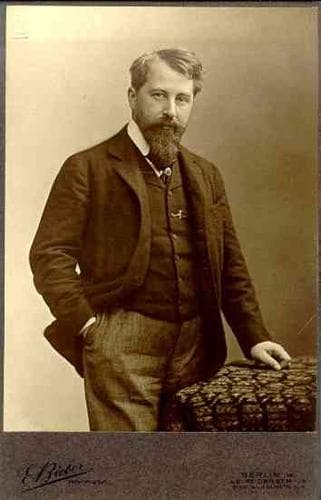
Arthur Schnitzler was a prominent Austrian novelist and playwright, a leading figure in Viennese Modernism. His works, including "Dream Story" (basis for the film "Eyes Wide Shut"), the play "La Ronde," and the novella "Fräulein Else," are celebrated for their psychological depth and exploration of human sexuality and mortality. Schnitzler's incisive prose and keen observation of societal mores cemented his literary legacy.
Similar books
- The Metamorphosis
Franz Kafka
3.8 (643k) average on GoodreadsFantasyExplores psychological unease and an altered reality in a concise, impactful novella.
- Notes from Underground
Fyodor Dostoevsky
4.2 (84k) average on GoodreadsPsychologyFeatures a protagonist grappling with complex psychological and moral dilemmas.
- The Old Man and the Sea
Ernest Hemingway
3.8 (831k) average on GoodreadsLiterary FictionA Cuban fisherman's long struggle with a giant marlin becomes a story of endurance and dignity, now retold for young adults with illustrations, phonetic guides, and writing prompts in Traditional Chinese.
- One Hundred Years of Solitude
Gabriel García Márquez
4.1 (753k) average on GoodreadsLiterary FictionThrough the multi-generational story of the Buendía family, a mythical town deals with the repeating patterns of time, love, and solitude, as the extraordinary mixes with the ordinary.
- The Goldfinch
Donna Tartt
3.9 (720k) average on GoodreadsLiterary FictionHaunted by a tragic explosion and clutching a stolen Dutch masterpiece, a young orphan navigates the opulent drawing rooms of New York and the gritty underbelly of the art world, desperately seeking connection and redemption amidst a life spiraling into crime and obsession.
- Little Fires Everywhere
Celeste Ng
4.1 (713k) average on GoodreadsLiterary FictionIn Shaker Heights, an artist and her daughter move in, and their free-spirited lives clash with a rule-bound matriarch, revealing hidden conflicts beneath a perfect surface.





Enjoyed the summary?
A summary gives you the shape of the book. The book itself has the detail, the examples and the voice.
Find Dream Story on AmazonAs an Amazon Associate, BookBrief earns from qualifying purchases. How we're funded