
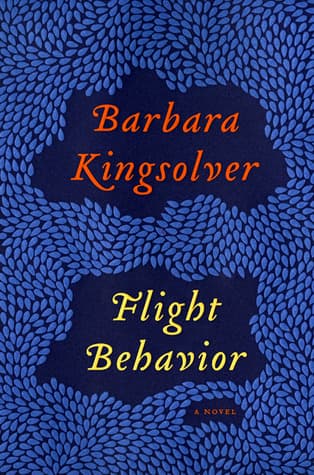
Synopsis
Covers the whole plot, including the ending.
- Difficulty
- Medium
- Pacing
- Moderate
- Mood
- Thought-provoking, Melancholy, Realistic, Empathetic
- Read it if
- You enjoy character-driven literary fiction that explores complex social issues like climate change, poverty, and faith through a deeply personal lens. Perfect for readers who appreciate rich prose, nuanced character development, and a strong sense of place.
- Skip it if
- You prefer fast-paced plot-driven narratives or lighthearted reads. This book tackles heavy themes and features extensive descriptions and introspective moments.
Flight Behavior Plot Summary
Covers the whole plot, including the ending.
A Lake of Fire in the Forest
Dellarobia Turnbow, a restless young farm wife in Feathertown, Tennessee, plans to meet a young lover, Cub, in a secluded spot on the mountain behind her family's failing sheep farm. As she goes up the familiar path, she is surprised to discover the valley below her is filled not with trees, but with an orange sight. Thousands, perhaps millions, of monarch butterflies cover the Oakhaven valley, their wings creating an illusion of a burning forest. Overwhelmed and seeing it as a divine sign, she abandons her meeting and returns home, shaken by what she has seen. Her first attempts to describe the 'miracle' are met with skepticism by her husband, Cub, and his parents, Hester and Bear, who are more concerned with their struggling farm.
The Miracle Attracts Attention
Dellarobia eventually convinces her family to see the sight for themselves, and they, too, are amazed. Word of the 'miracle' quickly spreads beyond Feathertown, attracting local news crews, then national media, and eventually, a team of scientists led by the entomologist Dr. Ovid Byron. Dr. Byron, a Black man from the Caribbean, establishes a research station in the valley, much to the initial suspicion and curiosity of the rural community. The arrival of outsiders brings both excitement and disruption to the town, with tourists and religious pilgrims coming to witness the phenomenon, creating a boom for local businesses but also an uneasy tension between locals and visitors.
Science vs. Faith
Intrigued by Dr. Byron and his scientific approach, Dellarobia offers her help at the research station. She begins working as his assistant, learning about monarch butterflies, their migration, and the serious implications of climate change. Dr. Byron explains that the butterflies have gone thousands of miles off their usual migration route to Mexico, driven north by unusual weather patterns, and are now spending winter in an unexpected location. He warns that the cold Appalachian winter will likely kill them all. This scientific explanation clashes sharply with the common religious interpretations of the phenomenon as a sign from God, particularly supported by Pastor Bobby Ogle and Dellarobia's mother-in-law, Hester.
Family Struggles and Financial Woes
Amidst the scientific and religious excitement, the Turnbow family's financial struggles grow. Cub, Dellarobia's husband, is overwhelmed by the failing sheep farm and his father Bear's declining health and increasing demands. Their son, Preston, is developing asthma, made worse by the family's old, moldy house. Dellarobia's small earnings from working for Dr. Byron are barely enough to make a difference. The family considers selling a portion of their land to a timber company, which would destroy the butterfly habitat. Dellarobia feels increasingly trapped by her circumstances, her early marriage and motherhood having stopped her own aspirations for education and a different life.
The Community Reacts to Climate Change
As Dr. Byron's research progresses, he gives presentations to the community, explaining the science behind the butterflies' displacement and linking it directly to climate change. Many of the locals, including Hester and Pastor Ogle, resist this message, seeing it as an attack on their faith or simply too abstract and distant to affect their daily lives. Dellarobia, however, begins to grasp the urgency of the situation, realizing the global implications of the local phenomenon. She finds herself caught between the scientific understanding she is acquiring and the ingrained beliefs and skepticism of her family and community, particularly her mother-in-law's strong denial.
Personal Revelations and Growing Awareness
Working with Dr. Byron and engaging with his team broadens Dellarobia's worldview significantly. She starts to question her early marriage to Cub, realizing how it limited her potential. She reflects on her own intellectual curiosity, which had been dormant for years. Her interactions with Dr. Byron, while professional, awaken a sense of purpose and intellectual stimulation she had not experienced before. She begins to see the world, her family, and her own life through a new lens, recognizing how environmental issues connect with personal choices and socio-economic factors. She feels a growing responsibility to understand and communicate the truth about the butterflies.
The Threat of Timbering
The Turnbows' financial situation becomes serious, forcing them to consider selling a section of their forested land, the Oakhaven valley where the butterflies are spending winter, to a timber company. This decision would provide much-needed money but would also destroy the habitat and doom the monarch colony. Dellarobia, now aware of the ecological significance, tries to convince Cub and his parents to find an alternative. She argues that the land is more valuable intact, both for the butterflies and potentially for future ecotourism, but the family's immediate financial pressures are immense and override her environmental concerns.
Winter's Harsh Reality
As winter deepens in Feathertown, the temperature drops dramatically. The scientific team, including Dr. Byron, predicts a devastating outcome for the monarchs. The community witnesses the reality as the butterflies, unable to withstand the prolonged cold and lack of food, begin to die in large numbers. The 'lake of fire' transforms into a carpet of dead and dying insects. This tragic event is a clear illustration of the climate crisis, forcing some, even the most skeptical, to confront the scientific reality. The timber deal remains a threat, as the family still needs money despite the butterflies' fate.
Confronting Truths and Making Choices
After the butterfly catastrophe, Dellarobia faces critical decisions. She confronts Cub about their marriage, acknowledging its limitations but also their shared history and love for their children. She also actively works to prevent the timbering of the Oakhaven valley, despite the family's financial needs. She secures a small grant to study local plant species, offering a potential path to sustainable income without destroying the forest. She realizes that while the butterflies are gone, the underlying environmental issues and the need for ecological awareness remain. Her personal 'flight behavior' ends in a determination to forge a new, more informed path for herself and her family.
A New Beginning, A Lingering Question
Dellarobia enrolls in community college, pursuing an education in environmental studies, supported by her family. She continues to work on the land, now with a scientific understanding of its ecosystems. The novel concludes with Dellarobia and her family finding a fragile balance. While the immediate crisis of the butterflies is over, the larger question of climate change and humanity's impact on the planet remains. Dellarobia has transformed from a restless farm wife to an informed advocate, committed to understanding and protecting her environment, even as the future of the planet and her community is uncertain. She has found her voice and her purpose.
Flight Behavior Characters
Dellarobia Turnbow
Protagonist
A restless farm wife whose life is transformed by an ecological discovery.
Dellarobia is a sharp, intelligent, and often sarcastic young woman who feels trapped by her early marriage and motherhood. She married Cub at seventeen after an accidental pregnancy, giving up her dreams of college. She is deeply observant of her surroundings and possesses a strong, if often unexpressed, intellectual curiosity. Her discovery of the monarch butterflies on her family's land propels her into a world of science, climate change, and self-discovery. She struggles with her identity as a wife and mother in a rural, conservative community, and her growing awareness of global environmental issues.
Relationships: Cub Turnbow (Husband, childhood sweetheart, often distant and overwhelmed); Preston Turnbow (Son, suffers from asthma); Cordelia Turnbow (Daughter); Hester Turnbow (Mother-in-law, critical and religiously devout); Bear Turnbow (Father-in-law, patriarch of the farm); Dr. Ovid Byron (Employer, mentor, scientific guide); Cub (the other Cub) (Brief, attempted illicit lover)
Cub Turnbow
Supporting
Dellarobia's well-meaning but overwhelmed husband.
Cub is Dellarobia's husband, a kind but often ineffectual man who struggles to keep their failing sheep farm afloat. He is devoted to his family and his land, but lacks Dellarobia's intellectual curiosity and ambition. He feels the immense pressure of his father's expectations and the financial burdens of the farm. He is initially skeptical of Dellarobia's 'miracle' and later struggles to fully grasp the complexities of climate change, often prioritizing immediate financial needs over long-term environmental concerns. His love for Dellarobia is evident, but their communication is often strained.
Relationships: Dellarobia Turnbow (Wife, childhood sweetheart); Preston Turnbow (Son); Cordelia Turnbow (Daughter); Hester Turnbow (Mother); Bear Turnbow (Father)
Dr. Ovid Byron
Supporting
A distinguished entomologist studying the displaced monarch butterflies.
Dr. Ovid Byron is a brilliant and patient entomologist, originally from the Caribbean, who leads the scientific team studying the monarch butterflies in Feathertown. He is a calm, authoritative figure who navigates the cultural and scientific clashes with grace and determination. He serves as a mentor and intellectual awakening for Dellarobia, patiently explaining the science of climate change and its devastating impact on the monarchs. He represents the voice of scientific reason and the global perspective on environmental issues, often contrasting with the local, faith-based interpretations.
Relationships: Dellarobia Turnbow (Employer, mentor, intellectual companion)
Hester Turnbow
Supporting
Dellarobia's devout and traditional mother-in-law.
Hester is Cub's mother and Dellarobia's mother-in-law, a deeply religious and traditional woman who embodies the conservative values of the rural Appalachian community. She is often critical of Dellarobia, particularly her perceived lack of domesticity and her involvement with the scientists. Hester interprets the butterflies as a divine 'miracle' and resists the scientific explanation of climate change, seeing it as a threat to her faith and way of life. She is a formidable presence in the Turnbow household, her practical nature often clashing with Dellarobia's more introspective one.
Relationships: Dellarobia Turnbow (Daughter-in-law, often critical of her); Cub Turnbow (Son); Bear Turnbow (Husband)
Bear Turnbow
Supporting
The aging patriarch of the Turnbow farm.
Bear is Cub's father and Hester's husband, the patriarch of the Turnbow farm. He is a gruff, traditional farmer who is slowly losing his grip on the farm due to age and declining health. He is deeply tied to the land and its traditions, and his primary concern is the survival of his farm. He struggles with the changes brought by the butterflies and the outsiders, and he is the one pushing for the timber sale to alleviate their financial woes. He represents the older generation's practical, often short-sighted approach to land management.
Relationships: Cub Turnbow (Son); Hester Turnbow (Wife); Dellarobia Turnbow (Daughter-in-law)
Preston Turnbow
Supporting
Dellarobia and Cub's sensitive young son.
Preston is Dellarobia and Cub's young son. He is a sensitive and observant child who suffers from asthma, a condition exacerbated by the damp, moldy conditions of their old farmhouse. His health struggles highlight the precarious living conditions of the family and indirectly connect to the broader environmental themes, as his asthma is affected by air quality. He is often seen playing quietly, sometimes drawing, and represents the innocent generation who will inherit the consequences of climate change.
Relationships: Dellarobia Turnbow (Mother); Cub Turnbow (Father); Cordelia Turnbow (Sister)
Pastor Bobby Ogle
Supporting
The local pastor who interprets the butterflies as a divine miracle.
Pastor Bobby Ogle is the charismatic and influential pastor of the local church in Feathertown. He quickly seizes upon the monarch phenomenon, interpreting it as a direct sign from God, a 'miracle' sent to either warn or bless the community. He uses the event to bolster faith and draw attention to his church, often clashing with Dr. Byron's scientific explanations. He represents the deeply ingrained religious beliefs of the community and their resistance to secular, scientific interpretations of natural events.
Relationships: Hester Turnbow (Parishioner, shares similar beliefs)
Ovid's Team (Pete, Bonnie, et al.)
Supporting
The diverse group of scientists assisting Dr. Byron.
This collective refers to the various graduate students and researchers who arrive with Dr. Byron to study the monarch butterflies. They represent a range of scientific disciplines and backgrounds, bringing a broader, more academic perspective to the rural community. They assist Dellarobia in her work, teach her about scientific methods, and offer a glimpse into a world beyond Feathertown. Their presence highlights the cultural clash between urban academia and rural life, and their dedication underscores the seriousness of the environmental crisis.
Relationships: Dr. Ovid Byron (Leader); Dellarobia Turnbow (Colleague, local guide)
Dovey
Supporting
Dellarobia's best friend and confidante.
Dovey is Dellarobia's closest friend, a fellow farm wife who shares Dellarobia's struggles with rural life but often lacks her friend's intellectual spark. Dovey provides Dellarobia with a sounding board and a sense of normalcy amidst the chaos of the butterflies and scientists. She represents the everyday challenges and perspectives of the women in Feathertown, often offering practical advice or simply a sympathetic ear. Her character highlights the limited opportunities available to women in their community.
Relationships: Dellarobia Turnbow (Best friend)
Flight Behavior Themes
Climate Change and Environmental Crisis
The novel directly addresses the reality and impact of climate change through the unexpected arrival of monarch butterflies in Appalachia. Dr. Byron's scientific explanations, the community's varied reactions, and the ultimate tragic fate of the butterflies illustrate the consequences of a warming planet. The story shows the difficulty of communicating scientific truths to a skeptical public, especially when economic concerns and deeply held beliefs are involved, as seen in the Turnbows' consideration of timbering their land despite its ecological importance.
“The earth is speaking. And the species are listening. We are the only ones who aren't.”
Science vs. Faith
A central tension in the novel is the clash between scientific understanding and religious belief in interpreting the monarch phenomenon. Dellarobia initially sees the butterflies as a 'miracle,' an interpretation reinforced by her mother-in-law Hester and Pastor Ogle. Dr. Byron, however, offers a scientific explanation rooted in climate change. The book explores how individuals reconcile these two worldviews, showing the comfort and community faith provides, but also its potential to hinder acceptance of urgent scientific realities. Dellarobia's journey is largely one of moving from a faith-based interpretation to a scientific one.
“People don't want to hear about what's going to happen to them in the future. They want to hear about what's going to happen to them tomorrow.”
Identity and Self-Discovery
Dellarobia's personal journey is one of self-discovery. Trapped in a life she did not choose, she feels her identity is defined by her roles as wife and mother, and by her rural community. Her encounter with the butterflies and her work with Dr. Byron awaken her intellectual curiosity and a desire for something more. She questions her past choices, her marriage, and her place in the world, ultimately finding a new sense of purpose and identity through education and environmental advocacy. Her 'flight behavior' mirrors the butterflies' migration, symbolizing a search for a new, more sustainable path.
“She had the feeling that she had been sleeping for ten years, and this was the alarm clock.”
Rural Poverty and Class Divide
The novel explores the economic struggles of rural Appalachia, showing the Turnbow family's failing farm and their constant financial anxieties. This poverty drives their consideration of timbering their land, demonstrating how immediate survival needs can overshadow environmental concerns. The arrival of urban scientists and media also exposes a class and cultural divide, with misunderstandings and prejudices arising between the locals and outsiders. The disparity in resources, education, and opportunities between rural and urban populations is a persistent element, shaping characters' perspectives and choices.
“It's easy to be green when you're rich.”
Motherhood and Sacrifice
Dellarobia's identity and choices are influenced by her role as a mother. Her accidental pregnancy at seventeen led her to abandon her educational aspirations and marry Cub. Throughout the novel, her children, Preston and Cordelia, are a central motivation for her actions, from trying to improve their living conditions to seeking a better future. The theme explores the sacrifices mothers make, the guilt they carry, and the protectiveness they feel. Preston's asthma, in particular, links her maternal concerns directly to the environmental issues, as she seeks a healthier environment for her child.
“She had married Cub because she had to, and she loved him because she did.”
Plot Devices & Literary Techniques
The Monarch Butterflies
A central symbol of environmental crisis and natural beauty.
The millions of monarch butterflies are the primary plot device, serving as both a literal natural phenomenon and a powerful symbol. They represent the beauty and fragility of the natural world, as well as the undeniable evidence of climate change. Their unprecedented detour from their migration route forces the characters and the reader to confront the reality of environmental disruption. Their eventual demise underscores the urgency and devastating consequences of human impact on the planet, making an abstract global problem tangible and immediate for the Feathertown community.
The Oakhaven Valley
The setting for the butterfly phenomenon, symbolizing contested land.
The Oakhaven Valley is the specific location where the butterflies settle, making it a focal point for the conflict between science, faith, economic need, and environmental protection. It is a real place on the Turnbow family's land, making the environmental crisis deeply personal and immediate for them. The valley symbolizes the contested ground where human needs intersect with ecological imperative. Its potential timbering represents the ongoing struggle between short-term economic gain and long-term environmental stewardship, and its natural beauty contrasts with the poverty of the Turnbows.
Dellarobia's Internal Monologue
Provides insight into her intelligence, wit, and inner conflict.
Dellarobia's vivid and often sarcastic internal monologue is a crucial plot device, allowing the reader deep access to her thoughts, frustrations, and intellectual awakening. It highlights her sharp mind, her observations about her community, and her struggle to reconcile her personal desires with her societal roles. This internal voice provides humor, pathos, and a nuanced perspective on the complex issues she faces, making her a relatable and compelling protagonist. It's through her inner voice that the reader fully grasps her transformation.
The Outsider (Dr. Ovid Byron)
A catalyst for change and a voice of scientific reason.
Dr. Ovid Byron, as an educated Black man from the Caribbean, is a stark 'outsider' in the predominantly white, rural Appalachian community. His presence serves as a catalyst, introducing scientific knowledge and a global perspective that challenges the locals' insular worldview and religious interpretations. He embodies reason and patience, acting as a foil to the community's skepticism and prejudice. His role is to educate Dellarobia and, by extension, the reader, about the scientific realities of climate change, forcing a confrontation with uncomfortable truths.
Flight Behavior Quotes
“The very least you can do in your life is to figure out what you hope for. And the most you can do is live inside that hope.”
“A person could get lost in the woods of her own life.”
“The butterflies were a sign, but of what she could not say.”
“People see what they want to see.”
“The world is not disposable, and neither are we.”
“Faith is a different animal than proof.”
“Sometimes the thing you're most afraid of is the thing that saves you.”
“We are all just passing through, temporary as weather.”
“The truth has a way of changing its clothes.”
“Home is where you know the stories.”
“You can't unsee a thing once you've seen it.”
“The whole world depends on everything staying in its place.”
“Grief is a house where the chairs have forgotten how to hold us.”
“We are each other's harvest; we are each other's business; we are each other's magnitude and bond.”
Quiz
10 questions on the plot and the characters. Each answer comes with a short explanation.
Question 1
What does Dellarobia Turnbow initially mistake the monarch butterflies for when she first sees them in the valley?
- A forest fire
- A lake of golden leaves
- A supernatural vision from God
- A swarm of locusts
Show answer
A. A forest fire Dellarobia describes the sight as looking like 'a lake of fire' when she first encounters the monarch butterflies clustered in the trees, which she interprets as a miraculous warning.
Question 2
Why was Dellarobia hiking up the mountain road when she discovered the butterflies?
- To check on the family's livestock
- To meet a younger man for a secret affair
- To gather firewood for the winter
- To escape her children for some quiet time
Show answer
B. To meet a younger man for a secret affair Dellarobia was heading to a secret rendezvous with a younger man named Jimmy, seeking escape from her disappointing marriage and life on the failing farm.
Question 3
What major life event caused Dellarobia to abandon her own plans at age seventeen?
- Her father's death
- An unplanned pregnancy
- A family financial crisis
- A religious conversion
Show answer
B. An unplanned pregnancy Dellarobia became accidentally pregnant at seventeen, which forced her to marry Cub Turnbow and give up her personal aspirations, leading to years of domestic dissatisfaction.
Question 4
What is the primary scientific explanation given for why the monarch butterflies have settled in Appalachia instead of Mexico?
- Genetic mutation in the butterfly population
- Climate change altering migration patterns
- Destruction of their Mexican habitat by logging
- A new food source discovered in the area
Show answer
B. Climate change altering migration patterns Biologist Ovid Byron explains that climate change has disrupted the monarchs' normal migration to Mexico, causing them to overwinter in Tennessee instead—a dangerous anomaly.
Question 5
How does Dellarobia's husband Cub primarily react to the butterfly phenomenon and the resulting media attention?
- He becomes an outspoken environmental activist
- He sees it as a financial opportunity for the farm
- He is deeply fearful and wants the butterflies gone
- He ignores it completely and focuses on daily chores
Show answer
B. He sees it as a financial opportunity for the farm Cub, along with his father Bear, views the butterflies as a potential tourist attraction that could bring much-needed income to their struggling farm.
Question 6
What does the character Ovid Byron represent in the novel's exploration of climate change?
- Religious faith confronting science
- Scientific expertise and rational inquiry
- Media sensationalism of environmental issues
- Political manipulation of ecological crises
Show answer
B. Scientific expertise and rational inquiry Ovid Byron is an entomologist who brings scientific understanding to the butterfly phenomenon, representing evidence-based approaches to climate change that contrast with local beliefs.
Question 7
What significant personal transformation does Dellarobia undergo by the end of the novel?
- She becomes a devout member of her church
- She leaves her family to pursue education and independence
- She takes over management of the family farm
- She reconciles completely with her husband Cub
Show answer
B. She leaves her family to pursue education and independence Inspired by her interactions with Ovid and new understanding of the world, Dellarobia decides to leave her marriage and enroll in community college to build her own future.
Question 8
How does the novel use the monarch butterflies as a metaphor for Dellarobia's own life?
- Both are beautiful but trapped in destructive patterns
- Both migrate seasonally without clear purpose
- Both are studied scientifically but not understood emotionally
- Both represent traditional Appalachian values
Show answer
A. Both are beautiful but trapped in destructive patterns Like the displaced monarchs, Dellarobia is stuck in an unnatural situation—a disappointing marriage in a dying farm—and both must find new paths to survival in changing circumstances.
Question 9
What crucial scientific fact does Ovid reveal about the butterflies' survival prospects in Tennessee?
- They will adapt and thrive in the new location
- They are likely to freeze to death during winter
- They will multiply and become an invasive species
- They carry a disease that threatens local wildlife
Show answer
B. They are likely to freeze to death during winter Ovid explains that Tennessee winters are too cold for monarchs, and without their normal Mexican habitat, they risk freezing—a direct consequence of climate disruption.
Question 10
Which character serves as the primary voice of religious interpretation of the butterfly phenomenon?
- Bear Turnbow
- Pastor Bobby Ogle
- Hester Turnbow
- Jimmy the truck driver
Show answer
B. Pastor Bobby Ogle Pastor Bobby Ogle frames the butterflies as either a miracle or a sign from God, representing the community's religious perspective that conflicts with scientific explanations.
Flight Behavior FAQ
What is 'Flight Behavior' about?
The novel follows Dellarobia Turnbow, a restless Appalachian farm wife who discovers millions of monarch butterflies overwintering in a valley near her home—a phenomenon she initially interprets as a miraculous 'lake of fire.' This discovery draws scientists, media, and opportunists to her rural community, forcing Dellarobia to confront climate change, faith, and her own unfulfilled life as she navigates conflicting explanations from her family, church, and a biologist named Ovid Byron.
Why should I read 'Flight Behavior'?
It offers a nuanced exploration of climate change through intimate, character-driven storytelling, blending scientific urgency with the emotional realities of rural life. Kingsolver's lyrical prose and deep empathy for her Appalachian characters make complex environmental issues accessible and human, while Dellarobia's personal transformation from disillusionment to awakening provides a compelling narrative arc.
What is the background/setting of 'Flight Behavior'?
Set in rural Appalachia, primarily on the Turnbow family's struggling sheep farm in Tennessee, the story unfolds in a community grappling with economic decline and entrenched traditions. The isolated mountain valley where the butterflies appear becomes a microcosm for global tensions between science and belief, urban and rural perspectives, and environmental crisis.
What are the most memorable quotes?
Notable quotes include Dellarobia's reflection, 'The awful thing is that beauty is so often the bearer of bad news,' capturing the novel's theme of finding wonder in crisis. Ovid Byron's scientific lament, 'We're in a free fall toward disaster, and nobody even feels it,' underscores the urgency of climate change, while Dellarobia's realization, 'She had been living a small life on a small farm, and now the world had come to her,' marks her expanding awareness.
What writing style does the author use?
Kingsolver employs lyrical, descriptive prose rooted in the rhythms and dialect of Appalachia, blending scientific detail with poetic imagery. The narrative shifts between Dellarobia's intimate, first-person perspective and omniscient observations, creating a rich tapestry that balances personal emotion with broader ecological and social commentary.
What minor details add significant meaning?
The recurring imagery of fire—from Dellarobia's initial perception of the butterflies as a 'lake of fire' to the actual forest fire later—symbolizes both destruction and revelation. Small acts, like Dellarobia secretly reading library books or her son Preston's fascination with science, subtly highlight her yearning for knowledge and escape from her constrained life.
What are some subtle foreshadowing moments?
Early scenes of Dellarobia's discontent and her hike toward an affair foreshadow her eventual 'flight' toward self-discovery. The butterflies' abnormal migration patterns, mentioned casually by characters, hint at the looming climate disaster that drives the plot. Ovid's initial skepticism about local perceptions subtly prefigures the scientific explanations that will challenge Dellarobia's beliefs.
What unexpected character connections exist?
Dellarobia's husband, Cub, shares a quiet bond with their son Preston over farm work, contrasting with Dellarobia's emotional distance. The local preacher, Bobby Ogle, leverages the butterfly phenomenon for religious fervor, creating an unexpected alliance with media opportunists. Dellarobia's mother-in-law, Hester, initially hostile, reveals a hidden past of her own disappointments, mirroring Dellarobia's struggles.
What are unspoken character motivations?
Dellarobia's flirtation with a younger man stems from a deep-seated desire for validation and escape from her sense of entrapment, not just lust. Ovid Byron's dedication to studying the butterflies masks a personal grief over ecological loss, driving his urgency. Hester's harshness toward Dellarobia arises from her own resigned acceptance of a limited life, projecting her frustrations onto her daughter-in-law.
What psychological complexities do characters exhibit?
Dellarobia embodies cognitive dissonance, clinging to religious interpretations of the butterflies while gradually accepting scientific facts, reflecting the tension between faith and reason. Ovid Byron balances scientific rigor with emotional despair, showing how knowledge can lead to isolation. Cub represents passive compliance, avoiding conflict but harboring unspoken resentment over Dellarobia's restlessness.
What are the major emotional turning points?
Dellarobia's first encounter with the butterflies shatters her mundane reality, sparking curiosity and fear. Her conversations with Ovid Byron catalyze an intellectual awakening, challenging her worldview. The forest fire that destroys part of the butterfly habitat forces a confrontation with irreversible loss, and her decision to leave the farm at the end signifies a painful but necessary break from her past.
How do relationship dynamics evolve?
Dellarobia and Cub's marriage deteriorates from quiet dissatisfaction to overt strain as she grows independent, while her bond with Ovid shifts from student-mentor to one of mutual respect and unspoken attraction. Her relationship with Hester moves from antagonism to a grudging understanding of shared female constraints. The community's initial unity around the 'miracle' fractures into factions divided by science, religion, and economic interests.
Which parts remain ambiguous or open-ended?
The ultimate fate of the butterflies and the broader impact of climate change are left unresolved, mirroring real-world uncertainty. Dellarobia's future after leaving the farm is not detailed, leaving her new path open to interpretation. The novel does not definitively side with science or faith, instead presenting both as flawed but necessary human responses to crisis.
What are controversial scenes or decisions?
Dellarobia's near-affair and her eventual decision to abandon her family spark debate about maternal duty versus self-fulfillment. The portrayal of religious characters as sometimes exploitative or naive has drawn criticism for bias. Scenes where scientists dismiss local knowledge highlight tensions between academic expertise and community experience, raising questions about elitism in environmental discourse.
'Flight Behavior' ending explained: how it ends & what it means
The novel ends with Dellarobia leaving her husband and farm to pursue education, symbolized by her driving away as butterflies migrate overhead. This represents her 'flight' toward self-determination and truth, accepting the harsh realities of climate change while embracing personal growth. The ending suggests that individual awakening, though painful, is essential for addressing collective crises, balancing hope with unresolved ecological peril.
About the author
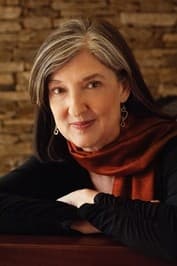
Barbara Kingsolver is a Pulitzer Prize winning American novelist, essayist and poet. She was raised in rural Kentucky and lived briefly in the Congo in her early childhood. Kingsolver earned degrees in biology at DePauw University and the University of Arizona and worked as a freelance writer before she began writing novels. Her widely known works include The Poisonwood Bible, the tale of a missionary family in the Congo, and Animal, Vegetable, Miracle, a non-fiction account of her family's attempts to eat locally.
Similar books
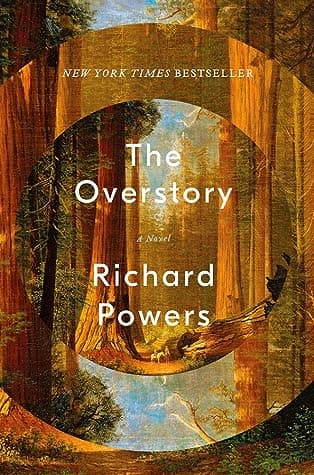
- The Overstory
Richard Powers
4.1 (73k) average on GoodreadsLiterary FictionExplores environmental themes and the interconnectedness of nature and human lives with a literary approach.
- Prodigal Summer
Barbara Kingsolver
4.0 (98k) average on GoodreadsLiterary FictionAnother Kingsolver novel set in Appalachia, focusing on nature, community, and intricate character relationships.
- Where the Crawdads Sing
Delia Owens
4.5 (975k) average on GoodreadsHistorical FictionFeatures a strong female protagonist finding her way in nature, though with a different genre focus.
- The Old Man and the Sea
Ernest Hemingway
3.8 (831k) average on GoodreadsLiterary FictionA Cuban fisherman's long struggle with a giant marlin becomes a story of endurance and dignity, now retold for young adults with illustrations, phonetic guides, and writing prompts in Traditional Chinese.
- One Hundred Years of Solitude
Gabriel García Márquez
4.1 (753k) average on GoodreadsLiterary FictionThrough the multi-generational story of the Buendía family, a mythical town deals with the repeating patterns of time, love, and solitude, as the extraordinary mixes with the ordinary.
- The Goldfinch
Donna Tartt
3.9 (720k) average on GoodreadsLiterary FictionHaunted by a tragic explosion and clutching a stolen Dutch masterpiece, a young orphan navigates the opulent drawing rooms of New York and the gritty underbelly of the art world, desperately seeking connection and redemption amidst a life spiraling into crime and obsession.





Enjoyed the summary?
A summary gives you the shape of the book. The book itself has the detail, the examples and the voice.
Find Flight Behavior on AmazonAs an Amazon Associate, BookBrief earns from qualifying purchases. How we're funded