
Synopsis
Covers the whole plot, including the ending.
- Difficulty
- Medium
- Pacing
- Moderate
- Mood
- Nostalgic, Reflective, Bittersweet, Hopeful
- Read it if
- You enjoy introspective character studies set against a backdrop of sports, particularly baseball, and appreciate a blend of romance and literary fiction.
- Skip it if
- You dislike sports narratives or find stories focused on an aging protagonist's internal monologue to be slow-paced.
For Love of the Game Plot Summary
Covers the whole plot, including the ending.
The Last Game Begins
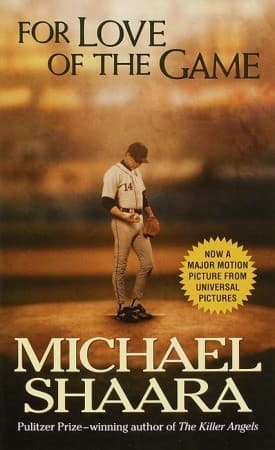
Billy Chapel, a legendary 40-year-old pitcher for the Detroit Tigers, is on the mound at Yankee Stadium, ready to start the season's last game against the New York Yankees. The team owner, Gary Wheeler, tells him the Tigers have been sold, and he and catcher Gus Sinski will be traded, likely ending his career. At the same time, his long-term girlfriend, Jane Aubrey, says she is leaving him for a job in London. Overwhelmed, Billy focuses on the game, trying to ignore the emotional storm. He aims to pitch well, even with his uncertain baseball future and crumbling personal life. His coming retirement and Jane's departure weigh heavily on him as he throws the first pitch.
A Walk Down Memory Lane
Between pitches and innings, Billy thinks back to his relationship with Jane Aubrey. He remembers their first meeting, their moments together, and how their romance slowly fell apart, often because he focused only on baseball. He admits his faults as a partner, realizing he often put the game before her needs. These memories mix with flashbacks to his early baseball days, his young ambition, and the pure joy he felt playing. The difference between his past dedication and present sadness is clear. He thinks about how baseball was both his greatest love and, perhaps, the cause of his greatest loneliness, especially with Jane.
The Perfect Game Takes Shape
Despite his emotional state, Billy pitches with remarkable accuracy. He is not just getting outs; he is dominating the Yankee lineup. The crowd and his teammates slowly notice something special is happening: Billy is pitching a no-hitter. The tension on the field grows with each out, and Billy's focus becomes almost superhuman. He blocks out noise, pain, and memories, putting all his energy into each pitch. Gus Sinski, his veteran catcher, subtly guides him, understanding the importance of the moment. Billy's awareness of the no-hitter creates a strange situation: the game, which is ending his career, also lets him achieve one of baseball's most famous feats.
Jane's Absence and Presence
As the game continues, Billy's thoughts keep returning to Jane. He remembers specific talks, her laughter, her frustration with his baseball-focused life. He pictures her in the stands, though he knows she is not there, having already left for the airport. Her decision to leave him, along with the news of his trade, brings a deep sense of loss. Yet, in a strange way, her memory fuels his performance. He pitches with quiet desperation, as if this perfect game is a final, silent plea or a statement about the life he has lived, a life she was once a main part of. The pain of her absence is a constant feeling beneath the growing tension of the game.
The Weight of Time
During the later innings, Billy's age and the physical demands of his long career start to show. His arm aches, his body tires, but his will remains strong. He thinks about the countless pitches, injuries, and sacrifices he made for baseball. He knows his body is no longer young, and retirement is certain, even if he is not ready to accept it emotionally. The pain in his arm becomes a symbol for the pain in his heart—both are worn down by time and dedication. He understands that this game, this perfect game, might be his last chance to show his lasting skill and passion before time finally catches up.
A Life Devoted to the Game
Between batters, Billy thinks about his single-minded devotion to baseball. He questions if it was worth the personal sacrifices, the loneliness, the broken relationships. He understands that the game defined him and gave him purpose, but it also cost him much. He remembers moments of pure joy on the field, the friendship with teammates, the crowd's roar, contrasting them with the quiet emptiness of his personal life. This internal thought shows a man dealing with the results of a life lived for one passion, wondering if the love of the game truly outweighed everything else. He seeks confirmation in pitching, hoping to find answers there.
Gus Sinski's Support
Throughout the game, Billy relies heavily on his catcher, Gus Sinski. Gus, a veteran himself, understands Billy's mindset and the pressure he is under, both professionally and personally. Their communication is often non-verbal—a glance, a nod, a specific sign. Gus's calm manner and steady presence help ground Billy amid his internal struggles. He knows Gus is one of the few people who truly understands what it means to be a professional baseball player at this point in their careers. Their shared history and mutual respect form a silent, strong bond that helps Billy stay focused and calm through the increasingly tense innings of the no-hitter.
The Ninth Inning
The ninth inning arrives, and Billy Chapel has a perfect game—no hits, no walks, no errors. The stadium is electric, the crowd standing. The pressure is immense, almost unbearable. Billy's arm is screaming in pain, his body exhausted, but his will is steady. He faces the last three batters of the strong Yankees lineup. Each pitch is a fight, a sign of his endurance and skill. He pictures Jane, his career, everything he has loved and lost, putting it all into these last important pitches. The weight of his entire life seems to come together in this single inning, this final chance to make a lasting mark on the game he has always loved.
The Final Out
With all his strength, Billy fights through the ninth inning. He gets the first two outs with pure determination and accuracy. The final batter steps up, and the stadium roars with excitement and disbelief. Billy, gathering every last bit of strength, delivers his final pitches. He throws a fastball, then another, then a curveball that freezes the batter for a called strike three. The umpire's call echoes through the stadium, and the crowd explodes. Billy Chapel has pitched a perfect game. He stands on the mound, amidst the celebration, feeling a quiet triumph and deep emptiness. He achieved the impossible, but the game is still ending, and Jane is still gone.
Post-Game Reflections
In the locker room after the perfect game, Billy is surrounded by happy teammates and media, yet he feels a deep loneliness. The joy of the achievement mixes with the hard truth of his coming retirement and Jane's departure. He speaks briefly to the press, his words quiet. Later, alone, he thinks about what this perfect game means. It is a testament to his skill and dedication, a final, great finish to his career. But it does not change the fact that his baseball life is over, and his personal life is broken. He wonders if Jane heard about the game, if it would make any difference. The future is uncertain, but he carries the weight and glory of his final, perfect performance.
A Phone Call to Jane
Later that night, after the game, Billy finds the courage to call Jane. He knows she is at the airport, getting ready to leave for London. He does not know what to say, or what he hopes for, but he feels he must reach out. The conversation is short, full of unsaid feelings and the weight of their past. He tells her about the game, and she says she heard. There is a moment of shared understanding, a hint of their past connection. While no immediate solution is found, the call is Billy's first step toward dealing with his personal life directly, not through baseball. It is a careful beginning, a sign that perhaps, after the game, there might be a chance for something else.
The Aftermath and Hope
As things settle, Billy deals with the aftermath of the perfect game and the end of his career. He knows the achievement is huge, but it does not magically solve his personal problems. He thinks about his life, realizing how much he sacrificed for the game and how much he ignored Jane. The phone call, though not final, has opened a door. He accepts that his baseball career is likely over, and with that acceptance comes a different kind of freedom. He starts to think about a future where baseball is not his only identity, a future where he might have a chance to rebuild his relationship with Jane, or at least understand himself better. The perfect game, in its ending, has made him look beyond the pitcher's mound.
For Love of the Game Characters
Billy Chapel
Protagonist
A legendary, aging pitcher for the Detroit Tigers.
Billy Chapel is a 40-year-old baseball pitcher, a living legend known for his purity of play and unwavering dedication to the game. He's a man of habit and routine, often emotionally reserved, with a deep, almost spiritual love for baseball. This singular focus has defined his life, giving him immense success on the field but often leaving his personal life neglected. He is thoughtful and introspective, especially when facing the end of his career and the loss of his long-term girlfriend, Jane. He struggles with vulnerability and expressing his deeper emotions, often using baseball as a shield.
Relationships: Jane Aubrey (Long-term girlfriend, complicated by his devotion to baseball.); Gus Sinski (Long-time catcher and trusted friend/confidant.); Gary Wheeler (Team owner, boss, and the bearer of bad news regarding his trade.)
Jane Aubrey
Supporting
Billy's long-term girlfriend, an independent and successful woman.
Jane Aubrey is a smart, independent, and successful woman, likely a journalist or in a similar professional field, who has been in a relationship with Billy Chapel for five years. She loves Billy but has grown weary of his emotional unavailability and his constant prioritization of baseball over their relationship. She makes the difficult decision to leave him and take a job in London, seeking a life where she feels valued and seen. She represents the personal life Billy has neglected and the potential for a future beyond baseball. Her departure acts as a significant catalyst for Billy's introspection.
Relationships: Billy Chapel (Long-term boyfriend, a relationship strained by his singular focus on baseball.)
Gus Sinski
Supporting
Billy's veteran catcher and close friend.
Gus Sinski is the Detroit Tigers' veteran catcher and Billy Chapel's long-time battery mate. He is a steady, reliable presence, both on the field and in Billy's life. Gus understands Billy better than almost anyone, having shared countless innings and the unique pressures of professional baseball. He's a man of few words but deep understanding, offering silent support and guidance to Billy throughout the perfect game. He serves as Billy's anchor, helping him maintain focus and composure during the intense final game, and is also facing the end of his own career.
Relationships: Billy Chapel (Long-time catcher, trusted friend, and professional partner.)
Gary Wheeler
Mentioned
The owner of the Detroit Tigers.
Gary Wheeler is the owner of the Detroit Tigers who informs Billy Chapel of his impending trade and the sale of the team. He represents the business side of baseball, the cold reality that even legends can be expendable. While he respects Billy's talent, his decision is purely financial, underscoring the contrast between Billy's pure love of the game and the commercial forces that govern it. He acts as the catalyst for Billy's professional crisis, forcing Billy to confront the end of his career.
Relationships: Billy Chapel (Team owner and employer, making a business decision affecting Billy's career.)
For Love of the Game Themes
The End of an Era and Legacy
The novel explores an aging athlete facing the end of his career. Billy Chapel, at 40, deals with physical decline and the emotional burden of leaving the only life he has known. His perfect game is a desperate, glorious attempt to secure his legacy and prove his worth one last time, even as his body and the world around him signal the end. This theme is clear in Billy's constant thoughts about his age, past achievements, and the bittersweet realization that his greatest performance might also be his last, as seen when he pushes through great pain in the final innings.
“A man's got to take a stand. He's got to prove who he is and what he can do.”
Love and Sacrifice
This theme looks at the sacrifices made for love, for a person and for a passion. Billy's single-minded, almost obsessive love for baseball has cost him his relationship with Jane Aubrey. The story constantly puts the excitement of the game next to the quiet sadness of his personal life, showing how his dedication to one led to ignoring the other. Jane's departure makes Billy face this imbalance, making him question if loving the game was worth the personal cost, as he sadly remembers their moments while pitching.
“He had loved the game more than he had loved her, and that was the truth.”
Identity and Self-Worth
Billy Chapel's identity is tied to his role as a baseball pitcher. As his career ends, he struggles with who he is without the game. The perfect game becomes not just a professional achievement but a deep personal search for validation and a reaffirmation of his self-worth. It is his way of proving to himself, and perhaps to Jane, that he is still capable of greatness, even as his world falls apart. His internal struggles during the game show a man fighting to define himself outside of a baseball uniform.
“He was a pitcher. That was all he was, all he had ever been.”
The Nature of Obsession
The novel explores the all-consuming nature of obsession, especially Billy's devotion to baseball. His entire life has been built around the game, leading to a deep understanding and mastery of his craft, but also to a narrow focus that separates him from other parts of life. This obsession is both his strength and his tragic flaw, allowing his legendary career while also harming his most important personal relationship. The story clearly shows the thoughts of a man completely absorbed by his single passion, ignoring almost everything else, even when it causes him pain.
“The game was his mistress, his wife, his child, his everything.”
Memory and Reflection
Throughout the game, Billy's actions on the mound are constantly mixed with memories of the past, especially his relationship with Jane and key moments from his career. This stream-of-consciousness style lets the reader understand Billy's mind, the events that shaped him, and the regrets he carries. Pitching becomes a meditative experience, a trigger for deep self-reflection and a look at his life's choices. These memories influence his performance, adding layers of emotional depth to every pitch.
“Each pitch was a memory, a history, a prayer.”
Plot Devices & Literary Techniques
Stream of Consciousness Narration
The story unfolds primarily through Billy Chapel's internal thoughts and memories.
The novel uses a stream of consciousness narrative style, allowing the reader direct access to Billy Chapel's thoughts, feelings, and memories as he pitches the game. This device blurs the lines between present action and past reflection, providing deep insight into Billy's character, his motivations, and his emotional state. It allows the author to explore themes of regret, love, and the passage of time without interrupting the flow of the game, making the internal drama as compelling as the external one.
The Perfect Game as Metaphor
The achievement of a perfect game symbolizes Billy's quest for perfection and a final act of self-definition.
The perfect game Billy pitches serves as a powerful metaphor for his life's pursuit of excellence and his desire for a flawless, controlled outcome in a world that is spiraling out of his control. It represents his ultimate professional achievement, a testament to his skill and dedication, but also a final, desperate attempt to prove his worth and leave an indelible mark. It symbolizes the fleeting nature of greatness and the bittersweet triumph of achieving something extraordinary at the moment of profound loss and change.
Parallel Crises
Billy faces simultaneous professional and personal crises that drive his internal conflict.
The novel employs the device of parallel crises by presenting Billy Chapel with two major life-altering events at the same time: the impending end of his baseball career (via trade/retirement) and the departure of his long-term girlfriend, Jane. These simultaneous challenges amplify Billy's emotional turmoil and force him to confront his life choices and priorities. The professional crisis highlights his identity tied to baseball, while the personal crisis underscores the sacrifices he made, creating a rich internal conflict that fuels his performance and reflections throughout the game.
The Unreliable Narrator (Self-Bias)
Billy's internal monologue, while deeply insightful, is filtered through his own subjective experiences and biases.
While the narration is largely internal to Billy, his perspective on events, especially regarding his relationship with Jane and his own emotional shortcomings, is filtered through his self-perception and biases. He acknowledges his faults but often with a degree of detachment or rationalization that reveals his struggle with self-awareness. This device allows the reader to interpret Billy's character not just from what he says, but also from the subtle ways he avoids or frames certain truths about himself and his impact on others, particularly Jane.
For Love of the Game Quotes
“For the love of the game. That’s why you do it. Not for the money, not for the fame. For the game itself.”
“You can’t just throw the ball. You have to put something of yourself into it.”
“Every pitch, every swing, every out, it’s all part of a story. And tonight, I'm writing the last chapter of mine.”
“It's a lonely place, out there on the mound. Just you and the ball and the batter.”
“The roar of the crowd, it’s like a living thing. It can lift you up or crush you.”
“Some things, you just know. Like a good fastball, or a woman who loves you.”
“You never know when it's going to be your last time. So you play every game like it is.”
“Love isn't always easy. Sometimes it's a curveball you didn't see coming.”
“The silence between pitches, that's where the real game is played. In your head.”
“He wasn't just throwing a ball; he was throwing his heart and soul into every single one.”
“A perfect game. It's not just about no hits, no walks. It's about perfection. For nine innings.”
“She was the one thing he couldn't control, and that made her the most important.”
“The older you get, the more you realize what you're losing. And what you've gained.”
“Baseball is a game of inches. And sometimes, a game of miracles.”
Quiz
10 questions on the plot and the characters. Each answer comes with a short explanation.
Question 1
What significant personal news does Billy Chapel learn just before his final game of the season?
- He has been traded to a rival team.
- His girlfriend, Jane, is leaving him and moving to London.
- He has been offered a lucrative new contract.
- His estranged father has passed away.
Show answer
B. His girlfriend, Jane, is leaving him and moving to London. Billy learns from Jane that she is moving to London, adding significant emotional weight to his final game as he reflects on their relationship.
Question 2
What team is Billy Chapel playing against in his final game of the season?
- The Boston Red Sox
- The New York Yankees
- The Los Angeles Dodgers
- The Chicago Cubs
Show answer
B. The New York Yankees Billy Chapel is pitching against the New York Yankees in what turns out to be a career-defining performance.
Question 3
What is the primary motivation for Billy Chapel to continue pitching, despite his age and the personal turmoil he faces?
- To secure a higher salary for next season.
- To prove his worth to his skeptical teammates.
- His profound love and dedication to the game of baseball itself.
- To impress Jane and convince her to stay.
Show answer
C. His profound love and dedication to the game of baseball itself. The title of the book, 'For Love of the Game,' directly reflects Billy's enduring passion and commitment to baseball, which drives him through his final game.
Question 4
During the game, what significant event does Billy Chapel achieve that makes his final performance legendary?
- He hits a grand slam in the bottom of the ninth inning.
- He pitches a perfect game.
- He breaks the all-time strikeout record.
- He leads his team to win the World Series.
Show answer
B. He pitches a perfect game. Despite his personal struggles, Billy Chapel pitches a perfect game against the Yankees, a rare and monumental achievement in baseball.
Question 5
What is the name of Billy Chapel's long-time catcher and confidante?
- Gus Sinski
- Frank Perry
- Timmy Chapel
- Pete Wheeler
Show answer
A. Gus Sinski Gus Sinski is Billy's trusted catcher, who provides support and understands Billy's pitching style intimately, especially during the perfect game.
Question 6
How does Billy Chapel typically manage his thoughts and emotions while pitching in high-pressure situations?
- He relies heavily on advice from his pitching coach.
- He mentally retreats into a highly focused, almost meditative state, often recalling past memories.
- He engages in frequent conversations with the umpire.
- He uses anger and aggression to fuel his performance.
Show answer
B. He mentally retreats into a highly focused, almost meditative state, often recalling past memories. Billy often drifts into his memories and past experiences during the game, using these reflections as a way to cope with pressure and maintain focus.
Question 7
What is the primary internal conflict Billy Chapel faces throughout the game, beyond the challenge of pitching?
- His struggle with a career-ending injury.
- His regret over not pursuing a different career path.
- His contemplation of his life choices, his relationship with Jane, and the meaning of his career as it potentially ends.
- His rivalry with a younger, up-and-coming pitcher on his own team.
Show answer
C. His contemplation of his life choices, his relationship with Jane, and the meaning of his career as it potentially ends. As Billy pitches, he constantly reflects on his life, his relationship with Jane, and the bittersweet end of his baseball career, creating a deep internal struggle.
Question 8
What specific detail about Billy Chapel's past relationship with Jane is revealed that highlights his dedication to baseball over personal life?
- He missed their engagement party for a game.
- He forgot her birthday multiple times due to travel.
- He once left her stranded at an airport because he was too focused on an upcoming game.
- He refused to introduce her to his family because they disapproved of his career.
Show answer
C. He once left her stranded at an airport because he was too focused on an upcoming game. A key flashback reveals Billy's unintentional neglect of Jane, such as leaving her at an airport, due to his singular focus on baseball, underscoring the theme of sacrifice for his passion.
Question 9
How does the narrative structure of the novel contribute to the reader's understanding of Billy Chapel's character?
- It uses a non-linear structure, constantly shifting between the present game and Billy's past memories and reflections.
- It is told entirely from the perspective of an omniscient narrator, providing objective insight.
- It follows a strict chronological order of his entire life, leading up to the game.
- It primarily uses dialogue between characters to reveal his personality.
Show answer
A. It uses a non-linear structure, constantly shifting between the present game and Billy's past memories and reflections. The novel's structure interweaves the real-time events of the game with Billy's internal monologues and flashbacks, allowing readers to deeply understand his past, motivations, and current emotional state.
Question 10
What is the ultimate resolution for Billy Chapel regarding his career and his relationship with Jane at the end of the novel?
- He retires from baseball and Jane leaves for London permanently.
- He decides to play another season, and Jane reluctantly stays.
- He retires from baseball after his perfect game, and Jane decides to stay with him, having found renewed understanding and connection.
- He is traded to a new team, and Jane follows him, putting her own career aside.
Show answer
C. He retires from baseball after his perfect game, and Jane decides to stay with him, having found renewed understanding and connection. After pitching his perfect game, Billy retires, finding peace with his career. Jane, witnessing his profound dedication and reflecting on their shared history, chooses to stay with him, symbolizing a reconciliation of his two loves.
For Love of the Game FAQ
What is the central conflict Billy Chapel faces during the final game?
Billy Chapel, a aging pitching legend for the Detroit Tigers, is facing his probable last game in the major leagues. He must not only pitch a perfect game against the New York Yankees, but also contend with the news that the team has been sold and he, along with many others, will be traded or forced into retirement, while simultaneously reflecting on his tumultuous relationship with Jane Aubrey.
Who is Jane Aubrey and what is her significance to Billy Chapel's story?
Jane Aubrey is Billy Chapel's longtime on-again, off-again girlfriend, a successful magazine editor. Her decision to leave him for a job in London is the catalyst for much of Billy's emotional turmoil and internal monologue during the game, forcing him to confront his priorities and the sacrifices he made for baseball.
What is the 'perfect game' and why is it so important to Billy?
A perfect game in baseball means a pitcher completes a full game without any opposing player reaching base. For Billy, achieving this rare feat in his final game is not just about personal glory, but a profound statement of his enduring skill, dedication, and love for the sport, a final testament to his career amidst personal and professional uncertainty.
How does Billy's relationship with his catcher, Gus Sinski, evolve during the game?
Gus Sinski is Billy's young, dedicated catcher, and their relationship is one of deep trust and mutual respect. As the game progresses and Billy's perfect game becomes a real possibility, Gus becomes Billy's rock, a silent confidante who understands Billy's struggle and provides unwavering support, embodying the camaraderie of the game.
What role do the flashbacks play in the narrative structure?
The narrative frequently interweaves real-time play-by-play of the game with extensive flashbacks to Billy's past, particularly his relationship with Jane and his early career. These flashbacks provide crucial context for Billy's current emotional state, revealing the sacrifices he made and the lessons he learned about love, loyalty, and the relentless demands of professional baseball.
Are there any subtle indications that Billy's perfect game might be more than just skill?
While not explicitly supernatural, there's a sense of an almost mystical connection between Billy and the game, particularly as he enters the later innings. His ability to focus and execute despite his pain and age, coupled with the sheer improbability of the feat, suggests a confluence of extreme mental fortitude, lifelong dedication, and perhaps a touch of fate aligning for his final act.
What is the significance of the 'Old Man' nickname given to Billy?
The 'Old Man' nickname, used by his teammates and the media, highlights Billy's advanced age for a pitcher and the respect he commands. It underscores his longevity and experience in a youth-driven sport, but also hints at the physical toll the game has taken and the imminent end of his career, making his perfect game even more remarkable.
How does the author use the weather and stadium atmosphere to reflect Billy's internal state?
The biting cold of Yankee Stadium and the sparse crowd early in the game reflect Billy's initial isolation and internal struggle. As the game progresses and the perfect game draws near, the increasing tension in the stadium and the growing roar of the crowd mirror Billy's intensifying focus and the burgeoning hope and excitement within him, creating a palpable emotional landscape.
What is the underlying psychological impact of Billy's lifelong dedication to baseball?
Billy's lifelong dedication to baseball has created a profound sense of identity inextricably linked to the game, leading to emotional stuntedness in other areas of his life, particularly relationships. His inability to fully commit to Jane often stems from his singular focus on pitching, highlighting the psychological cost of such intense, exclusive devotion.
How does Billy cope with the physical pain and mental fatigue during the game?
Billy copes with physical pain and mental fatigue by retreating into a highly disciplined, almost meditative state on the mound, relying on years of muscle memory and an unwavering focus on each pitch. He compartmentalizes his personal worries, using the rhythmic demands of the game as both a distraction and a source of profound concentration, pushing his body and mind to their absolute limits.
What psychological defense mechanisms does Billy employ regarding his relationship with Jane?
Billy frequently uses denial and avoidance regarding the true depth of his feelings for Jane and the impending end of their relationship. He rationalizes his commitment to baseball as necessary, often pushing Jane away, and only truly confronts his emotional neglect and the possibility of losing her when faced with the finality of her departure.
How does the fear of retirement or 'the end' manifest in Billy's actions and thoughts?
The fear of retirement manifests as a deep-seated anxiety about losing his identity and purpose, as baseball has been his entire world. This fear fuels his intense desire to pitch the perfect game, seeing it as a final, definitive statement of his worth and a defiant stand against the inevitability of aging and obsolescence, a desperate grab for control in a changing world.
Is Billy's decision to pitch the perfect game ultimately a selfish or selfless act?
This is debatable; while it's a personal quest for glory and validation, it's also selfless in its demonstration of unwavering commitment and excellence for his team and the fans. By giving everything he has, Billy delivers a legendary performance that transcends his individual ambition, becoming a gift to the game itself, but also a final, desperate attempt to prove his worth to himself and Jane.
What is the book's message about love and sacrifice?
The book suggests that profound love often demands significant sacrifice, and that true fulfillment may require balancing personal passions with relational commitments. Billy's journey highlights how his singular devotion to baseball came at the cost of a stable personal life, ultimately leading him to question if the sacrifices he made were truly worth it, and if he can still find a way to have both.
Does the ending offer a clear resolution for Billy and Jane, or is it left ambiguous?
The ending offers a hopeful, but somewhat ambiguous, resolution. While Billy pitches his perfect game and finally acknowledges his love for Jane, her decision to return is presented as a possibility, not a certainty. It implies that while Billy has finally 'come of age' emotionally, the future of their relationship still requires effort and a rebalancing of priorities, leaving their ultimate fate open to interpretation.
How does the novel explore the theme of legacy?
The novel explores legacy through Billy's desperate attempt to leave an indelible mark on baseball history with his perfect game, contrasting it with the more personal legacy of love and connection he nearly lost with Jane. It questions whether a professional legacy alone is enough, suggesting that true legacy encompasses both achievement and meaningful human relationships.
What does the phrase 'For Love of the Game' truly mean in the context of Billy's story?
The phrase 'For Love of the Game' encapsulates Billy's entire existence, signifying his unwavering, almost spiritual devotion to baseball above all else. However, by the end, it also implies a reevaluation, suggesting that while the love for the game is profound, it must be balanced with the love for people, ultimately asking what truly matters when the game inevitably ends.
About the author

Michael Shaara was an American author of science fiction, sports fiction, and historical fiction. He was born to an Italian immigrant father in Jersey City, New Jersey, graduated in 1951 from Rutgers University, where he joined Theta Chi, and served as a sergeant in the 82nd Airborne Division prior to the Korean War.
Similar books
- The Old Man and the Sea
Ernest Hemingway
3.8 (831k) average on GoodreadsLiterary FictionFeatures an aging protagonist's struggle and reflection during a solitary, climactic event.
- The Art of Fielding
Chad Harbach
4.0 (105k) average on GoodreadsLiterary FictionExplores the lives of baseball players with a focus on internal struggles and relationships.
- Shoeless Joe
W.P. Kinsella
4.0 (13k) average on GoodreadsFantasyBlends magical realism with a deep love for baseball and its historical figures.
- The Natural
Bernard Malamud
3.6 (10k) average on GoodreadsLiterary FictionBoth novels use baseball as a backdrop, but Malamud's 'The Natural' frames its protagonist, Roy Hobbs, as a mythical, almost tragic hero on an epic journey, imbued with allegorical significance. Shaara's Billy Chapel, in contrast, is a more relatable, flawed individual grappling with very human dilemmas of aging, career twilight, and personal relationships, offering a less mythical and more intimate narrative.
- One Hundred Years of Solitude
Gabriel García Márquez
4.1 (753k) average on GoodreadsLiterary FictionThrough the multi-generational story of the Buendía family, a mythical town deals with the repeating patterns of time, love, and solitude, as the extraordinary mixes with the ordinary.
- The Goldfinch
Donna Tartt
3.9 (720k) average on GoodreadsLiterary FictionHaunted by a tragic explosion and clutching a stolen Dutch masterpiece, a young orphan navigates the opulent drawing rooms of New York and the gritty underbelly of the art world, desperately seeking connection and redemption amidst a life spiraling into crime and obsession.





Enjoyed the summary?
A summary gives you the shape of the book. The book itself has the detail, the examples and the voice.
Find For Love of the Game on AmazonAs an Amazon Associate, BookBrief earns from qualifying purchases. How we're funded