
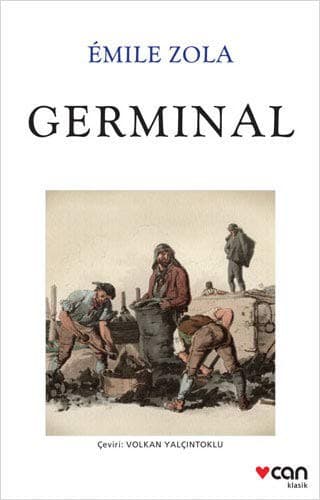
Synopsis
Covers the whole plot, including the ending.
- Difficulty
- Medium
- Pacing
- Moderate
- Mood
- Bleak, Realistic, Empathetic, Outraged, Hopeful
- Read it if
- You are interested in classic historical fiction, social realism, labor history, or stories about class struggle and human endurance against overwhelming odds.
- Skip it if
- You prefer light-hearted stories, dislike detailed descriptions of poverty and suffering, or are sensitive to violence and bleak outcomes.
Germinal Plot Summary
Covers the whole plot, including the ending.
Etienne Arrives at Montsou and Le Voreux
Etienne Lantier, a young unemployed mechanic with a violent streak, arrives in the mining town of Montsou in northern France after being fired from his previous railway job. He immediately notices the bleak, desolate area and the large presence of the Le Voreux mine. Desperate for work, he is taken in by Maheu, a veteran miner who helps him get a job as a 'trammer' (wagon pusher) in the mine, replacing a deceased worker. Etienne moves in with the large Maheu family, including Maheude, the mother, and their many children, among them Catherine, a young girl with whom he quickly develops a relationship, and Zacharie, the eldest son. He is appalled by the harsh working conditions, the poverty, and the constant hunger that affect the mining community, quickly observing their daily struggles.
Life Underground and Budding Relationships
Etienne begins his work in the mine, doing hard labor, dealing with suffocating heat, and constant danger alongside the Maheu family. He works closely with Catherine, who does men's work, and finds himself drawn to her, despite her relationship with Chaval, a jealous and aggressive miner. The daily struggle for survival is clear; families like the Maheus barely earn enough to feed themselves, always in debt to the company store. Etienne observes the miners' resignation and their deep resentment towards the company. He also starts to learn, reading political pamphlets and discussing socialist ideas with Souvarine, an anarchist, and Rasseneur, a more moderate socialist, both of whom live in Montsou.
Growing Discontent and Etienne's Influence
As conditions at the mine worsen, with the company imposing further wage cuts and fines, the miners' unhappiness grows. Etienne, with his understanding of socialist theory and his ability to express their complaints, gradually becomes a leader among his fellow workers. He organizes secret meetings, often in the 'Volcan' tavern run by Rasseneur, where he argues for collective action and a strike. His ideas resonate with the suffering miners, especially the Maheus, who are increasingly desperate. Catherine, torn between her family and her fear of Chaval, also finds herself drawn to Etienne's ideals and his personal appeal, making their relationship more complicated.
The Decision to Strike
The Montsou Mining Company announces another wage reduction, pushing the already poor miners to their limit. This final insult rallies the community. Etienne, having prepared, calls for a general meeting in the forest, away from the company's eyes. In a strong speech, he states their complaints and proposes a strike, arguing that only by refusing to work can they force the company to listen. Despite some initial hesitation and fear, most of the miners, driven by hunger and desperation, vote to go on strike. This decision makes Etienne the recognized leader of the Montsou workers' movement, ready to confront the powerful mining company.
The Early Days of the Strike
The strike begins, and the mines of Montsou fall silent. The first days have a fragile sense of unity and hope, but also immediate, crushing hardship. Families quickly run out of food and money, relying on small strike funds and others' generosity. Etienne works hard to keep morale up, organize patrols, and prevent scabs from breaking the strike. He tries to negotiate with the company, but the director, Hennebeau, refuses to give in. Tensions rise as the miners, especially women like Maheude, become more desperate and aggressive. Chaval, who first supported the strike, gives in to fear and hunger, and tries to force Catherine back to work, further straining his relationship with her and causing conflict with Etienne.
Escalation and Violence
As the strike continues, hunger and desperation turn to rage. Etienne leads a group of striking miners, including Maheude and Levaque, through the mining villages, intimidating scabs and destroying company property. The violence increases when they confront a group of Belgian miners trying to work. Several scabs are attacked and killed, and the group, fueled by alcohol and anger, becomes uncontrolled. The director, Hennebeau, asks the authorities for military help. Meanwhile, Etienne's own morals are tested as he sees the brutal results of the strike, and his relationship with Catherine remains difficult, especially after Chaval takes her to another mine to work, making her a scab.
Military Intervention and Defeat
The arrival of the military, a company of soldiers, ends the strike violently. The soldiers are stationed throughout Montsou, intimidating the starving miners. Despite Etienne's efforts to keep up resistance, the miners, exhausted, starving, and now facing armed force, are defeated. One by one, they are forced to return to work, humiliated and broken. The Maheu family, having lost their patriarch and facing utter poverty, are among the last to give in. The strike, which had promised salvation, ends in failure, leaving the community even poorer and more demoralized. Etienne feels guilt and despair over the outcome, feeling responsible for his comrades' suffering.
Souvarine's Revenge and the Mine Disaster
In an act of vengeance and nihilistic idealism, Souvarine, the anarchist, secretly sabotages the Le Voreux mine. He loosens the bolts on the main supports, causing a massive collapse and flooding. The disaster happens while many miners, including Chaval, Catherine, and Etienne, are working underground. The mine falls into chaos, trapping dozens of workers. The sabotage is devastating, leading to widespread destruction and loss of life, far more than the casualties of the strike itself. Souvarine, seeing the chaos he caused, calmly leaves Montsou, his mission of destruction complete, leaving behind a scene of devastation and despair for the remaining community.
Trapped Underground: Etienne, Catherine, and Chaval
Etienne, Catherine, and Chaval are among those trapped deep within the collapsed mine. They are in a small pocket, cut off from the surface, with limited air and no food. The extreme conditions force them into a brutal struggle for survival. Chaval, always aggressive, continues to torment Catherine and clash with Etienne, even in their terrible situation. As days pass, their supplies run out, and the water level slowly rises. The claustrophobia and despair grow, leading to a violent confrontation between Chaval and Etienne over Catherine, which results in Chaval's death. This leaves Etienne and Catherine alone to face their fate, their complex relationship reaching its tragic end.
Love and Death Underground
With Chaval dead, Etienne and Catherine are left alone in the dark, flooded tunnel. Facing certain death, their feelings for each other finally appear. They embrace, finding a moment of tenderness and love amidst the horror. Catherine confesses her love for Etienne, and they share a brief, intimate connection before her strength gives out. Weakened by starvation, thirst, and the rising water, Catherine dies in Etienne's arms. Etienne, heartbroken and near death himself, clings to life, clinging to Catherine's body, as rescue efforts above ground continue, unaware of the tragic love story unfolding below. He remains trapped, barely conscious, for several more days.
Rescue and Departure
After days of being trapped, Etienne is found alive by rescuers. He is brought to the surface, emaciated and traumatized, the sole survivor of his group. The community, though devastated by the losses, greets his rescue with relief and sorrow. Etienne recovers physically, but is deeply scarred by what he saw and endured, especially Catherine's death. He attends the funerals of his comrades, including Maheu, and thinks about the suffering and sacrifices. Realizing that his work in Montsou is done, and that the immediate struggle is over, he decides to leave, heading for Paris, carrying with him the memories of the strike and the promise of future struggles for justice, a seed of revolution planted within him.
Principal Figures
Etienne Lantier
Protagonist
An unemployed railway worker who becomes a leader of the miners' strike.
Etienne Lantier is a young, intelligent, but uneducated man with a volatile temper, a characteristic he inherited from his family (a recurring theme in Zola's Rougon-Macquart cycle). Arriving in Montsou, he is initially an outsider, but his quick mind and growing socialist convictions quickly propel him into a leadership role among the downtrodden miners. He is driven by a desire for justice and an intellectual curiosity about political ideologies, but also by a deep-seated anger against the exploitation he witnesses. He struggles with his own violent impulses and the moral complexities of leading a desperate strike, ultimately feeling the heavy burden of responsibility for the suffering and deaths.
Relationships: Maheu (mentor figure and surrogate father); Maheude (surrogate mother figure); Catherine Maheu (complex romantic interest and tragic love); Chaval (rival and antagonist); Souvarine (anarchist intellectual influence); Rasseneur (moderate socialist influence)
Catherine Maheu
Supporting
A young miner, caught between Etienne and Chaval, embodying the suffering of working women.
Catherine is the daughter of Maheu and Maheude, a young woman forced to work in the mine alongside men, enduring the same brutal conditions. She is initially depicted as timid and resigned, accepting her harsh fate and her relationship with the abusive Chaval. However, she possesses an inner strength and a quiet dignity. She is torn between her duty to her family, her fear of Chaval, and her growing attraction to Etienne, whose ideas of a better future offer a glimmer of hope. Her character embodies the physical and emotional toll of mining life on women, and her tragic end highlights the ultimate futility of individual love in the face of systemic oppression.
Relationships: Etienne Lantier (complex romantic interest and tragic love); Chaval (abusive boyfriend and tormentor); Maheu (father); Maheude (mother)
Maheu
Supporting
The patriarch of the Maheu family, a veteran miner embodying the working class's resignation.
Maheu is the father of Catherine and the head of the large Maheu family. A skilled and respected miner, he represents the generations of workers who have toiled in the mines, accepting their lot with a stoic resignation. He is a good man, hardworking and devoted to his family, but utterly trapped by the cycle of poverty and debt. He initially resists Etienne's radical ideas, preferring the known hardship to the uncertainty of a strike, but ultimately supports the movement out of desperation. His death during the strike underscores the immense personal cost of the struggle and the vulnerability of the working class.
Relationships: Maheude (wife); Etienne Lantier (mentor and surrogate father to Etienne); Catherine Maheu (daughter)
Maheude
Supporting
The matriarch of the Maheu family, a fierce, suffering woman representing the miners' wives.
Maheude is Maheu's wife and the mother of their numerous children. She is a formidable and fiercely protective woman, constantly battling hunger, debt, and the relentless demands of her large family. She embodies the immense suffering and resilience of the mining women, who manage the household on meager wages and endure the constant fear for their husbands and children underground. Initially skeptical of the strike, she becomes one of its most ardent and violent supporters, her desperation transforming into a powerful, almost primal, rage against the injustices. She is a symbol of the working-class mother, driven to extremes by poverty.
Relationships: Maheu (husband); Etienne Lantier (surrogate son figure); Catherine Maheu (daughter)
Chaval
Antagonist
A jealous and brutal miner, Catherine's initial lover and Etienne's rival.
Chaval is a fellow miner, Catherine's boyfriend, and Etienne's primary rival. He is characterized by his volatile temper, jealousy, and a possessive, often violent, nature towards Catherine. He represents the more backward, self-serving elements within the working class, capable of brutality and betrayal. While he initially participates in the strike, his fear and self-interest quickly lead him to betray his comrades and force Catherine back to work. His rivalry with Etienne is both personal, over Catherine, and ideological, representing a clash between individual survival and collective action. He meets a fittingly brutal end, trapped with his rivals.
Relationships: Catherine Maheu (abusive boyfriend); Etienne Lantier (rival and antagonist)
Souvarine
Supporting
A Russian anarchist who advocates for violent revolution and destruction.
Souvarine is a quiet, intellectual Russian anarchist, a former mechanic who works in the mine. He is a brooding and detached figure, observing the miners' struggles with a nihilistic worldview. He believes in the complete destruction of the existing social order as the only path to true liberation, rejecting both moderate socialism and trade unionism. He advocates for violent sabotage and does not participate in the strike's organized efforts, finding them ultimately futile. His cold, logical fanaticism and his ultimate act of sabotage at Le Voreux represent the extreme, destructive end of revolutionary thought, and he serves as a foil to Etienne's more organized, though still passionate, approach.
Relationships: Etienne Lantier (ideological influence (anarchism))
Rasseneur
Supporting
A former miner and tavern owner, advocating for moderate socialist reform.
Rasseneur is a former miner, now the owner of the 'Volcan' tavern, a popular gathering place for the miners. He represents the more moderate, reformist wing of socialism, advocating for negotiation, compromise, and gradual change rather than violent revolution. He is a skilled orator and initially a rival to Etienne for leadership, though their ideologies differ significantly. He believes in improving conditions through legal means and worker associations, contrasting sharply with Souvarine's radicalism and Etienne's growing militancy. His tavern serves as a key meeting point and a symbol of community, yet also a place of ideological debate.
Relationships: Etienne Lantier (ideological influence (moderate socialism) and rival)
M. Hennebeau
Antagonist
The director of the Montsou Mining Company, representing the detached capitalist class.
M. Hennebeau is the director of the Montsou Mining Company, living a life of luxury completely detached from the suffering of his workers. He embodies the capitalist class, focused on profit and the smooth operation of the mine, viewing the miners as mere cogs in a machine. He struggles with his own personal unhappiness, particularly his wife's infidelity, but remains largely insensitive to the plight of the workers, seeing their demands as unreasonable. His inability to comprehend or empathize with the miners' desperation highlights the vast chasm between the rich and the poor, and his cold, calculating approach to the strike ultimately fuels the workers' rage.
Dénizard
Mentioned
An engineer at the mine, representing the technical and managerial side of the company.
Dénizard is one of the engineers at the Montsou mine, tasked with its technical operation and efficiency. While not a major character, he represents the professional, managerial class within the company, distinct from the ownership but still part of the exploitative system. He is primarily concerned with the practicalities of mining and the technical challenges, often oblivious to or dismissive of the human cost of the operations. He contributes to the overall portrayal of the company's hierarchy and its collective indifference to the miners' welfare.
Relationships: M. Hennebeau (subordinate)
Bonnemort
Supporting
An ancient, crippled miner, symbolizing the generations of suffering.
Bonnemort, meaning 'good death,' is the Maheu family's grandfather, an ancient, crippled miner who has spent his entire life in the pits. He is a living testament to the brutal, generational exploitation of the miners, his body broken and his mind dulled by decades of toil. He represents the historical burden and the cyclical nature of poverty in the mining community, having seen his father and grandfather die in the mines. His silent, brooding presence and his eventual, almost primal, act of violence during the strike symbolize the deep, simmering resentment that has built up over generations.
Themes & Insights
Class Struggle and Exploitation
The main theme of 'Germinal' is the class struggle between the poor miners and the wealthy, uncaring mine owners. Zola clearly shows the exploitation of the workers, who are paid little, live in bad conditions, and face constant danger, while the company directors live in luxury. The strike itself shows this struggle, as the miners try to assert their dignity and demand fair treatment against the strong power of capital. The novel shows the dehumanizing effects of industrial capitalism and the large gap between the working class and the rich.
“It was the awakening of the people, slowly germinating in the depths, the redoubtable pushing of a generation which was ripening for action.”
Poverty and Human Degradation
Zola depicts the poverty that defines the lives of the Montsou miners. The Maheu family, in particular, shows the constant hunger, debt, and lack of basic needs that degrade human life. This theme explores how extreme deprivation takes away dignity, forcing people into desperate acts and eroding their physical and moral well-being. The children are malnourished, the adults are aged early, and the entire community lives in constant struggle, showing how economic conditions can lead to the degradation of the human spirit and body.
“They were no longer men, but a herd of brutes, who had just been driven back into their stall.”
The Cycle of Violence and Revolution
'Germinal' explores the cycle of violence that comes from oppression and desperation. Etienne's own violence, combined with the miners' anger, erupts during the strike, leading to destruction and death. The novel suggests that systematic exploitation leads to violent resistance. The different ideas of Etienne (socialism), Souvarine (anarchism), and Rasseneur (reformism) all deal with how to achieve change, with Souvarine's act of sabotage symbolizing the destructive potential of unchecked revolutionary passion. The novel ends with the idea that while this struggle ended in defeat, the 'germ' of revolution will grow again.
“The earth was germinating, and a black, avenging army of men was slowly sprouting in its furrows, germinating for the harvests of the coming century.”
The Indomitable Human Spirit and Resilience
Despite the suffering and defeat, the novel also shows the resilience and spirit of the people caught in this struggle. Characters like Maheude, who fiercely protects her family, and Etienne, who organizes and inspires, show a great capacity for endurance and hope against impossible odds. Even with starvation, military repression, and mine disasters, the miners continually find the strength to resist, to love, and to dream of a better future. Etienne's survival and his departure, carrying the 'germ' of future struggles, symbolize the persistent human drive for justice and change.
“And he heard the distant rumble of the revolution, still far off, which was slowly germinating in the depths of the earth.”
Plot Devices & Literary Techniques
Naturalism/Determinism
Zola's literary movement, emphasizing environmental and hereditary influences.
As a naturalist novel, 'Germinal' employs determinism, arguing that characters' fates are largely shaped by their heredity, environment, and social conditions. Etienne's inherited 'flaw' (violence), the miners' poverty, and their lack of education are presented as inescapable forces that dictate their choices and outcomes. The bleak landscape, the relentless mine, and the cyclical nature of poverty all contribute to a sense of predestination. This device is used to highlight the systemic nature of oppression and to argue that societal change, rather than individual will, is necessary to alter these predetermined paths. The novel meticulously details the physical and psychological toll of the mining environment on the characters.
Symbolism of Le Voreux Mine
The mine as a monstrous, living entity that consumes its workers.
Le Voreux mine is a powerful symbol throughout the novel. It is frequently personified as a ravenous, monstrous beast, 'devouring' men, 'breathing' its black smoke, and 'digesting' human lives for profit. Its machinery is described with organic, grotesque imagery, emphasizing its role as a living entity that consumes the miners' bodies and souls. The mine represents not just a workplace, but the entire capitalist system that exploits the working class. Its eventual collapse, caused by Souvarine, symbolizes the destructive potential of revolution against this oppressive system, but also the self-destructive nature of unchecked rage, as it buries the very people it was meant to liberate.
The 'Germinal' Title
Symbolizes the seeds of revolution and new beginnings.
The title 'Germinal' refers to the seventh month of the French Republican Calendar, corresponding to late March and early April, a time of spring and germination. This symbolizes the 'germination' or 'sprouting' of a new era, the seeds of revolution being sown amidst the miners' suffering. Despite the tragic defeat of the strike, the novel ends with Etienne hearing the 'distant rumble of the revolution' and the idea that a 'black, avenging army of men was slowly sprouting in its furrows.' This suggests that while the immediate struggle failed, the ideas and the will for change have been planted and will inevitably grow, promising future struggles and a new social order. It offers a glimmer of hope amidst the overwhelming despair.
Juxtaposition of Wealth and Poverty
Contrasting the opulent lives of the bourgeoisie with the destitution of the miners.
Zola frequently employs juxtaposition to highlight the stark contrast between the extreme wealth and comfort of the mine owners and managers (like the Hennebeaus and Grégoires) and the abject poverty and suffering of the miners. Scenes depicting lavish dinners and comfortable homes are placed in close proximity to descriptions of starving families, dilapidated cottages, and the brutal conditions underground. This device serves to underscore the profound injustice and inequality inherent in the social structure, fueling the reader's outrage and providing a clear visual representation of the class divide that drives the novel's conflict. It emphasizes the moral bankruptcy of a system that allows such disparities.
Germinal Quotes
“When the earth trembles, it is because the people are rising.”
“Bread! Bread! We want bread!”
“The mine is a beast that devours men.”
“We are the ones who make the wealth, and we are the ones who starve.”
“Hope is the last thing to die in the heart of man.”
“The strike is a war, and in war there are no rules.”
“Capital is a force that crushes everything in its path.”
“In the darkness of the pit, we are all brothers.”
“The earth is a womb that gives life, but the mine is a tomb.”
“We will rise again from the ashes, like the seed in spring.”
“The rich sleep on silk, while we sleep on hunger.”
“Every man has a right to live, not just to exist.”
“The machine does not tire, but the man breaks.”
“In the end, it is not the strong who survive, but the united.”
Quiz
10 questions on the plot and the characters. Each answer comes with a short explanation.
Question 1
What is the name of the mine where Étienne Lantier finds work at the beginning of the novel?
- Le Charbonnier
- Le Voreux
- Montsou
- La Compagnie
Show answer
B. Le Voreux The mine is explicitly named Le Voreux, which translates to 'The Voracious' or 'The Devouring,' symbolizing how it consumes the lives and health of the miners. This is a key setting where the brutal working conditions unfold.
Question 2
What is Étienne Lantier's profession before he becomes a miner?
- Factory worker
- Railway worker
- Farmer
- Teacher
Show answer
B. Railway worker Étienne is an unemployed railway worker at the start of the novel, which highlights his initial displacement and desperation that leads him to the mines. This background contrasts with the mining community's entrenched poverty.
Question 3
Which character is known for his violent temper and eventually becomes a key figure in the strike?
- Maheu
- Souvarine
- Étienne Lantier
- Chaval
Show answer
C. Étienne Lantier Étienne Lantier is described as having a dangerous temper, which fuels his leadership in the strike. His anger at the exploitation he witnesses drives much of the novel's conflict and action.
Question 4
What event triggers the miners' decision to go on strike?
- A mine collapse that kills several workers
- The company's reduction in wages and introduction of a new payment system
- Étienne Lantier's arrival and speeches
- A severe food shortage in the community
Show answer
B. The company's reduction in wages and introduction of a new payment system The strike is sparked when the mining company imposes a new payment system that reduces wages, exacerbating the already dire poverty of the miners. This economic injustice is a central catalyst for the uprising.
Question 5
Who is Catherine, and what is her relationship to Étienne?
- She is Étienne's sister who helps organize the strike
- She is a miner's daughter who becomes Étienne's love interest
- She is a company spy who betrays the miners
- She is a wealthy benefactor who supports the strikers
Show answer
B. She is a miner's daughter who becomes Étienne's love interest Catherine is the daughter of the miner Maheu and becomes a central love interest for Étienne. Her character highlights the personal and emotional stakes within the broader social struggle.
Question 6
What role does Souvarine play in the novel?
- He is a conservative mine owner opposed to the strike
- He is a Russian anarchist who advocates for violent destruction
- He is a union leader who negotiates with the company
- He is a doctor treating the sick miners
Show answer
B. He is a Russian anarchist who advocates for violent destruction Souvarine is a Russian anarchist who believes in total destruction of the system. His extremist views contrast with Étienne's more organized strike efforts, adding ideological depth to the conflict.
Question 7
How does the strike ultimately end for the miners?
- They achieve all their demands and return to work with better conditions
- The company agrees to minor concessions, but many miners are left worse off
- The government intervenes and nationalizes the mines
- The miners abandon the strike and move to a different region
Show answer
B. The company agrees to minor concessions, but many miners are left worse off The strike ends with the company making small concessions, but many miners are forced to return to work under harsh conditions, highlighting the cyclical nature of exploitation and the limited gains of their resistance.
Question 8
What symbolic meaning does the title 'Germinal' convey in the context of the novel?
- It refers to the germination of seeds, symbolizing hope and renewal for the working class
- It is the name of a secret revolutionary group in the story
- It describes the germ-filled conditions in the mines
- It signifies the germination of a new mining technology
Show answer
A. It refers to the germination of seeds, symbolizing hope and renewal for the working class 'Germinal' is derived from the French revolutionary calendar and symbolizes the sprouting of new life and ideas. In the novel, it represents the burgeoning hope for social change and the potential rebirth of the oppressed miners.
Question 9
What is the significance of the mine disaster that occurs during the strike?
- It is caused by Souvarine as an act of sabotage, leading to further tragedy
- It is a natural accident that unites the miners and owners
- It results in Étienne's death, ending the strike
- It is a minor event that has little impact on the plot
Show answer
A. It is caused by Souvarine as an act of sabotage, leading to further tragedy Souvarine sabotages the mine, causing a catastrophic flood that kills many, including key characters. This act underscores the destructive extremes of anarchist ideology and adds a tragic layer to the strike's aftermath.
Question 10
How does Zola use the Maheu family to illustrate the themes of exploitation and resilience?
- They represent a typical mining family, showing their daily struggles, debts, and eventual disintegration under pressure
- They are wealthy landowners who exploit the miners for profit
- They abandon the mine to start a successful business elsewhere
- They lead a peaceful protest that avoids violence
Show answer
A. They represent a typical mining family, showing their daily struggles, debts, and eventual disintegration under pressure The Maheu family serves as a microcosm of the mining community. Through their experiences—such as hunger, illness, and participation in the strike—Zola vividly portrays the harsh realities of exploitation while also highlighting their enduring human spirit and solidarity.
Germinal FAQ
What is 'Germinal' about?
'Germinal' follows Etienne Lantier, an unemployed railway worker who takes a grueling job at the Le Voreux coal mine in northern France. He witnesses the extreme poverty, debt, and illness of the miners and their families, leading him to organize a strike against the oppressive mining company. The novel depicts the brutal realities of 19th-century industrial exploitation and the miners' desperate struggle for better conditions.
Why should I read 'Germinal'?
You should read 'Germinal' for its powerful depiction of social injustice and human resilience during the Industrial Revolution. Zola's naturalist style immerses you in the grim world of the miners, blending raw emotional drama with sharp political commentary. It remains a timeless exploration of class conflict, solidarity, and the hope for change.
What is the background/setting of 'Germinal'?
The novel is set in the 1860s in the coal mining region of northern France, primarily at the fictional Le Voreux mine. This industrial landscape is characterized by poverty, dangerous working conditions, and a stark divide between the wealthy mine owners and the struggling miners. The setting reflects the harsh realities of the Second French Empire's industrialization.
What are the most memorable quotes?
Memorable quotes include Etienne's rallying cry, 'Bread! Bread! We want bread!' during the strike, and Zola's closing line, 'Men were springing up, a black avenging host was slowly germinating in the furrows, thrusting upwards for the harvests of future ages.' These lines capture the miners' desperation and the novel's theme of revolutionary hope.
What writing style does the author use?
Zola employs a naturalist style, combining detailed, almost scientific observations of the miners' lives with vivid, emotional storytelling. He uses stark imagery to depict the squalor of the mining community and a relentless pace to convey the urgency of the strike. The prose is both brutal and poetic, emphasizing the characters' struggles against their environment.
What minor details add significant meaning?
Minor details like the constant hunger of the Maheu family, symbolized by their watery soup, and the recurring image of the mine's 'black mouth' swallowing workers, underscore the dehumanizing effects of poverty and labor. The canary in the mine, which dies from gas before the miners, serves as a subtle warning of impending disaster.
What are some subtle foreshadowing moments?
Early scenes of mine collapses and gas leaks foreshadow the catastrophic disaster at Le Voreux later in the novel. Etienne's initial idealism about the strike is subtly undercut by hints of his volatile temper, suggesting the potential for violence. The miners' growing debts and the company's refusal to negotiate foreshadow the strike's inevitable failure.
What unexpected character connections exist?
Etienne's romantic involvement with Catherine, the daughter of the Maheu family, creates a personal stake in the miners' plight, blending his political activism with emotional ties. The rivalry between Etienne and Chaval for Catherine's affection mirrors the larger conflict between solidarity and individualism among the strikers. The mine manager Hennebeau's own marital unhappiness subtly parallels the miners' suffering, showing discontent across classes.
What are unspoken character motivations?
Etienne is driven not only by a desire for justice but also by a need for purpose and power, as he rises from an outsider to a strike leader. Catherine stays with the abusive Chaval out of a sense of duty and fear, rather than love, reflecting the limited options for women in this society. The mine owners are motivated by greed and a fear of losing control, but they rarely express this openly, masking it with paternalistic rhetoric.
What psychological complexities do characters exhibit?
Etienne grapples with his own violent impulses, which both fuel his leadership and threaten to undermine the strike's moral high ground. Catherine embodies resilience and passivity, enduring immense suffering while clinging to small hopes. The Maheu family shows a mix of solidarity and desperation, with characters like the father Maheu balancing pride in his work with anger at its exploitation.
What are the major emotional turning points?
Key emotional turning points include the death of Maheu in a violent clash with soldiers, which hardens the miners' resolve and deepens their despair. Catherine's death in the mine collapse, cradled by Etienne, symbolizes the ultimate sacrifice of the working class. The failure of the strike and the miners' return to work under worse conditions marks a moment of crushing defeat, yet the novel ends on a note of lingering hope.
How do relationship dynamics evolve?
Etienne's relationship with the miners evolves from initial suspicion to trusted leadership, then to disillusionment as the strike fails. The bond between Catherine and Etienne shifts from casual attraction to deep, tragic love amid the chaos. Family dynamics in the Maheu household deteriorate under the strain of poverty and strike violence, yet moments of tenderness persist, showing the fragility of human connections.
Which parts remain ambiguous or open-ended?
The novel's ending is ambiguous: while the strike fails and conditions worsen, Zola suggests a 'germinating' hope for future revolution, leaving it unclear whether change will come. Etienne's fate is open-ended as he leaves the mine, with his future activism uncertain. The morality of the violent tactics used by both strikers and the state is left for readers to debate, without clear condemnation or justification.
What are controversial scenes or decisions?
Controversial scenes include the miners' violent attack on the shopkeeper Maigrat, which raises questions about the ethics of their struggle. Etienne's decision to escalate the strike despite the risk of starvation is debated, as it leads to suffering for the community. The use of military force against unarmed strikers, resulting in deaths like Maheu's, highlights the brutality of state repression.
'Germinal' ending explained: how it ends & what it means
The novel ends with the strike's failure, as miners return to work under harsher terms, and Etienne leaves the community. Catherine dies in a mine collapse, symbolizing the cost of the struggle. Zola's closing image of 'germinating' seeds suggests that while immediate change is lost, the spirit of rebellion will grow into future revolutions, offering a bittersweet message of hope amid despair.
What is the significance of the title 'Germinal'?
The title 'Germinal' refers to the seventh month of the French Revolutionary calendar, symbolizing spring and germination. It represents the idea of new growth and revolutionary hope emerging from the dark, oppressive soil of the miners' suffering. Zola uses this metaphor to suggest that the seeds of social change are planted by the strike, even if they do not immediately bear fruit.
How does Zola portray the role of women in 'Germinal'?
Zola portrays women like Catherine and La Maheude as enduring immense hardships, often bearing the brunt of poverty through domestic labor and sacrifice. They show resilience and solidarity, such as when women join the strike protests, but their options are limited by societal constraints. Their suffering highlights the gendered dimensions of industrial exploitation, adding depth to the novel's social critique.
What historical context influences the novel?
'Germinal' is influenced by the real-life coal miners' strikes and labor movements in 19th-century France, particularly during the Industrial Revolution. Zola drew from research on mining conditions and socialist ideas of the time, reflecting the growing class tensions of the Second Empire. The novel critiques capitalist exploitation and anticipates the rise of organized labor, making it a key text in social realist literature.
About the author

Émile Édouard Charles Antoine Zola was a French novelist, journalist, playwright, the best-known practitioner of the literary school of naturalism, and an important contributor to the development of theatrical naturalism. He was a major figure in the political liberalization of France and in the exoneration of the falsely accused and convicted army officer Alfred Dreyfus, which is encapsulated in his renowned newspaper opinion headlined J'Accuse…! Zola was nominated for the first and second Nobel Prize in Literature in 1901 and 1902.
Similar books
- The Grapes of Wrath
John Steinbeck
4.0 (750k) average on GoodreadsHistorical FictionExplores themes of poverty, social injustice, and the resilience of the working class during times of hardship.
- Les Misérables
Victor Hugo
4.2 (683k) average on GoodreadsHistorical FictionA sprawling epic of social injustice, poverty, and human suffering in 19th-century France, with a focus on systemic inequality.
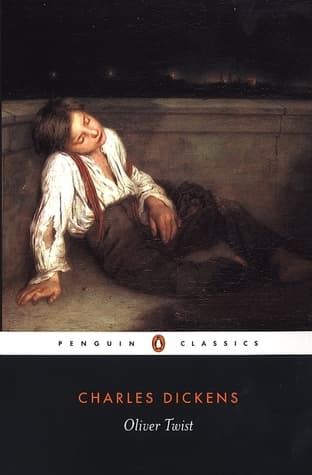
- Oliver Twist
Charles Dickens
3.9 (319k) average on GoodreadsHistorical FictionDepicts the harsh realities of poverty and the lives of the working class in industrializing society, though with a different focus.
- The Jungle
Upton Sinclair
3.8 (129k) average on GoodreadsPoliticsUpton Sinclair's The Jungle (1906) shares significant thematic overlap with Germinal, both being powerful works of social realism exposing the horrific conditions of industrial labor and capitalist exploitation. Sinclair's novel focuses on the American meatpacking industry, using similar naturalist techniques to depict the degradation of immigrants and workers. However, The Jungle is often seen as more overtly didactic and polemical, aiming to directly incite political reform (specifically regarding food safety and socialism), whereas Zola, while clearly having a social conscience, maintained a more detached, 'scientific' observer stance in his narrative. As discussed by scholars like Louis Auchincloss, Sinclair's work, while impactful, sometimes sacrifices literary nuance for its reformist agenda, a criticism less frequently leveled at Zola's more artistically comprehensive vision in Germinal.
- To Kill a Mockingbird
Harper Lee
4.3 (4.5M) average on GoodreadsHistorical FictionIn the 1930s Jim Crow South, Harper Lee writes about racial injustice, moral growth, and the quiet courage of a lawyer father, Atticus Finch, as seen through his young daughter's eyes.
- The Great Gatsby
F. Scott Fitzgerald
3.9 (3.8M) average on GoodreadsHistorical FictionIn the opulent Roaring Twenties, a mysterious millionaire's lavish parties hide his desperate, tragic pursuit of a lost love, exposing the emptiness within the American Dream.




Enjoyed the summary?
A summary gives you the shape of the book. The book itself has the detail, the examples and the voice.
Find Germinal on AmazonAs an Amazon Associate, BookBrief earns from qualifying purchases. How we're funded