

Synopsis
Covers the whole plot, including the ending.
- Difficulty
- Medium
- Pacing
- Moderate
- Mood
- Melancholy, Hopeful, Resilient, Reflective
- Read it if
- You want a poignant, character-driven story of enduring love and familial strength against racial injustice.
- Skip it if
- You prefer fast-paced thrillers or stories with clear, definitive happy endings.
If Beale Street Could Talk Plot Summary
Covers the whole plot, including the ending.
The News and the Beginning
Nineteen-year-old Tish Rivers, the narrator, reveals she is pregnant with her fiancé, Alonzo 'Fonny' Hunt's, child. Fonny is in prison, falsely accused of raping Victoria Rogers. Tish visits Fonny in the detention center, a place full of despair. She struggles to tell him the news, fearing his reaction and the added burden. During their visit, Tish finally tells Fonny she is pregnant. Despite their difficult situation, Fonny is overjoyed. They share a moment of tender hope, confirming their love and commitment to each other and their unborn child, even with injustice around them. The news, though complex, strengthens their resolve.
Family Confrontation and Support
Tish, with her mother Sharon and father Frank, visits Fonny's family to tell them about the pregnancy. Fonny's religious mother, Mrs. Hunt, reacts with anger, accusing Tish of fornication and shaming her family. She disowns Fonny and Tish's child. Fonny's sisters, Adrienne and Sheila, agree with their mother, creating a hostile atmosphere. However, Fonny's father, Joseph, a kind and supportive man, stands by Tish and Fonny, offering his love and financial help despite his wife's objections. This scene shows the contrast between the two families' reactions and strengthens the bond between Tish's family and Joseph.
The Arrest and False Accusation
Tish thinks about the events leading to Fonny's arrest. She describes a night when she and Fonny were in Greenwich Village. A white police officer, Officer Bell, who had previously harassed Fonny, sees them. Later that night, Victoria Rogers is raped. Officer Bell, recognizing Fonny, quickly names him a suspect, even though Fonny was with Tish at the time. The accusation is based on racial prejudice and Officer Bell's personal dislike of Fonny. Victoria, traumatized and pressured by the police, picks Fonny out of a lineup, leading to his imprisonment and the start of their long fight for justice.
The Search for Victoria
To free Fonny, Tish's mother, Sharon, travels to Puerto Rico, where Victoria Rogers has fled. Sharon's goal is to find Victoria and persuade her to tell the truth: that Fonny was not her attacker. Sharon faces challenges, including language barriers and Victoria's trauma. She finds Victoria, who lives in isolation and suffers from severe emotional distress. Victoria, at first resistant, eventually tells Sharon that Officer Bell pressured her to identify Fonny and that she is unsure if he was her attacker. However, her fear of the police and the legal system stops her from publicly retracting her testimony.
The Legal Struggle
The families, especially Tish's parents, Frank and Sharon, and Fonny's father, Joseph, commit to Fonny's defense. They face a corrupt and racially biased legal system that seems determined to keep Fonny in prison. Their lawyer, Hayward, is knowledgeable but expensive, and the financial strain on both families is huge. Frank and Joseph work constantly, taking extra jobs and making sacrifices, to cover legal fees and bail. The process is slow, frustrating, and emotionally draining, showing the systemic injustices Black individuals face in the American justice system. Each court date brings hope and disappointment.
Fonny's Art and Dreams
Tish often thinks about Fonny's love for sculpture and their shared dreams before his arrest. Fonny is a talented artist who finds comfort and expression in working with wood and stone. His art is a source of pride and hope for Tish, representing his gentle spirit and his potential for a good life. They had imagined a future where Fonny could pursue his art and they would raise their family in a home filled with beauty and love. These memories are a painful reminder of what has been taken from them, but also a strong reason to fight for his freedom, so he can reclaim his life and his art.
The Birth of the Child
As Tish's pregnancy continues, the emotional and physical toll grows. Despite the stress of Fonny's case, Tish finds strength in her love for him and their unborn child. The baby's arrival nears, and Tish must face giving birth without Fonny. When the time comes, she delivers a healthy baby boy. The birth is bittersweet, a moment of joy mixed with the sorrow of Fonny's absence. The baby becomes a symbol of their lasting love and a renewed source of hope and determination for Tish and their families.
Frank's Sacrifice and Despair
Frank Rivers, Tish's father, takes on much of the financial burden for Fonny's legal defense. He works tirelessly, taking additional jobs, often at great personal cost. The constant fight against injustice and the financial pressure begin to wear him down. Frank is a proud, hardworking man, but the weight of the situation, the unfairness of Fonny's imprisonment, and the threat to his daughter and grandchild push him to his limit. He eventually steals money for Fonny's bail, a desperate act driven by love and despair, which leads to his own arrest and further complicates the families' situation.
Joseph's Unwavering Support
Joseph Hunt, Fonny's father, contrasts sharply with his judgmental wife. From the moment he learns of Tish's pregnancy and Fonny's false accusation, he offers constant support to Tish and her family. He contributes financially to Fonny's defense, often secretly, as his wife, Mrs. Hunt, would disapprove. Joseph is a kind, compassionate man who sees the injustice clearly and loves his son deeply. He comforts Tish and works with Frank, sharing the burden and the hope. His quiet strength and loyalty are a crucial source of comfort and practical help throughout the ordeal, showing the power of family love against adversity.
The Weight of Injustice
As the legal proceedings continue, the families face the full force of the American justice system's racial bias. The police, the prosecutor, and even the judge seem to disregard the truth, more focused on getting a conviction than on justice. The lack of credible evidence against Fonny, along with Victoria Rogers's uncertain testimony, should lead to his release, but the system works against him. The arbitrary nature of the legal process and the constant delays cause immense emotional and financial strain on Tish, Fonny, and their families, showing the systemic racism that traps innocent Black men in cycles of incarceration.
Fonny's Release and the Future
After a long, difficult fight, and with the help of a sympathetic lawyer and his family's determination, Fonny is eventually released from prison. He is not fully cleared but released on a technicality or through a plea bargain. His release is a moment of great relief and joy for Tish and their families. However, the experience of wrongful imprisonment has deeply scarred Fonny. He is no longer the same carefree artist; the trauma has changed him. The future is uncertain, but with their child and their strong love, Tish and Fonny are determined to rebuild their lives, facing challenges with resilience and hope.
Principal Figures
Tish Rivers
Protagonist
A resilient young woman fighting for her love and family.
Tish is a nineteen-year-old Black woman from Harlem, deeply in love with Fonny. She narrates the story, offering an intimate perspective on love, injustice, and family. Despite her youth, Tish displays immense strength, maturity, and unwavering loyalty. She becomes pregnant with Fonny's child while he is imprisoned, adding another layer of responsibility and determination to her character. Her love for Fonny is the driving force behind her actions, compelling her to endure hardship and fight for his freedom.
Relationships: Fonny Hunt (Fiancée and soulmate, deeply in love); Sharon Rivers (Mother, close and supportive); Frank Rivers (Father, loving and sacrificing); Joseph Hunt (Fonny's father, a supportive ally)
Alonzo 'Fonny' Hunt
Protagonist
A talented sculptor falsely accused and imprisoned.
Fonny is a twenty-two-year-old Black man, a gifted sculptor with a gentle and sensitive spirit. He is Tish's fiancée and the father of her child. Fonny is falsely accused of rape by a racist police officer and subsequently imprisoned, becoming a victim of systemic injustice. His passion for art is a central part of his identity, offering him an escape and a means of expression. Despite his circumstances, he maintains a strong bond with Tish and a deep love for his unborn child, though the imprisonment takes a heavy toll on his spirit.
Relationships: Tish Rivers (Fiancée and soulmate, deeply in love); Joseph Hunt (Father, deeply loved and understood); Mrs. Hunt (Mother, strained and disapproving); Frank Rivers (Tish's father, supportive and protective)
Sharon Rivers
Supporting
Tish's fiercely protective and devoted mother.
Sharon is Tish's mother, a strong, pragmatic, and deeply loving woman. She is the backbone of the Rivers family, providing emotional support and taking decisive action to fight for Fonny's freedom. Sharon is willing to go to great lengths, including traveling to Puerto Rico, to uncover the truth and clear Fonny's name. She embodies resilience and maternal strength, navigating the complexities of the legal system and the emotional toll with unwavering determination. Her actions underscore the theme of familial loyalty and the fight against injustice.
Relationships: Tish Rivers (Daughter, deeply loved and protected); Frank Rivers (Husband, a strong and supportive partnership); Fonny Hunt (Future son-in-law, fiercely protective of him)
Frank Rivers
Supporting
Tish's hardworking and self-sacrificing father.
Frank is Tish's father, a hardworking man who works multiple jobs to support his family. He is quiet, loving, and deeply devoted to Tish and Fonny. Frank struggles immensely with the financial burden of Fonny's legal defense, leading him to desperate measures. His character highlights the devastating economic impact of wrongful incarceration on families. Despite his own struggles and eventual moral compromise, his actions are driven by an overwhelming love for his daughter and his commitment to seeing justice served for Fonny.
Relationships: Tish Rivers (Daughter, deeply loved and protected); Sharon Rivers (Wife, a strong and supportive partnership); Fonny Hunt (Future son-in-law, protective and supportive)
Joseph Hunt
Supporting
Fonny's compassionate and supportive father.
Joseph is Fonny's father, a gentle and compassionate man who stands in stark contrast to his judgmental wife. He is deeply supportive of Fonny and Tish, offering emotional and financial assistance despite his wife's disapproval. Joseph sees the injustice of Fonny's situation clearly and remains a steadfast ally to Tish and her family throughout the ordeal. His character provides a vital source of comfort and practical help, representing unconditional love and familial loyalty against the backdrop of racial prejudice and family discord.
Relationships: Fonny Hunt (Son, deeply loved and supported); Mrs. Hunt (Wife, strained relationship due to differing values); Tish Rivers (Future daughter-in-law, supportive and kind)
Mrs. Hunt
Supporting
Fonny's deeply religious and judgmental mother.
Mrs. Hunt is Fonny's mother, a devoutly religious woman whose faith often manifests as rigid judgment and self-righteousness. She disowns Fonny and Tish's unborn child, viewing their situation as a consequence of sin and bringing shame upon her family. Her character embodies the destructive potential of religious dogma when it is devoid of compassion and understanding. She is a source of conflict and pain for Fonny and Tish, highlighting the internal divisions within the Black community under pressure.
Relationships: Fonny Hunt (Son, disowned and judged); Joseph Hunt (Husband, strained relationship due to differing values); Tish Rivers (Future daughter-in-law, disapproving and hostile)
Officer Bell
Antagonist
The racist police officer who falsely accuses Fonny.
Officer Bell is a white police officer driven by racial prejudice and a personal vendetta against Fonny. He is the primary antagonist responsible for Fonny's false accusation and imprisonment. Bell represents the systemic racism and corruption within the American police force. His actions are motivated by a desire to exert power and control over Black individuals, specifically Fonny, whom he had previously harassed. He manipulates the legal process and pressures Victoria Rogers to identify Fonny, illustrating the devastating impact of racial bias in law enforcement.
Relationships: Fonny Hunt (Victim, target of his racial prejudice); Victoria Rogers (Victim, manipulated by him)
Victoria Rogers
Supporting
The traumatized victim of rape manipulated into identifying Fonny.
Victoria Rogers is the Puerto Rican woman who is raped, and subsequently manipulated by Officer Bell into identifying Fonny as her attacker. She is deeply traumatized by the assault and vulnerable to police pressure. Victoria flees to Puerto Rico, tormented by her experience and the false accusation she made. While not malicious, her actions contribute to Fonny's injustice, highlighting how victims can be exploited by a corrupt system. Her fear of the police and the system ultimately prevents her from recanting her testimony, despite knowing the truth.
Relationships: Fonny Hunt (Falsely accused by her, manipulated by police); Sharon Rivers (Visited by her, attempts to persuade her)
Hayward
Supporting
Fonny's dedicated but expensive lawyer.
Hayward is the lawyer hired by Tish and Fonny's families to defend Fonny. He is intelligent, dedicated, and genuinely believes in Fonny's innocence. However, he operates within a deeply flawed and racially biased legal system. Hayward represents the often-insufficient efforts of even well-meaning individuals against systemic injustice. His services are costly, adding to the immense financial strain on the families, but he works diligently, exploring all avenues to secure Fonny's freedom, demonstrating the limited power of legal counsel against entrenched prejudice.
Relationships: Fonny Hunt (Client, represents him in court); Sharon Rivers (Client's family, communicates with them); Frank Rivers (Client's family, communicates with them)
Themes & Insights
Love and Resilience in the Face of Injustice
The lasting love between Tish and Fonny, and their families' strength, is the main theme. Despite Fonny's wrongful imprisonment, Tish's pregnancy, and the constant fight against a racist legal system, their love remains strong. This appears in Tish's regular visits to Fonny in prison, their shared joy at the baby news, and Sharon and Frank's tireless efforts. The novel suggests that love, in its purest form, can provide strength and hope even in the worst situations, acting as a light against societal oppression. Their love is not naive, but a conscious act of defiance.
“I hope that nobody has ever had to look at anybody they love through bars.”
Systemic Racism and Injustice
The novel clearly shows the widespread and destructive nature of systemic racism in the American justice system. Fonny's false accusation by Officer Bell, the biased legal proceedings, and the difficulty of getting justice are central to the plot. The story illustrates how Black individuals are often assumed guilty, denied fair trials, and subjected to police abuse and manipulation. Tish's family's efforts to navigate this corrupt system highlight its dehumanizing effects and the huge challenges faced by those fighting for justice against deep-seated prejudice. The justice system is shown as a tool of oppression, not fairness.
“The white man, he got the power, and he don’t give a damn about you or me.”
Family and Community Support
The strength and support of Tish's family (Sharon, Frank) and Fonny's father (Joseph) are vital for their survival. In contrast, Mrs. Hunt's disapproval shows the harm of internal division. The novel stresses the importance of family bonds in enduring hardship and fighting injustice. Sharon's trip to Puerto Rico, Frank's financial sacrifices, and Joseph's quiet support show how far family will go for loved ones. This theme emphasizes that while the outside world may be hostile, the inner strength of a united family can offer essential comfort and power.
“Nobody has ever been able to make it alone, not even the strongest of us.”
The Burden of Hope and Despair
The characters constantly move between hope and despair. The hope for Fonny's release, the joy of Tish's pregnancy, and dreams of a future together are often contrasted with the crushing reality of his imprisonment, financial strain, and pervasive injustice. This theme explores the psychological cost of fighting a difficult battle against an oppressive system. Frank's eventual desperation and Fonny's changed demeanor after release show how despair can wear down even the strongest spirits, yet the enduring presence of love and the birth of their child offer a fragile, persistent hope.
“To be a Negro in this country and to be relatively conscious is to be in a rage almost all the time.”
Art as Resistance and Expression
Fonny's love for sculpture is an important theme, representing his inner world, his dreams, and his gentle spirit. His art is a form of resistance against the dehumanizing forces trying to crush him. Even in prison, the memory of his artistic talent and the desire to create sustain him. For Tish, Fonny's art symbolizes his true self, untouched by the injustice he faces. It represents the potential for beauty and creation that the oppressive system tries to suppress, highlighting the importance of artistic expression for maintaining humanity and hope.
“He had to make something, to make something real, to prove to himself that he was real.”
Plot Devices & Literary Techniques
First-Person Narrative (Tish)
The story is told entirely from Tish's perspective.
The use of Tish's first-person narrative provides an intimate and deeply personal lens through which to experience the story. Her voice is imbued with love, anxiety, and a raw honesty that allows the reader to connect directly with her emotional journey. This perspective emphasizes the subjective experience of injustice and the profound impact it has on individuals and families. It also highlights her growth and resilience as she navigates pregnancy, love, and the fight for Fonny's freedom, making the narrative feel immediate and emotionally resonant.
Flashbacks and Non-Linear Storytelling
The narrative frequently shifts between past and present.
Baldwin employs flashbacks to reveal crucial backstory, such as how Tish and Fonny met, the development of their love, and the events leading up to Fonny's arrest. This non-linear structure allows the reader to understand the depth of their relationship and the injustice of Fonny's situation more fully. By interweaving memories of their past happiness with the harsh realities of the present, the device intensifies the emotional impact, highlighting what has been lost and what they are fighting to reclaim, making the tragedy more poignant.
Symbolism of Fonny's Sculpture
Fonny's art represents his spirit, dreams, and potential.
Fonny's sculpture is a powerful symbol throughout the novel. It represents his innate creativity, his gentle nature, and his potential for a beautiful life. His hands, capable of creating beauty, are unjustly imprisoned, symbolizing the crushing of Black artistic and human potential by a racist society. The act of creating art is an assertion of self and dignity in a world that seeks to deny it. Even when he cannot sculpt, the memory and desire to do so keep a part of his spirit alive, representing hope and resistance.
The Title: If Beale Street Could Talk
A metaphorical reference to the untold stories of Black lives.
The title itself functions as a plot device, evoking the rich, painful, and often unheard stories of Black communities, particularly those living in poverty and facing systemic oppression. Beale Street, a historic center of Black culture and music, symbolizes the collective voice and experience of Black people. The 'if it could talk' implies that if these streets, these lives, could truly speak, they would tell tales of profound love, resilience, joy, and heartbreaking injustice, echoing the blues and spirituals. It suggests that the story of Tish and Fonny is just one of many such narratives.
If Beale Street Could Talk Quotes
“I hope that nobody has ever had to look at anybody they love through a pane of glass that was too thick to break.”
“But love is not a condition, it is a person. And love is not a destination, it is a journey.”
“Every man is a poet, but not every man is a writer.”
“And it was that love, which I had not yet recognized, that would save me.”
“Love does not make you gentle, it makes you strong.”
“To be a Negro in this country and to be relatively conscious is to be in a rage almost all the time.”
“A man can't know what it is to be a woman, and a woman can't know what it is to be a man.”
“Lord, I wish I could make you understand. We are so alone.”
“People don't want to be told what they already know. They want to be told what they don't know.”
“The world is not a safe place, and it never will be.”
“It was a terrible thing, to be a Black man in America.”
“He knew that he had to fight, but he didn't know how to fight, and he didn't know who to fight.”
“We were not looking for happiness, we were looking for freedom.”
“Love is a country, and we are all its citizens.”
Quiz
10 questions on the plot and the characters. Each answer comes with a short explanation.
Question 1
What is the name of Tish's beloved, who is falsely accused of a terrible crime?
- Frank
- Fonny
- Daniel
- Ernest
Show answer
B. Fonny Fonny, short for Alonzo, is Tish's fiancé and the father of her child, who is unjustly imprisoned.
Question 2
Through whose eyes is the story primarily told?
- Fonny's mother, Mrs. Hunt
- Tish's mother, Sharon Rivers
- Tish (Clementine Rivers)
- Fonny's sister, Adrienne
Show answer
C. Tish (Clementine Rivers) The novel is narrated in the first person by Tish (Clementine Rivers), giving the reader her intimate perspective on the events.
Question 3
What is the primary theme explored through Fonny's unjust imprisonment?
- The importance of family loyalty in times of crisis
- The corrupting influence of wealth and power
- Racial injustice and the systemic oppression of Black men in America
- The challenges of maintaining a long-distance relationship
Show answer
C. Racial injustice and the systemic oppression of Black men in America Fonny's false accusation and imprisonment are central to the novel's exploration of racial injustice and the devastating impact of the legal system on Black communities.
Question 4
What is Tish's profession or aspiration when the story begins?
- A singer
- A teacher
- A sculptor's apprentice
- A salesgirl at a department store
Show answer
D. A salesgirl at a department store At the beginning of the novel, Tish works as a salesgirl in a department store, a detail that highlights her working-class background.
Question 5
What significant event occurs between Tish and Fonny that leads to their families' increased involvement and urgency?
- Fonny attempts to escape from prison.
- Tish discovers she is pregnant with Fonny's child.
- Fonny is severely beaten by prison guards.
- They receive a substantial anonymous donation for legal fees.
Show answer
B. Tish discovers she is pregnant with Fonny's child. Tish's pregnancy with Fonny's child adds a profound layer of urgency and emotional weight to their struggle for justice, motivating both families further.
Question 6
Which member of Tish's family travels to Puerto Rico to try and find the victim, Victoria Rogers, to recant her testimony?
- Tish's father, Joseph Rivers
- Tish's sister, Ernestine
- Tish's mother, Sharon Rivers
- Tish herself
Show answer
C. Tish's mother, Sharon Rivers Sharon Rivers, Tish's mother, bravely travels to Puerto Rico to try and convince Victoria Rogers to tell the truth, demonstrating her fierce dedication to her daughter and Fonny.
Question 7
What is the primary source of conflict and tension between the Rivers family and the Hunt family (Fonny's family)?
- Disagreements over how to raise Tish and Fonny's child
- Class differences and Mrs. Hunt's judgmental attitude towards Tish and her family
- A dispute over the ownership of Fonny's apartment
- Differing religious beliefs that cause friction
Show answer
B. Class differences and Mrs. Hunt's judgmental attitude towards Tish and her family Mrs. Hunt, Fonny's mother, holds strong classist and religious prejudices, viewing the Rivers family as beneath her and often blaming Tish for Fonny's predicament, creating significant tension.
Question 8
What is the crucial piece of evidence that could potentially clear Fonny's name, but is difficult to obtain?
- A signed confession from the real perpetrator
- The testimony of Daniel, who was with Fonny at the time of the alleged crime
- Surveillance footage from the street where the crime occurred
- A letter from Victoria Rogers admitting she lied
Show answer
B. The testimony of Daniel, who was with Fonny at the time of the alleged crime Daniel, a friend of Fonny's, was with him at the time of the alleged crime and could provide an alibi, but his own past legal troubles make him reluctant and difficult to access.
Question 9
How does the character of Frank, Fonny's father, differ significantly from Mrs. Hunt in his support for Fonny and Tish?
- Frank actively works with Tish's family to raise money, while Mrs. Hunt is dismissive and unhelpful.
- Frank hires a new, more expensive lawyer, while Mrs. Hunt prefers the public defender.
- Frank encourages Fonny to accept a plea bargain, while Mrs. Hunt insists on fighting the charges.
- Frank openly blames Tish for Fonny's situation, while Mrs. Hunt defends her.
Show answer
A. Frank actively works with Tish's family to raise money, while Mrs. Hunt is dismissive and unhelpful. Frank, despite his own struggles, is supportive and works alongside the Rivers family to raise money for Fonny's defense, contrasting sharply with Mrs. Hunt's judgmental and uncooperative attitude.
Question 10
What broader societal issue does Baldwin highlight through the portrayal of Officer Bell and his interaction with Fonny and Tish?
- The challenges of intergenerational conflict within families.
- The pervasive racism and abuse of power by law enforcement against Black individuals.
- The difficulties of navigating the legal system without proper representation.
- The economic disparities that lead to crime in urban areas.
Show answer
B. The pervasive racism and abuse of power by law enforcement against Black individuals. Officer Bell's unprovoked harassment and false accusation of Fonny vividly illustrate the systemic racism and brutality Black people, especially Black men, faced and continue to face from law enforcement.
If Beale Street Could Talk FAQ
What is the central conflict driving the plot of 'If Beale Street Could Talk'?
The central conflict revolves around Fonny, a young Black sculptor, being falsely accused of raping a Puerto Rican woman and subsequently imprisoned. His fiancée, Tish, pregnant with their child, and their families, struggle against a racist justice system to prove his innocence and secure his freedom.
Who narrates the story, and what is her relationship to the main male character?
The story is narrated by Clementine 'Tish' Rivers, a nineteen-year-old Black woman. She is Fonny's fiancée and is pregnant with their child, making her perspective deeply personal and emotionally charged as she recounts their past and present struggles.
What specific details are provided about the alleged crime and the evidence against Fonny?
Fonny is accused of raping a Puerto Rican woman named Victoria Rogers. The 'evidence' against him is primarily Victoria's identification, coerced by a racist detective, Officer Bell, despite Fonny having an alibi placing him at a different location with his friend Daniel at the time of the assault.
How do the families of Tish and Fonny react to his arrest and imprisonment?
Tish's family, especially her mother Sharon and sister Ernestine, are incredibly supportive and actively work to clear Fonny's name. Fonny's mother, Mrs. Hunt, is self-righteous and disapproving, while his sisters are dismissive; only his father, Frank, offers quiet support, though he struggles with his own despair.
What is the significance of the title, 'If Beale Street Could Talk,' within the context of the novel?
The title alludes to the historical 'Beale Street' in Memphis, a vibrant hub of Black culture and music, suggesting that if the collective experiences and unspoken truths of Black communities could speak, they would tell stories of joy, resilience, and profound suffering under systemic oppression, much like Tish and Fonny's tale.
What is the underlying commentary about the American justice system presented in the novel?
The novel portrays the American justice system as inherently biased and racist, particularly against Black men. It highlights how false accusations, corrupt police officers like Officer Bell, and a lack of due process can lead to wrongful convictions, stripping individuals of their freedom and dignity based solely on their race.
How does Baldwin use the character of Daniel to deepen the reader's understanding of systemic injustice?
Daniel, Fonny's friend, was also wrongly imprisoned and sexually assaulted in jail. His experiences, which he recounts to Fonny and Tish, reveal the psychological trauma and dehumanization inflicted by the carceral system, showing that Fonny's fate is not an isolated incident but a pervasive reality for many Black men.
What role does music, particularly the blues, play in the emotional landscape of the book?
The novel's narrative structure and emotional tone evoke the blues, intertwining passion, sorrow, and resilience. The characters' experiences of love, loss, and injustice mirror the themes often found in blues music, acting as a spiritual soundtrack to their struggles and their enduring hope.
Discuss the psychological impact of Fonny's imprisonment on Tish.
Tish experiences profound emotional distress, including despair, anxiety, and a sense of helplessness. Her pregnancy adds another layer of vulnerability, as she grapples with the fear of raising their child without Fonny and the psychological toll of visiting him in prison.
How do the relationships between the women—Tish, Sharon, and Ernestine—contrast with the relationships among Fonny's family?
Tish, Sharon, and Ernestine share a deep, supportive bond, acting as a strong matriarchal unit that actively fights for Fonny. In contrast, Fonny's mother and sisters are judgmental and unsupportive, highlighting the strength and resilience found within Tish's family versus the fractured nature of Fonny's.
What does Fonny's passion for sculpture symbolize within the narrative?
Fonny's sculpture symbolizes his innate creativity, his desire for self-expression, and his pursuit of beauty and truth in a world that denies him these things. It represents his soul and his potential, which are tragically stifled by his wrongful imprisonment and the systemic racism he faces.
How does the novel explore themes of masculinity and vulnerability for Black men?
The novel critiques the societal expectations placed on Black men, who are often denied the space to express vulnerability while simultaneously being targeted by a racist system. Fonny's artistic sensitivity and his emotional struggles in prison reveal the profound damage caused by these pressures and injustices.
What is the significance of the scene where Sharon travels to Puerto Rico to find Victoria Rogers?
Sharon's journey to Puerto Rico is a desperate act of love and determination, symbolizing the lengths the family will go to for justice. It reveals Victoria's own trauma and manipulation by the police, underscoring how racism harms not only its direct targets but also those caught in its web, regardless of their ethnicity.
How does Baldwin depict the impact of racism on the Black family unit?
Baldwin vividly portrays how racism destabilizes and threatens the Black family. It separates lovers, creates financial strain, inflicts emotional and psychological trauma, and forces families to constantly fight for the survival and dignity of their loved ones against an oppressive system.
What is the ultimate fate of Fonny, and what does this convey about the novel's message?
After a year of imprisonment, Frank, Fonny's father, commits suicide, leading Fonny to accept a plea bargain to reduce his sentence. This tragic outcome conveys Baldwin's bleak but honest message that even love and resilience often cannot overcome the crushing weight of systemic injustice and racism in America.
How does the novel challenge traditional notions of 'justice'?
The novel profoundly challenges the idea that the American legal system delivers justice, especially for Black individuals. It exposes how 'justice' can be perverted by racial bias, police corruption, and societal prejudice, leading to the imprisonment of innocent people while the true perpetrators of systemic harm remain unpunished.
What role do the physical settings, particularly the Harlem streets, play in the narrative?
The Harlem streets are not just a backdrop but an active character, embodying the vibrancy, community, struggles, and dangers of Black urban life. They are where Tish and Fonny's love blossoms, where their lives are intertwined with their neighbors, and where the pervasive threat of racial injustice looms.
About the author
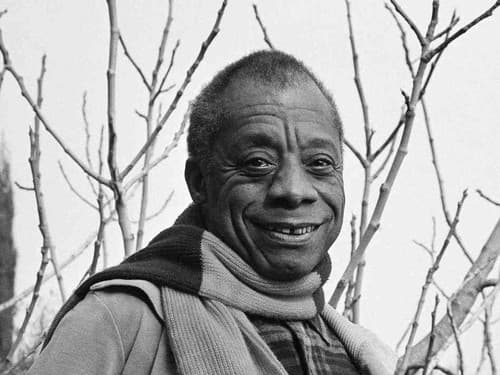
James Arthur Baldwin was an American writer. He garnered acclaim for his work across several forms, including essays, novels, plays, and poems. His first novel, Go Tell It on the Mountain, was published in 1953; decades later, Time magazine included the novel on its list of the 100 best English-language novels released from 1923 to 2005. His first essay collection, Notes of a Native Son, was published in 1955.
Similar books
- Invisible Man
Ralph Ellison
3.9 (157k) average on GoodreadsLiterary FictionExplores themes of racial identity and injustice in America.
- The Hate U Give
Angie Thomas
4.5 (504k) average on GoodreadsYoung AdultDeals with racial injustice, police brutality, and the impact on a young Black protagonist.
- Beloved
Toni Morrison
3.9 (325k) average on GoodreadsLiterary FictionA powerful and emotionally charged narrative exploring the trauma of racism and the strength of familial bonds.
- Native Son
Richard Wright
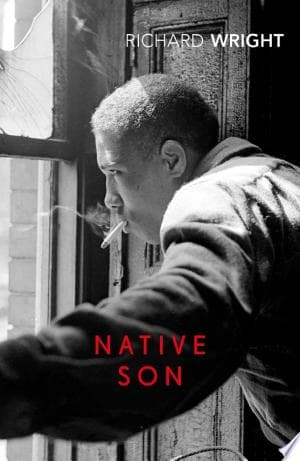
4.0 (89k) average on GoodreadsHistorical FictionWright's novel is a starker, more naturalistic exploration of racial injustice and its psychological toll, focusing on Bigger Thomas's violent acts as a response to systemic oppression. Baldwin's Beale Street foregrounds the innocence and humanity of its protagonists, making the injustice inflicted upon them more agonizing, and emphasizes the resilience of love rather than a descent into violence.
- The Old Man and the Sea
Ernest Hemingway
3.8 (831k) average on GoodreadsLiterary FictionA Cuban fisherman's long struggle with a giant marlin becomes a story of endurance and dignity, now retold for young adults with illustrations, phonetic guides, and writing prompts in Traditional Chinese.
- One Hundred Years of Solitude
Gabriel García Márquez
4.1 (753k) average on GoodreadsLiterary FictionThrough the multi-generational story of the Buendía family, a mythical town deals with the repeating patterns of time, love, and solitude, as the extraordinary mixes with the ordinary.





Enjoyed the summary?
A summary gives you the shape of the book. The book itself has the detail, the examples and the voice.
Find If Beale Street Could Talk on AmazonAs an Amazon Associate, BookBrief earns from qualifying purchases. How we're funded