

Synopsis
Covers the whole plot, including the ending.
- Difficulty
- Medium
- Pacing
- Moderate
- Mood
- Epic, Resilient, Heartbreaking, Hopeful, Richly detailed
- Read it if
- You enjoy sweeping historical sagas with strong female protagonists, exploring themes of slavery, revolution, and personal freedom, set against a rich cultural backdrop.
- Skip it if
- You prefer fast-paced thrillers or lighthearted romance; this book deals with difficult historical realities including slavery and violence.
Island Beneath the Sea Plot Summary
Covers the whole plot, including the ending.
Zarité's Early Life on Saint-Lazare
Zarité, or Tété, is born into slavery on the Saint-Lazare plantation in Saint-Domingue, a French colony. Her mother is an enslaved woman, and her father a white sailor who promptly abandons them. Tété's early life is marked by the harsh realities of plantation slavery, including brutal overseers and relentless labor. She is raised by her grandmother, Ma Cica, who teaches her about their African heritage, the power of storytelling, and the spiritual world of the loas. Tété develops a close bond with other enslaved people on the plantation, including the wise healer Hortense and the rebellious Gambo. Her childhood is devoid of freedom, but she finds resilience and connection through her community and the burgeoning Voodoo practices.
Toulouse Valmorain Arrives and Claims His Inheritance
In 1770, a twenty-year-old Frenchman named Toulouse Valmorain arrives in Saint-Domingue to manage his family's sugar plantation, Saint-Lazare. He is ambitious and initially determined to make the plantation profitable, despite his inexperience and the inherent difficulties of colonial life. Valmorain is a man of his time, viewing enslaved people as property and essential to his wealth. He quickly establishes himself as a stern, though not always cruel, master. He takes a particular interest in Zarité, who is still a young girl, and she is assigned to work in the main house, bringing her into closer proximity to him and his household staff. This move marks a significant shift in Zarité's life, placing her in a precarious position within the master's domain.
Zarité Becomes Valmorain's Concubine and Bears His Children
As Zarité matures into a young woman, Valmorain forces her into a sexual relationship, making her his concubine. This is a common practice on plantations, highlighting the power imbalance and lack of agency for enslaved women. Zarité becomes pregnant and gives birth to a son, Jean-Martin. Later, she bears him a daughter, Rosette. Despite being Valmorain's children, they are still considered enslaved. Zarité cares deeply for her children, navigating the complex and emotionally charged role of a mother whose children are also her master's property. She endures Valmorain's capricious nature and the constant threat of separation from her children, finding solace in her spiritual beliefs and the support of fellow enslaved people.
Marriage and the Arrival of Eugénie Valmorain
Eight years after his arrival, Valmorain travels to France and returns with his new wife, Eugénie. Eugénie is a delicate, refined woman from a good family, completely unprepared for the brutal realities of plantation life and the tropical climate of Saint-Domingue. She struggles with illness, loneliness, and the knowledge of her husband's relationship with Zarité. Eugénie attempts to exert her authority, but her health and mental state deteriorate. She becomes increasingly isolated and dependent on laudanum, further complicating the household dynamics. Her presence creates an even more tense environment for Zarité, who must navigate the mistress's unpredictable moods while continuing to care for Valmorain's children.
The Seeds of Rebellion and Zarité's Escape Attempts
As the revolutionary fervor in France begins to echo in Saint-Domingue, the enslaved population grows increasingly restless, fueled by the injustices and brutal conditions. Gambo, a charismatic and rebellious enslaved man, becomes a leader in the nascent resistance movement. Zarité, though bound by her children, yearns for freedom. She forms a deep connection with Gambo, a man she truly loves, and together they plan an escape. Their attempt is thwarted, leading to harsh repercussions for Gambo, who is punished severely. This event further solidifies Zarité's desire for freedom, but also highlights the immense dangers and sacrifices involved in resisting the system of slavery.
The Haitian Revolution Erupts
The long-simmering tensions erupt into full-scale rebellion as the enslaved people of Saint-Domingue rise up against their French masters. Plantations are burned, and white colonists are massacred. The violence is widespread and brutal, as years of oppression are unleashed. Valmorain, seeing the imminent danger, decides to flee the island. He takes his ailing wife, Eugénie, his two children with Zarité (Jean-Martin and Rosette), and Zarité herself, believing her to be loyal and necessary for the children's care. They embark on a perilous journey, first to Cuba, then eventually to New Orleans, leaving behind the burning chaos of Saint-Domingue, which will soon become the free nation of Haiti.
Life in New Orleans and Zarité's Growing Autonomy
The Valmorain household, including Zarité and her children, settles in New Orleans, a bustling city with a complex social hierarchy that includes a significant population of free people of color. Here, Zarité experiences a degree of freedom and opportunity she never knew in Saint-Domingue. She learns to read and write, begins to earn money through her skills as a seamstress and healer, and develops a network of friends and allies, including the kind-hearted midwife, Tante Rose. While still technically enslaved to Valmorain, the laws and customs of New Orleans offer her more leverage. She starts to envision a future where she and her children can truly be free, cultivating a sense of self-worth and agency.
Valmorain's Decline and Eugénie's Fate
In New Orleans, Valmorain struggles to rebuild his fortune and adapt to a new life without the vast wealth of his plantation. His temperament sours, and his health begins to fail. Eugénie, already fragile, succumbs completely to her opium addiction and mental instability. She eventually dies, a tragic figure consumed by her inability to cope with her circumstances and her husband's infidelities. Her death, while sad, removes a significant obstacle for Zarité, who is now the primary caregiver for the children and holds more influence in the household. Valmorain, increasingly dependent on Zarité, finds himself in a reversal of roles, though he still maintains his master's authority.
Zarité's Path to Freedom and New Love
Through a combination of her own resourcefulness, the changing legal landscape, and Valmorain's weakened state, Zarité eventually secures her freedom and the freedom of her children. She establishes herself as a respected member of the free Black community in New Orleans. She finds love and companionship with Dr. Parmentier, a kind and intelligent French physician who values her intelligence and spirit. Their relationship is built on mutual respect and affection, offering Zarité the genuine love and partnership she always yearned for. She continues to practice her healing arts and raises her children, providing them with opportunities she never had.
Reunion and a New Beginning
Years later, Zarité is unexpectedly reunited with Gambo, who survived the revolution and found his own path to freedom, becoming a respected leader in the newly independent Haiti. Their reunion is emotional, a testament to their enduring bond and the profound impact they had on each other's lives. While Zarité's life with Dr. Parmentier is fulfilling, her connection to Gambo represents her past, her heritage, and the revolutionary spirit that shaped her. The novel concludes with Zarité having forged a life of dignity, love, and purpose, having navigated immense suffering to achieve true freedom and self-determination, always carrying the 'island beneath the sea' – the memory of her origins and her people – within her.
Island Beneath the Sea Characters
Zarité (Tété)
Protagonist
Enslaved woman who endures hardship to find freedom and love.
Zarité, known as Tété, is born into slavery on the Saint-Lazare plantation in Saint-Domingue. She is resilient, intelligent, and deeply connected to her African heritage and Voodoo spirituality, which provides her strength and solace. Despite being subjected to brutal conditions and forced into a concubine relationship with her master, Valmorain, she fiercely protects her children and maintains her inner dignity. Her journey from property to a free, independent woman in New Orleans is the central arc of the novel, driven by her unyielding desire for freedom and a life of her own choosing.
Relationships: Toulouse Valmorain (Master and forced concubine, father of her children); Gambo (Fellow enslaved person, revolutionary, and true love); Jean-Martin (Son); Rosette (Daughter); Hortense (Mentor and friend); Dr. Parmentier (Husband/partner in New Orleans)
Toulouse Valmorain
Antagonist/Major Supporting
French plantation owner who embodies the colonial mindset.
Toulouse Valmorain is a young, ambitious Frenchman who inherits the Saint-Lazare plantation. He is initially driven by a desire for wealth and social standing, viewing enslaved people as property essential to his success. He is a complex character, capable of moments of relative 'kindness' within the brutal system of slavery, but ultimately self-serving and entitled. He forces Zarité into a sexual relationship and fathers her children. His life takes a downturn after the Haitian Revolution, forcing him to adapt to a new, less powerful existence in New Orleans, where he becomes increasingly dependent on Zarité.
Relationships: Zarité (Master and forced concubine, father of her children); Eugénie Valmorain (Wife); Jean-Martin (Son); Rosette (Daughter)
Gambo
Supporting
Rebellious enslaved man and Zarité's true love.
Gambo is a strong, charismatic, and rebellious enslaved man on the Saint-Lazare plantation. He becomes a leader in the burgeoning resistance movement, embodying the spirit of defiance against oppression. He shares a deep, genuine love with Zarité, offering her emotional support and a vision of freedom beyond her immediate circumstances. His attempts to escape and his involvement in the Haitian Revolution are pivotal. He represents the revolutionary spirit and the quest for collective freedom, contrasting with Zarité's more personal struggle for individual liberation.
Relationships: Zarité (Lover and fellow revolutionary spirit)
Eugénie Valmorain
Supporting
Valmorain's delicate and ill-fated French wife.
Eugénie is Valmorain's wife, a refined Frenchwoman ill-suited for the harsh realities of Saint-Domingue. She suffers from chronic illness, loneliness, and a growing addiction to laudanum. She is aware of her husband's infidelity with Zarité, which contributes to her despair and mental decline. Eugénie represents the fragility of the colonial elite when faced with the unforgiving environment and moral compromises of plantation life. Her eventual death in New Orleans is a tragic consequence of her circumstances and her inability to adapt.
Relationships: Toulouse Valmorain (Husband); Zarité (Husband's concubine, caregiver for the children)
Jean-Martin Valmorain
Supporting
Zarité and Valmorain's son, caught between two worlds.
Jean-Martin is Zarité and Valmorain's son, born into slavery but with white paternity. He is a sensitive and intelligent boy who benefits from Zarité's fierce protection and the opportunities available in New Orleans. His mixed heritage places him in a unique social position, navigating the complexities of race and class in a society that defines people by skin color. He eventually pursues an education and becomes a respected member of society, representing the potential for a new generation to transcend the legacy of slavery.
Relationships: Zarité (Mother); Toulouse Valmorain (Father); Rosette (Sister)
Rosette Valmorain
Supporting
Zarité and Valmorain's daughter, who finds her own path.
Rosette is Zarité and Valmorain's daughter, and Jean-Martin's younger sister. Like her brother, she is of mixed heritage and born into slavery. She is a spirited and artistic child, who also benefits from the move to New Orleans and her mother's efforts to secure their freedom. Rosette's journey involves discovering her own identity and pursuing her passions, eventually marrying and establishing her own family. She represents the resilience and potential for joy and fulfillment that can emerge from even the most difficult beginnings.
Relationships: Zarité (Mother); Toulouse Valmorain (Father); Jean-Martin (Brother)
Hortense
Supporting
Wise enslaved healer and spiritual guide for Zarité.
Hortense is an older, wise enslaved woman on the Saint-Lazare plantation who serves as a healer and spiritual mentor to Zarité. She is deeply connected to African traditions and Voodoo practices, providing Zarité with guidance, comfort, and knowledge of herbal medicine and spiritual protection. Hortense represents the enduring strength of cultural heritage and the community bonds forged among enslaved people, offering a sense of identity and resistance against the dehumanizing system of slavery. She is a source of strength and wisdom for Zarité throughout her early life.
Relationships: Zarité (Mentor and friend)
Dr. Parmentier
Supporting
Kind French physician who becomes Zarité's husband.
Dr. Parmentier is a compassionate and intelligent French physician whom Zarité meets in New Orleans. He treats her with respect and recognizes her inherent worth and intelligence, seeing beyond the social constructs of race and class. He falls in love with Zarité and eventually marries her, providing her with a stable, loving partnership and a home built on mutual respect. Dr. Parmentier represents a progressive, humane perspective, offering a stark contrast to Valmorain's colonial mindset and embodying the possibility of genuine connection across social divides.
Relationships: Zarité (Husband/partner)
Ma Cica
Supporting
Zarité's grandmother and early spiritual guide.
Ma Cica is Zarité's grandmother, who raises her in the absence of her mother. She instills in Zarité a strong connection to her African ancestry, teaching her stories, songs, and the spiritual practices of their people. Ma Cica is a foundational figure in Zarité's life, providing her with a sense of identity and resilience despite her enslaved status. She represents the passing down of cultural heritage and the importance of ancestral knowledge in surviving oppressive circumstances.
Relationships: Zarité (Grandmother and mentor)
Island Beneath the Sea Themes
Freedom and Emancipation
The novel's central theme revolves around the multifaceted concept of freedom – physical, emotional, and spiritual. Zarité's entire life is a struggle for emancipation, first from chattel slavery in Saint-Domingue, then from the lingering psychological chains of her past in New Orleans. The Haitian Revolution provides the backdrop for collective liberation, while Zarité's personal journey highlights the individual's quest for autonomy. Her eventual ability to choose her own path, love, and identity underscores that true freedom extends beyond legal status.
“She had survived, and that was a kind of freedom, a victory that no one could take from her.”
Identity and Self-Discovery
Zarité's journey is one of profound self-discovery. Born without a clear identity beyond 'slave,' she slowly forges who she is through her African heritage, Voodoo beliefs, motherhood, and experiences. She navigates the complex racial and social hierarchies of both Saint-Domingue and New Orleans, constantly redefining herself. Her ability to hold onto her cultural roots while adapting to new environments allows her to build a strong sense of self, culminating in her becoming a respected and independent woman, proud of her mixed heritage and her past.
“She was not just a slave, not just a concubine, not just a mother. She was Zarité, and she carried the island beneath her skin.”
Love and Resilience in Adversity
Despite the brutality and suffering Zarité endures, love in various forms serves as a powerful force for her resilience. Her fierce love for her children, the deep affection for Gambo, the mentorship of Hortense and Ma Cica, and eventually the genuine partnership with Dr. Parmentier all provide her with strength, purpose, and solace. The novel demonstrates how love, even amidst the cruelest circumstances, can sustain the human spirit and drive one to survive and thrive. It highlights the enduring capacity for connection and compassion.
“Love was the only thing that made sense in a world gone mad.”
The Brutality and Legacy of Slavery
The novel unflinchingly portrays the horrors of slavery in Saint-Domingue – the physical violence, forced labor, sexual exploitation, and the dehumanization of enslaved people. It details the economic motivations behind the system and its devastating impact on both the enslaved and, in different ways, the enslavers. The legacy of slavery continues to influence characters even after emancipation, particularly through the trauma, racial prejudice, and social stratification they encounter in New Orleans, emphasizing that freedom is a gradual, complex process, not a singular event.
“Slavery was a disease that infected everything, even the air they breathed.”
Cultural Heritage and Spirituality (Voodoo)
Zarité's African heritage and her connection to Voodoo spirituality are fundamental to her identity and survival. The rhythms of the drums, the stories of the loas, and the practices of healing and spiritual protection provide her with a powerful inner world and a sense of belonging. Voodoo is depicted not as a dark, superstitious practice, but as a rich, vibrant belief system that offers agency, community, and a spiritual connection to ancestors and nature. It is a source of resistance and cultural preservation against the efforts to strip enslaved people of their identity.
“The loas whispered to her in her dreams, reminding her that she was never truly alone.”
Plot Devices & Literary Techniques
Dual Perspective/Intertwined Lives
Narrative structure focusing on Zarité and Valmorain's parallel yet dependent journeys.
The novel primarily follows Zarité's perspective, but it also delves into Valmorain's thoughts and experiences. This device highlights the profound and often disturbing interdependence between master and enslaved, revealing the complexities of their shared history. By intertwining their narratives, Allende underscores how their lives, though vastly different in power and privilege, are inextricably linked by the institution of slavery and the children they share, allowing for a more nuanced exploration of their individual and societal roles.
Historical Backdrop of the Haitian Revolution
The use of a major historical event as a catalyst for plot and character development.
The Haitian Revolution is not merely a setting but a pivotal plot device that drives the narrative forward. It acts as a cataclysmic force, forcing characters to flee, adapt, and confront the brutal realities of their world. The revolution's impact directly shapes Zarité's path to freedom and Valmorain's decline in status. It provides a dramatic and historically accurate context for the individual struggles for freedom and justice, illustrating how macro-historical events profoundly alter personal destinies and reshape societies.
Symbolism of the 'Island Beneath the Sea'
A recurring metaphor for Zarité's enduring heritage and inner world.
The 'island beneath the sea' is a powerful metaphor that refers to Zarité's memories of Saint-Domingue, her African heritage, and the Voodoo spirits (loas) that reside within her. Even after leaving the physical island, this 'island' remains a vital part of her identity, providing strength, guidance, and a connection to her roots. It symbolizes the resilience of cultural memory and the idea that one's origins and spiritual world are an intrinsic, unshakeable part of who they are, regardless of physical location or imposed circumstances.
Voodoo and Spirituality
A cultural and spiritual system as a source of strength and narrative insight.
Voodoo is more than just a cultural detail; it functions as a critical plot device. It provides Zarité with a moral compass, a source of comfort, and a means of understanding the world. Her connection to the loas and her practice of healing arts give her agency and power in a world where she has little. Voodoo rituals, dreams, and spiritual guidance often foreshadow events, offer solutions, or provide insight into characters' emotional states, weaving the spiritual realm directly into the fabric of the narrative and Zarité's personal journey.
Island Beneath the Sea Quotes
“The past is a stubborn thing, and the future is a dream.”
“Freedom, like love, is a gift that must be claimed, not waited for.”
“The heart has its own reasons, which reason knows nothing of.”
“There are wounds that time can never heal, only cover with a thin skin of forgetfulness.”
“Hope is a small, fragile plant, but it can grow in the harshest soil.”
“To be truly free, one must first be free in one's mind.”
“Love is not a cage, but wings to fly.”
“The world is full of ghosts, and some of them are still alive.”
“Every person carries a secret island within them, a place where their true self resides.”
“Revenge is a bitter meal, and it often poisons the one who eats it.”
“Beauty can be a blessing and a curse, depending on whose eyes perceive it.”
“The greatest prison is not made of iron bars, but of fear.”
“Life is a tapestry woven with threads of joy and sorrow, light and shadow.”
“Silence can be a weapon, a shield, or a scream.”
Quiz
10 questions on the plot and the characters. Each answer comes with a short explanation.
Question 1
What is the name of the plantation Toulouse Valmorain inherits and attempts to run on Saint-Domingue?
- La Esperanza
- Belle Reve
- Saint-Lazare
- Valmorain Estate
Show answer
C. Saint-Lazare Toulouse Valmorain arrives in Saint-Domingue to manage his father's plantation, which is explicitly named Saint-Lazare in the book's description, setting the stage for his interactions with Zarité.
Question 2
What is Zarité's nickname, used by her fellow slaves and throughout much of the narrative?
- Mambo
- Tété
- Loa
- Zari
Show answer
B. Tété Zarité is known as Tété. This nickname is introduced early in the description and is her common appellation, highlighting her personal identity within her community.
Question 3
What year does Toulouse Valmorain arrive on Saint-Domingue?
- 1760
- 1770
- 1780
- 1790
Show answer
B. 1770 The book explicitly states that Toulouse Valmorain arrives on the island in 1770, marking the beginning of his struggle with plantation life and his connection to Zarité.
Question 4
What cultural elements provide solace and a sense of identity for Zarité amidst her brutal childhood?
- Learning to read and write in secret
- The traditional rhythms of African drums and voodoo loas
- Praying in the local Catholic church
- Escaping to live with Maroons in the mountains
Show answer
B. The traditional rhythms of African drums and voodoo loas The description highlights that Zarité finds solace in 'the traditional rhythms of African drums and in the voodoo loas she discovers through her fellow slaves,' which are central to her cultural and spiritual resilience.
Question 5
What is the primary motivation for Toulouse Valmorain's arrival on Saint-Domingue?
- To escape political turmoil in France
- To study the local flora and fauna
- Dreams of financial success by running his father's plantation
- To find a suitable bride from a wealthy family
Show answer
C. Dreams of financial success by running his father's plantation Valmorain arrives with 'dreams of financial success in his mind' related to running his father's plantation, indicating his capitalist ambitions are his main driver.
Question 6
How long after his arrival does Toulouse Valmorain bring home a bride?
- Immediately upon arrival
- Two years
- Eight years
- Fifteen years
Show answer
C. Eight years The text states, 'It will be eight years before he brings home a bride,' indicating a significant passage of time before this plot development.
Question 7
What is Zarité's parentage, as described in the book's summary?
- Both parents were slaves on the same plantation.
- Her mother was African, and her father was one of the white sailors who brought her into bondage.
- Her mother was a free woman of color, and her father was a French planter.
- She was an orphan, raised by the plantation mistress.
Show answer
B. Her mother was African, and her father was one of the white sailors who brought her into bondage. Zarité is described as 'the daughter of an African mother she never knew and one of the white sailors who brought her into bondage,' highlighting her mixed heritage and the circumstances of her birth.
Question 8
The story spans four decades. What overarching theme does this extended timeline primarily allow the author to explore regarding Zarité?
- The rapid decline of the French colonial empire.
- The evolution of plantation management techniques.
- One woman's determination to find love, offer humanity, and forge her own identity.
- The changing fashion trends in Saint-Domingue and New Orleans.
Show answer
C. One woman's determination to find love, offer humanity, and forge her own identity. The summary explicitly states the novel is 'the moving story of... one woman’s determination to find love amid loss, to offer humanity though her own has been battered, and to forge her own identity in the cruellest of circumstances,' which is a central theme explored over the four decades.
Question 9
Why does the narrative suggest that Toulouse Valmorain's marriage proves 'more difficult than he imagined'?
- His bride's family demands a larger dowry than expected.
- He discovers his bride is secretly in love with another man.
- The text implies his continued 'dependence on the services of his teenaged slave' complicates his marital life.
- His wife is unable to adapt to the harsh climate of Saint-Domingue.
Show answer
C. The text implies his continued 'dependence on the services of his teenaged slave' complicates his marital life. The description links the difficulty of his marriage directly to his 'dependence on the services of his teenaged slave,' suggesting an illicit or complicated relationship that undermines his marital expectations.
Question 10
The title 'Island Beneath the Sea' metaphorically refers to Saint-Domingue. What does this title likely foreshadow or symbolize within the context of the novel's themes?
- The island's eventual sinking due to a natural disaster.
- The hidden treasures buried beneath the island's surface.
- The suppressed histories, suffering, and potential for violent upheaval simmering beneath the surface of colonial society.
- The peaceful, idyllic life that the colonists dream of creating.
Show answer
C. The suppressed histories, suffering, and potential for violent upheaval simmering beneath the surface of colonial society. Given the historical context of slavery and rebellion in Saint-Domingue (which became Haiti), 'Island Beneath the Sea' likely symbolizes the hidden depths of human suffering, the submerged histories of the enslaved, and the violent revolutionary forces that eventually erupted, changing the island's fate.
Island Beneath the Sea FAQ
What is "Island Beneath the Sea" about?
"Island Beneath the Sea" tells the story of Zarité, a mulatta slave born in Saint-Domingue in the late 18th century, and her intertwined life with her master, Toulouse Valmorain. It chronicles her journey through the Haitian Revolution, her escape to New Orleans, and her relentless pursuit of freedom and dignity amidst immense suffering and societal upheaval, spanning over four decades.
Why should I read "Island Beneath the Sea"?
You should read this book for its rich historical detail of the Haitian Revolution and the early American South, its profound exploration of racial and social injustice, and its compelling portrayal of Zarité's resilience. Allende masterfully weaves a narrative of survival, love, and the enduring human spirit against a backdrop of brutal slavery and revolution.
What is the background/setting of "Island Beneath the Sea"?
The novel is primarily set in Saint-Domingue (present-day Haiti) during the late 18th century, a French colony fueled by sugar plantations and slave labor, leading up to and through the Haitian Revolution. Later, the narrative shifts to New Orleans, Louisiana, where Zarité experiences a different, yet still restrictive, form of freedom in a complex creole society.
What are the most memorable quotes?
While Allende's prose is rich, a memorable theme captured is the resilience of the human spirit, often echoed in Zarité's internal monologues about her 'island beneath the sea' – a metaphorical place of inner peace and freedom she carries within herself, regardless of her physical circumstances. Another powerful quote highlights the cyclical nature of injustice and the enduring hope for a better future, often through the eyes of the oppressed.
What writing style does the author use?
Isabel Allende employs a lush, descriptive, and often lyrical writing style characteristic of magical realism, even within a historical fiction context. She uses vivid imagery, a strong narrative voice that occasionally offers omniscient insights, and deep emotional resonance to bring her characters and their tumultuous world to life.
What minor details add significant meaning?
The recurring motif of African drums and voodoo loas, particularly Erzulie, serves as more than just cultural flavor; it's Zarité's spiritual anchor, a source of strength, community, and resistance against the dehumanizing system of slavery. The constant presence of the 'island beneath the sea' also provides a deep metaphorical meaning for her inner sanctuary.
What are some subtle foreshadowing moments?
Early descriptions of the simmering unrest among the enslaved population and the increasing brutality of the plantation owners subtly foreshadow the violent eruption of the Haitian Revolution. Valmorain's initial discomfort with slavery and his occasional acts of kindness, despite his position, hint at his eventual, albeit complicated, moral evolution and his deep, long-standing connection to Zarité.
What unexpected character connections exist?
One unexpected connection is the bond that forms between Zarité and Valmorain's daughter, Rosalie, whom Zarité raises as her own after Rosalie's mother's death and subsequent neglect. This relationship transcends the master-slave dynamic, demonstrating a profound maternal love that challenges the era's social norms and highlights Zarité's capacity for boundless affection.
What are unspoken character motivations?
Valmorain's unspoken motivation is often a desperate attempt to maintain control and respectability in a chaotic world, even as his moral compass is continually challenged by the brutal realities of slavery and the revolution. His dependence on Zarité extends beyond physical needs; she represents a stability and an emotional anchor he struggles to find elsewhere, though he rarely acknowledges it explicitly.
What psychological complexities do characters exhibit?
Zarité exhibits immense psychological complexity in her ability to compartmentalize trauma, maintain hope, and nurture love despite a life of relentless abuse and loss. Valmorain, on the other hand, struggles with profound guilt, denial, and a conflicted sense of duty, constantly battling his inherited prejudices against his emerging empathy, leading to a life of internal turmoil.
What are the major emotional turning points?
A major emotional turning point for Zarité is her decision to flee Saint-Domingue with Valmorain and his family, recognizing it as her only path to a semblance of freedom, even if still tied to him. Another is her arrival in New Orleans and the realization that even 'free' people of color face significant limitations, prompting her to actively seek full emancipation for herself and her children.
How do relationship dynamics evolve?
The relationship between Zarité and Valmorain evolves from a brutal master-slave dynamic into a complex, co-dependent bond that includes elements of affection, resentment, and shared history, blurring traditional lines. Zarité's relationships with other enslaved people, like Gambo, evolve from camaraderie to deep love and partnership, illustrating the strength of community.
Which parts remain ambiguous or open-ended?
While Zarité achieves a form of freedom and peace, the full extent of her children's future and the lasting impact of their mixed heritage in a still-racist society remains somewhat open-ended. The long-term societal changes in Haiti and New Orleans, beyond the immediate aftermath of the revolution, are also left for the reader to ponder.
What are controversial scenes or decisions?
The most controversial aspect is the prolonged, complicated relationship between Zarité and Valmorain, which, despite moments of tenderness, is fundamentally rooted in coercion and power imbalance. Their continued intimacy, even after the revolution and in New Orleans, can be seen as problematic by some readers, highlighting the lasting trauma and blurred lines of master-slave relationships.
"Island Beneath the Sea" ending explained: how it ends & what it means
The novel concludes with Zarité, now a free woman, having established a stable life in New Orleans with her children and her beloved Gambo. She achieves financial independence and a respected position within her community, finding love and family on her own terms. The ending signifies her ultimate triumph over oppression, symbolizing not just physical freedom but also the profound spiritual and emotional liberation she forged for herself, embodying the 'island beneath the sea' within her.
About the author

Isabel Angélica Allende Llona is a Chilean writer. Allende, whose works sometimes contain aspects of the genre magical realism, is known for novels such as The House of the Spirits and City of the Beasts, which have been commercially successful. Allende has been called "the world's most widely read Spanish-language author." In 2004, Allende was inducted into the American Academy of Arts and Letters, and in 2010, she received Chile's National Literature Prize. President Barack Obama awarded her the 2014 Presidential Medal of Freedom.
Similar books
- The House of the Spirits
Isabel Allende
4.2 (190k) average on GoodreadsFantasyShares Allende's signature magical realism, multi-generational scope, and focus on strong female characters amidst political upheaval.
- Beloved
Toni Morrison
3.9 (325k) average on GoodreadsLiterary FictionExplores the profound psychological and emotional scars of slavery and the struggle for freedom and identity.
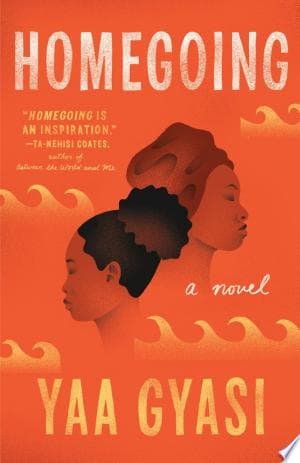
- Homegoing
Yaa Gyasi
4.4 (175k) average on GoodreadsLiterary FictionA multi-generational saga tracing the legacy of slavery and its impact on families across centuries and continents.
- To Kill a Mockingbird
Harper Lee
4.3 (4.5M) average on GoodreadsHistorical FictionIn the 1930s Jim Crow South, Harper Lee writes about racial injustice, moral growth, and the quiet courage of a lawyer father, Atticus Finch, as seen through his young daughter's eyes.
- The Great Gatsby
F. Scott Fitzgerald
3.9 (3.8M) average on GoodreadsHistorical FictionIn the opulent Roaring Twenties, a mysterious millionaire's lavish parties hide his desperate, tragic pursuit of a lost love, exposing the emptiness within the American Dream.
- Pride and Prejudice
Jane Austen
4.3 (3M) average on GoodreadsHistorical FictionIn a society focused on status and money, Elizabeth Bennet navigates love and pride, challenging Mr. Darcy and social expectations to find true affection.





Enjoyed the summary?
A summary gives you the shape of the book. The book itself has the detail, the examples and the voice.
Find Island Beneath the Sea on AmazonAs an Amazon Associate, BookBrief earns from qualifying purchases. How we're funded