
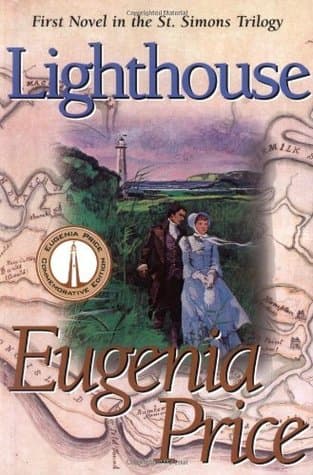
Synopsis
Covers the whole plot, including the ending.
- Difficulty
- Easy
- Pacing
- Moderate
- Mood
- Historical, Romantic, Inspirational, Resilient
- Read it if
- You enjoy historical fiction set in the early American South, featuring determined protagonists, engineering challenges, and a sweet romance.
- Skip it if
- You prefer fast-paced thrillers or stories without significant historical detail and character-driven narratives.
Lighthouse Plot Summary
Covers the whole plot, including the ending.
A Dream of the Sea
James Gould is a young boy in early 19th-century Staten Island, New York. His merchant father expects him to join the family business. However, James loves the sea, watching ships and lighthouses. He reads books on engineering and architecture, secretly wanting to design and build lighthouses. This early interest sets him apart from his siblings and clashes with his father's practical plans for his future. His mother, though, understands his artistic and engineering interests.
Mentorship and Education
Against his father's wishes, James convinces his parents to let him apprentice under Mr. Ethan Croft, a respected engineer known for his work on coastal fortifications and lighthouses. James excels under Croft, learning structural integrity, material science, and the demands of building in difficult environments. He spends several years in this rigorous education, traveling to various construction sites and learning every part of the profession. This time transforms his childhood dream into a practical skill set and strengthens his resolve to build his own lighthouse.
Southern Prospects and New Beginnings
After his apprenticeship, with few lighthouse opportunities in the North, James decides to travel south to Georgia. He hears of potential government contracts for coastal navigation aids. He arrives in Savannah, a busy port, and notices the distinct culture and slower pace of life compared to New York. He finds temporary work on various construction projects, gaining experience and making connections. During this time, he learns of a need for a lighthouse on St. Simons Island, a remote but important location, which renews his hope.
Meeting Anna and Initial Challenges
In Savannah, James meets Anna Harris, a young woman from a prominent St. Simons Island family. They are immediately attracted to each other, despite their different backgrounds. Anna is independent and deeply connected to her island home. James begins the difficult process of lobbying officials for the St. Simons lighthouse project. He faces skepticism due to his youth and Northern origins, as well as bureaucracy and funding issues. These initial challenges test him, but his passion for the project and his growing connection with Anna keep him going.
Securing the Contract and Opposition
Through persistence and detailed plans, James eventually secures the contract to design and build the lighthouse on St. Simons Island. This win is difficult, as he immediately faces opposition from some island residents who are wary of outsiders and the changes a major project might bring. He also deals with huge logistical problems, like transporting materials to the remote island, managing a diverse workforce, and handling unpredictable coastal weather. Anna becomes an unexpected ally, helping him understand local customs and gain acceptance, which deepens their bond.
Building the Foundation
Construction of the lighthouse begins with the difficult task of laying a stable foundation in the challenging coastal soil. James oversees every detail and faces many setbacks: unexpected ground formations, violent storms that undo days of work, and labor disputes among his crew, which includes both free men and enslaved individuals. He shows strong leadership and engineering skill, adapting plans and inspiring workers despite harsh conditions. Anna often visits the site, bringing supplies and support, becoming a part of James's life and the project. Their relationship grows amid the construction's dust and danger.
Personal Sacrifices and Growing Love
As the lighthouse rises, James puts all his energy and money into the project, often neglecting his own comfort. He faces financial strain and moments of doubt, but his vision and love for Anna sustain him. Their romance develops at the construction site, with Anna offering emotional support, practical advice, and a sense of belonging that James had not found elsewhere. Their shared dedication to the lighthouse and to each other becomes the emotional center of this period, strengthening their commitment despite societal differences and the physical demands of James's work.
Tragedy and Resilience
Just as the lighthouse takes shape, a devastating storm or structural failure causes a part of the work to collapse, leading to injuries and a huge delay. This tragedy is a blow to James, who feels responsible for the lives and resources lost. The incident brings renewed criticism and threatens to stop the project. However, James, with Anna's support and his crew's loyalty, shows resilience. He investigates the cause, learns from the mistake, and rallies everyone to rebuild, proving his skill as both an engineer and a leader.
Completion and Illumination
After years of work, setbacks, and personal sacrifices, the St. Simons Island lighthouse is finished. Installing the lamp and lens system is a moment of triumph. The community gathers for the illumination ceremony, the culmination of James's dream. As the light pierces the night sky, it symbolizes safe passage for ships, James's perseverance, his engineering skill, and his acceptance into the Southern community. The lighthouse is a beacon of hope and a symbol of human ingenuity and determination, a physical representation of his life's purpose.
A New Life on St. Simons
With the lighthouse operational, James and Anna marry, solidifying their commitment to each other and to St. Simons Island. James becomes the lighthouse keeper, dedicating his life to maintaining the beacon he built. They make their home near the lighthouse, raising their family in its shadow. James, once an outsider, becomes a respected part of the island community, his life tied to the sea and the lighthouse's steady beam. His journey from a dreaming boy to a fulfilled man is complete, surrounded by love and purpose.
Principal Figures
James Gould
Protagonist
A determined engineer who dreams of building lighthouses.
James Gould is a young man from Staten Island, New York, with an innate passion for engineering and the sea. He is driven, intelligent, and possesses an unwavering vision to build lighthouses, often clashing with his merchant father's more conventional expectations. Despite his Northern upbringing, he adapts to the Southern culture, demonstrating resilience, ingenuity, and a strong sense of purpose. He is a meticulous planner but also capable of adapting to unforeseen challenges, earning the respect of his workers and the affection of Anna. His dedication to his craft is paramount, but he learns to balance it with personal connections.
Relationships: Anna Harris (Love interest and eventual wife; his strongest supporter and emotional anchor.); Mr. Gould (Father) (Strict, traditional father who initially disapproves of James's career choice but eventually acknowledges his success.); Mrs. Gould (Mother) (Supportive mother who understands James's artistic and engineering inclinations.); Ethan Croft (Mentor and respected engineer who guides James in his early career.)
Anna Harris
Supporting
A spirited Southern woman who becomes James's wife and greatest ally.
Anna Harris is a vibrant and independent young woman from a prominent St. Simons Island family. She is deeply connected to her community and possesses a strong, compassionate spirit. Initially intrigued by the Northern engineer, she quickly becomes James's confidante, emotional support, and an invaluable liaison to the local community. Her practical nature and understanding of Southern customs help James navigate the social and logistical challenges of his project. She is fiercely loyal and loving, providing James with a sense of belonging and stability amidst the demanding construction of the lighthouse.
Relationships: James Gould (Love interest and eventual husband; his strongest supporter and emotional anchor.); Harris Family (Her prominent St. Simons family, who initially view James with some skepticism but eventually accept him.)
Mr. Ethan Croft
Supporting
James's wise and experienced engineering mentor.
Mr. Ethan Croft is a distinguished and respected engineer based in the North. He takes James Gould on as an apprentice, recognizing the young man's talent and potential. Croft is a patient and thorough teacher, instilling in James not only the technical skills required for lighthouse construction but also the importance of integrity, perseverance, and adaptability. He serves as a guiding figure in James's early career, providing a solid foundation of knowledge and encouraging James to pursue his dreams, even if it means venturing far from home. His mentorship is crucial to James's eventual success.
Relationships: James Gould (Mentor and teacher; he imparts his engineering knowledge and wisdom to James.)
Mr. Gould (James's Father)
Supporting
A traditional merchant who initially disapproves of James's engineering aspirations.
James's father is a successful merchant in Staten Island, New York, a man of practical business sense and traditional expectations. He initially struggles to understand and accept James's passion for engineering and lighthouses, wanting his son to follow in the family business. He represents the societal pressures and conventional paths that James must defy to pursue his true calling. While initially a source of conflict, his disapproval stems from a desire for his son's financial security. Over time, he begrudgingly comes to respect James's achievements, though their relationship remains somewhat formal.
Relationships: James Gould (Father; their relationship is initially strained by differing career expectations but eventually finds a measure of respect.)
Mrs. Gould (James's Mother)
Supporting
A supportive and understanding mother who encourages James's dreams.
James's mother is a more empathetic and understanding figure than his father. She recognizes and nurtures James's artistic and engineering inclinations, often acting as a mediator between James and his father. She provides emotional support and encouragement, quietly advocating for James to pursue his passions. Her gentle nature and belief in her son's abilities are a comforting presence in James's early life, giving him the confidence to defy expectations and embark on his chosen path. She represents unconditional maternal love and understanding.
Relationships: James Gould (Mother; she is a loving and understanding figure who supports his dreams.); Mr. Gould (Father) (Wife; she often mediates between him and James.)
Captain Davies
Supporting
A local sea captain who advocates for the lighthouse and offers practical advice.
Captain Davies is a seasoned sea captain from the St. Simons area, deeply familiar with the treacherous waters and the urgent need for a lighthouse. He is a gruff but kind-hearted man who respects James's engineering skills and dedication. He becomes an early advocate for James's project, lending his credibility to the cause and offering invaluable practical advice on the local maritime conditions and challenges. He represents the voice of the local mariners who will directly benefit from James's work, providing a tangible motivation for the project's success.
Relationships: James Gould (Ally and source of local maritime knowledge; he advocates for James and the lighthouse.)
Mr. Caldwell
Supporting
A skeptical but eventually supportive local official.
Mr. Caldwell is a local government official or prominent landowner on St. Simons Island who initially views James Gould with skepticism, wary of outsiders and the potential disruption a major construction project could bring. He represents the conservative elements of the community who are resistant to change. However, as James demonstrates his competence, integrity, and dedication, Caldwell's initial distrust slowly gives way to respect and even support. His evolving perspective reflects James's gradual acceptance into the community.
Relationships: James Gould (Initially a skeptic, he eventually becomes a supporter of James and his project.)
Themes & Insights
The Pursuit of a Dream
The novel explores James Gould's dedication to his childhood dream of building lighthouses. Despite family opposition, financial hardship, and engineering problems, James pursues his passion. This theme is clear from his early days in Staten Island, reading engineering books, to his journey to Georgia, and the years spent building the St. Simons lighthouse. His resilience during setbacks, like the partial collapse of the structure, shows the power of a strong vision and the sacrifices needed to achieve it.
“He knew, with a certainty that settled deep in his bones, that his destiny lay not in ledgers and trade routes, but in the towering, solitary sentinels of the sea.”
Love and Partnership
The theme of love and partnership is shown in the relationship between James Gould and Anna Harris. Their romance develops during the lighthouse construction, showing how shared purpose and support strengthen a bond. Anna is not just a romantic interest but an active partner, offering emotional comfort, practical help, and a connection to the local community for James. Their marriage and life together at the lighthouse show both personal and professional fulfillment, highlighting that success often means finding a compatible partner.
“Her strength was not the brute force of a storm, but the steady, enduring light that guided him through the darkest nights of doubt.”
Man vs. Nature
Building the St. Simons lighthouse is a constant fight against nature. James and his crew deal with unpredictable coastal weather, treacherous tides, unstable ground, and the ocean's power. This theme highlights human ingenuity and perseverance in the face of overwhelming natural elements. The completed lighthouse shows man's ability to use knowledge and skill to overcome natural obstacles, providing safety and guidance in a powerful environment. The partial collapse due to a storm directly illustrates this ongoing struggle.
“The sea, in its boundless power, was both the reason for his work and his most relentless adversary.”
Cultural Adaptation and Integration
James Gould, a Northerner, must adjust to the culture and society of the American South. This theme explores the challenges and rewards of joining a new community. Initially seen with skepticism as an outsider, James gradually earns the trust and respect of the St. Simons islanders through his dedication, integrity, and the benefit his lighthouse brings. His relationship with Anna, a local, helps bridge the cultural divide. The story shows how perseverance and genuine involvement can lead to acceptance and a sense of belonging in an unfamiliar place.
“He had come to build a light, but in doing so, he found himself woven into the very fabric of this Southern isle.”
Plot Devices & Literary Techniques
Symbolism of the Lighthouse
The lighthouse represents hope, guidance, perseverance, and James's life purpose.
The lighthouse is the central and most potent symbol in the novel. For James, it embodies his lifelong dream, his engineering prowess, and his ultimate purpose. It symbolizes guidance and safety for ships navigating treacherous waters, mirroring the guidance James seeks and eventually provides. Its construction represents human ambition, resilience against nature, and the triumph of vision over adversity. Once built, it stands as a permanent testament to his dedication, his love for Anna, and his integration into the St. Simons community, becoming a beacon of his fulfilled life.
Man vs. Society Conflict
James faces opposition from traditional family expectations and skeptical local communities.
This device manifests in James's early life through his father's disapproval of his engineering ambitions, pushing him to pursue a more conventional merchant career. Later, in Georgia, he encounters resistance from local officials and island residents who are wary of outsiders and the disruption of a major construction project. This conflict highlights James's independent spirit and his determination to forge his own path, ultimately overcoming societal pressures and skepticism through his competence and dedication, earning respect and acceptance.
Foreshadowing
Early events and descriptions hint at future challenges and the eventual success of the lighthouse.
Foreshadowing is used to build anticipation and underscore the significance of James's dream. His early, intense fascination with lighthouses and engineering, despite his father's wishes, hints at his eventual career path. Descriptions of the treacherous St. Simons waters and the difficulties of coastal construction subtly foreshadow the immense challenges and setbacks he will face during the building process, including storms and structural failures. This technique prepares the reader for the arduous journey while reinforcing the ultimate triumph of the lighthouse's completion.
The Journey Motif
James's physical and emotional journey from North to South, and from dream to reality.
The entire narrative is structured around James's journey. It begins with his physical journey from the familiar North to the unfamiliar South, symbolizing his departure from conventional expectations and his quest for opportunity. More significantly, it tracks his emotional and professional journey from a young man with a nascent dream to a seasoned engineer who brings that dream to fruition. This motif emphasizes themes of self-discovery, perseverance, and the transformative power of pursuing one's true calling, culminating in his finding a true home and purpose.
Lighthouse Quotes
“The sea was a demanding mistress, but she was also a generous one to those who understood her moods.”
“Love was not a gentle whisper, but a roaring gale that swept through your life, leaving nothing unchanged.”
“A lighthouse stands as a monument to hope, a beacon in the darkest night, guiding lost souls home.”
“Forgiveness was not for the one who wronged you, but for your own heart, to set it free.”
“Life on St. Simons was a tapestry woven with threads of sun, sand, and the constant rhythm of the tides.”
“Sometimes, the strongest storms are not those that rage outside, but those that brew within the human heart.”
“Duty was a heavy cloak, but it was also a shield against the uncertainties of a world constantly in flux.”
“The past was a relentless tide, always threatening to pull you back, but the future was the shore you had to reach.”
“True courage wasn't the absence of fear, but the decision to act despite it.”
“There are some bonds that even time and distance cannot break, forged in the crucible of shared experience.”
“The whispers of history were as real as the salt in the air, shaping lives with unseen hands.”
“Hope was a fragile flame, easily extinguished, yet capable of igniting a path in the deepest darkness.”
“To truly live was to embrace the unpredictable, to sail with the wind, even when you didn't know the destination.”
“The heart, like the sea, had its own powerful currents, sometimes calm, sometimes tempestuous, always profound.”
Quiz
10 questions on the plot and the characters. Each answer comes with a short explanation.
Question 1
Where does James Gould primarily realize his dream of designing and building a lighthouse?
- Jekyll Island, Georgia
- St. Simons Island, Georgia
- Tybee Island, Georgia
- Cumberland Island, Georgia
Show answer
B. St. Simons Island, Georgia The book explicitly states that James Gould builds his lighthouse on St. Simons Island in Georgia.
Question 2
What is James Gould's primary ambition that drives the plot of 'Lighthouse'?
- To become a wealthy plantation owner
- To serve in the United States Congress
- To design and build a lighthouse
- To explore the uncharted western territories
Show answer
C. To design and build a lighthouse The core of James Gould's journey and ambition is his dream of designing and constructing a lighthouse, which he pursues through various challenges.
Question 3
In what historical period is James Gould raised, according to the book's description?
- Pre-Revolutionary War South
- During the Civil War
- Post-Revolutionary North
- Antebellum South
Show answer
C. Post-Revolutionary North The book's description states James Gould is 'a young man raised in the post-Revolution North,' setting the historical context for his early life.
Question 4
What kind of challenges does James Gould face on his path to building the lighthouse?
- Exclusively financial hardships
- Primarily political opposition from local authorities
- Various hardships and successes, implying a mix of obstacles
- Only personal romantic entanglements
Show answer
C. Various hardships and successes, implying a mix of obstacles The description mentions James Gould achieving his dream 'after much hardship and success,' indicating a diverse range of challenges he overcomes.
Question 5
How does James Gould's upbringing in the post-Revolution North likely influence his character or approach to his dream?
- It makes him resistant to technological advancements.
- It instills in him a strong sense of independence and ambition, characteristic of the era's new nation.
- It primarily fosters a desire to return to England.
- It leads him to pursue a career in agriculture.
Show answer
B. It instills in him a strong sense of independence and ambition, characteristic of the era's new nation. Being raised in the post-Revolutionary North suggests an environment of new opportunities and self-reliance, which would align with the ambition to undertake a significant personal project like building a lighthouse.
Question 6
What genre does 'Lighthouse' belong to, based on the provided description?
- Science Fiction and Mystery
- Historical Fiction and Romance
- Fantasy and Thriller
- Contemporary Drama and Satire
Show answer
B. Historical Fiction and Romance The description explicitly states the book's genres as 'Historical Fiction, Romance,' making this a direct recall question.
Question 7
The phrase 'much hardship and success' in the description suggests what about the overall theme of James Gould's journey?
- That his path was unusually smooth and without major obstacles.
- That perseverance through adversity is a central element of his story.
- That he was primarily lucky rather than skilled.
- That his success was entirely independent of any struggles.
Show answer
B. That perseverance through adversity is a central element of his story. The juxtaposition of 'hardship' and 'success' implies that overcoming challenges is integral to achieving his dream, highlighting perseverance as a key theme.
Question 8
Given the historical setting and the nature of building a lighthouse, what broader societal or economic changes might 'Lighthouse' implicitly explore?
- The decline of maritime trade in the early American republic.
- The expansion of American commerce and the need for navigational infrastructure.
- The shift from industrialization to an agrarian economy.
- The impact of the Gold Rush on the East Coast.
Show answer
B. The expansion of American commerce and the need for navigational infrastructure. Lighthouses are crucial for safe navigation, and their construction in the post-Revolutionary era would reflect the growing need to support expanding maritime trade and economic development in the new nation.
Question 9
As a work of historical fiction, what is a likely challenge Eugenia Price faced in writing 'Lighthouse' regarding the details of lighthouse construction?
- Inventing entirely new construction methods unique to the 18th century.
- Ensuring historical accuracy in the engineering and logistical challenges of building such a structure during that period.
- Avoiding any mention of scientific principles in the construction process.
- Focusing solely on the romantic aspects, ignoring construction details.
Show answer
B. Ensuring historical accuracy in the engineering and logistical challenges of building such a structure during that period. Historical fiction requires authors to research and accurately represent the technological capabilities and challenges of the era. For a lighthouse, this would involve precise details about engineering, materials, and labor of the time.
Question 10
Given that 'Lighthouse' is also a romance, how might James Gould's personal relationships intertwine with his professional ambition to build the lighthouse?
- His romantic interests likely distract him entirely from his lighthouse project.
- His romantic partner may provide emotional support, face challenges with him, or even become integral to the project's success or failure.
- The romance would exclusively occur after the lighthouse is completed.
- His love interest would be a rival architect trying to build a different lighthouse.
Show answer
B. His romantic partner may provide emotional support, face challenges with him, or even become integral to the project's success or failure. In historical romance, personal relationships often intersect significantly with characters' life goals and challenges, providing support, conflict, or shared experience throughout their journey.
Lighthouse FAQ
What is the central premise of 'Lighthouse' by Eugenia Price?
'Lighthouse' follows the ambitious journey of James Gould, a young man from the post-Revolutionary North. His ultimate goal is to design and construct a lighthouse on the remote St. Simons Island in Georgia, a dream he pursues despite numerous personal and professional challenges.
Who is James Gould and what drives him?
James Gould is the protagonist, a driven and visionary young man with a deep passion for architecture and engineering, particularly lighthouses. His motivation stems from a desire to leave a lasting mark and contribute to maritime safety, alongside a personal yearning for purpose and belonging.
Where is the primary setting for the story, and why is it significant?
The primary setting is St. Simons Island, Georgia, a largely undeveloped coastal area in the early 19th century. Its significance lies in its isolation, the dangers its shoals pose to shipping, and the symbolic role the proposed lighthouse plays in bringing civilization and safety to the wild frontier.
What kind of challenges does James Gould face in building the lighthouse?
James encounters numerous obstacles, including financial difficulties, the harsh environment of St. Simons Island, sourcing skilled labor and materials in a remote location, and skepticism from local authorities and residents. He also battles personal doubts and the long periods of separation from loved ones.
Does 'Lighthouse' feature a romance subplot?
Yes, 'Lighthouse' includes a significant romance subplot. James Gould falls in love with a strong-willed Southern woman, whose presence on St. Simons Island adds emotional depth and personal stakes to his ambitious project, often complicating his focus but also providing crucial support.
How does James Gould's Northern upbringing influence his approach to the Southern environment and people?
James's Northern upbringing instills in him a strong work ethic and a direct, practical approach, which sometimes clashes with the slower pace and established social customs of the antebellum South. He often has to adapt his methods and expectations to the unique challenges and cultural nuances of St. Simons Island.
Are there any real historical figures or events that inspired parts of the story?
Eugenia Price often wove historical accuracy into her novels, and while James Gould is fictional, the challenges of early 19th-century lighthouse construction and the general atmosphere of St. Simons Island during that period are historically grounded. The need for lighthouses along the Georgia coast was a real concern.
What role do the local Gullah Geechee people play in the construction or community?
The local Gullah Geechee community, descendants of enslaved Africans, are depicted as an integral part of the island's population. Their unique knowledge of the land, tides, and local resources often proves invaluable to James, providing labor and insights that aid in the challenging construction efforts.
How does the design of the lighthouse itself reflect James Gould's character?
The lighthouse's design reflects James's character through its sturdy, enduring construction and its elegant yet functional form. It embodies his meticulous nature, his foresight, and his unwavering determination to create something beautiful and lasting that serves a vital purpose, mirroring his own aspirations.
How does James Gould's relentless pursuit of his dream impact his personal relationships?
James's singular focus on the lighthouse often strains his personal relationships, particularly with his family and his love interest. His ambition leads to long periods of absence and emotional distance, forcing him to balance his professional aspirations with his desire for connection and intimacy.
What psychological toll does the isolation of St. Simons Island take on James?
The isolation of St. Simons Island tests James's mental fortitude, leading to moments of loneliness, self-doubt, and immense pressure. He grapples with the weight of his responsibility and the vastness of his undertaking, often finding solace only in the tangible progress of his construction.
How does the concept of 'legacy' influence James Gould's motivations and decisions?
The concept of legacy profoundly influences James, driving him to create a monument that will outlast him and serve future generations. He sees the lighthouse as more than just a structure; it's a symbol of human ingenuity and resilience, ensuring his name and efforts are remembered.
Discuss the internal conflict James faces regarding his love for architecture versus his personal life.
James constantly battles the internal conflict between his profound passion for architecture and the demands of his personal life. His dedication to the lighthouse often requires sacrifices in his relationships, forcing him to choose between his grand vision and the intimate connections he deeply values, leading to significant emotional struggle.
Is the lighthouse a symbol of progress or of man's hubris in the face of nature?
The lighthouse can be interpreted as both. It symbolizes progress, bringing safety and order to dangerous waters, representing human ingenuity. However, it also subtly hints at man's hubris, as James attempts to tame and control the formidable forces of nature, a constant struggle against the inevitable power of the sea.
How does the ending of the book resolve the tension between man and nature?
The ending doesn't fully 'resolve' the tension between man and nature, but rather establishes a harmonious coexistence. While the lighthouse stands as a testament to human will, the ongoing presence of the sea and its storms reminds readers that nature always holds ultimate power, and the lighthouse serves as a vigilant sentinel, not a conqueror.
What is the significance of the 'light' in the lighthouse beyond its practical function?
Beyond its practical function of guiding ships, the 'light' in the lighthouse symbolizes hope, guidance, and enlightenment. For James, it represents the illumination of his dreams and the enduring legacy he creates, offering a beacon of stability in an often chaotic world.
Could James Gould be considered an archetype of the American pioneer or frontiersman?
Yes, James Gould embodies many characteristics of the American pioneer. He ventures into an untamed frontier, demonstrates remarkable self-reliance, faces immense hardship, and builds something enduring that contributes to the expansion and development of the nation, aligning with the spirit of a frontiersman.
How does the historical context of post-Revolutionary America shape the narrative?
The post-Revolutionary context shapes the narrative by emphasizing a period of nation-building, innovation, and westward (or southward) expansion. It reflects an era where individuals like James Gould could pursue grand visions, contributing to the new country's infrastructure and identity, albeit with limited resources and established systems.
About the author

Eugenia Price was an American author known for her works of fiction, particularly set in the American South. One of her notable books is "Lighthouse," which reflects her interest in historical themes and character-driven narratives. Price's writing often explores the complexities of human relationships and the influence of place on personal identity.
Similar books
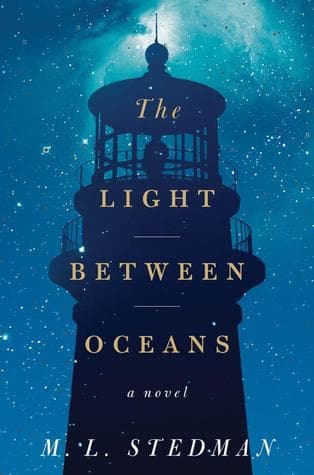
- The Light Between Oceans
M.L. Stedman
4.0 (397k) average on GoodreadsHistorical FictionFeatures a lighthouse setting and explores themes of love, loss, and difficult choices in a historical context.
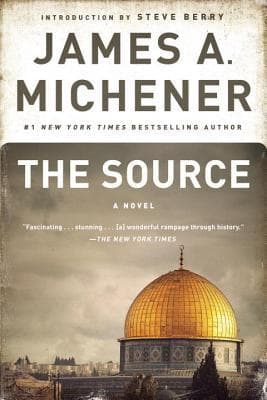
- The Source
James A. Michener
4.0 (11k) average on GoodreadsFantasyEpic historical saga with a focus on building and the development of a place over time, though on a larger scale.
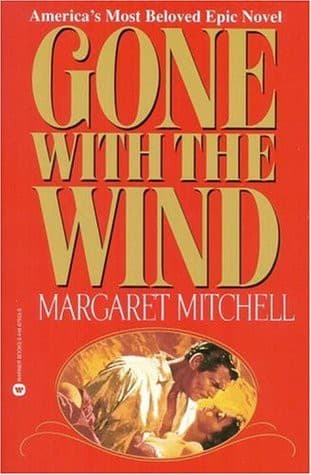
- Gone with the Wind
Margaret Mitchell
4.3 (1.1M) average on GoodreadsHistorical FictionWhile both are set in the American South and feature strong protagonists, Lighthouse focuses on the pre-Civil War era and a specific industrial project, offering a more contained, less sprawling narrative than Mitchell's epic. Price's romance is generally more chaste and morally upright, contrasting with the often tempestuous and morally ambiguous relationships in Gone with the Wind. Price also provides a more intimate, community-focused historical lens, whereas Mitchell's scope is broader, encompassing the entire Confederacy's downfall.
- The Thorn Birds
Colleen McCullough
4.2 (314k) average on GoodreadsHistorical FictionBoth novels span decades and explore enduring love and personal sacrifice, but Lighthouse is set in 19th-century America with a focus on a tangible engineering feat, while The Thorn Birds is set in 20th-century Australia with a focus on ranching and the Catholic Church. Price's romantic conflicts are generally less intense and less tragic than the forbidden love at the heart of McCullough's novel. Lighthouse maintains a more consistently optimistic and morally guided tone, even amidst adversity, compared to the often heartbreaking and morally complex struggles in The Thorn Birds.
- To Kill a Mockingbird
Harper Lee
4.3 (4.5M) average on GoodreadsHistorical FictionIn the 1930s Jim Crow South, Harper Lee writes about racial injustice, moral growth, and the quiet courage of a lawyer father, Atticus Finch, as seen through his young daughter's eyes.
- The Great Gatsby
F. Scott Fitzgerald
3.9 (3.8M) average on GoodreadsHistorical FictionIn the opulent Roaring Twenties, a mysterious millionaire's lavish parties hide his desperate, tragic pursuit of a lost love, exposing the emptiness within the American Dream.



Enjoyed the summary?
A summary gives you the shape of the book. The book itself has the detail, the examples and the voice.
Find Lighthouse on AmazonAs an Amazon Associate, BookBrief earns from qualifying purchases. How we're funded