
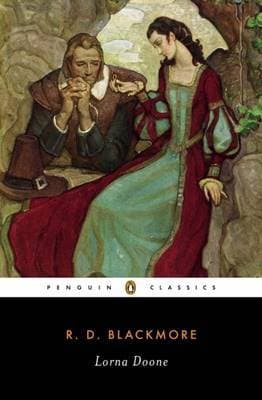
Synopsis
Covers the whole plot, including the ending.
- Difficulty
- Hard
- Pacing
- Slow
- Mood
- Epic, Romantic, Dramatic, Pastoral
- Read it if
- You enjoy sweeping historical romances with strong heroes, damsels in distress, and vivid descriptions of the English countryside.
- Skip it if
- You prefer fast-paced plots, modern sensibilities, or find lengthy descriptions and archaic language challenging.
Lorna Doone Plot Summary
Covers the whole plot, including the ending.
The Murder of Farmer Ridd and John's First Encounter with Lorna
In 1673, John Ridd, a farmer's son from Oare, experiences tragedy when his father is murdered by the outlaw Doone clan while returning from market. This event affects John and his family deeply. Years later, John, driven by curiosity, goes into the Exmoor wilderness and finds the Doones' hidden stronghold, a valley reached by a secret waterfall. There, he meets Lorna Doone, a girl his age. Despite their families' hatred, an innocent connection forms between them. Lorna, though raised by Doones, seems different from her cruel relatives.
John's Growth and Renewed Visits to the Doone Valley
As John Ridd grows into a strong man, his interest in Lorna turns to love. He makes dangerous, secret trips back to the Doone Valley, facing the terrain and the constant threat of discovery. During these meetings, often at the 'Wreck-stone' or by the river, John and Lorna share their thoughts. Lorna, feeling isolated among her brutal relatives, tells John she wants a different life. John learns about the Doones' lawless ways and their control over the countryside, but his love for Lorna outweighs his fear and his family's hatred.
The Revelation of Lorna's True Parentage
The truth about Lorna's background starts to come out. She finds a hidden necklace and a document that show she is not a Doone by blood, but the abducted daughter of a noble family, the Duguets of Glen Doone. She is the rightful heir to a large estate. This information, revealed by old Sir Ensor Doone on his deathbed, changes Lorna's status within the clan and makes her more vulnerable, especially to Carver Doone, who wants to marry her. The news also gives John hope that Lorna might be free from the Doones and that their love might be accepted, but it also raises the stakes of their forbidden romance, making it a matter of inheritance and social standing.
John Rescues Lorna from the Blizzard
A harsh winter comes to Exmoor, trapping the Doones in their valley and isolating Lorna, who is sick and threatened by Carver Doone, who wants to force her to marry him. John, hearing of her situation, performs a heroic act. He braves the blizzards and deep snows, going through the frozen waterfall into the Doone Valley. After a tense moment, he rescues Lorna, carrying her on his back through the snow to his family's farm, Plover's Barrows. Her arrival causes a stir, but the Ridd family, especially John's mother, takes Lorna in and cares for her.
Lorna's Life at Plover's Barrows and the Claim to Her Inheritance
Lorna recovers at Plover's Barrows Farm, getting used to the simple life of the Ridds. Her beauty and gentle nature win over the family and the local community, though some suspicion remains because of her connection to the Doones. Meanwhile, the legal aspects of her identity unfold. A lawyer, Mr. Faggus (John's cousin), helps confirm her lineage as the granddaughter of Sir Ensor Doone's enemy, the Earl of Lorne, making her the rightful heir to the Barony of Doone and other lands. This means she must go to London to claim her inheritance, a move that saddens John but is necessary for her safety and future.
John's Journey to London and Social Disparities
Unable to stand the separation, John Ridd, now a respected man because of his strength and honesty, decides to go to London to visit Lorna. He experiences the busy capital, a contrast to his quiet Exmoor home. He finds Lorna living a life of luxury, surrounded by society's elite. While their love is still strong, John feels the social difference between them. He is a farmer, while Lorna is a lady of title and wealth, courted by noblemen. This time tests their relationship, as John deals with his feelings of not being good enough and Lorna navigates her new responsibilities and social expectations.
The King's Favor and John's Knighthood
While in London, John Ridd's honest character and strength catch the attention of King Charles II. John's reputation as the man who rescued Lorna Doone, along with his straightforward manner, makes a good impression on the King. The King, recognizing John's courage, knights him, making him Sir John Ridd. This honor reduces the social gap between John and Lorna, making their marriage more possible in society's eyes. It also gives John new confidence and status, showing that true worth can come from character, not just birth, though the Doones are still a threat.
The Doones' Decline and Final Reckoning
With Lorna gone and the local people's anger growing against their crimes, the Doone clan starts to fall apart. Their leader, Sir Ensor, is dead, and Carver Doone struggles to keep control. The authorities, urged by John and the widespread complaints, decide to act against the outlaws. A large force, including John Ridd and many local farmers, marches on the Doone Valley. A battle follows, leading to the destruction of the Doone stronghold and the scattering or capture of many of its members. This event marks the end of the Doones' control over Exmoor, but the final confrontation with Carver Doone is still to come.
The Wedding and Carver Doone's Vengeance
After the Doones are mostly defeated and John is knighted, the way seems clear for John and Lorna to marry. Their wedding day arrives, a joyful event at Oare Church, attended by their families and the relieved community. As the ceremony ends, Carver Doone, having escaped and filled with hatred, appears at the church door and shoots Lorna, leaving her wounded at the altar. The attack turns the joyful scene into chaos and despair, renewing John's desire for justice and revenge against his enemy.
John's Vengeance and Lorna's Recovery
Angry at Carver Doone's act, John Ridd pursues his enemy. The chase leads them across the Exmoor landscape, ending in a fight on the Doone Mire. In a struggle, John overcomes Carver, forcing him into the bog where he drowns. Meanwhile, at Plover's Barrows, Lorna's life is in danger. With the care of John's mother and the local doctor, she slowly recovers. Her strength and the family's hope are important during this difficult time.
A New Beginning for Sir John and Lady Lorna
Against all odds, Lorna fully recovers from Carver Doone's gunshot. Her strength returns, and with it, the hope for a future with John. The couple, having endured great hardship, finally marries in a quieter ceremony, free from the Doones' shadow. Sir John Ridd and Lady Lorna settle down to a life of peace and prosperity at Plover's Barrows Farm, which John has expanded. They become respected figures in the community, showing love, resilience, and the triumph of good. Their story ends with them living a contented life, raising a family, and helping to build a safer Exmoor.
Lorna Doone Characters
John Ridd
Protagonist
A strong, honest farmer who falls deeply in love with Lorna Doone.
John Ridd is the narrator and protagonist of the story, a man of immense physical strength, unwavering loyalty, and deep moral conviction. Raised on a farm in Oare, he is initially a simple, somewhat naive boy, but the murder of his father by the Doones instills in him a quiet determination. His love for Lorna Doone drives many of his actions, leading him to brave extreme dangers. He is characterized by his humility, common sense, and a powerful, almost elemental connection to the Exmoor landscape. Despite his strength, he often feels socially inferior to Lorna, especially after her true parentage is revealed. He ultimately proves himself a true gentleman through his actions, earning knighthood and overcoming his enemies.
Relationships: Lorna Doone (Fated lover, later wife); Sarah Ridd (Mother) (Devoted son, relies on her wisdom); Annie Ridd (Loving brother); Carver Doone (Arch-nemesis, murderer of his father and attacker of Lorna)
Lorna Doone
Protagonist
A beautiful, gentle woman raised by the outlaw Doone clan, but of noble birth.
Lorna Doone is the beautiful and gentle heroine, raised by the brutal Doone clan but possessing a spirit entirely unlike theirs. She is intelligent, kind, and graceful, often feeling like an outcast within the Doone Valley. Her abduction as a child and her true noble lineage (as the granddaughter of the Earl of Lorne) are central to the plot. She loves John Ridd deeply, finding solace and hope in his unwavering affection. Despite her delicate appearance, she exhibits remarkable resilience and courage in the face of adversity, from the Doones' cruelty to her own near-fatal injury. She represents innocence and true nobility trapped in a harsh world.
Relationships: John Ridd (Fated lover, later husband); Carver Doone (Unwanted suitor, tormentor); Sir Ensor Doone (Adoptive grandfather, initially protective); Sarah Ridd (Mother) (Loving mother-in-law figure, caregiver)
Carver Doone
Antagonist
The cruelest and most formidable member of the Doone clan, obsessed with Lorna.
Carver Doone is the primary antagonist, a man of immense physical strength and utterly depraved character. He is the most brutal and ambitious of the Doones, known for his cruelty, cunning, and insatiable lust for power and Lorna. He murdered John Ridd's father and relentlessly pursues Lorna, seeking to force her into marriage for her perceived beauty and, later, her inheritance. Carver embodies pure evil and lawlessness, acting as a constant threat to John and Lorna's happiness. His hatred for John is personal and intense, fueled by jealousy and thwarted ambition. His ultimate fate is a gruesome, poetic justice.
Relationships: Lorna Doone (Obsessive, unrequited suitor); John Ridd (Mortal enemy); Sir Ensor Doone (Nephew, rival for leadership)
Sarah Ridd (Mother)
Supporting
John's wise and loving mother, the matriarch of the Ridd family.
John's mother is a strong, practical, and deeply religious woman who holds her family together after her husband's murder. She is a pillar of strength and common sense, managing the farm and raising her children with love and firm guidance. Initially wary of Lorna due to her Doone connection, she eventually embraces her with maternal affection, nursing her back to health after the blizzard rescue. Her wisdom and steadfast nature provide a moral compass for John and a comforting home for Lorna. She embodies the enduring spirit of the honest farming community.
Relationships: John Ridd (Devoted mother); Lorna Doone (Adoptive mother figure, caregiver); Annie Ridd (Loving mother); Lizzie Ridd (Loving mother)
Annie Ridd
Supporting
John's kind and sensible sister, who provides emotional support.
Annie is John's elder sister, known for her gentle nature, kindness, and good sense. She is a supportive and understanding figure, often acting as a confidante for John, particularly regarding his feelings for Lorna. She is practical and hardworking, contributing significantly to the running of the farm. Her character provides a contrast to the wildness of the Doones and embodies the domestic virtues of the Ridd family. She eventually marries John Fry, a loyal servant of the Ridd household, establishing her own happy family.
Relationships: John Ridd (Supportive sister); Lorna Doone (Kind sister-in-law figure); John Fry (Husband)
Lizzie Ridd
Supporting
John's younger, more cunning and ambitious sister.
Lizzie is John's younger sister, characterized by her sharp wit, intelligence, and a touch of ambition. Unlike Annie, she is more worldly and observant, often seeing through people's pretenses. She is initially more skeptical of Lorna but eventually comes to accept her. Lizzie has a keen eye for social dynamics and a desire for advancement, which sometimes makes her seem calculating, but she ultimately cares deeply for her family. Her insights often provide a different perspective on events, and she proves to be quite capable in managing the household.
Relationships: John Ridd (Sister); Lorna Doone (Sister-in-law, initially wary); Counsellor Doone (Briefly captivated by his charm)
Tom Faggus
Supporting
John's charming and notorious highwayman cousin, known for his kindness.
Tom Faggus is John Ridd's cousin, a notorious but charming highwayman who operates on Exmoor. Despite his outlaw status, he is depicted as a kind-hearted and honorable man, known for his generosity to the poor and his skill with horses. He has a playful rivalry with John but is fiercely loyal to his family. Tom often provides John with valuable information and assistance, using his connections and knowledge of the underworld. He is a romanticized figure, embodying a certain rogue charm that contrasts with the pure villainy of the Doones.
Relationships: John Ridd (Loyal cousin, friend); Jeremy Stickles (Rival, then ally); Lorna Doone (Protective kinsman)
Jeremy Stickles
Supporting
A King's messenger and agent, involved in the pursuit of the Doones.
Jeremy Stickles is a King's messenger and agent who plays a crucial role in bringing the Doones to justice. He is a pragmatic and resourceful man, often operating undercover to gather intelligence. He initially clashes with Tom Faggus but eventually forms an alliance with him and John Ridd against the common enemy. Stickles represents the forces of law and order, albeit sometimes hampered by bureaucracy. He is instrumental in confirming Lorna's true identity and securing the King's intervention against the Doones.
Relationships: John Ridd (Ally in fighting the Doones); Tom Faggus (Initial rival, then ally)
Sir Ensor Doone
Supporting
The aged, patriarch of the Doone clan, who abducts Lorna.
Sir Ensor Doone is the cunning and ruthless patriarch of the Doone clan, a former nobleman who turned to a life of outlawry. Despite his advanced age, he commands absolute authority within the Doone Valley. He is responsible for the abduction of Lorna as a child, though he treats her with a degree of affection, recognizing her inherent nobility. On his deathbed, he reveals the truth of Lorna's parentage, setting in motion the events that lead to her escape. He represents the fading glory and inherent corruption of the Doone lineage.
Relationships: Lorna Doone (Adoptive grandfather, abductor); Carver Doone (Nephew, rival for leadership)
Counsellor Doone
Supporting
The most intelligent and cunning of the Doones, but also deceitful.
Counsellor Doone is Carver's father and the most intelligent and seemingly sophisticated member of the Doone clan. He is a master of deception and manipulation, using his legal knowledge and cunning to further the Doones' interests. He often acts as the voice of reason or strategy among the wilder Doones, though his advice is always self-serving and malicious. He attempts to charm Lizzie Ridd and manipulate situations to his advantage. Despite his intellect, he is as morally corrupt as the rest of his family, contributing to their reign of terror.
Relationships: Carver Doone (Father, co-conspirator); Lizzie Ridd (Briefly attempts to charm and manipulate)
Lorna Doone Themes
Love Against All Odds
The novel's main theme is the lasting love between John Ridd and Lorna Doone, which goes beyond social differences, family feuds, and constant danger. Their love grows despite John's family's hatred for the Doones and Lorna's captivity. John often risks his life to see Lorna, and their bond strengthens through separation, social differences, and a near-fatal attack. Their story shows how love can inspire heroism, endure hardship, and win over outside forces, as seen when John rescues Lorna from the blizzard and avenges her shooting.
“For the more I thought of Lorna, the more I loved her; and the more I loved her, the more I felt that she was mine.”
Justice and Vengeance
Justice, both personal and societal, is a theme throughout the story. John Ridd wants justice for his father's murder and later for Lorna's attack. The story looks at the line between righteous vengeance and revenge. While the Doones show lawlessness, John's pursuit of Carver is a necessary act to restore balance and protect his loved ones. The defeat of the Doone clan also shows the triumph of societal justice over anarchy, with the King's help and the community rising against their oppressors.
“The Lord is just, and vengeance is His. But sometimes He makes us His instruments.”
Social Class and Identity
The novel explores the social classes of 17th-century England and the complexities of identity. Lorna's noble birth, contrasted with her upbringing among outlaws, raises questions about whether birth or upbringing defines a person. John, a farmer, struggles with feelings of inadequacy when Lorna takes her place in society, showing the difference between their worlds. His knighthood by the King means that true nobility can be found in character and action, not just birth, allowing their love to bridge the social divide. The theme questions the perceived superiority of aristocratic blood versus the honest virtues of the farmer.
“What was the good of being born a Doone, if one must live among such ruffians?”
Man vs. Nature
Exmoor itself is a powerful character in the novel, showing the wild forces of nature. The landscape is beautiful and dangerous, reflecting the challenges the characters face. The severe winter and the Doone Mire are not just settings but active opponents, testing John's strength. John's connection to the land and his ability to navigate its dangers are important for his survival and success, especially during the blizzard rescue and his final pursuit of Carver. The novel shows humanity's struggle against, and reliance on, the raw power of the natural world.
“The snow was still falling, and the wind was rising, and the air was full of ice-dust, as if the sky were grinding itself to pieces.”
The Corrupting Influence of Power
The Doone clan shows the corrupting effect of unchecked power. Having set themselves outside the law, they exploit and terrorize the surrounding communities. Their internal dynamics are also shaped by power struggles, especially between Carver and other Doones, leading to cruelty within their own ranks. The novel shows how a lack of accountability and a sense of entitlement can turn individuals into ruthless tyrants, as seen in Carver Doone's desire to control Lorna and dominate the region. Their downfall is a warning against the abuse of power.
“They were a law unto themselves, and that is the worst of all laws.”
Plot Devices & Literary Techniques
First-Person Narration (John Ridd)
Provides an intimate, subjective, and often retrospective account of events.
The story is told entirely from John Ridd's perspective, providing a deeply personal and subjective account of the events. This allows the reader to experience his emotions, fears, and unwavering love for Lorna firsthand. His voice is rustic, honest, and often reflective, adding to the authenticity of the historical setting. However, it also means the reader's understanding is limited to what John observes and interprets, sometimes coloring perceptions of other characters or events. The retrospective nature allows John to comment on his younger self and provide a sense of a completed journey.
The Doone Valley
A symbolic, isolated stronghold representing lawlessness and danger.
The Doone Valley is more than just a setting; it is a crucial plot device and symbol. Its hidden, almost impenetrable nature allows the Doones to operate outside the law for decades, serving as a physical manifestation of their isolation and defiance. The treacherous access, often via a waterfall, emphasizes its danger and exclusivity. For John, it is both a place of forbidden love and mortal peril. Its eventual destruction signifies the triumph of order over anarchy and the collapse of the Doones' power, making it a pivotal location for both romance and conflict.
The Blizzard/Winter
A natural force that acts as both an obstacle and a catalyst for heroism.
The severe Exmoor winter and the blizzard that traps Lorna in the Doone Valley serve as a powerful plot device. It creates an almost insurmountable obstacle, heightening the drama and suspense of John's rescue mission. The extreme conditions test John's physical and emotional limits, proving his deep love and courage. It also isolates Lorna, making her vulnerable and desperate, thus necessitating John's heroic intervention. The blizzard is a natural force that directly impacts the plot, forcing characters into decisive action and dramatically changing their circumstances.
Lorna's Necklace and Document
MacGuffins that reveal Lorna's true identity and drive the plot forward.
The hidden necklace and the accompanying document are classic MacGuffins that serve to reveal Lorna's true noble parentage. These objects are not inherently significant themselves but are crucial because they contain information that fundamentally alters Lorna's identity and status. Their discovery directly leads to her claim of inheritance, her departure for London, and the subsequent efforts to bring the Doones to justice. They are the catalysts that transform Lorna from a captive of outlaws into a lady of title, thereby elevating the stakes of her relationship with John and the conflict with Carver.
The King's Intervention
A deus ex machina that resolves social disparities and facilitates the climax.
The direct intervention of King Charles II, leading to John's knighthood and the eventual military action against the Doones, functions somewhat as a deus ex machina. It conveniently resolves the significant social disparity between John and the newly-elevated Lady Lorna, making their marriage more acceptable. Furthermore, the King's active support provides the necessary authority and force to finally dislodge and defeat the entrenched Doone clan, which local efforts alone had failed to achieve. This device ensures that the main characters can overcome seemingly insurmountable societal and criminal obstacles, paving the way for the story's resolution.
Lorna Doone Quotes
“If a man is to be an honest man, he must have a good wife, or he will never be one.”
“For the world is full of strange happenings, and the less we think about them, the better for our peace of mind.”
“There is nothing in the world so much to be prized as a good woman.”
“But the ways of the Lord are past finding out, and it is not for us to question them.”
“For a man must fight for his own, and fight to the death, if need be.”
“And it is a strange thing how the heart will cling to what it knows, even when it knows it is wrong.”
“For the love of a good woman is a thing to make a man strong, and brave, and true.”
“It is a cruel thing to be poor, and a crueller thing to be rich without heart.”
“There is no place like home, when a man is weary, and the world is cold.”
“For the best of us are but poor creatures, and the worst of us are not so bad as we seem.”
“And so it is that we learn to bear our burdens, and to trust in Him who sends them.”
“For the course of true love never did run smooth, as the poet says, and mine was no exception.”
“But a man must do his duty, whatever comes of it, and leave the rest to God.”
“For the heart of a man is a strange thing, and it will often lead him where he would not go.”
Quiz
10 questions on the plot and the characters. Each answer comes with a short explanation.
Question 1
Who slays John Ridd's father at the beginning of the story?
- Carver Doone
- A member of the Doone clan
- Jeremy Stickles
- A band of highwaymen unrelated to the Doones
Show answer
B. A member of the Doone clan John Ridd's father is slain by a member of the lawless Doone clan, which sets the stage for John's lifelong conflict with them.
Question 2
What is the primary setting for the Doone clan's stronghold?
- The Scottish Highlands
- The Welsh Marches
- Wild Exmoor, on the border of Somerset and Devon
- The Kentish Weald
Show answer
C. Wild Exmoor, on the border of Somerset and Devon The Doones inhabit wild Exmoor, a desolate region on the border of Somerset and Devon, which contributes to their isolated and lawless nature.
Question 3
What inspires John Ridd to venture into the Doone valley as a boy?
- A desire for revenge for his father's death
- A mission to retrieve stolen livestock
- Curiosity and a sense of adventure
- He was sent by his mother to spy on them
Show answer
C. Curiosity and a sense of adventure As a boy, John Ridd is driven by curiosity and a sense of adventure to explore the mysterious Doone valley, leading to his first encounter with Lorna.
Question 4
What major historical event or period provides the backdrop for the story's turmoil?
- The Wars of the Roses
- The English Civil War
- Seventeenth-century England, including religious and social turmoil
- The Napoleonic Wars
Show answer
C. Seventeenth-century England, including religious and social turmoil The novel is set in seventeenth-century England, a period marked by significant religious and social upheaval, which influences the lives of the characters and the conflicts in the story.
Question 5
Who is John Ridd's primary rival for Lorna's affection and the main antagonist of the story?
- Tom Faggus
- Sir Ensor Doone
- Carver Doone
- Counsellor Doone
Show answer
C. Carver Doone Carver Doone is John Ridd's archrival and the main antagonist, a brutal member of the Doone clan who also desires Lorna and is responsible for much of the conflict.
Question 6
What significant natural event plays a crucial role in John's efforts to rescue Lorna?
- A devastating flood
- A prolonged drought
- A particularly stormy and harsh winter
- A major earthquake
Show answer
C. A particularly stormy and harsh winter A stormy and harsh winter provides the opportunity for John to rescue Lorna from the Doones, as the severe weather isolates their stronghold and allows him to reach her.
Question 7
What is one of the enduring themes of 'Lorna Doone' beyond the romance?
- The futility of rebellion against authority
- The corrupting influence of wealth
- The conflict between lawlessness and justice, and the power of love to overcome obstacles
- The importance of industrial progress
Show answer
C. The conflict between lawlessness and justice, and the power of love to overcome obstacles Beyond the central romance, a key theme is the struggle between the lawless Doones and the forces of justice, and how John and Lorna's love navigates and ultimately triumphs over these societal and personal conflicts.
Question 8
How is Lorna Doone's true parentage eventually revealed?
- She finds an old letter from her real parents hidden in the Doone stronghold.
- A travelling merchant recognizes her as a lost noblewoman.
- She is discovered to be the rightful heir to a noble family, abducted by the Doones.
- Counsellor Doone confesses her true lineage on his deathbed.
Show answer
C. She is discovered to be the rightful heir to a noble family, abducted by the Doones. Lorna is eventually discovered to be the rightful heir of a noble family, the D'Arembergs, who was abducted by the Doones as a child. This revelation adds another layer of complexity to her relationship with John and her place in society.
Question 9
The novel is celebrated for its 'surpassing descriptions of the English countryside.' Which specific region is most vividly depicted?
- The Lake District
- The Cotswolds
- Exmoor and the surrounding areas of Somerset and Devon
- The Scottish Borders
Show answer
C. Exmoor and the surrounding areas of Somerset and Devon Blackmore is renowned for his vivid portrayals of Exmoor and the border regions of Somerset and Devon, making the landscape almost a character in itself and deeply integral to the story's atmosphere.
Question 10
What is the ultimate fate of Carver Doone in the climax of the story?
- He is captured and executed by the King's men.
- He flees the country and is never seen again.
- He is defeated by John Ridd in a violent confrontation and perishes in the mire.
- He reforms and becomes a respected member of society.
Show answer
C. He is defeated by John Ridd in a violent confrontation and perishes in the mire. In the climactic confrontation, John Ridd defeats Carver Doone, who ultimately perishes in the treacherous mire, bringing an end to his reign of terror and the long-standing feud.
Lorna Doone FAQ
What is Lorna Doone about?
Lorna Doone is a historical romance set in 17th-century England, primarily on Exmoor. It follows John Ridd, a strong but gentle farmer, as he falls in love with Lorna Doone, a beautiful woman from the notorious outlaw Doone clan who murdered his father. Their forbidden love unfolds against a backdrop of family feuds, social unrest, and John's heroic efforts to protect Lorna from her tyrannical family, especially his rival, Carver Doone.
Why should I read Lorna Doone?
You should read Lorna Doone for its rich, evocative descriptions of the English countryside, its compelling tale of star-crossed love overcoming immense obstacles, and its vivid portrayal of a turbulent historical period. The novel combines adventure, romance, and a deep sense of place, making John Ridd's journey from farmer to hero both grand and intimately human.
What is the background/setting of Lorna Doone?
The story is primarily set in the wild, rugged landscape of Exmoor, on the border of Somerset and Devon, during the late 17th century, specifically around the time of the Monmouth Rebellion (1685) and the Glorious Revolution. This period of political and religious upheaval provides a turbulent backdrop to the personal conflicts between the Ridd family, the Doones, and broader societal forces.
What are the most memorable quotes from Lorna Doone?
One memorable quote is John Ridd's declaration, 'I love her, and I will have her.' Another reflects the novel's descriptive power: 'The winter had been long and hard, and the snow lay deep on Exmoor.' These quotes encapsulate John's unwavering resolve and the novel's atmospheric setting.
What writing style does R.D. Blackmore use in Lorna Doone?
Blackmore employs a rich, somewhat archaic, and highly descriptive prose style, often narrated in the first person by John Ridd. His language is characterized by detailed sensory imagery, particularly of nature, and a blend of rustic dialect with more formal Victorian-era English, creating an immersive and authentic historical atmosphere.
What minor details add significant meaning in Lorna Doone?
The recurring motif of the 'Great Snow' is more than just a weather event; it symbolizes the harshness of the environment, the isolation of the Doones' valley, and provides the critical opportunity for John to heroically rescue Lorna. Also, John's exceptional physical strength, often downplayed, is consistently crucial for his survival and his ability to protect Lorna.
What are some subtle foreshadowing moments in Lorna Doone?
The early descriptions of Carver Doone's inherent cruelty and violent temper, even in his youth, subtly foreshadow his ultimate, brutal actions against Lorna and John. Additionally, the constant tension between the Doones and the local farmers, and the King's occasional inability to control the outlaws, hints at the larger conflict that will eventually engulf John and Lorna.
What unexpected character connections exist in Lorna Doone?
A significant unexpected connection is Lorna's true lineage. She is not a Doone by blood but rather the kidnapped heiress of a noble family, the D'Arembergs. This revelation elevates her social standing, complicating her relationship with John but also providing a path for their eventual acceptance into society, far from the Doone stigma.
What are unspoken character motivations in Lorna Doone?
Carver Doone's relentless cruelty towards Lorna isn't solely about possessing her; it's also driven by a deep-seated desire to solidify his power within the Doone clan and maintain their feared reputation. His actions are less about love and more about asserting dominance and control over what he perceives as his property and his right.
What psychological complexities do characters exhibit in Lorna Doone?
John Ridd, despite his simple, honest nature, grapples with internal conflict between his duty to his family and his consuming love for Lorna, a member of his father's murderers. Lorna experiences profound psychological trauma from her upbringing among the Doones, constantly fearing for her safety and struggling with her identity as both a Doone prisoner and a noble lady.
What are the major emotional turning points in Lorna Doone?
A major emotional turning point is John's daring rescue of Lorna from the Doone valley during the Great Snow, solidifying their bond and his commitment. Another is the discovery of Lorna's true heritage, which brings both hope for their future and new anxieties about their differing social statuses. The climactic wedding day attack is the ultimate emotional and plot turning point.
How do relationship dynamics evolve in Lorna Doone?
The relationship between John and Lorna evolves from childhood infatuation to a deep, enduring love forged through shared danger and sacrifice. John's relationship with his family, particularly his mother and sister, is initially one of simple duty but grows to include their understanding and support for his love. The dynamic with the Doones remains adversarial, escalating into outright war.
Which parts of Lorna Doone remain ambiguous or open-ended?
While the main plot lines are resolved, the long-term future of the Doone valley and the complete eradication of lawlessness in Exmoor are left somewhat open to interpretation. The novel focuses on the personal resolution for John and Lorna, implying that broader societal changes are ongoing rather than fully concluded.
What are controversial scenes or decisions in Lorna Doone?
The most controversial scene is the attack on John and Lorna's wedding, where Carver Doone shoots Lorna at the altar. This brutal act introduces a sudden, shocking violence into a moment of joy, and Lorna's subsequent struggle for life is a harrowing experience for readers, often debated for its dramatic impact and perceived cruelty.
Lorna Doone ending explained: how it ends & what it means
The novel concludes with John Ridd avenging Lorna's shooting by confronting and defeating Carver Doone in a brutal fight in the mire. Lorna recovers from her injury, and she and John are finally able to marry and live peacefully at Plover's Barrows farm. The ending signifies the triumph of love, justice, and honest living over lawlessness and cruelty, establishing a stable, happy future for the heroic couple.
About the author
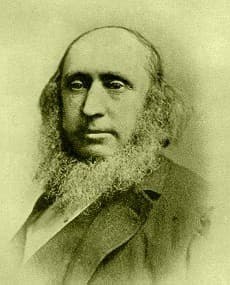
R.D. Blackmore was an English novelist active in the 19th century, best known for his historical romance "Lorna Doone." His works often explore themes of rural life and the complexities of human relationships, with "Lorna Doone" being his most notable contribution to English literature.
Similar books
- Wuthering Heights
Emily Brontë
3.9 (1.3M) average on GoodreadsHistorical FictionFeatures a passionate, turbulent romance set against a wild, untamed landscape with a strong sense of place.
- Jane Eyre
Charlotte Brontë
4.1 (1.6M) average on GoodreadsHistorical FictionExplores themes of social class, moral integrity, and enduring love in a historical setting, with a strong, determined protagonist.
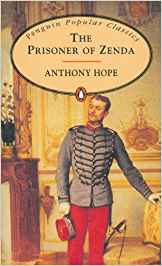
- The Prisoner of Zenda
Anthony Hope
3.9 (18k) average on GoodreadsFantasyA classic adventure romance with themes of duty, love, and intricate plot twists, though set in a different historical period.
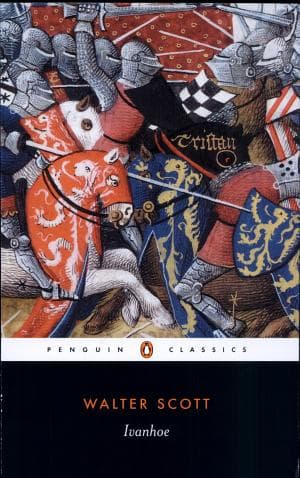
- Ivanhoe
Walter Scott
3.8 (87k) average on GoodreadsHistorical FictionWhile both are historical romances, Lorna Doone has a more intimate focus on a specific regional history and a deeply personal narrative voice, contrasting with Scott's broader historical sweep and often more didactic approach to historical detail.
- Kidnapped
Robert Louis Stevenson
3.8 (58k) average on GoodreadsHistorical FictionBoth novels feature adventure and a strong sense of place, but Lorna Doone prioritizes its romantic core and the protagonist's emotional journey, employing a more leisurely, descriptive prose, whereas Stevenson's work is often more concise, action-oriented, and focused on political intrigue.
- To Kill a Mockingbird
Harper Lee
4.3 (4.5M) average on GoodreadsHistorical FictionIn the 1930s Jim Crow South, Harper Lee writes about racial injustice, moral growth, and the quiet courage of a lawyer father, Atticus Finch, as seen through his young daughter's eyes.

Enjoyed the summary?
A summary gives you the shape of the book. The book itself has the detail, the examples and the voice.
Find Lorna Doone on AmazonAs an Amazon Associate, BookBrief earns from qualifying purchases. How we're funded