

Synopsis
Covers the whole plot, including the ending.
- Difficulty
- Medium
- Pacing
- Moderate
- Mood
- Heartbreaking, Thought-provoking, Resilient, Suspenseful
- Read it if
- You enjoy historical fiction exploring social justice issues, particularly the eugenics movement in the American South, and stories of strong women fighting against injustice.
- Skip it if
- You prefer lighthearted reads or are sensitive to themes of medical injustice, child separation, and mental illness.
Necessary Lies Plot Summary
Covers the whole plot, including the ending.
A New Social Worker Arrives in Grace County
In 1960, Jane Forrester, a newlywed and recent college graduate, moves to Grace County, North Carolina, with her husband, Robert. She takes a job as a social worker, quickly seeing the widespread poverty in the rural community. During her first home visits, Jane is assigned to the Hart family. She meets fifteen-year-old Ivy Hart, who lives with her mentally ill older sister, Mary Ella, Mary Ella's infant son, Henry, and their aging, frail grandmother, Mema. The family are sharecroppers on land owned by the wealthy Maxwell family. Jane immediately notices Ivy's maturity and the heavy load she carries, recognizing the urgent need for help.
Ivy's Burden and Mary Ella's Fragility
Ivy Hart cares for her family. Her older sister, Mary Ella, has severe mental illness, often experiencing catatonic states and unable to care for herself or her baby, Henry. Ivy also handles Mema's increasing forgetfulness and physical problems. The family's small income comes from tobacco farming, a demanding job Ivy largely does. She often misses school to work in the fields and care for Henry. Ivy's own epilepsy, which she keeps secret, makes her life even harder, as she fears being institutionalized if authorities discover her condition.
Jane's Growing Concern and Official Obstacles
Jane becomes deeply involved in the Hart family's well-being. She tries to get them better housing, medical care, and food assistance, but faces many rules and resistance from her supervisor, Mr. Patterson. Patterson is a strict man who follows the county's eugenics program, which targets poor people, especially those with disabilities or perceived mental issues, for forced sterilization. He dismisses Jane's concerns about Mary Ella and Henry, suggesting sterilization as the 'solution' for Mary Ella. This idea horrifies Jane, who believes in helping families, not breaking them apart.
Mary Ella's Deterioration and Henry's Future
Mary Ella's mental health continues to worsen, making it impossible for her to care for Henry. Ivy, despite her best efforts, is overwhelmed. Jane realizes Henry is at significant risk in the Hart home. After a disturbing incident where Mary Ella accidentally harms Henry, Jane decides to remove Henry from the home, placing him in temporary foster care. This decision greatly pains Ivy, who loves her nephew, but Jane believes it is the only way to keep Henry safe, even though it strains her relationship with the Hart family.
The Sterilization Program's Shadow
As Jane works more, she learns about the widespread, forced nature of Grace County's state-mandated sterilization program. She discovers that many of her clients, particularly those the state considers 'feeble-minded' or 'unfit,' are pressured into or forcibly sterilized. Mr. Patterson strongly supports the program, seeing it as a public health measure. Jane feels a conflict between her professional duty and her personal beliefs. She sees the program as a violation of human rights, especially when applied to vulnerable women like Mary Ella, and begins to secretly investigate its practices.
Ivy's Secret and Fear
Ivy lives in constant fear that social services will discover her epilepsy. She has seen what happens to others in the community labeled 'unfit' and knows that a diagnosis could lead to her own forced sterilization or institutionalization, leaving Mema and Mary Ella alone. She carefully manages her seizures, often in secret, and avoids doctors. This fear makes her distrust Jane, even as Jane tries to help. Ivy's secret adds to her emotional isolation, preventing her from fully confiding in anyone, including the one person who might offer medical help.
Jane's Investigation and Robert's Disapproval
Jane's increasing involvement with the Hart family and her investigation into the sterilization program starts to strain her marriage to Robert. Robert, a lawyer, is ambitious and values his reputation in the conservative community. He worries that Jane's actions are too extreme and could harm his career. He urges her to comply with Mr. Patterson and not challenge the system. Despite his concerns, Jane feels she must expose the injustices she finds, leading to arguments and growing emotional distance between the couple, as their values and priorities differ.
A Revelation from Mema
As Mema's dementia progresses, she begins to share fragmented but disturbing memories about Mary Ella's past. Through Mema's confused recollections, Jane and Ivy slowly uncover a shocking truth: Mary Ella was sexually assaulted by a member of the powerful Maxwell family, the landowners, which led to Henry's birth. This explains Mary Ella's deep mental distress and the family's fear of involving outsiders. The Maxwells, using their power, covered up the crime, making the Hart family even more vulnerable and isolated, and Jane's fight more complicated.
The Fight for Henry and Mary Ella
With the knowledge of Mary Ella's assault and the Maxwell family's involvement, Jane becomes even more determined to protect the Harts. She realizes that Mary Ella's 'mental deficiency' is from trauma, not a genetic flaw, making the proposed sterilization even worse. Jane and Ivy, now working together, gather evidence and seek legal ways to prevent Mary Ella's forced sterilization and ensure Henry's permanent return to the family. They face great pressure from Mr. Patterson and the powerful Maxwells, who threaten Jane's job and Robert's reputation.
Confrontation and Consequences
Jane directly confronts Mr. Patterson and the county's eugenics board, presenting her findings about Mary Ella's assault and arguing against her sterilization. Her actions lead to severe professional consequences; she is threatened with dismissal and shunned by many in the community. Robert, feeling his career is at risk, distances himself from Jane. Despite the personal cost, Jane refuses to back down. Her courage inspires Ivy, who finds her own voice and strength to fight for her family. The conflict grows, attracting the attention of others who question the county's practices.
A Difficult Victory and New Beginnings
Through Jane's strong advocacy and Ivy's steady determination, they prevent Mary Ella's forced sterilization and secure Henry's return, though with ongoing social worker oversight. The revelation of the Maxwell family's actions, while never fully prosecuted, damages their reputation. Jane, having sacrificed her marriage and job security for her beliefs, eventually leaves Grace County. However, she leaves behind a spark of change and a family forever changed by her help. Ivy, inspired by Jane's example, becomes a stronger advocate for her family, embracing a future where she can protect them.
Ivy's Future and Lasting Impact
Years later, Ivy has become a strong, independent woman. She continues to care for Mary Ella and Henry, ensuring they have a stable, loving home. While the past's scars remain, the Hart family has found peace. Ivy never forgets Jane's courage and the deep impact she had on their lives. The story ends with Ivy reflecting on the 'necessary lies' people tell—to protect themselves and others—and the lasting power of truth and kindness, even against great injustice. She understands that sometimes, breaking the rules is the only way to do what is truly right.
Necessary Lies Characters
Jane Forrester
Protagonist
A compassionate social worker fighting injustice in 1960s North Carolina.
Jane is a bright, idealistic young woman, fresh out of college and eager to make a difference. She moves to Grace County with her new husband, Robert, and quickly becomes emotionally invested in her clients, particularly the Hart family. Jane possesses a strong moral compass and a deep sense of empathy, which puts her at odds with the rigid, often cruel, bureaucracy of the social services system and the prevailing eugenics movement. She is intelligent, persistent, and courageous, willing to risk her career and personal relationships to do what she believes is right.
Relationships: Ivy Hart (Client turned ally and friend, Jane becomes her protector and advocate.); Robert Forrester (Husband, their marriage is strained and ultimately broken by Jane's moral stands.); Mr. Patterson (Supervisor and antagonist, representing the oppressive system Jane fights.)
Ivy Hart
Protagonist
A resilient teenager burdened with the care of her family and a hidden illness.
Ivy is a fifteen-year-old sharecropper's daughter, wise beyond her years due to the immense responsibilities thrust upon her. She cares for her mentally ill sister, Mary Ella, her infant nephew, Henry, and her aging grandmother, Mema. Ivy is fiercely protective of her family and deeply distrustful of outsiders, especially social workers, due to past negative experiences and her own secret epilepsy. She is strong, resourceful, and deeply loving, but also carries the weight of fear and isolation. Her quiet strength and determination are central to the story.
Relationships: Jane Forrester (Initially distrustful client, later an ally and friend who inspires her.); Mary Ella Hart (Older sister, Ivy is her primary caregiver and protector.); Henry Hart (Nephew, Ivy loves him deeply and fights for his well-being.); Mema Hart (Grandmother, Ivy cares for her and relies on her for family history.)
Mary Ella Hart
Supporting
Ivy's mentally ill older sister, a victim of the system and a past trauma.
Mary Ella is Ivy's older sister, suffering from severe mental illness, which manifests in catatonic states and an inability to care for herself or her son, Henry. Her condition is exacerbated by a traumatic past event—sexual assault by a powerful local man—which is initially hidden. She is vulnerable, childlike, and often unable to communicate her needs, making her a prime target for the state's eugenics program. Her plight is a central catalyst for Jane's and Ivy's fight against injustice.
Relationships: Ivy Hart (Sister and primary caregiver.); Henry Hart (Son, whom she cannot care for due to her illness.); The Maxwell Family (Victim of a member of this powerful family.)
Henry Hart
Supporting
Mary Ella's infant son, whose custody becomes a central battle.
Henry is Mary Ella's baby, and Ivy's nephew. He is innocent and helpless, representing the future and the potential for a better life. His removal from the Hart home by social services, and the subsequent fight for his return, is a major plot point. He is a symbol of the vulnerable population targeted by the eugenics program and the profound love and sacrifice Ivy and Jane make to protect him.
Relationships: Mary Ella Hart (Mother, unable to care for him.); Ivy Hart (Aunt and de facto primary caregiver.); Jane Forrester (Social worker who fights for his safety and return to family.)
Mema Hart
Supporting
The aging matriarch of the Hart family, holding secrets about their past.
Mema is the Hart family grandmother, increasingly frail and suffering from dementia. Despite her fading memory, she holds crucial knowledge about the family's history, particularly the traumatic event involving Mary Ella and the Maxwell family. Her fragmented recollections slowly reveal the 'necessary lies' that have protected the family and illustrate the deep-seated fear and power dynamics in Grace County. She represents the older generation's endurance and the hidden truths within a community.
Relationships: Ivy Hart (Granddaughter and caregiver.); Mary Ella Hart (Granddaughter, whose trauma she witnessed and kept secret.)
Robert Forrester
Supporting
Jane's ambitious lawyer husband, conflicted by her radical actions.
Robert is Jane's husband, a lawyer focused on building his career and maintaining a good reputation in Grace County. He is initially supportive of Jane, but as her social work leads her to challenge the powerful local establishment, he becomes increasingly uncomfortable. Robert represents the societal pressure to conform and the fear of social and professional repercussions. He is loving but ultimately prioritizes his own ambitions and the status quo over Jane's passionate pursuit of justice, leading to a rift in their marriage.
Relationships: Jane Forrester (Husband, their marriage dissolves due to differing values and priorities.)
Mr. Patterson
Antagonist
Jane's rigid and unsympathetic supervisor, a proponent of the eugenics program.
Mr. Patterson is Jane's supervisor at the social services office. He is a staunch believer in the state's eugenics program, viewing it as a necessary tool for societal improvement. He is bureaucratic, inflexible, and lacks empathy for his clients, often seeing them as statistics or problems to be eliminated rather than individuals in need. Patterson embodies the oppressive and dehumanizing aspects of the system Jane fights against, serving as her primary professional antagonist.
Relationships: Jane Forrester (Supervisor and antagonist, representing the system she fights.)
The Maxwell Family
Mentioned
Wealthy and influential landowners, complicit in Mary Ella's trauma.
The Maxwell family are the powerful landowners who employ the Harts as sharecroppers. They represent the entrenched power structure and the casual cruelty of the wealthy elite in Grace County. A male member of their family is revealed to have sexually assaulted Mary Ella, and the family subsequently used their influence to cover it up, contributing to Mary Ella's mental illness and the Hart family's fear and silence. They are a shadowy, ever-present threat.
Relationships: Mary Ella Hart (One of their members is her assailant.); Ivy Hart (The family they work for, and whose power they fear.)
Necessary Lies Themes
The Ethics of 'Necessary Lies'
The novel explores when it is right to deceive or break rules, especially when facing injustice. Ivy tells 'necessary lies' to protect her family from social services and to hide her epilepsy, fearing institutionalization or sterilization. Jane, too, eventually breaks protocol to expose the truth about the eugenics program and Mary Ella's assault. The book asks if upholding a flawed system is better than bending the rules for a greater good, showing that sometimes, truth and kindness need unusual methods. For example, Jane's decision to seek information about Mary Ella's past despite orders from Patterson is a 'necessary lie' to uncover the truth.
“How can you know what you believe is right, when everyone is telling you it’s wrong?”
Social Injustice and Eugenics
A main theme is the harmful effect of social injustice, especially the state-mandated sterilization program in 1960s North Carolina. The novel shows how poverty, perceived mental problems, and racial bias were used to justify forced sterilizations, taking away people's bodily autonomy and human rights. The Hart family, especially Mary Ella, represents these victims. Jane's fight against Mr. Patterson and the system shows how dehumanizing eugenics was and how powerless its targets were. The book highlights a dark part of American history, stressing the need to recognize and resist such systemic abuses.
“They were just trying to save the state money, that’s what Patterson always said. Saving the state money meant sterilizing the poor.”
The Power of Compassion and Advocacy
The novel shows the power of compassion and the courage needed to help vulnerable people. Jane Forrester's strong empathy for the Hart family leads her to defy her bosses, risk her career, and sacrifice her marriage. Her actions show that individual courage can challenge deep-seated systems of injustice. Similarly, Ivy's fierce love for her family and her growing ability to speak up, inspired by Jane, highlights the strength found in protecting loved ones. The bond between Jane and Ivy, initially difficult, becomes a strong alliance built on shared compassion and a commitment to justice, showing how empathy can build unexpected connections and create meaningful change.
“Sometimes, the only way to make things right was to break every rule.”
Family Bonds and Resilience
Despite great hardship, the novel shows the lasting strength of family and the resilience of people. Ivy's steady dedication to her sister, nephew, and grandmother is central to the story's emotion. She sacrifices her education and youth to keep her family together, showing deep loyalty and love. The Hart family, though poor and marginalized, finds strength in their shared history and mutual support. Their ability to survive and even find moments of joy amid constant struggle highlights that family, however unusual, can be a source of great strength and a defense against an indifferent or hostile world. Their resilience shows the power of love in difficult times.
“Family was a complicated thing, full of secrets and burdens, but it was also the only thing that truly mattered.”
Plot Devices & Literary Techniques
Dual Perspectives
The story is told through the alternating viewpoints of Jane and Ivy.
The novel utilizes a dual narrative structure, alternating between the first-person perspectives of Jane Forrester and Ivy Hart. This device allows the reader to experience the story from two distinct vantage points: Jane, the outsider bringing a fresh, critical eye to the county's injustices, and Ivy, the insider who has lived with the consequences of those injustices her entire life. This contrast highlights the societal divides and deepens the emotional impact, allowing readers to understand both the systemic issues and the deeply personal struggles of the characters. It also builds suspense as their paths converge and their secrets are revealed.
Hidden Trauma and Secrets
The withholding of crucial information about Mary Ella's past drives the plot's central mystery.
A significant plot device is the gradual revelation of hidden trauma and family secrets. The true cause of Mary Ella's mental illness and Henry's paternity is kept from the reader and Jane for much of the novel. This secrecy, born of fear and shame, creates suspense and motivates Jane's investigation. Ivy's own secret about her epilepsy adds another layer of tension. These hidden truths underscore the pervasive fear and power dynamics in Grace County, where the powerful can suppress information and the vulnerable are forced into silence. Their eventual exposure is a turning point in the fight for justice.
The State Eugenics Program
A historical backdrop serving as a primary antagonist and source of conflict.
The historical reality of North Carolina's state-mandated eugenics program serves as a critical plot device and a primary antagonistic force. This program isn't just a setting; it directly drives the conflict, threatening Mary Ella's autonomy and Henry's future, and forcing Jane to confront her moral boundaries. It provides a tangible, historically accurate evil against which Jane and Ivy must fight, grounding the fictional narrative in a horrifying real-world injustice. The program's arbitrary and cruel nature is central to the novel's themes of social injustice and human rights violations.
Symbolism of the Tobacco Farm
The farm represents both hardship and the Hart family's deep roots and struggle for survival.
The tobacco farm where the Harts live and work serves as a powerful symbol. It represents their grinding poverty, the arduous labor that defines their lives, and their entrapment as sharecroppers under the thumb of the powerful Maxwell family. However, it also symbolizes their roots, their connection to the land, and their stubborn resilience. The tobacco, a cash crop, offers meager sustenance but demands immense effort, mirroring the Harts' struggle for survival. The farm is their home, a place of both despair and deep family connection, and a visual representation of their precarious existence.
Necessary Lies Quotes
“The truth is a powerful thing, and sometimes it's better left unspoken.”
“Sometimes you have to break the rules to do what's right.”
“Fear is a powerful motivator, but love is even stronger.”
“Ignorance is not always bliss, especially when it's forced upon you.”
“A lie, no matter how necessary, always leaves a scar.”
“The past has a way of catching up to you, whether you want it to or not.”
“Hope is a dangerous thing, but it's all some people have.”
“Sometimes the biggest monsters wear the kindest faces.”
“The greatest injustice is to deny someone their own future.”
“Family is not always blood, but who you choose to love and protect.”
“Silence can be a weapon, or a shield.”
“There are some things you can never unsee, never unhear.”
“The world is full of people who think they know what's best for others.”
“Even in the darkest times, a small act of kindness can make all the difference.”
Quiz
10 questions on the plot and the characters. Each answer comes with a short explanation.
Question 1
What is Ivy Hart's primary responsibility after the death of her parents?
- Managing the tobacco farm's finances.
- Caring for her grandmother, older sister, and nephew.
- Working full-time in the nearest town.
- Seeking medical treatment for her own epilepsy.
Show answer
B. Caring for her grandmother, older sister, and nephew. After her parents' death, Ivy, at fifteen, is left to care for her grandmother, older sister, and nephew.
Question 2
In what specific North Carolina county is 'Necessary Lies' primarily set?
- Durham County
- Wake County
- Grace County
- Mecklenburg County
Show answer
C. Grace County The story is set in rural Grace County, North Carolina, during a time of state-mandated sterilizations.
Question 3
What is Jane Forrester's profession when she arrives in Grace County?
- A school teacher
- A nurse practitioner
- A social worker
- A journalist
Show answer
C. A social worker Jane Forrester takes a position as Grace County's newest social worker, quickly becoming invested in her clients' lives.
Question 4
What personal health condition does Ivy Hart suffer from?
- Asthma
- Diabetes
- Epilepsy
- Heart murmur
Show answer
C. Epilepsy Ivy struggles with her grandmother’s aging, her sister’s mental illness, and her own epilepsy, making her realize they might need more than she can give.
Question 5
What historical societal practice prevalent in the setting of 'Necessary Lies' causes tension and moral dilemmas for Jane?
- Mandatory military conscription for young women.
- State-mandated sterilizations.
- Forced relocation of tenant farmers.
- Prohibition of alcohol sales.
Show answer
B. State-mandated sterilizations. The book is set in a time of state-mandated sterilizations and racial tension, which is a major source of conflict and moral questioning for Jane.
Question 6
What is the primary crop grown on the farm where the Hart family lives as tenants?
- Cotton
- Corn
- Tobacco
- Soybeans
Show answer
C. Tobacco Ivy Hart and her family live as tenants on a small tobacco farm, which is central to their livelihood and struggles.
Question 7
What is the central ethical dilemma that Jane Forrester faces regarding her clients, particularly the Hart women?
- Whether to report them for tax evasion or help them hide it.
- Whether to expose the truth about the farm's secrets or protect the family's privacy.
- Whether to encourage them to leave the farm or help them stay.
- Whether to prioritize her career or her marriage.
Show answer
B. Whether to expose the truth about the farm's secrets or protect the family's privacy. As Jane uncovers darker secrets on the farm, she must decide whether to take drastic action to help them, or risk losing the battle against everything she believes is wrong, implying a conflict between exposing truth and protecting the family.
Question 8
What internal conflict does Jane Forrester experience due to her emotional investment in her clients?
- Tension with her parents and siblings.
- Disagreements with her religious community.
- Tension with her boss and her new husband.
- Struggles with her own personal health.
Show answer
C. Tension with her boss and her new husband. Jane quickly becomes emotionally invested in her clients' lives, causing tension with her boss and her new husband, highlighting the personal cost of her dedication.
Question 9
The title 'Necessary Lies' most closely relates to which thematic question posed by the book?
- How can one justify deception for personal gain?
- When is it acceptable to lie to protect others or uphold a perceived greater good?
- Are all lies inherently harmful, regardless of intent?
- Does society benefit from maintaining secrets?
Show answer
B. When is it acceptable to lie to protect others or uphold a perceived greater good? The book's overarching question for Jane and Ivy is 'how can you know what you believe is right, when everyone is telling you it’s wrong?', directly addressing the moral complexity of 'necessary lies' in difficult situations.
Question 10
What dual challenges does Ivy face regarding her sister that complicate her caregiving responsibilities?
- Her sister's physical disability and unemployment.
- Her sister's mental illness and the need to protect her nephew.
- Her sister's drug addiction and legal troubles.
- Her sister's rebellious behavior and desire to leave the farm.
Show answer
B. Her sister's mental illness and the need to protect her nephew. Ivy struggles with her grandmother’s aging, her sister’s mental illness, and her own epilepsy, along with caring for her nephew, implying the sister's condition directly impacts the nephew's care.
Necessary Lies FAQ
What is the central conflict in 'Necessary Lies' regarding the Hart family?
The central conflict revolves around fifteen-year-old Ivy Hart's struggle to care for her mentally ill sister, Mary Ella, her nephew, Henry, and her ailing grandmother on a small tobacco farm, compounded by the threat of state intervention and the dark secrets surrounding their living situation and past.
Who is Jane Forrester and what is her role in the story?
Jane Forrester is a newly hired social worker in Grace County who becomes deeply involved with the Hart family. Her role is to assess their living conditions and well-being, but she quickly finds herself entangled in their complex issues, challenging her professional boundaries and personal beliefs.
What historical context is crucial to understanding the novel's themes?
The novel is set in 1960s rural North Carolina, a period marked by state-mandated eugenics programs, specifically forced sterilizations, and significant racial tensions. This historical backdrop directly influences the social workers' actions and the vulnerable position of families like the Harts.
What challenges does Ivy face in caring for her family?
Ivy faces immense challenges, including managing her sister Mary Ella's severe mental illness, caring for her young nephew Henry, dealing with her grandmother's declining health, and navigating her own epilepsy. These responsibilities are intensified by their poverty and the constant threat of losing their home.
How does Jane's relationship with her husband, Robert, evolve throughout the story?
Jane's relationship with Robert becomes strained as her emotional investment in her clients, particularly the Harts, conflicts with his desire for a more conventional and less complicated life. His disapproval of her work and her growing moral dilemmas create significant tension between them.
What is the significance of the tobacco farm as a setting?
The tobacco farm represents both the Hart family's livelihood and their entrapment. It symbolizes their deep roots in the land, their poverty, and the harsh realities of their existence, while also holding secrets that have shaped their lives for generations.
What 'dark secrets' does Jane uncover about the Hart family?
Jane uncovers the devastating secret that Mary Ella was forcibly sterilized by the state years prior, a procedure that profoundly impacted her mental health. She also learns about the hidden abuses and difficult history of the family on the farm, including the paternity of Henry.
How does Ivy's epilepsy play a role beyond her personal health?
Ivy's epilepsy not only adds to her personal struggles but also makes her vulnerable to the eugenics program, as people with epilepsy were often targeted for sterilization. This fear is a constant undercurrent, influencing her decisions and her family's efforts to protect her.
What is the significance of the title 'Necessary Lies'?
The title refers to the difficult choices characters make to protect themselves and others from perceived greater harm. It highlights the moral ambiguity of actions taken when official systems are unjust, such as Jane lying to protect Ivy, or the Harts hiding truths to survive.
How does Jane's character demonstrate moral courage?
Jane demonstrates moral courage by defying her superiors and even her husband to advocate for the Hart family, particularly Mary Ella and Ivy. She risks her career and personal relationships to fight against the injustice of the eugenics program and ensure the family's well-being.
Discuss the psychological impact of forced sterilization on Mary Ella.
The forced sterilization profoundly traumatized Mary Ella, exacerbating her existing mental health issues and leading to severe depression and withdrawal. It stripped her of her autonomy and reproductive rights, leaving her with deep emotional scars and a sense of betrayal.
How does Ivy's sense of responsibility shape her personality?
Ivy's overwhelming responsibility for her family forces her to mature rapidly and develop a fierce protectiveness. She becomes resilient and resourceful, but also carries a heavy burden of stress and anxiety, suppressing her own needs for the sake of her loved ones.
What internal conflict does Jane face regarding her professional duties versus her personal ethics?
Jane struggles with the conflict between her professional duty to follow state mandates, which included eugenics policies, and her personal ethical belief that these policies are wrong and harmful. This leads her to make choices that put her career at risk but align with her moral compass.
How does the novel explore the theme of systemic injustice?
The novel profoundly explores systemic injustice through the state-mandated eugenics program, which disproportionately targeted vulnerable populations, including the poor and those with disabilities. It shows how official policies can be used to control and harm individuals under the guise of public good.
Is there a definitive 'right' or 'wrong' answer to the dilemmas presented in the book?
The novel deliberately presents morally ambiguous situations, suggesting that there are no easy 'right' or 'wrong' answers when faced with deeply flawed systems. It encourages readers to consider the complexities of survival, protection, and justice in a society where rules can be inherently unjust.
How does the relationship between Ivy and Jane evolve from client-social worker to something more?
Initially, their relationship is formal, but as Jane becomes more invested and discovers the depths of the Hart family's struggles, she develops a deep empathy and protective instinct for Ivy. Their bond transcends professional boundaries, becoming one of mutual trust and advocacy.
What role does racial tension play in the background of the story?
While not central to the main plot, racial tension is an ever-present backdrop, highlighting the broader societal prejudices and injustices of the era. It subtly reinforces the vulnerability of marginalized communities, including the Harts, within the rigid social structures of 1960s North Carolina.
How does the novel portray the concept of 'family' beyond traditional definitions?
The novel portrays family as a complex, often flawed, but ultimately resilient unit bound by loyalty and shared struggle. Despite their challenges, the Hart women stick together, illustrating that 'family' can be defined by deep emotional connections and a commitment to protect one another, even when external forces threaten to tear them apart.
About the author

Diane Chamberlain is a best-selling author known for her gripping suspense novels that often explore complex family secrets and social issues. Her notable works include 'The Secret Life of CeeCee Wilkes,' 'Necessary Lies,' and 'Big Lies in a Small Town.' Chamberlain's writing is characterized by its emotional depth and intricate plotting, making her a beloved figure in contemporary fiction.
Similar books
- Before We Were Yours
Lisa Wingate
4.4 (376k) average on GoodreadsHistorical FictionFeatures a historical injustice against children and a contemporary character uncovering the truth.
- Where the Crawdads Sing
Delia Owens
4.5 (975k) average on GoodreadsHistorical FictionSet in the rural South with themes of resilience, family struggles, and social ostracism.
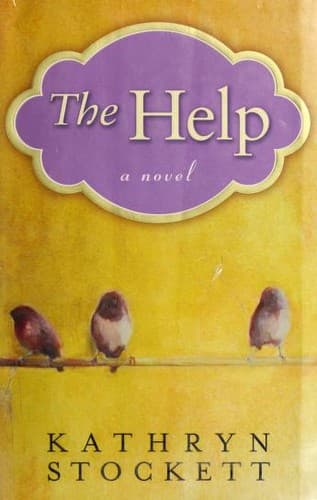
- The Help
Kathryn Stockett
4.5 (2.2M) average on GoodreadsHistorical FictionBoth books are set in the American South and tackle issues of systemic oppression, prejudice, and the voices of marginalized communities. Stockett's novel centers on racial injustice and the experiences of Black domestic workers in the 1960s, whereas Chamberlain's Necessary Lies focuses on the eugenics movement, highlighting discrimination based on perceived intellectual disability and poverty as grounds for involuntary sterilization, thus addressing a different, though equally significant, form of societal injustice.
- To Kill a Mockingbird
Harper Lee
4.3 (4.5M) average on GoodreadsHistorical FictionIn the 1930s Jim Crow South, Harper Lee writes about racial injustice, moral growth, and the quiet courage of a lawyer father, Atticus Finch, as seen through his young daughter's eyes.
- The Great Gatsby
F. Scott Fitzgerald
3.9 (3.8M) average on GoodreadsHistorical FictionIn the opulent Roaring Twenties, a mysterious millionaire's lavish parties hide his desperate, tragic pursuit of a lost love, exposing the emptiness within the American Dream.
- Pride and Prejudice
Jane Austen
4.3 (3M) average on GoodreadsHistorical FictionIn a society focused on status and money, Elizabeth Bennet navigates love and pride, challenging Mr. Darcy and social expectations to find true affection.





Enjoyed the summary?
A summary gives you the shape of the book. The book itself has the detail, the examples and the voice.
Find Necessary Lies on AmazonAs an Amazon Associate, BookBrief earns from qualifying purchases. How we're funded