
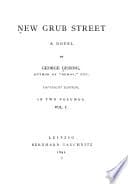
Synopsis
Covers the whole plot, including the ending.
- Difficulty
- Medium
- Pacing
- Slow
- Mood
- Melancholy, realistic, critical, thought-provoking, somber
New Grub Street Plot Summary
Covers the whole plot, including the ending.
The Literary Hopes of Reardon and Biffen
Edwin Reardon, a sensitive novelist, struggles to finish his latest work, 'Hours in Spring,' while battling poverty and illness. His wife, Amy, has her own writing ambitions but lacks his talent. Reardon feels great pressure to produce fiction that sells, a task he finds difficult as his artistic standards conflict with market demands. Meanwhile, his friend Jasper Milvain, a more cynical writer, advances his career by cultivating influential connections and writing for various publications. Reardon's other friend, Harold Biffen, a dedicated but unsuccessful author, lives in extreme poverty, meticulously writing a novel about the everyday lives of the poor, a work he knows will never sell.
Marian Yule's Introduction and Milvain's Ambition
Marian Yule, an intelligent and hardworking young woman, works as a secretary to her demanding and scholarly father, Alfred Yule, a respected but financially unstable literary critic. Marian is deeply involved in her father's work, often ghostwriting for him, and dreams of a successful writing career for financial independence. Jasper Milvain, a distant cousin of the Yules, begins to court Marian. He sees her as an intellectual partner and a way to a more secure future, even though he ultimately wants to marry for wealth. He knows how uncertain a purely literary income is and seeks a more stable life.
Reardon's Financial Decline and Amy's Discontent
Reardon's health worsens, making writing an agonizing process. He cannot produce work fast enough to support his family, and their financial situation becomes desperate. Amy, who once admired his artistic ideals, grows frustrated with their poverty and his inability to provide. She believes he should compromise his artistic principles for commercial success, a suggestion Reardon finds painful. Their marriage, already strained by money worries, suffers further from their differing views on art and money, leading to emotional distance. Reardon's attempts to write popular fiction are half-hearted and fail to impress publishers.
The Separation and Biffen's Dedication
Unable to tolerate their poverty and Reardon's perceived failure, Amy suggests they separate. She moves back to her mother's home in the countryside with their young son, Willie. Reardon, heartbroken, moves into a dreary lodging house, where he continues to struggle with writing and his declining health. He tries to write a more commercial novel but finds himself without inspiration or energy. Meanwhile, Harold Biffen, unaware of his own destitution, continues to labor on his novel, 'Mr. Bailey, Grocer,' a detailed and unsentimental portrayal of working-class life, driven by artistic integrity rather than hope of money or recognition.
Milvain's Pragmatism and the Yule Family's Struggles
Jasper Milvain, always practical, continues to build his literary connections and carefully considers marriage. He learns of the wealthy Miss Dora Milvain, his distant cousin, and begins to weigh marrying for money against his intellectual connection with Marian. The Yule family faces increasing financial difficulties. Alfred Yule's literary projects do not bring in enough income, and his health is failing. Marian, burdened by her father's demands and the family's uncertain situation, feels pressure to secure her own financial future, recognizing that her writing ambitions must also serve practical needs.
The Death of Willie and Reardon's Despair
Tragedy strikes Reardon when his young son, Willie, dies. This loss plunges Reardon into deeper despair, crushing any remaining will to live or write. He blames himself for his son's death, believing his poverty contributed to the child's poor health and inadequate care. The separation from Amy, their financial struggles, and now the death of his only child leave Reardon broken. His physical health, already fragile, declines rapidly, made worse by his grief and lack of care. He becomes a shadow of his former self.
Milvain's Calculations and Dora's Fortune
Jasper Milvain learns of the substantial inheritance of his distant cousin, Miss Dora Milvain, after her father's death. Seizing the opportunity, he quickly shifts his attention from Marian Yule to Dora, carefully calculating the financial benefits of such a match. Despite his intellectual connection with Marian, his desire for financial security outweighs any romantic feelings. He proposes to Dora, a somewhat naive woman, and she accepts. This engagement guarantees Milvain the comfortable, secure future he has always wanted, freeing him from the anxieties of a writer's life and allowing him to pursue his literary ambitions from a position of strength.
Reardon's Final Days and Biffen's Loyalty
Reardon's health continues to decline. He returns to London, living in squalor, unable to care for himself. Harold Biffen, despite his own difficult circumstances, remains a devoted friend, visiting Reardon regularly, offering comfort, and tending to his needs. Biffen reads to Reardon from his own manuscript, a gesture of literary solidarity between two men who understand the harsh realities of their profession. Reardon eventually dies, a victim of consumption and the pressures of the literary market. His death is the tragic end of a sensitive artist unable to compromise his ideals for survival.
Marian's Disappointment and Her Father's Decline
Marian Yule is hurt by Jasper Milvain's engagement to Dora, recognizing it as a calculated act of self-interest. Her trust in him is shattered, and she becomes more cynical about love and artistic integrity in the literary world. At the same time, her father, Alfred Yule, suffers a stroke, which leaves him partially paralyzed and unable to work. This makes the family's financial distress worse and places a greater burden on Marian, who must now care for him and increase her efforts to earn money through her own writing, often sacrificing her own literary aspirations for paid work.
Biffen's Despair and Tragic End
After Reardon's death, Biffen manages to get his novel, 'Mr. Bailey, Grocer,' published, largely thanks to Mrs. Alfred Yule's connections. The novel receives some critical acclaim for its realism, but it fails to sell, bringing him little money. Biffen, already living in poverty and deeply affected by Reardon's death and his own failures, sees no future. Overwhelmed by despair and the futility of his artistic endeavors in a commercial world, he commits suicide by taking poison. His death shows the bleak fate of artists who prioritize integrity over marketability.
Milvain's Success and Marian's Resignation
Jasper Milvain, now financially secure through his marriage to Dora, thrives in the literary world. He becomes a successful journalist, critic, and editor, able to write on any subject to meet demand, unburdened by financial worries. His practical approach to life and literature works well. Marian Yule, after her father's death and the continued struggle for financial stability, eventually marries a kind but uninspiring man named Mr. Fadge, a minor literary figure. She settles for a life of practical, unfulfilling literary work, writing articles and reviews to support herself and her husband, having abandoned her earlier, more ambitious artistic dreams.
Amy's Remarriage and a New Life
Following Reardon's death, Amy, now free from the burdens of her first marriage and its associated poverty, finds herself in a better position. She eventually remarries, choosing a wealthy and conventional businessman. This marriage provides her with the financial security and social standing she always wanted, a contrast to her life with Reardon. Her new life is one of comfort and stability, without the artistic struggles and intellectual anxieties that plagued her first marriage. She represents the triumph of practicality and material comfort over the idealism and suffering of the literary life as depicted through Reardon.
New Grub Street Characters
Edwin Reardon
Protagonist
A sensitive, principled novelist plagued by poverty and ill health.
Edwin Reardon is a talented and fastidious novelist who adheres strictly to his artistic ideals. He possesses a delicate constitution, both physically and emotionally, making him ill-suited to the harsh realities of the commercial literary world. He struggles with chronic illness, poverty, and the pressure to produce marketable work, which he finds creatively stifling. His inability to compromise his artistic integrity for financial gain leads to his downfall, straining his marriage and ultimately contributing to his tragic death. He represents the suffering artist in a utilitarian age, valuing truth and beauty over profit.
Relationships: Amy Reardon (wife, strained and distant); Harold Biffen (close friend, fellow suffering artist); Jasper Milvain (acquaintance, intellectual contrast)
Amy Reardon
Supporting
Reardon's wife, who prioritizes financial stability over artistic ideals.
Amy Reardon is initially supportive of her husband's literary aspirations but quickly grows disillusioned with the poverty it entails. She is practical, ambitious for social standing, and lacks the deep artistic sensibility of Edwin. Her frustration with their financial struggles leads her to pressure Edwin to write more commercially, a source of constant conflict between them. She ultimately leaves him, seeking a more comfortable life. Amy represents the materialistic pressures of society and the incompatibility of artistic idealism with conventional desires for security and comfort.
Relationships: Edwin Reardon (husband, strained and separated); Willie Reardon (son)
Jasper Milvain
Protagonist/Antagonist
A pragmatic and ambitious writer who prioritizes success and wealth.
Jasper Milvain is a cynical, calculating, and highly intelligent writer who understands the mechanics of the literary market. Unlike Reardon, he is willing to compromise his artistic integrity, writing whatever is fashionable or profitable, and cultivating influential connections to advance his career. He sees marriage as a strategic alliance for financial gain rather than a union of love. Milvain embodies the successful, pragmatic author who thrives in the 'New Grub Street' by adapting to its commercial demands, representing the triumph of ambition and calculation over artistic idealism.
Relationships: Marian Yule (love interest, abandoned for wealth); Dora Milvain (wife, chosen for wealth); Edwin Reardon (acquaintance, intellectual contrast)
Marian Yule
Protagonist
An intelligent and industrious woman with literary aspirations, burdened by family and circumstances.
Marian Yule is a bright, intellectual, and hardworking young woman who dreams of a literary career, not for fame, but for financial independence. She is deeply devoted to her demanding father, Alfred Yule, often sacrificing her own ambitions to assist him. Marian is initially drawn to Jasper Milvain's intellect but is ultimately disillusioned by his mercenary nature. She is a symbol of intelligent women struggling to find a place in the literary world, often forced to compromise their ideals due to financial necessity and familial obligations. She represents the unfulfilled potential of women writers.
Relationships: Alfred Yule (father, demanding and dependent); Mrs. Alfred Yule (mother); Jasper Milvain (love interest, betrayed by him)
Harold Biffen
Supporting
A dedicated but utterly unsuccessful author living in extreme poverty.
Harold Biffen is an impoverished but intensely dedicated author who writes with uncompromising artistic integrity, meticulously crafting a novel about the mundane lives of the poor. He is oblivious to the commercial demands of the market and lives in extreme squalor, driven solely by his artistic vision. Biffen is a loyal friend to Edwin Reardon, sharing his struggles and understanding his artistic pain. He represents the purest form of the suffering artist, completely detached from commercial realities, and ultimately succumbs to the same despair and futility that plagued Reardon, leading to his own tragic end.
Relationships: Edwin Reardon (close friend, artistic peer)
Alfred Yule
Supporting
A respected but financially unstable literary critic and Marian's demanding father.
Alfred Yule is a scholarly and respected literary critic whose career is past its peak. He is demanding, self-important, and financially imprudent, relying heavily on Marian for assistance with his work and for financial support. His intellectual pride prevents him from adapting to the changing literary landscape, and his health issues further burden his family. Yule represents the old guard of literary figures struggling to maintain relevance and income in a more commercialized era, often at the expense of those around him, particularly his daughter.
Relationships: Marian Yule (daughter, dependent on her); Mrs. Alfred Yule (wife)
Mrs. Alfred Yule
Supporting
Marian's mother, a practical woman resigned to her husband's literary life.
Mrs. Alfred Yule is Marian's mother and Alfred Yule's wife. She is a more practical and less intellectual figure than her husband or daughter, often resigned to the financial struggles brought about by her husband's literary pursuits. She possesses a certain shrewdness and pragmatism, particularly in managing their household and later in attempting to help Biffen get published. She provides a grounded contrast to the often-heady intellectualism and artistic struggles of the other characters, representing the domestic realities intertwined with the literary world.
Relationships: Alfred Yule (husband); Marian Yule (daughter)
Dora Milvain
Supporting
Jasper Milvain's wealthy and conventional wife.
Dora Milvain is Jasper Milvain's distant cousin and later his wife. She is wealthy, conventional, and somewhat naive, lacking the intellectual depth of Marian Yule or the artistic sensitivity of Edwin Reardon. Dora represents the financial security and social respectability that Jasper so eagerly pursues. Her inheritance provides the foundation for Jasper's success, allowing him to thrive in the literary world without the anxieties of poverty. She is a symbol of the material rewards available to those who prioritize wealth and social standing.
Relationships: Jasper Milvain (husband, chosen for her wealth)
New Grub Street Themes
The Conflict Between Art and Commerce
This is the central theme of 'New Grub Street,' exploring the clash between artistic integrity and the commercial demands of the literary market. Authors like Reardon and Biffen, who prioritize artistic truth, are destroyed by poverty and lack of recognition. In contrast, pragmatic writers like Milvain, who compromise their ideals and cater to popular tastes, succeed. The novel shows how the need to earn a living corrupts artistic production, forcing writers to choose between starvation and selling out, often leading to despair and the loss of genuine talent.
“Literature nowadays is a trade. In a trade everything depends on being a sharp man of business.”
Poverty and its Destructive Power
Poverty is a relentless force throughout the novel, eroding the health, relationships, and spirits of the characters. For Reardon, it worsens his illness, strains his marriage, and contributes to his death and the death of his child. For Biffen, it leads to extreme deprivation and despair, ending in suicide. Even for Marian, poverty dictates her choices, forcing her into unfulfilling work. The novel details the dehumanizing effects of constant financial struggle, showing how it can crush artistic ambition, destroy personal dignity, and make human connection almost impossible.
“Poverty is the root of all evil. It is the great curse of life.”
The Plight of the Intellectual in a Commercial Age
Gissing explores the grim prospects for intellectuals and serious artists in late Victorian society, which increasingly values entertainment and profit over deep thought or aesthetic merit. Characters like Reardon, Biffen, and Marian Yule, who have genuine intellectual and artistic abilities, are marginalized, unappreciated, and impoverished. Their dedication to serious work is met with indifference or scorn by a public seeking sensationalism and easy content. The novel suggests that true intellectual and artistic pursuit often leads to suffering and obscurity, while superficiality and opportunism lead to success.
“The public doesn't want thought; it wants amusement. It doesn't want art; it wants journalism.”
Marriage and Social Mobility
Marriage in 'New Grub Street' is often a transactional arrangement, especially for men seeking financial stability and social advancement. Jasper Milvain shows this, carefully calculating the benefits of marrying for wealth, leaving Marian for Dora. For women like Amy and Marian, marriage offers a potential escape from poverty and a way to secure their future, sometimes at the cost of personal happiness. The novel critiques the societal pressures that turn marriage into a strategic move rather than a union of love, showing how economic necessity dictates personal relationships and reinforces social hierarchies.
“To marry for money is not so bad as to marry for love, if you can get money enough.”
The Nature of Literary Success and Failure
The novel examines what makes for 'success' and 'failure' in the literary world. Reardon and Biffen, despite their artistic integrity and talent, are seen as failures because they cannot sell their work. Milvain, who is less principled but more commercially astute, achieves great success. Gissing argues that true literary merit often goes unrewarded, while mediocrity and sensationalism thrive. Success is defined by marketability and public reception, not by artistic quality, leading to a profound sense of injustice and futility for those who truly strive for art.
“The man who writes for money is a slave; the man who writes for art is a fool.”
Plot Devices & Literary Techniques
Foil Characters
Contrasting characters to highlight thematic differences.
Gissing masterfully uses foil characters to underscore the novel's central themes. Edwin Reardon and Jasper Milvain are the primary foils, representing two opposing approaches to the literary profession: Reardon, the principled artist who perishes, and Milvain, the pragmatic opportunist who thrives. Similarly, Harold Biffen serves as an even more extreme foil to Milvain, embodying absolute artistic integrity and poverty, mirroring Reardon's fate. Marian Yule, with her intellectual aspirations, contrasts with Amy Reardon, who prioritizes material comfort, further highlighting the difficult choices faced by women in this environment.
Irony
Situational and dramatic irony to emphasize the harsh realities.
Irony permeates 'New Grub Street,' particularly situational irony. The most talented and dedicated writers (Reardon and Biffen) suffer the most and ultimately fail, while the cynical and less artistically inclined (Milvain) achieve success and comfort. There is also a tragic irony in Reardon's attempts to write commercial fiction, which only further drains his spirit and fails to save him. The novel's title itself is ironic, as 'Grub Street' was historically associated with impoverished writers, and Gissing shows that the 'New' Grub Street, despite its modernization, is just as, if not more, brutal for the artist.
Symbolism of Illness and Poverty
Physical and financial decay symbolizing artistic and moral decline.
Reardon's chronic illness (consumption) is a powerful symbol throughout the novel. It represents not only his physical decline but also the 'consumption' of his spirit and artistic integrity by the pressures of poverty and the literary market. His failing health is inextricably linked to his financial struggles and his inability to compromise. Similarly, the squalid living conditions of Reardon and Biffen symbolize the moral and artistic decay that results from the commercialization of literature, suggesting that the environment literally poisons the artist.
Narrative Perspective
Omniscient narrator providing critical social commentary.
The novel employs an omniscient third-person narrator who not only describes events and characters but also offers trenchant social commentary on the literary world and Victorian society. This perspective allows Gissing to present a comprehensive, often bleak, view of the struggles faced by writers. The narrator frequently interjects with observations about the nature of art, money, and human ambition, guiding the reader's understanding of the novel's themes and reinforcing its critical stance against the commercialization of literature and the suffering it inflicts upon sensitive souls.
Quiz
10 questions on the plot and the characters. Each answer comes with a short explanation.
Question 1
What is the primary setting of George Gissing's 'New Grub Street'?
- The fashionable West End of London
- The bohemian artist quarters of Paris
- The literary and publishing district of London
- The industrial heartland of Manchester
Show answer
C. The literary and publishing district of London The novel is deeply concerned with the struggles of writers and publishers in the literary world, which was centered in specific areas of London.
Question 2
Which of these is a central theme explored in 'New Grub Street'?
- The glory of war and military conquest
- The romantic idealization of poverty
- The commercialization and degradation of literature
- The pursuit of scientific discovery
Show answer
C. The commercialization and degradation of literature Gissing critiques how the literary market in Victorian London prioritized profit and popular appeal over artistic merit, often leading to the 'degradation' of writing.
Question 3
Who is the protagonist, a writer struggling with the demands of the literary market?
- Edwin Reardon
- Jasper Milvain
- Amy Reardon
- Mrs. Yule
Show answer
A. Edwin Reardon Edwin Reardon is the central character whose artistic ambitions clash with the harsh realities of making a living as a writer.
Question 4
Jasper Milvain represents a different approach to writing than Edwin Reardon. What is Milvain's primary motivation?
- Pure artistic expression and intellectual exploration
- Financial success and social advancement through popular writing
- Advocating for social reform through powerful essays
- Preserving traditional literary forms and styles
Show answer
B. Financial success and social advancement through popular writing Jasper Milvain is depicted as a pragmatic and ambitious writer who is willing to compromise his artistic integrity for fame and fortune in the literary marketplace.
Question 5
The character of Amy Reardon undergoes a significant transformation. What is a key aspect of her development?
- She becomes a successful novelist herself.
- She rejects her husband's literary aspirations and leaves him.
- She becomes increasingly disillusioned and frail due to poverty and hardship.
- She finds solace and success in journalism.
Show answer
C. She becomes increasingly disillusioned and frail due to poverty and hardship. Amy's life is deeply affected by Edwin's struggles, and her own health and spirit deteriorate under the weight of their poverty and his artistic failures.
Question 6
What does the term 'New Grub Street' itself symbolize within the context of the novel?
- A prestigious academic institution for aspiring writers.
- A utopian community for artists free from commercial pressures.
- The commercialized and often uninspired world of journalism and popular literature.
- A historical street in London famous for its literary salons.
Show answer
C. The commercialized and often uninspired world of journalism and popular literature. The phrase 'Grub Street' historically referred to a street in London known for its cheap and often hackneyed literature. 'New Grub Street' extends this idea to the broader, modern literary marketplace where quality is sacrificed for profit.
Question 7
Gissing's portrayal of the literary world in 'New Grub Street' is often described as:
- An optimistic celebration of literary achievement.
- A romanticized view of the struggling artist.
- A cynical and realistic depiction of its economic and social pressures.
- A satirical exaggeration for comedic effect.
Show answer
C. A cynical and realistic depiction of its economic and social pressures. Gissing, himself a writer who experienced financial hardship, offers a stark and often bleak assessment of the realities faced by authors in a market driven by commercial interests rather than artistic merit.
Question 8
What is the significance of the character of Mrs. Yule?
- She is a wealthy patron who supports struggling artists.
- She represents the new, ambitious breed of publisher focused solely on profit.
- She is a literary critic who champions true artistic talent.
- She is a governess who inspires the protagonists with her wisdom.
Show answer
B. She represents the new, ambitious breed of publisher focused solely on profit. Mrs. Yule embodies the commercial spirit of the 'New Grub Street' era, prioritizing marketability and profit over literary quality in her publishing ventures.
Question 9
The novel contrasts two types of novels that are popular in the 'New Grub Street' economy. What are they?
- Philosophical treatises and epic poems
- Sensationalist 'New Woman' novels and patriotic romances
- Historical epics and detective stories
- Biographies of great men and scientific journals
Show answer
B. Sensationalist 'New Woman' novels and patriotic romances Gissing highlights the demand for novels that cater to popular tastes, such as sensationalist fiction often associated with the 'New Woman' movement, and patriotic or sentimental stories, often at the expense of more serious literary work.
Question 10
What is the ultimate fate of Edwin Reardon's artistic ambitions in the novel?
- He achieves critical acclaim and financial success.
- He abandons writing for a more lucrative career in business.
- He becomes a celebrated playwright.
- He succumbs to despair and ill health, his literary career largely unfulfilled.
Show answer
D. He succumbs to despair and ill health, his literary career largely unfulfilled. Edwin Reardon's story is a tragic one, illustrating the destructive impact of the commercial literary world on a sensitive and idealistic artist, leading to his decline.
New Grub Street FAQ
What is George Gissing's New Grub Street about?
New Grub Street explores the struggles of writers in late 19th-century London, depicting the harsh realities of the literary marketplace. It follows characters navigating poverty, ambition, and the compromises required to make a living from their craft.
Who are the main characters in New Grub Street?
The central characters include Edwin Reardon, a talented but struggling novelist; Jasper Milvain, his ambitious and opportunistic cousin; and Amy Reardon, Edwin's devoted but increasingly worn-down wife. Marian Yule, a literary critic and publisher, also plays a significant role.
What does 'New Grub Street' symbolize in the novel?
The 'New Grub Street' represents the commercialized and often soulless world of publishing and writing for profit. It contrasts with the idea of art for art's sake, highlighting the pressure on authors to produce popular, marketable content rather than works of genuine artistic merit.
What is the main theme of New Grub Street?
A primary theme is the conflict between artistic integrity and commercial success in the literary world. The novel also examines social class, the impact of poverty on individuals and relationships, and the changing nature of authorship in a capitalist society.
Is New Grub Street a historical novel?
Yes, New Grub Street is considered a significant work of historical fiction. It provides a vivid and critical portrayal of London's literary scene and the social conditions of the late Victorian era.
How does New Grub Street compare to other Gissing novels?
Like many of Gissing's works, New Grub Street offers a bleak yet realistic depiction of working-class and lower-middle-class life. It is particularly known for its sharp critique of the publishing industry and its focus on the struggles of intellectuals.
What kind of advice can one glean from New Grub Street for aspiring writers?
The novel serves as a cautionary tale, highlighting the dangers of prioritizing fame and fortune over artistic expression. It suggests that true fulfillment may lie in maintaining one's integrity, even if it means facing financial hardship.
What is the historical context of New Grub Street?
The novel was published in 1891 and reflects the social and economic conditions of London during the late Victorian period. It addresses the rise of mass media, the growing influence of commerce on culture, and the precarious lives of many writers.
What is the overall tone of New Grub Street?
The tone of New Grub Street is largely pessimistic and critical. Gissing portrays the lives of his characters with a somber realism, emphasizing their struggles and the often-unrewarding nature of their pursuits.
Who would enjoy reading New Grub Street?
Readers interested in Victorian literature, social history, and critiques of the publishing industry would likely enjoy New Grub Street. It appeals to those who appreciate realistic portrayals of human ambition and the challenges of creative work.
About the author
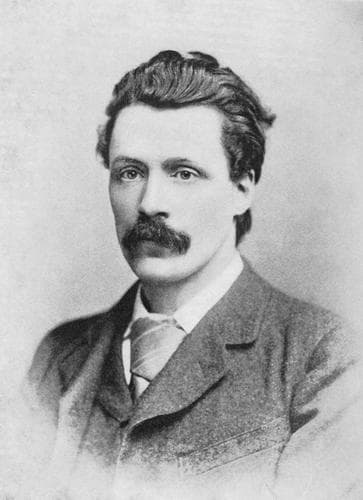
George Robert Gissing was an English novelist, who published 23 novels between 1880 and 1903. His best-known works have reappeared in modern editions. They include The Nether World (1889), New Grub Street (1891) and The Odd Women (1893).
Similar books
- Martin Eden
Jack London
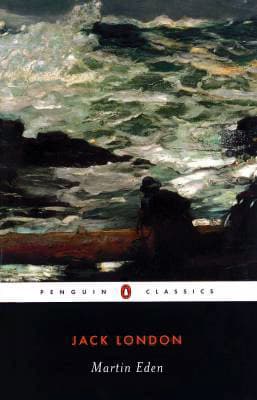
4.4 (26k) average on GoodreadsHistorical FictionWhile both "New Grub Street" and "Martin Eden" explore the struggles of an aspiring writer, Gissing's novel presents a far more pessimistic and nuanced view. London's protagonist, Martin Eden, is a self-made man who achieves success through sheer will and self-education, only to become disillusioned with the superficiality of the literary world. Gissing, however, focuses less on the individual's rise and more on the systemic pressures that crush even talented writers like Reardon, often without them ever achieving recognition. London's narrative has a more traditional heroic arc, albeit a tragic one, whereas Gissing's is a collective tragedy, a dissection of the environment itself. Gissing's naturalism is more granular and less romanticized than London's, which still retains elements of the American Dream, even in its failure.
- Of Human Bondage
W. Somerset Maugham
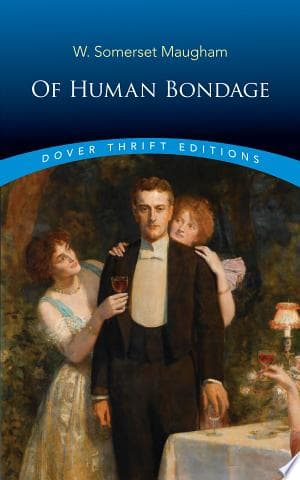
4.1 (50k) average on GoodreadsLiterary FictionBoth novels are deeply naturalistic and explore characters grappling with societal constraints and personal desires. However, "Of Human Bondage" centers on Philip Carey's journey of self-discovery through various professions and relationships, with writing being only one aspect of his life's exploration. "New Grub Street" is almost exclusively focused on the professional and personal lives of writers, offering a much more concentrated and detailed analysis of the literary marketplace specifically. Maugham's novel has a broader scope of experience and a more traditional bildungsroman structure, whereas Gissing's is a more focused, critical examination of a particular industry and its devastating impact on individuals. While both are bleak, Maugham's narrative, though often painful, ultimately leads to a form of acceptance and peace for Philip, a contrast to the relentless despair that permeates Gissing's world of struggling authors.
- To Kill a Mockingbird
Harper Lee
4.3 (4.5M) average on GoodreadsHistorical FictionIn the 1930s Jim Crow South, Harper Lee writes about racial injustice, moral growth, and the quiet courage of a lawyer father, Atticus Finch, as seen through his young daughter's eyes.
- The Great Gatsby
F. Scott Fitzgerald
3.9 (3.8M) average on GoodreadsHistorical FictionIn the opulent Roaring Twenties, a mysterious millionaire's lavish parties hide his desperate, tragic pursuit of a lost love, exposing the emptiness within the American Dream.
- Pride and Prejudice
Jane Austen
4.3 (3M) average on GoodreadsHistorical FictionIn a society focused on status and money, Elizabeth Bennet navigates love and pride, challenging Mr. Darcy and social expectations to find true affection.
- Angels & Demons
Dan Brown
3.9 (2.7M) average on GoodreadsThrillerA Harvard symbologist races through Rome's ancient sites, deciphering cryptic clues to unmask the Illuminati and stop a vengeful plot to destroy the Vatican with a stolen antimatter weapon.




Enjoyed the summary?
A summary gives you the shape of the book. The book itself has the detail, the examples and the voice.
Find New Grub Street on AmazonAs an Amazon Associate, BookBrief earns from qualifying purchases. How we're funded