
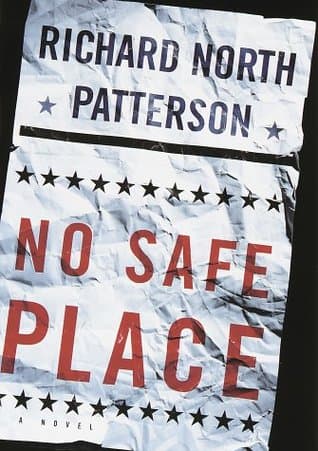
Synopsis
Covers the whole plot, including the ending.
- Difficulty
- Medium
- Pacing
- Moderate
- Mood
- Suspenseful, Intense, Dramatic, Thought-provoking
- Read it if
- You enjoy political thrillers with intricate plots, strong character development, and high stakes, especially those involving presidential campaigns and moral dilemmas.
- Skip it if
- You prefer fast-paced action over political intrigue and detailed character backstories, or are sensitive to themes of political extremism and assassination attempts.
No Safe Place Plot Summary
Covers the whole plot, including the ending.
The California Campaign Kick-off
Senator Kerry Kilcannon arrives in California, seven days before the primary election, with his campaign manager, Peter Lake, and press secretary, Carolyn Davies. He is met by crowds and protestors from the Right to Life movement, including Robert Bell. Kilcannon is running for the Democratic nomination against Senator Robert Baker, a more moderate candidate. The California primary is critical for Kilcannon's progressive campaign. His ex-girlfriend, Caroline Masters, a network correspondent, is covering the election, adding to the pressure due to their complicated history.
The Threat of Exposure
While Kilcannon campaigns, reporter Michael Pace from the Washington Post investigates the Senator's past. Pace has found information about a violent incident in Kilcannon's childhood: his abusive father's death and his mother, Katherine Kilcannon's, murder trial. Pace believes there is more to the story and wants to expose what he sees as a hidden truth that could hurt Kilcannon's presidential bid. Kilcannon's team knows about Pace's investigation and works to manage the potential damage, while Kilcannon struggles with these painful memories.
Caroline's Conflict of Interest
Caroline Masters, a respected journalist, faces an ethical problem covering Kilcannon's campaign. Her past relationship with Kilcannon, though over, still influences her, making it hard to stay objective. She knows about the rumors and Pace's investigation into Kilcannon's family history. While she wants to protect Kilcannon, her job requires her to report the truth. This internal conflict grows worse with interactions with Kilcannon, bringing back old feelings and making her question her impartiality as the campaign gets more intense.
Robert Bell's Radicalization
Robert Bell, a religious and anti-abortion activist, becomes convinced that Senator Kilcannon, because of his pro-choice stance, threatens unborn life and must be stopped. Bell sees a television interview with Kilcannon as a direct challenge, strengthening his extreme views. He begins to plan an assassination, believing it is a divine mission. He gets a weapon and researches Kilcannon's schedule and security, preparing to strike. His mental state worsens, and his conviction becomes a dangerous obsession.
The Growing Pressure
As the California primary nears, pressure on Kilcannon increases. Senator Baker's campaign attacks Kilcannon's liberal policies, trying to paint him as extreme. Michael Pace's investigation finds more details about the childhood incident, putting Kilcannon's team on high alert. Kilcannon appears strained, haunted by his past and present demands. He tells Peter Lake about his childhood trauma, revealing more about his father's violence and the circumstances of his death, information he has kept secret for decades.
Caroline Uncovers the Truth
Driven by her journalistic instincts and concern for Kilcannon, Caroline Masters investigates the childhood incident. She reviews old court documents, interviews sources, and confronts Kilcannon's mother, Katherine. Caroline uncovers the full truth: Kilcannon's father abused Katherine, Kerry, and his sister, Christine. The night he died, he was attacking Katherine with a knife, and Christine, then a young girl, shot him in self-defense, not Katherine. Katherine took the blame to protect Christine and Kerry from scandal and trauma.
The Confrontation and Revelation
With Caroline's findings, Kilcannon confronts his sister, Christine, now a lawyer. The revelation of Christine's role in their father's death is emotional for both. Christine, who had suppressed the memory, relives the event. Kilcannon is devastated by his sister's burden and his mother's sacrifices. This confrontation reveals the extent of the family's trauma and the lengths they went to protect each other, breaking their carefully constructed past.
Pace's Breakthrough
Unknown to Caroline or Kilcannon, Michael Pace also makes a breakthrough. Through digging and an anonymous tip, Pace gets a key piece of evidence – a sealed police report or testimony detailing Christine Kilcannon's involvement in her father's death. This evidence confirms his suspicions and gives him definitive proof. Pace is ready to publish an article that could ruin Kilcannon's campaign days before the primary, believing he is exposing a deception.
The Assassination Attempt
During a large rally in Los Angeles, Robert Bell, having planned his attack, positions himself in the crowd. As Senator Kilcannon speaks, Bell sees his chance. He draws his weapon and fires. The shot causes chaos and panic. Kilcannon's security reacts, shielding him and trying to stop the threat. The assassination attempt disrupts the campaign, with immediate concerns for Kilcannon's safety and the political impact of such violence.
Aftermath and Revelation
After the shooting, Kilcannon is rushed to the hospital. He survives with a non-fatal injury. Bell is caught. Amidst the crisis, the story of Christine Kilcannon's role in her father's death, which Pace was about to publish and Caroline had uncovered, is revealed. The revelation is presented not as a scandal, but as a sign of the family's strength and sacrifice in trauma. Public reaction is largely sympathetic, shifting the narrative in Kilcannon's favor.
The California Primary Results
Despite the scrutiny, assassination attempt, and family secret, Senator Kilcannon wins the California primary. Public sympathy for his ordeal and admiration for his resilience, along with understanding his family's past, boosts support for his campaign. The victory makes him a serious contender for the Democratic nomination, showing that honesty and personal struggle can connect with voters, even in presidential politics.
Reconciliation and Future
After the primary win, Kilcannon and Caroline Masters reconcile, their shared experience and revelations bringing them closer. Professional boundaries blur with their renewed emotional connection. Kilcannon, now more open about his past, is stronger and more determined. With the California primary secured, he looks to the general election, carrying his political ambition, understanding of his history, and the love of those who supported him. The novel ends with Kilcannon continuing his journey towards the presidency, changed by the campaign's events.
No Safe Place Characters
Senator Kerry Kilcannon
Protagonist
A progressive Democratic presidential candidate burdened by a traumatic past.
Kerry Kilcannon is a charismatic and idealistic U.S. Senator running for President. He is driven by a deep sense of justice and a desire to make the system work, often advocating for progressive policies. Beneath his public persona, he carries the profound psychological scars of a violent childhood, specifically the death of his abusive father and his mother's subsequent murder trial. This trauma has shaped his character, making him resilient but also guarded, especially about his personal history. He is a man of integrity and compassion, often putting principles before political expediency.
Relationships: Caroline Masters (former romantic partner, complicated emotional connection); Katherine Kilcannon (mother, protected him and his sister); Christine Kilcannon (sister, protected by their mother, carried a secret trauma); Peter Lake (loyal campaign manager, confidante)
Caroline Masters
Supporting
A sharp network correspondent and Kilcannon's complicated ex-girlfriend.
Caroline Masters is a highly respected and intelligent network correspondent covering the presidential campaign. She is dedicated to her profession and upholds strong journalistic ethics. Her past romantic relationship with Kerry Kilcannon creates a significant conflict of interest, forcing her to navigate between her professional obligations and her lingering personal feelings for him. She is observant, perceptive, and ultimately driven by a desire for truth, which leads her to investigate Kilcannon's past independently. Her internal struggle between personal loyalty and professional integrity is central to her character.
Relationships: Kerry Kilcannon (former romantic partner, complicated emotional connection)
Michael Pace
Supporting
A tenacious investigative reporter from the Washington Post.
Michael Pace is a relentless and ambitious investigative reporter. He is driven by a strong belief in uncovering the truth, regardless of the political consequences. Pace is meticulous, thorough, and unwilling to back down once he senses a hidden story. He sees himself as a guardian of public transparency, and his pursuit of Kilcannon's childhood secret is fueled by the conviction that the public deserves to know the full truth about a presidential candidate. While his methods can be aggressive, his motivation is rooted in journalistic principles, even if he sometimes lacks empathy for the personal toll of his revelations.
Relationships: Kerry Kilcannon (subject of his investigation)
Robert Bell
Antagonist
A fanatical anti-abortion activist who believes he must kill Kilcannon.
Robert Bell is a deeply religious and increasingly radicalized anti-abortion activist. He is consumed by his convictions, interpreting Kilcannon's pro-choice stance as an unforgivable sin against God and unborn life. Bell's psychological state deteriorates throughout the novel, leading him to believe he is divinely ordained to stop Kilcannon. He is isolated, obsessive, and incapable of rational discourse, seeing the world in stark terms of good and evil. His fanaticism culminates in a dangerous plan, making him a tangible threat to Kilcannon's life.
Peter Lake
Supporting
Kilcannon's loyal and pragmatic campaign manager.
Peter Lake is Senator Kilcannon's dedicated and shrewd campaign manager. He is fiercely loyal to Kilcannon and is willing to do whatever it takes to ensure his success, within ethical bounds. Lake is pragmatic, strategic, and often serves as a grounded counterpoint to Kilcannon's idealism. He is constantly managing crises, navigating media scrutiny, and strategizing campaign moves. He is one of the few people Kilcannon truly trusts and confides in, and he plays a crucial role in protecting Kilcannon's image and political future.
Relationships: Kerry Kilcannon (campaign manager, trusted confidante)
Katherine Kilcannon
Supporting
Kerry Kilcannon's mother, who protected her children from a devastating secret.
Katherine Kilcannon is Kerry's mother, a strong and self-sacrificing woman who endured immense personal tragedy. She was a victim of domestic abuse at the hands of her husband. To protect her children, particularly her daughter Christine, she made the ultimate sacrifice by taking the blame for her husband's death, spending years in prison. Her actions demonstrate profound maternal love and resilience. She has lived with the secret for decades, bearing the weight of it to safeguard her children's future, particularly Kerry's political aspirations.
Relationships: Kerry Kilcannon (son, protected by her sacrifice); Christine Kilcannon (daughter, protected by her sacrifice)
Christine Kilcannon
Supporting
Kerry Kilcannon's sister, who committed an act of self-defense as a child.
Christine Kilcannon is Kerry's younger sister, now a successful lawyer. As a child, she endured severe domestic abuse alongside her mother and brother. In a moment of extreme terror, she shot and killed her abusive father to protect her mother. This traumatic event was suppressed, and her mother took the blame to shield her. Christine carries the unspoken burden of this secret, which has subtly influenced her life and choices. Her character embodies the long-lasting psychological impact of trauma and the complex dynamics of family protection.
Relationships: Kerry Kilcannon (brother, protected by her mother's sacrifice); Katherine Kilcannon (mother, protected her by taking the blame)
Senator Robert Baker
Supporting
Kilcannon's primary opponent, a more centrist Democratic candidate.
Senator Robert Baker is Kerry Kilcannon's primary rival for the Democratic presidential nomination. He represents a more centrist and establishment wing of the party, often contrasting with Kilcannon's progressive platform. Baker's campaign is characterized by more traditional political tactics, including negative attacks and attempts to brand Kilcannon as too liberal. He is driven by ambition and a desire to win, using every available political maneuver to gain an advantage. He serves as a direct political obstacle for Kilcannon.
Relationships: Kerry Kilcannon (political rival)
No Safe Place Themes
The Weight of the Past
The novel explores how past traumas and secrets shape people and influence their present. Kerry Kilcannon's life and political career are affected by his father's violent death and his mother's imprisonment. Michael Pace's investigation forces Kilcannon to face these memories. Katherine and Christine Kilcannon also show this theme, having carried the truth for decades, affecting their relationships and self-worth. The book suggests that freedom, even for a presidential candidate, comes from facing one's past.
“The past is a foreign country; they do things differently there.”
Truth vs. Image in Politics
The novel examines the tension between public perception and hidden realities in presidential politics. Kilcannon's campaign is carefully planned, but it is threatened by the potential exposure of a personal and damaging truth. Michael Pace's investigation and Caroline Masters's journalism highlight the media's role in examining a candidate's life. The story questions if a candidate can be authentic while protecting personal secrets, and how the public reacts when those secrets are revealed. It suggests that honesty, even painful honesty, can connect more deeply than a carefully built image.
“In politics, perception is reality, until reality hits you in the face.”
Sacrifice and Protection
A main theme is how far people go to protect loved ones. Katherine Kilcannon taking the blame for her husband's death, sacrificing her freedom and reputation to shield her children, is the clearest example. This act of love and self-sacrifice impacts Kerry and Christine's lives. The theme also includes Kilcannon's campaign team, especially Peter Lake, who works to protect Kilcannon's political future, and Caroline Masters, who struggles between protecting Kilcannon personally and maintaining professional integrity.
“Love, in its purest form, is often an act of profound sacrifice.”
Fanaticism and its Dangers
Robert Bell represents the dangerous extreme of fanaticism. His strong, religiously motivated belief that Kilcannon must be stopped shows how ideology, when taken to an extreme, can lead to violence and disregard for human life. Bell's journey highlights the mental decline that can come with such beliefs, where disagreement is seen as evil and violence becomes a justified means. This theme warns about the dangers of unchecked ideological passion in a democratic society.
“He saw not a man, but a symbol. And symbols, he believed, could be struck down.”
Redemption and Forgiveness
The novel explores themes of redemption and forgiveness. Kilcannon facing his past and accepting the truth about his family's trauma is a form of personal redemption, allowing him to live more authentically. The public's sympathetic reaction to his family's secret suggests collective forgiveness for the initial deception. The story implies that acknowledging past wrongs and suffering, and having the courage to share them, can lead to healing and a stronger sense of self and community.
“Sometimes, the hardest truth is the one that sets you free.”
Plot Devices & Literary Techniques
The Hidden Past/Family Secret
A traumatic childhood event involving a murder and cover-up.
This device is central to the entire narrative. The secret of Christine Kilcannon killing her abusive father, and Katherine taking the blame, creates the primary suspense and conflict. It's the 'ticking time bomb' that threatens Kilcannon's political career and forces the characters to confront painful truths. The slow reveal of the secret, through Michael Pace's investigation and Caroline Masters's efforts, drives much of the plot and character development. It directly links Kilcannon's personal life to his public persona, creating high stakes.
The Relentless Reporter
A tenacious journalist determined to uncover a hidden truth.
Michael Pace serves as the catalyst for exposing the Kilcannon family secret. His relentless pursuit of the truth, often without regard for the personal cost to his subjects, creates external pressure on Kilcannon and his team. Pace's investigation is a constant threat, forcing Kilcannon to make difficult choices about protecting his past versus running an honest campaign. He embodies the media's power and its often-unflinching role in scrutinizing public figures, propelling the plot forward by continuously closing in on the truth.
The Political Campaign Countdown
The final, intense week of a crucial presidential primary election.
The narrative is structured around the seven-day countdown to the California primary. This device creates immense urgency and pressure, intensifying every event and interaction. The limited timeframe amplifies the stakes of Pace's investigation, Bell's plot, and Kilcannon's personal struggles. Each day brings new challenges and revelations, building towards a climax that coincides with both the election and the assassination attempt, making the political race a literal race against time and danger.
The Internal Conflict of Love vs. Duty
Caroline Masters's struggle between her journalistic ethics and personal feelings for Kilcannon.
Caroline Masters's character embodies this device. Her past relationship with Kilcannon and lingering feelings for him create a profound ethical dilemma as she covers his campaign. This internal conflict adds emotional depth to the story, showcasing the human cost of journalism and politics. Her struggle to remain objective while caring for the subject of her reporting highlights the blurred lines that can exist in high-stakes environments, making her a relatable and complex character whose choices significantly impact the narrative's emotional core.
No Safe Place Quotes
“The past is never dead. It's not even past.”
“In politics, there are no friends, only allies and enemies, and both are temporary.”
“Truth is a stubborn thing. It has a way of coming out, no matter how deeply buried.”
“Power corrupts, and absolute power corrupts absolutely. It's not a cliché, it's a warning.”
“Sometimes the greatest betrayals come from those we trust the most.”
“Fear is a powerful motivator, but it can also blind you to the truth.”
“The line between conviction and obsession is often thinner than we'd like to admit.”
“Justice isn't always fair, but it's the ideal we must constantly strive for.”
“Every secret has a price, and someone always pays it.”
“Even in the darkest times, hope is the one thing no one can take from you.”
“The silence of good people is often more dangerous than the noise of the wicked.”
“To truly understand someone, you must walk a mile in their shoes, even if those shoes are covered in mud.”
“The past is not a foreign country; it's the foundations of the house you live in.”
“Sometimes the greatest victories are simply surviving to fight another day.”
Quiz
10 questions on the plot and the characters. Each answer comes with a short explanation.
Question 1
What is the primary motivation driving Kerry Kilcannon's presidential campaign, as described in the synopsis?
- A desire for personal fame and power.
- A violent nightmare from his childhood.
- The encouragement of his political mentors.
- His commitment to traditional party values.
Show answer
B. A violent nightmare from his childhood. The synopsis explicitly states Kilcannon is 'Driven by the violent nightmare of his childhood, fueled by forces that few could understand, and burdened by secrets no one must know.'
Question 2
Which state is identified as the 'crucial battleground' that Kerry Kilcannon is entering with seven days left in his campaign?
- New York
- Florida
- California
- Texas
Show answer
C. California The synopsis mentions Kilcannon is 'entering the crucial battleground of California with seven days to go.'
Question 3
According to the synopsis, what unique quality does Kerry Kilcannon possess that makes him a rare player in presidential politics?
- He has unlimited campaign funding.
- He believes he can make the system work.
- He is endorsed by every major media outlet.
- He has no political rivals.
Show answer
B. He believes he can make the system work. The text states, 'Kerry Kilcannon is the rarest player of all. Kilcannon believes he can make the system work.'
Question 4
What is one of the personal hurdles Kilcannon faces that his political strengths may not overcome?
- His inability to connect with voters.
- A network correspondent he still loves.
- His lack of experience in foreign policy.
- A scandal involving his campaign manager.
Show answer
B. A network correspondent he still loves. The synopsis lists 'the network correspondent he still loves' as one of the 'hurdles that his courage, charisma, and compassion may not overcome.'
Question 5
Besides the network correspondent, who else poses a significant threat to Kilcannon, potentially exposing him?
- A former campaign staffer.
- A foreign intelligence agent.
- A reporter bent on their exposure.
- His own running mate.
Show answer
C. A reporter bent on their exposure. The synopsis states, 'for Kilcannon, there are hurdles... the network correspondent he still loves; the reporter bent on their exposure.'
Question 6
The description implies that the 'predators' in the world of Presidential politics primarily carry what?
- Briefcases
- Microphones
- Weapons
- Policy papers
Show answer
B. Microphones The text explicitly states: 'where predators carry microphones and one misstep can savage a lifetime of achievement.'
Question 7
What is the primary objective of the 'fanatic' mentioned in the synopsis?
- To reveal Kilcannon's childhood secrets.
- To sabotage Kilcannon's campaign funding.
- To murder Kilcannon to protect the right to life.
- To expose Kilcannon's relationship with the network correspondent.
Show answer
C. To murder Kilcannon to protect the right to life. The synopsis lists 'the fanatic who believes that he must murder Kilcannon to protect the right to life' as a hurdle.
Question 8
What kind of achievement can be 'savaged' by one misstep in the high-stakes world of Presidential politics?
- A day's work
- A lifetime of achievement
- A single election cycle
- A political speech
Show answer
B. A lifetime of achievement The synopsis states, 'one misstep can savage a lifetime of achievement' in the political world described.
Question 9
The synopsis implies that Kerry Kilcannon's 'secrets' are significant because:
- They are minor financial irregularities.
- No one must know them, indicating their potentially damaging nature.
- They relate to his foreign policy strategies.
- They are common knowledge among his staff.
Show answer
B. No one must know them, indicating their potentially damaging nature. The text states he is 'burdened by secrets no one must know,' implying their critical importance and potential to undermine his campaign.
Question 10
Which of Kilcannon's attributes are mentioned as potentially insufficient to overcome his hurdles?
- His wealth, family, and intelligence.
- His courage, charisma, and compassion.
- His experience, endorsements, and eloquence.
- His integrity, popularity, and strategic mind.
Show answer
B. His courage, charisma, and compassion. The synopsis explicitly states, 'there are hurdles that his courage, charisma, and compassion may not overcome.'
No Safe Place FAQ
What is the central conflict driving Kerry Kilcannon's presidential campaign in 'No Safe Place'?
Kerry Kilcannon's central conflict stems from his deeply traumatic childhood, specifically a violent incident involving his father and mother. This past fuels his political convictions and his desire to make the system work, but it also burdens him with secrets that could derail his presidential aspirations, especially as he faces intense scrutiny in California.
Who is Brian Kilcannon and what is his relationship to Kerry?
Brian Kilcannon is Kerry's older brother and a powerful, influential figure in his own right. He serves as a key strategist and confidant for Kerry, often acting as a pragmatic counterpoint to Kerry's idealism. Their relationship is complex, marked by shared childhood trauma and differing approaches to politics and life.
Who is Peter Lake and what role does he play in the narrative?
Peter Lake is a relentless and ambitious journalist who is determined to uncover a damaging secret related to Kerry Kilcannon's past. He represents a significant threat to Kerry's campaign, as his investigations could expose the very information Kerry is desperate to keep hidden, potentially destroying his political career.
What is the nature of Kerry Kilcannon's relationship with Lara Costello?
Lara Costello is a prominent network correspondent and Kerry Kilcannon's former lover. Their relationship is complicated by their past romantic involvement and their current professional roles, as Lara is covering his presidential campaign. This creates a deeply personal and professional tension, with the potential for both rekindled feelings and ethical dilemmas.
Who is the 'fanatic' mentioned in the synopsis and what is their motivation?
The fanatic is a radical anti-abortion activist named Frank Nanos, who believes that Kerry Kilcannon's pro-choice stance is morally reprehensible. Nanos is convinced that he must murder Kilcannon to protect the 'right to life,' viewing his actions as a necessary and righteous sacrifice to prevent what he perceives as a great evil.
What specific 'violent nightmare' from Kerry's childhood is hinted at and how does it manifest in the story?
The violent nightmare refers to Kerry witnessing his father, a prominent judge, murder his mother during a domestic dispute. This repressed memory and the subsequent cover-up orchestrated by Brian and others, profoundly shapes Kerry's character, his commitment to justice, and his deep-seated psychological scars, which are gradually revealed through flashbacks and his internal struggles.
How does the 'secret no one must know' connect to Brian Kilcannon's actions and loyalty?
The 'secret no one must know' is the true circumstances of their mother's death. Brian Kilcannon was instrumental in covering up their father's crime, framing it as a suicide, to protect young Kerry and the family's reputation. His unwavering loyalty to Kerry is deeply intertwined with maintaining this decades-old deception, believing it was necessary for Kerry's future.
Are there any subtle clues early in the book that foreshadow the truth about Kerry's past?
Yes, there are subtle clues such as Kerry's intense aversion to violence, his occasional dissociative moments or flashes of memory, and his almost obsessive drive to 'make things right' in the world, which can be seen as a subconscious attempt to atone for or overcome his unaddressed trauma. Brian's overprotective nature and guarded responses to questions about their parents also serve as foreshadowing.
How does Kerry Kilcannon's idealism conflict with the harsh realities of presidential politics?
Kerry's idealism often puts him at odds with the pragmatic, often ruthless, nature of presidential politics. He genuinely believes in ethical governance and public service, but he is constantly forced to compromise, navigate smear campaigns, and make difficult decisions that challenge his moral compass, particularly when his past is exploited by opponents.
Discuss the psychological impact of the repressed memory on Kerry Kilcannon's adult life and political career.
The repressed memory of his mother's murder profoundly shapes Kerry's psychological landscape, manifesting as a deep-seated need for justice, an almost messianic drive to fix societal wrongs, and an underlying sense of internal turmoil. This trauma fuels his ambition but also makes him vulnerable to manipulation and emotional breakdown as the truth threatens to surface, impacting his judgment and relationships.
How does Lara Costello's professional ambition conflict with her personal feelings for Kerry?
Lara Costello faces a significant internal conflict between her ambition as a respected journalist, which demands objectivity and the pursuit of truth, and her lingering personal feelings for Kerry Kilcannon. This tension forces her to constantly weigh ethical responsibilities against emotional loyalty, creating difficult choices regarding what information to pursue, report, or conceal about Kerry.
Analyze the character of Frank Nanos. Is he merely a villain, or is there a deeper psychological dimension to his fanaticism?
Frank Nanos is more than a simple villain; he represents the dangerous extreme of ideological conviction. His fanaticism stems from a deeply held, albeit distorted, moral framework where he believes he is acting righteously to protect life. Psychologically, he exhibits traits of delusion and an inability to empathize with differing viewpoints, leading him to justify violence in pursuit of his cause.
Is 'No Safe Place' primarily a political thriller, or does the psychological depth of its characters elevate it beyond that genre?
'No Safe Place' transcends a typical political thriller by delving deeply into the psychological complexities of its characters, particularly Kerry Kilcannon's trauma and the ethical dilemmas faced by those around him. While the political backdrop is crucial, the novel's exploration of memory, morality, and the human cost of secrets elevates it to a more profound psychological drama.
How does the novel explore the theme of truth versus perception in the media and political landscape?
The novel extensively explores the theme of truth versus perception by showing how the media and political rivals manipulate narratives. Peter Lake seeks a 'truth' that serves his career, while Brian Kilcannon constructs a 'truth' to protect his brother. The public's perception of Kerry is constantly shaped by carefully crafted images and damaging accusations, often far removed from the actual complexities of his character and past.
Could Kerry Kilcannon have achieved his political goals without the burden of his past, or was it paradoxically a driving force?
It's debatable whether Kerry could have achieved his political goals without his past trauma. While it was a immense burden, it also served as a profound driving force, instilling in him a deep empathy for suffering and an unwavering commitment to justice. His past, though hidden, shaped the very qualities that made him an appealing and charismatic candidate, suggesting a paradoxical relationship between his burden and his success.
To what extent is Brian Kilcannon's protection of Kerry justified, considering the moral implications of his actions?
Brian Kilcannon's actions in covering up their mother's murder are morally ambiguous. While his motivation was to protect his younger brother from further trauma and ensure his future, his deception involved obstructing justice and perpetuating a lie for decades. The novel invites readers to debate whether his brotherly love and perceived necessity justified such a profound ethical transgression.
How does the ending of 'No Safe Place' resolve the various conflicts, both personal and political, for Kerry Kilcannon?
The ending of 'No Safe Place' brings a complex resolution. Kerry confronts his repressed memory and the truth about his mother's death, leading to a profound personal reckoning. Politically, he faces the fallout of the revelations but ultimately perseveres, demonstrating resilience. The resolution is not entirely clean-cut, emphasizing the lasting impact of his past while offering a path forward.
What is the significance of the title 'No Safe Place' in the context of the book's themes?
The title 'No Safe Place' is highly significant, referring to multiple layers of insecurity. It speaks to Kerry Kilcannon's lack of safety from his traumatic past, which constantly threatens to resurface. It also reflects the perilous nature of presidential politics, where no secret is safe from exposure, and the constant threat of physical danger from fanatics like Frank Nanos, highlighting the vulnerability inherent in public life.
About the author
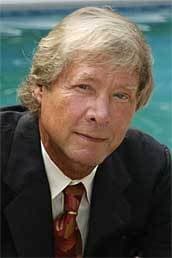
Richard North Patterson is an American author known for his fiction, often exploring themes of law and justice. His notable work, "No Safe Place," delves into the complexities of personal and societal conflict. Patterson's writing is characterized by its intricate plots and well-developed characters.
Similar books
- The Pelican Brief
John Grisham
4.0 (374k) average on GoodreadsThrillerLegal and political thriller with a strong female protagonist uncovering a conspiracy.
- 1984
George Orwell
4.2 (3.1M) average on GoodreadsPoliticsIn a future where surveillance and thought control are absolute, a man's search for truth clashes with the Party, showing that hope can be a form of rebellion.
- Animal Farm
George Orwell
4.0 (2.7M) average on GoodreadsPoliticsA farm animals' rebellion against humans turns into a pig-led dictatorship, showing how power corrupts and revolutionary ideals are betrayed.
- Freakonomics: A Rogue Economist Explores the Hidden Side of Everything
Steven D. Levitt
4.0 (709k) average on GoodreadsBusinessThis book uses economic principles to reveal the surprising incentives behind everything from drug dealing and real estate to cheating teachers and the decline of crime.
- I Am Malala: The Story of the Girl Who Stood Up for Education and Was Shot by the Taliban
Malala Yousafzai
4.1 (419k) average on GoodreadsPoliticsA teenage girl from a Taliban-controlled valley refuses to give up her books, becoming a global voice for education even after an assassination attempt.
- Atlas Shrugged
Ayn Rand
3.7 (354k) average on GoodreadsPoliticsIn a dystopian America where innovators vanish, a brilliant heiress races to uncover the truth behind the disappearing industrialists and the enigmatic John Galt, who vows to stop the world's progress.






Enjoyed the summary?
A summary gives you the shape of the book. The book itself has the detail, the examples and the voice.
Find No Safe Place on AmazonAs an Amazon Associate, BookBrief earns from qualifying purchases. How we're funded