
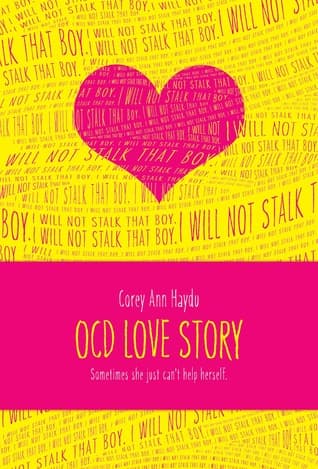
Synopsis
Covers the whole plot, including the ending.
- Difficulty
- Medium
- Pacing
- Moderate
- Mood
- Introspective, Hopeful, Realistic, Emotional
- Read it if
- You're looking for a raw, honest, and ultimately hopeful portrayal of living with OCD, particularly if you appreciate character-driven stories with a strong focus on mental health and internal struggle.
- Skip it if
- You prefer light-hearted romance without significant psychological depth or find detailed descriptions of mental health struggles too intense.
OCD Love Story Plot Summary
Covers the whole plot, including the ending.
Bea's Routine and the New Obsession
Bea, a high school student, lives with severe Obsessive-Compulsive Disorder (OCD). This shows in complex rituals, counting, and a constant need for order. Her life is a strict routine, often making it hard for her to function 'normally.' She has a long-standing, intense obsession with a boy named Gabe, whom she secretly watches, follows, and writes about in a journal. She believes they are meant to be together, though they have never spoken. Her best friend, Liz, often tries to get Bea to do more typical teenage things, but Bea's compulsions and her focus on Gabe take over. Bea's thoughts show a constant fight against her own mind, trying to control the urges and intrusive thoughts that direct her every move.
Meeting Beck and a Glimmer of Understanding
At a coffee shop, a place Bea often goes as part of her routine and to watch Gabe, she meets Beck. Beck, a kind and observant boy, quickly sees Bea's struggles, revealing he also has OCD. This shared experience creates an instant, strong connection for Bea, as Beck understands her in a way no one else, not even Liz, ever has. Their first talks are full of relief and friendship, as they discuss their specific compulsions, fears, and the isolating nature of their disorder. Beck's presence starts to give Bea comfort and a way to feel less alone in her struggles.
A Budding Romance and Shared Vulnerability
Bea and Beck spend more time together, their bond growing through shared experiences and understanding. They tell each other about their specific, often debilitating, OCD symptoms—Bea's counting, symmetry, and intrusive thoughts, and Beck's contamination fears, checking rituals, and need for order. Beck introduces Bea to a support group for teens with OCD, a place where Bea first feels overwhelmed but also a sense of belonging. Their talks mix everyday teenage life with the challenges of living with OCD. They find comfort in each other, and a romantic relationship slowly develops, marked by shared vulnerability and quiet acceptance.
The Conflict Between Beck and Gabe
Despite her growing connection with Beck, Bea's obsession with Gabe continues. She still watches him, collects 'data,' and fantasizes about a relationship with him, all while feeling guilty toward Beck. Bea starts to feel torn, caught between the comfort Beck offers and the intense, almost involuntary pull of her obsession with Gabe. She keeps her Gabe journal a secret from Beck, fearing his reaction and the potential end of their relationship. This internal conflict creates emotional trouble for Bea, as she tries to balance her growing love for Beck with the strong, addictive nature of her long-held obsession, which she knows is unhealthy but struggles to control.
Escalating Rituals and Mounting Pressure
As Bea's emotional conflict grows, so do her OCD symptoms. Her rituals become more demanding, her intrusive thoughts more widespread, and her ability to function outside her compulsions gets worse. She struggles to keep her normal appearance, especially with Liz, who notices Bea's increased distress. Bea also starts therapy, a difficult and often frustrating process where she is told to face her fears and resist her compulsions. The pressure of therapy, along with her secret obsession and guilt toward Beck, pushes Bea to her limit, making it harder for her to tell the difference between her real feelings and her compulsive behaviors.
The Truth Revealed and Its Aftermath
During a very intense moment, Beck finds Bea's hidden journal, full of her detailed observations and fantasies about Gabe. The discovery breaks Beck, who feels betrayed and hurt by Bea's secret obsession. A painful argument happens, where Bea tries to explain the compulsive nature of her fixation, but Beck sees it as a deliberate choice and a lack of true affection for him. The trust between them breaks, and their relationship ends because of Bea's hidden life. This event devastates Bea, making her face the destructive impact of her untreated OCD and the pain it causes those she cares about.
Rock Bottom and Liz's Support
After the breakup with Beck, Bea enters a severe emotional and psychological crisis. Her OCD gets out of control, making it almost impossible for her to leave her house, go to school, or even do basic daily tasks. She isolates herself, overwhelmed by guilt, shame, and the constant demands of her compulsions. During this vulnerable time, Liz becomes a strong support. Though she does not fully understand Bea's disorder, Liz offers unconditional friendship, patiently sitting with Bea, helping her through her rituals, and encouraging her to get help. Liz's steady presence becomes a lifeline for Bea, stopping her from giving in completely to her illness.
Confronting Gabe and Seeking Help
Driven by a need for closure and a desire to move forward, Bea finally confronts Gabe. The meeting is awkward, as Gabe is clearly unaware of Bea's deep obsession, showing the difference between her fantasy and reality. This confrontation, though painful, gives Bea a moment of clarity and a reason for change. She recommits to therapy, understanding that her OCD is a serious illness needing professional help. Bea starts to work harder with her therapist, facing her fears and practicing Exposure and Response Prevention (ERP) techniques, though the process is hard and has setbacks.
Slow Recovery and Rebuilding
Bea's recovery is not a straight line; it is a slow, challenging process with small wins and frustrating relapses. She continues therapy, slowly learning to manage her compulsions and challenge her intrusive thoughts. She starts to get back into the world, going to school more often and spending time with Liz. Bea also thinks about her past actions and tries to apologize to those she hurt, especially Beck. While the immediate pain of their breakup remains, she starts to understand that healing her own mind is the most important step toward real connection. Her journey shows that recovery from OCD is ongoing and takes courage and persistence.
A Glimpse of Hope and Self-Acceptance
By the end of the book, Bea has made much progress in managing her OCD. She still has intrusive thoughts and urges, but she has developed ways to cope and understands her illness better. She learns to accept that her OCD is a part of her, but it does not completely define her. While her relationship with Beck is not fully restored, there is a sense of mutual respect and understanding that replaces the initial heartbreak. Bea looks to the future with cautious hope, knowing her journey continues, but with new self-awareness, resilience, and the support of her friends and family. She embraces the chance for a fuller life, despite her challenges.
OCD Love Story Characters
Bea
Protagonist
A high school student grappling with severe Obsessive-Compulsive Disorder and an intense obsession.
Bea is the narrative's central character, a sharp, introspective, and often overwhelmed teenager whose life is dictated by her severe OCD. Her compulsions manifest in elaborate counting rituals, a need for symmetry, and intrusive thoughts that she struggles to control. She harbors a secret, intense obsession with a boy named Gabe, meticulously documenting his life without his knowledge. Bea's internal world is a constant battleground, marked by anxiety, guilt, and a desperate desire for normalcy. She is intelligent and perceptive but often trapped within the confines of her disorder, making genuine connections difficult until she meets Beck.
Relationships: Beck (Boyfriend, fellow OCD sufferer, confidante, later ex-boyfriend); Gabe (Object of Bea's long-standing, secret obsession); Liz (Best friend and unwavering support system); Therapist (Professional guide in her recovery journey)
Beck
Supporting/Love Interest
A compassionate and insightful boy who also suffers from OCD and becomes Bea's boyfriend.
Beck is Bea's boyfriend and a fellow OCD sufferer who understands her struggles on a profound level. He is kind, patient, and possesses a unique insight into Bea's internal world due to his own experiences with contamination fears, checking rituals, and a need for order. Beck offers Bea a sense of belonging and normalcy she'd never experienced. He is genuinely invested in her well-being and encourages her to seek help and confront her fears. However, he is deeply hurt by Bea's secret obsession with Gabe, leading to a painful breakup that highlights the complexities of their shared disorder.
Relationships: Bea (Girlfriend, fellow OCD sufferer, confidante, later ex-girlfriend)
Liz
Supporting
Bea's loyal best friend, who provides unwavering support despite not fully understanding OCD.
Liz is Bea's best friend, a steadfast and compassionate presence in Bea's chaotic life. She is a typical teenager, often trying to pull Bea into normal social activities, sometimes growing frustrated with Bea's mysterious rituals and reclusiveness. Despite not fully grasping the intricacies of OCD, Liz's loyalty and love for Bea are unwavering. She becomes an essential pillar of support, especially during Bea's emotional breakdown after her breakup with Beck, patiently sitting with her and encouraging her to seek help. Liz represents the power of unconditional friendship and acceptance.
Relationships: Bea (Best friend)
Gabe
Mentioned/Object of Obsession
The unwitting subject of Bea's intense, long-standing, and secret obsession.
Gabe is the boy Bea has been obsessing over for a long time, meticulously documenting his life in a secret journal. He is largely unaware of Bea's existence, let alone her intense fixation on him. He represents the idealized, unattainable object of Bea's compulsive thoughts, a fantasy that provides a temporary escape from her anxieties. When Bea finally confronts him, the interaction is mundane and awkward, shattering her idealized image and serving as a crucial turning point in her recovery. Gabe symbolizes the destructive nature of Bea's untreated obsessions.
Relationships: Bea (Unwitting object of obsession)
Bea's Therapist
Supporting
Bea's professional guide in her journey to understand and manage her OCD.
Bea's therapist, whose name is not explicitly detailed but whose role is significant, provides professional guidance and support for Bea's OCD. They introduce Bea to therapeutic techniques, particularly Exposure and Response Prevention (ERP), and help her understand the nature of her illness. The therapist challenges Bea to confront her fears and resist her compulsions, a process that is often difficult and met with resistance from Bea. They represent the path to recovery and the importance of professional intervention in managing severe mental health conditions.
Relationships: Bea (Client/patient)
Bea's Mom
Supporting
Bea's mother, who struggles to understand and cope with her daughter's debilitating OCD.
Bea's mom is a caring but often overwhelmed parent who struggles to understand and effectively support Bea's severe OCD. She loves Bea deeply but often feels helpless and frustrated by her daughter's rituals and reclusiveness. Her attempts to help sometimes come across as nagging or dismissive due to her lack of complete understanding of the disorder. She encourages Bea to seek therapy and tries to provide a stable home environment, even as she grapples with her own emotional toll of living with a child with severe mental illness.
Relationships: Bea (Mother/daughter)
Bea's Dad
Supporting
Bea's father, who is somewhat detached but cares for Bea in his own way.
Bea's dad is a less prominent figure than her mother, often depicted as being somewhat detached or less directly involved in Bea's daily struggles with OCD. He cares for Bea but seems to have an even harder time comprehending the invisible battle she faces. His presence provides a background of family life, but his direct interactions regarding Bea's OCD are limited. He represents another facet of how family members cope, or struggle to cope, with a child's severe mental illness.
Relationships: Bea (Father/daughter)
Melanie
Supporting
A member of the OCD support group, offering a different perspective on living with the disorder.
Melanie is one of the teenagers Bea meets at the OCD support group Beck introduces her to. She shares her own experiences with OCD, offering Bea a glimpse into how others cope with the disorder. Melanie's presence helps to normalize Bea's feelings and provides a sense of community. She is a minor character but serves to broaden Bea's understanding that she is not alone in her struggles, and that OCD manifests in various ways among different individuals.
Relationships: Bea (Fellow support group member)
OCD Love Story Themes
Identity and Self-Acceptance
The novel explores Bea's struggle to find an identity separate from her OCD. She first sees her disorder as her main characteristic, leading to isolation and a skewed self-image. Her journey involves accepting her condition as part of her, but not all of who she is. This theme is clear as Bea deals with the shame of her rituals and obsessions, especially her secret journal about Gabe, and eventually moves toward understanding that she can live a meaningful life despite her challenges. Her self-acceptance is hard-won, requiring her to face her deepest fears.
“Maybe I'm just a pile of compulsions and obsessions and there's nothing else left.”
The Nature of Love and Obsession
A main theme is the unclear line between real love and compulsive obsession, especially through Bea's relationships with Gabe and Beck. Bea's focus on Gabe is a clear sign of her OCD, driven by an uncontrollable urge rather than true connection. In contrast, her feelings for Beck grow from shared understanding and vulnerability, showing a healthier attachment. The story shows the pain and damage that can happen when obsession is mistaken for love, and the hard process of telling the difference between real emotion and the demands of a mental illness. This theme is shown when Beck finds Bea's journal.
“I loved him with an urgency that felt like a secret language, one only I understood. But maybe it wasn't love at all. Maybe it was just the biggest, most beautiful compulsion I'd ever had.”
The Isolation and Connection of Mental Illness
The novel shows the deep isolation people with severe mental illness feel. Bea's OCD makes her feel strange and misunderstood, leading her to hide her rituals and obsessions from almost everyone. This isolation contrasts with the connection she finds with Beck, who shares her disorder and offers understanding. The support group further shows how shared experience can create belonging and reduce the burden of secrecy, helping Bea feel less alone.
“I'd always felt like a planet orbiting a different sun, but with Beck, it felt like our orbits finally aligned.”
The Journey of Recovery and Resilience
"OCD Love Story" is a story about the hard and uneven path to recovery from mental illness. Bea's journey is shown with honesty, displaying the setbacks, frustrations, and courage needed to face her disorder. Her commitment to therapy, especially Exposure and Response Prevention, shows the resilience needed to challenge deep-seated compulsions and intrusive thoughts. The theme emphasizes that recovery is an ongoing process, not a cure, and that learning to manage a chronic condition takes continuous effort, self-compassion, and support.
“Recovery wasn't a finish line. It was a winding path, and I was just learning how to walk it.”
The Impact of Mental Illness on Relationships
The book shows how a severe mental illness like OCD can strain and change relationships. Bea's friendships, especially with Liz, are tested by her secretive nature and unpredictable behaviors. Her romantic relationship with Beck, while first strengthened by shared understanding, eventually breaks under the weight of her hidden obsession and inability to fully trust. The story shows the patience, empathy, and communication needed from loved ones, and the pain caused when the illness creates barriers to intimacy and honesty. It shows how mental illness affects a person's entire social life.
“How could I ask him to love me when I couldn't even trust myself?”
Plot Devices & Literary Techniques
First-Person Narrative with Intrusive Thoughts
Provides direct access to Bea's internal world and the relentless nature of OCD.
The entire story is told from Bea's first-person perspective, offering an intimate and unfiltered look into her mind. This device is crucial for conveying the subjective experience of OCD, as readers are privy to her constant counting, her intricate rituals, and especially her intrusive thoughts and obsessive internal monologues. This narrative choice immerses the reader in Bea's anxiety and helps to build empathy, allowing them to understand the relentless and often irrational demands of her disorder, which she struggles to articulate to others. It makes her internal battle palpable and immediate.
The Gabe Journal
A physical manifestation of Bea's obsession and a catalyst for conflict.
Bea's secret journal, filled with observations and fantasies about Gabe, serves as a powerful plot device. It physically embodies her long-standing, unhealthy obsession and the part of her life she keeps hidden. The journal is a symbol of her untreated OCD and her inability to distinguish between genuine connection and compulsive fixation. Its discovery by Beck acts as the major turning point in the plot, shattering their relationship and forcing Bea to confront the destructive nature of her secret life. It represents the externalization of her internal illness.
Shared OCD Experience (Bea and Beck)
Creates a unique bond and highlights the varied manifestations of the disorder.
The shared experience of OCD between Bea and Beck is a significant plot device. It immediately establishes a deep, empathetic connection between them, offering Bea the first true understanding she's ever felt. However, it also highlights that OCD manifests differently, as Beck's compulsions (contamination, checking) contrast with Bea's (counting, symmetry, obsessions). This contrast prevents their relationship from being a simple 'fix' and underscores the complexity of the disorder, showing that even shared illness doesn't guarantee perfect understanding or a smooth relationship, especially when one partner has unaddressed issues like Bea's obsession with Gabe.
Exposure and Response Prevention (ERP)
A therapeutic technique that serves as a framework for Bea's recovery journey.
ERP is a recognized therapeutic approach for OCD, and its principles are woven into Bea's recovery arc. As Bea begins therapy, the concept of confronting her fears (exposure) and resisting her compulsions (response prevention) becomes a guiding force. This device provides a realistic and hopeful framework for her progress, illustrating the difficult, step-by-step process of challenging her disorder. It grounds the narrative in authentic psychological treatment, showing that recovery is an active, often uncomfortable, process of learning to tolerate anxiety without resorting to rituals.
OCD Love Story Quotes
“I don't know how to be a person without my rituals.”
“Sometimes love is just another kind of obsession.”
“I count my breaths to make sure I'm still alive.”
“We're all a little broken, but some of us have sharper edges.”
“The world feels safer when everything is in its place.”
“Love shouldn't require a checklist.”
“My thoughts are a maze I can't escape.”
“We see the cracks in everything because we're looking for them.”
“Sometimes the bravest thing is to let go of control.”
“I'm not my diagnosis, but it's part of my story.”
“Love is messy, but so am I.”
“The numbers in my head are louder than my heartbeat.”
“We find each other in the quiet spaces between our fears.”
“Healing isn't a straight line; it's a spiral.”
Quiz
10 questions on the plot and the characters. Each answer comes with a short explanation.
Question 1
What is the name of the main character who struggles with OCD in the book?
- Beck
- Bea
- Corey
- Hayden
Show answer
B. Bea Bea is the protagonist whose perspective drives the story. She grapples with obsessive-compulsive disorder, particularly through her fixation on a stranger and her relationship with Beck.
Question 2
What does Bea keep about the guy she is obsessed with, who doesn't know she exists?
- A photo album
- A journal full of notes
- A collection of his clothes
- A secret social media account
Show answer
B. A journal full of notes Bea documents her observations and thoughts about this unnamed guy in a journal, which highlights her compulsive behavior and the intensity of her obsession.
Question 3
How does Bea initially feel about Beck when they meet?
- He is boring and ordinary
- He is her kind of crazy and understands her
- He is intimidating and scary
- He is completely normal and unrelatable
Show answer
B. He is her kind of crazy and understands her Bea feels an instant connection with Beck because he is 'sweet, strong, kinda-messed-up' and makes her feel almost normal, reflecting their shared struggles.
Question 4
What is a central theme explored through Bea's relationships in the book?
- The importance of academic success
- The conflict between love and obsession
- The benefits of strict parenting
- The joys of traveling the world
Show answer
B. The conflict between love and obsession The book delves into how Bea's OCD blurs the lines between healthy love (with Beck) and unhealthy obsession (with the stranger), exploring emotional turmoil and mental health.
Question 5
Why does Bea's obsession with the stranger represent a compulsion rather than a choice?
- Because her friends pressure her into it
- Because it is a symptom of her OCD that she cannot control
- Because she is paid to spy on him
- Because it is part of a school project
Show answer
B. Because it is a symptom of her OCD that she cannot control Bea's actions, such as watching the stranger and keeping a journal, are driven by her obsessive-compulsive disorder, illustrating how compulsions can override personal choice and lead to distress.
Question 6
What does Beck provide for Bea that contrasts with her obsession?
- Financial stability
- A sense of understanding and potential for real love
- Academic tutoring
- A distraction through partying
Show answer
B. A sense of understanding and potential for real love Beck offers Bea genuine connection and empathy, making her feel 'almost normal' and capable of love, which stands in stark contrast to the one-sided, compulsive nature of her obsession.
Question 7
How does the book portray Bea's mental state as her story progresses?
- She becomes more confident and carefree
- She is breaking down under the weight of her compulsions
- She completely overcomes her OCD on her own
- She ignores her problems and focuses on hobbies
Show answer
B. She is breaking down under the weight of her compulsions The narrative shows Bea's deterioration as her obsessions and compulsions intensify, leading to emotional breakdown and the risk of 'breaking her own heart,' highlighting the serious impact of untreated OCD.
Question 8
What is ironic about Bea's relationship with the stranger she is obsessed with?
- He is actually her long-lost brother
- He is aware of her obsession and reciprocates it
- He has no idea she exists, making her fixation one-sided and unfulfilling
- He is a fictional character she invented
Show answer
C. He has no idea she exists, making her fixation one-sided and unfulfilling The stranger is completely unaware of Bea, which underscores the futility and psychological toll of her obsession, as it lacks any real interaction or mutual connection.
Question 9
In what way does Bea's journal serve as a literary device in the story?
- It is used to hide money from her parents
- It symbolizes her loss of memory over time
- It acts as a tangible representation of her inner turmoil and compulsions
- It contains recipes she plans to cook for Beck
Show answer
C. It acts as a tangible representation of her inner turmoil and compulsions The journal physically manifests Bea's obsessive thoughts, providing insight into her mental state and serving as a key plot element that drives her actions and the story's conflict.
Question 10
What broader message about mental health does 'OCD Love Story' convey through Bea's experiences?
- That mental illnesses are easy to cure with simple advice
- That seeking professional help is unnecessary for recovery
- That love alone can completely resolve psychological issues
- That OCD involves real struggles that impact relationships and self-identity, requiring understanding and management
Show answer
D. That OCD involves real struggles that impact relationships and self-identity, requiring understanding and management The book portrays OCD as a serious condition that affects Bea's ability to form healthy relationships and maintain emotional well-being, emphasizing the need for empathy, self-awareness, and often professional intervention.
OCD Love Story FAQ
What is 'OCD Love Story' about?
'OCD Love Story' follows Bea, a teenager with obsessive-compulsive disorder (OCD), as she navigates two intense relationships: one with Beck, a sweet but troubled boy who shares her mental health struggles, and another with an unnamed, unattainable guy she obsessively watches and documents in a journal. The novel explores how Bea's compulsions impact her sense of self, her relationships, and her ability to distinguish love from obsession.
Why should I read 'OCD Love Story'?
This book offers a raw, authentic portrayal of OCD from a teenage perspective, blending psychological depth with a compelling romance. It challenges stereotypes about mental illness and obsession while delivering an emotionally resonant story about self-acceptance and the blurred lines between love and compulsion.
What is the background/setting of 'OCD Love Story'?
The story is set in a contemporary suburban high school environment, with key scenes taking place at school, Bea's home, and public spaces where she observes her crush. The setting emphasizes the isolation Bea feels despite being surrounded by peers, highlighting how OCD can make everyday situations feel overwhelming.
What are the most memorable quotes from 'OCD Love Story'?
Notable quotes include: 'I know instantly that he's my kind of crazy,' reflecting Bea's connection to Beck, and 'This isn't a choice, it's a compulsion,' which captures the core struggle of OCD. Another is 'I might end up breaking my own heart,' foreshadowing Bea's internal conflict between her feelings and her obsessions.
What writing style does Corey Ann Haydu use in 'OCD Love Story'?
Haydu employs a first-person, introspective narrative that immerses readers in Bea's thought processes, mirroring the repetitive and anxious patterns of OCD. The prose is lyrical yet raw, balancing emotional vulnerability with moments of tension to depict Bea's inner turmoil realistically.
What minor details add significant meaning to 'OCD Love Story'?
Bea's journal of notes on her unnamed crush symbolizes her need for control and order, while small rituals—like counting steps or rearranging objects—subtly illustrate how OCD permeates her daily life. Beck's shared quirks, such as tapping patterns, create a silent understanding between them that deepens their bond.
What are some subtle foreshadowing moments in 'OCD Love Story'?
Early mentions of Bea feeling 'almost normal' with Beck hint at the instability of their relationship, as her compulsions eventually strain it. Her constant journaling about the unnamed guy foreshadows the escalation of her obsession, leading to a crisis where she must confront her behavior.
What unexpected character connections exist in 'OCD Love Story'?
Bea and Beck's connection is rooted in their shared mental health struggles, which initially bonds them but later highlights their individual needs for healing. The unnamed crush serves as a mirror for Bea's idealized fantasies, contrasting with the messy reality of her relationship with Beck.
What are Bea's unspoken motivations in 'OCD Love Story'?
Bea is driven by a deep-seated fear of losing control, which manifests in her obsessions as a way to manage anxiety. Her attraction to Beck stems from a desire to feel understood, while her fixation on the unnamed guy allows her to escape into a safe, one-sided fantasy where she avoids real vulnerability.
What psychological complexities do characters exhibit in 'OCD Love Story'?
Bea's OCD is portrayed with nuance, showing how compulsions intertwine with her emotions—for example, her love for Beck becomes entangled with ritualistic behaviors. Beck's own 'kinda-messed-up' nature hints at unresolved trauma, making their relationship a dynamic of mutual support but also codependency.
What are the major emotional turning points in 'OCD Love Story'?
Key moments include Bea realizing her journaling has crossed into unhealthy obsession, her confrontations with Beck about their shared struggles, and the climax where she must choose between clinging to compulsions or seeking help. Each turning point forces Bea to acknowledge the impact of her OCD on herself and others.
How do relationship dynamics evolve in 'OCD Love Story'?
Bea and Beck's relationship starts as a refuge of mutual understanding but becomes strained as Bea's obsessions intensify, revealing how mental health issues can both connect and divide people. Bea's one-sided obsession with the unnamed guy peaks and then collapses, leading her to reevaluate what real connection means.
Which parts of 'OCD Love Story' remain ambiguous or open-ended?
The novel leaves some aspects open, such as the full resolution of Bea's OCD treatment and the long-term outcome of her relationship with Beck. The unnamed crush's identity and fate are also left vague, emphasizing that the focus is on Bea's internal journey rather than external closure.
What are controversial scenes or decisions in 'OCD Love Story'?
Bea's stalking-like behavior toward her unnamed crush sparks debate about the line between OCD symptoms and ethical boundaries. Some readers may find her reliance on Beck for validation problematic, as it blurs the lines between support and enabling in their relationship.
'OCD Love Story' ending explained: how it ends & what it means
The ending sees Bea beginning to confront her OCD by seeking therapy and distancing herself from her obsessive behaviors, including the unnamed crush. While her relationship with Beck is uncertain, it suggests a hopeful step toward self-awareness and healing, emphasizing that recovery is a process rather than a quick fix.
About the author

Corey Ann Haydu is a contemporary fiction author known for her raw and honest explorations of mental health and adolescence. Her debut novel, "OCD Love Story," garnered significant attention for its candid portrayal of living with Obsessive-Compulsive Disorder. Haydu's work often delves into complex emotional landscapes with a relatable and engaging voice.
Similar books
- Turtles All the Way Down
John Green
4.0 (314k) average on GoodreadsPsychologyExplores a teenage protagonist's struggle with OCD and anxiety with similar depth and empathy.
- The Perks of Being a Wallflower
Stephen Chbosky
4.2 (1.3M) average on GoodreadsPsychologyA coming-of-age story dealing with trauma, mental health, and finding connection in a sensitive and introspective way.
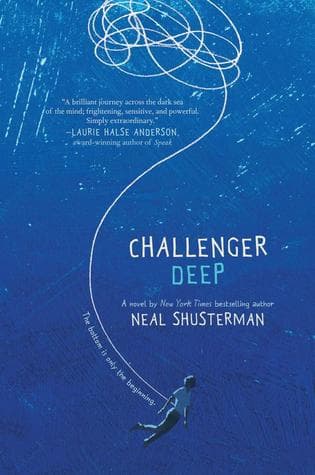
- Challenger Deep
Neal Shusterman
4.1 (20k) average on GoodreadsPsychologyWhile 'OCD Love Story' focuses on OCD and romance, 'Challenger Deep' offers a more individual and less romantically driven journey through psychosis. Shusterman's work prioritizes the protagonist's internal struggle and path to understanding his illness, with romantic elements being secondary, providing a stark contrast in how mental illness is navigated within the YA genre.
- Eleanor Oliphant Is Completely Fine
Gail Honeyman
4.3 (708k) average on GoodreadsLiterary FictionA lonely woman's structured life changes when an IT guy and an elderly man help her learn to open her heart.
- One Flew Over the Cuckoo's Nest
Ken Kesey
4.2 (631k) average on GoodreadsPsychologyIn a mind-bending asylum, the boisterous Randle McMurphy wages a defiant war against the tyrannical Nurse Ratched, inspiring his fellow inmates, including the seemingly catatonic Chief Bromden, to reclaim their lost humanity.
- The Bell Jar
Sylvia Plath
4.0 (591k) average on GoodreadsPsychologyIn the suffocating grip of 1950s expectations, a brilliant young woman's descent into mental illness is painted with such vivid, internal clarity that her 'insanity' feels terrifyingly rational and inevitable.





Enjoyed the summary?
A summary gives you the shape of the book. The book itself has the detail, the examples and the voice.
Find OCD Love Story on AmazonAs an Amazon Associate, BookBrief earns from qualifying purchases. How we're funded