
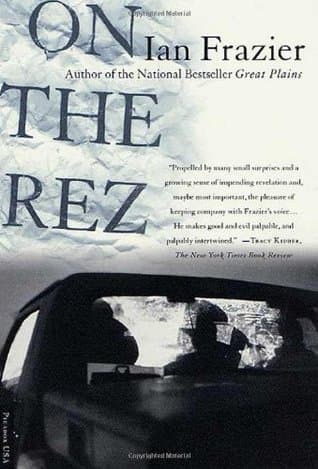
Core Idea
- Difficulty
- Easy
- Read it if
- You are interested in a deeply personal, non-academic exploration of contemporary Native American life, particularly on the Pine Ridge Reservation, with an emphasis on human stories, cultural resilience, and the complexities of history.
- Skip it if
- You are looking for a purely academic historical analysis, a policy-focused critique, or a fast-paced narrative; the book is observational and meanders through daily life.
Key Takeaways from On the Rez
The Enduring Paradox of Pine Ridge
A place of profound historical significance yet crippling modern poverty.
Frazier shows the contrast between the Oglala Sioux's rich past and their current life on the Pine Ridge Indian Reservation. This land, once home to figures like Crazy Horse and Black Elk, now deals with widespread poverty, unemployment, and social issues. The reservation is a place where a powerful heritage meets systemic neglect and economic hardship. Frazier depicts the struggles but also highlights the resilience and cultural strength that endure. It shows a people's ability to keep their identity despite adversity, navigating the complex realities of modern reservation life.
“Pine Ridge is one of the poorest places in America today.”
In the book: Frazier repeatedly emphasizes Pine Ridge's status as 'one of the poorest places in America,' detailing the dilapidated infrastructure, lack of opportunities, and economic deprivation observed during his travels.
Try this: To truly understand the Oglala Sioux, one must acknowledge and reconcile the immense historical weight and cultural pride with the severe contemporary socio-economic challenges they face. This perspective encourages a more nuanced approach to indigenous issues, moving beyond romanticized notions or simplistic pity.
Related ideas: pine-ridge-reservation, oglala-sioux, poverty-on-reservations
The Survival of Spirit Through Humor and Toughness
Humor and resilience are vital tools for navigating adversity on the rez.
Frazier shows that humor is not just a way to cope, but a key part of Oglala Sioux identity and survival. Amidst poverty, historical trauma, and marginalization, a humor that is often dark and self-deprecating thrives. This wit, combined with toughness, helps individuals and the community endure and maintain their spirit. It is a form of resistance, a way to regain control and dignity in situations where outside forces often dominate. This mix of humor and resilience shows a deep strength that outsiders might not immediately see, offering insight into the reservation's inner world.
“The rez vividly portrays the survival, through toughness and humor, of a great people whose culture has helped to shape the American identity.”
In the book: Frazier's interactions with his friend Le War Lance and other Oglala companions are frequently punctuated by jokes, playful banter, and a general lightness that belies the serious undertones of their lives. He observes how this humor is woven into daily conversations and community gatherings.
Try this: When engaging with communities facing hardship, recognize that expressions of joy, humor, and resilience are not signs of indifference but powerful indicators of enduring spirit. Avoid imposing a narrative of perpetual victimhood and instead appreciate the multifaceted ways people cope and thrive.
Related ideas: indigenous-humor, resilience, cultural-survival
Le War Lance: A Bridge to the Rez
A long-standing friendship provides an authentic, unfiltered lens into Oglala life.
Frazier's friendship with Le War Lance is central to 'On the Rez.' Frazier is not just an objective observer; he is deeply involved through this friendship, giving readers an intimate and authentic view. Le War Lance acts as a guide, interpreter, and confidant, allowing Frazier access to homes, ceremonies, and daily interactions. This personal connection goes beyond simple reporting, letting Frazier capture the nuances of Oglala life—the frustrations, joys, social dynamics, and cultural pride. Without Le War Lance, the book would lack its depth and humanity, becoming only an outsider's account.
“Along with his longtime friend Le War Lance... Frazier fully explores the rez as they visit friends and relatives, go to pow-wows and rodeos and package stores...”
In the book: Frazier's narrative is structured around his travels and conversations with Le War Lance, from visiting relatives to attending community events, illustrating the central role of their friendship in accessing the Oglala world.
Try this: For meaningful cultural understanding, prioritize deep, trust-based relationships over superficial observations. Genuine connection, built over time, is essential for truly grasping the complexities of another culture or community.
Related ideas: intercultural-friendship, ethnography, participant-observation
The Legacy of Heroes: SuAnne Big Crow
Modern figures embody the enduring spirit of Sioux heroism.
Frazier's look at SuAnne Big Crow's life and death shows how old Sioux ideals of heroism appear in modern people. SuAnne, a respected basketball player, became a symbol of hope, strength, and community pride for the Oglala people. Her dedication and commitment to her community reflected the qualities of historical leaders like Crazy Horse. Her story shows that heroism is not just a thing of the past but continues to appear in individuals who inspire their people, even with modern challenges. Her legacy is a reminder of lasting cultural values.
“In the career of SuAnne Big Crow... Frazier finds a contemporary reemergence of the death-defying, public-spirited Sioux hero who fights with grace and glory to save her followers.”
In the book: The detailed account of SuAnne Big Crow's basketball career, her impact on the community, and the profound grief and reverence following her death in a car accident in 1992.
Try this: Look for contemporary heroes within communities, as they often embody and transmit cultural values in tangible ways. These figures can offer profound insights into a culture's aspirations, resilience, and identity.
Related ideas: indigenous-heroism, cultural-continuity, role-models
The Enduring Presence of History
The past is not past; it actively shapes present-day reservation life.
Frazier shows that for the Oglala Sioux, history is not a distant subject but a living force that affects daily life on Pine Ridge. The legacies of figures like Crazy Horse and Black Elk are not just remembered; they are felt, discussed, and lived by their descendants. Historical injustices, treaties, and battles continue to shape current grievances, political talk, and cultural identity. The land itself holds historical meaning, and every interaction on the rez carries the weight of generations. This deep connection to the past is a source of pride and a reminder of ongoing struggles.
“Crazy Horse, perhaps the greatest Indian war leader of the 1800s, and Black Elk, the holy man whose teachings achieved worldwide renown, were Oglala; in these typically perceptive pages, Frazier seeks out their descendants on Pine Ridge...”
In the book: Frazier frequently references historical events and figures, connecting them directly to the current conditions and perspectives of the people he meets. He notes how historical sites and stories are integral to the Oglala sense of place and identity.
Try this: When analyzing a community, particularly one with a history of colonization or displacement, recognize that historical context is paramount. Understand that past events have direct, tangible impacts on present-day social, economic, and psychological realities.
Related ideas: historical-trauma, intergenerational-memory, indigenous-history
The Ubiquity of Struggling Vehicles
Cars are a crucial, often unreliable, lifeline on the remote reservation.
The many 'falling-apart cars' are more than just an observation; they are a meaningful detail about life on Pine Ridge. In a large, rural reservation with limited public transportation, a reliable car is essential for everything from shopping and visiting family to attending events and seeking medical care. The constant repairs and breakdowns symbolize the resourcefulness needed for daily life, but also highlight economic limits. These unreliable cars represent both a need and a burden, a metaphor for the constant effort required to simply function within the reservation's challenging infrastructure.
“...they visit friends and relatives, go to pow-wows and rodeos and package stores, and tinker with a variety of falling-apart cars.”
In the book: Frazier frequently describes various vehicles, their states of disrepair, and the ongoing efforts by Le War Lance and others to keep them running, highlighting their critical role in daily life.
Try this: Pay attention to seemingly minor details in a narrative; they often reveal profound insights into the material conditions and daily struggles of a community. Infrastructure and transportation, for example, can be key indicators of economic well-being and access to resources.
Related ideas: reservation-infrastructure, rural-poverty, resourcefulness
The Complexities of Identity
Navigating Oglala, American, and individual identities is a constant balancing act.
Frazier explores the different parts of identity for the Oglala people. They are Oglala Sioux, American citizens, and unique individuals, often dealing with conflicting expectations and realities. This is not a simple choice; it is a range where traditional values, modern influences, and individual goals meet. The book shows how they take part in American culture (rodeos, basketball, stores) while strongly keeping their Oglala heritage (pow-wows, language, oral traditions). This constant negotiation shows the resilience needed to keep a strong cultural identity within a dominant society that has historically tried to erase it.
“The rez vividly portrays the survival... of a great people whose culture has helped to shape the American identity.”
In the book: Frazier observes individuals engaging in both traditional ceremonies and mainstream American activities, and notes conversations about the balance between preserving culture and adapting to modern life.
Try this: Avoid monolithic views of identity, especially within marginalized communities. Recognize that individuals often hold multiple, sometimes seemingly contradictory, identities simultaneously, and that this complexity is a source of strength and adaptation.
Related ideas: cultural-identity, indigenous-identity, cultural-assimilation
The Allure and Challenges of the Land
The landscape is both a source of spiritual connection and harsh reality.
The physical setting of Pine Ridge—the vast plains and badlands—is more than just scenery; it is an important part of the book. It is a land with spiritual meaning and historical memory, a source of deep connection for the Oglala. Yet, it is also a harsh environment, adding to the isolation and economic difficulties of the reservation. Frazier captures both the stark beauty and the difficult nature of this land, showing how it shapes the lives, resilience, and worldview of its people. The land is always present, reminding readers of both the grandeur and the challenges of reservation life.
“Pine Ridge Indian Reservation in the plains and badlands of the American West.”
In the book: Frazier's detailed descriptions of the landscape – the vastness, the weather, the specific features of the badlands – serve to contextualize the daily lives and struggles of the Oglala people.
Try this: When studying a community, consider the profound impact of their physical environment. Landscape can shape culture, economy, and spiritual beliefs, and understanding it is key to a holistic view.
Related ideas: sacred-land, environmental-impact, geography-and-culture
Beyond Stereotypes: A Nuanced Portrait
Frazier avoids romanticism or sensationalism, offering a balanced view.
One of Frazier's main achievements is his portrayal of the Oglala Sioux without using common stereotypes. He does not romanticize their struggles or exaggerate their poverty. Instead, he gives a human and detailed account, full of joy, frustration, everyday life, and cultural insight. By focusing on daily interactions, personal stories, and individual complexities, Frazier breaks down old ideas, allowing readers to see the Oglala as a resilient, active people, rather than just victims of history or exotic figures. His compassionate but direct view leads to real understanding.
“He takes us inside the world of the Sioux as few writers ever have, writing with much wit, compassion, and imagination.”
In the book: The book's entire narrative structure, which interweaves personal anecdotes, historical context, and daily observations, avoids a single, reductive viewpoint, instead building a complex picture.
Try this: Approach any new culture or community with an open mind, actively seeking to deconstruct pre-existing stereotypes. Focus on individual stories and daily realities to gain a more authentic and respectful understanding.
Related ideas: anti-stereotyping, cultural-sensitivity, nuanced-perspectives
The Burden of Outsider Observation
Frazier acknowledges his position as an outsider, enhancing credibility.
While deeply involved through his friendship with Le War Lance, Frazier never fully loses his identity as an outsider. He acknowledges this position, often thinking about his own views, questions, and sometimes misunderstandings. This self-awareness makes the book more believable, as it avoids pretending to have complete insider knowledge. By admitting his limitations, Frazier invites the reader to join his journey of discovery, making the experience more relatable and honest. This open approach to his role as an observer allows for a more authentic and less colonial story, building trust with both the subjects of the book and its readers.
“He takes us inside the world of the Sioux as few writers ever have...”
In the book: Frazier occasionally interjects with his own thoughts, questions, or moments of cultural unfamiliarity, demonstrating his awareness of his outsider status.
Try this: When writing or reporting on communities different from your own, acknowledge your positionality. Transparency about your perspective and limitations builds trust and enhances the ethical integrity of your work.
Related ideas: outsider-perspective, reflexivity, ethnographic-ethics
On the Rez Quotes
“The wind was blowing hard from the west, making the prairie grass ripple like water.”
“Being on the rez, to me, is like being in a different country, but it's still America.”
“The past is very present here. You can feel it in the land, in the stories, in the people.”
“There's a lot of humor on the rez, even in the toughest situations. It's a way of coping.”
“The sense of community is incredibly strong. Everyone knows everyone, and people look out for each other.”
“Sometimes you just have to drive around for a while. It's a way to clear your head, to think.”
“The problems here are big and complicated, and there are no easy answers.”
“It's a place where time moves differently, where the rhythm of life is slower, more deliberate.”
“The land itself has a spiritual power. You can feel it even if you don't understand it.”
“Learning to listen is the most important thing. Not just to words, but to everything else.”
“There's a constant tension between tradition and modernity, trying to find a way to live in both worlds.”
“The horses are everywhere, wild and free, a symbol of the old ways.”
“It's a place of incredible beauty and incredible hardship, often side by side.”
Quiz
10 questions on the main ideas. Each answer comes with a short explanation.
Question 1
Which specific Oglala Sioux historical figures does Frazier mention as having descendants on Pine Ridge?
- Sitting Bull and Red Cloud
- Crazy Horse and Black Elk
- Tecumseh and Geronimo
- Chief Joseph and Squanto
Show answer
B. Crazy Horse and Black Elk The book description explicitly states that Crazy Horse and Black Elk were Oglala, and Frazier seeks out their descendants on Pine Ridge.
Question 2
Who is Le War Lance in relation to Ian Frazier, as described in the book's synopsis?
- A historian Frazier consults for research
- Frazier's longtime friend and Oglala companion
- The author of a book Frazier references
- A tribal elder who guides Frazier's journey
Show answer
B. Frazier's longtime friend and Oglala companion Le War Lance is identified as Frazier's 'longtime friend' and one of his 'Oglala companions' with whom he explores the rez.
Question 3
What is Pine Ridge Indian Reservation also referred to as in the book's context?
- The Badlands
- The Plains
- The Rez
- The Oglala Nation
Show answer
C. The Rez The synopsis states 'Pine Ridge—a/k/a "the rez"'.
Question 4
In what way does Frazier connect SuAnne Big Crow to historical Sioux heroism?
- He sees her as a political leader fighting for tribal sovereignty.
- He views her as a contemporary reemergence of a death-defying, public-spirited Sioux hero.
- He portrays her as a spiritual guide, similar to Black Elk.
- He describes her as a warrior who led her people into battle.
Show answer
B. He views her as a contemporary reemergence of a death-defying, public-spirited Sioux hero. The text states, 'Frazier finds a contemporary reemergence of the death-defying, public-spirited Sioux hero who fights with grace and glory to save her followers' in SuAnne Big Crow.
Question 5
What is a prominent characteristic of Pine Ridge Reservation mentioned in the description?
- It is a thriving economic hub.
- It is known for its untouched natural beauty.
- It is one of the poorest places in America today.
- It is a major tourist destination.
Show answer
C. It is one of the poorest places in America today. The description clearly states that Pine Ridge 'is one of the poorest places in America today.'
Question 6
What activities do Frazier and his Oglala companions engage in while exploring the rez?
- Hunting, fishing, and farming
- Visiting friends and relatives, going to pow-wows and rodeos, and tinkering with cars
- Attending tribal council meetings and historical reenactments
- Building new homes and developing infrastructure
Show answer
B. Visiting friends and relatives, going to pow-wows and rodeos, and tinkering with cars The description lists 'visit friends and relatives, go to pow-wows and rodeos and package stores, and tinker with a variety of falling-apart cars' as their activities.
Question 7
How does Frazier generally portray the survival of the Oglala Sioux in 'On the Rez'?
- Through their resilience in maintaining traditional ceremonies only.
- Through their continuous struggle against external political forces.
- Through toughness and humor, reflecting a culture that shaped American identity.
- Through their successful integration into mainstream American society.
Show answer
C. Through toughness and humor, reflecting a culture that shaped American identity. The synopsis concludes by stating, 'On the Rez vividly portrays the survival, through toughness and humor, of a great people whose culture has helped to shape the American identity.'
Question 8
What specific characteristic of Frazier's writing is highlighted as enabling him to explore the world of the Sioux effectively?
- His academic background in anthropology.
- His extensive government grants for research.
- His wit, compassion, and imagination.
- His ability to speak the Lakota language fluently.
Show answer
C. His wit, compassion, and imagination. The description notes, 'He takes us inside the world of the Sioux as few writers ever have, writing with much wit, compassion, and imagination.'
Question 9
How does 'On the Rez' differentiate itself from other accounts of the American Indian experience, according to the synopsis?
- By focusing solely on historical events and figures.
- By providing a detached, scholarly analysis of tribal governance.
- By offering a sharp, unflinching, and deeply personal account of modern-day life.
- By exclusively documenting the spiritual practices of the Oglala.
Show answer
C. By offering a sharp, unflinching, and deeply personal account of modern-day life. The description states it is 'a sharp, unflinching account of the modern-day American Indian experience' and that Frazier 'takes us inside the world of the Sioux as few writers ever have,' implying a unique, intimate perspective.
Question 10
What earlier work by Ian Frazier is mentioned as featuring Le War Lance?
- Travels with Charley
- Great Plains
- The Big Sky
- Blue Highways
Show answer
B. Great Plains The synopsis explicitly states Frazier 'first wrote about' Le War Lance in his '1989 bestseller, Great Plains'.
On the Rez FAQ
What is the primary focus of Ian Frazier's "On the Rez"?
"On the Rez" primarily focuses on the modern-day American Indian experience, specifically that of the Oglala Sioux living on the Pine Ridge Indian Reservation in the American West. Frazier provides an unflinching account of their lives, culture, and challenges.
Does "On the Rez" provide a historical overview of the Oglala Sioux?
While the book is deeply rooted in the history of the Oglala Sioux, referencing figures like Crazy Horse and Black Elk, it primarily explores their contemporary lives on the Pine Ridge Reservation. Historical context is woven into the narrative to illuminate the present-day experience.
What is the 'rez' that Ian Frazier refers to in the book's title?
The 'rez' is a colloquial term for the Pine Ridge Indian Reservation, one of the poorest places in America today. It is the central setting for Frazier's exploration of the Oglala Sioux's lives and culture.
How does Ian Frazier interact with the Oglala Sioux community in the book?
Frazier interacts closely with the Oglala Sioux community, often accompanied by his longtime friend Le War Lance and other companions. He visits friends and relatives, attends cultural events like pow-wows and rodeos, and immerses himself in their daily lives, offering an intimate perspective.
What challenges are highlighted about life on the Pine Ridge Reservation?
The book highlights the significant challenges faced by residents of Pine Ridge, including its status as one of the poorest places in America. Frazier portrays the struggles and resilience of the Oglala Sioux with wit, compassion, and imagination.
Does the book feature specific individuals from the Oglala Sioux community?
Yes, the book features several individuals, including Frazier's friend Le War Lance, and explores the life of SuAnne Big Crow, a revered Oglala basketball player. Through these personal stories, Frazier illustrates the community's spirit and heroes.
How does "On the Rez" differ from other historical accounts of Native American life?
"On the Rez" distinguishes itself by offering a deeply personal and contemporary memoir-style account, rather than a purely academic history. Frazier's immersive, first-hand experience and focus on present-day life on the reservation provide a unique and intimate perspective.
What role does humor play in Frazier's portrayal of the Oglala Sioux?
Humor plays a significant role in Frazier's portrayal, serving as a testament to the resilience and toughness of the Oglala Sioux people. It helps to convey their spirit and survival in the face of adversity, enriching the narrative with wit and humanity.
Is "On the Rez" suitable for readers interested in contemporary Native American culture?
Absolutely. "On the Rez" is an excellent resource for readers interested in contemporary Native American culture, particularly the Oglala Sioux. It offers an authentic and compassionate look into their lives, traditions, and the challenges they face today.
About the author
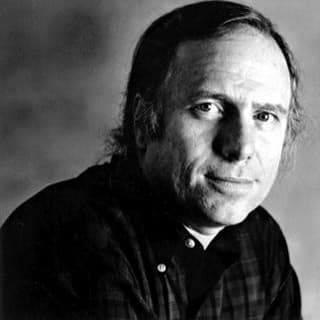
Ian Frazier is an American author known for his non-fiction works that often explore themes of American life and culture. His book "On the Rez" provides an in-depth look at life on the Pine Ridge Indian Reservation in South Dakota. Frazier's writing combines personal narrative with broader social commentary, reflecting his interest in the complexities of contemporary society.
Similar books
- The Round House
Louise Erdrich
3.9 (96k) average on GoodreadsLiterary FictionErdrich's novel offers a fictional, but deeply culturally grounded, portrayal of contemporary reservation life, exploring themes of justice, family, and trauma from an Indigenous perspective. Her characters are fully realized within their cultural framework, providing an 'insider' view of complex social issues. Frazier's "On the Rez," while non-fiction and based on real people, necessarily presents an 'outsider' interpretation of similar themes, filtered through his journalistic lens. Erdrich leverages the power of narrative fiction to convey emotional truths and cultural nuances that Frazier, as a non-Native journalist, can observe but not fully embody.
- Eat, Pray, Love
Elizabeth Gilbert
3.6 (1.5M) average on GoodreadsLifestyleA heartbroken writer leaves her conventional life for a year-long global search for pleasure in Italy, spiritual devotion in India, and unexpected love and balance in Bali.
- Wild: From Lost to Found on the Pacific Crest Trail
Cheryl Strayed
4.0 (615k) average on GoodreadsLifestyleAfter losing her mother and her marriage, a young woman impulsively hikes over a thousand miles of the Pacific Crest Trail alone, finding strength and healing in the unforgiving wilderness.
- Into Thin Air: A Personal Account of the Mount Everest Disaster
Jon Krakauer
4.2 (395k) average on GoodreadsLifestyleOn May 10, 1996, ambition and a sudden, violent storm turned Mount Everest into a deadly trap, leaving Jon Krakauer to tell the harrowing story of a disaster that took lives and shattered climbers' dreams.
- On The Road
Jack Kerouac
3.6 (349k) average on GoodreadsLifestyleDean Moriarty and Sal Paradise go on a wild, cross-country trip with jazz, drugs, and a desperate search for meaning on America's post-war roads.
- A Walk in the Woods: Rediscovering America on the Appalachian Trail
Bill Bryson
4.1 (346k) average on GoodreadsLifestyleBill Bryson humorously describes his ill-prepared yet insightful attempt to hike the Appalachian Trail, meeting unique characters and the raw beauty of the wilderness.






Enjoyed the summary?
A summary gives you the shape of the book. The book itself has the detail, the examples and the voice.
Find On the Rez on AmazonAs an Amazon Associate, BookBrief earns from qualifying purchases. How we're funded