

Synopsis
Covers the whole plot, including the ending.
- Difficulty
- Medium
- Pacing
- Moderate
- Mood
- Somber, Reflective, Suspenseful, Thought-provoking
- Read it if
- You appreciate literary fiction that explores complex themes of justice, trauma, family, and cultural identity, set against the backdrop of Native American life and legal challenges.
- Skip it if
- You prefer lighthearted stories or are uncomfortable with graphic descriptions of sexual assault and its aftermath.
The Round House Plot Summary
Covers the whole plot, including the ending.
The Attack and Its Aftermath
In the summer of 1988, thirteen-year-old Joe Coutts's life on the Ojibwe reservation in North Dakota changes when his mother, Geraldine, is attacked near the Round House, a ceremonial site. Joe's father, Bazil, a tribal judge, finds her and brings her home, but she refuses to talk about the incident or name her attacker. Her silence creates fear and confusion in their family. Joe sees his mother's trauma; she stays in bed for days, unable to function. The family struggles with the legal issues, especially the jurisdictional problems that arise when a crime happens on tribal land but involves a non-Native person. They feel helpless and frustrated by tribal law's limits.
The Search for Clues and Justice
Joe needs answers and justice, so he and his friends Cappy, Zack, and Angus start their own investigation. He searches for clues, going back to the Round House and the gas station where his mother worked. Their detective work leads them to question people in the community, including Linden Lark, a non-Native man with suspicious behavior, and Sonja, a woman connected to the gas station. Joe becomes focused on finding the attacker, reading legal documents and discussing suspects with his friends. The boys' secret mission increases Joe's anger and his sense of responsibility to protect his family, especially as his father, Bazil, struggles with legal details and his mother's continued silence.
Unraveling the Truth: Linden Lark
From his observations, overheard talks, and information from his friends, Joe suspects Linden Lark, a white man who lives off the reservation but visits often for business and has a reputation for bothering Native women. Joe learns about a distinct car and a type of rope found near the crime scene, which he connects to Linden. He also finds out Linden had met his mother at the gas station, confirming his belief. The evidence, though indirect, convinces Joe that Linden Lark attacked his mother. This realization strengthens Joe's resolve, turning his search for answers into a pursuit of revenge.
The Jurisdictional Predicament
Bazil Coutts, a tribal judge, knows he cannot prosecute Linden Lark. He explains to Joe the 1978 Supreme Court ruling in Oliphant v. Suquamish Indian Tribe, which removed tribal courts' power over non-Natives who commit crimes on reservations. This legal gap means that if Linden Lark, a non-Native, is the attacker, the tribal court cannot prosecute him, and federal authorities have not shown much interest in the case. This jurisdictional barrier creates frustration and a sense of injustice for Bazil, who is legally bound but morally wants justice for his wife. His helplessness, despite his legal knowledge, deeply affects Joe, making him want to take action himself.
Joe's Plan for Retribution
Convinced the justice system will fail his mother, Joe plans his own retribution. He tells Cappy, Zack, and Angus, who, after some hesitation, agree to help. Joe carefully plans the act, getting a gun and practicing shooting. He is driven by a cold, firm resolve, believing that only through this act can his mother find peace and his family heal. His father's inability to get justice legally, combined with Geraldine's continued suffering, pushes Joe further down this path, changing him from an innocent boy to someone seeking revenge. This decision weighs heavily on him, but he sees no other choice.
The Confrontation at the Round House
Joe and his friends trick Linden Lark into coming to the Round House. Joe, with a gun, confronts Linden. During the tense moment, Joe's anger and the trauma he has seen erupt. He shoots Linden Lark, killing him. The act is quick and brutal, the result of Joe's grief, rage, and desperate need for justice. His friends are there, part of the plan, and see the irreversible event. The immediate aftermath is shock, fear, and a strange sense of finality. The boys then work to cover up the crime, trying to make it look like Linden died by suicide, further involving themselves in the tragic results of Joe's actions.
The Aftermath and Lingering Guilt
After Linden Lark's death, Joe and his friends are burdened by the secret. They make an unspoken pact of silence, each carrying the weight of their involvement. The community speculates about Linden's disappearance, but no one suspects the boys. Joe finds a temporary, unsettling peace knowing his mother's attacker is gone, but guilt and the weight of his actions start to show in subtle ways. His relationship with his father, Bazil, remains strained, as Bazil continues to navigate the legal system, unaware of what really happened. Geraldine slowly starts to recover from her withdrawn state, but the trauma remains, a constant reminder of the violence that changed their lives.
Unveiling the Truth to Bazil
Years later, after Joe has grown up, Bazil learns the truth about Linden Lark's death. The full story, including Joe's role, comes out, devastating Bazil. He understands Joe's reasons, but the revelation forces him to confront the moral and legal implications of his son's actions. Bazil's love for Joe is strong, but he is troubled by the choices made and the justice that was avoided. The truth brings a painful end to the family's long-held secret, making them deal with the dark events that shaped their lives. Bazil's reaction is immense sorrow and complicated love, as he deals with the injustice that led his son to such a desperate act.
Healing and Acceptance
After the truth comes out, the Coutts family begins a difficult path toward healing. Geraldine, still affected by her trauma, shows signs of recovery, finding strength in her family's love and the eventual, though unconventional, justice for her attack. Joe, having carried the burden for so long, starts to process his actions and their meaning. Bazil, despite his pain, works to find a way forward for his family and the community, continuing his work as a judge with a new understanding of how jurisdictional failures impact people. The novel ends with a sense of cautious hope, suggesting that while the scars of violence and injustice remain, the family's strength and their connection to their Ojibwe heritage will guide them toward acceptance and understanding.
Principal Figures
Joe Coutts
Protagonist
A thirteen-year-old boy who seeks justice for his mother's assault.
Joe is the narrator and protagonist, a sensitive and observant Ojibwe boy on the cusp of manhood. His world is shattered by his mother Geraldine's brutal assault, which profoundly impacts his understanding of justice, law, and family. Driven by a deep love for his mother and a growing rage at the legal system's inadequacies, Joe takes matters into his own hands, transforming from an innocent child into a determined avenger. He is intelligent, resourceful, and deeply loyal to his family and friends. His internal struggle with the trauma and his subsequent actions forms the core of the narrative.
Relationships: Geraldine Coutts (mother-son, deeply protective); Bazil Coutts (father-son, complicated by secrets and legal differences); Cappy, Zack, Angus (close friends, co-conspirators)
Geraldine Coutts
Supporting
Joe's mother, a victim of a brutal assault, who withdraws into silence.
Geraldine is Joe's mother, a strong and resilient Ojibwe woman whose life is shattered by a violent assault. Her trauma renders her largely silent and withdrawn for much of the novel, a powerful symbol of the silenced voices of Native women who suffer violence. Her inability or refusal to speak about the attack creates a void in the family, compelling Joe to seek answers. Despite her deep pain, she is a survivor, slowly beginning to heal and reclaim her life, demonstrating the enduring spirit of her community. Her quiet suffering is a central catalyst for the plot.
Relationships: Joe Coutts (mother-son, deeply loved and protected); Bazil Coutts (husband-wife, loving but strained by trauma and secrets)
Bazil Coutts
Supporting
Joe's father, a tribal judge, bound by the limitations of the law.
Bazil is Joe's father and a respected tribal judge. He is a man of integrity, deeply committed to justice and the law, but is tragically constrained by the jurisdictional complexities that prevent him from prosecuting his wife's non-Native attacker. His professional dedication to the law clashes with his personal desire for vengeance, creating immense internal conflict. He embodies the systemic injustices faced by Native communities. His struggle to find legal recourse deeply influences Joe's decision to take matters into his own hands. He is a loving father and husband, despite the immense pressure he faces.
Relationships: Joe Coutts (father-son, loving but strained by secrets and differing approaches to justice); Geraldine Coutts (husband-wife, loving but strained by trauma and secrets)
Cappy
Supporting
Joe's loyal best friend and accomplice in his quest for justice.
Cappy is one of Joe's closest friends and an integral part of his amateur detective team. He is a loyal and adventurous boy, often the most outspoken and impulsive of the group. Cappy's unwavering support for Joe, even in the face of dangerous decisions, highlights the deep bonds of friendship and loyalty among the boys. He is present during the pivotal act of vengeance and carries the secret alongside Joe, demonstrating the shared burden of their actions. His character provides both comic relief and a steadfast presence.
Relationships: Joe Coutts (best friend, accomplice); Zack (friend); Angus (friend)
Linden Lark
Antagonist
The non-Native man suspected and ultimately killed for the assault on Geraldine.
Linden Lark is the primary antagonist, a white man who lives off the reservation but frequents it for business. He is depicted as having a history of harassment and predatory behavior towards Native women, making him a prime suspect in Geraldine's attack. His presence on the reservation, coupled with the jurisdictional limitations, represents the external forces of injustice that plague the community. He is portrayed as a contemptible character, his actions fueling Joe's relentless pursuit of vengeance. His death, while a form of justice for Joe, also creates a complex moral dilemma.
Relationships: Geraldine Coutts (assailant-victim); Joe Coutts (object of vengeance)
Sonja
Supporting
A mysterious and complex woman connected to the gas station and Linden Lark.
Sonja is a complex and enigmatic character who works at the gas station where Geraldine was attacked. She has a complicated relationship with Linden Lark and provides Joe with subtle clues and insights, often through veiled remarks and suggestive actions. She represents the nuanced moral landscape of the reservation, where people carry their own secrets and motivations. Sonja's character adds layers of intrigue to Joe's investigation, highlighting the interconnectedness of the community and the unspoken truths that often exist beneath the surface. Her vulnerability and resilience are subtly portrayed.
Relationships: Linden Lark (complex, possibly abusive, relationship); Joe Coutts (informant-inquirer)
Angus
Supporting
One of Joe's friends, a quiet and thoughtful participant in their quest.
Angus is another of Joe's close friends and a member of their investigative trio. He is often more introspective and cautious than Cappy, providing a balance to the group's dynamic. Angus's participation in Joe's plan for vengeance, despite his quieter nature, underscores the collective impact of the injustice on the younger generation. He shares the burden of the secret with his friends, demonstrating the profound solidarity that forms in the face of shared trauma and injustice. His presence reinforces the theme of communal responsibility.
Relationships: Joe Coutts (friend, accomplice); Cappy (friend); Zack (friend)
Zack
Supporting
Joe's friend, a pragmatic and observant member of the group.
Zack is the third member of Joe's close-knit group of friends. He is often portrayed as pragmatic and observant, contributing to the boys' investigation with his keen eye for detail. Like Cappy and Angus, Zack's loyalty to Joe is absolute, and he willingly participates in the plan for retribution, demonstrating the deep bonds of their friendship. His character highlights the collective response of the youth to the injustices their community faces. He carries the secret alongside his friends, and his involvement underscores the shared responsibility and trauma.
Relationships: Joe Coutts (friend, accomplice); Cappy (friend); Angus (friend)
Mooshum
Supporting
Joe's eccentric and wise great-uncle, a keeper of stories and traditions.
Mooshum is Joe's great-uncle, an elderly and somewhat eccentric figure who lives with the family. He is a repository of Ojibwe history, stories, and traditional knowledge, often speaking in riddles or non-linear narratives that provide cryptic insights into the past and present. His character serves as a link to the cultural heritage of the Ojibwe people, offering a contrast to the modern legal struggles. Mooshum's stories, though seemingly meandering, often contain profound truths and warnings, guiding Joe indirectly and adding a layer of spiritual and historical context to the narrative.
Relationships: Joe Coutts (great-uncle-great-nephew, mentor figure); Bazil Coutts (relative)
Themes & Insights
Justice and Injustice
The novel explores justice, especially the systemic injustices Native American communities face. Bazil Coutts, a tribal judge, cannot act due to the 1978 Supreme Court ruling in Oliphant v. Suquamish Indian Tribe, which denies tribal courts power over crimes by non-Natives on reservation land. This legal gap creates injustice for Geraldine and her family, leading Joe to seek vigilante justice. The story questions what justice means when legal options fail, showing the moral difficulties of revenge versus due process. The Round House, a place for traditional justice, contrasts with the flawed modern legal system.
“A person could be a judge and still be helpless.”
Trauma and Healing
The attack on Geraldine is the central trauma that the story unfolds from. Her withdrawal into a catatonic state shows the deep psychological impact of sexual violence. The novel explores Geraldine's healing and how trauma affects her family, especially Joe, who internalizes her pain and tries to relieve it through extreme actions. The slow process of recovery, the importance of family support, and the struggle to live with lasting scars are central to the story. The silence around Geraldine's attack also points to the larger issue of unaddressed trauma in Native communities.
“Her silence was a wall. No, it was a sound. It was the sound of a scream that had been stuffed back down her throat.”
Coming of Age and Loss of Innocence
Joe's journey from a thirteen-year-old boy to a young man is tied to the violent event that shatters his family's peace. The attack on his mother forces him to face the dark parts of the world, taking away his childhood innocence. His search for justice, ending in violence, speeds up his maturation, burdening him with a secret and an understanding of moral ambiguity. The novel follows his emotional and psychological development as he deals with grief, rage, and the results of his actions, showing how one event can change a young life.
“I was thirteen, and I was going to find out who did this to my mother.”
Cultural Identity and Heritage
The novel uses Ojibwe culture, traditions, and spirituality. The Round House is a sacred site, symbolizing communal gathering, ceremony, and traditional justice. Mooshum, Joe's great-uncle, holds oral history and traditional wisdom, connecting current struggles to the past. The story shows the strength of Native American communities facing historical and ongoing oppression, and the importance of keeping cultural identity amid outside pressures. The characters' connection to their land, language, and spiritual beliefs gives them strength in their fight for justice and healing.
“The Round House was a place of ceremony, a place where people gathered, a place of belonging.”
Family Bonds and Secrets
The Coutts family's interactions are central to the story, showing love, loyalty, and the destructive power of secrets. Geraldine's initial silence creates an emotional gap in the family, making Joe and Bazil deal with their grief and anger separately. Joe's act of revenge, kept secret from his father for years, complicates these bonds, creating a shared burden that quietly shapes their relationships. The novel explores how family members protect each other, sometimes at great personal cost, and how the eventual revelation of truths, even if painful, is necessary for healing and reconnection.
“Secrets are like rivers, Joe. They flow underground.”
Plot Devices & Literary Techniques
First-Person Retrospective Narration
Joe Coutts recounts the events of his youth from an adult perspective.
The entire story is narrated by Joe Coutts as an adult, looking back on the pivotal summer of his thirteenth year. This allows for a blend of youthful immediacy and mature reflection. The retrospective lens provides insight into the long-term consequences of the events, giving the narrative a melancholic and reflective tone. It also allows the narrator to foreshadow certain events and to comment on the significance of past actions with the wisdom of hindsight, deepening the reader's understanding of Joe's internal journey and the lasting impact of the trauma.
The Round House (Symbol)
A sacred Ojibwe ceremonial site symbolizing tradition, community, and justice.
The Round House serves as a powerful symbol throughout the novel. It is the location where Geraldine is attacked, transforming a sacred space into a site of profound trauma and violation. Traditionally, it represents community, spiritual gathering, and a form of traditional justice. Its desecration by the act of violence highlights the conflict between traditional values and the failures of modern legal systems. Later, it becomes the site of Joe's vigilante justice, further complicating its symbolic meaning as a place where both immense suffering and desperate attempts at restoration occur.
Jurisdictional Loophole (Plot Mechanism)
A legal technicality that prevents tribal courts from prosecuting non-Natives on reservation land.
The jurisdictional loophole, stemming from the Oliphant v. Suquamish Indian Tribe Supreme Court ruling, is a critical plot mechanism that drives the entire narrative. It creates the central conflict by rendering Bazil, a tribal judge, powerless to prosecute Linden Lark, a non-Native, for the crime committed on the reservation. This legal barrier directly motivates Joe's decision to take matters into his own hands, thus propelling the plot towards its tragic climax. It serves as a powerful indictment of systemic injustice and the colonial legacy impacting Native American sovereignty and safety.
The Silence of Geraldine (Motif)
Geraldine's inability or refusal to speak about her assault.
Geraldine's prolonged silence following her assault is a recurring motif that profoundly impacts the family and the narrative's trajectory. Her silence is not merely a symptom of trauma but also a symbolic representation of the silenced voices of Native women who experience violence. It creates a vacuum of information that fuels Joe's desperate search for answers and justice, ultimately leading him to violent action. Her gradual, partial recovery of her voice parallels the slow process of healing for the family and community, and the difficult journey towards acknowledging and confronting trauma.
The Car and the Rope (Symbolic Clues)
Specific physical evidence linking Linden Lark to the crime.
The distinctive blue car and a specific type of rope found near the crime scene are crucial symbolic clues that Joe uses to identify Linden Lark as his mother's attacker. These seemingly mundane objects take on immense significance in Joe's investigation, representing the tangible fragments of truth that he meticulously pieces together. They serve as concrete proof in a situation where legal avenues are limited, making them powerful symbols of Joe's amateur detective work and his unwavering determination to uncover the truth, leading directly to his act of vengeance.
The Round House Quotes
“The past is a country the young can’t visit. It’s a country that doesn’t exist anymore.”
“Love is a word that is bandied about, but it is a word that means nothing until it is put into practice.”
“Justice is a word. It’s a concept. It’s not something you can hold in your hand.”
“There are some things that can’t be fixed, only endured.”
“The trick to surviving a bad time is to know that it will pass.”
“Sometimes you have to do something wrong to do something right.”
“A secret is not a secret if you tell it to one person.”
“The law is a strange animal. It can protect you, and it can devour you.”
“Grief is a house with many rooms.”
“We are all connected, like the threads of a basket.”
“The world is full of ghosts, some of them still breathing.”
“There’s a kind of knowing that doesn’t need words.”
“The heart, in its own way, is a kind of round house.”
“Nothing is ever really over.”
Quiz
10 questions on the plot and the characters. Each answer comes with a short explanation.
Question 1
Who is the primary narrator of 'The Round House'?
- Joe Coutts
- Bazil Coutts
- Gerald Iron
- Linden Lark
Show answer
A. Joe Coutts The story is told from the perspective of Joe Coutts, a thirteen-year-old boy, as he recounts the events of the summer his mother was attacked.
Question 2
What significant event triggers the main conflict and mystery in the novel?
- A land dispute between the Ojibwe tribe and the state government.
- The discovery of an ancient artifact on the reservation.
- The brutal assault of Joe's mother, Geraldine.
- A series of mysterious disappearances on the reservation.
Show answer
C. The brutal assault of Joe's mother, Geraldine. The central event that sets the plot in motion is the violent attack on Geraldine Coutts, Joe's mother, which leaves her traumatized and triggers Joe's quest for justice.
Question 3
What is the primary legal issue that complicates the prosecution of the attacker?
- Lack of evidence to identify the perpetrator.
- The perpetrator claims diplomatic immunity.
- Jurisdictional complexities involving tribal, state, and federal law.
- The victim refuses to testify against the attacker.
Show answer
C. Jurisdictional complexities involving tribal, state, and federal law. A major theme and plot point in the novel is the intricate and often unjust nature of jurisdictional law on reservations, particularly regarding crimes committed against Native Americans. This makes it difficult to prosecute the attacker effectively.
Question 4
What is the significance of the 'Round House' in the title?
- It is the specific location where Geraldine was attacked.
- It serves as a meeting place for Joe and his friends to plan their revenge.
- It is a sacred ceremonial building on the reservation, symbolizing tradition and community.
- It is the name of the local courthouse where the legal battle takes place.
Show answer
C. It is a sacred ceremonial building on the reservation, symbolizing tradition and community. The Round House is a sacred Ojibwe ceremonial structure where important community gatherings and spiritual practices occur. It represents tradition, resilience, and a sense of belonging for the characters.
Question 5
Who is Linden Lark in relation to the main characters?
- He is Joe's best friend and confidant.
- He is Geraldine's attacker and the target of Joe's quest for justice.
- He is a compassionate social worker assisting Geraldine.
- He is a tribal elder who offers spiritual guidance to Joe.
Show answer
B. He is Geraldine's attacker and the target of Joe's quest for justice. Linden Lark is identified as Geraldine's assailant, and his actions drive Joe's desperate search for retribution and understanding.
Question 6
What role does Joe's father, Bazil Coutts, play in the aftermath of the attack?
- He immediately seeks violent revenge against the perpetrator.
- He becomes withdrawn and leaves the family to cope alone.
- As a tribal judge, he meticulously researches the legal complexities to find a solution.
- He encourages Joe to forget the incident and move on.
Show answer
C. As a tribal judge, he meticulously researches the legal complexities to find a solution. Bazil Coutts, a tribal judge, dedicates himself to understanding the convoluted legal jurisdiction to find a lawful way to bring Geraldine's attacker to justice, highlighting the systemic challenges faced by Native communities.
Question 7
Which of these characters is NOT one of Joe's close friends who assists him in his quest?
- Cappy
- Zippo
- Sonja
- Lyman
Show answer
C. Sonja Cappy, Zippo, and Lyman are Joe's loyal friends who join him in his plans, often providing comic relief or practical assistance. Sonja is a minor character, not part of Joe's core group of friends.
Question 8
What specific item does Joe obsessively search for, believing it holds a clue to his mother's trauma?
- A photograph of the attacker.
- A specific type of rock or stone.
- A lost piece of his mother's jewelry.
- A hidden diary belonging to Geraldine.
Show answer
B. A specific type of rock or stone. Joe fixates on finding a specific type of 'stone' or 'rock' that his mother mentioned in her fragmented memories, believing it to be a key clue to the location or identity of her attacker and the nature of her assault.
Question 9
What eventual action does Joe take to 'resolve' the situation with Linden Lark?
- He testifies against Linden in a federal court case.
- He convinces his father to legally banish Linden from the reservation.
- He confronts and kills Linden Lark.
- He arranges for Linden to undergo a traditional Ojibwe healing ceremony.
Show answer
C. He confronts and kills Linden Lark. Driven by his mother's suffering and the perceived failure of the legal system, Joe ultimately takes justice into his own hands and kills Linden Lark, a pivotal and tragic moment in his coming-of-age story.
Question 10
The novel explores themes of justice, trauma, and coming-of-age. Which additional theme is central to the narrative, particularly concerning the Ojibwe reservation?
- The impact of climate change on indigenous lands.
- The challenges of maintaining traditional language in modern society.
- The complex and often unjust nature of tribal sovereignty and jurisdiction.
- The economic struggles of young entrepreneurs on the reservation.
Show answer
C. The complex and often unjust nature of tribal sovereignty and jurisdiction. The novel critically examines the legal limbo and injustices faced by Native American communities due to the complex and often inadequate jurisdictional laws governing reservations, particularly in cases of violent crime.
The Round House FAQ
What is 'The Round House' about?
'The Round House' is primarily about Joe Coutts, a thirteen-year-old Ojibwe boy living on a North Dakota reservation, whose life is irrevocably altered when his mother, Geraldine, is brutally attacked. The novel follows Joe's quest for justice and understanding as he navigates the complexities of tribal law, family secrets, and the profound trauma inflicted upon his mother and community.
Why should I read 'The Round House'?
You should read 'The Round House' for its powerful exploration of justice, trauma, and coming-of-age within a specific cultural context. Louise Erdrich masterfully blends a gripping mystery with deep insights into Ojibwe law and spirituality, offering a poignant and suspenseful narrative that is both culturally rich and universally resonant.
What is the background/setting of 'The Round House'?
The novel is set in 1988 on an Ojibwe reservation in North Dakota, specifically focusing on the challenges and intricacies of tribal sovereignty and jurisdiction. The 'round house' itself is a sacred ceremonial building on the reservation, symbolizing community, tradition, and a place where justice and healing are sought.
What are the most memorable quotes?
One memorable quote is, 'The only thing that saves you from a life of regret is to not regret anything.' Another impactful line, reflecting Joe's internal struggle, is 'There was no one left to ask but me.' These quotes encapsulate the themes of acceptance, self-reliance, and the burden of responsibility that Joe carries.
What writing style does the author use?
Louise Erdrich employs a lyrical and evocative writing style, rich with sensory details and a deep connection to the natural world and Ojibwe culture. The narrative is told from Joe's first-person perspective, giving it an intimate and reflective tone, even amidst the suspense and tragedy.
What minor details add significant meaning?
The recurring motif of the windigo, a mythical creature, subtly underscores the psychological torment and moral corruption present in the community, particularly as Joe struggles to understand the nature of evil. Also, the specific details of tribal council meetings and the complexities of jurisdictional law highlight the inherent injustices faced by Native Americans.
What are some subtle foreshadowing moments?
Early in the novel, Joe's father, Bazil, a tribal judge, discusses the loopholes in jurisdiction regarding crimes committed on the reservation by non-Natives, subtly setting the stage for the central legal conflict. Additionally, Joe's fascination with his father's gun and his growing sense of responsibility hint at the drastic actions he will eventually consider.
What unexpected character connections exist?
One significant unexpected connection is the revelation that Linden Lark, Geraldine's attacker, has a history with the reservation and the Coutts family, tied to past injustices and land disputes. This connection transforms the crime from a random act of violence into something deeply rooted in the intertwined histories of the community.
What are unspoken character motivations?
Geraldine's unspoken motivation for her withdrawn behavior post-attack isn't just trauma; it's a deep-seated desire to protect her son and husband from the full horror of what she endured, and perhaps a sense of shame or a feeling of being legally trapped. Joe's ultimate motivation for seeking justice is not just revenge but a desperate need to restore his mother's spirit and his family's shattered peace.
What psychological complexities do characters exhibit?
Joe exhibits a complex mix of childhood innocence grappling with adult responsibilities, leading to a profound loss of innocence and a struggle with moral ambiguity. Geraldine's trauma manifests as catatonia and a deep psychological retreat, showcasing the devastating long-term effects of sexual violence and the difficulty of healing within a flawed legal system.
What are the major emotional turning points?
The initial attack on Geraldine is the inciting emotional turning point, shattering the family's stability. Another key moment is Joe's realization that the legal system may not deliver justice, pushing him towards his own desperate plan. Finally, the act of confronting Linden Lark marks a powerful, albeit tragic, emotional climax for Joe.
How do relationship dynamics evolve?
The relationship between Joe and his parents, Bazil and Geraldine, undergoes a profound transformation. Joe shifts from a protected son to a protector, bearing the emotional burden and seeking to avenge his mother. His relationship with his friends, Cappy, Zack, and Sonja, also deepens as they become his confidantes and co-conspirators in his pursuit of justice.
Which parts remain ambiguous or open-ended?
The full extent of Geraldine's recovery, both physical and psychological, remains somewhat ambiguous, suggesting that trauma leaves lasting scars even if justice is served. The long-term societal implications of the jurisdictional loopholes on the reservation also remain an open-ended question, highlighting ongoing systemic issues.
What are controversial scenes or decisions?
The most controversial decision is Joe's choice to take justice into his own hands by killing Linden Lark. This act sparks debate about vigilante justice, the failures of the legal system, and whether Joe's actions, while morally complex, were justified given the circumstances and lack of alternatives for his family.
'The Round House' ending explained: how it ends & what it means
The novel ends with Joe, with the help of his friends, confronting and ultimately killing Linden Lark. His father, Bazil, takes the blame for the murder, sacrificing his career and freedom to protect his son. This ending signifies a tragic act of love and justice, illustrating the profound lengths a family will go to protect its own when the legal system fails, and underscoring the enduring pain and sacrifice within the Ojibwe community.
About the author

Karen Louise Erdrich is an American author of novels, poetry, and children's books featuring Native American characters and settings. She is an enrolled member of the Turtle Mountain Band of Chippewa Indians, a federally recognized tribe of Ojibwe people.
Similar books
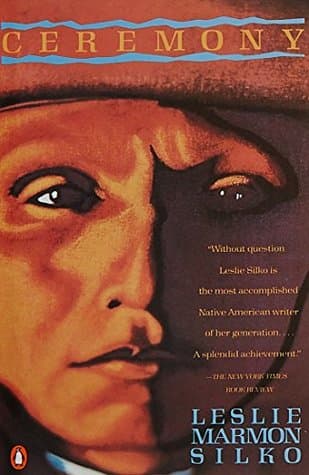
- Ceremony
Leslie Marmon Silko
3.8 (18k) average on GoodreadsLiterary FictionExplores trauma, healing, and Native American identity through a protagonist's journey.
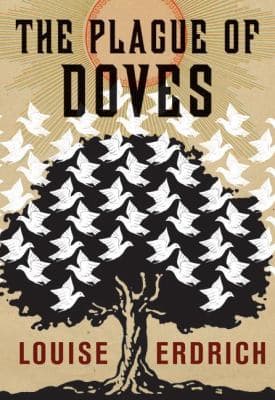
- The Plague of Doves
Louise Erdrich
3.8 (13k) average on GoodreadsLiterary FictionSet in the same fictional universe, exploring intergenerational trauma and justice on a reservation.
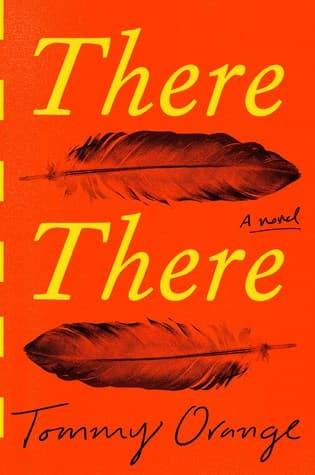
- There There
Tommy Orange
4.0 (112k) average on GoodreadsLiterary FictionFocuses on contemporary Native American experiences, identity, and the ripple effects of historical trauma.
- The Old Man and the Sea
Ernest Hemingway
3.8 (831k) average on GoodreadsLiterary FictionA Cuban fisherman's long struggle with a giant marlin becomes a story of endurance and dignity, now retold for young adults with illustrations, phonetic guides, and writing prompts in Traditional Chinese.
- One Hundred Years of Solitude
Gabriel García Márquez
4.1 (753k) average on GoodreadsLiterary FictionThrough the multi-generational story of the Buendía family, a mythical town deals with the repeating patterns of time, love, and solitude, as the extraordinary mixes with the ordinary.
- The Goldfinch
Donna Tartt
3.9 (720k) average on GoodreadsLiterary FictionHaunted by a tragic explosion and clutching a stolen Dutch masterpiece, a young orphan navigates the opulent drawing rooms of New York and the gritty underbelly of the art world, desperately seeking connection and redemption amidst a life spiraling into crime and obsession.



Enjoyed the summary?
A summary gives you the shape of the book. The book itself has the detail, the examples and the voice.
Find The Round House on AmazonAs an Amazon Associate, BookBrief earns from qualifying purchases. How we're funded