
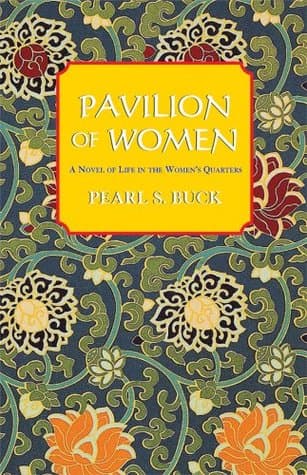
Synopsis
Covers the whole plot, including the ending.
- Difficulty
- Medium
- Pacing
- Moderate
- Mood
- Reflective, Thought-provoking, Cultural, Empowering
- Read it if
- You enjoy historical fiction about strong female characters challenging societal norms, particularly in a traditional Chinese setting.
- Skip it if
- You prefer fast-paced plots with constant action or find detailed explorations of domestic life and philosophical introspection slow.
Pavilion of Women Plot Summary
Covers the whole plot, including the ending.
Madame Wu's Fortieth Birthday Decision
On her fortieth birthday, Madame Wu, matriarch of the House of Wu, makes a shocking announcement to her husband, Master Wu. She declares their physical life together, after twenty-four years of marriage, is over. She wants him to take a second wife to fulfill his conjugal needs. This decision, though planned by Madame Wu, shocks the traditional household. Despite the initial uproar and Master Wu's confusion, Madame Wu remains firm. She arranges the selection of a young, uneducated country girl named Chiuming to be Master Wu's new companion. This ensures the family line continues and the household stays stable, while securing Madame Wu's new freedom.
Chiuming's Arrival and Integration
Chiuming, a simple girl from the countryside, arrives at the opulent but rigid House of Wu. She is at first overwhelmed by the grandeur and complex social hierarchy. Madame Wu, with detached elegance, oversees Chiuming's integration, ensuring she learns the household's customs and expectations. However, Chiuming finds it hard to adjust to the sophisticated environment and subtle power dynamics. Her rustic innocence often clashes with the refined manners of the Wu family, especially the other women in the Pavilion of Women. This leads to early misunderstandings and a sense of isolation for the new concubine.
Madame Wu's Pursuit of Intellectual Freedom
With her marital duties done, Madame Wu retreats to her private quarters. She enjoys the solitude and intellectual freedom she has long wanted. She spends her days reading books previously considered inappropriate for a woman of her status, exploring philosophy, history, and other scholarly works. This period marks a significant personal change for Madame Wu. She expands her mind beyond household management and traditional female roles. Her pursuit of knowledge is a quiet rebellion against the societal expectations that defined her life, allowing her to understand herself and the world more deeply.
The Introduction of Brother Andre
Madame Wu's eldest son, the Young Master, begins English lessons with a foreign priest named Brother Andre. Brother Andre, a Jesuit missionary, introduces not only English but also Western philosophy, science, and a different way of thinking into the traditional Chinese household. Madame Wu, initially listening from afar, becomes increasingly interested in Brother Andre's lessons. His progressive ideas and the concept of individual freedom resonate deeply with her. They offer a stark contrast to the rigid societal norms she has always known. This encounter begins a deep intellectual and emotional connection between Madame Wu and the foreign priest.
Madame Wu and Brother Andre's Intellectual Exchange
Madame Wu, overcoming her initial shyness, begins to talk directly with Brother Andre, first through her son's lessons, then in private. Their discussions go beyond language instruction, delving into philosophical and spiritual topics. Brother Andre introduces her to ideas of individual liberty, self-determination, and a God of universal love. These ideas are revolutionary within her traditional Chinese framework. These exchanges challenge Madame Wu's long-held beliefs about duty, family, and personal happiness. Through Brother Andre, she starts to question the foundations of her ordered life and the sacrifices she made for family and tradition.
Chiuming's Unhappiness and Departure
Despite Madame Wu's efforts to ensure her comfort, Chiuming remains unhappy in the House of Wu. She desires a different kind of love and connection than what Master Wu, an older, reserved man, can offer. Her simple nature finds the grand household's complexities stifling. Eventually, Chiuming falls in love with Kao, a young, spirited servant within the compound. Realizing her true desires lie outside her position, Chiuming decides to leave the House of Wu with Kao. She seeks a life where she can experience genuine, passionate love, despite the scandal it causes.
The Scandal and Madame Wu's Reaction
Chiuming's elopement with a servant shocks the House of Wu. Such an act dishonors the family's reputation and disregards tradition. The other women of the Pavilion of Women demand severe punishment. However, Madame Wu, influenced by her changing understanding of individual freedom and happiness, reacts with unexpected empathy. While she acknowledges the societal implications, she recognizes Chiuming's right to pursue her own desires, even if it defies convention. This reaction further shows Madame Wu's inner change and her growing divergence from rigid traditionalism.
Brother Andre's Illness and Departure
Brother Andre, who has become an essential intellectual and emotional companion for Madame Wu, falls gravely ill. His condition requires his return to his homeland for treatment, leaving Madame Wu with a deep sense of loss. His departure cuts the intellectual lifeline that had invigorated her life and challenged her views. This separation forces Madame Wu to confront her emotional attachment to him and the void his absence creates. It also leaves her to combine the revolutionary ideas he introduced with her own traditional context, without his direct guidance. This marks a critical point in her personal journey.
The Return of Chiuming and Her Son
Years later, Chiuming, now a widow with a young son, returns to the House of Wu. Her life with Kao, though passionate, ended tragically, leaving her destitute. She seeks refuge and help from the household she once defied. This return presents a complex challenge for Madame Wu and the family. While tradition might dictate scorn, Madame Wu, having changed significantly, approaches Chiuming's situation with compassion. She sees the child as a potential heir to Master Wu, providing a practical and honorable reason to bring Chiuming and her son back into the household. This shows her nuanced understanding of both tradition and human need.
Madame Wu's Final Transformation and Acceptance
In her later years, Madame Wu finds a deep sense of peace and self-acceptance. She successfully navigates the complex demands of tradition, family duty, and her own desire for individual freedom. She integrates Brother Andre's progressive ideas with her Chinese identity, creating a unique philosophy for living. She manages the House of Wu with wisdom and compassion, ensuring its continuity while allowing for greater personal agency for its members. Madame Wu's journey ends with the realization that true happiness is not in rigid rules or their complete abandonment, but in a balance between self and society, tradition and change.
Pavilion of Women Characters
Madame Wu
Protagonist
The elegant and intelligent matriarch of the House of Wu, who seeks personal freedom.
Madame Wu is the sophisticated and highly intelligent matriarch of the prestigious House of Wu. Initially defined by her meticulous adherence to tradition and her masterful management of a vast household, she orchestrates her own liberation from marital duties on her fortieth birthday. Driven by an intense intellectual curiosity and a deep-seated desire for personal autonomy, she embarks on a journey of self-discovery through reading and philosophical discourse. She is a woman of immense self-discipline, foresight, and quiet strength, capable of both detached control and profound empathy.
Relationships: Master Wu (Husband; initially a partner, then a recipient of her decision to end their physical relationship, later a companion.); Chiuming (Second wife/concubine; a recipient of Madame Wu's arrangement, later a subject of her compassion.); Brother Andre (Intellectual and emotional confidante; a catalyst for her personal and philosophical awakening.); Young Master (Son; through him, Madame Wu meets Brother Andre.)
Master Wu
Supporting
Madame Wu's husband, who is traditional and somewhat passive.
Master Wu is Madame Wu's husband, a man of traditional sensibilities who is largely content to let his capable wife manage the household. He is kind-hearted but lacks Madame Wu's intellectual depth and drive. Initially bewildered and somewhat resistant to his wife's decision to end their physical relationship and take a second wife, he eventually acquiesces, demonstrating his trust and respect for her judgment, even if he doesn't fully understand it. He represents the more conventional male role within the patriarchal structure, less an initiator of change and more a responder to it.
Relationships: Madame Wu (Wife; he respects her leadership and accepts her decisions.); Chiuming (Second wife/concubine; fulfills his conjugal duties after Madame Wu steps back.)
Chiuming
Supporting
The young, uneducated country girl chosen as Master Wu's second wife.
Chiuming is a simple, unworldly girl from the countryside, chosen by Madame Wu to be Master Wu's second wife. She is initially innocent, naive, and overwhelmed by the grandeur and strictures of the Wu household. While beautiful and fertile, she yearns for passionate love and genuine connection, finding the sophisticated and detached environment stifling. Her directness and emotional honesty often put her at odds with the subtle protocols of the House of Wu. Her journey represents a struggle between societal expectations and individual desires.
Relationships: Madame Wu (Patron/Arranger of her marriage; Chiuming initially feels intimidated, later grateful for her compassion.); Master Wu (Husband; a source of comfort but not passion.); Kao (Lover; the object of her true affection and reason for her departure.)
Brother Andre
Supporting
A free-thinking Jesuit priest who introduces Western ideas to Madame Wu.
Brother Andre is a Jesuit missionary and English tutor to Madame Wu's son. He is a man of deep intellect, progressive thought, and profound spiritual conviction. He represents the intrusion of Western philosophy, science, and Christianity into the traditional Chinese world of the Wu household. His teachings on individual freedom, self-determination, and a universal God profoundly challenge Madame Wu's established worldview and become a catalyst for her intellectual and emotional awakening. He is kind, patient, and deeply respectful of Madame Wu's intelligence.
Relationships: Madame Wu (Intellectual and emotional confidante; a profound influence on her personal growth.)
Young Master
Supporting
Madame Wu's eldest son, whose English lessons introduce Brother Andre to the family.
The Young Master is Madame Wu's eldest son and the heir to the House of Wu. He is a dutiful son, embarking on English lessons, which indirectly brings Brother Andre into the family's orbit. While not a central figure in the plot, his education symbolizes the gradual encroachment of Western influence and modernity into the traditional Chinese society. He respects his mother's authority and intelligence, and his presence highlights the generational shift and the future of the Wu family.
Relationships: Madame Wu (Mother; he respects her authority and wisdom.); Brother Andre (Tutor; his connection to Brother Andre is purely academic.)
The Old Lady
Supporting
The elder matriarch of the Wu family, representing strict tradition.
The Old Lady is Master Wu's mother and the oldest living matriarch in the House of Wu. She embodies the most rigid and conservative aspects of Chinese tradition, adhering strictly to ancient customs and social hierarchies. She is often critical of Madame Wu's unconventional decisions, particularly the taking of a second wife and Chiuming's subsequent actions, viewing them as affronts to family honor. Her presence serves as a constant reminder of the deeply entrenched traditional values that Madame Wu must navigate and, at times, defy.
Relationships: Madame Wu (Daughter-in-law; she often disapproves of Madame Wu's modern views.); Master Wu (Son; she expects him to uphold family honor.)
Kao
Mentioned
A young servant in the House of Wu, who falls in love with Chiuming.
Kao is a young, spirited servant within the Wu household. He represents a simpler, more passionate form of love and freedom compared to the formal arrangements of the Wu family. He falls deeply in love with Chiuming, offering her the emotional connection and personal agency she craves. Their elopement, though scandalous, highlights the possibility of love outside of societal expectations. His fate, which is ultimately tragic, underscores the difficulties faced by those who defy tradition.
Relationships: Chiuming (Lover; he offers her true romantic affection.)
Mrs. Kang
Supporting
Madame Wu's loyal and traditional head maid.
Mrs. Kang is Madame Wu's trusted and loyal head maid, who has served her for many years. She is a traditional figure, often representing the voice of conventional wisdom and practical concerns within the household. While deeply devoted to Madame Wu and efficient in her duties, she struggles to fully comprehend Madame Wu's more radical decisions, such as ending her marital duties. She serves as a reliable confidante and a grounding presence, embodying the practical realities of managing a large Chinese household.
Relationships: Madame Wu (Mistress; a loyal and trusted servant and confidante.)
Pavilion of Women Themes
The Pursuit of Individual Freedom and Happiness
The novel explores Madame Wu's quest for personal freedom and intellectual fulfillment within traditional Chinese society. Her decision to end her marital duties and dedicate herself to reading and learning, rather than remaining solely a wife and mother, is an act of self-liberation. This theme is also seen in Chiuming's similar, though more impulsive, pursuit of love and happiness outside her arranged role, showing different aspects of this human desire. The challenges both women face highlight the societal pressures against individual choice.
“She had made her choice, not because she hated her husband, but because she loved freedom more.”
Tradition vs. Modernity
The conflict between Chinese traditions and Western modernity is a constant theme. The House of Wu reflects this struggle, with Madame Wu bridging the two worlds. Her embrace of Western philosophy through Brother Andre, contrasted with the Old Lady's adherence to ancient customs, shows the tension. The novel explores how individuals navigate these changing cultural landscapes, questioning which traditions are worth keeping and which hinder personal growth and societal progress.
“It was her nature to live by rules. But whose rules? That was the question she had only now begun to ask herself.”
The Roles and Expectations of Women
The book examines the many roles of women in patriarchal Chinese society: wife, mother, concubine, household manager, and the expectations for each. Madame Wu's actions challenge these roles, showing a woman's capacity for intellectual depth and leadership beyond domestic duties. Chiuming's story also reflects the limited options for women and their desire for love and agency. The 'Pavilion of Women' symbolizes the confined, yet powerful, sphere given to women, and the novel questions the true nature of female power and happiness within these limits.
“A woman's mind was meant for the ordering of a household and the rearing of children, not for such knowledge as a man might seek.”
Love in its Various Forms
The novel explores various forms of love, from the dutiful love between Madame Wu and Master Wu to the passionate love between Chiuming and Kao. It also delves into the intellectual and spiritual love between Madame Wu and Brother Andre, a connection that goes beyond physical and societal norms. By showing these different forms, the book questions societal definitions of love and challenges the idea that romantic or marital love is the only path to fulfillment. It suggests that deep connections can exist in unexpected relationships and add to one's happiness.
“There were many kinds of love, she was discovering, and not all of them were meant to be spoken.”
Plot Devices & Literary Techniques
The Pavilion of Women
A physical and symbolic space for the women of the Wu household.
The Pavilion of Women is both a literal section of the Wu compound where the women reside and a powerful symbol of their confined, yet influential, sphere. It represents the traditional separation of genders and the intricate social hierarchy among wives and concubines. Within its walls, women manage the household, raise children, and navigate complex relationships. Symbolically, it embodies the limitations placed upon women in traditional Chinese society, while also highlighting their collective power, resilience, and the internal dynamics of their world, often hidden from men.
Madame Wu's Fortieth Birthday
A significant turning point that marks Madame Wu's decision for personal change.
Madame Wu's fortieth birthday serves as a crucial plot device, acting as a clear demarcation point for her decision to redefine her life. In Chinese culture, this age often signifies maturity and the culmination of a life stage. By choosing this specific milestone, Madame Wu imbues her decision with a sense of deliberate planning and self-actualization, rather than impulsive rebellion. It signifies a conscious transition from fulfilling societal expectations to pursuing personal fulfillment, making her actions appear measured and profound rather than simply scandalous.
Brother Andre's Foreignness
The character of Brother Andre as a catalyst for new ideas and a different worldview.
Brother Andre's status as a foreigner, specifically a Western missionary, is a key plot device. His 'otherness' allows him to introduce radical new ideas – individual freedom, Western philosophy, and Christianity – without being fully bound by Chinese social norms. He serves as an external catalyst, opening Madame Wu's mind to concepts that would be impossible for a Chinese man to articulate within her cultural context. His presence represents the intrusion of a wider world into the insular Wu household, prompting internal and external conflicts and ultimately driving Madame Wu's intellectual and emotional transformation.
Chiuming's Elopement
A dramatic event that challenges the Wu family's traditions and Madame Wu's evolving views.
Chiuming's elopement with Kao is a pivotal plot device that creates significant conflict and scandal within the Wu household. It is a direct defiance of traditional marital arrangements and family honor. This event forces Madame Wu to confront the practical implications of her own evolving philosophy on individual freedom. While initially shocking, Chiuming's actions ultimately serve to further solidify Madame Wu's compassion and understanding, pushing her further away from rigid adherence to tradition and towards a more nuanced, empathetic worldview, especially when Chiuming later returns.
Pavilion of Women Quotes
“It is not the man who is the master of the house, but the woman.”
“To be truly free, one must first be free of oneself.”
“Love is not a gift, but a growth, and like all growth, it must be tended.”
“Happiness is not a station you arrive at, but a manner of traveling.”
“The greatest prison people live in is the fear of what other people think.”
“One must learn to live with the impossible, for the impossible is often the only way.”
“A woman's true strength lies not in her beauty, but in her will.”
“Change is not a threat, but an opportunity.”
“To understand another, one must first understand oneself.”
“The past is a story we tell ourselves; the future is a story we create.”
“Silence is not always empty; sometimes it is full of answers.”
“It is not what we are given, but what we do with what we are given, that defines us.”
“The greatest teacher is experience, but a fool learns only from his own.”
“Life is a constant choosing, and every choice brings its own consequences.”
Quiz
10 questions on the plot and the characters. Each answer comes with a short explanation.
Question 1
On what occasion does Madame Wu announce her decision to her husband to take a second wife?
- Their twenty-fifth wedding anniversary
- Her fortieth birthday
- The birth of her first grandchild
- After her son leaves for university
Show answer
B. Her fortieth birthday Madame Wu makes her pivotal announcement on her fortieth birthday, marking a significant transition in her life and the household.
Question 2
What is the primary reason Madame Wu gives for her decision to end her physical life with her husband?
- She has fallen in love with another man.
- She wishes to pursue intellectual and personal freedom.
- Her husband has been unfaithful.
- She wants to focus solely on managing the household.
Show answer
B. She wishes to pursue intellectual and personal freedom. Madame Wu, after fulfilling her duties, seeks personal freedom and the opportunity to read and learn, which she associates with ending her marital obligations.
Question 3
Who is the 'foreigner' from whom Madame Wu begins to learn, initially by listening to her son's lessons?
- A British diplomat
- An American merchant
- A free-thinking priest named Brother Andre
- A female missionary
Show answer
C. A free-thinking priest named Brother Andre Brother Andre, a free-thinking priest, is the foreigner who teaches Madame Wu's son English and later influences Madame Wu herself.
Question 4
How does the House of Wu react to Madame Wu's decision to find her husband a second wife?
- They immediately approve, seeing it as a wise decision.
- It is thrown into an uproar and meets with resistance.
- They are indifferent, as such practices are common.
- They see it as a sign of her declining mental health.
Show answer
B. It is thrown into an uproar and meets with resistance. The text explicitly states that the House of Wu is 'thrown into an uproar by her decision,' indicating significant disruption and disapproval.
Question 5
What kind of books does Madame Wu begin to read in her freedom that she was previously 'never allowed to touch'?
- Cookbooks and household management guides
- Religious scriptures and philosophical texts
- Romantic novels and poetry
- Books on foreign travel and adventure
Show answer
B. Religious scriptures and philosophical texts The context implies she seeks intellectual stimulation and knowledge, suggesting philosophical or religious texts that were considered inappropriate for her previous role.
Question 6
What is Madame Wu's general demeanor and approach to managing the extended household of over sixty relatives and servants?
- Impatient and often confrontational
- Elegant and detached, orchestrating changes with precision
- Warm and nurturing, seeking everyone's input
- Hesitant and indecisive, delegating most tasks
Show answer
B. Elegant and detached, orchestrating changes with precision The description highlights her 'elegant and detached' manner, emphasizing her controlled and strategic management style.
Question 7
What does the narrative suggest about the 'nature and roles of men and women' through Madame Wu's journey?
- That traditional gender roles are always the most fulfilling.
- That individuals, particularly women, can redefine their roles and seek personal autonomy.
- That happiness is solely found within the confines of marriage and family.
- That men are inherently better suited for leadership roles.
Show answer
B. That individuals, particularly women, can redefine their roles and seek personal autonomy. Madame Wu's decision to break from tradition and pursue intellectual freedom directly challenges conventional gender roles and advocates for individual autonomy.
Question 8
The term 'Pavilion of Women' likely refers to what aspect of the traditional Chinese household portrayed in the book?
- A specific architectural structure where women lived separately from men.
- A metaphorical space representing the limited sphere of influence for women.
- A ceremonial hall used for women's gatherings.
- The name of Madame Wu's private study.
Show answer
A. A specific architectural structure where women lived separately from men. In traditional Chinese extended families, women often resided in separate quarters or 'pavilions' within the larger compound, symbolizing their distinct roles and often their confinement.
Question 9
What is the social standing of the House of Wu in China?
- It is a newly wealthy merchant family.
- It is one of the oldest and most revered families.
- It is a declining aristocratic family struggling to maintain status.
- It is a scholarly family with little social influence.
Show answer
B. It is one of the oldest and most revered families. The text describes the House of Wu as 'one of the oldest and most revered in China,' highlighting its prestigious and traditional background.
Question 10
What central theme does Madame Wu's arrangement for a second wife and subsequent pursuit of personal interests primarily explore?
- The importance of maintaining ancestral traditions at all costs.
- The conflict between individual desire for self-fulfillment and societal expectations/duty.
- The inevitable decline of traditional Chinese family structures.
- The superiority of Western education over traditional Chinese learning.
Show answer
B. The conflict between individual desire for self-fulfillment and societal expectations/duty. Madame Wu's actions epitomize the struggle between fulfilling her prescribed societal role and her personal quest for freedom and intellectual growth, a core theme of the novel.
Pavilion of Women FAQ
What is the central premise of 'Pavilion of Women' and Madame Wu's pivotal decision?
On her fortieth birthday, Madame Wu, the matriarch of the House of Wu, decides to end her physical relationship with her husband after twenty-four years. She announces her intention to find him a second wife, believing this will grant her personal freedom and allow her to pursue intellectual interests she previously suppressed.
How does the House of Wu react to Madame Wu's unconventional proposal?
The household is thrown into significant turmoil and uproar by Madame Wu's decision. Her husband is initially shocked and resistant, and many relatives and servants are bewildered by such a radical departure from tradition, questioning her sanity and motives.
Who is Chiuming and what is her role in the household after Madame Wu's decision?
Chiuming is the young country girl Madame Wu personally selects to become her husband's second wife and concubine. She is brought into the household to fulfill the marital duties Madame Wu no longer wishes to perform, effectively replacing her in the bedchamber.
What does Madame Wu do with her newfound freedom after relinquishing her marital duties?
Madame Wu dedicates her time to intellectual pursuits. She retreats to her private quarters to read books previously forbidden to her and begins to secretly listen to her son's English lessons, which eventually leads her to engage with Brother Andre.
Who is Brother Andre and what influence does he have on Madame Wu?
Brother Andre is a free-thinking foreign priest who teaches Madame Wu's son English. Madame Wu begins to learn from him, and his progressive ideas about individualism, freedom, and the roles of men and women profoundly challenge her traditional worldview and expand her understanding of the world.
How does Madame Wu's relationship with her husband evolve after Chiuming's arrival?
Their relationship transforms from a physically intimate one to one based more on mutual respect and intellectual companionship. While he initially struggles with her decision, they develop a deeper understanding, and her husband eventually supports her pursuit of knowledge, particularly through Brother Andre.
What is the significance of the 'Pavilion of Women' title in relation to the women in the Wu household?
The title refers to the enclosed, often restrictive world that women in traditional Chinese society inhabited, particularly within an extended family compound. It highlights the limited roles and expectations placed upon women, even powerful matriarchs like Madame Wu, and her eventual journey beyond these confines.
Are there any subtle indications of Madame Wu's dissatisfaction before her fortieth birthday decision?
The narrative suggests her meticulous planning and the swiftness of her decision indicate a long-standing, unexpressed yearning for personal autonomy and intellectual stimulation. Her detached elegance in managing the household hints at a deeper, unfulfilled self beneath the surface of her perfect performance.
How does the character of Chiuming serve as a foil to Madame Wu?
Chiuming represents the traditional, submissive ideal of a concubine, fulfilling her duty without question. She highlights Madame Wu's radical departure from these norms and the different paths women could take, whether by choice or circumstance, within the same societal structure.
What psychological motivations drive Madame Wu's desire for freedom?
Madame Wu is driven by a profound desire for intellectual and personal autonomy. She feels stifled by the domestic and marital expectations placed upon her, seeking to reclaim her mind and self after decades of performing a prescribed role within the patriarchal structure of her society.
How does Madame Wu's self-discipline contribute to her ability to orchestrate such a radical change?
Her lifelong practice of extreme self-discipline in managing the vast household and her own emotions allows her to execute her decision with unwavering resolve. This discipline, honed over years, gives her the mental fortitude to withstand societal pressure and personal doubts.
In what ways does Madame Wu experience an 'awakening' through her interactions with Brother Andre?
Brother Andre introduces Madame Wu to Western concepts of individualism, freedom of thought, and spiritual exploration, which challenge her deeply ingrained traditional beliefs. This intellectual exchange leads to a profound re-evaluation of her life, purpose, and understanding of happiness.
How does Madame Wu's journey reflect a search for happiness beyond conventional societal definitions?
Madame Wu initially finds happiness in perfect order and duty, but her decision reveals a deeper yearning for intellectual and personal fulfillment. Her journey with Brother Andre shows her seeking a form of happiness rooted in self-discovery and spiritual growth, rather than just societal approval or domestic harmony.
Is Madame Wu's decision to bring in a second wife truly an act of selflessness or selfishness?
This is open to interpretation. While it appears selfless in providing her husband with a younger companion, it is primarily driven by Madame Wu's personal desire for freedom and intellectual pursuits. It can be seen as a masterful act of self-preservation, cleverly reframing her own needs within a socially acceptable framework.
Does the novel ultimately endorse Madame Wu's radical choices, or does it present a more nuanced view of their consequences?
The novel presents a nuanced view. While it celebrates Madame Wu's liberation and growth, it also shows the disruption and emotional complexities her decision creates within the family, particularly for her husband and Chiuming. It suggests that profound change, even for the better, comes with its own set of challenges and compromises.
How does 'Pavilion of Women' challenge traditional notions of marriage and women's roles in early 20th-century China?
The book fundamentally challenges these notions by portraying a woman who actively redefines her marital role, seeks intellectual fulfillment outside domestic duties, and questions societal expectations for women. It critiques the restrictive nature of traditional marriage and highlights the untapped potential of women confined to such roles.
What is the significance of the historical setting in understanding Madame Wu's actions?
The early 20th-century Chinese setting, on the cusp of significant social and political change, underscores the radical nature of Madame Wu's actions. Her defiance of deeply entrenched traditions is all the more remarkable given the rigid patriarchal society and limited opportunities for women during that era.
Does the novel suggest that true freedom for women requires separation from traditional family structures?
Not necessarily separation, but a redefinition of roles within them. Madame Wu remains within her family, but radically alters her position and duties. The novel suggests that freedom can be found by asserting individual will and intellectual autonomy, even while navigating existing social frameworks, rather than outright abandoning them.
About the author
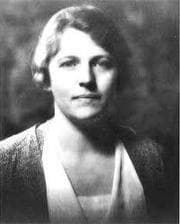
Pearl Comfort Sydenstricker Buck was an American writer and novelist. She is best known for The Good Earth, the best-selling novel in the United States in 1931 and 1932 and which won her the Pulitzer Prize in 1932. In 1938, Buck became the first American woman to win the Nobel Prize in Literature "for her rich and truly epic descriptions of peasant life in China" and for her "masterpieces", two memoir-biographies of her missionary parents.
Similar books
- The Good Earth
Pearl S. Buck
4.0 (223k) average on GoodreadsHistorical FictionExplores Chinese family life and societal changes through a female protagonist, with a focus on tradition and resilience.
- Memoirs of a Geisha
Arthur Golden
4.1 (1.7M) average on GoodreadsHistorical FictionFeatures a strong female protagonist navigating complex social structures and personal desires within a highly traditional Asian culture.
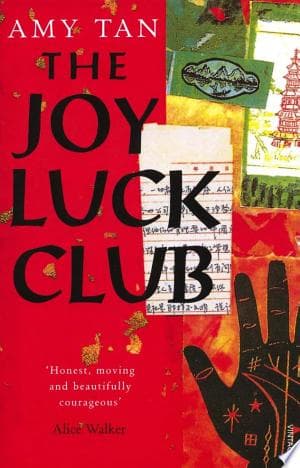
- The Joy Luck Club
Amy Tan
3.9 (598k) average on GoodreadsHistorical FictionExamines intergenerational female relationships and the clash between traditional Chinese values and individual aspirations.
- Snow Flower and the Secret Fan
Lisa See
4.1 (339k) average on GoodreadsHistorical FictionWhile both novels explore the lives of women in historical China, See's focuses on the traditions of foot-binding and 'nu shu' through a bond of sisterhood, emphasizing resilience within strict societal norms. Buck's Pavilion of Women, in contrast, centers on a single woman's radical, individual decision to redefine her domestic role and pursue intellectual freedom, making it a more direct exploration of individual agency and rebellion against traditional expectations.
- To Kill a Mockingbird
Harper Lee
4.3 (4.5M) average on GoodreadsHistorical FictionIn the 1930s Jim Crow South, Harper Lee writes about racial injustice, moral growth, and the quiet courage of a lawyer father, Atticus Finch, as seen through his young daughter's eyes.
- The Great Gatsby
F. Scott Fitzgerald
3.9 (3.8M) average on GoodreadsHistorical FictionIn the opulent Roaring Twenties, a mysterious millionaire's lavish parties hide his desperate, tragic pursuit of a lost love, exposing the emptiness within the American Dream.


Enjoyed the summary?
A summary gives you the shape of the book. The book itself has the detail, the examples and the voice.
Find Pavilion of Women on AmazonAs an Amazon Associate, BookBrief earns from qualifying purchases. How we're funded