
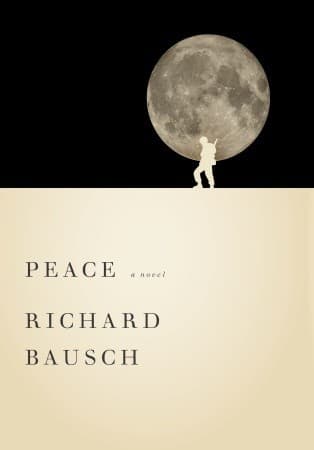
Synopsis
Covers the whole plot, including the ending.
- Difficulty
- Medium
- Pacing
- Moderate
- Mood
- Gritty, Intense, Somber, Psychological, Reflective
- Read it if
- You want a compact, intense historical fiction exploring the psychological toll of war and moral dilemmas.
- Skip it if
- You prefer action-heavy war stories over psychological depth and ambiguity, or dislike bleak narratives.
Peace Plot Summary
Covers the whole plot, including the ending.
The Reconnaissance Mission Begins
In the winter of 1944, near Cassino, Italy, three American soldiers—Corporal Robert Marson, Private Gaetano Nuzzo, and Private Anthony Cipriano—go on a reconnaissance mission. Their goal is to climb a steep hill, which is actually a mountain, to find enemy positions. The icy rain and freezing weather make the climb dangerous. A seventy-year-old Italian man named Signor Checchi guides them. His quiet manner and unclear loyalties immediately make the soldiers, especially Marson, suspicious. The mission's danger is increased by the constant threat of German patrols and the exhaustion of the climb.
Encountering the Enemy
As the group climbs, unseen German positions fire on them. The ambush is sudden, forcing the soldiers to take cover. They avoid serious injury, but the close call raises the tension and fear in the small patrol. Corporal Marson, already suspicious, starts to think Signor Checchi is leading them into a trap or helping the enemy. This incident confirms the immediate danger they face, making every step a risk.
The Discovery of a German Bunker
After hours of climbing in bad weather, the patrol finds a hidden German bunker. This confirms they are near enemy lines and their mission is valid, but also that they are in extreme danger. The bunker, with signs of recent use, shows they are deep in enemy territory. The soldiers must now decide whether to attack, observe, or retreat. This decision weighs on Corporal Marson, who feels responsible for his men's lives and the mission's success, all while fighting his growing paranoia about Checchi.
A Moment of Shared Humanity
During a break in the storm and fighting, the soldiers and Signor Checchi rest. Despite the distrust, they share a brief human moment. Checchi offers them dried figs, a small gesture that, for a moment, goes beyond the conflict. Marson remains cautious, but Nuzzo and Cipriano are more open to the old man. This short break highlights the difference between war's brutality and the basic human need for connection, even among those with unclear loyalties.
Marson's Growing Paranoia
Corporal Marson's distrust of Signor Checchi reaches a peak. He watches Checchi's movements, silences, and knowing glances, seeing them as signs of betrayal. Marson's paranoia, fueled by combat stress and harsh conditions, makes him believe Checchi is leading them astray or signaling to the Germans. He confronts Checchi, his accusations clear, creating tension. The old man remains calm, offering no explanations, which only angers Marson more and confirms his belief that Checchi is an enemy.
The Incident with the German Soldier
The patrol ambushes a lone German soldier, taking him prisoner. This makes their situation more difficult. Now, besides navigating rough terrain and avoiding patrols, they must also guard a captive. The German soldier is young and scared, a reminder of the youth lost in war. Marson struggles with the ethics of holding a prisoner in such conditions and the danger the prisoner poses if other German forces find them. The incident increases Marson's moral burden, as he already struggles with his duties.
Checchi's Revelation
In a rare moment, Signor Checchi speaks, revealing his family was killed by German soldiers. This changes the soldiers' view of him as a possible collaborator. His quiet suffering and deep loss explain his calm demeanor and his presence on the mountain. For a short time, Marson's paranoia lessens, replaced by empathy. The soldiers start to see Checchi not just as a guide, but as a victim of the same war. This shared experience of loss creates a fragile, temporary bond.
The German Prisoner's Escape and Recapture
Under cover of darkness and the storm, the German prisoner tries to escape. The soldiers, already on edge, react violently. In the struggle, the German is recaptured, but he is injured. The incident reignites Marson's paranoia and the soldiers' fear, reminding them of the constant threat. The recapture is brutal, showing war's dehumanizing effects and the desperate measures taken by both sides. The event reinforces that mercy is a luxury they cannot afford, further hardening the soldiers.
A Desperate Decision
As the mission becomes more desperate, with low supplies and no clear way forward, Corporal Marson faces a terrible decision about the German prisoner. The prisoner is a burden, slowing them down and attracting attention. Conditions worsen, and the chances of returning with a prisoner seem small. Marson struggles with the moral dilemma of his orders versus survival. The weight of command and war's brutal logic push him toward a dark conclusion, challenging his humanity.
The Climax of Violence
The tension ends in a violent confrontation. Driven by fear, exhaustion, and a warped sense of duty, Marson makes a terrible decision about the German prisoner. This act of violence, born of desperation and war's dehumanizing pressures, shatters the last bits of order in the patrol. The scene is brutal, reflecting war's ultimate cost. The act leaves a lasting mark on everyone, especially Marson, who must face his own capacity for cruelty, a direct result of war's destructive influence.
The Aftermath and Retreat
After the violence, the surviving soldiers, including Marson, start down the mountain. Their physical descent mirrors their internal descent into despair and reflection. The weight of their actions and the horrors they saw weigh heavily on them. The mission's original goal now seems less important than the psychological scars they carry. The return journey is silent and somber, each man grappling with his conscience and the lasting marks of war's brutality. The 'peace' they seek is distant, replaced by a deep, haunting silence.
A Glimmer of Redemption
As the remaining soldiers descend, battered, a final, unexpected act of mercy or quiet understanding happens. This moment, though small, suggests redemption is possible even amid widespread violence. It implies that even in the darkest human experiences, a spark of humanity can remain. This ending offers a faint, fragile hope that war's destructive effects do not completely erase the human spirit, and that forgiveness, or at least an end to hatred, is still possible after terrible acts.
Principal Figures
Corporal Robert Marson
Protagonist
A young, inexperienced corporal burdened by command in a brutal war.
Marson is a young American corporal, thrust into a leadership role he is ill-equipped for by experience. He struggles with the immense responsibility of his men's lives and the moral ambiguities of war. Initially driven by duty, he quickly succumbs to paranoia and fear, particularly regarding Signor Checchi. His internal conflict between his sense of decency and the brutal necessities of survival defines his journey. He is a representation of the 'everyman' soldier, forced to make terrible choices under unimaginable pressure.
Relationships: Signor Checchi (Initially suspicious and hostile, evolving into a complex mix of fear, pity, and a brief, uneasy understanding.); Private Gaetano Nuzzo (His subordinate; Marson feels responsible for Nuzzo's safety and well-being.); Private Anthony Cipriano (His subordinate; Marson struggles to maintain authority and protect Cipriano.)
Signor Checchi
Supporting
A stoic, elderly Italian guide with a tragic past and ambiguous loyalties.
Signor Checchi is a seventy-year-old Italian man with a weathered face and quiet demeanor. He acts as the guide for the American patrol, his motivations initially unclear. His silence and stoicism are interpreted as suspicion by Marson, but later revealed to be a profound grief for his family, lost to German violence. He represents the civilian caught in the crossfire of war, enduring immense suffering while maintaining a quiet dignity. His presence challenges the soldiers' black-and-white perception of friend and foe.
Relationships: Corporal Robert Marson (The object of Marson's paranoia, later gaining a measure of Marson's pity and understanding.); Private Gaetano Nuzzo (Receives some kindness and food from Checchi, fostering a slightly less hostile interaction.); Private Anthony Cipriano (Observes Checchi with a mix of fear and curiosity.)
Private Gaetano Nuzzo
Supporting
A young, more empathetic soldier, often questioning the mission's brutality.
Nuzzo is one of the American privates under Marson's command. He is younger and perhaps more sensitive than Marson, often expressing discomfort with the harsh realities of their mission and the treatment of the prisoner. While he follows orders, he retains a degree of empathy that Marson increasingly loses. Nuzzo represents the lingering humanity within the soldiers, a conscience that struggles against the dehumanizing forces of war. His reactions often mirror the reader's own moral questioning.
Relationships: Corporal Robert Marson (His immediate superior; he obeys Marson but sometimes expresses quiet disagreement or discomfort.); Private Anthony Cipriano (A fellow private, sharing the burdens of the mission.)
Private Anthony Cipriano
Supporting
Another private, often quiet and observant, experiencing the war's trauma.
Cipriano is the third American private in the patrol. He is often quieter and less vocal than Nuzzo, observing the events unfold with a sense of quiet dread. He experiences the same physical and psychological tolls of the mission, contributing to the sense of shared suffering among the soldiers. While not as outwardly questioning as Nuzzo, his presence underscores the collective trauma and the individual struggles occurring beneath the surface of the group's interactions. He represents the silent endurance of the common soldier.
Relationships: Corporal Robert Marson (His superior; he follows Marson's orders.); Private Gaetano Nuzzo (A fellow private, sharing the experience of the mission.)
The German Soldier
Mentioned
A young, terrified enemy combatant captured by the American patrol.
The German soldier is a young, unnamed combatant captured by Marson's patrol. He is depicted as terrified and vulnerable, highlighting the shared humanity and fear on both sides of the conflict. His capture and subsequent treatment serve as a catalyst for much of the moral conflict within Marson and the patrol. He represents the 'enemy' stripped of ideological abstraction, revealing the individual human cost of war. His presence forces the American soldiers to confront the ethical dilemmas of their actions.
Relationships: Corporal Robert Marson (His captor; Marson struggles with the decision of his fate.); Private Gaetano Nuzzo (Witnesses his capture and treatment, showing some empathy.)
Themes & Insights
The Corrosiveness of Violence and War
The novel shows how war destroys humanity, turning ordinary men into brutal actors. The mission's constant physical and psychological stress, plus the threat of death, pushes Corporal Marson to make desperate and morally difficult choices. The icy rain and freezing mountain reflect the characters' inner emptiness. The final act of violence against the German prisoner (Scene 10) results directly from this destructive process, showing how an 'us vs. them' mindset and the need for survival can twist one's morals.
“They were all alone in the world, and the world was cold and wet and dark.”
The Elusiveness of Peace
The title 'Peace' is ironic, as the story takes place in a setting utterly without peace. The characters constantly fight not only the enemy but also the weather, their own fears, and internal conflicts. The 'peace' they seek, whether an end to war or just a break, remains out of reach. Even after the mission, the survivors have deep psychological scars, suggesting that true peace, inside and out, is a distant, perhaps impossible, dream after such violence. The final scene, though hinting at humanity, leaves a lingering sense of lasting trauma.
“Peace, he thought. The word was a kind of joke, a kind of lie.”
The Ambiguity of Good and Evil
Bausch blurs the lines between good and evil, questioning simple ideas of wartime morality. Signor Checchi, initially seen as a potential enemy by Marson due to his silence, is later revealed as a victim of the same forces the Americans fight (Scene 7). Similarly, the young German soldier, an 'enemy' combatant, is shown as a terrified person, evoking pity rather than hatred (Scene 6). This ambiguity forces the characters, and the reader, to face the complex humanity on all sides of the conflict, showing that in war, heroes and villains often look like victims.
“He looked like a boy, really, not much older than Marson himself, and Marson felt a sudden, sickening surge of pity.”
The Burden of Command and Moral Responsibility
Corporal Marson's story is shaped by the heavy burden of command and its moral responsibility. As the patrol's leader, he is responsible for his men's lives and the mission's success. This pressure, combined with his inexperience and the harsh environment, forces him to make agonizing decisions, especially about the German prisoner (Scene 9). The novel explores the psychological cost of such responsibility, showing how it can lead to paranoia, fear, and a compromise of one's moral integrity. Marson's struggle highlights the immense personal toll of leadership in wartime.
“The weight of the world, it seemed, was on his shoulders, and he was too young to bear it.”
Plot Devices & Literary Techniques
The Unreliable Guide (Signor Checchi)
Checchi's ambiguous loyalty and silence fuel Marson's paranoia.
Signor Checchi's role as the guide is a central plot device. His silence and the soldiers' inability to understand his motivations create intense suspense and paranoia, particularly in Corporal Marson. The ambiguity of his loyalty, initially perceived as a threat, later serves to reveal the tragic personal cost of war through his own story. This device keeps both the characters and the reader on edge, constantly questioning Checchi's true intentions and contributing to the psychological tension of the narrative. He embodies the uncertainty and mistrust inherent in wartime encounters.
The Relentless Weather
The icy rain and freezing conditions mirror the characters' internal struggles and amplify the mission's difficulty.
The brutal, unceasing icy rain and freezing mountain conditions act as a powerful antagonist throughout the novel. The weather not only creates immense physical hardship, making the climb treacherous and visibility poor, but also serves as a potent metaphor for the characters' internal states of despair, fear, and moral corrosion. The constant exposure to the elements amplifies their vulnerability, heightens their paranoia, and contributes to the overall sense of hopelessness and suffering. It's a pervasive force that relentlessly grinds down the soldiers' spirits and bodies.
The German Prisoner
A captured enemy soldier who forces the protagonist to confront moral dilemmas.
The capture of the young German soldier is a critical plot device that catalyzes Corporal Marson's moral descent and intensifies the internal conflict within the patrol. The prisoner, depicted as vulnerable and human, forces Marson to confront the ethical implications of war and the dehumanizing nature of his role. His presence transforms the abstract 'enemy' into a tangible individual, making the decisions about his fate deeply personal and morally agonizing. The prisoner's existence highlights the contrast between military necessity and human compassion.
Peace Quotes
“It was the day after the war, and the rain had stopped falling.”
“Sometimes you just had to keep going, even when you didn't know where you were going.”
“The quiet was a thing, a presence, almost as loud as the gunfire had been.”
“He carried the war inside him, a heavy, shapeless thing that pulsed with every beat of his heart.”
“There was no such thing as a clean slate, not really. Only new layers over old ones.”
“Fear was a smell, a taste, a constant companion in the wilderness.”
“He saw the war in every shadow, heard it in every rustle of leaves.”
“Peace wasn't an absence of war; it was a struggle to find quiet in the mind.”
“The world was a place of sudden, brutal beauty and equally sudden, brutal ugliness.”
“Every step was a choice, and every choice could mean the difference between life and death.”
“He wondered if anyone ever truly escaped the things that had shaped them.”
“The weight of what they had seen, what they had done, was a physical burden.”
“Hope was a fragile, flickering thing, easily extinguished but stubbornly persistent.”
“The dead don't care about your reasons. They just are.”
Quiz
10 questions on the plot and the characters. Each answer comes with a short explanation.
Question 1
In what country and approximate year is Richard Bausch's 'Peace' primarily set?
- France, 1945
- Italy, 1944
- Germany, 1943
- Belgium, 1944
Show answer
B. Italy, 1944 The book is set in Italy, near Cassino, in the winter of 1944, a key detail from the provided synopsis.
Question 2
How many American soldiers are sent on the reconnaissance mission at the beginning of the story?
- Two
- Three
- Four
- Five
Show answer
B. Three The synopsis states 'three American soldiers are sent on a reconnaissance mission.'
Question 3
What kind of weather conditions are the soldiers and the old man enduring during their mission?
- Blistering heat and drought
- Heavy snowfall and blizzards
- Icy rain, continuing unabated for days
- Foggy conditions and light drizzle
Show answer
C. Icy rain, continuing unabated for days The synopsis explicitly mentions 'An icy rain, continuing unabated for days,' as part of the terrible winter of 1944.
Question 4
What is the primary mission objective of the American soldiers?
- To establish a new base camp
- To rescue a downed pilot
- A reconnaissance mission
- To deliver urgent supplies
Show answer
C. A reconnaissance mission The soldiers are 'sent on a reconnaissance mission up the side of a steep hill.'
Question 5
What characteristic of the seventy-year-old Italian guide adds to the soldiers' terror and confusion?
- His advanced age making him slow
- His inability to speak English
- His indeterminate loyalties
- His constant complaining about the weather
Show answer
C. His indeterminate loyalties The synopsis states, 'the old man's indeterminate loyalties only add to the terror and confusion that engulf them.'
Question 6
What specific item of footwear is mentioned for the seventy-year-old Italian guide?
- Heavy leather boots
- Barefoot
- Rope-soled shoes
- Wooden clogs
Show answer
C. Rope-soled shoes The guide is described as 'a seventy-year-old Italian man in rope-soled shoes.'
Question 7
Initially, what do the soldiers believe they are climbing, only to discover it's something much larger?
- A small knoll, which turns out to be a large hill
- A steep hill, which turns out to be a mountain
- A gentle slope, which turns out to be a cliff
- A valley, which turns out to be a plateau
Show answer
B. A steep hill, which turns out to be a mountain They are sent up 'the side of a steep hill that they discover, before very long, to be a mountain.'
Question 8
Which of the following is NOT listed as a central theme of 'Peace' in the synopsis?
- The corrosiveness of violence
- The human cost of war
- The redemptive power of mercy
- The futility of romantic love in wartime
Show answer
D. The futility of romantic love in wartime The synopsis explicitly lists 'the corrosiveness of violence, the human cost of war, and the redemptive power of mercy' as powerful themes, but makes no mention of romantic love.
Question 9
The setting near Cassino in 1944 is historically significant for what major WWII event?
- The Battle of the Bulge
- The D-Day landings
- The Battle of Monte Cassino
- The liberation of Paris
Show answer
C. The Battle of Monte Cassino The battles around Monte Cassino in early 1944 were a series of four brutal assaults by the Allies against the German Winter Line in Italy, near the town of Cassino, making the setting highly significant.
Question 10
Richard Bausch is described as belonging to what category of novelists?
- A debut author
- One of America's most acclaimed novelists
- A niche genre writer
- A self-published author
Show answer
B. One of America's most acclaimed novelists The synopsis refers to the book as 'a feat of storytelling from one of America's most acclaimed novelists.'
Peace FAQ
What is the primary setting and time period of 'Peace'?
'Peace' is set in Italy during the brutal winter of 1944, specifically near Cassino. The relentless icy rain and mountainous terrain create a harsh and unforgiving backdrop for the soldiers' mission.
Who are the main characters involved in the reconnaissance mission?
The mission involves three American soldiers – Private First Class Robert Marson, Corporal Edward 'Eddie' Kincaid, and Sergeant Antonio 'Tony' DeMarco – guided by an elderly Italian man named Franco. Their interactions and individual struggles form the core of the narrative.
What is the initial objective of the American soldiers?
The soldiers are sent on a reconnaissance mission to scout a strategic position up a steep hill, which quickly proves to be a treacherous mountain. Their goal is to gather intelligence on enemy movements and positions in the harsh terrain.
How does the weather impact the soldiers' journey?
The incessant icy rain and freezing temperatures significantly hinder the soldiers' progress, making the climb more arduous and increasing their suffering. The harsh weather conditions reflect and amplify the internal and external conflicts they face.
What role does Franco, the old Italian guide, play in the story?
Franco guides the American soldiers, but his loyalties are ambiguous, fueling the soldiers' paranoia and distrust. His presence adds a layer of moral complexity and uncertainty to their already perilous mission, as they question his intentions.
Are there any subtle clues about Franco's true intentions or past?
Franco's subtle actions and cryptic remarks hint at a deeper connection to the land and a personal history entwined with the war, making his motivations unclear. His deliberate pace and knowledge of obscure paths suggest more than just a simple guide.
How does the narrative foreshadow the internal conflicts within the squad?
Early interactions reveal underlying tensions, particularly between the pragmatic DeMarco and the more volatile Kincaid, with Marson often caught in the middle. Their differing personalities and reactions to stress subtly foreshadow later confrontations.
Is there any symbolism in the mountain they are climbing?
The mountain can be seen as a symbol of the immense challenges and moral burdens of war, not just a physical obstacle. Its unforgiving nature reflects the internal struggles and the difficult choices the characters must make.
How does fear manifest differently in Marson, Kincaid, and DeMarco?
Marson experiences a quiet, internal dread; Kincaid's fear often erupts into anger and aggression; while DeMarco tries to maintain control and order, his fear is expressed through rigid adherence to duty. Each soldier reacts uniquely to the mounting pressure.
What psychological impact does the constant exposure to violence have on the soldiers?
The prolonged exposure to the brutal realities of war erodes the soldiers' humanity, leading to paranoia, moral ambiguity, and a struggle to distinguish friend from foe. Their mental states deteriorate under the relentless stress.
How does the concept of 'peace' contrast with the soldiers' experiences?
The title 'Peace' serves as a stark ironic contrast to the constant terror, violence, and internal turmoil the soldiers endure. It highlights the profound absence of peace, both external and internal, in their lives during wartime.
What role does guilt play in the decisions made by the characters?
Guilt, both from past actions and the immediate choices made under duress, heavily influences the characters' behaviors and decisions. It contributes to their internal conflicts and their struggles with morality in a chaotic environment.
Is Franco an antagonist or a victim of circumstances?
Franco's role is open to interpretation; he can be seen as both. While his actions create conflict and suspicion, he is also a product of the war's devastation, forcing him into difficult choices for survival or protection.
What is the significance of the book's ending regarding the theme of mercy?
The ending culminates in an act of mercy, or the lack thereof, which challenges the characters and readers to confront the true cost of war and the potential for redemption. It forces a reflection on humanity amidst inhumanity.
Does the novel suggest that true peace is achievable in wartime?
The novel strongly implies that true peace, especially internal peace, is nearly impossible to attain amidst the chaos and trauma of war. Any moments of calm are fleeting and overshadowed by impending danger and moral compromise.
How does the author use the historical setting to comment on broader themes of war?
Bausch uses the specific historical context of WWII Italy to explore universal themes of violence's corrosiveness, the human cost of conflict, and the moral dilemmas faced by soldiers in any war. The setting provides a vivid backdrop for these timeless struggles.
What is the ultimate message about the 'corrosiveness of violence'?
The book demonstrates how violence not only causes physical harm but also erodes the moral fabric and psychological well-being of those involved. It shows how it can turn individuals against each other and diminish their humanity.
How does Marson's perspective evolve throughout the mission?
Marson, initially perhaps more idealistic or naive, is forced to confront the harsh realities of war and human nature. His perspective shifts from a more detached observer to someone deeply implicated in the moral complexities of the mission, leading to profound internal change.
Similar books
- All Quiet on the Western Front
Erich Maria Remarque
4.0 (355k) average on GoodreadsHistorical FictionExplores the psychological impact of war and the loss of innocence from a soldier's perspective.
- A Farewell to Arms
Ernest Hemingway
3.8 (263k) average on GoodreadsHistorical FictionDepicts the harsh realities of war and its personal consequences in a concise, impactful style.
- The Red Badge of Courage
Stephen Crane
3.3 (92k) average on GoodreadsHistorical FictionCrane's novel follows a young soldier's journey through fear and courage in the American Civil War, offering a more traditional arc of self-discovery amidst battle. Bausch's Peace presents characters who are more often victims of circumstance and their own deteriorating psyches, with any 'redemption' being fragile and hard-won, emphasizing moral compromise over heroic transformation.
- To Kill a Mockingbird
Harper Lee
4.3 (4.5M) average on GoodreadsHistorical FictionIn the 1930s Jim Crow South, Harper Lee writes about racial injustice, moral growth, and the quiet courage of a lawyer father, Atticus Finch, as seen through his young daughter's eyes.
- The Great Gatsby
F. Scott Fitzgerald
3.9 (3.8M) average on GoodreadsHistorical FictionIn the opulent Roaring Twenties, a mysterious millionaire's lavish parties hide his desperate, tragic pursuit of a lost love, exposing the emptiness within the American Dream.
- Pride and Prejudice
Jane Austen
4.3 (3M) average on GoodreadsHistorical FictionIn a society focused on status and money, Elizabeth Bennet navigates love and pride, challenging Mr. Darcy and social expectations to find true affection.





Enjoyed the summary?
A summary gives you the shape of the book. The book itself has the detail, the examples and the voice.
Find Peace on AmazonAs an Amazon Associate, BookBrief earns from qualifying purchases. How we're funded