
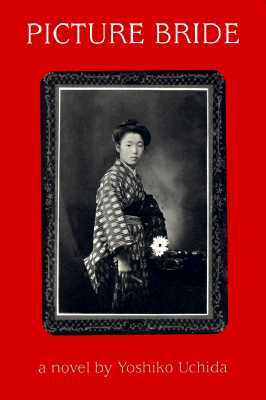
Synopsis
Covers the whole plot, including the ending.
- Difficulty
- Medium
- Pacing
- Moderate
- Mood
- Historical, Reflective, Resilient, Somber, Hopeful
- Read it if
- You are interested in the often-overlooked history of Japanese American internment during WWII and the experiences of immigrant women.
- Skip it if
- You prefer fast-paced thrillers or stories without significant historical tragedy.
Picture Bride Plot Summary
Covers the whole plot, including the ending.
Arrival in San Francisco
In 1917, nineteen-year-old Hana Omiya leaves her comfortable life in Japan for San Francisco, America, as a picture bride. She carries only a small suitcase and a photo of her future husband, Taro Takeda, a man she has never met. After a difficult immigration process at Angel Island, Hana feels both fear and hope. Her first meeting with Taro is awkward; he is older and shorter than his photograph suggested, and his shopkeeper's life in Oakland seems less grand than she imagined. Despite her initial doubts and the stark reality of her new life, Hana is determined to fulfill her duty and make the best of her arranged marriage.
Life in Oakland and Early Challenges
Hana moves into Taro's small apartment behind his general store in Oakland. Her new life is very different from her upbringing in Japan; she works constantly in the store, learns English, and deals with American prejudices. She quickly becomes friends with Mrs. Toda, another Japanese immigrant, who helps her adjust. Hana struggles with Taro's reserved nature and their lack of romantic connection, feeling isolated and lonely despite being married. She also sees the struggles of other Japanese immigrants, including the difficulties of raising children in a new culture and the constant fight against discrimination and poverty. Hana's early idealism about America begins to fade as she faces the harsh realities.
Friendship and Dreams
Hana develops a close friendship with Kiku and her husband, Henry. Kiku, a determined and ambitious woman, dreams of owning land and becoming a successful farmer, refusing the low-paying labor often forced on Japanese immigrants in the city. Despite huge challenges and 'alien land laws' that prevent Japanese from owning property, Kiku and Henry decide to leave Oakland and lease a farm in the Santa Clara Valley, hoping to grow strawberries. Hana admires Kiku's strength, and their friendship provides vital emotional support for both women as they navigate their new lives in America. Their shared experiences as Japanese women in a foreign land create a strong, lasting bond.
Motherhood and Growing Family
Over time, Hana and Taro's relationship slowly deepens, moving from a formal arrangement to mutual respect and affection. Hana gives birth to her first child, a daughter named Mary, and later a son, Ken. Motherhood brings Hana great joy and a new sense of purpose. She becomes a devoted mother, teaching her children a mix of Japanese values and American adaptability. Taro, though still reserved, shows his love through hard work and his commitment to providing for his family. The children connect their parents to their new country, representing their immigrant parents' hopes for a better future in America.
Community and Discrimination
The Japanese American community in Oakland grows, establishing businesses, churches, and social organizations, forming a strong support network. Dr. Kaneda, a respected and educated community leader, becomes prominent, advocating for Japanese American rights and their integration into American society. However, this period also sees increasing anti-Japanese sentiment and discriminatory laws, such as the Alien Land Law, which prohibits Japanese immigrants from owning land. Hana and Taro, like many others, face daily reminders of their 'alien' status and the systemic racism that limits their opportunities and threatens their sense of belonging in America, despite their hard work.
Economic Struggles and Resilience
The Takedas' general store faces ongoing economic difficulties, especially during the Great Depression. Taro works constantly, and Hana contributes significantly, often working late. They learn to be frugal and resourceful, making sacrifices to ensure their children have opportunities they never did. The broader Japanese American community also shares resources, creating informal support networks and cooperative ventures to help each other survive. Hana sees the incredible resilience of her community, who, despite constant discrimination and economic setbacks, maintain their dignity and determination to build a better life for their families in America. This period strengthens Hana's resolve and appreciation for her community.
The Shadow of War
As the 1930s turn into the early 1940s, tensions between the United States and Japan increase. The attack on Pearl Harbor on December 7, 1941, destroys the fragile sense of security for Japanese Americans. Overnight, they become objects of suspicion and hostility, labeled 'enemy aliens' regardless of their citizenship. Hana, Taro, and their children, Mary and Ken, experience a sudden and terrifying shift in public perception. Neighbors who were once friendly now eye them with distrust, and the threat of internment grows. The community, led by figures like Dr. Kaneda, tries to understand what will happen next, but a widespread sense of fear and helplessness descends upon them.
Internment Orders and Evacuation
In early 1942, President Roosevelt issues Executive Order 9066, ordering the forced removal and incarceration of all people of Japanese ancestry from the West Coast. The Takedas, along with their friends Kiku and Henry, and the entire Japanese American community, receive only a few days' notice to get rid of their belongings and prepare for an unknown future. They are forced to sell their store and possessions for much less than their value, entrusting what little they can save to sympathetic friends or storing them in uncertain conditions. The sight of families packing meager belongings and boarding buses, leaving behind their homes and livelihoods, is filled with despair. Hana tries to remain strong for her children, but the weight of their forced displacement is immense.
Life in the Internment Camp
The Takedas are sent to a desolate internment camp in the desert, a makeshift community of barracks, barbed wire, and guard towers. Life inside the camp is harsh and dehumanizing. Families live in cramped, basic conditions, sharing communal facilities and enduring the dust, heat, and cold of the desert. The loss of privacy, freedom, and dignity deeply affects everyone. Taro struggles with not being able to provide for his family, while Hana works to maintain normalcy for Mary and Ken, teaching them and participating in community activities. Despite the hardship, a resilient community spirit emerges, as people support each other and try to create a semblance of home in their confinement.
Tragedy and Loss in the Camp
Life in the camp includes tragedies. Dr. Kaneda, the respected community leader, struggles deeply with the injustice of internment. His spirit, once so hopeful for Japanese Americans, breaks from the betrayal of the country he loved. Overwhelmed by despair and the loss of his life's work and dignity, he tragically takes his own life. This event deeply affects Hana and the entire community, symbolizing the deep psychological toll of their incarceration. Kiku also suffers a personal loss in the camp, further showing the devastating consequences of their forced removal and imprisonment.
The Loyalty Questionnaire and Divided Loyalties
The government introduces the 'loyalty questionnaire,' forcing internees to answer two controversial questions: whether they would serve in the U.S. armed forces and renounce allegiance to the Emperor of Japan. For many, especially older immigrants who were barred from U.S. citizenship, these questions present a cruel dilemma. Answering 'yes-yes' could mean fighting for a country that imprisoned them, while 'no-no' could lead to further segregation or deportation. The questionnaire creates deep divisions within the camp, tearing apart families and friendships as people face impossible choices. Hana and Taro navigate these difficult questions, trying to protect their children's future while maintaining their integrity.
End of War and Release
As World War II ends, the internment camps begin to close. In 1945, the Takedas and other internees are finally released, but their freedom comes with new challenges. They return to a world that has largely forgotten them or remains hostile. Their homes and businesses are gone, their savings depleted, and anti-Japanese sentiment is still high. Many have nowhere to go and face the difficult task of rebuilding their lives from scratch. Hana and Taro, now older and scarred by their experience, must find a way to start over, relying on their inner strength and the bonds of family and community to face reintegration into American society.
Rebuilding and Resilience
Hana and Taro, with their children, return to Oakland with almost nothing. They struggle to find housing and work, facing continued discrimination. Despite the immense hardship and the trauma of internment, Hana's resilience is clear. She and Taro work tirelessly, taking any available jobs to support their family. They slowly begin to piece their lives back together, finding strength in their shared history and hope for their children's future. The internment has left a lasting mark, but it has also forged an unbreakable spirit within Hana, who remains determined to create a life of dignity and belonging for her family in America, proving that their spirit cannot be broken.
Principal Figures
Hana Omiya Takeda
Protagonist
A young Japanese picture bride who navigates the challenges of immigrant life and internment.
Hana is initially a naive and hopeful young woman, leaving a relatively comfortable life in Japan for the unknown promise of America. She is observant, intelligent, and possesses a deep sense of duty and resilience. Throughout her life in America, she transforms from a quiet newcomer into a strong, pragmatic matriarch. She is deeply committed to her family and community, finding her voice and strength through adversity. Her inner fortitude allows her to endure immense hardship, from cultural shock and discrimination to the devastation of internment.
Relationships: Taro Takeda (Husband; their relationship evolves from a formal arrangement to deep mutual respect and love.); Kiku (Best friend; a strong bond of sisterhood and shared experience.); Mary Takeda (Daughter; a source of joy and a link to the American future.); Ken Takeda (Son; also a source of joy and a symbol of hope.)
Taro Takeda
Supporting
Hana's reserved but hardworking husband, a shopkeeper in Oakland.
Taro is a quiet, hardworking, and honorable man. He is older than Hana and initially appears somewhat distant, having already faced many years of hardship in America. He is dedicated to providing for his family, working tirelessly in his general store. His reserved nature often masks his deep affection and concern for Hana and their children. The internment deeply affects his sense of dignity and purpose, as he struggles with the emasculation of being unable to protect or provide for his family in the camp. Despite his struggles, he remains a steadfast and loving presence.
Relationships: Hana Omiya Takeda (Wife; their relationship deepens from duty to a profound, unspoken love and partnership.); Mary Takeda (Daughter; a source of pride and hope.); Ken Takeda (Son; a source of pride and hope.)
Kiku
Supporting
Hana's spirited and ambitious best friend who dreams of farming.
Kiku is a vibrant, strong-willed, and optimistic woman who becomes Hana's closest confidante. Unlike Hana, Kiku is more outspoken and less traditional, possessing a fierce independence and a strong desire to make a prosperous life for herself and her husband, Henry. She dreams of owning land and becoming a successful farmer, a testament to her determination in the face of discriminatory 'alien land laws.' Her resilience and positive spirit are a source of inspiration for Hana, even as she too faces immense personal loss and hardship during internment.
Relationships: Hana Omiya Takeda (Best friend; a bond of sisterhood and mutual support.); Henry (Husband; a loving and supportive partnership.)
Henry
Supporting
Kiku's hardworking and supportive husband, who shares her agricultural dreams.
Henry is Kiku's devoted husband, a hardworking and optimistic man who shares her dream of farming. He is a practical and resourceful individual, willing to endure physical labor and navigate legal loopholes to achieve their goals. He supports Kiku's ambitions wholeheartedly, providing a stable and loving partnership. Like Taro, he faces the indignity of internment with quiet strength, doing his best to maintain his family's well-being and hope for the future. His character highlights the collective struggle and resilience of the Japanese American community.
Relationships: Kiku (Wife; a loving and cooperative partnership, built on shared dreams and hard work.)
Dr. Kaneda
Supporting
A respected community leader who is ultimately broken by the injustice of internment.
Dr. Kaneda is a highly educated and respected figure within the Japanese American community. He is a symbol of achievement and integration, believing in the promise of America and advocating for the rights and acceptance of his people. He represents the aspirations of many first-generation immigrants (Issei) to contribute to American society. However, the betrayal of internment, which strips him of his dignity, profession, and belief in justice, proves too much for him to bear. His tragic fate underscores the profound psychological damage inflicted by the camps.
Relationships: Hana Omiya Takeda (Community member; respected elder and leader.); Taro Takeda (Community member; respected elder and leader.)
Mrs. Toda
Supporting
An older, experienced Japanese immigrant who guides Hana in her early days.
Mrs. Toda is a kind and pragmatic older woman who befriends Hana shortly after her arrival in Oakland. Having lived in America for many years, she understands the challenges and nuances of immigrant life. She offers Hana practical advice, emotional support, and a sense of belonging in a new and often confusing world. Mrs. Toda represents the wisdom and resilience of the older generation of Japanese immigrant women, providing a vital link to community and tradition for newcomers like Hana.
Relationships: Hana Omiya Takeda (Mentor and friend; offers guidance and support to Hana.)
Mary Takeda
Supporting
Hana and Taro's daughter, representing the Nisei generation.
Mary is Hana and Taro's eldest child, born and raised in America. She represents the Nisei (second-generation Japanese American) experience, navigating the cultural divide between her parents' Japanese heritage and her American identity. She is bright and adaptable, embodying the hopes her parents have for a better future. Her experiences, particularly during internment, shape her understanding of injustice and resilience. She becomes a symbol of the future, destined to bridge two cultures.
Relationships: Hana Omiya Takeda (Mother; close bond, learning from her mother's strength.); Taro Takeda (Father; respects and loves her father.)
Ken Takeda
Supporting
Hana and Taro's son, representing the Nisei generation and the future.
Ken is Hana and Taro's son, also part of the Nisei generation. He is younger than Mary and experiences the trauma of internment at a formative age. Like his sister, he embodies the future of Japanese Americans in the United States. His character, though less developed than Mary's, symbolizes the innocent lives deeply affected by the political turmoil and racial prejudice of the era. His potential and future represent the enduring hope of the Takeda family and the broader community.
Relationships: Hana Omiya Takeda (Mother; loves and looks up to his mother.); Taro Takeda (Father; respects and loves his father.)
Themes & Insights
The Immigrant Experience and the American Dream
The novel shows the challenges and hopes of Japanese immigrants in America. From Hana's initial hopes and disappointment upon arrival, to the tireless work of Taro and Kiku to build a life, the story explores the promise and betrayal of the American Dream. It highlights the constant fight against discrimination, cultural assimilation, and economic hardship, showing how immigrants tried to create a better future for their children despite systemic barriers. The dream is not easily achieved and is ultimately shattered by internment, yet the hope for it lasts.
“America was not the golden mountain of her dreams. It was a land of hard work, struggle, and often, heartache. Yet, it was also the land where her children would be born.”
Resilience and Endurance in Adversity
A central theme is the strong resilience of Hana and the Japanese American community in the face of constant hardship. From the cultural shock of arrival, to daily discrimination, and finally to the profound injustice of internment, the characters repeatedly show their ability to endure and rebuild. Hana's quiet strength, Kiku's steady optimism, and the community's mutual support show the human spirit's ability to adapt, survive, and even find hope amid despair. This theme is most clear in their efforts to rebuild their lives after the camps.
“They had lost everything, but they had not lost their spirit. They would begin again, as they had always done.”
Identity and Belonging
The novel explores the complex layers of identity for Japanese Americans. Hana, an Issei (first generation), balances her Japanese heritage with adapting to American customs. Her children, the Nisei (second generation), are American citizens but are constantly reminded of being 'other' by society. The forced internment brutally takes away their sense of belonging, questioning their loyalty and citizenship despite their deep ties to America. The characters' struggle to define who they are and where they belong, caught between two cultures and rejected by one, is a clear thread throughout the story.
“They were Americans by birth, Japanese by blood, and aliens in their own land.”
Injustice and Betrayal
The most powerful part of this theme is the internment of Japanese Americans during World War II. The novel details the profound injustice of Executive Order 9066, which led to the arbitrary removal and incarceration of innocent citizens and legal residents. The betrayal is deeply felt by characters like Dr. Kaneda, who had dedicated his life to advocating for Japanese American integration, only to be imprisoned. The loss of property, dignity, and freedom, based solely on ancestry, highlights the devastating effects of wartime hysteria and racial prejudice, leaving lasting scars on the community.
“How could a country they loved, a country they had worked so hard to build, turn against them so cruelly?”
Plot Devices & Literary Techniques
Picture Bride Motif
The photograph and the arranged marriage as a symbol of hope and initial disillusionment.
The concept of the 'picture bride' serves as the initial catalyst for Hana's journey and a powerful symbol throughout the narrative. The photograph represents both the promise of a new life and the stark reality of cultural differences and arranged unions. It highlights the hopes and dreams of immigrants, often built on idealized images, and the subsequent adjustments required when reality sets in. The photograph is a recurring reminder of the leap of faith taken by thousands of women and the often-unforeseen paths their lives would take in America.
Internment Camp as a Microcosm
The camp environment reflects broader societal injustices and human resilience.
The internment camp functions as a powerful microcosm, concentrating the themes of injustice, resilience, and community within its barbed-wire fences. Life inside the camp, with its communal living, loss of privacy, and shared hardship, forces characters to confront their identities and loyalties. It exposes the best and worst of human nature, highlighting both the dehumanizing effects of forced incarceration and the enduring capacity for human connection, mutual support, and hope even in the most oppressive circumstances. The camp becomes a crucible where characters' true strengths are forged.
Symbolism of the Land/Farm
The desire for land ownership represents the American Dream and rootedness.
The ambition of Kiku and Henry to own and cultivate land, despite discriminatory 'alien land laws,' symbolizes the quintessential American Dream of self-sufficiency and rootedness. For immigrants, land ownership represents not just economic security but also a deeper sense of belonging and permanence in a new country. The inability to own land due to racial prejudice underscores the systemic barriers faced by Japanese Americans, making their pursuit of farming a poignant struggle against injustice and a powerful symbol of their desire to truly make America their home.
Generational Divide (Issei vs. Nisei)
The different experiences and perspectives of first and second-generation Japanese Americans.
The novel effectively uses the generational divide between the Issei (first generation, like Hana and Taro) and the Nisei (second generation, like Mary and Ken) to explore themes of identity, assimilation, and cultural conflict. The Issei cling to Japanese traditions and language, while the Nisei are American-born and educated, often feeling caught between two worlds. This divide is particularly poignant during internment, as the Nisei are American citizens imprisoned by their own country, forcing a re-evaluation of loyalty and belonging for both generations.
Picture Bride Quotes
“It was a strange feeling to be married to a man she had never seen, to be going to a land she had never known.”
“America was not the beautiful picture she had imagined. It was a place of hard work and loneliness, of strange customs and unfamiliar faces.”
“The women learned to speak a new language, to cook new foods, and to make a new life for themselves in a land that was not always kind.”
“She learned that strength was not always in the muscle, but often in the heart and in the spirit.”
“Sometimes, when she felt most alone, she would look at the photograph of her parents and remember their faces, their voices, their love.”
“The children were a bridge between the old world and the new, speaking English with ease and embracing American ways.”
“Even in the midst of hardship, there was beauty to be found, if one only looked for it.”
“She had come to America with a dream, and though it was not the dream she had imagined, it was a dream nonetheless.”
“The world was full of changes, and one had to learn to bend like the willow, or break like the dry branch.”
“It was not easy to be a Japanese in America, especially when the war came.”
“They built their lives with their own hands, brick by brick, dream by dream, in a land that was both promise and challenge.”
“The quilt she pieced together was a symbol of her life, each scrap a memory, each stitch a lesson learned.”
“She understood now that home was not just a place, but a feeling, a bond with those you loved.”
“They were pioneers in their own way, these women who crossed an ocean for a dream, however blurred and uncertain.”
Quiz
10 questions on the plot and the characters. Each answer comes with a short explanation.
Question 1
In what year does Hana Omiya arrive in San Francisco, California, as a picture bride?
- 1907
- 1917
- 1927
- 1937
Show answer
B. 1917 The book explicitly states that Hana arrives in San Francisco in 1917, carrying a photograph of her future husband.
Question 2
What is the name of Hana Omiya's husband, whom she meets upon arrival in America?
- Henry Kiku
- Dr. Kaneda
- Taro Takeda
- Kenji Tanaka
Show answer
C. Taro Takeda Hana's husband is identified as Taro Takeda, an Oakland shopkeeper, in the book's description.
Question 3
What profession do Kiku and her husband Henry choose, rejecting 'demeaning city work'?
- Shopkeepers
- Teachers
- Farmers
- Doctors
Show answer
C. Farmers Kiku and Henry are described as rejecting city work to become farmers, seeking a different life.
Question 4
What major historical event causes Japanese Americans on the West Coast to be uprooted and imprisoned in desert detention camps?
- The Great Depression
- World War I
- World War II
- The Korean War
Show answer
C. World War II The book clearly states that all characters are 'caught up in the cruel turmoil of World War II,' leading to their internment.
Question 5
What is Dr. Kaneda's initial standing in the community before he is 'destroyed by the adopted land he loves'?
- A struggling artist
- A respected community leader
- A wealthy businessman
- A rebellious youth
Show answer
B. A respected community leader Dr. Kaneda is introduced as 'a respected community leader' whose life takes a tragic turn due to the events of the war.
Question 6
What is the primary method by which Hana and other women came to America to marry men they hadn't met?
- Through direct courtship letters
- As mail-order brides
- As 'picture brides' through arranged marriages
- As war refugees
Show answer
C. As 'picture brides' through arranged marriages The title of the book and the opening description clearly state that Hana is one of several hundred Japanese 'picture brides' whose marriages were arranged.
Question 7
Despite the tragedies that strike each character, what central quality enables Hana to survive?
- Her inherited wealth
- Her political connections
- The same strength that brought her to America
- Her ability to forget the past
Show answer
C. The same strength that brought her to America The concluding sentence of the summary states that 'the same strength that brought her to America enable Hana to survive' despite tragedy.
Question 8
How is Dr. Kaneda's fate specifically described in relation to his adopted land?
- He thrives and prospers in it.
- He becomes a powerful political figure.
- He is destroyed by the adopted land he loves.
- He leaves it to return to Japan.
Show answer
C. He is destroyed by the adopted land he loves. The text states that Dr. Kaneda 'is destroyed by the adopted land he loves,' highlighting the tragic irony of his situation.
Question 9
What specific type of location were the Japanese American detention camps mentioned in the book?
- Coastal resorts
- Mountain retreats
- Desert detention camps
- Urban relocation centers
Show answer
C. Desert detention camps The book explicitly mentions that West Coast Japanese Americans were 'imprisoned in desert detention camps,' providing a specific detail about their internment.
Question 10
The intertwining of Hana's story with characters like Kiku and Dr. Kaneda primarily serves to illustrate what about the Japanese American experience during this period?
- The diversity of individual career choices.
- The universal impact of historical events and shared struggles.
- The ease with which immigrants assimilated into American society.
- The isolation experienced by each individual.
Show answer
B. The universal impact of historical events and shared struggles. By intertwining multiple stories, the book emphasizes the collective experience and shared challenges faced by Japanese Americans, particularly during World War II, highlighting the universal impact of these events on diverse individuals.
Picture Bride FAQ
What is the central premise of 'Picture Bride' and who is the main protagonist?
The novel centers on Hana Omiya, a young Japanese woman who travels to San Francisco in 1917 as a 'picture bride,' entering an arranged marriage with Taro Takeda, an Oakland shopkeeper, whom she has never met. Her journey chronicles the challenges and resilience of Japanese immigrants in early 20th-century America.
What significant historical event deeply impacts Hana and the other characters?
The most significant historical event is World War II, specifically the internment of Japanese Americans on the West Coast. This leads to Hana, Taro, Kiku, Henry, Dr. Kaneda, and countless others being forcibly removed from their homes and businesses and incarcerated in desert detention camps.
Who are Kiku and Henry, and what path do they choose that differs from Hana and Taro?
Kiku and Henry are a couple who, unlike Hana and Taro who initially live in Oakland, choose to reject the demeaning city work often available to Japanese immigrants. They pursue a life as farmers, striving for independence and a connection to the land, which presents its own set of unique hardships.
What is the role of Dr. Kaneda in the story, and what ultimately happens to him?
Dr. Kaneda is portrayed as a respected community leader, embodying the aspirations and struggles of many Japanese Americans. Despite his contributions and love for his adopted country, he is ultimately destroyed by the injustices and prejudices of the land he embraced, highlighting the tragic impact of internment.
How does Hana's initial impression of Taro compare to the reality of their marriage?
Hana's initial impression of Taro, based on his photograph, likely painted a more idealized picture. The reality of their marriage is a slow process of adjustment, understanding, and building a life together amidst cultural differences and societal prejudices, moving beyond the initial romanticized image.
What is the significance of the photograph Hana carries, beyond just identifying Taro?
The photograph is a potent symbol of hope, expectation, and the leap of faith inherent in the picture bride system. It represents the idealized future Hana envisions, but also the cultural bridge she must cross and the stark reality she faces upon arrival, contrasting dream with experience.
Are there any subtle indications of the coming internment before the actual event occurs?
Yes, there are subtle build-ups of anti-Japanese sentiment, discriminatory laws, and increasing scrutiny from the wider American society. These smaller incidents and prejudices, though not explicitly predicting internment, foreshadow the systemic racism that culminates in the mass incarceration.
How does the author use the changing seasons or landscapes to reflect the characters' emotional states?
The author often uses the harsh, barren desert landscape of the internment camps to mirror the characters' feelings of desolation, loss, and confinement. Conversely, descriptions of thriving farms or bustling city life before the war can represent periods of hope, prosperity, and connection.
What role do traditional Japanese customs and beliefs play in the characters' lives, even in America?
Traditional Japanese customs, such as respect for elders, the importance of family honor, and specific social etiquette, remain deeply ingrained in the characters' lives. They provide comfort and identity, but also create cultural clashes and internal struggles as characters navigate their dual identities in America.
How does Hana's psychology evolve from a naive 'picture bride' to a resilient survivor?
Hana's psychological journey involves shedding her initial naivety and embracing a profound inner strength. She learns adaptability, endures immense loss, and develops a deep resilience by facing discrimination, building a family, and surviving the internment, transforming her perception of self and her new home.
What psychological impact does the loss of their homes and businesses have on the internees, beyond the material?
Beyond material loss, the internment inflicts severe psychological trauma, including feelings of betrayal, humiliation, and a profound loss of identity and belonging. It shatters their sense of security and justice, leading to long-lasting emotional scars and a questioning of their American citizenship.
How do characters like Dr. Kaneda internalize the prejudice they face, and what are the psychological consequences?
Dr. Kaneda, a respected figure, likely internalizes the prejudice as a deep personal affront and a betrayal of his loyalty to America. This can lead to feelings of despair, disillusionment, and a profound sense of injustice, ultimately contributing to his destruction as he grapples with his shattered ideals.
Explore the psychological dynamics of Hana and Taro's arranged marriage, from initial awkwardness to eventual partnership.
Their marriage evolves from an initial period of awkwardness and formality, typical of arranged unions, into a bond built on shared experiences, mutual respect, and eventual affection. They navigate cultural expectations, personal desires, and external pressures, forging a partnership through adversity.
What is the primary message or theme Uchida conveys through the collective experiences of these characters?
Uchida primarily conveys themes of resilience, the enduring human spirit in the face of injustice, and the complex nature of identity for immigrants. The collective experiences highlight the devastating impact of racial prejudice and the strength found within community and family bonds.
In what ways does the book challenge or uphold the 'American Dream' for immigrant communities?
The book challenges the idealized 'American Dream' by showcasing the systemic barriers, discrimination, and ultimate betrayal faced by Japanese immigrants. While they strive for prosperity and belonging, the internment demonstrates the fragility of their gains and the conditional nature of their acceptance.
How does the narrative of 'Picture Bride' contribute to the broader understanding of Japanese American history?
The narrative provides an intimate, personal perspective on a pivotal period in Japanese American history, humanizing the statistics of internment and illustrating the profound individual and communal impact of discriminatory policies. It offers a voice to those who experienced these injustices firsthand.
Is there a sense of hope at the end of the novel, despite the tragedies faced by the characters?
Yes, despite the immense tragedies, there is a pervasive sense of hope rooted in the characters' enduring strength and resilience. Hana's survival and her continued commitment to rebuilding her life, alongside the solidarity within the community, suggest a future, albeit scarred, of persistence and renewal.
How does the author use the character of Kiku and Henry to present an alternative immigrant experience compared to Hana and Taro?
Kiku and Henry's choice to farm represents a desire for self-sufficiency and a deeper connection to the land, distinct from Hana and Taro's urban shopkeeping. Their struggles highlight the different paths and challenges faced by Japanese immigrants, whether in city or rural settings, while sharing the overarching experience of prejudice.
Similar books
- When the Emperor Was Divine
Julie Otsuka
3.8 (18k) average on GoodreadsHistorical FictionExplores the Japanese American internment experience through a family's perspective.
- The Joy Luck Club
Amy Tan
3.9 (598k) average on GoodreadsHistorical FictionIntergenerational story of immigrant women navigating cultural identity and family in America.
- Hotel on the Corner of Bitter and Sweet
Jamie Ford
4.0 (263k) average on GoodreadsHistorical FictionFeatures a romance set against the backdrop of Japanese American internment in Seattle.
- The Buddha in the Attic
Julie Otsuka
3.6 (43k) average on GoodreadsLiterary Fiction"The Buddha in the Attic" uses a collective, unnamed 'we' voice to portray the picture bride experience, creating a mosaic of shared trauma and hope. In contrast, "Picture Bride" focuses on a single protagonist, Riyo, allowing for deeper individual character development and a more traditional, continuous narrative. While Otsuka's work is more experimental and poetic in its universality, Uchida's provides a more intimate and empathetic journey through one woman's specific experiences.
- To Kill a Mockingbird
Harper Lee
4.3 (4.5M) average on GoodreadsHistorical FictionIn the 1930s Jim Crow South, Harper Lee writes about racial injustice, moral growth, and the quiet courage of a lawyer father, Atticus Finch, as seen through his young daughter's eyes.
- The Great Gatsby
F. Scott Fitzgerald
3.9 (3.8M) average on GoodreadsHistorical FictionIn the opulent Roaring Twenties, a mysterious millionaire's lavish parties hide his desperate, tragic pursuit of a lost love, exposing the emptiness within the American Dream.





Enjoyed the summary?
A summary gives you the shape of the book. The book itself has the detail, the examples and the voice.
Find Picture Bride on AmazonAs an Amazon Associate, BookBrief earns from qualifying purchases. How we're funded