

Synopsis
Covers the whole plot, including the ending.
- Difficulty
- Medium
- Pacing
- Moderate
- Mood
- Gritty, Urgent, Melancholy, Hopeful, Raw
- Read it if
- You're looking for a raw, unflinching road trip story about a struggling teen's journey to connect with family, told through compelling letters.
- Skip it if
- You prefer gentle narratives, are sensitive to explicit language, or uncomfortable with themes of drug addiction and death.
Punkzilla Plot Summary
Covers the whole plot, including the ending.
Leaving Portland and the First Leg
Fourteen-year-old Jamie, who now calls himself 'Punkzilla,' has just left a meth rehab facility in Portland, Oregon. His goal is to reach Memphis, Tennessee, to see his older brother, Peter, who is dying of AIDS-related cancer. He writes his first letter to Peter, detailing his plan to hitchhike and take buses across the country. He describes leaving Portland, the mix of freedom and apprehension, and his resolve to reach Peter before time runs out. He mentions his past life and his hope for a different future, driven by his love for his brother.
Encounter with the Trucker, 'Scary Guy'
Punkzilla hitches a ride with a truck driver he calls 'Scary Guy.' This man is crude, makes uncomfortable advances, and seems to be a pedophile. Punkzilla endures the long, tense ride, constantly on edge, trying to avoid the man's questions and physical contact. He describes his fear and helplessness, showing his vulnerability as a young runaway. He eventually escapes the truck at a rest stop, relieved but shaken, which reinforces the dangers of his journey.
The Bus Station and Ghost Girl
After escaping 'Scary Guy,' Punkzilla finds himself in a bus station, trying to plan his next move. There, he meets a very thin, pale girl who seems ill or haunted. He calls her 'Ghost Girl.' They share a brief, unsettling interaction, and he feels a strange connection to her, seeing a similar lost quality in her eyes. Her presence adds to the melancholic and transient atmosphere of his journey, reminding him of the many lost souls he encounters. He wonders about her story, but they soon part ways.
The Kind Transsexual, Ruby
Punkzilla meets Ruby, a kind transsexual woman, who offers him a place to stay for a night. Ruby provides him with food, a warm bed, and a sense of safety he hasn't felt in a long time. She shares some of her life story and offers advice, treating him with genuine care and respect. This encounter is a turning point, showing Punkzilla that goodness and compassion still exist, despite the harsh realities he faces. Ruby's generosity offers a temporary break and a glimmer of hope.
The Old Woman with the Oozing Eye
On a bus ride, Punkzilla sits next to an old woman with a visibly infected, oozing eye. She is eccentric and talks to herself, occasionally directing strange comments toward him. He describes his discomfort and mild revulsion, but also a sense of pity for her. This encounter further shows the diverse and often bizarre characters he meets, each a snapshot of human struggle and oddity. It is another reminder of the often-unpleasant realities of public travel and the lives of those on the fringes.
Running Low on Funds and Desperation
As Punkzilla gets closer to Memphis, his money starts to run out. He describes the constant worry about food and bus tickets. He resorts to petty theft and begging, actions that bring back memories of his past life and make him question his progress. His desperation grows, making his journey feel more urgent and uncertain. He details his hunger and fatigue, showing the physical and emotional toll the trip is taking on him.
A Brief Stay at a Shelter
Punkzilla spends a night or two at a homeless shelter, where he observes the diverse people struggling with various issues. He describes the rules, the communal living, and the underlying tension. While it offers a roof over his head, it is a stark reminder of the fragile line between survival and destitution. He feels a sense of camaraderie with some of the people but also a strong desire to avoid this life permanently, fueling his resolve to reach Peter.
Reflecting on Peter and Their Past
Throughout his letters, Punkzilla often thinks about his relationship with Peter. He recalls specific childhood memories, Peter's kindness, and his role as a protector. He also touches upon Peter's coming out and the challenges their family faced. These reflections show the depth of his love and admiration for his older brother, and the impact Peter has had on his life. The memories serve as both comfort and motivation, strengthening his resolve to reach him before it is too late.
The Urgency Builds
As Punkzilla continues his journey, he receives messages, possibly through intermediaries or fragmented phone calls, indicating that Peter's condition is worsening rapidly. This news increases his anxiety and pushes him forward with renewed urgency. He writes about the fear of not making it in time, the guilt of his past actions, and his desperate hope for a final reunion. The landscape blurs as his focus narrows solely on reaching Memphis.
Arrival in Memphis
After weeks of travel, countless encounters, and immense hardship, Punkzilla finally arrives in Memphis. He goes directly to the hospital where Peter is being treated. The city itself feels like a blur; his sole focus is on finding his brother. He describes his exhaustion and the overwhelming mix of hope and dread as he enters the hospital doors, preparing for what he might find. The journey's end is near, but the emotional climax is still to come.
The Reunion
Punkzilla finds Peter in his hospital room. Peter is weak and frail, a shadow of his former self, but recognizes Jamie. Their reunion is deeply emotional, filled with unspoken love and regret. Punkzilla sits by his brother's bedside, holding his hand, sharing details of his journey, and simply being present. The narrative focuses on the quiet intimacy of this moment, the culmination of his arduous trek. It is a bittersweet reunion, marked by the impending loss but also by the powerful bond between them.
Saying Goodbye
Punkzilla stays with Peter during his final days, witnessing his brother's slow decline. He experiences the pain of anticipatory grief, thinking about their shared past and the future they won't have together. He writes about the hospital environment, the nurses, and the visitors, but his world shrinks to Peter's bedside. This period is a coming-of-age for Punkzilla, forcing him to confront mortality and the intensity of love and loss. He holds onto every last moment, understanding the preciousness of their time together.
Peter's Death and Aftermath
Peter eventually dies from his illness. Punkzilla describes the raw, crushing grief of losing his brother, the only constant source of unconditional love and acceptance in his life. He recounts the immediate aftermath, the funeral arrangements, and the finality of Peter's absence. With his mission complete, Punkzilla must grapple with his future. He acknowledges the impact Peter had on him and the void left behind. The journey was for Peter, but the aftermath is about Punkzilla finding his own path forward.
Punkzilla Characters
Jamie / Punkzilla
Protagonist
A fourteen-year-old runaway and former meth addict on a cross-country journey.
Jamie, who adopts the moniker 'Punkzilla,' is a resilient but deeply troubled fourteen-year-old. He's street-smart, having endured a difficult life involving drug addiction, petty crime, and a lack of stable family. Despite his rough exterior and raw language, he possesses a profound love for his older brother, Peter, which serves as the primary motivation for his arduous journey. He is observant, detailing the strange and often dangerous people he encounters with a blend of fear, cynicism, and occasional empathy.
Relationships: Peter (Older brother, his only true family and motivation for the journey.); Scary Guy (Abusive, predatory truck driver who gives Punkzilla a ride.); Ruby (Kind transsexual woman who offers Punkzilla shelter and compassion.); Ghost Girl (Mysterious, sickly girl encountered at a bus station, a fleeting connection.); Old Woman with the Oozing Eye (Eccentric, unsettling bus passenger.)
Peter
Supporting
Punkzilla's older brother, dying of AIDS-related cancer in Memphis.
Peter is Punkzilla's older brother and the emotional anchor of the story, though he is only present in the final chapters. He is gay and suffering from advanced AIDS-related cancer. Peter represents unconditional love, acceptance, and the only true family Punkzilla has ever known. His impending death drives Punkzilla's entire journey, and his memory serves as a moral compass for the younger boy. He is portrayed through Punkzilla's flashbacks and letters as a kind, protective, and loving figure.
Relationships: Jamie / Punkzilla (Younger brother, whom he deeply loves and protects.)
Scary Guy
Antagonist/Mentioned
A predatory truck driver who gives Punkzilla a ride.
Scary Guy is a crude, potentially pedophilic truck driver who gives Punkzilla a ride early in his journey. He represents the inherent dangers and exploitation Punkzilla faces on the road. His unsettling questions and advances highlight Punkzilla's vulnerability and the harsh realities of a runaway's life. He serves as a catalyst for Punkzilla's heightened awareness of self-preservation and the need to trust his instincts.
Relationships: Jamie / Punkzilla (Brief, terrifying encounter as a driver and passenger.)
Ruby
Supporting
A kind transsexual woman who offers Punkzilla shelter.
Ruby is a compassionate transsexual woman who provides Punkzilla with a safe haven for a night. She offers him food, warmth, and a listening ear, treating him with genuine human kindness. Ruby represents the unexpected goodness and empathy that can be found even in the most marginalized communities. Her character provides a much-needed emotional respite for Punkzilla and demonstrates that not all strangers are dangerous.
Relationships: Jamie / Punkzilla (Temporary caregiver and mentor.)
Ghost Girl
Mentioned
A mysterious, sickly girl encountered at a bus station.
Ghost Girl is a frail, pale young girl Punkzilla briefly encounters at a bus station. She appears ill and carries an air of sadness and vulnerability, reflecting the many lost and struggling individuals Punkzilla sees on his journey. She represents the transient nature of encounters on the road and the shared, unspoken pain among those on the fringes of society. Her brief appearance underscores the theme of loneliness and fleeting connections.
Relationships: Jamie / Punkzilla (Brief, silent encounter as fellow travelers.)
Old Woman with the Oozing Eye
Mentioned
An eccentric and unsettling bus passenger.
This old woman is a peculiar and somewhat disturbing character Punkzilla encounters on a bus. Her visible ailment and strange behavior make her memorable. She represents the bizarre and often uncomfortable realities of public travel and the diverse, sometimes unsettling, cast of characters one meets on the road. She adds to the vivid tapestry of Punkzilla's observations without directly impacting his plot.
Relationships: Jamie / Punkzilla (Brief, unsettling co-passenger.)
Punkzilla Themes
The Search for Connection and Family
The central theme is Punkzilla's desperate quest to reconnect with his dying brother, Peter. This highlights the human need for family bonds and love. Despite his tough exterior and street smarts, Punkzilla's entire journey is driven by his deep love for Peter, who represents his only true family and source of unconditional acceptance. His letters are addressed to Peter, reinforcing this connection even when they are physically separated. This theme is clear in his reflections on Peter's kindness and the sacrifices he makes to reach him, showing that even for a runaway, family is most important. Interactions with characters like Ruby also show the search for human connection in a harsh world.
“You're the only one who ever really loved me, Peter.”
Vulnerability and Resilience on the Road
The novel shows the extreme vulnerability of a young runaway while also showing his resilience. Punkzilla faces many dangers, from predatory adults like 'Scary Guy' to the constant threat of hunger, homelessness, and violence. His youth and lack of resources make him an easy target, yet he continually finds ways to survive, escape, and push forward. His ability to endure physical hardship, emotional trauma, and maintain his mission despite setbacks speaks to an innate strength. The motels, bus stations, and hitched rides show the uncertainty of his existence, but his determination to reach Peter always shines through.
“I’m scared, Peter. But I ain’t stopping.”
The Transience of Life and Encounters
Life on the road and the brief connections made along the way are prominent. Punkzilla meets many different characters—some kind, some dangerous, some eccentric—but most interactions are brief and never revisited. Characters like 'Ghost Girl' and the 'Old Woman with the Oozing Eye' appear and disappear, showing the constant change of his journey and the temporary nature of human encounters. This transience mirrors the impermanence of Peter's life and highlights the preciousness of the final reunion. The constant movement from one place to another emphasizes a sense of rootlessness and the temporary nature of all things.
“Everyone's just passing through, I guess.”
Loss and Grief
The idea of loss and the process of grief are present throughout the narrative. From the start, Punkzilla wants to see his brother before he dies, meaning the entire journey is shaped by the anticipation of a profound loss. His letters are filled with thoughts on Peter's impending death and its emotional weight. The final chapters, depicting Peter's decline and eventual passing, clearly explore the raw reality of grief. Punkzilla's journey is not just a physical one, but an emotional passage through anticipatory grief, ending in the painful acceptance of his brother's death and the void it leaves behind.
“It feels like a hole in my chest, Peter, knowing you're going.”
Plot Devices & Literary Techniques
Epistolary Format (Letters)
The entire novel is told through letters from Punkzilla to his brother, Peter.
The novel's epistolary format is crucial. By presenting the story as a series of letters from Punkzilla to Peter, the reader gains direct access to Punkzilla's raw thoughts, fears, observations, and emotions. This format provides an intimate, unfiltered perspective, making the narrative feel immediate and personal. It also emphasizes Punkzilla's isolation and his deep need for connection with Peter, as these letters are his primary form of communication and emotional release. The reader experiences the journey alongside him, colored by his unique voice and perspective, without the filter of an omniscient narrator.
First-Person Narrative (Punkzilla's Voice)
The story is told entirely from Punkzilla's subjective viewpoint.
The first-person narrative, delivered through Punkzilla's distinct voice, is a powerful device. His language is raw, unpolished, and reflective of his street background, but also surprisingly poetic and observant. This subjective viewpoint allows the author to portray the world through the eyes of a marginalized teenager, highlighting his fears, hopes, and growing understanding of himself and the world. The reader experiences the danger, kindness, and oddity of his encounters directly as he perceives them, fostering empathy and a deep connection to his character. His voice is authentic and central to the novel's impact.
Foreshadowing (Peter's Illness)
The impending death of Peter is established early, creating tension and urgency.
The knowledge that Peter is dying of AIDS-related cancer is established from the very beginning of the novel. This serves as a constant and powerful form of foreshadowing, creating immediate tension and a profound sense of urgency for Punkzilla's journey. Every obstacle he faces, every delay, is amplified by the ticking clock of Peter's remaining time. This device ensures that the reader is always aware of the high stakes involved, making Punkzilla's resilience and determination even more impactful as he races against an inevitable, tragic outcome. It frames the entire narrative with a melancholic undertone.
Symbolism of the Road/Journey
The physical journey across America symbolizes Punkzilla's internal transformation.
The cross-country journey itself functions as a potent symbol. It is not merely a physical trek from Portland to Memphis, but a metaphorical journey of self-discovery, survival, and emotional growth for Punkzilla. Each encounter, each challenge, and each mile traveled contributes to his internal transformation. The road represents freedom, danger, uncertainty, and the path away from his past life as a meth addict and petty criminal. It is through the trials of the journey that Punkzilla confronts his fears, develops resilience, and ultimately comes to terms with loss, maturing from a lost boy into someone capable of facing profound grief.
Punkzilla Quotes
“Every time I think I'm out, they pull me back in.”
“The world is a stage, and I'm just a punk trying to find my spotlight.”
“Sometimes the best way to move forward is to remember where you came from.”
“We were always looking for trouble, and trouble was always looking for us.”
“There's a fine line between genius and madness, and I walk it every day.”
“Music was our religion, and the stage was our church.”
“You can't outrun your demons, but you can learn to dance with them.”
“The city was our playground, and the night was our accomplice.”
“Every scar tells a story, and mine are a novel.”
“We were broken toys in a broken world, but we still played.”
“The best kind of freedom is the one you fight for.”
“Silence can be louder than any scream if you listen closely enough.”
“I never wanted to fit in, I just wanted to stand out.”
“Life's a gig, and you gotta make sure you play every note.”
Quiz
10 questions on the plot and the characters. Each answer comes with a short explanation.
Question 1
What is the protagonist's chosen nickname?
- Roadie
- Memphis
- Punkzilla
- Smokey
Show answer
C. Punkzilla The runaway boy who is the protagonist of the story goes by the name 'Punkzilla'.
Question 2
Where does Punkzilla begin his journey after kicking his meth habit?
- Seattle, Washington
- Portland, Oregon
- San Francisco, California
- Boise, Idaho
Show answer
B. Portland, Oregon The story states that Punkzilla begins his journey in Portland, Oregon, after kicking his meth habit.
Question 3
What is Punkzilla's ultimate goal for his cross-country trek?
- To find a new home
- To start a new life in a different city
- To reconnect with his dying older brother
- To escape the police
Show answer
C. To reconnect with his dying older brother Punkzilla's primary mission is to reconnect with his older brother, who is dying of cancer in Memphis.
Question 4
In what format is the novel written?
- A series of journal entries
- A traditional third-person narrative
- A collection of short stories
- A novel-in-letters
Show answer
D. A novel-in-letters The book is described as a 'novel-in-letters' where Punkzilla catalogs his experiences in letters to his sibling.
Question 5
What is the specific medical condition Punkzilla's older brother is suffering from?
- Heart disease
- AIDS
- Cancer
- A severe addiction
Show answer
C. Cancer Punkzilla's older brother is described as a gay man 'dying of cancer in Memphis'.
Question 6
Which of the following character types does Punkzilla NOT encounter on his journey?
- An abusive stranger
- A kind transsexual
- A wealthy philanthropist
- An old woman with an oozing eye
Show answer
C. A wealthy philanthropist The summary mentions an abusive stranger, a kind transsexual, and an old woman with an oozing eye. A wealthy philanthropist is not listed among the characters he meets.
Question 7
What is the primary mode of transportation Punkzilla uses for his journey?
- Trains
- Planes
- A combination of seedy motels, bus stations, and hitched rides
- His own car
Show answer
C. A combination of seedy motels, bus stations, and hitched rides The narrative details his journey 'against a backdrop of seedy motels, dicey bus stations, and hitched rides', indicating a varied and often improvised travel method.
Question 8
What characteristic is explicitly mentioned as defining the language and style of the novel?
- Formal and academic
- Poetic and abstract
- Raw and revealing, with visceral details and dark humor
- Simple and childlike
Show answer
C. Raw and revealing, with visceral details and dark humor The summary explicitly states, 'The language is raw and revealing, crackling with visceral details and dark humor'.
Question 9
The novel's narrative is compared to which other famous author for its 'open road' theme?
- Ernest Hemingway
- J.D. Salinger
- Jack Kerouac
- Mark Twain
Show answer
C. Jack Kerouac The description states, 'This daring novel offers a narrative worthy of Kerouac', referencing his famous 'On the Road' theme.
Question 10
What is the implied central theme that drives the urgency of Punkzilla's journey?
- The pursuit of wealth
- The search for identity
- The race against time to reunite with a loved one before death
- The desire for revenge
Show answer
C. The race against time to reunite with a loved one before death The phrase 'with each interstate exit Punkzilla’s journey grows more urgent: will he make it to Tennessee in time?' strongly implies that the central urgency is tied to reaching his dying brother before it's too late.
Punkzilla FAQ
What is the central premise of 'Punkzilla'?
The novel follows a fourteen-year-old runaway named Punkzilla who is traveling across America, primarily by bus and hitchhiking, to reach Memphis, Tennessee. His urgent mission is to reconnect with his older brother, Peter, who is dying of cancer, before it's too late.
Who is Punkzilla writing to throughout the book, and what is the format?
Punkzilla writes a series of raw, unfiltered letters exclusively to his older brother, Peter. These letters serve as the entire narrative structure of the book, detailing his journey, the people he meets, and his internal struggles.
What kind of lifestyle has Punkzilla been living before his journey to Memphis?
Before embarking on his cross-country trip, Punkzilla was living a difficult life in Portland, Oregon, marked by a meth habit and involvement in petty crime. His journey is also an attempt to leave that destructive lifestyle behind.
What are some of the key challenges Punkzilla faces during his travels?
Punkzilla encounters numerous challenges, including poverty, hunger, the constant threat of danger from strangers, and the emotional toll of his brother's impending death. He also struggles with the lingering effects of his past drug use and the loneliness of his journey.
Who are some of the most memorable characters Punkzilla encounters on his journey?
Punkzilla meets a diverse cast of characters, including an abusive stranger, a mysterious 'ghostly girl' named Emily, a kind transsexual woman named Cynthia, and an old woman with a severe eye infection. Each encounter leaves a distinct impression on him.
Is there any significance to Punkzilla's chosen name?
The name 'Punkzilla' reflects his rebellious nature and tough exterior, a persona he likely adopted to cope with his difficult circumstances. It's a self-assigned identity that contrasts with his underlying vulnerability and his deep affection for his brother.
How does Punkzilla's past drug use manifest during his journey?
While he is trying to kick his meth habit, Punkzilla experiences cravings and withdrawal symptoms, and his past drug use influences his perceptions and interactions. He often reflects on the choices he's made and struggles with the temptation to relapse.
What role does the 'ghostly girl' Emily play in Punkzilla's journey?
Emily is a mysterious figure who appears to Punkzilla at various points, sometimes seeming almost supernatural or a figment of his imagination. She represents a blend of innocence, trauma, and perhaps a projection of his own subconscious fears and hopes.
How does Punkzilla's relationship with Cynthia, the transsexual woman, impact him?
Cynthia offers Punkzilla a rare moment of genuine kindness, understanding, and safety, providing him with shelter and food. Her compassion stands in stark contrast to many of his other encounters and deeply affects his perception of humanity and himself.
How does Punkzilla's journey represent a form of penance or redemption?
His arduous journey, undertaken without resources and facing constant danger, can be seen as a form of penance for his past actions and a desperate attempt at redemption. Reaching Peter is his ultimate goal, signifying a desire to make amends and find closure.
What psychological defense mechanisms does Punkzilla employ to cope with his situation?
Punkzilla frequently uses a tough, cynical exterior and dark humor as defense mechanisms. He also engages in dissociation and vivid internal monologues, detailed in his letters, to process the trauma and loneliness of his experiences.
How does the impending death of his brother, Peter, influence Punkzilla's emotional state and decisions?
Peter's impending death creates an overwhelming sense of urgency, fear, and grief that drives Punkzilla forward. It also makes him more vulnerable emotionally, as he grapples with the potential loss of his only remaining stable family connection.
In what ways does Punkzilla's writing style reflect his psychological state?
His raw, unpolished, and often stream-of-consciousness writing style, filled with visceral details and profanity, directly mirrors his chaotic internal world, his lack of formal education, and the intense emotional pressure he is under.
Is Punkzilla's journey ultimately hopeful or tragic?
The ending leaves room for interpretation. While the journey itself is filled with hardship and the outcome of reaching Peter is uncertain, the act of undertaking the journey and his deep love for his brother can be seen as a hopeful testament to human connection and resilience, despite the tragic circumstances.
How does 'Punkzilla' challenge traditional notions of family and belonging?
The novel portrays a broken and unconventional family dynamic, with Peter being Punkzilla's primary connection. It suggests that family is not solely defined by traditional structures but by deep emotional bonds and loyalty, even in the face of immense adversity.
What is the significance of the 'chance encounters' mentioned in the book's description?
The chance encounters are pivotal to Punkzilla's survival and emotional development. Each person he meets, whether benevolent or malicious, shapes his understanding of the world, tests his resilience, and provides moments of despair or unexpected grace, highlighting the unpredictable nature of life on the road.
How does Adam Rapp use the epistolary format to enhance the narrative?
The letter format provides an intimate, unfiltered first-person perspective, allowing readers direct access to Punkzilla's thoughts, fears, and observations without authorial mediation. It intensifies the immediacy and emotional rawness of his journey, making the reader feel like a silent confidant.
What broader social commentary might 'Punkzilla' be making about marginalized youth in America?
'Punkzilla' sheds light on the harsh realities faced by runaway and at-risk youth, exposing systemic failures and the dangers of living on the fringes of society. It highlights issues of poverty, drug addiction, lack of support systems, and the vulnerability of those without a safety net.
Similar books
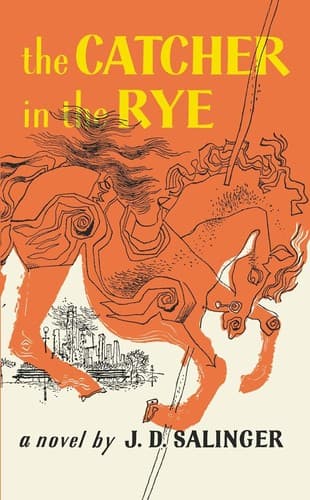
- The Catcher in the Rye
J.D. Salinger
3.8 (2.7M) average on GoodreadsYoung AdultFeatures a disillusioned teenage protagonist on a journey of self-discovery, with a distinctive narrative voice.
- On The Road
Jack Kerouac
3.6 (349k) average on GoodreadsLifestyleA classic American road trip novel exploring themes of freedom, youth, and encounters with diverse characters.
- Speak
Laurie Halse Anderson
4.0 (485k) average on GoodreadsPsychologyYA novel with a strong, distinct teenage voice dealing with trauma and self-discovery, often through internal monologue.
- The Absolutely True Diary of a Part-Time Indian
Sherman Alexie
4.1 (224k) average on GoodreadsYoung AdultBoth novels deal with poverty and the search for identity, but Alexie's work utilizes humor and features a more defined sense of community and family support, even amidst hardship. Jamie in Punkzilla is largely adrift, lacking the anchors of community and family that Junior possesses, making his journey one of profound isolation.
- Eat, Pray, Love
Elizabeth Gilbert
3.6 (1.5M) average on GoodreadsLifestyleA heartbroken writer leaves her conventional life for a year-long global search for pleasure in Italy, spiritual devotion in India, and unexpected love and balance in Bali.
- Wild: From Lost to Found on the Pacific Crest Trail
Cheryl Strayed
4.0 (615k) average on GoodreadsLifestyleAfter losing her mother and her marriage, a young woman impulsively hikes over a thousand miles of the Pacific Crest Trail alone, finding strength and healing in the unforgiving wilderness.




Enjoyed the summary?
A summary gives you the shape of the book. The book itself has the detail, the examples and the voice.
Find Punkzilla on AmazonAs an Amazon Associate, BookBrief earns from qualifying purchases. How we're funded