
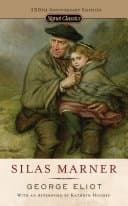
Synopsis
Covers the whole plot, including the ending.
- Difficulty
- Medium
- Pacing
- Moderate
- Mood
- Heartwarming, Reflective, Somber, Hopeful
- Read it if
- You enjoy classic literature with strong moral themes, stories of redemption, and detailed portrayals of rural 19th-century English life.
- Skip it if
- You prefer fast-paced plots, modern prose, or stories without overt moralizing.
Silas Marner Plot Summary
Covers the whole plot, including the ending.
The Betrayal in Lantern Yard
Silas Marner, a diligent weaver in the Dissenting community of Lantern Yard, trusts his best friend, William Dane. Silas has a cataleptic fit while watching a dying deacon. During this time, William frames him for stealing the church's money and blames him for the deacon's death. The community, swayed by William's testimony and Silas's knife found near the crime, condemns him. Feeling betrayed by his friend, his fiancée Sarah, and his faith, Silas leaves Lantern Yard in despair.
A Reclusive Life in Raveloe
Silas Marner settles in the isolated village of Raveloe, far from his past. His strange habits, especially his cataleptic fits, make the superstitious villagers suspicious and fearful. He lives alone, speaking to no one except for his weaving trade. His only interest becomes his work, and he hoards all his earnings, finding comfort and security in the growing pile of gold coins hidden under his floorboards. This gold becomes his only companion, replacing the human connections he once wanted.
The Squire Cass Family
The story moves to the prominent Cass family, the squires of Raveloe. Squire Cass is a relaxed father, and his sons, Godfrey and Dunstan, are known for their reckless behavior. Godfrey, the older son, is secretly married to a low-born opium addict named Molly Farren and is in love with Nancy Lammeter, a respectable young woman. His younger brother, Dunstan, who is more dissolute and cunning, constantly blackmails him. Dunstan often uses Godfrey's secrets and money problems for his own gain, creating a web of deceit within the family.
Dunstan's Reckless Deed
Godfrey, desperate to avoid revealing his secret marriage, lets Dunstan sell his horse, Wildfire. However, Dunstan carelessly kills the horse in a hunting accident. On his way back, looking for money, he finds Silas Marner's unlocked cottage. Seeing Silas is gone, Dunstan enters and finds the hidden gold coins. He steals all the money and flees into the night, vanishing from Raveloe without a trace. This theft will have effects for both Silas and the Cass family.
Silas's Despair and the Village's Reaction
Silas returns home to find his gold gone. The shock and grief are immense; he feels as though his soul has been stolen. In an unusual act, he rushes to the Rainbow Inn, the village's social center, to report the theft. The villagers, at first suspicious of Silas, are more concerned with their own theories than offering real help. Mr. Macey, the parish clerk, and Mr. Snell, the landlord, offer various unhelpful suggestions. Only Mr. Dowlas, the farrier, and Mr. Crackenthorp, the doctor, offer practical advice, but the gold remains missing.
Godfrey's Freedom and Marriage
With Dunstan gone and no news about Molly Farren, Godfrey Cass begins to feel free. He continues to court Nancy Lammeter, a woman he loves and respects, and who represents the upright life he wants. Believing himself free from his past problems, Godfrey eventually marries Nancy. Their marriage is happy at first, but Godfrey carries the burden of his unconfessed secrets, especially his first marriage and his child, which prevents true closeness and peace.
Eppie's Arrival
On New Year's Eve, Molly Farren, Godfrey's secret wife, decides to confront him at Squire Cass's annual party, bringing their young daughter. She takes opium to sustain herself on the journey but succumbs to the drug and the harsh winter weather, collapsing and dying in the snow near Silas's cottage. Her toddler, drawn by the light, wanders into Silas's open door. Silas, in a cataleptic fit, mistakes the child's golden hair for his stolen gold returning, but upon touching her, he realizes she is a living child.
Silas's Redemption
Silas takes the child to the Rainbow Inn, where Godfrey Cass, recognizing his daughter, chooses not to claim her to protect his marriage to Nancy. Silas, with the encouragement of Dolly Winthrop, a kind neighbor, decides to adopt the little girl, whom he names Eppie (after his mother and sister, Hephzibah). Eppie's presence completely changes Silas's life. His reclusive habits fade, he begins to talk with the villagers, and his heart, once hardened by betrayal and greed, softens with love for his adopted daughter. She becomes his new 'gold,' bringing him joy and connection.
Eppie's Childhood and Growth
Eppie grows into a sweet, lively, and affectionate young woman, devoted to Silas. Their small cottage, once a place of solitude, becomes a cheerful home filled with love. Dolly Winthrop guides Silas in raising Eppie and gently brings him back to faith and community. Silas's reputation in Raveloe changes from a strange recluse to a respected figure, all thanks to Eppie. She connects him to the world, and he finds happiness in her presence, far greater than any he found in his gold.
The Discovery of Dunstan's Body
Sixteen years after Dunstan Cass disappeared, the Stone-pit, a disused quarry near Silas's cottage, is drained for agricultural improvements. During the draining, Dunstan's skeleton is found at the bottom, along with Silas Marner's stolen gold, still in the bag. The mystery of the theft is solved, confirming Silas's innocence and revealing Dunstan's fate. This discovery reopens old wounds and forces Godfrey Cass to face the effects of his long-held secrets.
Godfrey's Confession
The discovery of Dunstan's body and the gold finally makes Godfrey confess the truth of his past to Nancy: his secret marriage to Molly Farren and that Eppie is his biological daughter. Nancy is hurt by his deception but forgives him. Believing it is their duty and a chance to fix his past mistakes, Godfrey and Nancy approach Silas and Eppie, offering to adopt Eppie and provide her with a life of comfort. They expect Eppie to accept, given their wealth and her biological connection to Godfrey.
Eppie's Choice
Eppie, however, refuses Godfrey and Nancy's offer. She declares her love and loyalty to Silas, stating that he is her true father, the one who raised her and loved her. She values her simple life with Silas and her fiancé, Aaron Winthrop, and does not want the wealth and status offered by the Casses. Her decision moves Silas and shows that true family is made through love and care, not just blood ties. Godfrey and Nancy accept her decision, though with sadness.
Return to Lantern Yard
With his gold recovered and his heart full, Silas wants to revisit Lantern Yard, hoping to understand why his past was taken from him. He travels there with Eppie, but they find the town unrecognizable. The old chapel and community are gone, replaced by a large factory and new buildings. No one remembers Silas or his past. This visit gives Silas a final sense of closure, confirming that his old life is truly gone and that his future is with Eppie in Raveloe.
A Happy Ending for Silas and Eppie
Eppie marries Aaron Winthrop, Dolly's son, in a joyful ceremony. They choose to live in Silas's cottage, which Aaron renovates and expands, ensuring Silas's comfort and continued presence in their lives. Silas lives out his days content, surrounded by Eppie, Aaron, and the growing Winthrop family, respected by the community. He has found redemption, love, and a sense of belonging, realizing that his love for Eppie is a greater treasure than any gold he hoarded. His life, once bleak, ends in peace and happiness.
Silas Marner Characters
Silas Marner
Protagonist
A reclusive weaver whose life is transformed by love.
Silas Marner is a linen weaver, initially a devout and trusting member of the Lantern Yard community. After being falsely accused of theft and betrayed by his best friend and fiancée, he becomes a bitter, reclusive miser in Raveloe, finding solace only in his weaving and accumulating gold. He suffers from cataleptic fits. His life is utterly transformed by the arrival of Eppie, an abandoned child, through whom he rediscovers love, faith, and community. He is quiet, diligent, and deeply sensitive, though his sensitivity is initially buried under layers of pain.
Relationships: William Dane (Former best friend, betrayer); Sarah (Former fiancée, betrays him); Eppie (Adopted daughter, his source of redemption and joy); Dolly Winthrop (Kind neighbor, spiritual guide, friend); Godfrey Cass (Eppie's biological father, later tries to claim her)
Eppie
Supporting/Catalyst
The abandoned child who brings joy and redemption to Silas Marner.
Eppie is the biological daughter of Godfrey Cass and Molly Farren. Abandoned by her dying mother on Silas's doorstep, she is adopted and raised by Silas. She grows into a sweet, innocent, and affectionate young woman, deeply devoted to her adoptive father. She embodies purity and unselfish love, bringing light and warmth into Silas's previously bleak existence. She values love and simple happiness over wealth and status, demonstrating a strong sense of loyalty and integrity.
Relationships: Silas Marner (Adoptive father, deeply loved); Godfrey Cass (Biological father, rejected by Eppie); Molly Farren (Biological mother, dies abandoning her); Aaron Winthrop (Husband, childhood sweetheart); Dolly Winthrop (Godmother, mentor)
Godfrey Cass
Supporting/Antagonist (initially)
The elder son of Squire Cass, burdened by secrets and indecision.
Godfrey Cass is the handsome, amiable, but weak-willed elder son of Squire Cass. He is caught between his desire for respectability and his past indiscretions, particularly a secret marriage to the opium-addicted Molly Farren and their child, Eppie. He is easily manipulated by his younger brother, Dunstan, and lacks the moral courage to face the consequences of his actions. He loves Nancy Lammeter but allows his secrets to fester, leading to years of guilt and unfulfilled longing for Eppie.
Relationships: Molly Farren (Secret first wife, mother of Eppie); Nancy Lammeter (Second wife, whom he truly loves); Dunstan Cass (Younger brother, blackmailer); Squire Cass (Indulgent father); Silas Marner (Eppie's adoptive father, whom he envies)
Dunstan Cass
Antagonist
Godfrey's dissolute and cunning younger brother.
Dunstan Cass is Godfrey's younger brother, a thoroughly wicked and self-serving character. He is lazy, dishonest, and enjoys manipulating Godfrey, using his brother's secrets for financial gain. He is reckless and lacks any moral compass, ultimately committing the theft of Silas Marner's gold. His actions are driven purely by greed and self-interest, with no regard for the suffering he causes others. His disappearance after the theft remains a mystery for many years.
Relationships: Godfrey Cass (Older brother, whom he blackmails and exploits); Squire Cass (Father, whose indulgence enables his bad behavior); Silas Marner (Victim of his theft)
Nancy Lammeter
Supporting
Godfrey's virtuous and principled second wife.
Nancy Lammeter is a beautiful, refined, and morally upright young woman from a respectable family. She is deeply principled and has a strong sense of duty and propriety. She loves Godfrey Cass but is initially hesitant due to his reputation. As his wife, she is devoted and longs for children, but her rigid adherence to principles, combined with Godfrey's inability to confess his past, creates a subtle barrier between them. She embodies the ideal Victorian woman, but also the limitations of such an ideal when faced with complex moral dilemmas.
Relationships: Godfrey Cass (Husband, whom she loves despite his flaws); Priscilla Lammeter (Sister); Eppie (Godfrey's biological daughter, whom she wishes to adopt)
Dolly Winthrop
Supporting
A kind and pious neighbor who guides Silas and Eppie.
Dolly Winthrop is a good-hearted, practical, and deeply religious woman who lives near Silas Marner. She is a compassionate and maternal figure, offering Silas practical advice, spiritual guidance, and unwavering support in raising Eppie. She gently encourages Silas to reintegrate into the community and helps him understand the joys and responsibilities of fatherhood. Dolly represents the best of Raveloe's community spirit and simple, heartfelt faith, acting as a moral compass and a source of comfort.
Relationships: Silas Marner (Friend, mentor to him in raising Eppie); Eppie (Godmother, beloved young friend); Aaron Winthrop (Son, marries Eppie); Mr. Winthrop (Husband)
Aaron Winthrop
Supporting
Dolly's son and Eppie's childhood sweetheart and husband.
Aaron Winthrop is Dolly Winthrop's son, a kind, honest, and hardworking young man. He grows up alongside Eppie and develops a deep affection for her. He is practical and skilled, eventually becoming a gardener. His love for Eppie is steadfast and pure, and he shares her desire for a simple, honest life. He represents the grounded, wholesome values of Raveloe and proves to be a loyal and supportive partner to Eppie and a respectful son-in-law to Silas.
Relationships: Eppie (Childhood sweetheart, husband); Dolly Winthrop (Mother); Silas Marner (Father-in-law, respects and cares for him)
Squire Cass
Supporting
The indulgent and lax patriarch of the Cass family.
Squire Cass is the wealthy but morally lax and indulgent landlord of Raveloe. He is a gentleman farmer who allows his sons, Godfrey and Dunstan, too much freedom and fails to instill in them a strong sense of responsibility or morality. His easy-going nature and lack of firm parental guidance contribute significantly to his sons' dissolute characters and the problems they create. He is more concerned with appearance and maintaining his social standing than with true family welfare.
Relationships: Godfrey Cass (Son, whom he indulges); Dunstan Cass (Son, whose bad behavior he tolerates)
Molly Farren
Mentioned/Catalyst
Godfrey Cass's secret, opium-addicted first wife and Eppie's biological mother.
Molly Farren is Godfrey Cass's secret, low-born first wife. She is an opium addict, a fact that brings shame and fear of social ruin upon Godfrey. Her existence is a constant source of blackmail for Dunstan and a burden for Godfrey. She is portrayed as a desperate and miserable figure, ultimately succumbing to her addiction and the harsh weather, dying in the snow. Her death is a catalyst for Eppie's arrival in Silas's life and a turning point for Godfrey.
Relationships: Godfrey Cass (Secret husband); Eppie (Daughter, whom she abandons in death)
Silas Marner Themes
Redemption Through Love
The main theme is Silas Marner's redemption, which comes not from religion or money, but from his selfless love for Eppie. After his betrayal, Silas becomes a miser, his gold replacing human connection. Eppie's arrival, at first mistaken for his lost gold, forces him to open his heart. His devotion to her heals his emotional wounds, reconnects him with the community, and restores his faith in humanity and a higher power. This theme is clear when Eppie chooses Silas over Godfrey, showing that love built over years is more valuable than biological ties or wealth.
“In old days there were angels who came and took men by the hand and led them away from the city of destruction. We see no angels now, and alas! we have a great many more cities of destruction, but, nevertheless, God is merciful still, and sends us plenty of innocent children to lead us by the hand.”
The Corrupting Power of Greed vs. the Enriching Power of Love
The novel contrasts the emptiness of greed with the fulfillment found in human connection and love. Silas's hoarding of gold after his betrayal replaces human affection, but leaves him isolated and unhappy. His gold is stolen, causing despair, only for a 'golden-haired' child to replace it, bringing true joy. Similarly, Godfrey Cass's pursuit of wealth and status, and his fear of losing it, leads him to abandon his child. The story shows that true riches are in relationships and compassion, not in possessions or status. The recovery of Silas's gold after Eppie has grown up only reinforces this, as the gold is less important than the love he has found.
“The gold had come back, as much as he had lost, and he would have been a rich man for his old life, but he had a better treasure in a child.”
Community and Belonging
The importance of community and belonging is a key theme. Silas's expulsion from Lantern Yard and later isolation in Raveloe highlight the pain of being an outsider. His solitary life in Raveloe, marked by villagers' suspicion, emphasizes his alienation. Only through Eppie and Dolly Winthrop's gentle influence is Silas brought back into the community. The village, with its gossip and superstitions, also has a strong sense of mutual support and shared life, which eventually embraces Silas and Eppie, showing the human need for connection.
“To have a share in the life of a fellow-creature, and a bond of love that grew stronger with the years, was of more value than any treasure.”
Consequences of Moral Choice and Secrecy
The novel explores how moral choices, especially deception and cowardice, have lasting and often delayed consequences. Godfrey Cass's secret marriage, his abandonment of Eppie, and his allowing Dunstan to blackmail him, all come from his moral weakness and fear of social judgment. These choices lead to years of guilt, a lack of true intimacy with Nancy, and ultimately, Eppie's rejection of him. In contrast, Silas's initial suffering from betrayal, though not his fault, leads him to a path of isolating greed, which he overcomes by his later, selfless choice to raise Eppie. The discovery of Dunstan's skeleton and the gold years later shows how truth eventually appears, and past actions must be faced.
“The secret of Godfrey's marriage was like a dark cloud over his life; it was a ghost that haunted him and prevented him from enjoying the present.”
Nurture vs. Nature
The debate over whether upbringing or biological inheritance matters more shapes Eppie's story. Despite being Godfrey Cass's biological daughter, Eppie chooses Silas, her adoptive father, over her wealthy birth parents. This choice strongly supports nurture. Silas's love, care, and the simple, honest life he provides are presented as more important and valuable than the inherited status or wealth offered by Godfrey. The novel suggests that true family bonds are made through shared experience, sacrifice, and affection, rather than just bloodlines, arguing for the power of a loving environment.
“I can't feel as I've got any father but one, and that's you, Marner.”
Plot Devices & Literary Techniques
The Stolen Gold
A literal and symbolic representation of Silas's lost faith and subsequent, misplaced affection.
Silas's gold serves multiple functions. Initially, it represents his attempt to replace the love and faith he lost in Lantern Yard, becoming his sole object of affection and security. Its theft plunges him into a despair equal to his original betrayal, stripping him of his last source of comfort. The gold's eventual recovery, years after Eppie has transformed his life, highlights its diminished importance. By then, Silas has found a 'better treasure' in Eppie, making the gold's return a symbol of his complete spiritual healing rather than a source of renewed avarice. It also serves as a crucial plot device, driving Dunstan's disappearance and later, Godfrey's confession.
Eppie's Golden Hair
A powerful symbol linking Eppie to Silas's lost gold and his eventual redemption.
Eppie's golden hair is a potent symbol. When Silas first discovers her, in a cataleptic fit, he mistakes her golden curls for his stolen gold returning, suggesting a subconscious link between his lost treasure and his future salvation. Her hair visually connects her to the material wealth he once valued, but her living, breathing presence offers a far deeper, spiritual richness. The golden hair therefore symbolizes the transformation of Silas's values, where a living, loving child becomes infinitely more precious than inanimate gold, representing the shift from avarice to selfless love.
The Stone-pit
A hidden grave and a long-delayed reveal of truth and consequence.
The Stone-pit, an old, disused quarry, serves as a crucial plot device by concealing Dunstan Cass's body and Silas Marner's stolen gold for sixteen years. Its draining and the subsequent discovery of its contents act as a turning point in the novel, resolving the mystery of the theft and forcing Godfrey Cass to confront his past deceptions. The pit symbolizes how secrets, though buried, can eventually surface, and how the consequences of immoral actions, even long-forgotten, will ultimately be revealed. It brings justice and closure to Silas, while forcing a difficult reckoning for Godfrey.
Cataleptic Fits
A physical manifestation of Silas's alienation and a plot device for key events.
Silas's cataleptic fits, a recurring physical condition, serve both as a characterization tool and a plot device. They initially mark him as 'other' in Lantern Yard and later in Raveloe, contributing to his isolation and the villagers' suspicion. More crucially, a fit directly enables William Dane to frame him for theft in Lantern Yard. Later, Silas experiences a fit just as Molly Farren dies and Eppie wanders into his cottage, allowing the child to enter his life unnoticed by him until he recovers. These fits symbolically represent his detachment from the world and provide opportune moments for pivotal events to occur in his absence or altered state.
Silas Marner Quotes
“The golden gates of the past shut too soon; there are some happinesses that are an agreeable anticipation, and some that are a pleasant retrospect.”
“Favourable Chance is the god of all men who follow their own devices instead of obeying a law they believe in.”
“When a man turns a blessing from his door, it enters in by the window, and is a double blessing to him.”
“The human soul is a vast continent, and has its barren places, its luxuriant valleys, and its hidden gold-mines.”
“It is a great privilege to be a man of few words, but a man of many thoughts.”
“To have a good man for your father is a great thing, but to have a good father for your father is a greater.”
“The strongest principle of growth lies in human choice.”
“The love of a man for his children is a thing that will make him do anything.”
“Our consciousness of the past is a source of knowledge, but also a source of illusion.”
“We are apt to think that our own experience is the rule of the universe.”
“No man can be a good parent unless he has learned to be a good child.”
“The web of life is of a mingled yarn, good and ill together.”
“The greatest gift a man can give to his children is not riches, but the example of a good life.”
“There is no point in having a good life if you don't share it with others.”
Quiz
10 questions on the plot and the characters. Each answer comes with a short explanation.
Question 1
What was Silas Marner's profession before he was wrongly accused and exiled?
- Blacksmith
- Farmer
- Linen weaver
- Carpenter
Show answer
C. Linen weaver Silas Marner was a linen weaver, a detail mentioned early in the novel and in the book description.
Question 2
What was the name of the village Silas Marner exiled himself to after leaving Lantern Yard?
- Oakhaven
- Raveloe
- Stonefield
- Willow Creek
Show answer
B. Raveloe Silas Marner moved to the rustic village of Raveloe after his traumatic experience in Lantern Yard.
Question 3
Who was Silas Marner's 'best friend' who committed the theft for which Silas was blamed?
- Godfrey Cass
- Dunstan Cass
- William Dane
- Mr. Macey
Show answer
C. William Dane William Dane, Silas's supposed best friend in Lantern Yard, was the one who actually stole the church's money and framed Silas.
Question 4
What specific item did Silas Marner initially hoard and cherish above all else in Raveloe?
- Precious jewels
- Gold coins
- Rare books
- Antique furniture
Show answer
B. Gold coins Silas became a miser, hoarding gold coins and finding his only comfort and connection in them, until they were stolen.
Question 5
Who steals Silas Marner's gold from his cottage?
- Godfrey Cass
- Dunstan Cass
- Jem Rodney
- Mr. Snell
Show answer
B. Dunstan Cass Dunstan Cass, Godfrey's younger brother, steals Silas's gold while Silas is away from his cottage, and then disappears.
Question 6
How does the abandoned child, Eppie, come into Silas Marner's life?
- She is left on his doorstep by a mysterious stranger.
- Her mother dies in the snow near Silas's cottage, and the child wanders in.
- Silas finds her abandoned in a nearby ditch during a walk.
- She is brought to him by the parish authorities as an orphan.
Show answer
B. Her mother dies in the snow near Silas's cottage, and the child wanders in. Eppie's mother, Molly Farren, dies in the snow near Silas's cottage after taking opium, and the child, attracted by the light, crawls into Silas's home on New Year's Eve.
Question 7
Who is Eppie's biological father?
- Dunstan Cass
- Godfrey Cass
- Mr. Macey
- Aaron Winthrop
Show answer
B. Godfrey Cass Godfrey Cass is Eppie's biological father, a secret he keeps for many years, having been married to Molly Farren in secret.
Question 8
What is the primary theme explored through Silas Marner's transformation from a miserly recluse to a loving father figure?
- The corrupting influence of wealth
- The power of revenge and retribution
- Redemption through selfless love and human connection
- The inevitability of fate and destiny
Show answer
C. Redemption through selfless love and human connection The novel explicitly states that Marner finds redemption and spiritual rebirth through his unselfish love for an abandoned child, highlighting the theme of human connection over material wealth.
Question 9
How is the mystery of Silas Marner's stolen gold finally resolved?
- Dunstan Cass returns it to Silas years later, confessing his crime.
- The gold is discovered in the stone-pit with Dunstan Cass's skeleton, years after his disappearance.
- Godfrey Cass confesses to stealing it and replaces the money.
- The villagers find it hidden in a secret compartment in Silas's cottage.
Show answer
B. The gold is discovered in the stone-pit with Dunstan Cass's skeleton, years after his disappearance. Years later, during the draining of the stone-pit, Dunstan Cass's skeleton is found along with Silas's stolen gold, revealing the truth of his disappearance and the theft.
Question 10
When Godfrey Cass and his wife Nancy try to claim Eppie as their daughter, what is Eppie's response?
- She eagerly accepts, wanting a more prosperous life.
- She agrees to live with them but insists Silas also move in.
- She refuses, stating Silas is her true father and she will not leave him.
- She asks for time to consider her options before deciding.
Show answer
C. She refuses, stating Silas is her true father and she will not leave him. Eppie, having been raised with love by Silas, firmly refuses Godfrey and Nancy's offer, declaring her unwavering loyalty and love for Silas as her father.
Silas Marner FAQ
What is the central conflict Silas Marner faces at the beginning of the novel?
Silas Marner is a respected member of a Dissenting community in Lantern Yard until he is framed for theft by his supposed best friend, William Dane. This betrayal and the subsequent excommunication shatter his faith in human connection and God, leading him to abandon his community and former life.
How does Silas Marner's life change after he moves to Raveloe?
In Raveloe, Silas becomes a reclusive linen weaver, isolating himself from the villagers and finding solace only in his work and the accumulation of gold. He views his gold as his only companion and source of comfort, replacing the human connections he lost in Lantern Yard.
Who is Godfrey Cass, and what is his primary struggle?
Godfrey Cass is the eldest son of the Squire of Raveloe, burdened by a secret, disastrous marriage to Molly Farren and his younger brother Dunstan's blackmail. His main struggle is his cowardice and inability to confess his past and claim his rightful place with Nancy Lammeter, whom he truly loves.
How does Silas Marner lose his gold, and what is its immediate impact on him?
Silas's accumulated gold is stolen by Dunstan Cass, who stumbles upon his cottage while out hunting. The loss devastates Silas, plunging him into a profound despair that is even deeper than his initial exile, as his gold had become his sole object of affection and purpose.
What event ultimately brings Silas Marner out of his isolation and despair?
Silas's redemption begins when he discovers a golden-haired child, Eppie, asleep by his hearth. The child, the daughter of the deceased Molly Farren and Godfrey Cass, wanders into his cottage on New Year's Eve, filling the void left by his stolen gold and awakening his capacity for love.
What is the significance of the 'drawing of lots' in Lantern Yard?
The drawing of lots in Lantern Yard is presented as a divine judgment to determine Silas's guilt or innocence. When the lot indicates his guilt, it solidifies his community's conviction that he is cursed and directly leads to his excommunication, destroying his faith in providential justice.
How does the discovery of Dunstan Cass's body connect past and present events?
The discovery of Dunstan Cass's skeleton, along with Silas's gold, in the Stone-pit nearly two decades later, reveals the truth about the theft and Godfrey's culpability by association. This event allows Godfrey to finally confess his past to Nancy and brings a sense of closure to Silas regarding his loss.
What is the implied fate of William Dane?
While not explicitly stated, William Dane is implied to have continued living a life of deceit and hypocrisy after framing Silas. Silas's later visit to Lantern Yard reveals that the community has dispersed, and Dane's whereabouts are unknown, suggesting he escaped any direct retribution for his actions.
How does Eppie's refusal to leave Silas reflect the novel's themes?
Eppie's steadfast love and loyalty to Silas, despite Godfrey Cass's belated attempt to claim her, highlight the novel's theme that true family is forged through love and nurture, not merely blood ties or social standing. Her choice affirms Silas's profound transformation and the strength of their bond.
Analyze Silas Marner's psychological state during his years as a recluse.
During his reclusive years, Silas suffers from a form of obsessive-compulsive behavior, meticulously weaving and counting his gold, which serves as a substitute for human affection and spiritual connection. His isolation leads to a profound emotional numbness, punctuated only by his avarice.
How does Godfrey Cass's procrastination and moral weakness impact his life?
Godfrey's chronic procrastination and moral weakness lead to a life filled with regret and unfulfilled desires. His inability to confront his first marriage and claim Eppie in her infancy results in a sterile marriage with Nancy and the permanent loss of a loving relationship with his biological daughter.
Discuss the psychological significance of Eppie's arrival for Silas.
Eppie's arrival acts as a powerful psychological catalyst for Silas, breaking his cycle of avarice and isolation. She provides him with an object of selfless love, reawakening his capacity for empathy and joy, and essentially 'rehumanizing' him after years of emotional dormancy.
How do the Raveloe villagers' initial perceptions of Silas change over time?
Initially, the Raveloe villagers view Silas with suspicion and some fear, associating him with strange powers due to his epileptic fits and reclusive nature. However, after the theft of his gold and especially after he adopts Eppie, their perception shifts to sympathy and ultimately, respect and affection, integrating him into the community.
Is 'Silas Marner' a critique of religious hypocrisy, particularly in Lantern Yard?
Yes, the novel can be interpreted as a critique of the rigid, judgmental, and self-righteous religiosity found in Lantern Yard, which prioritizes strict doctrine over true charity and compassion. The community's swift condemnation of Silas, based on circumstantial evidence and superstition, highlights this hypocrisy.
How does the novel explore the theme of 'nature versus nurture' through Eppie?
The novel strongly argues for nurture over nature through Eppie's story. Despite being Godfrey Cass's biological child and heir, her upbringing by Silas Marner imbues her with his values of simplicity, kindness, and genuine affection, making her unwilling to abandon him for a life of wealth and status.
What is the symbolic meaning of gold in the novel?
Gold symbolizes different things throughout the novel: initially, it represents Silas's misplaced affection and sterile existence after his betrayal. Later, Eppie, with her 'golden' hair, replaces the literal gold, symbolizing true, living wealth in the form of human love and connection, leading to Silas's spiritual rebirth.
Does the ending offer complete justice for all characters?
While Silas Marner finds redemption and happiness, and Dunstan's crime is revealed, complete justice is debatable. Godfrey Cass lives with the regret of his past choices and a childless marriage, while William Dane's deceit goes unpunished. The ending suggests that while true love brings its own rewards, some wrongs remain partially unaddressed by worldly justice.
How does Eliot use dialect and social class in the novel?
Eliot meticulously uses dialect to differentiate between the social classes and regions, particularly distinguishing the Raveloe villagers from Silas's original community. This enriches the realism of the setting and provides insight into the characters' backgrounds and levels of education, reinforcing themes of community and social hierarchy.
What is the significance of the title 'Silas Marner: The Weaver of Raveloe'?
The title emphasizes Silas's identity as a 'weaver,' highlighting his craft as both his means of livelihood and, initially, his solitary obsession. 'Raveloe' grounds him in a specific, somewhat isolated community, underscoring his journey from an outsider to an integrated member through his transformation.
About the author
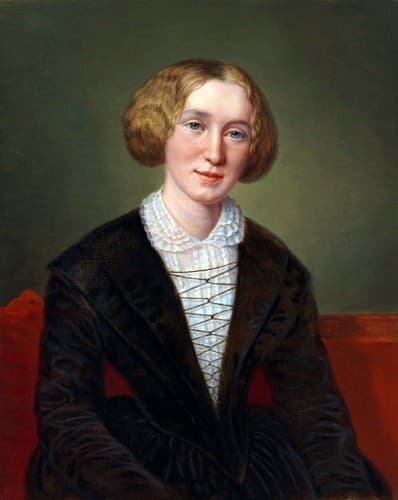
Mary Ann Evans, known by her pen name George Eliot, was an English novelist, poet, journalist, translator, and one of the leading writers of the Victorian era. She wrote seven novels: Adam Bede (1859), The Mill on the Floss (1860), Silas Marner (1861), Romola (1862–63), Felix Holt, the Radical (1866), Middlemarch (1871–72) and Daniel Deronda (1876). Like Charles Dickens and Thomas Hardy, she emerged from provincial England; most of her works are set there. Her works are known for their realism, psychological insight, sense of place and detailed depiction of the countryside.
Similar books
- Jane Eyre
Charlotte Brontë
4.1 (1.6M) average on GoodreadsHistorical FictionExplores themes of social class, morality, and a protagonist's journey of self-discovery and love.
- Great Expectations
Charles Dickens
3.8 (652k) average on GoodreadsHistorical FictionFeatures a protagonist's moral development, the impact of past events, and detailed social commentary.
- Tess of the D'Urbervilles
Thomas Hardy
3.8 (238k) average on GoodreadsHistorical FictionOffers a realistic portrayal of rural life, social injustice, and the consequences of individual choices.
- To Kill a Mockingbird
Harper Lee
4.3 (4.5M) average on GoodreadsHistorical FictionIn the 1930s Jim Crow South, Harper Lee writes about racial injustice, moral growth, and the quiet courage of a lawyer father, Atticus Finch, as seen through his young daughter's eyes.
- The Great Gatsby
F. Scott Fitzgerald
3.9 (3.8M) average on GoodreadsHistorical FictionIn the opulent Roaring Twenties, a mysterious millionaire's lavish parties hide his desperate, tragic pursuit of a lost love, exposing the emptiness within the American Dream.
- Pride and Prejudice
Jane Austen
4.3 (3M) average on GoodreadsHistorical FictionIn a society focused on status and money, Elizabeth Bennet navigates love and pride, challenging Mr. Darcy and social expectations to find true affection.





Enjoyed the summary?
A summary gives you the shape of the book. The book itself has the detail, the examples and the voice.
Find Silas Marner on AmazonAs an Amazon Associate, BookBrief earns from qualifying purchases. How we're funded