

Synopsis
Covers the whole plot, including the ending.
- Difficulty
- Medium
- Pacing
- Moderate
- Mood
- Gritty, Intense, Thought-provoking, Somber
- Read it if
- You're interested in a gritty, character-driven story about survival and identity during World War II, particularly from an uncommon perspective.
- Skip it if
- You prefer lighthearted war stories or are sensitive to graphic descriptions of combat and injury.
Soldier X Plot Summary
Covers the whole plot, including the ending.
Drafted and Deployed to the Eastern Front
In 1944, sixteen-year-old Erik Brandt, a naive German boy, is drafted into the Wehrmacht. He understands little of the war's true nature, only a vague sense of duty. After brief and inadequate training, Erik is deployed to the Eastern Front, a place known for its extreme brutality and high casualties. He is immediately thrown into the chaos of combat against Soviet forces. The initial shock of the trenches, constant shelling, the sight of dead comrades, and relentless cold quickly replace any romantic notions he had about soldiering with a stark realization of the war's grim reality. Erik's unit is constantly under threat, and survival becomes his only goal.
A Desperate Battle and a Life-Altering Injury
Erik finds himself in a ferocious battle against a Soviet assault. The fighting is intense and chaotic, with heavy losses on both sides. Amidst the explosions and gunfire, Erik is struck by shrapnel, sustaining a severe head injury. The impact knocks him unconscious, and he collapses onto the frozen ground. In the confusion and retreat, his comrades overlook him, assuming he is dead. He awakens later, alone and disoriented, covered in blood and mud, surrounded by the bodies of German and Soviet soldiers. His uniform is tattered, and his identification tags are missing or obscured. The sheer number of dead around him is overwhelming, and he realizes he is in a dangerous situation, deep behind enemy lines.
The Birth of 'Soldier X'
Struggling with his injuries and the freezing cold, Erik stumbles upon the body of a young Soviet soldier. A desperate idea forms: to survive, he must shed his German identity. He meticulously switches uniforms with the deceased Russian, taking the dead soldier's papers and discarding his own. He smears mud and blood on his face, trying to alter his appearance and hide his German features. This act comes from pure, instinctual survival. He is no longer Erik Brandt, German soldier, but an unknown, nameless Soviet 'Soldier X,' hoping to avoid capture or execution by blending in with the enemy.
Discovery and Capture by Soviet Forces
His disguise works partially, as a patrol of Soviet soldiers eventually discovers him. They find him gravely wounded and unconscious, dressed in a Soviet uniform. Assuming he is one of their own, they take him to a makeshift Soviet field hospital. Erik's injuries are severe, and he remains unconscious for a long time, allowing him to avoid immediate interrogation. The Soviet medical staff, including a compassionate nurse named Tamara, tend to his wounds, unaware of his true identity. This recovery period is important, as it allows him to observe and learn about his captors without revealing his deception, buying him precious time.
Recovery and Growing Suspicion
As Erik slowly regains consciousness and strength, he faces the challenge of keeping his charade. He understands only a few Russian words, making communication difficult and risky. He must constantly pretend to suffer from amnesia or shock to explain his silence and confusion. Despite constant fear of exposure, he begins to form a tentative connection with Tamara, the nurse who cares for him with kindness. He also observes other Soviet soldiers and learns about their lives, realizing they are not the faceless monsters he was taught to believe. However, a doctor, Dr. Rostoff, grows suspicious of Erik's unusual behavior and lack of memory regarding specific Soviet military details.
The Interrogation and Near Exposure
Dr. Rostoff's suspicions eventually lead to Erik being interrogated by a Soviet intelligence officer. The officer, a shrewd and cynical man, presses Erik for details about his unit, his name, and his past. Erik, still feigning amnesia and shock, struggles to provide convincing answers, using vague generalities and the few Russian phrases he has learned. He is about to break down and confess when Tamara, sensing his distress and perhaps believing in his amnesia, intervenes on his behalf, vouching for his genuine confusion. Her intervention, combined with Erik's convincing act, buys him more time, but the experience leaves him shaken and aware of the constant danger he is in.
A Moment of Shared Humanity
During his time at the field hospital, Erik sees moments that challenge his ideas about the 'enemy.' He sees Soviet soldiers mourning fallen comrades, sharing meager rations, and showing kindness to each other and even to him. He observes their shared suffering and their longing for peace, realizing they are not so different from his own people. A particularly moving moment occurs when he sees Tamara comforting a dying Soviet soldier. These experiences begin to weaken the propaganda he was fed in Germany, forcing him to confront the war's moral complexities and the shared humanity that goes beyond national differences. He starts to feel growing guilt and confusion about his deception.
Escape from the Hospital and a New Path
As the war continues and the front lines shift, the field hospital prepares to move. Erik overhears conversations suggesting his true identity is close to being uncovered, or that he might be sent to a more secure facility for further interrogation. Realizing his time is running out, he decides to escape. Under cover of darkness, he slips away from the hospital, once again a man without a country, carrying only the Soviet uniform he wears and the few possessions he has acquired. He no longer tries to be a German or a Russian soldier, but simply a survivor seeking to escape the war entirely and find a place where he can be safe and free from constant threat of death and discovery.
Life in the Wilderness and a Moral Dilemma
Erik ventures into the vast, war-torn Russian countryside, surviving on his wits and whatever he can find. He meets displaced civilians, some wary, some sympathetic, and sees firsthand the devastating impact of the war on ordinary people. He witnesses acts of cruelty and kindness, further blurring the lines between 'good' and 'evil.' He struggles with hunger, cold, and loneliness, but also with the moral weight of his deception and the violence he has witnessed. He makes difficult choices, sometimes stealing to survive, other times offering help to those in need, constantly navigating the dangerous world consumed by conflict.
Encounter with Partisans and a Test of Identity
During his solitary journey, Erik stumbles upon a group of Soviet partisans, resistance fighters operating behind German lines. They are suspicious of him, a lone 'Soviet' soldier with no unit identification. They interrogate him, demanding to know his story and allegiance. Erik is forced to create an elaborate lie, using his acquired Russian knowledge and the details he observed at the hospital. His ability to mimic a Soviet soldier is put to the ultimate test. He is given a task that requires him to actively participate in their operations, forcing him to choose between maintaining his deception and potentially harming German soldiers, or revealing his true identity and facing certain death. This encounter represents the peak of his internal conflict and the ultimate test of his new, fabricated identity.
The End of the War and Uncertain Future
As the war nears its end, news of Germany's defeat slowly filters through the ravaged landscape. Erik, still with the partisans or having moved on, learns the fighting has stopped. The end of hostilities brings relief but also a deep sense of disorientation. He has survived, but at the cost of his original identity. He is no longer Erik Brandt, German, nor fully a Soviet soldier. He is a 'Soldier X,' a ghost of the war, carrying the trauma of his experiences and the burden of his deception. The future is uncertain; he doesn't know where he belongs, who he is, or if he can ever truly return to a normal life. He is left to ponder the ultimate price of survival in a world irrevocably changed by war.
Principal Figures
Erik Brandt
Protagonist
A naive German conscript forced to impersonate a Soviet soldier to survive.
Erik is a sixteen-year-old German boy, initially naive and somewhat indifferent to the Nazi ideology, who is conscripted into the Wehrmacht in 1944. He is thrust into the brutal realities of the Eastern Front, where he quickly loses his innocence. Faced with certain death, he makes the desperate choice to switch uniforms with a dead Soviet soldier, adopting the persona of 'Soldier X.' Throughout the story, Erik is driven by an instinct for survival, but also grapples with the moral implications of his deception and the shared humanity he discovers among his 'enemies.' His experiences fundamentally change his identity and worldview.
Relationships: Tamara (Cared for him as a nurse, showing him kindness); Dr. Rostoff (Soviet doctor who grew suspicious of him); Soviet Interrogation Officer (Questioned him about his identity)
Tamara
Supporting
A compassionate Soviet nurse who cares for Erik at the field hospital.
Tamara is a kind and empathetic Soviet nurse working at the field hospital where Erik is taken after his injury. She is instrumental in his survival, tending to his severe wounds and showing him genuine human compassion, despite his 'enemy' status (unknown to her). She believes Erik's amnesia is real and often intervenes on his behalf during interrogations, protecting him from deeper scrutiny. Her actions and demeanor represent the inherent goodness and shared humanity that Erik discovers amidst the brutality of war, challenging his propaganda-fueled perceptions of the enemy.
Relationships: Erik Brandt (Cared for him as a patient, showed him kindness and protection)
Dr. Rostoff
Supporting
A Soviet doctor at the field hospital who suspects Erik's true identity.
Dr. Rostoff is a Soviet doctor who becomes increasingly suspicious of Erik's behavior and supposed amnesia. He is observant and intelligent, noticing inconsistencies in Erik's story and his lack of specific knowledge about Soviet military details. While not malicious, his professional duty and discerning nature pose a constant threat to Erik's deception. His suspicion highlights the precariousness of Erik's situation and the constant pressure he is under to maintain his false identity. He represents the ever-present danger of exposure for Erik.
Relationships: Erik Brandt (Treated his injuries but grew suspicious of his identity)
Soviet Interrogation Officer
Supporting
A shrewd Soviet intelligence officer who questions Erik.
This unnamed officer is a sharp and cynical individual tasked with interrogating suspected enemy combatants or those with questionable identities. He is relentless in his questioning of Erik, trying to break through his feigned amnesia. He represents the direct threat of the Soviet intelligence apparatus and the danger Erik faces if his deception is uncovered. His presence creates intense suspense and forces Erik to demonstrate remarkable cunning and resilience to avoid exposure. He embodies the harsh, unforgiving side of wartime authority.
Relationships: Erik Brandt (Interrogated him, trying to uncover his true identity)
German Soldiers (Comrades)
Mentioned
Erik's fellow soldiers on the Eastern Front.
These are Erik's initial comrades in the Wehrmacht. They are largely nameless and faceless representations of the German military machine and the shared suffering of soldiers on the front lines. They provide Erik's initial context for the war, and their deaths and injuries illustrate the brutal reality of combat. They inadvertently leave Erik for dead, setting in motion his transformation into 'Soldier X.' They represent the world Erik leaves behind and the identity he sheds.
Relationships: Erik Brandt (Fellow soldiers who fought alongside him before his injury)
Soviet Partisans
Supporting
Resistance fighters Erik encounters in the wilderness.
A group of Soviet partisan fighters operating behind German lines. They are hardened and wary individuals, suspicious of anyone not clearly identified as one of their own. When Erik encounters them, they test his fabricated identity, forcing him to participate in their activities. They represent another layer of danger and moral complexity for Erik, as he must actively choose whether to maintain his deception by potentially harming German soldiers or risk his life by revealing his truth. They are a force that further blurs the lines of allegiance for Erik.
Relationships: Erik Brandt (Questioned him, accepted him into their group under false pretenses)
The Dead Soviet Soldier
Mentioned
The anonymous soldier whose identity Erik assumes.
This nameless Soviet soldier is crucial to Erik's survival. His death provides Erik with the means to create his new identity, 'Soldier X.' Erik takes his uniform and papers, effectively 'borrowing' his life to save his own. The dead soldier is a silent catalyst for Erik's entire journey of deception and self-discovery. He represents the anonymity of death in war and the arbitrary nature of survival, as one man's end becomes another's beginning.
Relationships: Erik Brandt (His death allowed Erik to assume his identity)
Themes & Insights
Identity and Self-Preservation
The novel explores how war forces individuals to shed their original identities for survival. Erik Brandt, a German boy, literally exchanges his uniform and papers to become 'Soldier X,' a nameless Soviet. This act is a primal response to imminent death, but it leads to a deep internal struggle. He must constantly maintain his deception, fearing exposure, while questioning who he truly is without his original name and nationality. His journey shows how extreme circumstances can strip away an individual's sense of self, leaving them adrift in a fabricated identity.
“He was no longer Erik Brandt, German soldier. He was a ghost, a nameless X, and he would do anything to stay that way.”
The Dehumanizing Nature of War
Wulffson portrays the Eastern Front as a place of brutality and dehumanization. Soldiers on both sides are just cogs in a killing machine, their lives cheap and their deaths common. Erik witnesses horrific violence, starvation, and the psychological toll of constant fear. The propaganda he was fed about the 'enemy' quickly crumbles when faced with shared suffering and the realization that soldiers on both sides are simply human beings caught in a devastating conflict. The war strips away individual value, reducing people to targets or casualties.
“The trenches were a butcher's shop, and the men, no matter their uniform, were just meat.”
Empathy and Shared Humanity
Despite the widespread violence, the novel highlights moments of unexpected empathy and shared humanity that go beyond national differences. Erik, disguised as a Soviet, experiences kindness from Nurse Tamara and observes the grief and camaraderie among Soviet soldiers. These interactions challenge his indoctrinated beliefs about the 'enemy,' making him recognize their shared fears, hopes, and suffering. This theme suggests that beneath uniforms and political ideologies, common human experiences connect people, even in the most brutal conflicts. Through these moments, Erik begins to question the war's purpose.
“He saw their faces, not as enemies, but as men, just like him, tired and afraid.”
The Loss of Innocence
Erik's journey is a story of lost innocence. He begins as a naive teenager with little understanding of war beyond propaganda. The Eastern Front quickly shatters his illusions, exposing him to horrors, death, and moral compromises. His act of deception, though necessary for survival, marks an irreversible step away from his youthful innocence. He learns that survival often demands brutal choices and that the world is far more complex and morally ambiguous than he ever imagined. By the end, he is a hardened survivor, but one burdened by trauma and the loss of his former self.
“The boy who had been drafted was gone, replaced by someone he barely recognized.”
Plot Devices & Literary Techniques
First-Person Perspective
Narrative told through Erik's eyes, immersing the reader in his subjective experience.
The story is told entirely from Erik Brandt's first-person point of view. This narrative choice provides immediate and intimate access to Erik's thoughts, fears, and internal struggles. Readers experience the horrors of the Eastern Front, the constant paranoia of maintaining his deception, and his growing moral conflicts directly through his subjective lens. This perspective allows for a deep exploration of his psychological transformation and makes his desperate choices and internal conflicts feel incredibly personal and immediate, fostering strong empathy for his predicament.
The Disguise/Impersonation
Erik's adoption of a dead Soviet soldier's identity as the central conflict driver.
Erik's decision to switch uniforms and impersonate a Soviet soldier is the primary plot device that drives the entire narrative. This act creates constant external tension (fear of discovery) and internal conflict (moral dilemma, loss of identity). It forces Erik into situations where he must constantly lie, observe, and adapt, shaping his interactions with Soviet characters and his understanding of the 'enemy.' The disguise is not just a uniform; it's a new persona that challenges every aspect of his being and dictates his every move and thought, making his survival dependent on its maintenance.
Amnesia (Feigned)
Erik's strategic use of memory loss to explain his lack of Russian knowledge and identity.
Erik's feigned amnesia is a crucial plot device that allows him to navigate his deception within the Soviet hospital. By pretending to have lost his memory due to his head injury, he can explain his inability to speak fluent Russian, his confusion about Soviet military details, and his general disorientation. This gives him time to learn about his surroundings and pick up enough Russian to sustain his charade. It's a clever survival tactic that buys him precious time and deflects immediate suspicion, though it eventually draws the attention of Dr. Rostoff and the interrogation officer.
The Eastern Front Setting
The brutal, unforgiving environment that shapes the characters and plot.
The Eastern Front of World War II is more than just a backdrop; it is a character in itself, a plot device that dictates the extreme conditions and moral choices faced by Erik. Its legendary brutality, extreme weather, vastness, and the merciless nature of the fighting between German and Soviet forces create the crucible in which Erik's transformation occurs. The constant threat of death, the lack of resources, and the pervasive destruction are integral to the plot, forcing Erik into his desperate act of survival and shaping his cynical worldview. The setting itself is a force that strips away humanity and forces adaptation.
Soldier X Quotes
“I was a soldier, but I was also a boy. The two didn't fit together very well.”
“In war, the truth is the first casualty.”
“Sometimes survival means becoming someone you never thought you'd be.”
“The uniforms changed, but the fear in the eyes was always the same.”
“I learned that in war, there are no winners, only survivors.”
“A name is just a label. It's what you do that defines you.”
“The hardest battles are the ones fought inside your own head.”
“War doesn't care how old you are. It takes everyone.”
“I traded my childhood for a rifle, and I never got it back.”
“In the end, we're all just people trying to make it home.”
“The line between enemy and friend is thinner than you think.”
“Memories are the only things the war couldn't take from me.”
“Sometimes the bravest thing you can do is not fight.”
“War teaches you that home isn't a place, it's a feeling.”
Quiz
10 questions on the plot and the characters. Each answer comes with a short explanation.
Question 1
What is the main reason Erik Brandt is drafted into the German army in 1944?
- He volunteers out of patriotic fervor for the Nazi cause
- He is forced into service as Germany faces severe manpower shortages
- He joins to escape poverty in his hometown
- He is recruited after his family is threatened by the Gestapo
Show answer
B. He is forced into service as Germany faces severe manpower shortages Erik is drafted at age 16 because Germany is desperate for soldiers in 1944, as the war turns against them. The book emphasizes he has little understanding of what Germany is fighting for, showing he is not a willing volunteer.
Question 2
Where is Erik sent to fight after being drafted?
- The Western Front in France
- The Eastern Front against the Soviet Union
- North Africa against Allied forces
- The Italian campaign
Show answer
B. The Eastern Front against the Soviet Union Erik is sent to the Eastern Front, described as 'the killing fields' with unimaginable horrors, which is a key setting in the book for his survival struggle.
Question 3
What drastic action does Erik take to survive after being seriously injured?
- He deserts and tries to flee back to Germany
- He pretends to be a dead Soviet soldier and switches sides
- He surrenders to American troops
- He hides in a abandoned farmhouse until the war ends
Show answer
B. He pretends to be a dead Soviet soldier and switches sides Covered in blood and injured, Erik conceives a plan to switch identities by taking the uniform of a dead Soviet soldier, becoming 'Soldier X' to survive behind enemy lines.
Question 4
How does Erik's perspective on the war change during his experiences on the Eastern Front?
- He becomes more committed to the Nazi ideology after seeing Soviet brutality
- He grows disillusioned and focuses solely on personal survival amid the chaos
- He develops a deep hatred for all soldiers on both sides
- He becomes apathetic and stops caring about the outcome of the war
Show answer
B. He grows disillusioned and focuses solely on personal survival amid the chaos Erik starts with little understanding of the war's causes but quickly learns it's 'kill or be killed.' His priority shifts to survival, reflecting the book's theme of war's dehumanizing reality.
Question 5
What role does Erik's youth play in the narrative of 'Soldier X'?
- It makes him a target for bullying by older soldiers
- It highlights the tragedy of children being thrust into adult horrors of war
- It gives him an advantage due to his physical agility
- It causes him to be placed in safer, non-combat roles
Show answer
B. It highlights the tragedy of children being thrust into adult horrors of war At 16, Erik represents the many young soldiers in WWII, emphasizing how war robs youth of innocence and forces them into brutal situations beyond their comprehension.
Question 6
Which of the following best describes the tone and style Don L. Wulffson uses in 'Soldier X'?
- Romanticized and heroic, glorifying battlefield courage
- Gritty and visceral, focusing on war's harsh realities
- Humorous and lighthearted to appeal to young readers
- Mysterious and suspenseful, with a spy thriller plot
Show answer
B. Gritty and visceral, focusing on war's harsh realities The book is noted for its 'gritty and visceral detail' that portrays war's horrors realistically, aiming to change readers' perceptions about war's reality, not glorify it.
Question 7
What is a key moral dilemma Erik faces after switching to the Soviet side?
- Whether to reveal his true identity to gain better treatment
- How to maintain his deception while navigating loyalty and survival
- Deciding which side to fight for based on political beliefs
- Choosing between escaping war or continuing to fight
Show answer
B. How to maintain his deception while navigating loyalty and survival Erik must constantly hide his German identity while interacting with Soviets, creating tension between self-preservation and the ethics of his deception in a kill-or-be-killed environment.
Question 8
How does the setting of the Eastern Front contribute to the novel's themes?
- It provides a backdrop of technological warfare that highlights innovation
- It emphasizes the brutal, chaotic nature of war where survival trumps ideology
- It showcases the strategic brilliance of military commanders
- It allows for exploration of cultural exchanges between Germans and Soviets
Show answer
B. It emphasizes the brutal, chaotic nature of war where survival trumps ideology The Eastern Front was known for its extreme violence and high casualties, mirroring Erik's journey from naive soldier to survival-focused individual, underscoring themes of war's dehumanization.
Question 9
In what way does 'Soldier X' challenge typical WWII narratives in young adult literature?
- By portraying Germans solely as villains without nuance
- By focusing on a German soldier's perspective and moral ambiguity
- By avoiding any depiction of violence to protect young readers
- By presenting war as a straightforward adventure story
Show answer
B. By focusing on a German soldier's perspective and moral ambiguity The book offers a rare look at a German teenager's experience, complicating black-and-white views of WWII by showing Erik as a conscript caught in circumstances beyond his control, fostering empathy and reflection.
Question 10
What does Erik's transformation into 'Soldier X' symbolize in the context of the novel?
- A loss of personal identity in the face of war's dehumanizing forces
- A strategic military promotion that increases his chances of success
- A patriotic rebirth as he embraces a new cause
- A supernatural element suggesting fate controls his survival
Show answer
A. A loss of personal identity in the face of war's dehumanizing forces By shedding his German identity to become an anonymous 'Soldier X,' Erik represents how war strips away individuality, forcing soldiers to adapt in extreme ways just to stay alive.
Soldier X FAQ
What is 'Soldier X' about?
'Soldier X' follows sixteen-year-old Erik Brandt, a German boy drafted into Hitler's army in 1944 and sent to the Eastern Front. Facing unimaginable horrors in a kill-or-be-killed environment, Erik is severely injured and conceives a desperate plan to survive by assuming a new identity, leading to a gritty exploration of war's brutal reality.
Why should I read 'Soldier X'?
This book offers a visceral, ground-level perspective of World War II from a reluctant German soldier, challenging simplistic views of war with its gritty detail and psychological depth. It explores themes of survival, identity, and morality in extreme circumstances, making it a thought-provoking read for young adults and historical fiction fans.
What is the background/setting of 'Soldier X'?
Set in 1944 during World War II, the story begins in Germany and quickly moves to the Eastern Front, where Erik experiences the brutal combat between German and Soviet forces. The setting immerses readers in the chaotic, horrific landscapes of war, emphasizing the physical and emotional toll on soldiers.
What are the most memorable quotes?
While specific quotes vary, key themes include Erik's realization that 'it's kill or be killed' and reflections on survival, such as when he decides to become 'Soldier X' to escape his identity. The book's gritty prose often highlights the dehumanizing effects of war, like 'covered in blood and seriously injured, he conceived of another way to survive.'
What writing style does the author use?
Don L. Wulffson employs a direct, visceral style with gritty and realistic detail to convey the horrors of war, using first-person or close third-person narration to immerse readers in Erik's psychological turmoil. The prose is fast-paced and unflinching, emphasizing the raw emotions and survival instincts of a young soldier.
What minor details add significant meaning?
Details like Erik's initial ignorance of Germany's war aims highlight his youth and manipulation by propaganda, while the blood and injuries he endures symbolize the loss of innocence. His decision to assume a new identity as 'Soldier X' subtly critiques the erosion of self in war, turning a minor act into a profound survival strategy.
What are some subtle foreshadowing moments?
Early scenes of Erik's drafting and training foreshadow the dehumanization he'll face, with hints of the 'unimaginable sights' on the Eastern Front. His injuries and the 'kill or be killed' mentality subtly set up his drastic identity switch, suggesting that traditional survival methods are futile in such a brutal environment.
What unexpected character connections exist?
Erik's interactions with fellow soldiers and enemies on the Eastern Front reveal unexpected bonds and conflicts, such as fleeting alliances or betrayals driven by survival. His transformation into 'Soldier X' creates a disconnect from his past identity, leading to ironic connections with those he might have once considered foes.
What are unspoken character motivations?
Erik's primary unspoken motivation is a deep-seated fear and desire to preserve his humanity amidst chaos, driving his identity switch. Other characters may hide loyalties, guilt, or desperation, with actions often motivated by unseen pressures like propaganda, peer influence, or the instinct to avoid death.
What psychological complexities do characters exhibit?
Erik grapples with cognitive dissonance, torn between his drafted role as a soldier and his moral aversion to violence, leading to trauma and identity crisis. Supporting characters display complexities like numbness to violence, ideological fervor, or hidden compassion, reflecting war's impact on the human psyche.
What are the major emotional turning points?
Key emotional turning points include Erik's drafting, which shatters his innocence; his first combat experiences on the Eastern Front, inducing horror; his severe injury, prompting despair; and his decision to become 'Soldier X,' marking a shift from passive victim to active survivor, albeit at a moral cost.
How do relationship dynamics evolve?
Erik's relationships shift from naive camaraderie with fellow soldiers to distrust and isolation as survival takes precedence. His identity change as 'Soldier X' alters interactions with both allies and enemies, often reducing connections to transactional or hostile dynamics, mirroring war's erosion of human bonds.
Which parts remain ambiguous or open-ended?
The aftermath of Erik's identity switch and his long-term survival are left ambiguous, inviting readers to ponder his future and moral reconciliation. The fates of minor characters and the full psychological impact of his experiences are open-ended, emphasizing war's unresolved trauma.
What are controversial scenes or decisions?
Erik's decision to assume a new identity to survive can be controversial, as it involves deception and raises questions about loyalty and morality. Scenes depicting graphic violence and the 'kill or be killed' mentality may spark debate on the portrayal of war's brutality in young adult fiction.
'Soldier X' ending explained: how it ends & what it means
The book ends with Erik severely injured and adopting the 'Soldier X' identity to escape death, leaving his fate uncertain. This conclusion symbolizes the loss of self in war and the extreme measures for survival, suggesting that in such conflicts, identity and morality become fluid and compromised for those caught in the chaos.
Similar books
- All Quiet on the Western Front
Erich Maria Remarque
4.0 (355k) average on GoodreadsHistorical FictionExplores the harsh realities and dehumanizing effects of war on young soldiers.
- The Book Thief
Markus Zusak
4.4 (1.8M) average on GoodreadsHistorical FictionOffers a unique perspective on WWII through the eyes of a young person in Germany, touching on themes of survival and humanity.
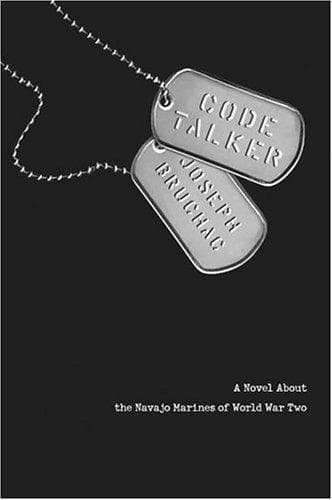
- Code talker
Joseph Bruchac
3.9 (19k) average on GoodreadsCode Talker explores WWII through the eyes of a Navajo Marine, highlighting issues of cultural identity, military service, and racism within the American context. While both address identity, Soldier X specifically deals with a soldier forced to adopt an enemy identity due to amnesia, creating a different kind of internal and external conflict.
- To Kill a Mockingbird
Harper Lee
4.3 (4.5M) average on GoodreadsHistorical FictionIn the 1930s Jim Crow South, Harper Lee writes about racial injustice, moral growth, and the quiet courage of a lawyer father, Atticus Finch, as seen through his young daughter's eyes.
- The Great Gatsby
F. Scott Fitzgerald
3.9 (3.8M) average on GoodreadsHistorical FictionIn the opulent Roaring Twenties, a mysterious millionaire's lavish parties hide his desperate, tragic pursuit of a lost love, exposing the emptiness within the American Dream.
- Pride and Prejudice
Jane Austen
4.3 (3M) average on GoodreadsHistorical FictionIn a society focused on status and money, Elizabeth Bennet navigates love and pride, challenging Mr. Darcy and social expectations to find true affection.





Enjoyed the summary?
A summary gives you the shape of the book. The book itself has the detail, the examples and the voice.
Find Soldier X on AmazonAs an Amazon Associate, BookBrief earns from qualifying purchases. How we're funded