

Synopsis
Covers the whole plot, including the ending.
- Difficulty
- Medium
- Pacing
- Moderate
- Mood
- Atmospheric, Reflective, Hopeful, Historical
- Read it if
- You enjoy historical fiction set during the American Civil War era, featuring strong female protagonists, and exploring themes of freedom, prophecy, and community.
- Skip it if
- You prefer fast-paced action over lyrical prose and deep character exploration, or find supernatural elements (visions) in historical settings distracting.
Song Yet Sung Plot Summary
Covers the whole plot, including the ending.
The Escape and the Vision
In 1850, Liz Spocott, a young enslaved woman, is caught after an earlier escape attempt and is being transported by slave catchers. During the journey through the dangerous Blackwater River swamps on Maryland's Eastern Shore, she breaks free from her shackles and runs into the dense marshland. Injured and confused, Liz begins to have strong, unsettling visions of the future. These fragmented and often violent visions show her scenes from a time long after her own, including modern objects and events like cars and television. Her escape starts a series of events, involving various people who live and work in the complex society of the Eastern Shore, including other runaways, free blacks, plantation owners, and the persistent slave catchers pursuing her.
The Pursuit and the Code
Liz's escape quickly gets the attention of Patty Cannon, a well-known and cruel slave catcher who works efficiently, using a network of informants and enforcers. Patty, along with her nephew Bill and the strong Roo, begins a relentless hunt for Liz through the dangerous swamps. Liz is not just a runaway; she also knows 'the Code,' a complex, oral communication system used by enslaved people to share information, plan escapes, and stay connected across plantations. This Code is very important to the underground network, and keeping it secret is crucial. Her knowledge makes her a particularly dangerous and valuable target for both sides.
Meeting the Watermen
Wounded and tired, Liz finds a community of free black watermen who live on the edge of society, making a living from the Chesapeake Bay. These men, very independent and wary of outsiders, are at first hesitant but eventually offer Liz shelter and help. They understand the dangers she faces and the constant threat of recapture. Among them is a kind man named Jim, who gives her food and a safe place to rest, despite the risk to his own freedom. Their help shows the fragile network of support that existed for runaway slaves, often at great personal danger to those who offered it.
The Plantation and the Mistress
During her flight, Liz hides on a plantation, where she watches the daily lives of the enslaved people and their interactions with the white owners and overseers. She sees the harsh realities of their existence, the subtle acts of resistance, and the constant fear. Here, she meets Mrs. May, the plantation mistress, a woman who, while bound by the customs of her time, shows a bit of empathy and humanity towards the enslaved people, including Liz. Mrs. May's inner conflict and quiet acts of kindness offer a nuanced view of human behavior within the brutal system of slavery, sharply contrasting with Patty Cannon's cruelty.
The Dreams of the Future intensify
As Liz continues her dangerous journey, her visions of the future become stronger and more detailed. She sees images of advanced technology, different clothes, and a world where the racial dynamics of her own time seem to have changed, though not perfectly. These visions are both terrifying and a strange comfort, giving her glimpses of a future where her struggles might eventually lead to something better. The dreams often appear as a mix of sounds, colors, and unfamiliar objects, leaving her confused but also driven by an unexplained sense of purpose. She begins to understand them, sensing they hold a key to her survival and the future of her people.
The Capture of Roo
In an important event, Roo, the imposing and often brutal enforcer for Patty Cannon, is unexpectedly captured by a group of abolitionists. This event highlights the complex and dangerous web of alliances and conflicts on the Eastern Shore. Roo's capture shows the risks taken by those fighting against slavery and demonstrates that even the strongest figures in the slave-catching network are not invincible. It also briefly stops Patty Cannon's relentless pursuit of Liz, offering a short break for the runaway and her allies, and emphasizing the constant battle of wits and force between slave catchers and those who try to undermine them.
The Preacher and the Message
Liz meets a charismatic and wise preacher, an important figure in the underground network. This preacher uses spirituals, sermons, and subtle elements of 'the Code' to share messages of hope, strength, and resistance with enslaved people. His words offer spiritual and practical guidance, helping them deal with their oppressive reality and plan for freedom. He recognizes the importance of Liz's visions and the Code she carries, urging her to continue her journey and fulfill her role as a symbol of hope, connecting the past, present, and future through her unique experiences and knowledge.
The Betrayal and the Sacrifice
As Liz gets closer to what she hopes will be true freedom, she faces a devastating betrayal from someone she thought she could trust. This highlights the constant threat of informants and the difficulty of knowing who to trust. This betrayal leads to a final confrontation with Patty Cannon and her gang. In a desperate fight, one of Liz's allies makes a great sacrifice, showing the immense personal cost of fighting for freedom. This moment emphasizes the brutal realities of the era, where life was cheap and seeking liberty often demanded the ultimate price, leaving Liz to deal with the consequences and the weight of her journey.
The Song Yet Sung
After the sacrifices and betrayals, Liz's visions come together into a clearer understanding of the 'song yet sung.' This is not a literal song, but a powerful metaphor for the ongoing struggle for freedom, justice, and equality that goes far beyond her own time. She realizes that her journey is part of a larger, continuous story, and that the fight for human dignity will continue for generations. Her visions show her that while progress will be made, the 'song' of struggle and hope will always need to be sung, passed down through time, inspiring future generations to continue the fight for a better world.
Legacy and Hope
Liz Spocott's final fate remains somewhat unclear, but her journey and her unique connection to 'the Code' and the future leave a lasting impression. Her story, though mysterious, becomes a legend among enslaved and free black communities, a testament to courage, resilience, and the lasting human spirit. She becomes a symbol of the fight for freedom, her 'song' continuing to be heard through the generations. Her experiences, especially her visions, suggest that the seeds of future change are planted in today's struggles, offering a powerful message of hope that today's sacrifices will contribute to a more just tomorrow, even if the full realization is 'yet sung.'
Song Yet Sung Characters
Liz Spocott
Protagonist
A runaway slave with prophetic visions, carrying the secret of 'the Code.'
Liz is a young, resilient enslaved woman from Maryland's Eastern Shore. She possesses an extraordinary ability to see fragmented visions of the future, a gift that both torments and guides her. She is fiercely determined to be free, having already attempted escape once. Her experiences make her both vulnerable and remarkably strong. She is also a keeper of 'the Code,' a vital system of communication for enslaved people, making her a crucial figure in the underground network. Her internal struggle is between her desire for personal freedom and the weight of the collective future she glimpses.
Relationships: Patty Cannon (Relentless pursuer and antagonist); Jim (Sympathetic free black waterman who aids her); The Preacher (Spiritual guide and ally)
Patty Cannon
Antagonist
A notorious and ruthless slave catcher who operates on the Eastern Shore.
Patty Cannon is a formidable and terrifying figure, a white woman who leads a brutal gang of slave catchers. She is driven by greed and a chilling lack of empathy, operating a highly efficient, ruthless network that recaptures runaway slaves and sometimes kidnaps free blacks. Her reputation precedes her, instilling fear throughout the region. She is cunning, relentless, and physically imposing, embodying the cruelest aspects of the slave economy. Her pursuit of Liz is not just about profit, but also about maintaining her dominance and the established order.
Relationships: Liz Spocott (Her primary target); Bill (Her nephew and enforcer); Roo (Her brutal enforcer)
Roo
Supporting
A large, brutal enforcer in Patty Cannon's slave-catching gang.
Roo is one of Patty Cannon's most feared enforcers. He is a physically imposing and violent man, known for his tracking skills and his willingness to use extreme force. He is loyal to Patty and carries out her commands without question, contributing significantly to the terror she inspires. Despite his brutality, there are subtle hints of a more complex inner world, though his actions remain consistently aligned with the oppressive system he serves. His capture marks a temporary setback for Patty's operations.
Relationships: Patty Cannon (His employer and leader); Bill (Fellow enforcer in Patty's gang)
Jim
Supporting
A free black waterman who provides aid to Liz.
Jim is a free black waterman living on the Eastern Shore. He makes his living from the Bay, navigating a precarious existence between freedom and the constant threat of being kidnapped into slavery. He is initially cautious but ultimately compassionate, offering Liz shelter and assistance at great personal risk. He represents the network of support and solidarity that existed among free blacks and runaways, highlighting the courage required to defy the system. His quiet acts of kindness provide Liz with crucial moments of respite and hope.
Relationships: Liz Spocott (Provides her aid and shelter)
The Preacher
Supporting
A wise and charismatic spiritual leader who uses 'the Code' to guide the enslaved.
The Preacher is a pivotal figure in the underground network, a spiritual and intellectual leader who uses his sermons and the subtle language of 'the Code' to communicate vital information and inspire hope among the enslaved. He is deeply connected to the community and understands the nuances of their struggles. He recognizes the significance of Liz's visions and her role in the larger fight for freedom, offering her guidance and reinforcing the importance of 'the Code' as a tool for resistance and survival. He represents the power of faith and communal knowledge in the face of oppression.
Relationships: Liz Spocott (Offers her guidance and inspiration)
Mrs. May
Supporting
A plantation mistress who shows glimpses of humanity and empathy.
Mrs. May is the mistress of a plantation where Liz briefly finds refuge. Though she is part of the slave-owning class, she is depicted with a degree of complexity and internal conflict. She is not overtly cruel like Patty Cannon, and occasionally displays quiet acts of kindness or empathy towards the enslaved people under her care. Her character highlights the moral ambiguities and varied human responses within the institution of slavery, suggesting that not all white individuals were uniformly brutal, even if they benefited from the system. She represents a different facet of the white world Liz encounters.
Relationships: Liz Spocott (Unknowingly provides her temporary, precarious refuge)
Bill
Supporting
Patty Cannon's nephew and a member of her slave-catching gang.
Bill is Patty Cannon's nephew and another key member of her brutal slave-catching operation. He is less imposing than Roo but equally dedicated to the ruthless pursuit of runaways. He carries out Patty's orders, demonstrating the generational entrenchment of the slave-catching business. His presence underscores the pervasive nature of the threat Liz faces, as Patty's network extends through family ties and local connections. He is a loyal, if somewhat less prominent, enforcer of the oppressive system.
Relationships: Patty Cannon (His aunt and leader); Roo (Fellow enforcer)
The Code Keepers
Mentioned
The network of individuals who maintain and transmit 'the Code.'
While not a single character, 'the Code Keepers' refer to the collective individuals, both enslaved and free, who are entrusted with the knowledge and transmission of 'the Code.' This includes figures like Liz and the Preacher, but also countless others who anonymously contribute to its survival. They are the guardians of this vital communication system, ensuring its secrecy and efficacy in aiding escapes and fostering resistance. Their collective efforts highlight the community's ingenuity and resilience in the face of oppression.
Relationships: Liz Spocott (She is one of them); The Preacher (He is one of them)
Song Yet Sung Themes
The Power of Prophecy and Vision
Liz Spocott's prophetic visions are central to the story, showing glimpses of a future with cars, televisions, and changed racial dynamics. These visions are both terrifying and a guide. They suggest that past struggles are closely linked to the future, offering a broader view of the fight for freedom. For example, her visions of a modern world, though confusing, implicitly promise that current injustices will not last forever, giving her strength in moments of despair. They embody the idea that true liberation is a long, generational journey.
“She saw things. Things that had not happened yet, but would. Things that would change the world.”
The Enduring Struggle for Freedom
The novel powerfully shows the relentless and many-sided struggle for freedom. This includes physical escapes by runaways like Liz, the dangerous work of abolitionists, the hidden support networks among free blacks and sympathetic whites, and the psychological battle against being treated as less than human. The 'song yet sung' metaphor captures this theme, suggesting that freedom is not a single event but an ongoing process, a continuous melody of resistance and hope that spans generations. The sacrifices made by characters like Liz and her allies emphasize the high cost of this struggle and its lasting impact.
“Freedom was not a place, but a song. A song that had not yet been fully sung.”
The Strength of Community and 'The Code'
Amidst the brutality of slavery, the novel highlights the important role of community and shared communication in survival and resistance. 'The Code' is a powerful example of this – a complex, oral system of messages, songs, and signals that allows enslaved people to communicate, plan, and protect each other. It represents cleverness, collective memory, and a defiant act of cultural preservation. The watermen who shelter Liz and the Preacher who uses the Code in his sermons show how these networks, built on trust and shared purpose, were essential lifelines against overwhelming oppression.
“The Code was their breath, their secret language, the very air they breathed when no one was watching.”
The Nuances of Good and Evil
While Patty Cannon embodies pure evil, the novel explores the complexities of human morality. Characters like Mrs. May, the plantation mistress, are not entirely bad, showing brief moments of empathy despite their involvement in slavery. Similarly, even within the abolitionist movement, there are different approaches and personalities. This theme challenges simple divisions, suggesting that individuals exist on a spectrum, and that slavery corrupted and complicated human behavior in many ways. It forces readers to confront the grey areas of history.
“There was good and evil, yes, but mostly there was just folks trying to get by, doing what they had to do.”
The Interconnectedness of Past, Present, and Future
Liz's visions directly connect her 19th-century reality to a distant future, making this theme central. The story suggests that the struggles and sacrifices of those in the past set the stage for future generations. The 'song yet sung' implies that the fight for justice is a continuous melody, with each generation adding its verse. This provides a powerful message of continuity and hope, indicating that the pain and efforts of Liz and her contemporaries are not wasted but contribute to an evolving story of human progress and liberation. The novel posits that history is not static but a living, breathing continuum.
“The future was not a destination, but a journey, and they were all on it, whether they knew it or not.”
Plot Devices & Literary Techniques
Prophetic Visions
Liz Spocott's ability to see fragmented glimpses of the future.
Liz's visions are a central plot device, driving her actions and providing a unique narrative lens. They serve several functions: they provide foreshadowing, create a sense of urgency, and connect the historical narrative to a broader, timeless struggle for justice. The anachronistic details (cars, television) ground the 'future' in the reader's present, making the historical struggle feel directly relevant. This device elevates Liz's personal journey into a symbolic one, suggesting a continuity of human experience and the long arc of moral progress.
'The Code'
A secret, oral communication system used by enslaved people.
'The Code' is a vital plot device, representing the ingenuity and resilience of the enslaved community. It facilitates communication, planning, and resistance, functioning as a hidden language within plain sight. Its secrecy and complexity are crucial for survival, making Liz's knowledge of it both a powerful asset and a dangerous liability. This device highlights the power of collective knowledge and cultural preservation as forms of resistance against an oppressive system, demonstrating how information itself can be a tool for freedom.
The Eastern Shore Swamps
The labyrinthine, treacherous landscape of Maryland's Blackwater River swamps.
The swamps serve as more than just a setting; they are a crucial plot device. They are both a refuge and a danger, a place where runaways can hide but also face starvation, exposure, and the constant threat of slave catchers. The swamps' complexity makes tracking difficult, aiding Liz's escape, but also isolating her. This environment mirrors the moral and social labyrinth of the era, where lines between freedom and slavery, good and evil, are often blurred and perilous. The landscape itself becomes a character, dictating much of the action and atmosphere.
The 'Song Yet Sung' Metaphor
A recurring metaphor for the ongoing, unfinished struggle for freedom and justice.
This metaphor encapsulates the novel's core message. It suggests that freedom is not a finite destination but a continuous process, a melody that generations contribute to but never fully complete. It links Liz's personal fight to a larger, historical, and even future struggle for human rights. This device provides a sense of hope and continuity, implying that even if full liberation isn't achieved in Liz's lifetime, her efforts are a vital part of a grander, enduring narrative that will eventually 'be sung.'
Song Yet Sung Quotes
“Freedom ain't free, child. It's paid for in blood and tears, and sometimes, it's paid for with your very soul.”
“The past ain't never really past. It's just a whisper in the wind, waiting to be heard again.”
“Sometimes the only way to get through a thing is to go right on through it.”
“Love ain't always pretty. Sometimes it's a fight, a struggle, a journey through the dark.”
“A body can forget a lot of things, but a body don't never forget how to be free.”
“The Lord works in mysterious ways, and sometimes those ways involve a whole lot of trouble.”
“Music, child, it's the language of the soul. It can heal you, hurt you, and set you free.”
“There's a song for everything. A song for joy, a song for sorrow, and a song for the journey.”
“You can't outrun your past, child. It'll always be there, breathing down your neck.”
“Hope is a powerful thing. It can keep you alive when everything else wants to kill you.”
“The world ain't fair, but that don't mean you gotta give up trying to make it better.”
“Sometimes the greatest strength is knowing when to bend, not break.”
“Every person carries a story, and some stories are heavier than others.”
“The truth has a way of finding its way out, no matter how deep you try to bury it.”
Quiz
10 questions on the plot and the characters. Each answer comes with a short explanation.
Question 1
Which specific region of Maryland's eastern shore does Liz Spocott escape into after breaking free from her captors?
- The Chesapeake Bay islands
- The labyrinthine swamps
- The dense forests of the Appalachian foothills
- The open plains of the Maryland panhandle
Show answer
B. The labyrinthine swamps The book description explicitly states Liz escapes into the 'labyrinthine swamps of Maryland’s eastern shore.'
Question 2
What unique ability or condition does Liz Spocott experience that provides her with insights into the future?
- She possesses a magical amulet.
- She interprets signs from nature.
- She is wracked by disturbing visions of the future.
- She consults with a local fortune teller.
Show answer
C. She is wracked by disturbing visions of the future. The description states Liz is 'near death, wracked by disturbing visions of the future,' which guide her actions and impact others.
Question 3
What is 'the Code' that Liz Spocott possesses and uses?
- A secret map of escape routes for runaway slaves.
- A fiercely guarded cryptic means of communication for slaves on the run.
- A set of laws governing free black communities.
- A coded journal detailing plantation finances.
Show answer
B. A fiercely guarded cryptic means of communication for slaves on the run. The book's summary identifies 'the Code' as 'a fiercely guarded cryptic means of communication for slaves on the run.'
Question 4
Which historical period serves as the backdrop for the events in 'Song Yet Sung'?
- The post-Civil War Reconstruction era
- The American Revolutionary War
- The days before the Civil War
- The height of the Transatlantic Slave Trade in the 1700s
Show answer
C. The days before the Civil War The first sentence of the description explicitly states the story takes place 'In the days before the Civil War.'
Question 5
The drama unleashed by Liz Spocott's escape involves which of the following groups?
- Only plantation owners and their families.
- Slave catchers, plantation owners, watermen, runaway slaves, and free blacks.
- Northern abolitionists and Southern politicians.
- Native American tribes and fur traders.
Show answer
B. Slave catchers, plantation owners, watermen, runaway slaves, and free blacks. The summary details that Liz's escape sets loose a drama 'among slave catchers, plantation owners, watermen, runaway slaves, and free blacks.'
Question 6
What is a prominent thematic element highlighted in the description of 'Song Yet Sung'?
- The futility of resistance against oppression.
- The corrupting influence of absolute power.
- Tragic triumph, violent decisions, and unexpected kindness.
- The simple joys of rural life.
Show answer
C. Tragic triumph, violent decisions, and unexpected kindness. The description concludes by stating 'Song Yet Sung is a story of tragic triumph, violent decisions, and unexpected kindness,' encapsulating key themes.
Question 7
How does James McBride's authorial style contribute to the narrative of 'Song Yet Sung'?
- Through a detached, journalistic approach.
- With a minimalist and sparse prose.
- In his signature lyrical style.
- Primarily through epistolary narration.
Show answer
C. In his signature lyrical style. The summary notes the story is 'told in McBride’s signature lyrical style,' indicating a distinctive narrative voice.
Question 8
Beyond being a work of fiction, what aspect of 'Song Yet Sung' emphasizes its grounding in reality?
- It is entirely based on a single historical figure's diary.
- Much of the story is drawn from historical events and filled with rich, true details.
- The author conducted extensive scientific research for the setting.
- It features real historical documents verbatim.
Show answer
B. Much of the story is drawn from historical events and filled with rich, true details. The description states, 'Filled with rich, true details—much of the story is drawn from historical events—' indicating its basis in reality.
Question 9
How do Liz Spocott's visions of the future primarily influence the overall narrative and the characters around her?
- They cause her to abandon her escape attempts.
- They lead her to a mysterious, redemptive fate, thrusting all those near her towards it.
- They are merely a symptom of her illness and have no real impact.
- They only serve to confuse the slave catchers.
Show answer
B. They lead her to a mysterious, redemptive fate, thrusting all those near her towards it. The summary indicates that Liz’s flight and her dreams 'will thrust all those near her toward a mysterious, redemptive fate,' implying a significant, guiding influence.
Question 10
What is the primary emotional tone or underlying message conveyed by the phrase 'Song Yet Sung' in the context of the book's description?
- A celebration of musical traditions of the era.
- The idea of an unfulfilled promise or a future hope not yet realized, particularly for the enslaved.
- A lament for lost melodies and forgotten histories.
- A literal reference to a specific spiritual song within the narrative.
Show answer
B. The idea of an unfulfilled promise or a future hope not yet realized, particularly for the enslaved. Given the themes of hope, redemption, and the struggle of enslaved people before the Civil War, 'Song Yet Sung' suggests a future of freedom and justice that has not yet come to pass, an unfulfilled song of liberation.
Song Yet Sung FAQ
What is the central premise of 'Song Yet Sung'?
The novel centers on Liz Spocott, a runaway slave in pre-Civil War Maryland, who escapes into the treacherous Blackwater swamps. She possesses 'the Code,' a vital communication system for slaves, and is plagued by prophetic visions of the future, driving a complex narrative among various factions.
Who is Liz Spocott and what makes her unique?
Liz Spocott is the protagonist, a runaway slave who is not only resourceful but also experiences vivid, unsettling visions of the future. These visions, often disorienting, provide her with glimpses of events and technologies from centuries ahead, making her a conduit between past and future.
What is 'the Code' and why is it important?
'The Code' is a sophisticated, cryptic system of communication used by slaves to guide runaways and share crucial information. It's a fiercely guarded secret, essential for survival and freedom, and its knowledge makes Liz a valuable, yet dangerous, figure in the network of the Underground Railroad.
What role do the Blackwater swamps play in the narrative?
The Blackwater swamps of Maryland serve as both a refuge and a perilous maze for Liz and other runaways. Its labyrinthine nature provides cover from slave catchers but also presents dangers like hidden bogs, wild animals, and isolation, mirroring the complex struggle for freedom.
Who are some of the key characters Liz encounters during her escape?
During her perilous journey, Liz encounters a diverse cast including Patty Cannon, a notorious slave catcher; the kind but conflicted free black waterman Ambrose; and various plantation owners, fellow runaways, and members of the free black community, each with their own motives and struggles.
How do Liz's visions connect to historical events or future realities?
Liz's visions often show her glimpses of the 20th and 21st centuries, including scenes of the Civil Rights Movement, modern technology like cars and televisions, and even mundane future scenarios. These jarring insights provide a surreal commentary on the progress and persistent struggles of African Americans.
What is the significance of the 'song' mentioned in the title?
The 'song' represents the collective, enduring spirit and untold stories of the enslaved people, a narrative that is yet to be fully heard or sung. It symbolizes hope, resilience, and the eventual triumph of the human spirit despite immense suffering, connecting past struggles to future aspirations.
Are there any subtle connections between Liz's journey and broader themes of American history?
Liz's journey subtly reflects the broader American narrative of striving for freedom and equality. Her visions of the future, particularly the Civil Rights era, draw a direct line from the fight against slavery to ongoing battles for justice, highlighting the long arc of American history.
How does James McBride use dialect and language to enrich the story?
McBride masterfully employs period-appropriate dialect and lyrical prose, immersing the reader in the historical setting and the characters' experiences. The language often carries a poetic, almost spiritual quality, reflecting the oral traditions and the deep emotional landscape of the enslaved community.
How does Liz's trauma manifest psychologically throughout her escape?
Liz's trauma from slavery and her near-death experiences manifest as disorientation, paranoia, and the overwhelming burden of her prophetic visions. Her mental state is constantly teetering, making her struggle for survival as much an internal battle against despair as an external fight for freedom.
What psychological impact do the slave catchers, like Patty Cannon, have on the enslaved community?
Figures like Patty Cannon instill deep fear and a pervasive sense of terror within the enslaved community, forcing them to live in constant vigilance and distrust. Their brutal efficiency psychologically reinforces the dehumanizing aspects of slavery and the immense risks of seeking freedom.
How does the concept of 'hope' psychologically sustain the characters in such dire circumstances?
Despite the brutal realities, hope, often symbolized by the promise of freedom or the faint echoes of Liz's future visions, acts as a crucial psychological anchor. It allows characters to endure unimaginable suffering, motivating their risky decisions and fostering a sense of community and resistance.
Discuss the psychological burden of knowing 'the Code' for those who possess it.
Possessing 'the Code' is a heavy psychological burden, as it means holding the lives of many others in one's hands. It demands absolute secrecy, constant vigilance, and the pressure of being a vital link in a dangerous network, creating immense stress and isolation.
Is Liz's 'redemptive fate' solely about her personal freedom, or does it have a broader meaning?
Liz's 'redemptive fate' extends beyond her individual liberation. It encompasses her role in preserving and transmitting 'the Code,' her ability to inspire hope, and her symbolic connection to the future, suggesting a redemption not just for herself but for the collective memory and struggle of her people.
How does the novel challenge or affirm traditional historical narratives of slavery?
The novel affirms the brutality and dehumanization of slavery but challenges simplistic narratives by emphasizing the agency, resilience, and complex internal lives of the enslaved. It also incorporates elements of magical realism (Liz's visions) to offer a unique, multi-layered perspective on history.
What is the novel's ultimate message about memory and history?
The novel powerfully argues for the importance of remembering and acknowledging the past, particularly the stories of those who were silenced. Liz's visions underscore that history is not static, but a living, evolving narrative that continues to shape the present and future, demanding that the 'song yet sung' finally be heard.
How does McBride use the element of magical realism (Liz's visions) to enhance the story's themes?
McBride uses magical realism to transcend the historical limitations of the narrative, allowing Liz to bear witness to the future and providing a poignant contrast between the past's suffering and future's progress. It deepens themes of hope, resilience, and the enduring human spirit, suggesting a timeless struggle for justice.
What role does the natural world, specifically the swamp, play as a symbolic element?
The swamp serves as a powerful symbol of both refuge and danger, mirroring the precarious existence of runaway slaves. It represents the raw, untamed aspects of nature, reflecting the characters' primal struggle for survival and their connection to a land that both protects and threatens them.
How does the novel explore the concept of freedom beyond physical emancipation?
The novel explores freedom as a multifaceted concept, encompassing not just physical escape from bondage but also mental and spiritual liberation. Liz's visions suggest that true freedom involves acknowledging the past, understanding the present, and striving for a future where all are truly equal, extending beyond mere legal status.
About the author

James McBride is an American author known for his exploration of race and identity. His notable works include "The Color of Water: A Black Man's Tribute to His White Mother," a memoir reflecting on his mother's life and their family's experiences, and "Song Yet Sung," a historical novel set in the antebellum South. McBride's writing often blends personal narrative with broader social themes.
Similar books
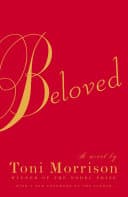
- Beloved
Toni Morrison
3.9 (325k) average on GoodreadsLiterary FictionDeals with the brutal realities of slavery, the trauma of the past, and includes elements of magical realism.
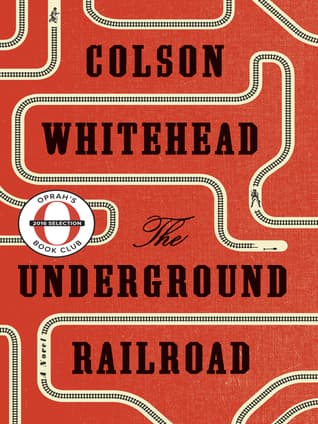
- The Underground Railroad
Colson Whitehead
4.0 (290k) average on GoodreadsLiterary FictionA powerful and imaginative re-telling of the escape from slavery, focusing on a perilous journey to freedom.
- To Kill a Mockingbird
Harper Lee
4.3 (4.5M) average on GoodreadsHistorical FictionIn the 1930s Jim Crow South, Harper Lee writes about racial injustice, moral growth, and the quiet courage of a lawyer father, Atticus Finch, as seen through his young daughter's eyes.
- The Great Gatsby
F. Scott Fitzgerald
3.9 (3.8M) average on GoodreadsHistorical FictionIn the opulent Roaring Twenties, a mysterious millionaire's lavish parties hide his desperate, tragic pursuit of a lost love, exposing the emptiness within the American Dream.
- Pride and Prejudice
Jane Austen
4.3 (3M) average on GoodreadsHistorical FictionIn a society focused on status and money, Elizabeth Bennet navigates love and pride, challenging Mr. Darcy and social expectations to find true affection.
- Angels & Demons
Dan Brown
3.9 (2.7M) average on GoodreadsThrillerA Harvard symbologist races through Rome's ancient sites, deciphering cryptic clues to unmask the Illuminati and stop a vengeful plot to destroy the Vatican with a stolen antimatter weapon.




Enjoyed the summary?
A summary gives you the shape of the book. The book itself has the detail, the examples and the voice.
Find Song Yet Sung on AmazonAs an Amazon Associate, BookBrief earns from qualifying purchases. How we're funded