
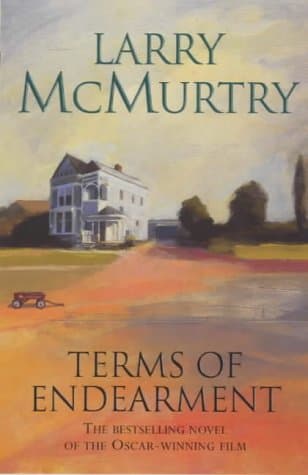
Synopsis
Covers the whole plot, including the ending.
- Difficulty
- Medium
- Pacing
- Moderate
- Mood
- Bittersweet, Humorous, Melancholy, Poignant, Realistic
- Read it if
- You enjoy character-driven literary fiction with a focus on complex family dynamics, particularly mother-daughter relationships, and appreciate stories that blend humor with profound sadness.
- Skip it if
- You prefer fast-paced plots with clear resolutions, or find stories about illness and loss too emotionally heavy.
Terms of Endearment Plot Summary
Covers the whole plot, including the ending.
Aurora's Overprotective Love and Emma's Escape
The story begins with Aurora Greenway, a wealthy, eccentric widow in Houston, Texas. Aurora is very particular and demanding, especially with her daughter, Emma. Emma, wanting to escape her mother's strong affection and control, decides to marry Flap Horton, an English professor. Aurora strongly disapproves of Flap, thinking he is not good enough for her daughter, and refuses to attend the wedding. Despite her mother's objections, Emma marries Flap, taking her first major step towards independence, which upsets Aurora. This initial conflict sets up the complex and often difficult dynamic between mother and daughter, a main theme throughout the novel.
Emma's Early Marriage and Growing Family
After their marriage, Emma and Flap move to various college towns as Flap pursues his academic career. Emma, despite her independent spirit, quickly finds herself involved in marriage and motherhood. She has three children: Tommy, Teddy, and Melanie. While she loves her children, Emma often feels unfulfilled and bored by her life as a professor's wife. Flap, meanwhile, is self-absorbed and often a neglectful husband, more focused on his career and other women than on Emma or their family. Their marriage shows problems early on, marked by Flap's cheating and Emma's growing unhappiness, despite her efforts to build a life away from her mother's influence.
Aurora's Unconventional Romances Begin
Back in Houston, Aurora Greenway, a widow for many years and in her late fifties, is wanted by several men. Her most persistent suitor is General Hector Scott, a retired astronaut and her next-door neighbor. Hector is crude, drinks a lot, and is often offensive, but he is also deeply in love with Aurora. She initially rejects him, finding him rough and below her standards, but slowly, their relationship becomes a passionate and turbulent affair. Aurora also has other, less serious suitors, showing her lasting charm and her desire for companionship and attention, even if she often pushes them away with her demanding nature.
Emma's Struggle with Flap's Infidelity and Her Own Affairs
As Flap's career takes them to different universities, his cheating becomes more obvious and hurtful. Emma, feeling neglected and unloved, eventually begins to have affairs of her own. Her first significant affair is with Sam Burns, a kind banker she meets in Nebraska. This relationship gives Emma an emotional connection and validation that she lacks with Flap. Later, after moving to Texas, she has an affair with a married man named Rudy. These affairs are a direct response to Flap's neglect and Emma's desire for real affection and a life beyond her disappointing marriage. Her choices show her growing need for happiness and self-worth.
The Tumultuous Relationship Between Aurora and Hector
The relationship between Aurora and General Hector Scott continues to be a main, often funny, part of Aurora's life. Their romance has constant arguments, dramatic breakups, and passionate reconciliations. Hector, despite his rude behavior, genuinely loves Aurora and is persistent in his pursuit. Aurora, while often annoyed by him, is also drawn to his masculinity and the excitement he brings into her otherwise controlled world. Their dynamic provides much of the novel's humor and shows Aurora's complex personality – a woman who wants love and companionship but struggles to fully commit or give up control, even to someone who clearly adores her.
Emma's Final Move and Deteriorating Health
Flap accepts a professorship in Kearney, Nebraska, and Emma moves their family there. Soon after settling in, Emma begins to feel severe pain. After medical tests, she receives the diagnosis of breast cancer. The news shocks her and her family, bringing a sudden reality to her previously unfocused life. This diagnosis is a turning point in the novel, shifting the story from Emma's marital unhappiness and search for identity to a desperate fight for her life and a re-evaluation of her relationships, especially with her mother.
Aurora's Devotion During Emma's Illness
When Aurora Greenway learns of Emma's illness, she immediately leaves her own life and romances in Houston to be with her daughter in Nebraska. Her overbearing nature becomes fierce devotion and practical care. She takes charge of Emma's medical care, advocating for her, and provides emotional support, though often in her characteristic blunt and demanding way. This period shows the deep, though complicated, love Aurora has for Emma, proving that beneath her critical exterior is a mother willing to do anything for her child. Her presence is a source of both comfort and irritation for Emma, but clearly a lifeline.
Emma's Decline and Reconciliation
Despite Aurora's best efforts and Emma's own fight, the cancer gets worse. Emma endures painful treatments and surgeries, her body weakening. During this difficult time, she has moving moments with her children, trying to prepare them for a life without her. She also tries to reconcile with Flap, finding a fragile peace in their shared grief, though their marital issues remain mostly unresolved. Her affair with Sam Burns also continues to be a source of comfort. Emma's journey through illness forces her to face her own death and the true nature of her relationships, leading to a deep, if sad, understanding.
The Final Days and Emma's Death
As Emma enters her final days, her family, including Flap and their children, and Aurora, are constantly by her side. General Scott also visits, showing his support for Aurora. The atmosphere is heavy with impending loss, yet also filled with quiet love and shared memories. Emma's death is a heartbreaking and inevitable event, leaving her children motherless and Aurora devastated. Aurora's deep grief shows the depth of her love for Emma, a love that went beyond their many disagreements and often difficult relationship. Her passing leaves a significant gap in the lives of all who knew her.
Aurora's Life After Emma
After Emma's death, Aurora Greenway deals with unimaginable grief. The loss of her only child is a blow from which she may never fully recover. She takes a more active role in her grandchildren's lives, trying to fill the void left by Emma, though she still struggles with her demanding nature. Her relationship with General Scott continues, becoming a deeper, more committed bond as they both face aging and death. The novel ends with Aurora, forever changed by her loss, learning to live with her grief, finding comfort in her grandchildren, and continuing her unique existence, forever changed by the profound love and loss of her daughter, Emma.
Terms of Endearment Characters
Aurora Greenway
Protagonist
Eccentric, demanding, yet deeply loving mother to Emma.
Aurora is a wealthy, widowed socialite in Houston, fiercely intelligent and unapologetically opinionated. She is known for her demanding nature, her specific tastes, and her often overbearing love for her daughter, Emma. Despite her age, she maintains a vibrant social life and embarks on several unconventional romantic relationships, most notably with General Hector Scott. Aurora's journey is one of learning to love and let go, eventually revealing a profound capacity for selflessness and devotion, particularly during Emma's illness. She is a woman who lives life on her own terms, often to the exasperation and admiration of those around her.
Relationships: Emma Horton (Daughter, complex, loving but often contentious); General Hector Scott (Neighbor, on-again/off-again lover, eventually committed partner); Flap Horton (Son-in-law, whom she disapproves of); Tommy, Teddy, Melanie Horton (Grandchildren, whom she deeply loves and cares for)
Emma Horton
Protagonist
Aurora's spirited daughter, seeking independence and happiness amidst marital struggles and illness.
Emma is Aurora's only daughter, a headstrong and spirited woman who marries Flap Horton to escape her mother's domineering influence. She navigates the challenges of marriage, motherhood, and her husband's infidelity, often feeling unfulfilled. Emma is kind, resilient, and possesses a dry wit, but struggles with finding her own identity outside of her mother's shadow and her domestic roles. Her life takes a tragic turn with a cancer diagnosis, forcing her to confront her mortality and reconcile with her life choices and relationships. She ultimately faces her illness with courage and a desire for peace.
Relationships: Aurora Greenway (Mother, complex, loving but often contentious); Flap Horton (Husband, often neglectful and unfaithful); Sam Burns (Lover, kind and supportive); Tommy, Teddy, Melanie Horton (Children, whom she loves deeply)
General Hector Scott
Supporting
Aurora's boorish but devoted next-door neighbor and lover.
General Hector Scott is a retired astronaut, Aurora's next-door neighbor, and her most persistent suitor. He is a crude, hard-drinking, and often offensive man, but he possesses a genuine, unwavering love and admiration for Aurora. Despite her frequent rejections and insults, Hector remains devoted, providing a source of passion, humor, and eventual stability in Aurora's life. His character highlights Aurora's complex desires for companionship and her struggle to accept a less-than-perfect partner. He ultimately proves to be a loyal and steadfast presence, particularly during Emma's illness.
Relationships: Aurora Greenway (Lover, neighbor, eventually committed partner)
Flap Horton
Supporting
Emma's unfaithful and self-absorbed husband.
Flap Horton is Emma's husband, an English professor who is often portrayed as self-absorbed, neglectful, and serially unfaithful. He marries Emma partly as an escape from his own family, but fails to provide her with the emotional support she needs. His ambition often outweighs his commitment to his family, leading to numerous affairs and a strained marriage. Despite his flaws, he is the father of Emma's three children and experiences his own form of grief and regret during Emma's illness, though he remains largely oblivious to the depth of Emma's emotional needs.
Relationships: Emma Horton (Wife, strained and unfaithful relationship); Aurora Greenway (Mother-in-law, whom he tolerates); Tommy, Teddy, Melanie Horton (Children)
Sam Burns
Supporting
Emma's kind and sensitive lover.
Sam Burns is a banker whom Emma meets and has an affair with during her time in Nebraska. He is depicted as a kind, sensitive, and emotionally available man, providing Emma with the affection and understanding that she lacks in her marriage to Flap. Their relationship is a source of comfort and validation for Emma, offering a brief respite from her marital unhappiness. Sam genuinely cares for Emma and remains a supportive presence in her life, even after her cancer diagnosis, representing a potential path to happiness that is tragically cut short.
Relationships: Emma Horton (Lover, supportive and kind)
Patsy Carpenter
Supporting
Aurora's loyal but often exasperated best friend.
Patsy Carpenter is Aurora's long-suffering best friend. She is a loyal companion, often serving as Aurora's confidante and sounding board, despite Aurora's frequently demanding and self-centered behavior. Patsy provides a grounding presence in Aurora's flamboyant life, offering advice and sometimes blunt criticism. Her friendship with Aurora highlights the complexities of long-term female bonds, enduring through Aurora's eccentricities and providing a consistent source of support.
Relationships: Aurora Greenway (Best friend, loyal but often exasperated)
Tommy Horton
Supporting
Emma's eldest son, who struggles to understand his mother's illness.
Tommy is Emma's eldest son. He is portrayed as a sensitive and intelligent boy who is deeply affected by his mother's illness and eventual death. He struggles to comprehend the gravity of the situation and often acts out or withdraws. His character represents the innocent perspective of a child grappling with immense loss and the disruption of his family. He often looks to his grandmother, Aurora, for guidance and comfort, even as she herself navigates profound grief.
Relationships: Emma Horton (Mother, whom he loves deeply); Aurora Greenway (Grandmother, a source of comfort and stability); Flap Horton (Father)
Teddy Horton
Supporting
Emma's middle child, often depicted as quiet and observant.
Teddy is Emma's middle child. He is often depicted as more quiet and introspective than his siblings. He observes the unfolding family drama and his mother's illness with a quieter, perhaps more internal, understanding. His presence helps to illustrate the diverse ways children cope with the trauma of a parent's terminal illness and death. Like his siblings, he eventually comes under the care and influence of his grandmother, Aurora, after Emma's passing.
Relationships: Emma Horton (Mother); Aurora Greenway (Grandmother); Flap Horton (Father)
Melanie Horton
Supporting
Emma's youngest child, still very young during her mother's illness.
Melanie is Emma's youngest child, a toddler during the most critical period of Emma's illness. Her youth means she has a less developed understanding of what is happening, often bringing moments of innocence and fleeting joy amidst the family's grief. Her future, and the impact of growing up without her mother, is a poignant element of the story, as Aurora takes on a significant role in her upbringing after Emma's death.
Relationships: Emma Horton (Mother); Aurora Greenway (Grandmother, primary caregiver after Emma's death); Flap Horton (Father)
Terms of Endearment Themes
Mother-Daughter Love and Conflict
The main theme is the complex, often turbulent, but ultimately strong bond between Aurora and Emma. Their relationship has Aurora's strong love and Emma's fight for independence. Despite their frequent disagreements and Aurora's critical nature, their deep affection for each other is clear, becoming most obvious during Emma's illness when Aurora's devotion becomes fierce, selfless care. This theme explores how love can exist with frustration, and how shared experiences, especially hardship, can show the true depth of family ties.
“Emma, I love you very much. I just want you to be happy.”
The Search for Fulfillment and Identity
Both Emma and Aurora, in their own ways, are looking for satisfaction. Emma seeks identity outside her mother's influence and through her marriage, only to find disappointment, leading her to affairs for emotional connection. Aurora, a widow, seeks companionship and excitement through her various suitors, showing her energy and independence despite her age. This theme explores the human desire for purpose, love, and a sense of self, and the often messy paths people take to achieve it, showing the expectations placed on women at different life stages.
“I'm not trying to be a good person, Mama. I'm just trying to be a person.”
Love, Loss, and Grief
The novel explores love and loss, especially through Emma's battle with cancer and her eventual death. This tragedy forces all characters, particularly Aurora, to face how fragile life is and the great pain of grief. Aurora's change from a demanding socialite to a heartbroken mother shows the devastating impact of losing a child. The story looks at how people cope with impending death and the aftermath of great loss, showing that love, even after death, continues to shape lives.
“It's not fair. It's not fair. It's not fair.”
The Imperfection of Love and Relationships
Larry McMurtry shows love and relationships in all their messy, imperfect reality. Aurora's relationship with General Scott is a good example: full of arguments, crude humor, and real passion, it shows that love doesn't have to be perfect to be real. Emma's marriage to Flap has infidelity and neglect, yet they share children and moments of connection. Even the mother-daughter bond is complex, with frustration and control alongside deep affection. This theme suggests that true love often exists within flawed human connections, needing acceptance and resilience.
“Love, she thought, was like a great sea, and she was adrift in it, with no land in sight.”
Humor as a Coping Mechanism
Despite the tragic parts, the novel has much humor, especially through Aurora's eccentricities and her witty conversations with General Scott. This humor helps the characters and the reader cope, offering lightness amid life's hardships, including infidelity, illness, and death. It shows the human ability to find joy and laughter even in the darkest times, suggesting that humor is an essential part of resilience and dealing with life's absurdities and pains. The comedic elements make the deep emotional moments even more powerful.
“You're not as young as you used to be, Hector.” “Well, neither are you, Aurora.”
Plot Devices & Literary Techniques
Dual Perspective/Shifting Focus
Alternates focus between Aurora and Emma's lives, often in separate locations.
The narrative frequently shifts its focus between the lives of Aurora in Houston and Emma in various college towns. This device allows McMurtry to develop both characters fully and independently, showcasing their distinct experiences and relationships before their lives tragically converge during Emma's illness. It emphasizes their individual struggles for identity and fulfillment, while also highlighting the emotional distance that often exists between them, making their eventual reunion and Aurora's devotion during Emma's illness more poignant and impactful. The alternating perspectives provide a comprehensive view of their intertwined destinies.
Epistolary Elements (Letters and Phone Calls)
Communication between Aurora and Emma through letters and phone calls.
Given the physical distance between Aurora and Emma for much of the novel, their relationship is maintained through frequent, often humorous and sometimes fraught, letters and phone calls. These communications serve as a crucial plot device, revealing their individual lives, thoughts, and feelings to each other and to the reader. They underscore the challenges of maintaining a close relationship across distance and highlight Aurora's persistent, if sometimes overbearing, presence in Emma's life, even when they are physically apart. The tone of these exchanges often reflects the evolving nature of their bond.
Foil Characters
Contrasting characters highlighting central figures' traits.
Various characters act as foils to Aurora and Emma. For Aurora, General Hector Scott's boorishness and directness contrast with her refined but equally demanding nature, highlighting her own complexities and desires. For Emma, the kind and attentive Sam Burns serves as a foil to her neglectful husband, Flap Horton, emphasizing Emma's yearning for genuine affection and the shortcomings of her marriage. These contrasting characters help to illuminate the protagonists' personalities, motivations, and the nature of their relationships, providing deeper insight into their struggles and growth.
Foreshadowing (Subtle Hints of Tragedy)
Early hints of Emma's eventual illness and the fragility of life.
While not overtly stated, there are subtle elements of foreshadowing throughout the novel, particularly concerning the fragility of life and the potential for tragedy. The general sense of dissatisfaction in Emma's life, the fleeting nature of her happiness, and the often-melancholic undertones of her chapters, can be seen as preparing the reader for the eventual devastating news of her illness. This device creates a growing sense of unease that culminates in the stark reality of her cancer diagnosis, making the tragic turn of events feel both sudden and, in retrospect, subtly anticipated, deepening the emotional impact.
Terms of Endearment Quotes
“The only thing that separates us from the animals is our ability to accessorize.”
“You are not special. You're not a beautiful and unique snowflake. You're the same decaying organic matter as everything else.”
“I'm not a feminist, but I do believe in women.”
“The heart is a resilient little muscle.”
“Love is a decision, not just a feeling.”
“Sometimes the best way to help someone is to leave them alone.”
“We're all just trying to get through the day without too much damage.”
“Happiness is overrated. Contentment is what we should aim for.”
“Children are the anchors that hold a mother to life.”
“The past is a foreign country; they do things differently there.”
“You can't protect people from themselves.”
“Life is what happens while you're busy making other plans.”
“Sometimes love means letting go.”
“We are all broken, that's how the light gets in.”
Quiz
10 questions on the plot and the characters. Each answer comes with a short explanation.
Question 1
What is the primary setting of 'Terms of Endearment' where much of the story unfolds?
- New York City
- Houston, Texas
- Los Angeles, California
- Chicago, Illinois
Show answer
B. Houston, Texas The story is primarily set in Houston, Texas, where Aurora Greenway lives and where much of the mother-daughter drama unfolds, reflecting the book's Southern and Texan cultural backdrop.
Question 2
Who is Aurora Greenway's primary romantic interest throughout much of the novel?
- Garrett Breedlove
- Flap Horton
- Sam Burns
- Thomas Johnson
Show answer
A. Garrett Breedlove Garrett Breedlove, a retired astronaut, is Aurora's main romantic interest, and their relationship is a central plot element that highlights themes of love and aging.
Question 3
What is the name of Emma's husband in the book?
- David Greenway
- Flap Horton
- John Carter
- Robert Emma
Show answer
B. Flap Horton Emma marries Flap Horton, and their troubled marriage, including his infidelity and financial struggles, is a key part of the plot that strains her relationship with Aurora.
Question 4
Why does Aurora initially disapprove of Emma's marriage to Flap?
- Because Flap is from a different social class
- Because she thinks Flap is irresponsible and won't provide for Emma
- Because Flap is much older than Emma
- Because Flap is a foreigner
Show answer
B. Because she thinks Flap is irresponsible and won't provide for Emma Aurora disapproves because she sees Flap as irresponsible and unlikely to offer Emma a stable life, which foreshadows the marital and financial problems they later face.
Question 5
What major life event brings Aurora and Emma closer together in the latter part of the novel?
- Emma's divorce from Flap
- Emma's diagnosis with a terminal illness
- Aurora's remarriage
- The birth of Emma's first child
Show answer
B. Emma's diagnosis with a terminal illness Emma's terminal illness diagnosis forces both characters to confront their relationship, leading to emotional reconciliation and deeper love, which is a pivotal moment in the story.
Question 6
Which theme is most prominently explored through Aurora's character in 'Terms of Endearment'?
- The pursuit of wealth and status
- The complexities of motherhood and independence
- The impact of war on families
- The corruption of political power
Show answer
B. The complexities of motherhood and independence Aurora's character delves into the tensions between being a controlling mother and seeking personal independence, reflecting the book's focus on familial bonds and self-identity.
Question 7
How does the novel portray the relationship between Aurora and Emma over time?
- As consistently harmonious and supportive
- As strained but ultimately loving and resilient
- As completely broken and irreparable
- As based solely on financial dependency
Show answer
B. As strained but ultimately loving and resilient Their relationship is marked by conflicts and misunderstandings, but it endures through life's challenges, showcasing the book's theme of enduring love and humor in adversity.
Question 8
What role does humor play in 'Terms of Endearment' according to its description?
- It is used to mock the characters' flaws
- It serves as a coping mechanism for life's hazards
- It is absent, focusing only on drama
- It is primarily in the form of slapstick comedy
Show answer
B. It serves as a coping mechanism for life's hazards The book uses humor to help Aurora and Emma navigate difficult situations, adding depth to their characters and highlighting the resilience found in laughter.
Question 9
In what way does Emma's character challenge traditional expectations of women in the novel?
- By pursuing a high-powered career in law
- By maintaining a flawless appearance at all times
- By being fiesty and making independent, often flawed, life choices
- By rejecting motherhood entirely
Show answer
C. By being fiesty and making independent, often flawed, life choices Emma is described as 'fiesy' and makes her own decisions, such as marrying Flap against Aurora's wishes, which defies societal norms and adds to the novel's exploration of personal agency.
Question 10
Which aspect of Larry McMurtry's writing in 'Terms of Endearment' contributed to its Pulitzer Prize-winning acclaim?
- Its focus on action-packed adventure scenes
- Its detailed historical accuracy about Texas
- Its deep character development and emotional realism
- Its use of complex scientific theories
Show answer
C. Its deep character development and emotional realism McMurtry is praised for creating vivid, relatable characters like Aurora and Emma, whose emotional journeys and realistic interactions resonate with readers, a hallmark of his literary style.
Terms of Endearment FAQ
What is 'Terms of Endearment' about?
'Terms of Endearment' follows the tumultuous, decades-long relationship between Aurora Greenway, a strong-willed Houston widow, and her daughter Emma Horton. The novel traces their lives from Emma's rebellious youth through her troubled marriage to Flap Horton, motherhood, and ultimately Emma's battle with cancer, exploring how their bond evolves through conflict, humor, and deep love.
Why should I read 'Terms of Endearment'?
You should read it for its raw, unsentimental portrayal of mother-daughter dynamics, filled with Larry McMurtry's signature wit and emotional depth. The characters—especially Aurora's domineering yet vulnerable nature and Emma's resilient spirit—feel authentically flawed, making their journey through life's joys and tragedies profoundly moving and relatable.
What is the background/setting of 'Terms of Endearment'?
The novel is set primarily in Houston, Texas, from the 1950s to the 1970s, capturing the social norms and suburban life of the era. Key locations include Aurora's elegant home, where she hosts suitors like Garrett Breedlove, and Nebraska, where Emma moves with her husband Flap, highlighting contrasts in their lifestyles and the strain of distance.
What are the most memorable quotes?
Memorable quotes include Aurora's sharp retort, 'You are not special enough to overcome a bad personality,' and Emma's poignant reflection, 'The reason people hold on to memories so tight is because memories are the only things that don't change.' These lines encapsulate the novel's blend of biting humor and emotional truth.
What writing style does Larry McMurtry use?
McMurtry employs a straightforward, dialogue-driven prose style with a keen eye for character detail and regional authenticity. His writing balances wry humor—especially in Aurora's witty exchanges—with unflinching emotional realism, avoiding melodrama while delving deep into the complexities of family relationships.
What minor details add significant meaning?
Minor details like Aurora's meticulous care of her garden symbolize her desire for control in a chaotic life, while Emma's constant smoking hints at her underlying anxiety and eventual health decline. The recurring motif of letters and phone calls between them underscores their emotional connection despite physical distance.
What are some subtle foreshadowing moments?
Early scenes of Emma's respiratory issues and fatigue subtly foreshadow her later cancer diagnosis. Aurora's overprotectiveness toward Emma as a child hints at the deep-seated fear of loss that defines their relationship, culminating in Emma's illness and Aurora's desperate attempts to care for her.
What unexpected character connections exist?
An unexpected connection is between Aurora and Garrett Breedlove, a retired astronaut and womanizer, whose unlikely romance with Aurora provides comic relief yet reveals her vulnerability. Similarly, Emma's friendship with Patsy Carpenter, a fellow mother, offers support that contrasts with her strained marriage to Flap.
What are unspoken character motivations?
Aurora's controlling behavior stems from an unspoken fear of abandonment after her husband's death, driving her to micromanage Emma's life. Emma's decision to marry Flap and move to Nebraska is motivated by a desire for independence from Aurora, yet she secretly craves her mother's approval and connection.
What psychological complexities do characters exhibit?
Aurora exhibits narcissistic traits masked by charm, using humor to deflect intimacy, while Emma shows codependent tendencies, often prioritizing others' needs over her own. Their dynamic is a push-pull of love and resentment, reflecting deep-seated insecurities and a shared fear of vulnerability.
What are the major emotional turning points?
Major turning points include Emma's marriage to Flap, which strains her relationship with Aurora; the birth of her children, bringing moments of joy amid marital strife; and Emma's cancer diagnosis, which forces both women to confront mortality and express their love more openly, leading to a heartbreaking yet tender reconciliation.
How do relationship dynamics evolve?
Aurora and Emma's relationship evolves from adversarial clashes in Emma's youth to a grudging mutual respect in adulthood, culminating in profound dependence during Emma's illness. Aurora's romance with Garrett softens her rigidity, while Emma's struggles with Flap highlight her growing resilience and need for maternal support.
Which parts remain ambiguous or open-ended?
The novel leaves ambiguous whether Emma's marriage to Flap could have been salvaged or if her choices led to inevitable unhappiness. Aurora's future after Emma's death is open-ended, hinting at loneliness but also potential growth through her relationship with Garrett, leaving readers to ponder her capacity for change.
What are controversial scenes or decisions?
Controversial scenes include Aurora's harsh criticism of Emma's life choices, which some readers see as emotionally abusive, and Emma's decision to stay with Flap despite his infidelity and neglect. Emma's terminal illness and the graphic depiction of her decline also spark debate about the novel's handling of tragedy.
'Terms of Endearment' ending explained: how it ends & what it means
The novel ends with Emma's death from cancer, surrounded by Aurora and her children, followed by Aurora grieving but finding solace in memories and her bond with Garrett. This ending underscores themes of love's endurance beyond loss, suggesting that while life is fragile, the connections forged through 'terms of endearment'—both tender and tough—define our humanity.
About the author
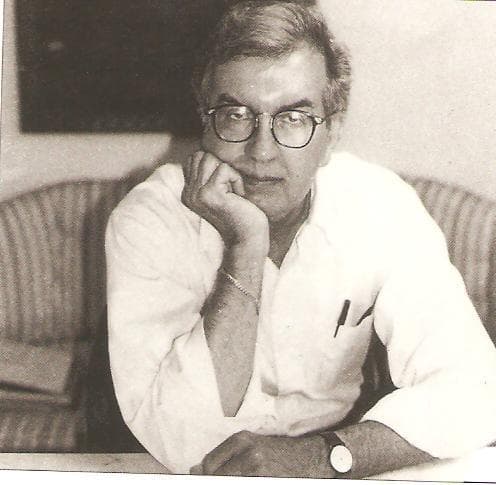
Larry Jeff McMurtry was an American novelist, essayist, prominent book collector, bookseller and screenwriter whose work was predominantly set in either the Old West or contemporary Texas. His novels included Horseman, Pass By (1962), The Last Picture Show (1966), and Terms of Endearment (1975), which were adapted into films. Films adapted from McMurtry's works earned 34 Oscar nominations.
Similar books
- Lonesome Dove
Larry McMurtry
4.5 (149k) average on GoodreadsHistorical FictionShares the same author's distinctive voice and character depth, though different genre.
- Olive Kitteridge
Elizabeth Strout
3.8 (172k) average on GoodreadsLiterary FictionFeatures a strong, complex female protagonist navigating life and relationships in a small town.
- Dinner at the Homesick Restaurant
Anne Tyler
3.8 (25k) average on GoodreadsLiterary FictionBoth explore familial relationships and loss, but McMurtry's novel has a more overt comedic sensibility and embraces more dramatic confrontations, while Tyler focuses on quieter melancholies and eccentricities.
- The Old Man and the Sea
Ernest Hemingway
3.8 (831k) average on GoodreadsLiterary FictionA Cuban fisherman's long struggle with a giant marlin becomes a story of endurance and dignity, now retold for young adults with illustrations, phonetic guides, and writing prompts in Traditional Chinese.
- One Hundred Years of Solitude
Gabriel García Márquez
4.1 (753k) average on GoodreadsLiterary FictionThrough the multi-generational story of the Buendía family, a mythical town deals with the repeating patterns of time, love, and solitude, as the extraordinary mixes with the ordinary.
- The Goldfinch
Donna Tartt
3.9 (720k) average on GoodreadsLiterary FictionHaunted by a tragic explosion and clutching a stolen Dutch masterpiece, a young orphan navigates the opulent drawing rooms of New York and the gritty underbelly of the art world, desperately seeking connection and redemption amidst a life spiraling into crime and obsession.





Enjoyed the summary?
A summary gives you the shape of the book. The book itself has the detail, the examples and the voice.
Find Terms of Endearment on AmazonAs an Amazon Associate, BookBrief earns from qualifying purchases. How we're funded