

Synopsis
Covers the whole plot, including the ending.
- Difficulty
- Medium
- Pacing
- Slow
- Mood
- Melancholy, Decadent, Reflective, Tragic
- Read it if
- You enjoy classic American literature exploring the Jazz Age, themes of wealth, decadence, and the destructive nature of ambition and idleness.
- Skip it if
- You prefer fast-paced plots, optimistic endings, or stories with clearly likable and morally upright characters.
The Beautiful and Damned Plot Summary
Covers the whole plot, including the ending.
The Idyllic Bachelorhood of Anthony Patch
Anthony Patch, a Harvard graduate, lives idly in his New York apartment, supported by a trust fund from his wealthy grandfather, Adam Patch. He hopes to become a writer or historian but lacks discipline, spending his days reading, drinking, and socializing with his friends, Maury Noble, an intellectual, and Dick Caramel, a novelist. Anthony knows his grandfather disapproves of his lifestyle and that his inheritance depends on Adam's view of his character. He often thinks about his privileged position and the expectations on him, feeling a vague dissatisfaction despite his comfort.
The Enchanting Gloria Gilbert
Anthony meets the beautiful and lively Gloria Gilbert through Maury Noble. Gloria is captivating, with youthful charm, wit, and a reckless spirit that immediately fascinates Anthony. She represents the allure of the Jazz Age, with her modern outlook. Their first meetings involve intense flirtation and growing infatuation. Anthony is completely drawn to her beauty and personality, seeing her as his ideal. Gloria is attracted to his charm and the promise of an unconventional life. Their connection quickly deepens, leading them to consider a future together.
A Whirlwind Courtship and Marriage
Anthony and Gloria's courtship is a period of intense passion and shared experiences, marked by long talks, parties, and mutual admiration for each other's perceived brilliance and beauty. They spend more time together, often neglecting other friends and duties. Despite some worries about their finances and the practicality of their union, their romantic idealism wins out. Anthony, deeply in love and convinced Gloria is his soulmate, proposes, and Gloria, equally charmed and excited by the promise of an exciting life, accepts. Their marriage begins with hopeful, if naive, optimism.
Early Married Life and Disillusionment
The initial joy of Anthony and Gloria's marriage soon fades. They settle into a luxurious but unproductive routine, spending lavishly and seeking pleasure without purpose. Their days are filled with late mornings, drinking, and superficial social events. Financial realities begin to appear as their expenses exceed Anthony's allowance. Arguments become more frequent, often fueled by alcohol and their shared idleness. Gloria, once lively, becomes bored and prone to self-pity. Anthony struggles with his lack of ambition and a growing disillusionment with their life, despite still finding Gloria attractive.
Grandfather Adam's Visit and Disinheritance
Adam Patch, Anthony's strict and wealthy grandfather, makes an unannounced visit to their New York apartment. He expects to find a respectable, hardworking young couple but instead sees Anthony and Gloria's decadent life. He finds them in disarray, surrounded by liquor bottles, and observes their idleness. Deeply offended by what he sees as their depravity, Adam Patch decides to disinherit Anthony. This event throws Anthony and Gloria into a severe financial crisis, forcing them to face the results of their extravagant living.
The War and Anthony's Service
With his inheritance gone and their finances worsening, Anthony is drafted into the army when America enters World War I. He becomes a first lieutenant and is sent to a training camp in the South. This period offers a temporary escape from his troubled marriage and aimless life. Though he does not see combat, the military routine and camaraderie give him a structure he has lacked. Gloria, left alone in New York, struggles with loneliness and anxiety, which worsens her emotional state. The war, while not directly involving Anthony in battle, interrupts their decline, though it does not fundamentally change them.
Post-War Despair and Alcoholism
When Anthony returns from the war, he and Gloria are in a more desperate situation. Their financial problems continue, and their relationship has worsened. They move from one temporary home to another, their lives increasingly dominated by heavy drinking and bitter arguments. Alcohol becomes their main way to cope, dulling the pain of their failed ambitions and dwindling resources. Gloria's beauty begins to fade under the strain, and Anthony's once-charming manner becomes sour and resentful. Their social circle shrinks as friends tire of their self-destructive behavior, leaving them isolated in their misery.
The Inheritance Lawsuit
Desperate for money, Anthony starts a long and emotionally draining lawsuit to challenge his grandfather's will. He believes he was unfairly disinherited and that his grandfather was not of sound mind when he changed the will. The legal battle consumes their remaining energy and resources, offering a small hope amid their deepening despair. They cling to the possibility of winning the inheritance as their only salvation, believing it will solve all their problems. The lawsuit lasts for years, a constant source of anxiety and a drain on their fragile health, further isolating them.
The Death of Muriel and Further Decline
During the long legal battle, Gloria's close friend, Muriel Kane, dies tragically. Muriel had been a confidante and comfort for Gloria, and her death sends Gloria into a deeper state of depression. This loss, along with their financial struggles and the pressure of the lawsuit, pushes Gloria further into alcoholism and emotional fragility. Anthony, absorbed in his own anxieties and increasingly distant, offers little comfort. The couple's decline quickens, marked by more frequent arguments, public embarrassments, and a complete loss of their former charm and social standing.
The Verdict and Its Aftermath
After years of legal battles, Anthony finally wins his lawsuit. He is awarded his grandfather's large fortune, making him a millionaire. However, the victory is empty. The years of anxiety, alcoholism, and their destructive lifestyle have taken a severe toll. Anthony is physically and mentally broken, a shell of his former self. He has had a nervous breakdown and depends on his nurse, Miss McMahan. Gloria, though relieved by the financial security, is also deeply scarred and has lost her youthful vitality and beauty. The money, which they thought would solve everything, arrives too late to save them, leaving them rich but ruined.
A Final, Empty Victory
The novel ends with Anthony, now wealthy, on a transatlantic voyage with his nurse. He is a shadow of his former self, frail and mentally diminished, often speaking in clichés without real insight or ambition. Gloria, though present, is equally diminished, her beauty faded, her spirit broken by years of dissipation. They have achieved the material wealth they sought, but at the cost of their youth, love, and themselves. Their victory is deeply ironic, leaving them with much money but no spirit, showing the tragic outcome of their beautiful but damned lives.
Principal Figures
Anthony Patch
Protagonist
A handsome, privileged, and ultimately aimless socialite.
Anthony Patch is a Harvard-educated aesthete and presumptive heir to a vast fortune. Initially charming and intelligent, he possesses a superficial ambition to write or achieve greatness but lacks the discipline and moral fiber to pursue it. He is deeply influenced by his environment and those around him, particularly Gloria. His primary motivation is to maintain his comfortable, leisurely lifestyle and eventually claim his inheritance. He is often introspective but rarely acts on his insights, preferring to drift.
Relationships: Gloria Gilbert (Wife; initially passionate and idealized, later mutually destructive and resentful.); Adam Patch (Grandfather; disapproving benefactor who disinherits Anthony.); Maury Noble (Close friend; cynical intellectual who frequently debates with Anthony.); Dick Caramel (Friend; aspiring novelist whose career contrasts with Anthony's lack of ambition.)
Gloria Gilbert
Co-protagonist/Love Interest
A stunningly beautiful, vivacious, and ultimately self-destructive socialite.
Gloria Gilbert is a breathtakingly beautiful and captivating young woman who embodies the spirit of the Jazz Age. She is witty, charming, and fiercely independent, but also deeply insecure and prone to ennui and self-pity. Her beauty is her greatest asset and her greatest burden, leading her to believe it is enough to sustain her. She craves excitement and luxury but lacks any real purpose or ambition beyond living for pleasure. Her fear of aging and losing her beauty contributes significantly to her eventual decline.
Relationships: Anthony Patch (Husband; initially passionate and idealized, later mutually destructive and resentful.); Muriel Kane (Close friend; a source of comfort for Gloria.); Maury Noble (Friend; often observes her with a critical yet fascinated eye.)
Adam Patch
Antagonist/Catalyst
Anthony's wealthy, moralistic, and disapproving grandfather.
Adam Patch is Anthony's extremely wealthy grandfather, a devout temperance advocate with strict moral codes. He views Anthony's lifestyle with severe disapproval, seeing it as wasteful and immoral. His primary motivation is to ensure his fortune is used for good, or at least not squandered on what he perceives as debauchery. He serves as a moral counterpoint to Anthony and Gloria's hedonism, and his decision to disinherit Anthony is the pivotal event that drives much of the novel's plot. He represents the older generation's values clashing with the new.
Relationships: Anthony Patch (Grandson; disinherited due to perceived moral failings.)
Maury Noble
Supporting
Anthony's cynical, intellectual, and often philosophical friend.
Maury Noble is a lawyer and one of Anthony's closest friends, known for his sharp intellect, cynical wit, and philosophical musings. He often serves as a sounding board for Anthony and Gloria, offering observations on their lives and society at large. While he participates in their social circle, he maintains a certain detached perspective, often predicting the consequences of their actions. He is intelligent and articulate, but also prone to his own forms of idleness and a lack of true ambition, making him a foil and a mirror to Anthony.
Relationships: Anthony Patch (Close friend; intellectual sparring partner.); Gloria Gilbert (Friend; often observes her with a critical yet fascinated eye.)
Dick Caramel
Supporting
Anthony's friend and an aspiring, eventually successful, novelist.
Dick Caramel is another friend of Anthony's, who starts as an aspiring novelist. Unlike Anthony, Dick possesses genuine ambition and discipline, eventually achieving literary success. He serves as a direct contrast to Anthony's artistic pretensions and lack of follow-through. His career trajectory highlights Anthony's failure to realize his own potential. Dick's success and eventual detachment from Anthony and Gloria underscore their growing isolation and the consequences of their self-destructive choices.
Relationships: Anthony Patch (Friend; their diverging paths highlight Anthony's failures.)
Muriel Kane
Supporting
Gloria's close and supportive friend.
Muriel Kane is Gloria's friend and confidante. She is generally kind and supportive, often providing Gloria with emotional comfort and a sense of normalcy amidst her chaotic life with Anthony. Her presence offers a brief respite from the couple's self-destructive patterns. Her eventual death deeply affects Gloria, contributing to her accelerating emotional and psychological decline. Muriel represents a connection to a more stable, albeit still socialite, world that Gloria gradually loses.
Relationships: Gloria Gilbert (Close friend; a source of comfort.)
Dot Adequately
Supporting
A young woman Anthony has a brief affair with.
Dot Adequately is a young woman Anthony briefly has an affair with during his time in the army. She is a simple, somewhat naive girl from a lower social class. Her brief relationship with Anthony highlights his moral compromises and his capacity for infidelity, further demonstrating his declining character and his inability to commit fully to Gloria, even when they are apart. She represents a fleeting distraction and a symbol of Anthony's moral decay.
Relationships: Anthony Patch (Brief affair.)
Miss McMahan
Supporting
Anthony's nurse in the final stages of his illness.
Miss McMahan is the nurse who cares for Anthony during his final, debilitated state after he wins the lawsuit. She is a pragmatic and professional figure, representing the consequence of Anthony's years of excess. Her presence signifies Anthony's complete loss of independence and his transformation into a helpless invalid. She is a symbol of his ultimate physical and mental collapse, a stark reminder of the price he paid for his lifestyle.
Relationships: Anthony Patch (Nurse and patient; caretaker.)
Themes & Insights
The Corrupting Influence of Wealth and Idleness
The novel shows how inherited wealth, without purpose, leads to moral and spiritual decay. Anthony and Gloria, initially charming, slowly decay as they waste time and money on frivolous pursuits, drinking, and self-indulgence. Their financial struggles after Anthony's disinheritance force them to seek wealth, but this pursuit is tainted by their habits of leisure and vice. Their eventual inheritance, meant to save them, finds them too far gone to use it constructively, showing that unearned wealth can be a curse. This is clear in their early marriage, where days are a blur of late mornings and drinks, leading to arguments and emptiness.
“They were but two children, playing at living, and they would never know the cost till they had to pay it.”
The Destructive Nature of Idealized Love
Anthony and Gloria's love story begins with strong idealization, each seeing the other as perfect. However, this romantic vision quickly breaks down under the weight of reality, their flaws, and shared self-destructive tendencies. Their love, initially joyful, becomes a bond of mutual destruction, fueled by resentment, alcohol, and unmet expectations. They cling to the idea of their love even as it harms them, showing how an unrealistic view of romance can lead to deep disillusionment. Their constant arguments and inability to support each other after their disinheritance show this destructive dynamic.
“He knew that he loved Gloria, but he also knew that he hated her.”
The Illusion of the American Dream
The novel critiques the superficiality of the American Dream during the Jazz Age, especially for the privileged. Anthony and Gloria pursue happiness through wealth and status, believing money and beauty will bring fulfillment. However, their story shows that achieving these external successes does not bring inner peace. Despite being 'beautiful' and eventually 'rich,' they are 'damned' by their choices and lack of character. Their endless pursuit of pleasure and avoidance of responsibility leaves them empty and broken, revealing the hollowness of a dream built only on external validation.
“They were going to the dogs. The whole generation was going to the dogs.”
The Ephemerality of Youth and Beauty
A central theme, especially for Gloria, is the temporary nature of youth and physical beauty. Gloria is aware her beauty is her main asset and fears its decline. As the novel progresses, the stresses of their lifestyle, alcoholism, and time visibly erode her looks. Anthony also loses his youthful charm. The novel shows how these characters, who rely heavily on their physical appeal, are left with nothing but their ruined lives once youth and beauty fade, highlighting the superficiality of their values and the tragic results of living only for external validation.
“She was a magnificent anachronism, a survival of a dead romance.”
The Jazz Age and Its Disillusionment
The novel comments on the excesses and disillusionment of the Jazz Age. Set after World War I, it captures the hedonistic pursuit of pleasure, modern sensibilities, and the breakdown of traditional morals. Anthony and Gloria represent the 'lost generation,' adrift in newfound freedom but without purpose. Their lavish parties, heavy drinking, and aimless lives reflect the era's superficial glamour and its eventual moral and spiritual bankruptcy. The story critiques the era's focus on material wealth and fleeting pleasures, showing how these ultimately lead to emptiness for those who cannot find meaning beyond them.
“Here was a new generation, shouting the old cries, learning the old lessons, and making the old mistakes.”
Plot Devices & Literary Techniques
Foil Characters
Characters who highlight the protagonist's flaws through contrast.
Dick Caramel, the aspiring novelist who actually achieves success, serves as a direct foil to Anthony Patch, who only pretends to have literary ambitions. Dick's discipline and eventual triumph underscore Anthony's chronic idleness and failure to realize his potential. Similarly, Maury Noble, while sharing some of Anthony's cynicism, possesses a sharper intellect and a more grounded, albeit still flawed, perspective, often observing Anthony's decline with a critical eye, thus highlighting Anthony's self-deception and lack of self-awareness.
Symbolism of Alcohol
Alcohol represents escape, self-destruction, and the erosion of character.
Alcohol is a pervasive symbol throughout the novel, initially representing the carefree indulgence of the Jazz Age, then gradually evolving into a symbol of escape, self-destruction, and the couple's unraveling. What begins as social drinking quickly escalates into alcoholism for both Anthony and Gloria, dulling their senses, fueling their arguments, and accelerating their physical and mental decline. It becomes a crutch that prevents them from confronting their problems, ultimately contributing to their ruin and signifying their complete loss of control and agency.
The Inheritance
A MacGuffin that drives the plot and symbolizes false hope.
Adam Patch's vast inheritance acts as a central MacGuffin, the object of Anthony's lifelong expectation and the driving force behind his actions, or rather, his inaction. It symbolizes the false hope that external wealth can solve internal problems. Anthony's pursuit of it, first through waiting and then through a lawsuit, consumes his life, yet its eventual acquisition proves to be a hollow victory. The inheritance, rather than bringing happiness, merely arrives to a man already destroyed, highlighting that true fulfillment cannot be bought and that the pursuit of unearned wealth can be corrosive.
Setting as Reflection of Mood
The physical environment mirrors the characters' internal states.
The settings in the novel often reflect the characters' internal states and the progression of their decline. Anthony's initially luxurious New York apartment, filled with books and art, symbolizes his early, if superficial, intellectual aspirations. As their lives descend into chaos, their residences become increasingly temporary and unkempt, mirroring their internal disarray and moral decay. The opulent parties of their early marriage contrast sharply with the squalid conditions they endure during the lawsuit, physically manifesting their spiritual and financial destitution. Even the final setting, a luxury liner, highlights their hollow victory, as they are rich but too broken to enjoy it.
The Beautiful and Damned Quotes
“I don't want to live, I want to love first, and live incidentally.”
“The victor belongs to the spoils.”
“He knew that in spite of all the rotten gold and all the rotten dreams, the rotten things that had happened, that it had been a great love.”
“She was a woman of twenty-two, but she was still a child.”
“We're all so beautiful and so damned.”
“The world was a a Jeweled cup, and if you didn't drink, someone else would.”
“There was a great deal to be said for the wisdom of not trying to understand too much.”
“He had discovered that the only way to get through life was to let it drift.”
“They were but the broken reeds of a broken generation.”
“It was borrowed sunshine, a borrowed happiness, a borrowed peace.”
“The world was full of men who had been clever and who had had their day; but the men who were going to have their day were those who were clever enough to be in the right place at the right time.”
“Their love was a fever, a delirium, a madness that consumed them both.”
“He was a man who had been rich too long, and too young.”
“She was a woman who could make you forget that there was anything else in the world.”
Quiz
10 questions on the plot and the characters. Each answer comes with a short explanation.
Question 1
What is the primary motivation behind Anthony Patch's initial lifestyle choices and his marriage to Gloria Gilbert?
- He genuinely loves Gloria and wants to build a stable family life.
- He is seeking a life of leisure, aesthetic pleasure, and the social status that Gloria embodies.
- He wants to rebel against his conservative grandfather's expectations.
- He hopes to use Gloria's connections to further his own literary career.
Show answer
B. He is seeking a life of leisure, aesthetic pleasure, and the social status that Gloria embodies. Anthony is drawn to Gloria's beauty and the glamorous, carefree lifestyle she represents, aligning with his own desire to avoid responsibility and inherit his grandfather's fortune.
Question 2
Which major historical event does Anthony Patch participate in, altering his personal trajectory?
- The Great Depression
- World War I
- The Roaring Twenties economic boom
- The women's suffrage movement
Show answer
B. World War I Anthony's service in the army during World War I is a significant plot point, though he sees little direct combat and his experience mostly involves training in the South.
Question 3
What is the primary source of Anthony Patch's financial expectations throughout most of the novel?
- His own successful investments in the stock market.
- Gloria's substantial family inheritance.
- The fortune of his millionaire grandfather, Adam Patch.
- Royalties from his published novels.
Show answer
C. The fortune of his millionaire grandfather, Adam Patch. Anthony's entire financial future is predicated on inheriting his wealthy grandfather's fortune, which he anxiously awaits throughout the novel.
Question 4
How does the relationship between Anthony and Gloria evolve from their courtship to the later stages of their marriage?
- It deepens into a more mature and understanding partnership.
- It remains consistently passionate and free-spirited despite their financial woes.
- It deteriorates into mutual resentment, boredom, and a shared descent into alcoholism.
- It transforms into a platonic friendship as they pursue separate interests.
Show answer
C. It deteriorates into mutual resentment, boredom, and a shared descent into alcoholism. Their initial romance gives way to a destructive cycle of drinking, bickering, and mutual disillusionment as their dreams fade and financial pressures mount.
Question 5
The novel's title, 'The Beautiful and Damned,' primarily refers to:
- The physical beauty of New York City and the moral decay of its inhabitants.
- Anthony and Gloria's initial charm and potential, contrasted with their eventual moral and financial ruin.
- The allure of the Jazz Age and the damnation of those who resisted its changes.
- The beauty of art and the damned state of artists struggling for recognition.
Show answer
B. Anthony and Gloria's initial charm and potential, contrasted with their eventual moral and financial ruin. The title encapsulates the tragic arc of Anthony and Gloria, who possess great beauty and potential but are ultimately 'damned' by their idleness, materialism, and inability to find purpose.
Question 6
What specific characteristic of Gloria Gilbert is emphasized as both her greatest asset and a significant factor in her and Anthony's downfall?
- Her unwavering loyalty and devotion to Anthony.
- Her intelligence and sharp business acumen.
- Her striking physical beauty and desire for constant admiration and luxury.
- Her strong moral compass and religious convictions.
Show answer
C. Her striking physical beauty and desire for constant admiration and luxury. Gloria's captivating beauty is central to her identity and her self-worth, driving her need for a luxurious lifestyle and contributing to her and Anthony's inability to adapt to less opulent circumstances.
Question 7
Who is Richard Caramel, the novelist character mentioned in the provided text, and what is his significance to the author, F. Scott Fitzgerald?
- He is a rival novelist whom Fitzgerald critiques for his overly romanticized portrayals of youth.
- He is a fictional character within 'The Beautiful and Damned' who serves as a thinly veiled self-reference by Fitzgerald, expressing his own anxieties about his earlier work.
- He is a real-life contemporary of Fitzgerald whose literary success Fitzgerald envied.
- He is a literary critic whose opinions on 'This Side of Paradise' Fitzgerald sought to refute.
Show answer
B. He is a fictional character within 'The Beautiful and Damned' who serves as a thinly veiled self-reference by Fitzgerald, expressing his own anxieties about his earlier work. Richard Caramel is a character in 'The Beautiful and Damned' through whom Fitzgerald directly comments on the public reception and potential misinterpretation of his previous novel, 'This Side of Paradise,' expressing a meta-literary self-awareness.
Question 8
What is the ultimate outcome of the legal battle over Adam Patch's inheritance, and how does it impact Anthony and Gloria's financial situation?
- Anthony loses the case and is left completely destitute, forcing him to work for the first time.
- Anthony wins the case but receives only a small fraction of the fortune, leading to a modest but stable life.
- Anthony wins the case and inherits the full fortune, but by this point, he and Gloria are too damaged to enjoy it.
- The case is settled out of court, and Anthony receives enough money to maintain their lavish lifestyle temporarily.
Show answer
C. Anthony wins the case and inherits the full fortune, but by this point, he and Gloria are too damaged to enjoy it. Anthony eventually wins the inheritance, but the prolonged struggle, combined with their ongoing alcoholism and idleness, has left both him and Gloria emotionally and psychologically ruined, unable to appreciate their newfound wealth.
Question 9
The statement quoted by the novelist character, 'Are our girls really like that? If it's true to life, which I don't believe, the next generation is going to the dogs. I'm sick of all this shoddy realism,' reveals a complex theme regarding:
- The author's critique of the declining moral standards of the post-WWI generation and the rise of flapper culture.
- Fitzgerald's self-consciousness about his literary style and the public's perception of his work, particularly 'This Side of Paradise,' as overly 'realistic' or controversial.
- The character's personal disdain for modern literature and preference for traditional romantic narratives.
- The prevailing censorship laws of the 1920s that restricted the publication of 'shoddy realism.'
Show answer
B. Fitzgerald's self-consciousness about his literary style and the public's perception of his work, particularly 'This Side of Paradise,' as overly 'realistic' or controversial. This quote, spoken by Richard Caramel, is a meta-commentary by Fitzgerald himself, reflecting his awareness of how 'This Side of Paradise' was received and the anxieties he had about being pigeonholed or misunderstood as merely a chronicler of a 'lost generation's' excesses.
Question 10
What is the primary role of alcohol in the lives of Anthony and Gloria throughout the novel?
- It serves as a social lubricant, enhancing their glamorous parties and connections.
- It is a symbol of their wealth and ability to indulge in prohibited pleasures during Prohibition.
- It becomes a central coping mechanism for their disillusionment, boredom, and financial stress, leading to their physical and emotional deterioration.
- It is a temporary escape that they eventually overcome as they mature.
Show answer
C. It becomes a central coping mechanism for their disillusionment, boredom, and financial stress, leading to their physical and emotional deterioration. Alcoholism is a pervasive and destructive force in their lives, initially a casual indulgence that escalates into a profound addiction, exacerbating their problems and contributing significantly to their downfall.
The Beautiful and Damned FAQ
What is the central conflict driving Anthony and Gloria Patch's marriage throughout the novel?
The central conflict stems from their shared indolence and extravagant lifestyle, which they believe will be sustained indefinitely by Anthony's expected inheritance from his grandfather, Adam Patch. This reliance on future wealth prevents them from developing any personal ambition or financial discipline, leading to their eventual downfall when the inheritance is delayed and then contested.
How does the setting of 1920s New York City influence Anthony and Gloria's early relationship?
1920s New York City, particularly its vibrant social scene and speakeasies, serves as the backdrop for their initial romance and early marriage, fueling their hedonistic tendencies. The city's allure and the era's permissiveness encourage their lavish spending, constant partying, and neglect of any meaningful pursuits, contributing to their superficial happiness and eventual disillusionment.
What role does Anthony's grandfather, Adam Patch, play in shaping Anthony's life choices and eventual fate?
Adam Patch, a wealthy and moralistic tycoon, is Anthony's primary financial expectation, which dictates Anthony's lack of career ambition. His grandfather's disapproval of Anthony's lifestyle leads to a strained relationship and eventually a legal battle over the inheritance, forcing Anthony to confront the consequences of his dependence and idleness.
Describe Gloria Gilbert's character and her primary motivations in her relationship with Anthony.
Gloria Gilbert is portrayed as exquisitely beautiful, charming, and fiercely independent, but also deeply self-absorbed and restless. Her primary motivation in marrying Anthony seems to be the pursuit of a life of leisure and luxury, fueled by his expected inheritance, rather than genuine emotional connection or shared ambition. She values her beauty and youth above all else, which contributes to her fear of aging and her eventual ennui.
How does alcoholism impact Anthony Patch's character development and his relationship with Gloria?
Alcoholism steadily erodes Anthony's character, transforming him from a charming, if aimless, socialite into a bitter, irresponsible, and often abusive individual. His drinking exacerbates his financial woes and fuels his arguments with Gloria, driving a wedge between them and ultimately contributing to the destruction of their marriage and his own mental decline.
What is the significance of the character Maury Noble and his philosophical discussions with Anthony?
Maury Noble, a cynical and intellectual friend of Anthony's, represents a critical voice and a contrasting perspective on life's futility and the pursuit of pleasure. His philosophical discussions often highlight Anthony's own lack of purpose and the superficiality of their social circle, acting as both a confidant and a subtle mirror to Anthony's deteriorating state.
How does Fitzgerald's self-reference through the novelist character provide insight into his own authorial perspective at the time?
Fitzgerald's self-reference, where a character critiques the 'shoddy realism' of novels like 'This Side of Paradise,' offers a meta-commentary on his own earlier work and the public's reception of it. This detail suggests Fitzgerald's awareness of his growing fame and perhaps a burgeoning desire to move beyond the themes and style that first brought him recognition, hinting at a more critical and mature authorial voice.
Are there any subtle allusions to the Jazz Age beyond direct descriptions of parties and Prohibition?
Beyond explicit descriptions of parties and speakeasies, the novel subtly alludes to the Jazz Age through its characters' pervasive sense of disillusionment and moral decay. The characters' relentless pursuit of immediate gratification, their financial recklessness, and their eventual ennui reflect the era's underlying anxieties and the impending crash, hinting at the fragility beneath the glittering surface.
What is the psychological impact of deferred gratification (or lack thereof) on Anthony and Gloria?
The constant deferral of gratification, specifically the anticipation of Anthony's inheritance, paralyzes both Anthony and Gloria, preventing them from developing self-discipline or meaningful goals. This psychological state fosters a sense of entitlement and a fear of responsibility, leading to their inability to cope when their expected wealth is delayed and forcing them into a passive, reactive existence.
How does Gloria's obsession with her beauty psychologically affect her and her interactions with others?
Gloria's profound obsession with her beauty serves as her primary source of identity and power, leading to a deep psychological vulnerability as she ages. This fixation makes her superficial in her interactions, constantly seeking external validation and fearing the loss of her youth, which ultimately contributes to her melancholy and her inability to find deeper fulfillment.
Analyze the psychological dynamic of Anthony and Gloria's codependency.
Anthony and Gloria exhibit a destructive codependency, where each relies on the other to maintain their shared fantasy of a luxurious, responsibility-free existence. Anthony depends on Gloria's beauty and charm to validate his own perceived status, while Gloria relies on Anthony's potential wealth to avoid work. This dynamic traps them in a cycle of mutual enabling and resentment, preventing individual growth.
In what ways does Anthony's military service during World War I contribute to his psychological decline?
Anthony's military service, though not directly combat-related, exposes him to a sense of existential dread and the absurdity of life, exacerbating his pre-existing cynicism and contributing to his psychological decline. The enforced discipline and the disruption of his comfortable life leave him more jaded and less capable of re-engaging with productive civilian life, fueling his retreat into alcoholism.
Is the ending of the novel, where Anthony receives his inheritance but remains unfulfilled, a victory or a greater tragedy?
The ending, where Anthony finally receives his inheritance but is left a broken, alcoholic shell of his former self, is widely interpreted as a greater tragedy, not a victory. While financially secure, he has lost his youth, his health, Gloria's love, and any sense of purpose, demonstrating that material wealth alone cannot bring happiness or redemption when one's spirit is destroyed.
To what extent is Gloria responsible for the couple's downfall, and to what extent is Anthony?
Both Gloria and Anthony share significant responsibility for their downfall. Gloria's indolence, materialism, and lack of ambition contribute to their financial recklessness and her emotional detachment. Anthony's own passivity, alcoholism, and inability to take initiative equally drive their destruction. Their shared flaws and mutual enabling create a synergistic path to ruin, making it difficult to assign blame solely to one.
How does Fitzgerald use the theme of disillusionment to comment on the American Dream in the 1920s?
Fitzgerald uses the theme of disillusionment to critique a superficial version of the American Dream prevalent in the 1920s, one focused solely on wealth and leisure. Anthony and Gloria's pursuit of this dream ultimately leads to emptiness and despair, suggesting that material success without purpose, hard work, or genuine connection is ultimately hollow and destructive.
What is the broader social critique Fitzgerald offers through the depiction of the wealthy elite in the novel?
Fitzgerald offers a scathing social critique of the wealthy elite in the 1920s, portraying them as self-absorbed, morally bankrupt, and ultimately directionless. Through characters like Anthony and Gloria, he exposes the emptiness beneath their glittering lives, suggesting that their privilege often leads to indolence, decadence, and a profound lack of purpose, rather than genuine fulfillment or social contribution.
Could Anthony and Gloria's relationship have been salvaged if they had made different choices, such as pursuing careers or having children?
It's debatable, but likely their relationship could have been salvaged with different choices. Had they pursued meaningful careers, developed financial responsibility, or embraced the responsibilities of parenthood, they might have found purpose and structure missing from their lives. However, their deeply ingrained character flaws and shared indolence would have made such a shift incredibly challenging, perhaps requiring a fundamental change in their personalities.
About the author
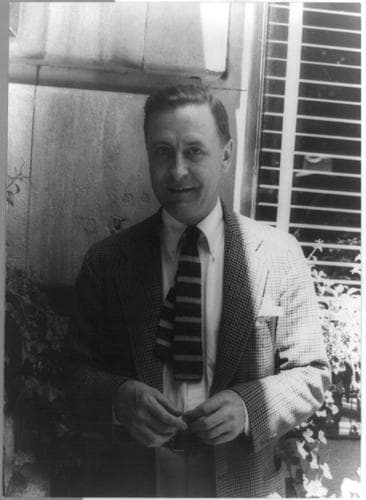
Francis Scott Key Fitzgerald was an American novelist, essayist, and short story writer. He is best known for his novels depicting the flamboyance and excess of the Jazz Age—a term he popularized in his short story collection Tales of the Jazz Age. During his lifetime, he published four novels, four story collections, and 164 short stories. Although he achieved temporary popular success and fortune in the 1920s, Fitzgerald received critical acclaim only after his death and is now widely regarded as one of the greatest American writers of the 20th century.
Similar books
- The Great Gatsby
F. Scott Fitzgerald
3.9 (3.8M) average on GoodreadsHistorical FictionExplores similar themes of wealth, love, and the American Dream in the Jazz Age with a tragic undertone.
- Tender is the Night
F. Scott Fitzgerald
3.8 (114k) average on GoodreadsLiterary FictionFollows the destructive relationship of a wealthy American couple in Europe, dealing with themes of mental health and decline.
- A Farewell to Arms
Ernest Hemingway
3.8 (263k) average on GoodreadsHistorical FictionShares the disillusionment and post-war despair common in Lost Generation literature, though with a different setting.
- The Age of Innocence
Edith Wharton
4.0 (139k) average on GoodreadsHistorical Fiction"The Beautiful and Damned" shares Wharton's interest in societal constraints and individual desires, but Wharton's novel often maintains a tighter narrative focus and a more subtle exploration of moral compromise within a high-society setting, whereas Fitzgerald's work is more overt in its depiction of moral decay.
- The Sun Also Rises
Ernest Hemingway
3.8 (366k) average on GoodreadsHistorical FictionBoth novels explore the disillusionment of a post-war generation. However, Hemingway's sparse, direct prose often achieves a more immediate emotional impact and a sense of lost purpose among the 'Lost Generation,' while Fitzgerald's more ornate style, though beautiful, occasionally creates a slight distance from the raw pain of his characters.
- The Old Man and the Sea
Ernest Hemingway
3.8 (831k) average on GoodreadsLiterary FictionA Cuban fisherman's long struggle with a giant marlin becomes a story of endurance and dignity, now retold for young adults with illustrations, phonetic guides, and writing prompts in Traditional Chinese.





Enjoyed the summary?
A summary gives you the shape of the book. The book itself has the detail, the examples and the voice.
Find The Beautiful and Damned on AmazonAs an Amazon Associate, BookBrief earns from qualifying purchases. How we're funded