
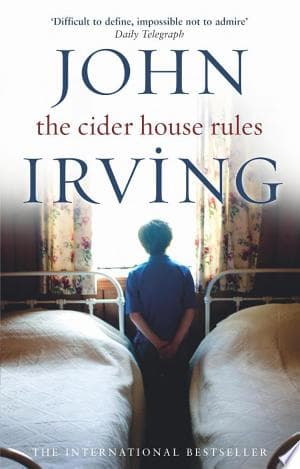
Synopsis
Covers the whole plot, including the ending.
- Difficulty
- Medium
- Pacing
- Moderate
- Mood
- Epic, Poignant, Thought-provoking, Melancholy
- Read it if
- You enjoy sprawling, character-driven sagas with a blend of humor, tragedy, and moral dilemmas, set against a rich historical backdrop.
- Skip it if
- You prefer fast-paced plots, lighthearted themes, or are uncomfortable with explicit descriptions of medical procedures and complex ethical issues.
The Cider House Rules Plot Summary
Covers the whole plot, including the ending.
Homer's Early Life at St. Cloud's Orphanage
Homer Wells is the oldest and most frequently returned orphan at St. Cloud's, an orphanage in rural Maine founded and run by the ether-addicted Dr. Wilbur Larch. Dr. Larch, a kind but unconventional man, delivers babies, performs abortions for desperate women, and cares for the orphans. Homer, having been returned many times, forms a bond with Dr. Larch, who begins to informally train him in medicine, including delivering babies and assisting with abortions. Homer, however, develops a strong moral objection to abortion, despite his respect for Larch. He learns the routines of the orphanage and the medical procedures, becoming Larch's apprentice.
Leaving St. Cloud's with Candy and Wally
As Homer nears adulthood, he wants to experience the world outside St. Cloud's. His chance comes when a young couple, Candy Kendall and Wally Worthington, visit the orphanage for an abortion. Wally is a pilot preparing for war, and Candy is his pregnant girlfriend. After Larch performs the procedure, Homer decides to leave with them, seeking to escape the orphanage. He says an emotional goodbye to Dr. Larch, who, despite his sadness, supports Homer's desire for independence. Homer joins Candy and Wally on their journey to the Worthington family's apple orchard, where Wally's family runs a successful cider mill.
Life at the Worthington Orchard and the Cider House Rules
Homer settles into the Worthington family's apple orchard, where he quickly learns apple picking and cider making. He finds a place among the seasonal migrant workers, many of whom are African American. The Worthington family, especially Mrs. Worthington, welcomes him, and he becomes part of their household. He reads the 'Cider House Rules' posted for the migrant workers, which everyone largely ignores, including the workers themselves, showing that rules are often made by those who do not follow them. Homer and Candy's friendship grows as Wally prepares for his military service.
Wally Goes to War and Homer's Growing Feelings for Candy
Wally Worthington eventually leaves for World War II, promising to return to Candy. In his absence, Homer and Candy's friendship turns into a deep, passionate love affair. They begin a secret relationship, driven by their affection and the uncertainty of Wally's return. Homer continues his work at the cider mill, learning all parts of the business, while Candy manages the household. Their secret romance brings them both joy and guilt, as they both care for Wally and feel bad about their betrayal.
Wally's Return and Homer's Dilemma
Tragedy happens when Wally's plane is shot down over Burma. He survives but returns home paralyzed from the waist down and unable to have children. His injuries are severe, and he needs constant care. Homer and Candy are devastated by Wally's condition, which makes their secret relationship much harder. They continue their affair, hidden from Wally and the rest of the family, but the guilt and the practical problems become too much. Homer, feeling responsible for Wally's well-being and deeply conflicted, struggles with his love for Candy and his loyalty to his friend.
Homer's Medical Expertise and the Migrant Workers
Because of his training with Dr. Larch, Homer has a lot of medical knowledge. The migrant workers, unable to afford or find regular healthcare, start asking for his help for various sicknesses, injuries, and even deliveries. He performs these services quietly, using the skills he learned at St. Cloud's. Homer delivers babies and provides general care, but consistently refuses to perform abortions, following his personal beliefs. His medical role among the workers makes him an important, though unofficial, healer in the community.
Melony's Return and the Threat to Homer's Life
A person from Homer's past, Melony, an older orphan from St. Cloud's, reappears at the Worthington orchard. Melony, who had a complex and often aggressive relationship with Homer at the orphanage, has always been protective of him, but also has a deep anger. She quickly figures out Homer and Candy's relationship and the secret of Wally's inability to have children. Melony, feeling betrayed by Homer's leaving the orphanage and his new life, threatens to expose their affair and reveal who Angel, Candy's child, really is, whom everyone believes is Wally's.
Dr. Larch's Decline and His Plans for Homer
Meanwhile, Dr. Larch at St. Cloud's is getting older and his health is declining. He continues his work, but his use of ether increases. Knowing he needs a successor, Larch begins to try to convince Homer to return and take over the orphanage. He sends Homer letters, creates a fake medical degree for him, and even plans for the orphanage's board of trustees to believe Homer is a real doctor. Larch believes only Homer has the compassion and knowledge to continue his work, including the important abortion services he provides.
The Truth About Angel and Homer's Decision
Melony's threats grow, and the truth about Angel, Candy and Homer's son, eventually comes out. The weight of their deception, Wally's condition, and Melony's constant presence forces a turning point. Homer realizes he cannot continue living this double life. At the same time, Dr. Larch's letters become more urgent, describing his failing health and the desperate need for Homer at St. Cloud's. Faced with the collapse of his life at the orchard and the call from his mentor, Homer makes the difficult decision to leave Candy, Wally, and Angel to return to the orphanage.
Homer's Return to St. Cloud's
Homer returns to St. Cloud's, where Dr. Larch and the orphans welcome him. Larch, having convinced the board of Homer's fake medical credentials, prepares him to take over. Homer, though still against abortion, understands the need for Larch's work in a world where safe options are few. He gradually takes on the full responsibilities of the orphanage and its medical practice. He embraces his role as the new Dr. Larch, finding his purpose in caring for the unwanted children and desperate women, finally making St. Cloud's his permanent home.
The Cider House Rules Characters
Homer Wells
Protagonist
An unadopted orphan who becomes a reluctant doctor and cider maker.
Homer is the central character, a kind-hearted and intelligent orphan raised by Dr. Larch. He is deeply moral and struggles with the ethical dilemmas presented by Larch's practice, particularly abortion. Homer is observant, empathetic, and initially naive about the world outside St. Cloud's. He seeks a place to belong and a purpose, which he finds first in the Worthington orchard and later, reluctantly, back at the orphanage. His journey is one of self-discovery, love, and ultimately, acceptance of his unique destiny. He is driven by a desire to help others and a longing for family.
Relationships: Dr. Wilbur Larch (mentor and father figure); Candy Kendall (lover and mother of his child); Wally Worthington (best friend and rival for Candy's affection); Melony (fellow orphan, complex and antagonistic relationship)
Dr. Wilbur Larch
Supporting
The eccentric, ether-addicted founder of St. Cloud's orphanage and Homer's mentor.
Dr. Larch is a complex and compassionate character, an obstetrician who also performs abortions for women in desperate circumstances. He is addicted to ether, which he uses to cope with the emotional toll of his work and a traumatic past. Larch is a visionary who believes in providing care, regardless of legality or societal judgment. He is Homer's surrogate father and mentor, recognizing Homer's potential and preparing him to take over St. Cloud's. He manipulates circumstances to ensure the future of his orphanage and its crucial services. His love for his orphans is profound.
Relationships: Homer Wells (protégé and adopted son); Nurse Edna (loyal colleague and friend); Nurse Angela (loyal colleague and friend)
Candy Kendall
Supporting
Wally's girlfriend and later Homer's lover and the mother of his child.
Candy is a beautiful and spirited young woman who initially comes to St. Cloud's for an abortion with Wally. She falls in love with Homer after Wally goes to war, leading to a complicated and guilt-ridden affair. She is loyal and caring, deeply devoted to both Wally and Homer, which causes her immense emotional turmoil. Candy represents the struggle between love, loyalty, and societal expectations. She is a strong survivor who endures great personal sacrifice for those she loves, particularly her son, Angel. Her strength is often understated.
Relationships: Homer Wells (lover and father of her child); Wally Worthington (fiancé/husband, childhood sweetheart); Angel (son)
Wally Worthington
Supporting
Candy's fiancé and Homer's best friend, who is paralyzed in WWII.
Wally is a charming, athletic, and good-natured young man from a wealthy family who owns the apple orchard. He befriends Homer and takes him in. Wally's life is tragically altered when he is paralyzed and rendered impotent during World War II. Despite his injuries, he maintains a kind and trusting demeanor, remaining largely unaware of Candy and Homer's affair. He represents innocence and the devastating impact of war. His character highlights themes of sacrifice, loyalty, and the secrets people keep to protect loved ones.
Relationships: Candy Kendall (fiancé/husband); Homer Wells (best friend); Mrs. Worthington (mother)
Melony
Supporting
An older, fiercely independent orphan from St. Cloud's who holds a grudge against Homer.
Melony is a tough, street-smart, and deeply resentful orphan from St. Cloud's who had a complicated, almost protective obsession with Homer during their childhood. She feels abandoned and betrayed when Homer leaves the orphanage. Melony reappears later in the story, becoming a catalyst for conflict as she uncovers and threatens to expose Homer and Candy's secret. She is a survivor, driven by a desire for independence and a lingering anger. Her character embodies the harsh realities faced by many orphans and acts as a moral provocateur for Homer.
Relationships: Homer Wells (fellow orphan, complex and antagonistic); Dr. Wilbur Larch (guardian, but she resents his control)
Mrs. Worthington
Supporting
Wally's mother and the matriarch of the apple orchard.
Mrs. Worthington is a kind and maternal woman who welcomes Homer into her family and the apple orchard. She is a strong, nurturing figure who manages the household and supports her family. She deeply loves her son, Wally, and is devastated by his injuries. Her character represents stability, tradition, and the warmth of family life, contrasting with the institutional coldness of the orphanage. She remains oblivious to the complexities of Homer and Candy's relationship, showcasing the layers of secrets within the family.
Relationships: Wally Worthington (son); Homer Wells (adopted son figure); Mr. Worthington (husband)
Mr. Worthington
Supporting
Wally's father and owner of the apple orchard and cider mill.
Mr. Worthington is a practical and hardworking man who runs the apple orchard and cider mill. He is a traditional figure, focused on the business and the family's legacy. He is less emotionally expressive than his wife but cares deeply for his family. He teaches Homer the trade of cider making and provides him with a stable job. His character represents the industriousness and values of rural Maine. He is also unaware of the romantic entanglement between Homer and Candy, highlighting the pervasive secrecy.
Relationships: Wally Worthington (son); Mrs. Worthington (wife); Homer Wells (employee, almost a surrogate son)
Angel
Supporting
Homer and Candy's son, raised as Wally's child.
Angel is the biological son of Homer and Candy, but is raised believing Wally is his father. He is a bright and innocent child, whose existence is a constant reminder of the secret affair between his parents. His character highlights the consequences of their choices and the complex web of love and deception. Angel represents the future and the hope that can emerge even from difficult circumstances. His paternity is a major plot point, and his well-being is a primary concern for both Homer and Candy.
Relationships: Homer Wells (biological father); Candy Kendall (mother); Wally Worthington (adoptive father figure)
Nurse Edna
Supporting
A loyal nurse at St. Cloud's, dedicated to Dr. Larch and the orphans.
Nurse Edna is one of Dr. Larch's two long-serving and devoted nurses at St. Cloud's. She is practical, kind, and fully committed to Larch's mission, assisting him with both deliveries and abortions. She acts as a surrogate mother figure to the orphans and is deeply fond of Homer. Her loyalty and unwavering support are crucial to the functioning of the orphanage. She is privy to all of Larch's secrets and helps him execute his plans for Homer's succession.
Relationships: Dr. Wilbur Larch (loyal colleague and friend); Nurse Angela (colleague and friend); Homer Wells (cared for him since childhood)
The Cider House Rules Themes
Choice and Consequence
The novel looks closely at the choices individuals make and their far-reaching effects. Dr. Larch's decision to perform abortions, though illegal, is a choice he believes saves lives and prevents more suffering. Homer's choice to leave St. Cloud's and then his choice to return are central, shaping his entire life. The secret affair between Homer and Candy is a choice that leads to years of guilt and deception, affecting Wally and their son, Angel. The 'cider house rules' themselves symbolize the often-ignored choices and moral codes that guide or fail to guide human behavior.
“What are the cider house rules? There are no cider house rules!”
Identity and Belonging
Homer's journey is about finding his identity and a place where he belongs. As an unadopted orphan, he constantly looks for a home. He tries to find it first at the Worthington orchard, living as a cider maker, and later, reluctantly, back at St. Cloud's. His 'name' as Homer Wells, a name that means his repeated returns, shows his struggle for a fixed identity. The orphans at St. Cloud's, the migrant workers at the orchard, and even Dr. Larch in his unconventional role, all deal with their place in society and who they are.
“He knew that he would never leave St. Cloud's for good; he was one of those who would always return.”
Morality and Ethics
A main theme is the complex relationship of morality and ethics, especially concerning abortion. Dr. Larch's ethics, where he performs abortions to prevent dangerous procedures and save lives, contrasts with Homer's initial, more absolute moral stance against it. The novel makes readers consider the differences between 'right' and 'wrong' in hard situations. The 'cider house rules' themselves, ignored by those they are for, show the gap between rules and real life, questioning how effective and fair rules are when those they apply to don't understand or agree with them.
“Larch believed that he was doing God's work, but Homer didn't know what God thought of abortion.”
Family and Love
The novel explores different kinds of family: the unconventional family of orphans and staff at St. Cloud's, the traditional Worthington family, and the hidden, complicated family formed by Homer, Candy, and Wally. Love is shown in many ways: Larch's fatherly love for Homer, the passionate and forbidden love between Homer and Candy, the loyal love between Candy and Wally, and the lasting love of parents for their children. The story looks at the sacrifices made for love and family, and the painful secrets kept to protect loved ones, challenging common ideas of what a family is.
“He was a good man, Wally was; he was the best man Homer Wells had ever known, and Homer Wells was in love with Wally's wife.”
Fate vs. Free Will
The story often touches on whether characters are meant for certain roles or if they actively choose their paths. Dr. Larch often speaks of Homer's 'destiny' to take over St. Cloud's, even going to great lengths to make it happen. Homer first resists, trying to build his own life at the orchard, but circumstances keep pulling him back to the orphanage. This shows a strong relationship between outside forces and personal choice. The idea that some individuals, like Homer, are uniquely suited for certain roles, regardless of what they want, appears often.
“You are an orphan, Homer Wells. You are an orphan, so I am your father. This is your home.”
Plot Devices & Literary Techniques
The Cider House Rules
A symbolic set of ignored regulations highlighting hypocrisy and moral ambiguity.
The 'Cider House Rules' are a list of regulations posted in the migrant workers' living quarters at the Worthington orchard. Ironically, no one, including the workers themselves, pays any attention to them. This device symbolizes the arbitrary nature of rules made by those in power for those they govern, and how often such rules are ignored or deemed irrelevant in practice. It highlights the gap between official morality and the realities of human behavior and survival, reflecting the larger moral ambiguities explored in the novel, particularly concerning Dr. Larch's practices.
Dr. Larch's Ether Addiction
A character detail that underscores the emotional toll of Larch's work and his escapism.
Dr. Larch's addiction to ether serves multiple purposes. It characterizes him as a man deeply affected by his profession—delivering babies and performing abortions for desperate women. The ether acts as a coping mechanism for the emotional and psychological burden he carries, providing a temporary escape from the grim realities of his work and his past. It also adds to his eccentric persona, making him a more complex and human figure, highlighting that even those who do 'God's work' have their own struggles and imperfections.
The Orphanage as a Microcosm
St. Cloud's represents a self-contained world mirroring broader societal issues.
St. Cloud's orphanage functions as a microcosm of society, complete with its own rules, hierarchies, and moral dilemmas. It is a place of both despair and hope, where unwanted children find a home and desperate women find medical care that society often denies them. The orphanage's isolation from mainstream society allows Dr. Larch to operate under his own moral code, making it a unique setting to explore themes of choice, morality, and the value of human life outside conventional judgment. It's a world Homer repeatedly tries to escape, only to realize it is where he truly belongs.
The Apple Orchard and Cider Mill
A setting symbolizing natural cycles, fertility, and the labor of life.
The apple orchard and cider mill serve as a symbolic setting that contrasts with the orphanage. Apples represent fertility, life, and temptation, while the cider mill represents the transformation of natural bounty into something processed, reflecting the cycles of life, birth, and death. The seasonal labor of the migrant workers underscores themes of social class and the dignity of work. The orchard initially offers Homer a taste of 'normal' life and love, but also becomes the setting for his secret, illicit relationship, highlighting the hidden complexities beneath a seemingly idyllic surface.
Fictional Biography/Medical Degree
A narrative contrivance used by Larch to secure Homer's succession, highlighting his manipulative love.
Dr. Larch fabricates a detailed fictional biography and medical degree for Homer to present to the orphanage board, ensuring Homer can legally take over St. Cloud's upon Larch's death. This device showcases Larch's deep love and commitment to Homer and the orphanage, as well as his willingness to bend or break rules for what he believes is a greater good. It highlights the theme of fate versus free will, as Larch essentially 'writes' Homer's destiny, and also underscores the institutional barriers that prevent unconventional but vital care from being provided.
The Cider House Rules Quotes
“Good-night, you princes of Maine, you kings of New England!”
“Everything changed the moment I stopped trying to be good.”
“You have to invent your own life, and then you have to appropriate it.”
“There are rules, and there are rules. And there are rules that you have to break.”
“What kind of man is it who never does what he's told, but always does what he feels?”
“The world is full of orphans, but it's not full of people who want to adopt them.”
“He knew that the world was a place of rules, of course, but it was also a place where rules were broken, and where people got away with it, and where people paid for it.”
“The only way to be good is to be good.”
“He had a job to do, and he would do it, but he would do it his way.”
“He didn't want to be good; he wanted to be useful.”
“Some rules are meant to be broken, and some are meant to be followed.”
“The most important thing to know about the world is that it's always changing.”
“He learned that sometimes the best thing you can do for someone is to let them go.”
“You don't just leave a place; you leave a part of yourself behind.”
Quiz
10 questions on the plot and the characters. Each answer comes with a short explanation.
Question 1
What is the primary reason Homer Wells is never adopted from St. Cloud's orphanage?
- He consistently ran away from foster homes and returned to St. Cloud's.
- He had a physical disability that made him less desirable to potential parents.
- Wilbur Larch intentionally sabotaged his adoptions to keep him at the orphanage.
- He was too old to be considered for adoption by most families.
Show answer
A. He consistently ran away from foster homes and returned to St. Cloud's. The book states that Homer kept his name and returned to St. Cloud's so many times after failed foster homes that the orphanage acknowledged his intention to make it his home, indicating he was the one who rejected the adoptions.
Question 2
What is Wilbur Larch's significant 'addiction' mentioned in the book's description?
- Alcohol
- Morphine
- Ether
- Opium
Show answer
C. Ether The book description explicitly states Wilbur Larch has 'an addiction to ether,' which he uses both for medical procedures and personal solace.
Question 3
What skill does Homer primarily learn from Wilbur Larch at St. Cloud's?
- Cider-making techniques
- Orphanage administration
- Midwifery and surgery
- Apple orchard management
Show answer
C. Midwifery and surgery Homer's 'early apprenticeship in the orphanage surgery' with Wilbur Larch involves learning medical procedures, particularly midwifery and performing abortions, which is a central theme.
Question 4
Why does Wilbur Larch perform abortions at St. Cloud's, despite it being illegal and controversial?
- He believes it's a necessary service for women in desperate situations, offering a 'choice' when there are none.
- He is paid handsomely by wealthy families to keep their daughters' pregnancies secret.
- He sees it as a way to ensure fewer children are abandoned to the orphanage.
- He is a nihilist who disregards all societal laws and moral conventions.
Show answer
A. He believes it's a necessary service for women in desperate situations, offering a 'choice' when there are none. Larch's motivation stems from his deep compassion and belief that women, particularly those from disadvantaged backgrounds, deserve the option of abortion when faced with impossible circumstances, even if it means breaking the law. He often says he helps them 'make their own rules'.
Question 5
What is the name of the estate where Homer eventually works making cider?
- Ocean View Orchards
- The Cider House
- Heart's Rock
- Ocean House
Show answer
D. Ocean House Homer leaves St. Cloud's and finds work at the Ocean House, an apple orchard and cider mill, run by the Worthington family.
Question 6
Who is Wally Worthington to Homer Wells?
- His biological father
- His closest friend and the husband of the woman he loves
- A rival in the cider-making business
- Another orphan from St. Cloud's who also left for the outside world
Show answer
B. His closest friend and the husband of the woman he loves Wally Worthington is Homer's closest friend at the Ocean House and the husband of Candy Kendall, with whom Homer develops a romantic relationship.
Question 7
What is the significance of the 'cider house rules' that Homer encounters at the Ocean House?
- They are strict regulations for cider production that Homer must meticulously follow.
- They are a list of chores and duties for the migrant workers, which Homer reads aloud but the workers ignore.
- They represent the unwritten moral code that governs the lives of the residents.
- They are the legal statutes that protect the rights of the workers at the apple orchard.
Show answer
B. They are a list of chores and duties for the migrant workers, which Homer reads aloud but the workers ignore. The 'cider house rules' are literally a list of rules posted for the migrant workers, which Homer reads to them. However, the workers, being illiterate, ignore them entirely, highlighting a theme of ignored rules and the creation of one's own moral code.
Question 8
What major event causes Homer to eventually return to St. Cloud's?
- Wally Worthington dies in a tragic cider press accident.
- Wilbur Larch dies, leaving the orphanage without a doctor.
- The Ocean House goes bankrupt, leaving Homer jobless.
- Candy Kendall leaves him to pursue a different life.
Show answer
B. Wilbur Larch dies, leaving the orphanage without a doctor. Homer eventually returns to St. Cloud's to take over as the doctor after Wilbur Larch's death, fulfilling Larch's long-held wish for Homer to succeed him.
Question 9
How does Homer's relationship with Candy Kendall evolve throughout the novel?
- They remain platonic friends, never acting on their mutual attraction.
- They have a long-term, secret affair while she is married to Wally, and eventually raise a child together.
- She initially rejects Homer but later pursues him after Wally leaves her.
- Their relationship is purely professional, centered around the cider business.
Show answer
B. They have a long-term, secret affair while she is married to Wally, and eventually raise a child together. Homer and Candy engage in a long-standing, secret affair, producing a child (Angel) who they raise with Wally believing he is the father, creating a complex family dynamic.
Question 10
What ethical dilemma does Homer face regarding abortion, differing from Wilbur Larch's approach?
- Homer initially refuses to perform abortions due to moral objections, unlike Larch who performs them readily.
- Homer believes abortions should only be performed on married women, while Larch helps anyone.
- Homer wants to legalize abortion, whereas Larch prefers to operate in secrecy.
- Homer charges exorbitant fees for abortions, while Larch performs them for free.
Show answer
A. Homer initially refuses to perform abortions due to moral objections, unlike Larch who performs them readily. Homer initially has strong moral objections to performing abortions, having been raised in an orphanage, and only performs them reluctantly or when absolutely necessary, in contrast to Larch's more proactive stance based on compassion and necessity.
The Cider House Rules FAQ
What is "The Cider House Rules" about?
"The Cider House Rules" follows the extraordinary life of Homer Wells, an orphan raised by Dr. Wilbur Larch at the St. Cloud's orphanage. Homer becomes Larch's protégé, learning both obstetrics and illegal abortion procedures, before leaving to experience the outside world, where he works in an apple orchard and grapples with love, friendship, and his moral compass regarding his past and future.
Why should I read "The Cider House Rules"?
You should read "The Cider House Rules" for its rich character development, its nuanced exploration of moral dilemmas surrounding abortion and personal freedom, and its unique blend of humor and tragedy. John Irving's distinctive narrative voice and the unforgettable setting of rural Maine and the St. Cloud's orphanage create a deeply moving and thought-provoking experience.
What is the background/setting of "The Cider House Rules"?
The story is primarily set in the mid-20th century, starting in the isolated St. Cloud's orphanage in rural Maine, founded by the ether-addicted Dr. Wilbur Larch. Later, Homer Wells ventures into the apple orchards and cider mill of Ocean View, Maine, offering a stark contrast between the sheltered, morally complex world of the orphanage and the harsh realities of the outside world.
What are the most memorable quotes?
Some memorable quotes include Dr. Larch's repeated instruction to the orphans, "Good night, you princes of Maine, you kings of New England!" and the rules posted in the cider house, which the migrant workers cannot read, highlighting themes of unwritten rules and societal blindness.
What writing style does the author use?
John Irving employs a distinctive, often digressive, and detailed narrative style, characterized by a blend of dark humor, tragic circumstances, and a strong sense of irony. He frequently foreshadows future events, creating a sense of dramatic irony and inevitability, while also using a straightforward, yet deeply empathetic, tone.
What minor details add significant meaning?
The repeated image of the orphans being sent to foster homes and returning, especially Homer, underscores their longing for a true home and the unique bond they share with St. Cloud's. Dr. Larch's ether addiction, while seemingly a vice, is presented as a coping mechanism for the immense emotional burden of his work, adding a layer of tragic humanity to his character.
What are some subtle foreshadowing moments?
Dr. Larch's constant training of Homer in both obstetrics and abortion subtly foreshadows Homer's eventual return to practice medicine and his internal conflict over performing abortions. Additionally, the early descriptions of Wally Worthington's adventurous spirit and his future as a pilot hint at the accident that will eventually incapacitate him.
What unexpected character connections exist?
A significant unexpected connection is the bond Homer forms with Candy Kendall and Wally Worthington, leading to a complex love triangle. Furthermore, the revelation of Dr. Larch's past, including his own youthful transgressions and the tragic loss of his child, connects deeply to his dedication to the orphans and his work.
What are unspoken character motivations?
Homer's unspoken motivation for not performing abortions, despite his training and skill, stems from his deep-seated moral conflict and a desire to differentiate himself from Dr. Larch, even as he loves and respects him. Dr. Larch's unwavering commitment to providing abortions, despite their illegality, is driven by a profound compassion for women in desperate situations, fueled by his own past experiences.
What psychological complexities do characters exhibit?
Homer exhibits a complex psychological struggle with identity and purpose, torn between his loyalty to Larch's legacy and his personal moral code. Candy Kendall grapples with guilt and love, maintaining a secret relationship with Homer while caring for Wally, showcasing the complexities of human desire and compassion.
What are the major emotional turning points?
A major emotional turning point is Homer's decision to leave St. Cloud's, marking his departure from a sheltered existence into the wider world. Another is Wally's war injury, which fundamentally alters the dynamics between Homer, Candy, and Wally, forcing them to confront difficult choices and reshape their lives.
How do relationship dynamics evolve?
The relationship between Homer and Dr. Larch evolves from a mentor-protégé dynamic to one of mutual respect and paternal affection, culminating in Larch's desire for Homer to succeed him. The love triangle between Homer, Candy, and Wally transforms from an innocent friendship into a passionate, guilt-ridden affair, and eventually into a complex, interdependent family unit.
Which parts remain ambiguous or open-ended?
The long-term societal acceptance of abortion, despite Homer's efforts, remains somewhat ambiguous. While Homer's work gains some legitimacy, the deep-seated moral debates surrounding it are left as ongoing societal challenges. The ultimate 'happiness' of the unconventional family unit Homer, Candy, and Wally form is also open to interpretation, suggesting life's compromises.
What are controversial scenes or decisions?
The most controversial aspect is Dr. Larch's decision to perform illegal abortions, which he views as a necessary service driven by compassion, directly challenging legal and moral norms. Homer's eventual decision to take Larch's place, despite his initial aversion, is also a highly debated moment, reflecting the complexity of his moral journey.
"The Cider House Rules" ending explained: how it ends & what it means
The novel ends with Homer Wells returning to St. Cloud's after Dr. Larch's death, finally embracing his destiny to run the orphanage and perform abortions, becoming the new Dr. Larch. He is greeted by the orphans with Larch's iconic line, "Good night, you princes of Maine, you kings of New England!" This ending signifies Homer's acceptance of his unique path, finding his true home and purpose in continuing Larch's controversial but compassionate work, ultimately fulfilling his mentor's legacy.
About the author

John Winslow Irving is an American-Canadian novelist, short story writer, and screenwriter.
Similar books
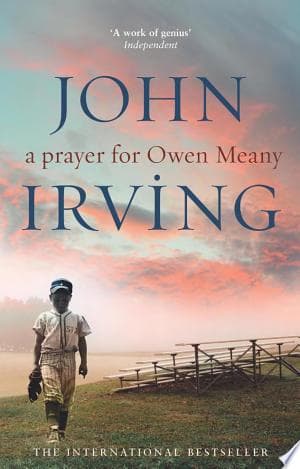
- A Prayer For Owen Meany
John Irving
4.2 (286k) average on GoodreadsLiterary FictionShares Irving's distinctive narrative voice, sprawling plot, and themes of destiny and unconventional characters.
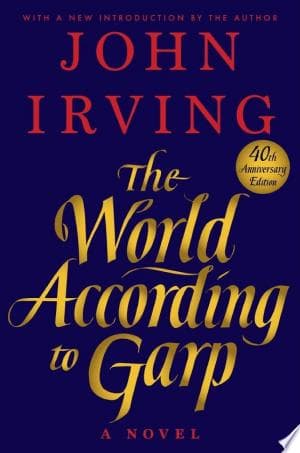
- The World According to Garp
John Irving
4.1 (205k) average on GoodreadsLiterary FictionFeatures Irving's signature blend of dark humor, social commentary, and a unique protagonist navigating a complex world.
- East of Eden
John Steinbeck
4.4 (429k) average on GoodreadsLiterary FictionA multi-generational saga exploring themes of good and evil, family, and destiny within a specific American setting.
- The Old Man and the Sea
Ernest Hemingway
3.8 (831k) average on GoodreadsLiterary FictionA Cuban fisherman's long struggle with a giant marlin becomes a story of endurance and dignity, now retold for young adults with illustrations, phonetic guides, and writing prompts in Traditional Chinese.
- One Hundred Years of Solitude
Gabriel García Márquez
4.1 (753k) average on GoodreadsLiterary FictionThrough the multi-generational story of the Buendía family, a mythical town deals with the repeating patterns of time, love, and solitude, as the extraordinary mixes with the ordinary.
- The Goldfinch
Donna Tartt
3.9 (720k) average on GoodreadsLiterary FictionHaunted by a tragic explosion and clutching a stolen Dutch masterpiece, a young orphan navigates the opulent drawing rooms of New York and the gritty underbelly of the art world, desperately seeking connection and redemption amidst a life spiraling into crime and obsession.




Enjoyed the summary?
A summary gives you the shape of the book. The book itself has the detail, the examples and the voice.
Find The Cider House Rules on AmazonAs an Amazon Associate, BookBrief earns from qualifying purchases. How we're funded