
Synopsis
Covers the whole plot, including the ending.
- Difficulty
- Medium
- Pacing
- Moderate
- Mood
- Satirical, Introspective, Disquieting, Absurdist
- Read it if
- You enjoy feminist literary fiction with a surreal edge, exploring themes of identity, societal pressure, and gender roles through a unique narrative voice.
- Skip it if
- You prefer fast-paced plots or straightforward, literal storytelling without much symbolism or psychological depth.
The Edible Woman Plot Summary
Covers the whole plot, including the ending.
The Engagement and the Pink Dress
Marian MacAlpin, who works in market research, gets engaged to her lawyer boyfriend, Peter. The engagement is shown as a logical, almost unavoidable step, not a passionate choice. Marian's friends, Clara and Ainsley, react differently to the news. Clara, who is very pregnant, offers a somewhat cynical view of home life. Marian finds herself increasingly focused on the details of their upcoming wedding, especially finding a suitable wedding dress. She eventually chooses a pink, frilly dress, which she later connects with feeling trapped and treated like an object, a symbol of the prescribed feminine role she is expected to take on.
The Office and Joe's Intrusion
At her market research job, Marian works with her three male colleagues, Duncan, Trevor, and Joe. Duncan is an aspiring poet and a somewhat odd intellectual. Trevor is a more traditional, aggressive man. Joe is the senior researcher, a seemingly stable and married man. Marian initially finds Joe somewhat annoying and overly confident. However, their work interactions start to become more personal. Joe, despite being married, begins to show interest in Marian, often making suggestive comments or pulling her into conversations that mix work and personal life. Marian feels growing discomfort with his advances, which she struggles to express or reject directly.
The First Food Aversions
As the wedding gets closer, Marian's unease increases, showing up as a strange and growing dislike for food. At first, she cannot eat meat, especially red meat, feeling a strong disgust for its texture and its connection to something once alive. This aversion then spreads to other food categories, including eggs, vegetables, and eventually, almost all processed foods. She tries to explain these new dietary restrictions, but they clearly come from a deeper psychological stress related to her upcoming marriage and the societal expectations placed on her. This inability to eat becomes a main symbol for her decreasing control over her own life and identity.
The Laundromat and Duncan
Marian has a chance meeting with Duncan, her eccentric colleague, at a laundromat. Duncan, who lives with two equally unusual roommates, is a graduate student interested in literary theory and an aspiring poet. Their conversation starts light but quickly becomes more intimate and personal. Marian feels drawn to Duncan's unconventional nature and his apparent lack of interest in traditional masculine roles. This meeting starts a secret relationship, where Marian seeks escape from the pressures of her engagement. Duncan, with his detached and intellectual approach to life, offers a strong contrast to Peter's conventional masculinity, appealing to Marian's desire for a different kind of connection.
Clara's Pregnancy and Birth
Marian spends time with her friend Clara, who is in the late stages of a difficult pregnancy. Clara's physical discomfort and emotional struggles during this time are clearly shown, further highlighting Marian's growing worries about the expectations placed on women. Marian sees Clara's labor and the birth of her baby, an experience that is far from perfect. Clara's postpartum depression and her struggle to adjust to motherhood offer a stark and unsettling parallel to Marian's own internal struggles with her upcoming marriage and the perceived loss of self that comes with it. Clara's experiences strengthen Marian's fears about how traditional female roles consume a person.
The Christmas Party and Peter's Revelation
At a Christmas party, Marian's food aversions are at their worst, making her feel increasingly alienated and misunderstood. Peter, unaware of how deeply distressed she is, expresses his frustration with her behavior. The party ends with a humiliating incident where Peter, after drinking too much, makes a crude joke about Marian's eating habits, implying she is trying to 'waste away' to avoid him. This public shaming, combined with his general insensitivity, pushes Marian to break off the engagement. The incident shows the basic disconnect between them and how much Marian feels consumed and misunderstood by Peter.
The Break-up and Duncan's Retreat
After the Christmas party incident, Marian officially breaks off her engagement to Peter. The breakup, while freeing in some ways, leaves her feeling lost. She turns to Duncan for comfort and connection, hoping to find solace in their unconventional relationship. However, Duncan, true to his detached nature, proves to be emotionally unavailable and unwilling to offer the support Marian needs. He retreats into his intellectual world, leaving Marian feeling just as isolated as before. Her attempts to find an alternative to the traditional male-female dynamic meet with similar disappointment, showing her struggle to find real connection.
The Edible Woman Cake
In a key moment of the novel, Marian bakes a large, detailed cake shaped like a woman, decorating it to look like herself, complete with a pink dress, mirroring the one she almost wore for her wedding. This act is the peak of her journey of self-discovery and rebellion. The cake represents her own consumed and objectified self, a physical sign of her feeling that she has been metaphorically eaten alive by societal expectations and male desires. She presents the cake to Peter, offering him the chance to 'eat' her, a symbolic reversal of the power dynamic.
Peter's Reaction and Marian's Release
Marian confronts Peter with the edible woman cake. Peter, horrified and confused by the gesture, cannot bring himself to eat it. His refusal to consume the cake, which represents Marian's 'edible' self, means he cannot truly understand or grasp the extent of her suffering and objectification. This rejection, however, frees Marian. By offering herself to be consumed and then being refused, she takes back her control. Immediately after this encounter, Marian finds herself able to eat again, starting with a piece of the cake itself. Her food aversions disappear, signaling her psychological recovery and renewed sense of self.
The Aftermath and New Beginnings
With her appetite back and her engagement broken, Marian starts a new path. She feels free and clear, recognizing how much she had allowed herself to be defined and consumed by others' expectations. While the future is uncertain, there is a sense of hope and self-control. The novel ends with Marian having shed the metaphorical skin of the 'edible woman,' ready to explore her own desires and define her own identity, free from the pressures of conformity and the consuming demands of traditional relationships. Her journey ends with a quiet but powerful act of self-reclamation.
Principal Figures
Marian MacAlpin
Protagonist
A young woman who experiences a psychological breakdown as her engagement approaches.
Marian is initially presented as a seemingly ordinary young woman, working in market research and engaged to a 'suitable' lawyer, Peter. She strives for normalcy and tries to conform to societal expectations of femininity and domesticity. However, beneath this compliant exterior, she harbors growing anxieties and a sense of unease about losing her identity within the confines of marriage. Her inner turmoil manifests physically as a severe aversion to food, symbolizing her feeling of being consumed and objectified.
Relationships: Peter (Fiancé, later ex-fiancé; represents conventional masculinity and societal expectations.); Duncan (Lover; an unconventional, intellectual, and emotionally detached alternative to Peter.); Clara (Friend; her experiences with pregnancy and motherhood mirror Marian's anxieties.); Ainsley (Friend; represents a more radical, independent female perspective.); Joe (Colleague; an older, married man who subtly pursues Marian, highlighting male predatory behavior.)
Peter
Antagonist/Supporting
Marian's conventional, somewhat insensitive fiancé.
Peter is a lawyer, embodying traditional masculinity and societal expectations. He is practical, stable, and somewhat oblivious to Marian's emotional struggles. He sees their relationship and impending marriage in conventional terms, expecting Marian to fit neatly into the role of a wife. His inability to understand or empathize with Marian's growing distress, particularly her food aversions, ultimately highlights his limitations and contributes to her breakdown. He is not malicious, but rather a product of the patriarchal society that Marian struggles against.
Relationships: Marian MacAlpin (Fiancé, later ex-fiancé; their relationship crumbles due to his inability to understand her inner turmoil.)
Duncan
Supporting
Marian's eccentric, intellectual, and emotionally detached lover.
Duncan is a graduate student and aspiring poet, living with two equally peculiar roommates. He represents an alternative to the conventional masculinity of Peter. He is intellectual, ironic, and emotionally distant, offering Marian a space where she feels less judged and consumed. However, his detachment ultimately proves to be another form of unavailability, as he is incapable of providing the emotional support Marian truly needs. He offers a temporary escape but no lasting solution to her identity crisis.
Relationships: Marian MacAlpin (Lover; their relationship is based on a shared sense of alienation and a lack of emotional commitment.)
Clara
Supporting
Marian's pregnant friend, whose experiences with motherhood provide a stark contrast to Marian's life.
Clara is a friend of Marian's who is heavily pregnant and later becomes a mother. Her experiences with the physical and emotional toll of pregnancy, childbirth, and postpartum life serve as a grim warning for Marian. Clara's exhaustion, discomfort, and eventual postpartum depression highlight the less glamorous and often overwhelming aspects of traditional female roles. She is a realistic portrayal of the sacrifices and challenges inherent in motherhood, deepening Marian's anxieties about her own future.
Relationships: Marian MacAlpin (Friend; Clara's experiences with domesticity and motherhood are a source of both empathy and fear for Marian.)
Ainsley
Supporting
Marian's independent and opinionated roommate.
Ainsley is Marian's roommate and friend, a strong-willed and opinionated woman who rejects traditional notions of marriage and domesticity. She is interested in feminist ideas and challenges conventional gender roles, even attempting to have a baby without a stable partner. Ainsley serves as a contrast to Marian's initial conformity, offering a more radical perspective on female independence and self-determination. Her actions, while sometimes extreme, push Marian to question her own choices and societal expectations.
Relationships: Marian MacAlpin (Friend and roommate; Ainsley's radical views challenge Marian's conventional thinking.)
Joe
Supporting/Mentioned
Marian's married colleague who makes advances towards her.
Joe is Marian's senior colleague at the market research firm. He is a married man who subtly, yet persistently, makes advances towards Marian. He represents a common type of male predatory behavior in the workplace, where power dynamics are exploited. His objectification of Marian contributes to her growing sense of being consumed and dehumanized, reinforcing her anxieties about male-female relationships. Marian's discomfort with Joe's actions, which she struggles to articulate, is another facet of her feeling unable to assert herself.
Relationships: Marian MacAlpin (Colleague; his inappropriate advances contribute to Marian's discomfort and feeling of being objectified.)
Millie
Supporting
A colleague at Marian's office.
Millie is a secretary at the market research firm where Marian works. She is often portrayed as a more traditional, gossipy, and somewhat superficial character, interested in office politics and appearances. Millie represents another type of female conformity, albeit one that is less introspective than Marian's. Her interactions with Marian highlight the different ways women navigate the workplace and social expectations, often through passive-aggressive behaviors or adherence to established norms. She adds to the background of female experience in the novel.
Relationships: Marian MacAlpin (Colleague; their interactions are generally superficial, reflecting different approaches to office life.)
Themes & Insights
The Consumption of Women
This main theme explores how society, and men specifically, 'consume' women, taking away their individuality and control. Marian's increasing food aversions directly show her feeling metaphorically eaten alive by the expectations of her engagement and the roles given to her. The ending, where she bakes and offers an 'edible woman' cake, directly symbolizes this theme, making Peter face the reality of how he and society have consumed her identity. This theme also shows up in Joe's aggressive advances and Peter's insensitivity.
“I was being eaten. I was being consumed. It wasn't by teeth, but by a kind of psychological absorption.”
Identity and Self-Loss
The novel looks at Marian's struggle to keep her sense of self as she nears marriage. Her engagement to Peter, while seemingly desirable, makes her feel like she is losing her unique identity and being shaped into a generic 'wife.' Her food aversions are a desperate, unconscious attempt to control her body and, by extension, herself, when she feels she has no control over her future. The loss of her ability to eat reflects the breakdown of her integrated self. Getting her appetite back at the end means she has put her identity back together.
“I was losing track of what was real. I was losing track of myself.”
Societal Expectations and Gender Roles
Atwood criticizes the strict gender roles placed on women in the mid-20th century. Marian's journey shows the pressure to fit an idealized image of femininity—to be a gentle, caring wife and mother. Clara's difficult pregnancy and postpartum experience, and Ainsley's strong rejection of traditional roles, offer different views on these expectations. The pink wedding dress, chosen by Marian, becomes a symbol of this forced femininity, which she eventually rejects in her act of rebellion. The novel reveals the psychological harm these expectations cause women.
“I felt as if I was being stuffed into a mold, and I didn't fit.”
The Body as a Site of Rebellion
Marian's body becomes the main place for her internal rebellion. Unable to express her distress verbally or consciously, her subconscious shows her worries through her growing food aversions. Her refusal to eat is a powerful, though involuntary, act of defiance against the forces that try to consume her. This physical sign of psychological distress highlights the deep connection between mind and body, and how the body can protest when other ways of expression are suppressed. Her eventual ability to eat again signals her psychological recovery and taking back her physical self.
“The food was turning into a symbol. It was turning into a weapon.”
Plot Devices & Literary Techniques
Food Aversion as Metaphor
Marian's inability to eat symbolizes her psychological distress and feeling of being consumed.
Marian's escalating inability to eat certain foods, starting with meat and expanding to almost all categories, is a central metaphorical device. It directly reflects her subconscious rejection of the life she is being pushed into and her feeling of being 'eaten' or consumed by societal expectations and her relationships with men. The specific foods she can't eat (e.g., meat, once-living things) further emphasize her revulsion towards the idea of consumption and the loss of life/self. Her recovery of appetite at the end signifies her psychological healing and reclamation of self.
The Edible Woman Cake
A literal representation of Marian's feeling of being objectified and consumed.
The cake, baked in the shape of a woman (specifically, Marian herself in her pink dress), is the novel's most iconic and potent plot device. It serves as a direct, physical manifestation of Marian's internal struggle. By creating and then offering this 'edible woman' to Peter, Marian forces a confrontation with the very concept of being consumed. Peter's inability to eat it, and Marian's subsequent ability to eat a piece herself, symbolizes her breaking free from the role of the 'edible woman' and reclaiming her own agency and appetite for life.
The Pink Dress
A symbol of conventional femininity and the restrictive roles imposed on women.
The pink, frilly wedding dress that Marian initially chooses, and later uses to decorate the edible woman cake, functions as a powerful symbol. It represents the idealized, almost doll-like image of womanhood that society expects her to embody as a bride and wife. Marian feels uncomfortable and constricted in the dress, mirroring her discomfort with the role it signifies. Its reappearance on the edible woman cake reinforces the idea that this feminine ideal is something to be consumed and discarded, rather than a genuine expression of self.
Contrasting Male Characters
Peter and Duncan represent two different, yet equally problematic, forms of male-female relationships.
The contrasting personalities of Peter and Duncan serve as a plot device to explore the limited options available to Marian. Peter represents conventional, patriarchal masculinity, stable but emotionally obtuse and consuming. Duncan, on the other hand, represents an intellectual, unconventional, but ultimately detached and emotionally unavailable alternative. Neither man truly sees or supports Marian as an individual, highlighting the pervasive nature of male-centric perspectives and the difficulty Marian faces in finding a fulfilling, egalitarian relationship. They are two sides of the same coin of female consumption.
The Edible Woman Quotes
“I was a success, I was a failure; I was a good person, I was a bad person. I was a human being, I was a woman. I was an individual, I was a stereotype. I was a person, I was a thing.”
“The trouble with you, Marian, is that you’re not living up to your potential. You’re too passive.”
“I started with the feet. They were the easiest, being small, and besides, I was hungry.”
“I was being eaten, or eating myself, or both. I was a consumer, I was consumed.”
“It was as though I was watching myself in a movie, but I was also the actress, and the camera, and the director.”
“I felt as if I were a container, and at the same time the contents of the container.”
“A man is what he does, a woman is what is done to her.”
“I couldn't eat the steak. It was too much like a piece of dead animal.”
“I was looking at myself through his eyes, and he was seeing a doll, a child, an empty vessel.”
“It was true that I didn't feel anything for him any more. I felt nothing at all.”
“I had become a consumer, and a product, and a package.”
“I hated the way she looked at me, as if I were a specimen, an exhibit.”
“The cake was a woman, a woman made of cake, and I was going to eat her.”
“I felt very much like a loaf of bread, fresh from the oven, with a crisp brown crust and a soft white interior.”
Quiz
10 questions on the plot and the characters. Each answer comes with a short explanation.
Question 1
What is Marian's profession at the beginning of the novel?
- Teacher
- Secretary
- Market researcher
- Librarian
Show answer
C. Market researcher Marian works for a market research firm, conducting surveys and analyzing consumer behavior.
Question 2
Who is Marian's fiancé?
- Duncan
- Peter
- Joe
- Len
Show answer
B. Peter Marian is engaged to Peter, a serious and conventional lawyer.
Question 3
What specific food item does Marian first begin to have trouble eating?
- Meat, specifically steak
- Vegetables, particularly carrots
- Dairy products, like milk and cheese
- Baked goods, such as bread and cake
Show answer
A. Meat, specifically steak Marian's eating issues begin with her aversion to meat, especially when confronted with a large steak.
Question 4
Which of Marian's friends is depicted as a 'femme fatale' type, often involved with multiple men?
- Clara
- Ainsley
- Lucy
- Lenore
Show answer
D. Lenore Lenore is Marian's glamorous, self-assured friend who navigates relationships with a detached, almost predatory, ease.
Question 5
What is the symbolic significance of the 'edible woman' cake Marian bakes at the end of the novel?
- It represents her desire to conform to societal expectations of femininity.
- It symbolizes her reclaiming her body and identity after feeling consumed by others.
- It is a literal representation of her eating disorder.
- It's a gift for Peter to show her renewed commitment to their marriage.
Show answer
B. It symbolizes her reclaiming her body and identity after feeling consumed by others. The edible woman cake, which Marian bakes and then eats, signifies her act of consuming her own 'image' and reclaiming her selfhood from the roles imposed upon her.
Question 6
What is Duncan's primary academic focus?
- English Literature
- Sociology
- Modern Languages (specifically Victorian literature)
- Philosophy
Show answer
C. Modern Languages (specifically Victorian literature) Duncan is a graduate student specializing in Victorian literature, which Marian finds both intriguing and frustrating.
Question 7
What does Marian's friend Ainsley plan to do to avoid the societal pressures of marriage and traditional family structures?
- Move to a commune in the countryside.
- Have a baby out of wedlock with a man she selects for his genes, without his knowledge.
- Become a successful career woman and remain single.
- Travel the world indefinitely.
Show answer
B. Have a baby out of wedlock with a man she selects for his genes, without his knowledge. Ainsley devises a plan to get pregnant by a man she considers genetically suitable, without marrying him or even informing him of her intentions, as a way to circumvent traditional roles.
Question 8
The novel is structured in three parts. What major thematic shift is reflected in the transition from Part II to Part III?
- From Marian's engagement to her breaking it off with Peter.
- From Marian's growing detachment from food and her body to her eventual symbolic reclamation of self.
- From her mundane office job to her exploration of artistic pursuits.
- From her life in the city to her brief escape to the countryside.
Show answer
B. From Marian's growing detachment from food and her body to her eventual symbolic reclamation of self. Part II details Marian's increasing inability to eat and her sense of her body disintegrating, while Part III shows her psychological breakdown and subsequent rebuilding of her identity, culminating in her eating the 'edible woman' cake.
Question 9
How does Marian's perception of Peter change throughout the novel, particularly in relation to the theme of consumption?
- She initially sees him as a stable provider, but later views him as an active participant in her 'consumption'.
- She always sees him as a loving and supportive partner, despite her own struggles.
- She initially finds him boring, but eventually appreciates his conventionality.
- Her perception of him remains largely unchanged, as he is a static character.
Show answer
A. She initially sees him as a stable provider, but later views him as an active participant in her 'consumption'. Initially, Peter represents stability, but as Marian's internal crisis deepens, she begins to perceive him, and the institution of marriage he represents, as actively trying to 'consume' her identity.
Question 10
What literary technique does Atwood employ through Marian's increasingly specific food aversions and her sense of her body parts detaching?
- Foreshadowing
- Stream of consciousness
- Symbolism and body horror/disintegration as metaphor
- Irony
Show answer
C. Symbolism and body horror/disintegration as metaphor Marian's food aversions and the feeling that her body parts are detaching are symbolic manifestations of her psychological disintegration and her feeling of being consumed or objectified by societal expectations, often bordering on body horror.
The Edible Woman FAQ
What is the central premise of 'The Edible Woman'?
The novel follows Marian MacAlpin, a young woman working in market research, who begins to experience a disassociation from food as her engagement to the seemingly conventional Peter deepens. This culinary rebellion mirrors her growing unease with societal expectations of women and the 'ordinary' life she is expected to embrace.
Who are the key characters in Marian's life at the beginning of the novel?
Marian's primary relationships are with her fiancé, Peter, a serious and somewhat conservative lawyer, and her best friend, Ainsley, who is more overtly rebellious and interested in unconventional relationships. She also interacts with her colleagues, especially Duncan, a detached graduate student, and the women in her office.
How does Marian's relationship with food evolve throughout the story?
Initially, Marian enjoys food, but as her engagement progresses, she gradually loses her appetite for various items, perceiving them as 'edible' in a threatening way. This culminates in her inability to eat anything perceived as having a face or a distinct form, reflecting her feeling of being consumed or objectified.
What is the significance of the 'edible woman' cake in the climax?
The 'edible woman' cake, a life-sized sponge cake representation of a woman, serves as Marian's symbolic rejection of the role she's being forced into. By baking and then symbolically 'eating' the cake, she reclaims her agency and externalizes the feeling of being consumed, transforming herself from the consumed into the consumer.
What kind of office environment does Marian work in, and how does it influence her?
Marian works in a market research firm, a sterile and analytical environment where she conducts surveys about consumer preferences, particularly for feminine products. This job ironically requires her to categorize and analyze women's desires, while she herself struggles with her own identity and societal expectations, contributing to her feeling of being a researched subject.
Are there any subtle foreshadowing elements regarding Marian's eventual breakdown?
Yes, early in the novel, Marian's detached observations of her colleagues, particularly the 'three virgins' and her own increasing discomfort with the superficiality of her life, hint at her growing internal conflict. Her initial mild aversion to certain foods or her feeling of being a 'thing' rather than a person also subtly foreshadow her later symptoms.
What is the symbolic meaning behind Peter's hobby of photography and his focus on Marian?
Peter's photography, especially his desire to capture Marian in specific poses, symbolizes his attempt to 'frame' and control her image, reducing her to a static, idealized object. This act reflects his desire for a conventional wife and contributes to Marian's feeling of losing her authentic self, becoming merely a visual representation for him.
How do the 'three virgins' in Marian's office contribute to the novel's themes?
The 'three virgins' (Lucy, Millie, and Emmy) represent different archetypes of women confined by societal expectations, often portrayed as passive or overly concerned with appearances. They serve as a subtle commentary on the limited roles available to women and act as a foil to Marian's own internal struggle for individuality and escape from such pigeonholing.
Is there a connection between Duncan and Marian's eventual 'recovery' or self-discovery?
Duncan, with his detached and unconventional nature, offers Marian a different kind of male interaction, one that is less about possession and more about mutual observation. While not a romantic ideal, his indifference to traditional roles provides a space for Marian to experiment with her own identity and ultimately contributes to her breaking free from Peter's expectations.
How does Marian's disassociation from food reflect her psychological state?
Marian's inability to eat symbolizes her psychological rejection of the roles and identities being imposed upon her by patriarchal society, particularly through her engagement to Peter. Each food item she rejects represents a part of herself or a societal expectation she finds indigestible, signifying her loss of self and autonomy.
What role does Marian's passivity play in her initial struggles?
Marian's initial passivity and desire to be 'ordinary' contribute significantly to her internal turmoil. By not actively resisting or articulating her discomfort early on, she allows herself to be molded by Peter and societal expectations, leading to a build-up of unexpressed frustration that manifests as her eating disorder.
How does the novel explore the concept of emotional cannibalism?
The novel portrays emotional cannibalism through characters like Peter, who metaphorically consume Marian's identity and individuality by trying to shape her into his ideal wife. Marian's eating disorder is a response to feeling 'eaten' or diminished by these external pressures, highlighting the destructive nature of relationships where one person's identity is sacrificed for another's.
What is the psychological significance of Marian's 'third-person' narration in some parts?
The shift to third-person narration for Marian, particularly during her more intense periods of disassociation and mental distress, emphasizes her feeling of detachment from her own body and identity. It signifies a profound alienation from herself, as if she is observing her own life from an external, objective viewpoint, mirroring her objectification.
Is 'The Edible Woman' a feminist novel, and if so, in what ways?
Yes, it is widely considered a foundational feminist novel, particularly for its exploration of women's roles in patriarchal society during the 1960s. It critiques the pressures on women to conform to domesticity, sacrifice their identities for marriage, and be 'consumed' by male expectations, using Marian's rebellion as a metaphor for female liberation.
How does the ending of the novel signify Marian's personal growth or transformation?
The ending, where Marian bakes and then offers the 'edible woman' cake to Peter and Duncan, signifies her rejection of her former passive self and her reclaiming of agency. By offering the cake, she externalizes her 'consumed' self and asserts her newfound ability to choose, marking a symbolic rebirth and a step towards self-definition.
What is the role of humor and satire in conveying the novel's serious themes?
Atwood uses dark humor and satire, particularly in Marian's observations of her colleagues and the absurdities of consumer culture, to highlight the ridiculousness and oppressiveness of societal expectations without being overtly didactic. This allows the serious themes of female objectification and identity loss to be explored with a biting wit that enhances their impact.
Can Marian's eating disorder be seen as a form of protest?
Absolutely. Marian's eating disorder is a non-verbal, visceral protest against the conventional life and identity that is being thrust upon her. It is her body's way of rebelling when her conscious mind struggles to articulate or act on her discomfort, making it a powerful, if self-destructive, form of resistance.
What statement does the novel make about gender roles and expectations in the 1960s?
The novel sharply critiques the restrictive gender roles of the 1960s, particularly the expectation for women to prioritize marriage and domesticity above personal ambition or individuality. It exposes how society subtly 'consumes' women's identities, forcing them into predefined roles where their primary value is tied to their relationship with men.
How does the character of Ainsley serve as a foil to Marian?
Ainsley represents a more outwardly rebellious and experimental approach to womanhood, contrasting sharply with Marian's initial desire for normalcy. While Ainsley's attempts at unconventional living also have their own pitfalls, her willingness to defy norms provides Marian with an alternative perspective and highlights the different paths women could take in challenging societal expectations.
About the author

Margaret Eleanor Atwood is a Canadian poet, novelist, literary critic, essayist, teacher, environmental activist, and inventor. Since 1961, she has published eighteen books of poetry, eighteen novels, eleven books of non-fiction, nine collections of short fiction, eight children's books, two graphic novels, and a number of small press editions of both poetry and fiction. Atwood has won numerous awards and honors for her writing, including two Booker Prizes, the Arthur C. Clarke Award, the Governor General's Award, the Franz Kafka Prize, Princess of Asturias Awards, and the National Book Critics and PEN Center USA Lifetime Achievement Awards. A number of her works have been adapted for film and television.
Similar books
- The Bell Jar
Sylvia Plath
4.0 (591k) average on GoodreadsPsychologyExplores a young woman's mental breakdown and struggle for identity against societal expectations.
- Surfacing
Margaret Atwood
3.5 (22k) average on GoodreadsLiterary FictionAnother Atwood novel dealing with a woman's psychological journey and alienation from modern society.
- My Year of Rest and Relaxation
Ottessa Moshfegh
3.7 (81k) average on GoodreadsLiterary FictionFeatures a female protagonist experiencing extreme detachment and physical withdrawal from the world.
- Fear of Flying
Erica Jong
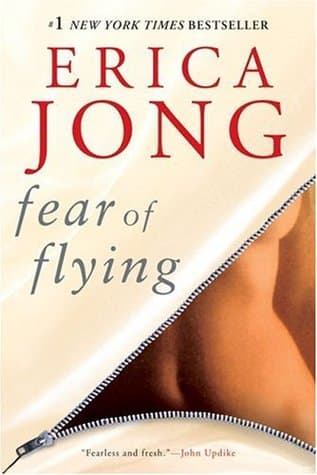
3.5 (19k) average on GoodreadsRomanceBoth novels are significant feminist texts from the 1970s that challenge traditional gender roles. However, Jong's Fear of Flying focuses more on sexual liberation and the 'zipless fuck' as a form of female empowerment, with its protagonist Isadora Wing actively seeking sexual adventures. In contrast, Atwood's The Edible Woman examines a more internal, psychological rebellion against consumption and objectification, with Marian's struggle manifesting as a withdrawal from consumption rather than an active pursuit of pleasure. Atwood's critique is often more subtle and allegorical, while Jong's is more direct and sexually explicit.
- The Old Man and the Sea
Ernest Hemingway
3.8 (831k) average on GoodreadsLiterary FictionA Cuban fisherman's long struggle with a giant marlin becomes a story of endurance and dignity, now retold for young adults with illustrations, phonetic guides, and writing prompts in Traditional Chinese.
- One Hundred Years of Solitude
Gabriel García Márquez
4.1 (753k) average on GoodreadsLiterary FictionThrough the multi-generational story of the Buendía family, a mythical town deals with the repeating patterns of time, love, and solitude, as the extraordinary mixes with the ordinary.





Enjoyed the summary?
A summary gives you the shape of the book. The book itself has the detail, the examples and the voice.
Find The Edible Woman on AmazonAs an Amazon Associate, BookBrief earns from qualifying purchases. How we're funded