

Synopsis
Covers the whole plot, including the ending.
- Difficulty
- Medium
- Pacing
- Moderate
- Mood
- Atmospheric, Evocative, Bittersweet, Magical, Familial
- Read it if
- You enjoy character-driven literary fiction with a touch of magic realism, set against a rich historical backdrop like WWII England, and appreciate stories about complex family dynamics.
- Skip it if
- You prefer fast-paced plots, clear-cut fantasy elements, or straightforward historical accounts without any magical or ambiguous undertones.
The Facts of Life Plot Summary
Covers the whole plot, including the ending.
The Arrival of Frank
The story begins in 1940s Coventry. Young Frank, about six, is left by his mother, Cassie, at the busy home of his grandmother, Ma, and her seven daughters—his aunts. Cassie, an actress, promises to return soon, but the promise feels empty. Frank enters the chaotic, feminine world of 22 Sycamore Street. His aunts, each with a strong personality, include practical May, artistic Phyllis, spiritual Ursula, wild Lily, quiet Rose, beautiful Daisy, and youngest Iris. Ma, the matriarch, rules firmly but lovingly. Frank, an observant and often quiet child, starts to navigate this new world as the only boy among many women.
Life at 22 Sycamore Street
Frank quickly becomes a part of the household, though often overlooked. He sees the sisters' arguments, dreams, and secrets. May, the oldest, helps Ma run the home, while Phyllis paints and dreams of leaving Coventry. Ursula is deeply religious and mystical, often seeing omens. Lily is rebellious and dramatic, while Rose is quiet and reads often. Daisy, the most beautiful, draws many suitors, and Iris, the youngest, is finding her way. The house is busy with rationing, war work, and constant air raid threats. Frank experiences these with a child's mix of fear and wonder, finding comfort in his family's collective strength.
The Blitz and Its Aftermath
The war's terror comes to Coventry with the devastating Blitz. Frank and his family huddle in their shelter, hearing bombs fall as the city burns. The experience is traumatic, leaving lasting marks. Their home, though damaged, survives, but the city around them is destroyed. The shared trauma brings the family closer, showing their survival instincts and reliance on each other. Frank, though young, sees the vast destruction and loss, and his aunts' and grandmother's resilience becomes a key image for him. Afterward, the family works together to rebuild amid the rubble.
Lily's Disappearance and Return
Lily, always the most impulsive sister, falls for a soldier and, against Ma's wishes, elopes. Her disappearance causes a deep upset in the home, leaving Ma heartbroken and the other sisters worried and gossiping. Frank observes the tension and sadness her absence creates. Months later, Lily returns, very pregnant and abandoned by the soldier. Her return brings relief mixed with new tension, as Ma struggles to forgive her and the sisters absorb the shock. Frank, a quiet witness to her vulnerability, sees a different side to his usually boisterous aunt as she prepares for motherhood, adding to the complex family dynamic.
The Birth of Lily's Baby
Lily gives birth to a boy named David, further expanding the already crowded home at Sycamore Street. The birth brings joy and new purpose, but also more strain on family resources and Ma's patience. Frank finds himself with a baby cousin and observes the new dynamic. Lily, despite her past rebellion, settles into motherhood, though with her usual fiery spirit. The baby's presence symbolizes life continuing amid war's destruction and becomes a focus for the sisters' affections, even as it highlights the challenges of their unusual living situation. Frank, still the quiet observer, watches this new life unfold.
Phyllis's Artistic Aspirations
Phyllis, the artistic sister, continues to pursue painting, often retreating to her room or quiet corners to work. Her art becomes a way to express unspoken emotions and observations within the family. Frank is often drawn to her studio, fascinated by her colors and forms. Phyllis's artistic nature often clashes with Ma's and May's more practical concerns, but her dedication to her art contrasts with the domestic duties and war worries that consume the others. Her desire for a life beyond Coventry, driven by her art, hints at future departures and the longing for individual expression that runs through the family.
Ursula's Spiritual Journey
Ursula, the most spiritual sister, becomes more absorbed in her religious and mystical beliefs. She interprets dreams, sees omens in daily life, and often speaks of a higher purpose. Her statements, sometimes unsettling, sometimes comforting, are a constant presence. Frank, not fully understanding, is influenced by her unique view of the world, which often blends the ordinary with the magical. Ursula's spirituality balances the other sisters' more grounded concerns, suggesting a deeper, unseen reality at play in their lives and the world, especially during the uncertain times of war.
The Post-War Years and New Beginnings
The war ends, bringing relief and cautious hope to Sycamore Street. The sisters begin to imagine futures beyond war's immediate needs. Daisy, always beautiful, continues to attract attention and dreams of marriage. Iris, the youngest, begins to assert her identity, moving from childhood to adolescence. Men return from war, bringing new possibilities for romance and stability, but also challenges of reintegration. Frank, growing older, observes these changes, sensing the shifts that will alter the close-knit family. The house, once a fortress against war, now feels like a starting point for individual destinies.
Daisy's Romance and Departure
Daisy, the family's beauty, falls in love with a returning soldier and plans to marry. Her upcoming marriage marks a turning point; she is the first sister to truly leave home and make her own way. Her departure is bittersweet, bringing joy for Daisy and a sense of loss for the remaining sisters and Ma, who see their close unit beginning to break apart. Frank, now a young boy, experiences the changing dynamics as his aunts start to seek lives outside the collective. Daisy's departure symbolizes an era's end and the inevitable scattering of the once indivisible family.
Frank's Evolving Perspective
As Frank grows from a boy into a thoughtful young man, his understanding of his aunts and Ma deepens. He starts to see the unspoken histories, hidden sorrows, and the unique 'magic' that seems to fill their lives—from Ursula's prophecies to the women's sheer resilience and emotional intensity. He realizes that his aunts, despite their quirks, are bound by an unbreakable tie and shared history. His role as an observer changes; he begins to actively interpret the 'facts of life' presented to him, understanding that the extraordinary, almost fantastical, elements of his upbringing are as real as the ordinary, shaping his identity and view of the world.
The Facts of Life Characters
Frank
Protagonist
The quiet, observant boy at the heart of the family.
Frank is a young boy, initially six years old, who is left by his mother with his grandmother and seven aunts in Coventry. He is a quiet, highly observant child, often described as an 'innocent witness' to the chaotic and vibrant lives of the women around him. He rarely speaks, preferring to absorb the intricacies of their relationships, their individual eccentricities, and the magical undertones of their existence. His perspective is the lens through which the reader experiences the family's story, particularly during the war and the post-war years.
Relationships: Ma (grandmother, primary caregiver); Cassie (mother, absent figure); May, Phyllis, Ursula, Lily, Rose, Daisy, Iris (aunts, surrogate mothers)
Ma
Supporting
The indomitable matriarch of the family.
Ma is the formidable grandmother and head of the household at 22 Sycamore Street. She is a strong, pragmatic, and deeply loving woman who presides over her seven daughters and grandson with a firm hand. She is the anchor of the family, providing stability and order amidst the chaos of wartime and the individual dramas of her daughters. Though often exasperated by their antics, her fierce devotion to her family is unwavering. She embodies resilience and tradition, holding the family together through thick and thin.
Relationships: Frank (grandson, cared for); May, Phyllis, Ursula, Lily, Rose, Daisy, Iris (daughters, her primary concern)
May
Supporting
The eldest and most pragmatic of the sisters.
May is the eldest of Ma's seven daughters and often acts as a second-in-command, helping Ma run the household. She is practical, responsible, and often the voice of reason among her more impulsive or artistic sisters. May shoulders much of the domestic burden and is fiercely protective of her family, though sometimes prone to a quiet resentment of her responsibilities. She represents the grounded, everyday reality of their lives.
Relationships: Ma (daughter, co-manager of household); Frank (aunt, caregiver); Other Sisters (sister, often the mediator)
Phyllis
Supporting
The artistic and contemplative sister.
Phyllis is one of Frank's aunts, distinguished by her artistic nature. She loves to paint and often retreats into her own world of creative expression. She is more introspective and sensitive than some of her sisters, and her art provides a window into the deeper emotions and observations within the family. Phyllis yearns for a life beyond Coventry, driven by her artistic ambitions, and her perspective offers a contrast to the more domestic concerns of the household.
Relationships: Frank (aunt, admired by Frank); Other Sisters (sister, sometimes misunderstood)
Ursula
Supporting
The spiritual and mystical sister.
Ursula is the most spiritual and religious of the sisters. She often interprets dreams, sees omens, and speaks of a deeper, unseen world. Her beliefs verge on the mystical, and she sometimes makes pronouncements that are both unsettling and strangely comforting. Ursula provides a connection to the magical realism elements of the story, her unique perspective suggesting that there is more to life than what is immediately apparent. She is often seen as eccentric but is deeply loved.
Relationships: Frank (aunt, a source of wonder and slight fear); Other Sisters (sister, often humored or consulted)
Lily
Supporting
The wild, rebellious, and passionate sister.
Lily is the fiery and impulsive sister, known for her rebellious spirit and dramatic flair. She is passionate and headstrong, often clashing with Ma's authority. Her elopement with a soldier and subsequent return with a baby are central events in the early part of the story, highlighting her independent nature and the consequences of her choices. Despite her wildness, she is fiercely protective of her son, David, and deeply devoted to her family in her own way.
Relationships: Ma (daughter, often in conflict); Frank (aunt, a dramatic figure); David (son, deeply loved)
Daisy
Supporting
The beautiful and romantic sister.
Daisy is the most beautiful of the sisters, attracting many suitors with her charm and looks. She embodies romance and dreams of a life filled with love and happiness. Her eventual marriage and departure from the family home mark a significant turning point in the narrative, symbolizing the inevitable scattering of the once-unified family. Daisy represents the yearning for individual love and a separate future.
Relationships: Frank (aunt, a figure of beauty); Other Sisters (sister, admired for her beauty)
Iris
Supporting
The youngest sister, growing into her own identity.
Iris is the youngest of Ma's daughters, still finding her place and identity within the bustling household. As the story progresses, she transitions from childhood into adolescence, observing her older sisters' lives and beginning to assert her own personality. Iris represents the future and the evolving generation, often reflecting the changing times and social norms as the war ends and new possibilities emerge.
Relationships: Frank (aunt, close in age to Frank); Other Sisters (sister, learning from their experiences)
Cassie
Mentioned
Frank's absent mother.
Cassie is Frank's mother, an actress who leaves him with Ma and her sisters at the beginning of the story. She is largely an absent figure, her promises of return often unfulfilled. Her profession and her transient lifestyle contrast sharply with the grounded, communal existence of the family in Coventry. Cassie represents the pull of the outside world and the sometimes-unreliable nature of parental love, leaving Frank to be raised by his aunts.
Relationships: Frank (mother, largely absent); Ma (daughter, often a source of worry)
The Facts of Life Themes
Family and Belonging
A main theme is the family's unusual, yet fiercely loyal, bond at 22 Sycamore Street. Despite individual quirks, arguments, and different goals, the seven sisters and Ma form a strong unit, especially against outside threats like war. Frank's journey is about finding his place and understanding what it means to belong to such a unique group. This theme appears in their communal living during the Blitz, where they huddle for survival, and in their collective support for Lily when she returns pregnant, showing that family goes beyond judgment.
“They were like a single organism, each sister a vital part of the whole, breathing the same air, sharing the same blood, even when they fought.”
Resilience and Survival
The novel shows the resilience of the human spirit, especially women, during hardship. The family endures the devastating Coventry Blitz, rationing, personal heartbreaks, and constant war threats. Yet, they find ways to survive and maintain their spirit and hope. Ma's steady strength, May's practicality, and even Lily's ability to recover from trouble demonstrate this theme. Their ability to rebuild their lives and city after the bombings shows their collective and individual strength.
“The city might be broken, but they were not. They had seen worse, and they would see it through.”
The Nature of Reality and Magic
Graham Joyce blends the realities of wartime life with magical realism. Ursula's prophecies, the family's intuitive understanding of each other, and a sense of almost supernatural protection over their home suggest that reality is more fluid and mysterious than it seems. Frank, as an innocent observer, is especially aware of these subtle 'magical' events, which the family treats as 'facts of life'. This theme is seen in Ursula's uncanny predictions and the family's shared dreams or feelings that go beyond logical explanation.
“There were things in that house, Frank knew, that couldn't be explained by logic or reason, but were as true as the bricks and mortar around them.”
Individual Identity vs. Collective Identity
The novel explores the tension between the family's strong collective identity and each sister's individual goals. While bound together, each woman wants her own path: Phyllis for her art, Daisy for love, Lily for freedom. The war initially forces them into a collective life, but as it ends, the desire for individual lives grows, leading to departures and changes. This theme is highlighted by Daisy's marriage and Phyllis's artistic pursuits, which pull them away from the immediate family unit.
“To be a Sycamore Street woman was to be part of something vast and ancient, but each of them still longed for a name, a life, that was solely their own.”
Plot Devices & Literary Techniques
Child's Perspective Narrator
The story is told primarily through the eyes of young Frank.
The use of Frank as the primary narrator, particularly in his early years, allows for a unique blend of innocent observation and subtle magical realism. A child's perspective often accepts the extraordinary as commonplace, making the mystical elements of the story feel natural and unquestioned. This perspective also highlights the subjective nature of memory and how early experiences shape one's understanding of the world, allowing the reader to experience the family's quirks and the war's impact through a less jaded, more impressionable lens, emphasizing wonder and raw emotion.
Magical Realism
The integration of fantastical elements into an otherwise realistic setting.
Magical realism is a key device, blending the gritty reality of wartime Coventry with subtle, unexplained magical occurrences. Ursula's prophecies, the shared intuitions among the sisters, and a general sense of an enchanted atmosphere within the ordinary household are central. This device elevates the family's story beyond simple historical fiction, suggesting a deeper, almost mythical significance to their lives and resilience. It allows the extraordinary strength and interconnectedness of the family to manifest in tangible, yet subtle, fantastical ways, enriching the emotional and thematic depth of the narrative.
The House at 22 Sycamore Street
The family home acts as a central character and symbolic fortress.
The house itself is more than just a setting; it functions as a character and a powerful symbol. It is the physical and emotional heart of the family, a sanctuary during the war, and a witness to all their joys, sorrows, and transformations. Its survival during the Blitz symbolizes the family's own resilience. The house embodies the collective memory and identity of the Sycamore Street women, representing stability, continuity, and the unbreakable bonds that tie them together, even as individual members eventually move on.
Foil Characters (Sisters)
The distinct personalities of the seven sisters highlight each other's traits.
The seven sisters, each with a sharply defined personality (e.g., pragmatic May, artistic Phyllis, wild Lily, spiritual Ursula), function as foil characters to one another. Their contrasting traits and reactions to events illuminate the complexities of family dynamics. For example, Lily's impulsiveness highlights May's practicality, while Ursula's mysticism contrasts with Rose's quiet introspection. This device creates a rich tapestry of human experience, showcasing diverse responses to shared circumstances and adding depth to the collective family portrait.
The Facts of Life Quotes
“There was a time when the world was full of magic, but it was a quiet magic, a magic that knew its place and didn't shout.”
“The past isn't a foreign country; it's a room in your own house, and sometimes the door just opens.”
“You can't choose your family, but you can choose how much of them you let into your head.”
“Some things don't need to be understood to be true. They just are.”
“Grief is a house with many rooms, and you visit them all eventually.”
“The war had a way of making everything sharper, more urgent, even the things that had nothing to do with fighting.”
“Children see things adults have learned to ignore, or to explain away.”
“Love isn't a thing you find, it's a thing you build, day by day, sometimes with bits of broken glass.”
“There are secrets that keep us safe, and secrets that keep us trapped.”
“The world doesn't care if you believe in its magic or not. It just carries on being magical.”
“Sometimes the bravest thing you can do is just keep going, even when you don't know where you're going.”
“Stories are how we make sense of things, even the things that make no sense at all.”
“The scent of rain on dry earth, that's the smell of hope, if you ask me.”
“We carry our dead with us, not as burdens, but as part of the landscape of who we are.”
Quiz
10 questions on the plot and the characters. Each answer comes with a short explanation.
Question 1
Which city serves as the primary setting for the seven sisters' lives during World War II?
- London
- Manchester
- Coventry
- Birmingham
Show answer
C. Coventry The book explicitly states that the family of seven sisters lives in Coventry during the Second World War.
Question 2
What significant historical event do the sisters experience early in the war?
- The Battle of Britain
- The Dunkirk Evacuation
- The Coventry Blitz
- The D-Day landings
Show answer
C. The Coventry Blitz The synopsis mentions that the sisters live through 'the Blitz', which in the context of Coventry during WWII, specifically refers to the Coventry Blitz.
Question 3
Who is the 'indomitable matriarch' presiding over the family of seven sisters?
- The youngest sister, providing guidance
- The grandmother of the sisters
- The mother of the seven sisters
- An older aunt who lives with them
Show answer
C. The mother of the seven sisters The synopsis refers to 'an indomitable matriarch' presiding over 'the sisters', implying she is their mother.
Question 4
What is the role of the young boy in the narrative?
- He is the family's protector during the war.
- He is the innocent witness to the family's life, passed between sisters.
- He is a central figure in the magical elements of the story.
- He leaves the family to join the war effort.
Show answer
B. He is the innocent witness to the family's life, passed between sisters. The synopsis describes him as 'the young son of one of the sisters, passed from sister to sister, the innocent witness to a life that edges over into the magical.'
Question 5
Beyond historical events, what genre element is woven into the family's story?
- Science Fiction
- Magical Realism/Fantasy
- Detective Mystery
- Romantic Comedy
Show answer
B. Magical Realism/Fantasy The synopsis mentions 'a life that edges over into the magical', indicating a fantasy or magical realism element.
Question 6
What unusual interlude does one of the sisters experience after the war?
- A period living abroad in America
- A brief career as a stage actress
- A bizarre interlude in a commune
- Joining a religious order
Show answer
C. A bizarre interlude in a commune The synopsis specifically states: 'and a bizarre interlude for one of them in a commune.'
Question 7
What type of work were the sisters likely involved in during the war, as suggested by the phrase 'war work'?
- Nursing in military hospitals exclusively
- Agricultural labor on farms
- Factory production, civil defense, or other support roles
- Office administration for government officials
Show answer
C. Factory production, civil defense, or other support roles 'War work' during WWII in Britain typically encompassed a wide range of civilian efforts supporting the war, including munitions factories, civil defense, land army, and other essential services.
Question 8
The description of the family's life as 'tangled and fraught' primarily suggests what about their relationships?
- They were always perfectly harmonious and supportive.
- They experienced significant conflicts, complexities, and emotional strain.
- Their relationships were purely transactional and practical.
- They were mostly indifferent to each other's lives.
Show answer
B. They experienced significant conflicts, complexities, and emotional strain. 'Tangled' implies complexity and intertwining, while 'fraught' suggests stress, anxiety, and difficulty, pointing to challenging interpersonal dynamics.
Question 9
Given the genres (Literary Fiction, Fantasy, Historical Fiction), what is the most likely thematic focus of the 'magical' elements in the story?
- Elaborate spells and sorcery to fight the war.
- A subtle, integrated sense of wonder, folklore, or heightened reality within ordinary life.
- A separate, fully developed fantasy world co-existing with wartime Britain.
- The characters gaining superpowers through a scientific experiment.
Show answer
B. A subtle, integrated sense of wonder, folklore, or heightened reality within ordinary life. Literary fiction combined with fantasy often implies magical realism, where the 'magical' elements are subtle, integrated into the everyday, and serve to deepen themes or character experience, rather than being overt, high fantasy tropes. The phrase 'edges over into the magical' supports this interpretation.
Question 10
How does the author's choice to focus on 'seven sisters' and an 'indomitable matriarch' likely contribute to the novel's exploration of wartime life?
- It provides a masculine perspective on the front lines of combat.
- It highlights the unique challenges and resilience of women and family units on the home front.
- It emphasizes the breakdown of traditional family structures during conflict.
- It primarily focuses on the economic impact of war on individual businesses.
Show answer
B. It highlights the unique challenges and resilience of women and family units on the home front. A large family of women led by a strong matriarch, living through the Blitz and war work, strongly suggests a focus on the female experience and the endurance of family structures on the home front during a period of immense societal upheaval.
The Facts of Life FAQ
What is the central premise of 'The Facts of Life'?
'The Facts of Life' centers on an extraordinary family of seven sisters living in Coventry during World War II, presided over by their formidable mother, Ma. The narrative follows their intertwined lives through the Blitz, war work, and into the postwar period, all witnessed through the eyes of the young, largely silent son of one of the sisters, who is passed among them.
Who is the primary narrator and what is his role in the family?
The primary narrator is the young son of one of the sisters, though his specific mother is initially ambiguous and he is largely an observer rather than an active participant. He is passed from sister to sister, experiencing their individual lives and the collective family dynamic, becoming an innocent witness to both the mundane and the magical aspects of their existence.
How does World War II impact the family's life in Coventry?
World War II profoundly shapes the family's life, particularly through the Coventry Blitz, which forces them to confront loss and resilience. The sisters engage in war work, contributing to the war effort while also navigating the dangers and privations of wartime Britain, which further binds and strains their relationships.
What role does 'magic' or the 'magical' play in the story?
The magical elements in the story are subtle and often intertwined with the characters' perceptions and beliefs, rather than overt fantasy. These moments manifest as unusual coincidences, premonitions, or a heightened sense of the extraordinary in the everyday, blurring the lines between reality and folklore within the family's world.
Who is Ma, the matriarch, and what kind of influence does she exert?
Ma is the indomitable matriarch who presides over the seven sisters and the household, exerting a powerful and often intimidating influence. She is the anchor of the family, embodying resilience and traditional values, but her strictness and strong will also create tension and complex dynamics among her daughters.
Are there specific recurring symbols or motifs that hint at the magical elements?
Yes, recurring symbols like the detailed descriptions of nature, the sisters' shared dreams or unspoken understandings, and certain folk remedies or beliefs passed down by Ma often hint at the magical. The narrator's unique perspective, observing events with a child's unfiltered wonder, also elevates ordinary occurrences into something more mystical.
How does the 'bizarre interlude' in a commune for one of the sisters connect to the larger narrative themes?
The bizarre interlude in a commune for one of the sisters, likely Kathleen, represents a search for alternative ways of living and a departure from the traditional family structure. It highlights themes of individual freedom versus familial duty, and potentially serves as a contrast to the close-knit, yet sometimes suffocating, world of the sisters in Coventry.
Is the narrator's true parentage ever explicitly revealed, or is it left ambiguous?
The narrator's true parentage is a subtly unfolding mystery, initially left ambiguous, which allows him to be a shared child of the collective sisterhood. While hints and eventual revelations might point to a specific mother, the initial uncertainty reinforces his role as an 'everychild' within the large family unit.
How do the sisters' individual personalities and relationships evolve throughout the war and postwar years?
The sisters' personalities evolve significantly; some become more resilient and independent, while others struggle with loss, love, and societal expectations. Their relationships are constantly shifting, marked by both deep affection and fierce rivalries, reflecting the pressures of wartime and their distinct paths into adulthood.
What psychological impact does being passed 'from sister to sister' have on the young narrator?
Being passed from sister to sister instills in the narrator a unique observational perspective, making him highly attuned to individual personalities and family dynamics. Psychologically, it might foster a sense of adaptability but also a subtle detachment, as he learns to adapt to different caregivers without fully belonging to one.
How does the novel explore themes of female agency and domesticity during wartime?
The novel explores female agency by showing the sisters navigating traditional domestic roles while also taking on vital war work, challenging conventional expectations. They assert their agency through personal choices, relationships, and their collective resilience, even within the constraints of wartime society and their matriarchal home.
What is the significance of the title, 'The Facts of Life,' in relation to the story's themes?
The title 'The Facts of Life' likely refers to the harsh realities of war, birth, death, and human relationships that the family confronts, often in a raw and unfiltered manner. It also subtly hints at the magical or unspoken truths, suggesting that life encompasses more than just the purely rational or scientific 'facts'.
Is the 'magical' aspect meant to be interpreted literally or as a metaphor for a child's perception or coping mechanism?
The 'magical' aspect is open to interpretation, often blurring the line between literal and metaphorical. It can be seen as a genuine undercurrent of the supernatural within their lives, but also as a reflection of the child narrator's heightened perception, imagination, or even a collective coping mechanism for the harsh realities of their world.
How does the historical setting of Coventry during WWII contribute to the book's atmosphere and themes?
The historical setting of Coventry, particularly its devastation during the Blitz, creates an atmosphere of vulnerability, resilience, and urgent living. It underscores themes of loss, survival, community spirit, and how extraordinary circumstances can both shatter and strengthen family bonds, making the backdrop integral to the narrative's emotional weight.
Does the novel offer a definitive resolution for the narrator's journey, or does it lean towards an open ending?
The novel leans towards offering a sense of closure regarding the narrator's understanding of his family and himself, rather than a definitive, neatly tied-up resolution. It concludes his journey of witness and maturation, allowing readers to reflect on the lasting impact of his unique upbringing and the complex legacy of the sisters.
How does the concept of 'family secrets' manifest within the narrative?
Family secrets manifest through unspoken truths, hidden relationships, and past events that subtly influence current dynamics. These secrets, often protected by the matriarch or collectively understood but not articulated, create an undercurrent of tension and mystery, shaping the sisters' individual choices and the narrator's evolving understanding of his lineage.
What role does the specific location of Coventry play beyond just being a wartime city?
Beyond its wartime significance, Coventry acts almost as another character, its industrial landscape and local folklore contributing to the family's identity and the magical realism. The city's specific history and rebuilding efforts parallel the family's own resilience and transformation, embedding them deeply in its fabric.
Are there any characters who serve as foils to Ma's strong personality?
Several sisters, particularly those who challenge Ma's authority or pursue unconventional paths, serve as foils to her strong personality. Their individual desires for independence, modern romance, or alternative lifestyles directly contrast with Ma's traditional values and desire to maintain control, creating significant interpersonal conflict.
About the author

Graham Joyce was a British author known for his contributions to contemporary fiction. His novel "The Facts of Life" explores themes of family and personal discovery, showcasing his unique narrative style. Joyce's work often blends elements of fantasy and reality, earning him recognition in literary circles.
Similar books
- Nights at the Circus
Angela Carter
3.9 (10k) average on GoodreadsFantasyFeatures magical realism, strong female characters, and a unique historical setting.
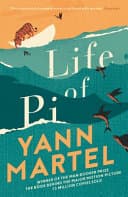
- Life of Pi
Yann Martel
3.9 (1.3M) average on GoodreadsFantasyExplores themes of magical realism and an unusual perspective on reality through a young protagonist.
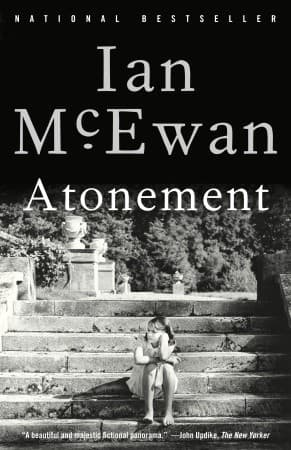
- Atonement
Ian McEwan
4.4 (70) average on GoodreadsHistorical fiction set during WWII, focusing on family, perspective, and the impact of war, though without magic.
- Jonathan Strange & Mr Norrell
Susanna Clarke
3.8 (198k) average on GoodreadsFantasyBoth are historical fantasies, but Clarke's novel features overt, grand-scale magic and a more traditional fantasy narrative structure. Joyce's 'The Facts of Life' employs a much more liminal, ambiguous, and understated form of magical realism, where the fantastical elements are woven subtly into the fabric of everyday life rather than being a prominent, explicit force.
- The Old Man and the Sea
Ernest Hemingway
3.8 (831k) average on GoodreadsLiterary FictionA Cuban fisherman's long struggle with a giant marlin becomes a story of endurance and dignity, now retold for young adults with illustrations, phonetic guides, and writing prompts in Traditional Chinese.
- One Hundred Years of Solitude
Gabriel García Márquez
4.1 (753k) average on GoodreadsLiterary FictionThrough the multi-generational story of the Buendía family, a mythical town deals with the repeating patterns of time, love, and solitude, as the extraordinary mixes with the ordinary.



Enjoyed the summary?
A summary gives you the shape of the book. The book itself has the detail, the examples and the voice.
Find The Facts of Life on AmazonAs an Amazon Associate, BookBrief earns from qualifying purchases. How we're funded