

Synopsis
Covers the whole plot, including the ending.
- Difficulty
- Medium
- Pacing
- Moderate
- Mood
- Quirky, Reflective, Humorous, Melancholy
- Read it if
- You enjoy quirky characters, unique premises, and a blend of dark humor and profound reflection on identity and second chances.
- Skip it if
- You prefer straightforward narratives or are uncomfortable with unconventional relationships and themes of obsession.
The Fourth Hand Plot Summary
Covers the whole plot, including the ending.
The Lion's Bite and Instant Infamy
Patrick Wallingford, a handsome and famously amorous TV news correspondent, is on assignment in India. While filming a segment about a circus lion, the lion bites off his left hand. This incident, caught on camera, instantly makes Patrick a global spectacle, earning him the nickname 'the lion guy.' His story becomes a top news item, both for the shocking injury and the public's interest in his recovery and the potential for a groundbreaking medical procedure. Patrick, used to reporting news, finds himself unwillingly at the center of it, dealing with his new identity as a disabled celebrity.
A Life-Changing Offer
Amidst the media attention, Dr. Nicholas M. Zajac, a brilliant but socially awkward hand surgeon, contacts Patrick with an unprecedented offer: a full hand transplant. Dr. Zajac, driven by scientific ambition and a desire to advance medical knowledge, sees Patrick's case as the ideal opportunity for this pioneering surgery. However, his colleagues view him with suspicion, thinking his eagerness comes from a desire for fame rather than medical innovation. Dr. Zajac's unusual behavior and lack of social skills further isolate him within the medical community, even as he begins this monumental task.
The Unlikely Donor
A suitable donor hand is found after Otto Clausen, a man who dies by suicide in his beer truck in Green Bay, Wisconsin. Otto's widow, Doris Clausen, a strong-willed woman with unusual demands, agrees to donate her late husband's hand under one condition: she wants to meet Patrick Wallingford before the surgery. She also insists on having 'visitation rights' to her husband's hand after it has been transplanted. This request baffles and disturbs Patrick and the medical team, but they agree to it to proceed with the surgery.
The Transplant and Its Aftermath
Patrick undergoes the groundbreaking hand transplant surgery. The procedure is medically successful, but his recovery is difficult. He faces extensive physical therapy to regain sensation and movement in his new hand, which feels both foreign and intimately connected. Psychologically, Patrick struggles to reconcile his own identity with another man's hand attached to his body. The public remains captivated by his story, and the pressure of being a medical marvel, combined with the personal strangeness of his new limb, weighs heavily on him. His life, and his understanding of himself, changes completely.
Doris's Demands and Early Visits
True to her word, Doris Clausen begins exercising her visitation rights. She often travels to New York to see 'Otto's hand,' observing Patrick during his physical therapy sessions or even asking to touch the hand. These visits are deeply uncomfortable for Patrick, who finds Doris's presence intrusive and her attachment to his new limb unsettling. Doris, however, remains firm in her belief that she is maintaining a connection to her deceased husband. This bizarre arrangement forces Patrick to confront the reality that his new hand comes with unexpected, and very personal, conditions.
The Growing, Unconventional Relationship
Over time, the relationship between Patrick and Doris changes beyond mere visits. Their shared connection to Otto's hand creates an unusual closeness. Doris, lonely and grieving, finds comfort in seeing a part of her husband alive, while Patrick, initially resistant, begins to understand her deep loss. Their interactions, though still awkward, become more frequent and less formal. They discuss Otto, Patrick's recovery, and their own lives, slowly forming a bond that defies social norms. This strange connection begins to affect Patrick's understanding of his own identity and his ability to form genuine human connections.
Patrick's Personal Life and Doris's Influence
Patrick Wallingford, known for his promiscuity and inability to commit, finds his established lifestyle disrupted by his new hand and Doris's peculiar influence. His many affairs and casual relationships are complicated by the presence of Otto's hand, which constantly reminds him of another man's life and death, and by Doris's periodic appearances. He struggles with physical intimacy, both because of the novelty of his new hand and the psychological weight of its origin. Doris, in her own way, subtly challenges Patrick's superficiality, making him confront deeper emotional truths he previously avoided.
The Concept of Second Chances
As their relationship deepens, both Patrick and Doris must confront the idea of second chances. Patrick, having received a new hand and a new start in life, must learn to use it not just physically, but metaphorically, to build a more meaningful existence. Doris, still grieving Otto, finds herself unexpectedly drawn into a new kind of relationship, offering her a chance to move forward. They both carry the weight of their pasts – Patrick's superficiality and Otto's tragic end – but also receive opportunities for growth and transformation, though through an incredibly unconventional path.
A Shared Future and Acceptance
Ultimately, Patrick and Doris develop a deep and unusual bond. Doris, through her connection to Otto's hand, finds a way to process her grief and move toward a new life. Patrick, through his interactions with Doris and his experience with the transplant, begins to shed his superficiality and embrace a deeper emotional maturity. They accept the bizarre circumstances that brought them together and find a unique form of companionship and support in each other, showing the unexpected ways people can connect and heal, even through tragedy and strangeness.
Embracing Change and Identity
By the end of the story, Patrick Wallingford has not only physically adapted to his new hand but has also psychologically integrated it into his identity. He no longer sees it merely as Otto's hand but as his own, a part of himself that carries the history of another life yet is now distinctly his. This acceptance shows his deep personal growth. He has moved beyond 'the lion guy' and the recipient of a medical marvel, becoming a man who has truly embraced change, confronted his past, and found a deeper sense of self through an extraordinary and transformative experience.
The Fourth Hand Characters
Patrick Wallingford
Protagonist
A promiscuous TV journalist who receives a hand transplant after a bizarre accident.
Patrick is initially portrayed as a charming, self-absorbed, and famously promiscuous TV news correspondent. He is handsome, successful, and accustomed to a life of fleeting romantic encounters. The loss of his hand to a lion in India, and the subsequent transplant, forces him into an unwanted spotlight and challenges his superficial existence. He struggles with the psychological implications of having another man's hand and the unusual demands of Doris Clausen, leading him to confront deeper emotional truths and his own identity.
Relationships: Doris Clausen (Recipient of her late husband's hand; develops a strange, intimate bond.); Dr. Nicholas M. Zajac (His surgeon; a professional, somewhat distant relationship.); Various girlfriends/lovers (Numerous casual romantic relationships, which are challenged by his new circumstances.)
Doris Clausen
Supporting
The strong-willed widow of the hand donor, who insists on visitation rights.
Doris is a grieving widow with an unconventional spirit and a profound attachment to her deceased husband, Otto. Her demand for 'visitation rights' to Otto's transplanted hand stems from a deep need to maintain a connection to him and to process her grief. She is persistent, direct, and initially appears to be an intrusive presence in Patrick's life. However, beneath her eccentric demands lies a vulnerable woman seeking solace and meaning after a tragic loss. She is instrumental in Patrick's emotional development.
Relationships: Otto Clausen (Her deceased husband, whose hand is transplanted to Patrick.); Patrick Wallingford (The recipient of her husband's hand; develops a strange, intimate bond.)
Dr. Nicholas M. Zajac
Supporting
The brilliant but socially awkward hand surgeon who performs Patrick's transplant.
Dr. Zajac is a highly skilled and ambitious hand surgeon, driven by scientific innovation rather than social acceptance. He is socially awkward, often misunderstood by his colleagues, and perceived as eccentric. His sole focus is on the medical success of the transplant, viewing Patrick's case as a groundbreaking opportunity. While he is professionally brilliant, he struggles with interpersonal relationships and remains somewhat detached from the emotional complexities of his patients' lives, particularly the unusual dynamic between Patrick and Doris.
Relationships: Patrick Wallingford (His patient; their relationship is primarily professional.); Medical colleagues (Often ostracized or misunderstood by them due to his eccentricities.)
Otto Clausen
Mentioned
The deceased donor of the hand, whose presence looms large despite his absence.
Otto Clausen is the man whose hand is transplanted to Patrick. Though deceased before the main events of the story, his presence is profoundly felt through his hand and through Doris's memories and grief. He is described as a man who died by suicide in his beer truck, leaving behind a grieving widow. His life and death provide the catalyst for the novel's central conflict and the unusual relationship that develops between Patrick and Doris. He serves as a symbolic figure representing loss, legacy, and the unexpected connections forged by tragedy.
Relationships: Doris Clausen (His grieving widow.); Patrick Wallingford (The recipient of his hand, forming an indirect, symbolic connection.)
Dr. Larch
Supporting
A colleague of Dr. Zajac, often critical of his methods and motivations.
Dr. Larch represents the more conservative and skeptical elements within the medical community. He is often critical of Dr. Zajac's ambition and his willingness to pursue such a controversial procedure, suspecting Zajac is motivated by fame rather than pure medical ethics. He embodies the professional resistance and scrutiny that Zajac faces, highlighting the challenges of pioneering medical advancements. His role is to provide a counterpoint to Zajac's drive and to voice the doubts that others might harbor.
Relationships: Dr. Nicholas M. Zajac (A skeptical colleague.)
Patrick's Mother
Supporting
A concerned but somewhat distant figure in Patrick's life.
Patrick's mother appears as a concerned, though somewhat detached, figure in his life. She is worried about his accident and recovery but struggles to fully understand the complexities of his situation or his emotional state. Her relationship with Patrick highlights his own emotional guardedness and his tendency to keep others at a distance, even family. She represents a more conventional perspective on his ordeal, contrasting with the unusual path he embarks upon with Doris.
Relationships: Patrick Wallingford (Her son; their relationship is somewhat formal and distant.)
The Lion
Mentioned
The animal responsible for Patrick's injury, a catalyst for the plot.
The lion, though only appearing in the inciting incident, is a pivotal 'character' in the narrative. Its bite is the catalyst that sets the entire plot in motion, leading to Patrick's injury, the media frenzy, and ultimately the hand transplant. It symbolizes the sudden, unpredictable forces of fate and the way a single, dramatic event can irrevocably alter a person's life. The 'lion guy' moniker becomes a defining, albeit unwanted, aspect of Patrick's public identity.
Relationships: Patrick Wallingford (The cause of his injury.)
The Fourth Hand Themes
Identity and Transformation
The novel explores how identity is shaped and changed by trauma and unusual events. Patrick Wallingford, initially defined by his good looks and promiscuous lifestyle, must confront a new identity as 'the lion guy' and then as a man with another's hand. He struggles to reconcile his sense of self with the foreign limb, which connects him to another man's life and death. His journey involves shedding superficiality and accepting a deeper, more complex understanding of who he is, as seen when he finally accepts the hand as truly his own, integrating its history into his present (e.g., his newfound emotional depth in later interactions with Doris).
“He knew he had the hand of a dead man, but he was alive; he had been given a second chance, if only he could learn to use it.”
Grief and Connection
The story examines the many sides of grief and the unusual ways people seek connection after loss. Doris Clausen's deep grief for her husband, Otto, appears in her bizarre demand for visitation rights to his transplanted hand. This strange request is her way of keeping a tangible link to her deceased loved one, offering a unique way to explore the complexities of mourning. Her interactions with Patrick, initially awkward, gradually become a deep, if unusual, bond, showing how shared vulnerability and a common, strange experience can create unexpected human connections that go beyond typical relationships.
“She wanted to see her husband's hand, to touch it, to remember him by it. It was a part of Otto, and she was not ready to let go.”
Second Chances and New Beginnings
The novel is about second chances, both literal and metaphorical. Patrick receives a literal second chance at a normal life with his new hand after a life-altering injury. This physical 'new beginning' forces him to rethink his past choices and superficial lifestyle. Similarly, Doris, through her connection with Patrick and 'Otto's hand,' gets a chance to move past her paralyzing grief and embrace a new phase of her life. The narrative suggests that second chances are rarely simple, often coming with unexpected complexities, but they offer opportunities for growth and change, as shown by the personal transformations of both main characters.
“He had a new hand, a new chance, but it wasn't just his; it carried the history of another man.”
The Absurdity of Modern Life and Media
John Irving often includes elements of the absurd in his stories, and *The Fourth Hand* is no different. The initial premise – a journalist losing a hand to a lion and receiving a transplant from a man who died by suicide – is inherently bizarre, highlighting life's strange and unpredictable nature. The media circus around Patrick, where he becomes 'the lion guy,' makes fun of modern society's obsession with celebrity and sensationalism. The public's interest in his private medical journey, and Doris's peculiar demands, show the often-absurd intersection of personal tragedy, medical advancement, and public spectacle in contemporary life.
“He was 'the lion guy.' He knew that. He was no longer just a reporter; he was the story.”
Plot Devices & Literary Techniques
The Transplanted Hand
A literal and symbolic bridge connecting two disparate lives.
The transplanted hand is the central plot device, serving as both a medical marvel and a powerful symbol. Literally, it allows Patrick to regain function, but symbolically, it links him inextricably to Otto Clausen and, by extension, to Doris. It represents a 'fourth hand'—neither entirely Patrick's original hand, nor Otto's, but a new entity with a shared history. This device drives the plot by creating the unusual circumstance that brings Patrick and Doris together, forcing them to confront themes of identity, grief, and connection. It is a constant physical reminder of transformation and the unexpected consequences of medical advancement.
Media Frenzy
The public and journalistic obsession with Patrick's accident and recovery.
The media frenzy surrounding Patrick's injury and subsequent transplant serves as a significant plot device. It immediately establishes Patrick as a public figure, 'the lion guy,' and creates external pressure that he must navigate. This device highlights the superficiality of modern celebrity culture and the way personal tragedy can be commodified for public consumption. It also forces Patrick to confront his own role as a journalist-turned-subject, adding layers to his struggle with identity and privacy. The constant public gaze influences his decisions and his recovery process.
Doris's Visitation Rights
A contractual agreement that creates the central, unusual relationship.
Doris Clausen's demand for 'visitation rights' to Otto's hand is a crucial plot device, as it directly creates the bizarre and intimate relationship between her and Patrick. This unusual condition is the catalyst for their ongoing interactions, forcing two disparate individuals into a deeply personal and unconventional bond. It's a contractual obligation that transcends its literal meaning, allowing for the exploration of grief, attachment, and the unexpected ways people connect. Without this demand, the emotional core of the story—the evolution of Patrick and Doris's relationship—would not exist.
The Lion Attack
The inciting incident that irrevocably changes Patrick's life.
The lion attack, occurring at the very beginning of the novel, is the inciting incident that sets the entire plot in motion. It's a sudden, violent, and absurd event that immediately transforms Patrick Wallingford from a detached observer (journalist) into the unwilling subject of a global story. This dramatic opening establishes the novel's tone, blending the tragic with the bizarre. Without this specific, shocking event, there would be no need for a hand transplant, and thus no subsequent connection between Patrick and Doris. It acts as the initial, irreversible turning point in Patrick's life.
The Fourth Hand Quotes
“It is not too much to say that the New York Times was not in the business of hiring men who had lost a hand.”
“He knew that he was a man who, if he were to lose his virginity, would almost certainly lose his virginity to a woman who would not be his wife.”
“The right hand, which had been Patrick’s, was now a woman’s left hand.”
“He felt like a man who had been given a second chance, but he didn't know what he was supposed to do with it.”
“It was impossible to be a journalist and not be a voyeur.”
“There was no such thing as a perfect family, but there were families that worked.”
“He was a man who was always looking for the next story, even if it was his own.”
“Love, like a good story, was something you had to work at.”
“The past was never really past; it was always just waiting to catch up to you.”
“He was learning that some things, once broken, could never truly be fixed, only reassembled differently.”
“The truth was always more complicated than anyone wanted it to be.”
“Sometimes the greatest gifts came in the most unexpected and inconvenient packages.”
“He was a man who had lost a hand, but found a family, or at least the idea of one.”
“Life had a way of surprising you, even when you thought you'd seen it all.”
Quiz
10 questions on the plot and the characters. Each answer comes with a short explanation.
Question 1
Bagaimana Patrick Wallingford kehilangan tangannya?
- Kecelakaan mobil
- Digigit singa di India
- Insiden saat liputan perang
- Penyakit langka
Show answer
B. Digigit singa di India Patrick Wallingford kehilangan tangannya karena digigit singa saat meliput di India, yang membuatnya menjadi terkenal dan dijuluki 'the lion guy'.
Question 2
Siapa dokter bedah tangan yang menawarkan operasi transplantasi kepada Patrick?
- Dr. Smith
- Dr. Nicholas M. Zajac
- Dr. Brown
- Dr. Johnson
Show answer
B. Dr. Nicholas M. Zajac Dr. Nicholas M. Zajac adalah dokter bedah tangan yang sangat cerdas yang menawarkan operasi transplantasi tangan kepada Patrick Wallingford.
Question 3
Mengapa rekan-rekan sejawat menjauhi Dr. Zajac terkait tawarannya kepada Patrick?
- Mereka iri dengan keahliannya
- Mereka menganggapnya mencari popularitas belaka
- Mereka tidak setuju dengan konsep transplantasi
- Mereka tidak percaya pada kemampuannya
Show answer
B. Mereka menganggapnya mencari popularitas belaka Rekan-rekan sejawat Dr. Zajac menjauhinya karena mereka menganggapnya mencari popularitas belaka dengan menawarkan operasi transplantasi kepada Patrick.
Question 4
Siapa nama donor tangan untuk Patrick?
- John Doe
- Otto Clausen
- Peter Jones
- Mark Davies
Show answer
B. Otto Clausen Donor tangan untuk Patrick adalah Otto Clausen, yang meninggal karena kecelakaan bunuh diri di truk birnya.
Question 5
Di mana dan bagaimana Otto Clausen meninggal?
- Di rumah sakit karena sakit
- Di Green Bay, bunuh diri dalam truk birnya
- Dalam kecelakaan pesawat
- Tenggelam di danau
Show answer
B. Di Green Bay, bunuh diri dalam truk birnya Otto Clausen meninggal karena tak sengaja bunuh diri dalam truk birnya di Green Bay, yang menjadi sumber tangan donor bagi Patrick.
Question 6
Apa tuntutan Doris Clausen, janda Otto, sebelum operasi transplantasi?
- Uang kompensasi yang besar
- Ingin bertemu Patrick dan menuntut hak kunjung bagi tangan suaminya
- Agar Patrick mengubah namanya
- Agar tangan suaminya dikuburkan secara terpisah
Show answer
B. Ingin bertemu Patrick dan menuntut hak kunjung bagi tangan suaminya Doris Clausen, janda Otto, ingin bertemu dengan Patrick sebelum operasi dan menuntut hak kunjung bagi tangan suaminya, yang mengarah pada hubungan yang aneh di antara mereka.
Question 7
Julukan apa yang diberikan kepada Patrick Wallingford setelah insiden kehilangan tangannya?
- The one-handed wonder
- The lion guy
- The brave journalist
- The transplant patient
Show answer
B. The lion guy Setelah kehilangan tangannya karena digigit singa, Patrick Wallingford menjadi terkenal dan mendapat julukan 'the lion guy' di media TV.
Question 8
Bagaimana hubungan antara Patrick dan Doris digambarkan dalam cerita?
- Hubungan profesional yang ketat
- Hubungan yang aneh, didorong oleh obsesi masing-masing
- Hubungan persahabatan yang cepat
- Hubungan permusuhan dan ketidakpercayaan
Show answer
B. Hubungan yang aneh, didorong oleh obsesi masing-masing Hubungan antara Patrick dan Doris berkembang dengan aneh, masing-masing memiliki obsesi yang ajaib terhadap tangan tersebut, namun akhirnya mereka saling membantu.
Question 9
Apa tema utama yang muncul dari interaksi antara Patrick dan Doris?
- Balas dendam dan pengampunan
- Menghadapi kesempatan kedua dan kekuatan untuk berubah
- Pencarian kekayaan dan ketenaran
- Konflik antara sains dan etika
Show answer
B. Menghadapi kesempatan kedua dan kekuatan untuk berubah Meskipun hubungan mereka aneh, Patrick dan Doris akhirnya harus saling membantu memberi keberanian menghadapi kesempatan kedua dan kekuatan untuk berubah, yang merupakan tema sentral cerita.
Question 10
Apa yang membuat Dr. Zajac sering salah tingkah menurut teman-teman sejawatnya?
- Dia terlalu muda untuk posisinya
- Sikapnya yang aneh dan dianggap mencari popularitas
- Dia sering membuat kesalahan dalam operasi
- Dia tidak memiliki cukup pengalaman
Show answer
B. Sikapnya yang aneh dan dianggap mencari popularitas Dr. Zajac digambarkan sebagai dokter aneh yang sering salah tingkah, dan teman-teman sejawatnya menjauhinya karena menganggapnya mencari popularitas belaka dengan kasus Patrick.
The Fourth Hand FAQ
What is the central premise of 'The Fourth Hand'?
'The Fourth Hand' follows TV journalist Patrick Wallingford, who loses his left hand in a bizarre lion attack in India. He becomes a media sensation, dubbed 'the lion guy,' and is offered a pioneering hand transplant by the eccentric surgeon Dr. Nicholas M. Zajac, leading to an unexpected connection with the donor's widow.
Who is Patrick Wallingford and what kind of character is he initially?
Patrick Wallingford is a shallow, womanizing TV journalist who initially thrives on his celebrity as 'the lion guy.' His loss of a hand forces him to confront his own mortality and superficiality, though he struggles with genuine emotional depth and commitment.
How does Patrick lose his hand, and what is the significance of this event?
Patrick loses his hand when it is bitten off by a lion during a seemingly innocuous TV segment in India. This dramatic, almost farcical event is the catalyst for the entire plot, propelling him into the world of hand transplantation and a profound, albeit strange, personal transformation.
Who is Dr. Nicholas M. Zajac and what is his role in Patrick's story?
Dr. Nicholas M. Zajac is a brilliant but socially awkward hand surgeon who offers Patrick a hand transplant. Despite his colleagues' suspicion that he seeks fame, Dr. Zajac is genuinely dedicated to his medical work, becoming a somewhat isolated figure due to his eccentricities and groundbreaking ambition.
Who is Doris Clausen and what are her unusual demands regarding her late husband's hand?
Doris Clausen is the widow of Otto Clausen, whose hand is donated to Patrick after Otto's accidental death. She insists on meeting Patrick before the surgery and demands visitation rights to her husband's transplanted hand, driven by her grief and an unusual attachment to Otto's physical presence.
What is the significance of the repeated motif of 'the fourth hand' or extra hands in the narrative?
The 'fourth hand' refers literally to Patrick's new hand, but metaphorically it symbolizes a second chance, an unexpected connection, or even an intrusive presence from the past. It highlights themes of identity, ownership, and the uncanny experience of having a part of someone else's body.
How does the novel explore the concept of identity through the hand transplant?
The novel deeply explores identity by making Patrick literally inhabit a part of another man, Otto Clausen. Patrick grapples with subconscious memories or habits seemingly inherited with the hand, forcing him to question where his own self ends and Otto's begins, and how much a body part defines identity.
What role does Otto Clausen, the donor, play despite being deceased?
Despite being deceased, Otto Clausen plays a crucial role through his hand and the memories it evokes in Doris. His presence subtly influences Patrick's actions and thoughts, creating a phantom-like third party in Patrick and Doris's evolving relationship, and raising questions about legacy and bodily memory.
How does Patrick's relationship with Doris evolve, and what makes it peculiar?
Patrick's relationship with Doris evolves from an obligation driven by her demands into a strange, intimate bond forged by shared grief and the unique circumstance of Otto's hand. Their connection is peculiar because it's initially centered on a body part, rather than direct romantic attraction, and is tinged with the spectral presence of Otto.
What is the psychological impact of having a transplanted hand on Patrick?
Psychologically, Patrick experiences a profound shift. He initially feels a disconnect, but then grapples with phantom sensations and a sense of Otto's presence, particularly through Doris. This forces him to confront his own emptiness and consider a deeper, more committed way of living, beyond his previous superficial existence.
How does the novel use humor, particularly black humor, to address serious themes?
The novel uses black humor, such as the absurd lion attack and Doris's demands for 'visitation rights' to the hand, to lighten the heavy themes of grief, identity, and bodily integrity. This humor often highlights the inherent strangeness and irony of life's unpredictable events, making the more profound moments stand out.
What does the novel suggest about the nature of love and companionship?
The novel suggests that love and companionship can arise from the most unexpected and unconventional circumstances, often initially driven by need or shared trauma rather than conventional attraction. It explores how deep connections can form between imperfect individuals who find solace and purpose in each other's unique obsessions and vulnerabilities.
How does Patrick's journey reflect a theme of second chances and personal transformation?
Patrick's journey is a clear illustration of second chances, not just medically with his new hand, but personally. Losing his original hand and gaining Otto's, along with his relationship with Doris, forces him to shed his superficial persona and embrace a more authentic, although challenging, path toward emotional maturity and commitment.
What is the significance of Dr. Zajac's isolation and his colleagues' perception of him?
Dr. Zajac's isolation and his colleagues' perception of him as 'weird' or fame-seeking highlight the tension between groundbreaking innovation and conventional acceptance. It underscores the idea that true genius often operates outside societal norms, and that those who push boundaries may face misunderstanding and ostracism, despite their noble intentions.
Is 'The Fourth Hand' a critique of media sensationalism? How so?
Yes, 'The Fourth Hand' critiques media sensationalism by showing how Patrick, initially a reporter, becomes the sensationalized subject himself. His 'lion guy' fame is fleeting and superficial, highlighting how the media exploits personal tragedy for entertainment, reducing complex human experiences to catchy headlines and fleeting public interest.
How does the novel portray the concept of 'owning' a body part, especially a transplanted one?
The novel delves into the complex concept of 'owning' a body part, particularly a transplanted one, by having Doris demand visitation rights to Otto's hand. This challenges conventional notions of ownership, identity, and the boundaries between individuals, suggesting that even after donation, a part of the donor's identity might persist or be perceived by loved ones.
What role do Patrick's numerous past lovers play in his character development?
Patrick's numerous past lovers initially underscore his superficiality and inability to form lasting emotional connections. Their fleeting presence highlights his emotional emptiness before the transplant. Later, his struggle to commit to Doris, contrasted with his past, shows his slow, difficult path toward genuine intimacy and responsibility.
What is the overall tone of 'The Fourth Hand' and how does it balance humor with pathos?
'The Fourth Hand' maintains a unique tone that skillfully balances dark humor with profound pathos. Irving uses absurd situations and quirky characters to create comedic relief, while simultaneously exploring deep themes of grief, identity, and the human search for connection, often making the reader laugh and reflect in quick succession.
About the author

John Winslow Irving is an American-Canadian novelist, short story writer, and screenwriter.
Similar books
- A Prayer For Owen Meany
John Irving
4.2 (286k) average on GoodreadsLiterary FictionShares Irving's distinctive narrative voice, quirky characters, and blend of humor and tragedy.
- The World According to Garp
John Irving
4.1 (205k) average on GoodreadsLiterary FictionFeatures a sprawling narrative, eccentric characters, and a focus on the absurdities of life and relationships.
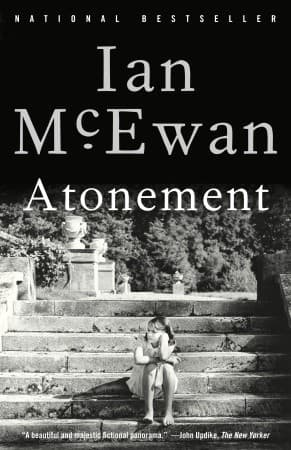
- Atonement
Ian McEwan
4.4 (70) average on GoodreadsWhile both novels deal with life-altering trauma and its consequences, Atonement is significantly more somber and realistic, focusing on themes of guilt, memory, and the power of narrative. The Fourth Hand injects dark humor and a touch of the absurd, offering a less bleak but equally profound exploration of personal transformation.
- The Human Stain
Philip Roth
3.9 (34k) average on GoodreadsLiterary FictionBoth explore themes of identity and reputation in the face of societal judgment. However, Roth's novel is a more direct and politically charged critique of American society, focusing on racial identity and academic scandal. Irving's approach is more internal and character-driven, using the extraordinary circumstances of a hand transplant to explore intimate psychological shifts rather than broad societal commentary.
- The Old Man and the Sea
Ernest Hemingway
3.8 (831k) average on GoodreadsLiterary FictionA Cuban fisherman's long struggle with a giant marlin becomes a story of endurance and dignity, now retold for young adults with illustrations, phonetic guides, and writing prompts in Traditional Chinese.
- One Hundred Years of Solitude
Gabriel García Márquez
4.1 (753k) average on GoodreadsLiterary FictionThrough the multi-generational story of the Buendía family, a mythical town deals with the repeating patterns of time, love, and solitude, as the extraordinary mixes with the ordinary.




Enjoyed the summary?
A summary gives you the shape of the book. The book itself has the detail, the examples and the voice.
Find The Fourth Hand on AmazonAs an Amazon Associate, BookBrief earns from qualifying purchases. How we're funded