

Synopsis
Covers the whole plot, including the ending.
- Difficulty
- Medium
- Pacing
- Slow
- Mood
- Melancholy, Realistic, Empathetic, Reflective, Somber
- Read it if
- You appreciate character-driven literary fiction exploring the long-term emotional and practical fallout of a crime on a family, particularly from the perspective of the spouse left behind.
- Skip it if
- You prefer fast-paced thrillers, a plot with a definitive 'happy ending', or stories that focus primarily on the crime investigation itself.
The Good Wife Plot Summary
Covers the whole plot, including the ending.
The Night of the Crime
On a cold winter night in upstate New York, January 1975, Jeff Dickerson and his friend, Butch, break into the home of elderly Mrs. Kroll. They intend to rob her, but the situation quickly gets out of hand. Mrs. Kroll is murdered, and the house is set on fire to hide the crime. Patty Dickerson receives a phone call from Jeff, who tells her he's in 'a little trouble' and instructs her to burn his clothes and get rid of their car, a detail that immediately involves her. This call destroys Patty's ordinary life, pushing her into a nightmare of involvement and fear as she tries to understand what her husband has done and what it means for their future.
Arrest and Interrogation
After Jeff's call, Patty tries to follow his instructions, but her actions are clumsy and panicked. The police quickly link Jeff to the crime, and Patty is brought in for questioning. Under intense pressure and fearing for her young son, Kenny, Patty admits to burning Jeff's bloody clothes and getting rid of the car. Her confession is a turning point, making her an accessory after the fact, even as she deals with the shock and betrayal of Jeff's actions. The police press her for details about Jeff and Butch, and she provides what she knows, further involving herself in the legal process.
The Trial and Sentence
Jeff Dickerson and Butch are tried for Mrs. Kroll's murder. The evidence against them is strong, largely because of Patty's testimony and the physical evidence she helped dispose of. Both men are found guilty of murder and arson, receiving long prison sentences. Patty, because of her cooperation and her less direct role, receives a much lighter sentence of five years, with parole possible after two. This period marks the start of her official separation from Jeff and the harsh reality of her own imprisonment, leaving Kenny to be cared for by her mother.
Life in Prison
Patty's time in prison is a difficult and dehumanizing experience. She struggles with losing her freedom, the constant threat of violence, and the emotional pain of being separated from her son, Kenny. Visiting days are important, though often hard, as she tries to explain her situation to a growing boy who doesn't fully understand. She forms tentative friendships with other inmates, finding brief moments of connection, but mostly endures the routine and despair. Despite the distance and the circumstances, she tries to be a mother to Kenny, sending letters and trying to offer guidance from behind bars, all while wanting her release.
Parole and Reintegration
After two years, Patty is granted parole. Her release is not a happy return but a difficult adjustment. She moves back in with her mother, who has been raising Kenny. The reunion with Kenny is tense; he is now a young boy with his own life and resentment towards his mother's absence. Patty struggles to find work, facing the stigma of her criminal record. The community's judgment is clear, and she feels like an outcast. She tries to build a new normal, getting a low-wage job and trying to reconnect with her son, all while her parole officer watches.
Kenny's Troubles
As Kenny gets older, he struggles greatly with the trauma of his father's imprisonment and his mother's absence. He becomes rebellious, joins a bad crowd, and his school performance declines. Patty tries to help, but her attempts often meet Kenny's anger and accusations, blaming her for the family's problems. His resentment comes from feeling abandoned and wanting the stable family life he never had. Patty, despite her efforts, finds it harder to reach him, feeling a deep sense of failure as a mother.
Maintaining the Marriage
Despite everything, Patty keeps her marriage to Jeff, visiting him regularly in prison. These visits are filled with mixed feelings: a lingering sense of duty, a desire for connection, and a deep-seated resentment for the life he took from her. Jeff remains mostly unrepentant, often blaming others or downplaying his actions, which frustrates Patty. She brings him news from the outside, discusses Kenny, and tries to keep their relationship alive, even as the prison walls and the weight of his crime slowly wear away any remaining love or respect she once had for him. Their conversations show the vast difference between their lives.
A New Relationship
Years after her release, Patty meets a kind and understanding man named Frank at her workplace. Frank sees past her past and offers her companionship and affection, something she has lacked for decades. Their relationship grows slowly, bringing a fragile sense of happiness and normalcy back into Patty's life. However, she struggles with immense guilt and conflict, feeling torn between her loyalty to Jeff, her legal husband, and her desire for a genuinely loving and supportive partner. This new relationship forces her to confront the true nature of her commitment to Jeff and her own needs for happiness.
Jeff's Parole Hearings
As Jeff becomes eligible for parole, Patty attends his hearings. These events are painful, forcing her to relive the past and face the Kroll family, who are still consumed by grief and anger. Patty sees firsthand the lasting devastation Jeff caused, and his lack of true remorse often hurts his chances for release. She feels a complex mix of obligation to support him, anger at his continued self-pity, and a desperate hope for an end to her own long suffering. Each hearing is a reminder of the crime's lasting mark on all their lives and the community.
Kenny's Own Path
Kenny continues to struggle into adulthood. He has trouble keeping steady jobs, battles substance abuse, and makes poor choices in relationships. Despite Patty's efforts to guide him, he seems drawn to self-destructive patterns. His life reflects the deep scars left by his broken upbringing, the absence of a stable father figure, and the stigma of his parents' crimes. Patty tries to support him, offering what little she can, but she also knows he must make his own way, even if it's a difficult one, as she deals with how the family's tragedy affects generations.
The End of an Era
After decades of visits, letters, and the weight of their bad marriage, Patty finally reaches a breaking point. The realization that Jeff will likely never be truly free, and that even if he is, he remains mostly unchanged and unrepentant, solidifies her decision. She decides to stop visiting him and eventually seeks a divorce. This decision is not made lightly, but with a deep sense of exhaustion and a desire to take back her own life. It marks a clear end to her role as the 'good wife' and a step towards personal freedom, however late.
Finding Peace
In her later years, Patty finds a quiet sense of peace. She continues her relationship with Frank, finding genuine companionship and love. She comes to terms with her past, accepting the choices she made and the consequences she endured. While the scars of the crime and her husband's actions never fully disappear, she learns to live with them. Her life, though marked by tragedy and hardship, eventually settles into a routine of quiet contentment. She reflects on her journey, recognizing her resilience and the strength she found in simply enduring.
Principal Figures
Patty Dickerson
Protagonist
A woman forced to navigate the consequences of her husband's violent crime.
Patty is initially a naive and somewhat passive young wife, devoted to her husband, Jeff. Her world is shattered by his crime, forcing her into a life of complicity, prison, and social ostracization. She is defined by her resilience and her enduring sense of duty, particularly towards her son, Kenny, and, for many years, towards Jeff. Despite her quiet nature, she possesses an inner strength that allows her to survive immense hardship and public scorn.
Relationships: Jeff Dickerson (Husband, source of her suffering and loyalty); Kenny Dickerson (Son, her primary motivation and source of both joy and pain); Frank (Later-life romantic partner, offering genuine companionship)
Jeff Dickerson
Antagonist
Patty's husband, a convicted murderer who remains largely unrepentant.
Jeff is a charismatic but deeply flawed individual whose impulsiveness and lack of moral compass lead him to commit a horrific crime. Throughout his incarceration, he remains largely self-absorbed, often minimizing his actions and blaming others. He expects Patty's unwavering loyalty and support, displaying little empathy for the suffering he has caused her or his son. His presence, even from prison, casts a long shadow over Patty's life, representing the source of her prolonged ordeal.
Relationships: Patty Dickerson (Wife, whom he expects to remain loyal despite his crimes); Kenny Dickerson (Son, whom he rarely truly connects with or takes responsibility for); Butch (Accomplice in the murder)
Kenny Dickerson
Supporting
Patty and Jeff's son, deeply affected by his parents' crimes and incarceration.
Kenny grows up in the shadow of his parents' crimes, experiencing the trauma of his father's imprisonment and his mother's absence. He struggles with abandonment issues, resentment, and a search for identity. As he matures, he exhibits behavioral problems, struggles with addiction, and grapples with the stigma associated with his family name. His character highlights the intergenerational impact of crime and the difficulty of escaping a troubled past.
Relationships: Patty Dickerson (Mother, whom he loves but also resents for her absence); Jeff Dickerson (Father, whose actions define his childhood but with whom he has a distant relationship)
Frank
Supporting
Patty's kind and understanding romantic partner later in life.
Frank is a compassionate and patient man who meets Patty at her workplace years after her release from prison. He represents a chance for happiness and normalcy for Patty, seeing past her past and offering genuine affection and support. He is a stable and grounding presence in her life, providing a stark contrast to the emotional turmoil she experienced with Jeff. His relationship with Patty allows her to explore the possibility of a future free from the shadow of her past.
Relationships: Patty Dickerson (Romantic partner, a source of comfort and happiness)
Patty's Mother
Supporting
Patty's supportive but often critical mother who raises Kenny during Patty's incarceration.
Patty's mother steps in to care for Kenny during Patty's time in prison. She is a practical and often critical woman, providing a stable home for her grandson but also expressing her disapproval of Patty's choices and continued loyalty to Jeff. She represents the societal judgment Patty faces, but also a crucial source of familial support, albeit begrudgingly at times. Her presence highlights the strain the crime places on the entire family.
Relationships: Patty Dickerson (Daughter, whom she supports but also judges); Kenny Dickerson (Grandson, whom she raises)
Butch
Mentioned
Jeff's accomplice in the murder of Mrs. Kroll.
Butch is Jeff's friend and co-conspirator in the murder of Mrs. Kroll. He is portrayed as equally culpable in the crime, receiving a similar prison sentence. While he is not a central character, his actions are pivotal to the plot, initiating the chain of events that define Patty's life. He serves as a reminder of the initial violent act that irrevocably altered so many lives.
Relationships: Jeff Dickerson (Accomplice in crime)
Mrs. Kroll
Mentioned
The elderly victim of the murder and arson.
Mrs. Kroll is the elderly woman who is brutally murdered by Jeff and Butch during their robbery. Though she appears only briefly in the initial crime, her death is the catalyst for the entire narrative. She represents the innocent victim whose life is tragically cut short, and her memory, along with her family's grief, continues to haunt the lives of the perpetrators and Patty throughout the book.
Themes & Insights
The Enduring Consequences of Crime
The novel carefully explores how one violent act affects the lives of not only the perpetrators and victims but also their families and community for decades. Patty's entire life is shaped by Jeff's crime: her imprisonment, public scorn, her son's struggles, and her inability to fully escape the past. The Kroll family's lasting grief and presence at Jeff's parole hearings show that the suffering caused by the murder does not lessen with time. The book shows that consequences are not just legal sentences but a lifelong burden of guilt, shame, and loss, shaping every decision and relationship.
“What happened that night had happened to all of them, and it would keep happening, forever.”
Loyalty and Betrayal in Marriage
Patty's strong, almost obsessive, loyalty to Jeff is a central theme. Despite his betrayal, his crime, and his lack of remorse, she keeps her marriage vows, visiting him in prison for decades. This loyalty contrasts with the deep betrayal she feels when Jeff commits the murder and then involves her. The novel examines the complex psychological ties that hold a marriage together, even when one partner has completely broken trust, and the slow, painful process of breaking free from such a destructive bond. Her eventual decision to divorce Jeff shows her taking back control of her own life.
“She was a good wife, after all, and that was what a good wife did.”
Motherhood and Sacrifice
Patty's role as a mother to Kenny is a constant source of both strength and pain. Her initial confession is partly driven by her desire to protect him, and her ongoing struggle is to be a good mother despite her imprisonment and the stigma attached to her. The novel depicts the sacrifices she makes, the guilt she carries, and the heartbreak of seeing Kenny struggle due to circumstances she can't control. Her efforts to connect with him from prison, and later to guide him through his own troubles, highlight the fierce, lasting, and often unrewarded love of a mother.
“She wanted to be a good mother. She wanted to be there for him, even when she couldn't be.”
The Stigma of Incarceration and Reintegration
The novel clearly shows the challenges Patty faces when she is released from prison. She is labeled a 'convict' and an 'accessory to murder,' making it hard to find work, housing, and social acceptance. The community's judgment is a constant force, isolating her and reminding her of her past at every turn. Her struggle to rejoin society highlights the long-lasting social and psychological scars of imprisonment, even for those who have served their time. It shows how society often punishes individuals long after their legal sentences are complete, hindering true rehabilitation.
“The past was a stone around her neck, and it would never let her truly swim free.”
The Nature of Forgiveness and Redemption
While not directly about forgiveness, the novel implicitly explores its absence and how hard it is to achieve. Jeff never truly seeks or earns forgiveness, remaining largely unrepentant. The Kroll family's inability to forgive Jeff, or even Patty, shows the depth of their pain. For Patty, the journey is less about being forgiven by others and more about forgiving herself and finding a way to live with her past. The novel suggests that redemption is a complex and personal process, often hard to find, and not always tied to outside forgiveness.
“Some things, she knew, could never be made right again.”
Plot Devices & Literary Techniques
Non-linear Narrative Elements
Flashbacks and reflections are used to provide context and emotional depth.
While generally chronological, the narrative occasionally employs flashbacks and Patty's internal reflections to delve into her memories of the crime, her early marriage, and her time in prison. These moments provide crucial context for her present struggles and allow the reader to understand the weight of her past. This device deepens the emotional impact by showing how past events continue to shape her present reality and psychological state, rather than just presenting a linear progression of events.
Symbolism of the Prison Visits
Regular visits to Jeff symbolize Patty's ongoing captivity and loyalty.
Patty's decades-long ritual of visiting Jeff in prison serves as a powerful symbol. Initially, it represents her unwavering loyalty and the hope, however faint, for their future. As the years pass, these visits become a symbol of her continued captivity, not by walls, but by the emotional chains of their marriage and the crime. They are a physical manifestation of her inability to fully move on, even after her own release. Her eventual decision to stop visiting marks a significant turning point in her personal liberation.
The Small Town Setting
A close-knit community amplifies the social repercussions and stigma.
The story is set in a small, upstate New York town. This setting is crucial because it magnifies the social repercussions of the crime. In a small community, everyone knows everyone else's business, and the shame and stigma associated with Jeff's crime and Patty's involvement become inescapable. Patty cannot simply disappear and start fresh; she is constantly confronted by the judgment of her neighbors and the lasting memory of the tragedy. This amplifies her isolation and the challenges of her reintegration into society.
Internal Monologue and Stream of Consciousness
Patty's inner thoughts reveal her emotional state and complex moral dilemmas.
The novel frequently delves into Patty's internal monologue, allowing the reader direct access to her thoughts, fears, regrets, and hopes. This stream of consciousness provides a nuanced understanding of her emotional landscape, revealing the complex moral dilemmas she faces and the psychological toll of her experiences. It shows her grappling with her choices, her love for her family, and her struggle to define herself outside the shadow of her husband's crime, making her a deeply empathetic character despite her complicity.
The Good Wife Quotes
“It was the sort of house where you expected to find a dog sleeping in front of the fireplace, a big golden retriever with a slightly damp nose.”
“What she hated most was the silence, the way the house seemed to suck the sound out of everything, leaving only a low hum, like a refrigerator.”
“She’d always thought of herself as a good wife, a supportive wife, the kind of woman who made sure her husband had clean shirts and hot meals.”
“The past was like a foreign country; they did things differently there. And sometimes, she realized, they did things better.”
“He used to say she was the ballast in his life, the one who kept him from floating away.”
“Grief wasn't a straight line; it was a tangled ball of yarn, and every time you tried to pull one thread, another one snagged.”
“She missed the way he’d hum off-key in the shower, the faint smell of his aftershave on his pillow, the weight of his hand on her back when they watched TV.”
“The world kept spinning, even when yours had stopped. That was the cruelest part.”
“Sometimes, being strong just meant getting out of bed and putting on real clothes.”
“She wondered if anyone ever truly knew another person, or if they just knew the version they chose to show.”
“The future stretched out before her, a vast, empty plain, and she had no idea which direction to walk.”
“She wasn't sure if she was moving on or just drifting, but either way, she was moving.”
“There was a certain freedom in being invisible, a quiet power in not being noticed.”
“A good wife, she thought, was not just someone who kept house, but someone who kept hope.”
Quiz
10 questions on the plot and the characters. Each answer comes with a short explanation.
Question 1
What is the primary crime that Patty Dickerson's husband, Jeff, and his friend commit at the beginning of the story?
- Armed robbery of a convenience store
- Burglary resulting in a death and arson
- Grand theft auto and fleeing the scene
- Drug trafficking and assault
Show answer
B. Burglary resulting in a death and arson The story opens with Jeff and his friend breaking into a house, leading to the death of an old woman and the house being set on fire, which is the 'trouble' Jeff calls Patty about.
Question 2
How long is Patty Dickerson's husband, Jeff, initially sentenced to prison?
- 10 years to life
- 25 years to life
- 15 years with parole eligibility after 5
- 30 years without parole
Show answer
B. 25 years to life Jeff is sentenced to 25 years to life for his role in the crime, a sentence that dictates the majority of Patty's adult life.
Question 3
What is the name of Patty and Jeff's son?
- Kevin
- Brian
- Todd
- Michael
Show answer
C. Todd Patty's son, who she raises while Jeff is incarcerated, is named Todd. His upbringing and struggles are a significant part of the narrative.
Question 4
What is Patty's primary occupation for much of her adult life after Jeff's incarceration?
- Elementary school teacher
- Waitress and diner cook
- Real estate agent
- Librarian
Show answer
B. Waitress and diner cook Patty works various jobs, primarily in diners as a waitress and cook, to support herself and Todd, often facing the stigma of her husband's crime.
Question 5
Which of the following best describes the community's initial reaction to Patty after her husband's crime?
- Overwhelming sympathy and support
- Indifference and avoidance
- Scorn, judgment, and ostracization
- Curiosity and gossip, but no direct malice
Show answer
C. Scorn, judgment, and ostracization The book's description explicitly states Patty must 'brave the scorn of her community,' highlighting the severe social judgment she faces.
Question 6
What significant event occurs approximately twenty-eight years into Jeff's incarceration?
- Patty decides to move to a different state to start fresh.
- Jeff is granted parole and released from prison.
- Their son, Todd, gets married and has children.
- Patty wins a large sum of money in the lottery.
Show answer
B. Jeff is granted parole and released from prison. After nearly three decades, Jeff is finally granted parole, leading to his release and a new chapter for Patty.
Question 7
What is one of the central challenges Patty faces regarding her relationship with Jeff during his imprisonment?
- She struggles to find the time or money for regular visits.
- She debates whether to divorce him and move on with her life.
- She constantly worries about his safety inside the prison.
- She struggles to maintain a consistent correspondence with him.
Show answer
B. She debates whether to divorce him and move on with her life. A significant emotional struggle for Patty throughout the long years is the internal debate about her commitment to Jeff and the possibility of divorce, often weighed against her sense of duty and love.
Question 8
How does Patty's relationship with her son, Todd, evolve over the years of Jeff's absence?
- Todd becomes estranged from Patty, blaming her for his father's fate.
- Todd becomes overly dependent on Patty, unable to form his own identity.
- It is marked by periods of closeness and tension, as Todd struggles with his father's legacy.
- Todd largely ignores his father's situation and focuses solely on his own success.
Show answer
C. It is marked by periods of closeness and tension, as Todd struggles with his father's legacy. Todd's relationship with Patty is complex, oscillating between moments of connection and conflict as he grapples with the shame and burden of his father's crime, impacting his own life choices.
Question 9
What does the title 'The Good Wife' primarily refer to in the context of the novel?
- Patty's unwavering loyalty and commitment to her incarcerated husband.
- The idealized image of a wife that Patty strives, but fails, to embody.
- Patty's efforts to find a new, 'good' husband after Jeff's imprisonment.
- The legal term for a wife who testifies favorably for her husband.
Show answer
A. Patty's unwavering loyalty and commitment to her incarcerated husband. The title directly addresses Patty's role and her endurance in maintaining a relationship with Jeff despite the immense personal and social cost, embodying the traditional idea of a 'good wife' through adversity.
Question 10
Upon Jeff's release, what is one of the main difficulties he and Patty face in resuming their life together?
- Jeff immediately finds a high-paying job, causing tension due to his sudden wealth.
- They struggle to reconnect emotionally and physically after decades apart, and adapt to changed realities.
- Todd openly rejects Jeff, refusing to have any contact with his father.
- The community instantly welcomes Jeff back, overwhelming them with attention.
Show answer
B. They struggle to reconnect emotionally and physically after decades apart, and adapt to changed realities. A central conflict upon Jeff's return is the immense challenge of bridging the gap of nearly three decades, reconnecting as individuals and as a couple, and adjusting to a world that has significantly changed for both of them.
The Good Wife FAQ
What is the central premise of 'The Good Wife'?
The novel revolves around Patty Dickerson's life after her husband, Jeffrey, is incarcerated for his involvement in a home invasion that resulted in the death of an elderly woman and a house fire. It chronicles her struggle to raise their son, navigate societal judgment, and cope with Jeffrey's long absence over nearly three decades.
Who are the primary characters in the book?
The main character is Patty Dickerson, the 'good wife' who endures her husband's imprisonment. Jeffrey Dickerson is her husband, the convicted man. Their son, Brian, grows up largely without his father. Other significant characters include members of Patty's extended family and figures from the community.
What is the inciting incident that changes Patty's life?
The inciting incident is the night Jeffrey Dickerson and his friend break into a house, leading to the death of an old woman and the house being set on fire. Jeffrey's subsequent phone call to Patty, informing her of their 'little trouble,' marks the abrupt end of her old life and the beginning of her decades-long ordeal.
How does the community react to Patty after Jeffrey's crime?
Patty faces significant scorn and ostracization from her community. She is often judged by association with Jeffrey's crime, making it difficult for her to find work, maintain friendships, and escape the pervasive shadow of his actions. This societal condemnation is a constant burden throughout her life.
What role does the upstate New York setting play in the story?
The upstate New York setting emphasizes the isolated and often unforgiving nature of Patty's existence. The small-town atmosphere means that everyone knows her story, intensifying the community's judgment and making it harder for her to escape her past. The harsh winters can also be seen to mirror the emotional coldness she experiences.
Are there any subtle hints about Jeffrey's character before the crime is revealed?
The narrative implies Jeffrey's impulsiveness and perhaps a lack of foresight, even before the crime. His casual phone call to Patty, referring to the home invasion and murder as 'a little trouble,' suggests a certain detachment or immaturity that foreshadows his actions and their devastating consequences.
Does the book ever fully explain Jeffrey's motivations for the crime?
The book doesn't offer a definitive, simple explanation for Jeffrey's motivations. Instead, it hints at a confluence of factors, including youthful recklessness, poor judgment influenced by his friend, and perhaps a desperate need for money. The lack of a clear-cut motive underscores the senselessness of the tragedy and its lasting impact.
How does the narrative structure reflect the passage of time for Patty?
The narrative spans nearly three decades, often moving forward in significant leaps or focusing on pivotal moments in Patty's life. This structure effectively conveys the relentless march of time, the slow erosion of hope, and the enduring nature of her burden, emphasizing the long-term consequences of Jeffrey's actions.
What is the significance of the title, 'The Good Wife'?
The title is deeply ironic and central to Patty's character. It refers to her unwavering, almost Sisyphean, commitment to Jeffrey despite his crime and incarceration. It questions what it truly means to be 'good' in such circumstances, highlighting her loyalty, sacrifice, and the societal expectations placed upon her.
How does Patty's relationship with Jeffrey evolve over the 28 years?
Patty's relationship with Jeffrey shifts from one of initial shock and obligation to a complex blend of enduring loyalty, resentment, and a deep-seated habit of connection. While she continues to visit him and maintain contact, the emotional intimacy erodes, replaced by a shared history and the practicalities of his incarceration.
What psychological impact does Jeffrey's absence have on their son, Brian?
Brian grows up with the profound psychological burden of his father's crime and absence, often feeling the shame and stigma keenly. This shapes his identity, his relationships, and his understanding of family, leading to potential struggles with abandonment and a search for his own sense of self separate from his parents' tragedy.
Does Patty ever truly forgive Jeffrey for his actions?
The novel doesn't present a simple answer to forgiveness. Patty's feelings are a complex tapestry of love, anger, and resignation. While she never abandons him, her 'forgiveness' is more a long-suffering acceptance of her fate and a continued commitment to the man she married, rather than a definitive emotional absolution.
How does Patty cope with her isolation and the lack of social support?
Patty copes with isolation through sheer resilience and a quiet determination. She finds solace in routine, her work, and her commitment to Brian. Her coping mechanism is often internal, marked by a stoic endurance rather than external seeking of support, reflecting her limited options and the community's judgment.
Is Patty a victim or an active participant in her own fate?
Patty is portrayed as both a victim of circumstance and an active participant in her fate. While Jeffrey's crime thrust her into an impossible situation, her unwavering decision to remain loyal and brave the consequences is an active choice, shaping the trajectory of her life and defining her character.
Does the book offer any hope or redemption for Patty by the end?
The book offers a nuanced sense of hope, not in the form of a dramatic rescue, but in Patty's enduring strength and quiet survival. While her life remains marked by struggle, her ability to carry on, raise her son, and maintain her dignity in the face of immense hardship suggests a form of hard-won redemption and resilience.
How does the novel challenge traditional notions of marriage and loyalty?
The novel profoundly challenges traditional notions of marriage by presenting a wife who remains loyal to a husband convicted of a heinous crime. It forces readers to question the boundaries of commitment, the nature of love under duress, and whether loyalty can exist alongside profound disappointment and suffering.
What is the author's overall message about empathy in 'The Good Wife'?
Stewart O'Nan's overall message emphasizes deep empathy for individuals caught in difficult circumstances, particularly those often overlooked or judged by society. He invites readers to look beyond the surface of a criminal's family and understand the complex human cost and enduring struggles faced by those left behind.
Are there specific scenes that highlight Patty's internal struggle?
Scenes depicting Patty's solitary visits to Jeffrey in prison, her quiet moments of reflection while working, or her interactions with Brian where she tries to shield him from the full weight of their situation, all powerfully convey her internal struggle between duty, grief, and personal desire.
About the author

Stewart O'Nan is an American author known for his fiction, often exploring themes of everyday life and human relationships. His book "The Good Wife" delves into the complexities of marriage and fidelity. O'Nan's work is characterized by its attention to detail and emotional depth.
Similar books
- A Spool of Blue Thread
Anne Tyler
3.4 (83k) average on GoodreadsLiterary FictionExplores the quiet complexities of family life and the passage of time with deep character empathy.
- Olive Kitteridge
Elizabeth Strout
3.8 (172k) average on GoodreadsLiterary FictionOffers a nuanced portrait of a woman's life in a small town, dealing with personal struggles and community judgment over many years.
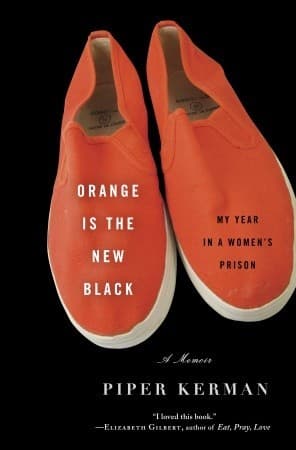
- Orange Is the New Black
Piper Kerman
3.7 (182k) average on GoodreadsBiographyWhile Kerman's memoir offers a first-person account of life inside women's prison, O'Nan's novel provides an equally immersive, yet distinct, perspective from outside the prison walls, focusing on the spouse's experience and the 'collateral damage' of incarceration on families. Both shed light on the carceral system, but from different vantage points.
- The Old Man and the Sea
Ernest Hemingway
3.8 (831k) average on GoodreadsLiterary FictionA Cuban fisherman's long struggle with a giant marlin becomes a story of endurance and dignity, now retold for young adults with illustrations, phonetic guides, and writing prompts in Traditional Chinese.
- One Hundred Years of Solitude
Gabriel García Márquez
4.1 (753k) average on GoodreadsLiterary FictionThrough the multi-generational story of the Buendía family, a mythical town deals with the repeating patterns of time, love, and solitude, as the extraordinary mixes with the ordinary.
- The Goldfinch
Donna Tartt
3.9 (720k) average on GoodreadsLiterary FictionHaunted by a tragic explosion and clutching a stolen Dutch masterpiece, a young orphan navigates the opulent drawing rooms of New York and the gritty underbelly of the art world, desperately seeking connection and redemption amidst a life spiraling into crime and obsession.





Enjoyed the summary?
A summary gives you the shape of the book. The book itself has the detail, the examples and the voice.
Find The Good Wife on AmazonAs an Amazon Associate, BookBrief earns from qualifying purchases. How we're funded