

Synopsis
Covers the whole plot, including the ending.
- Difficulty
- Easy
- Pacing
- Moderate
- Mood
- Heartwarming, Poignant, Reflective, Hopeful
- Read it if
- You enjoy heartwarming, character-driven stories about coming-of-age during wartime, with a focus on family and community.
- Skip it if
- You prefer fast-paced plots, high-stakes action, or stories with a cynical tone.
The Human Comedy Plot Summary
Covers the whole plot, including the ending.
The Macauley Family in Ithaca
The story begins in Ithaca, California, during World War II, introducing the Macauley family. Mrs. Macauley, a widow, raises her four children: Matthew, Marcus, Mary, and Homer. Matthew is away fighting in the war. Marcus, the oldest at home, cares for his mother and younger siblings. Homer, fourteen, is a careful boy, and Mary is a sweet, young girl. Ulysses, the youngest, is a curious and innocent four-year-old. The family lives simply, often discussing Matthew's absence and the war's effects. They find joy in simple things, like Ulysses's innocent observations, which often contrast with the grim realities of wartime.
Homer's First Day at W.U. Telegraph
Homer Macauley, wanting to help his family and feel important, gets a job as a telegraph messenger for the Western Union office. His boss, Mr. Spangler, is a kind but firm man who teaches Homer the job. Homer quickly learns the routes and the need for speed. His first few deliveries are ordinary, but he soon realizes the deep impact of the messages he carries. He delivers telegrams that announce births, deaths, and other life-changing news, becoming a silent witness to people's raw emotions. This new role makes Homer face the harsh realities of life and death, especially during wartime, at a very young age.
Delivering the First Death Telegram
One of Homer's most important early deliveries is a telegram announcing a soldier's death in action. He brings the news to a family, seeing their immediate grief. This experience deeply affects Homer, making him confront the war's human cost firsthand. He feels the weight of the message, understanding he is a bearer of fate. The encounter leaves a lasting impression, making him more empathetic and aware of life's fragility. He begins to see his job as a serious duty, not just a way to earn money.
Ulysses's Daily Adventures
While Homer is at work, Ulysses, the youngest Macauley, has his own daily adventures around Ithaca. He is a curious child, finding wonder in everyday things. He often visits the local library, where Miss Hicks, the librarian, patiently answers his questions. He also spends time with Mr. Mechano, a kind old man in a junk shop, and Mr. Henderson, the friendly train engineer. Ulysses's innocent view contrasts with the wartime worries, often showing life's beauty and simplicity. His talks with adults reveal their kindness and resilience, even amid personal struggles.
Marcus's Farewell
Marcus Macauley, the oldest son at home, receives his draft notice and prepares to leave for the army. This news is a big blow to the family, especially Mrs. Macauley, who has already sent Matthew to war. The family gathers for a final meal, a sad yet loving event. Marcus tries to reassure his mother and siblings, staying brave. His departure shows the war's wide impact on every family in Ithaca. Homer feels the responsibility of being the 'man of the house' even more, while Ulysses's innocence protects him from the full weight of the upcoming separation.
The Telegraph Office Encounters
Homer continues his work at the Western Union office, meeting many different people and situations. He delivers telegrams about love, money problems, and urgent family matters, along with constant war news. He observes the calm of his fellow messenger, Joe, and the quiet wisdom of Mr. Spangler. Through his deliveries, Homer becomes a silent confidant to the town's joys and sorrows. He learns to read people's reactions, developing a keen sense of empathy and understanding of human nature, which matures him beyond his years. The office becomes a small picture of wartime life.
Meeting Tobey George
One evening, Homer meets Tobey George, a kind young soldier passing through Ithaca. Tobey is lonely and misses his family. Homer, recognizing his gentle nature, invites Tobey to have dinner with his family. Tobey is warmly welcomed by Mrs. Macauley and the children, who treat him like family. He shares stories and laughter, bringing a brief moment of joy and friendship to the Macauley home. This meeting shows the family's generosity and their desire to connect with others, especially those serving their country. Tobey's presence offers temporary comfort and a reminder of the good in people.
The Return of Matthew's Friend
A telegram arrives for the Macauley family, not about death, but about a visit from Matthew's friend, a soldier named Fat. Fat arrives at the Macauley home, bringing stories and memories of Matthew from the war. His presence fills the house with a mix of joy and longing. He shares stories about Matthew's bravery and good humor, reassuring the family that Matthew is doing well. Fat's visit provides a real link to Matthew, helping the family feel closer to him and easing some of their worries, if only for a short time. It reinforces themes of friendship and resilience.
Ulysses and the Train
Ulysses, in his daily walks, often visits the train station. He is fascinated by the trains and the men who run them, especially Mr. Henderson, the engineer. One day, Mr. Henderson lets Ulysses sit in the train's cab, fulfilling a childhood dream for the boy. This moment of simple joy and wonder captures Ulysses's innocent view of the world. It provides a heartwarming break during the wartime setting, emphasizing the kindness of strangers and the magic found in everyday life through a child's eyes. It is a reminder of the innocence that still exists.
The Message of Hope
After many deliveries of sad news, Homer is tasked with delivering a telegram that brings joy and hope. It is a message of love, perhaps from a soldier to his sweetheart, or news of a safe return. This delivery provides a needed emotional balance for Homer, reminding him that his job also involves bringing happiness. He sees the recipient's delight, which contrasts with the grief he has seen. This experience reinforces the idea that life continues, with all its emotions, even during challenging times, and that love and connection last.
Mrs. Macauley's Strength
Throughout the story, Mrs. Macauley is a strong support for her family. Despite her husband and two oldest sons being away, she stays calm and loving. She offers wisdom and comfort to Homer as he deals with the harsh realities of his job, and she patiently encourages Ulysses's curiosity. Her resilience and steady faith in humanity guide her children through their worries. She embodies the quiet strength of many mothers during wartime, providing a stable and loving home amid uncertainty. Her character is an example of family's lasting power.
The Enduring Spirit of Ithaca
The novel ends with a sense of lasting community and hope in Ithaca. Despite the war's continued presence and many personal losses, the townspeople keep a spirit of resilience and mutual support. Homer, having matured greatly through his messenger experiences, continues his work, now with a deeper understanding of life's complexities. The Macauley family, though still missing Matthew and Marcus, finds comfort in their bond and the small joys of daily life. The story concludes on a note that suggests humanity's capacity for kindness, love, and perseverance, even when facing hardship, showing the beauty of the 'human comedy'.
Principal Figures
Homer Macauley
Protagonist
A fourteen-year-old telegraph messenger grappling with life and death during wartime.
Homer is a sensitive and intelligent fourteen-year-old boy, the second eldest son in the Macauley family. He takes on a job as a telegraph messenger to help his widowed mother and feels a deep sense of responsibility. Initially naive, his work exposes him to the raw emotions of others as he delivers messages of life, death, love, and money. He is observant, empathetic, and often internalizes the stories he becomes a part of. He is driven by a desire to understand the world and find his place in it, while also striving to be the fastest messenger.
Relationships: Mrs. Macauley (Devoted son, looks to her for guidance and comfort.); Marcus Macauley (Older brother, admires and respects him.); Ulysses Macauley (Protective older brother, dotes on him.); Mr. Spangler (Employee-boss relationship, respects him as a mentor.)
Mrs. Macauley
Supporting
The resilient, widowed matriarch of the Macauley family.
Mrs. Macauley is the loving and steadfast mother of Matthew, Marcus, Homer, and Mary, and Ulysses. Widowed, she faces the challenges of raising her children during wartime with grace and unwavering strength. She embodies quiet resilience, wisdom, and deep faith. Her focus is always on her children's well-being and maintaining a sense of normalcy and love in their home, despite the absence of her two eldest sons. She is the emotional anchor of the family, offering comfort and guidance.
Relationships: Homer Macauley (Loving mother, guides him through his moral development.); Marcus Macauley (Loving mother, deeply misses him when he leaves for war.); Ulysses Macauley (Affectionate mother, finds joy in his innocence.); Matthew Macauley (Loving mother, constantly worries about him at war.)
Ulysses Macauley
Supporting
The youngest Macauley, whose innocence offers a contrast to the wartime setting.
Ulysses is the four-year-old youngest child of the Macauley family. He is incredibly curious, observant, and innocent, seeing the world with a sense of wonder and unburdened by the anxieties of war. His daily wanderings around Ithaca and his interactions with various townspeople provide many of the novel's most charming and poignant moments. He often asks profound questions without realizing their depth, and his simple observations highlight the beauty and kindness that still exist in the world.
Relationships: Homer Macauley (Younger brother, Homer is very protective of him.); Mrs. Macauley (Loving son, finds comfort and security in his mother.); Mr. Henderson (Friendly acquaintance, fascinated by him and his train.); Miss Hicks (Friendly acquaintance, enjoys visiting her at the library.)
Marcus Macauley
Supporting
The eldest son at home, who leaves for war, embodying sacrifice.
Marcus is the second eldest Macauley son, a kind and responsible young man who initially stays home to help his mother and siblings while Matthew is at war. He is gentle, thoughtful, and tries to maintain a brave front for his family. When he receives his own draft notice, he accepts his duty with quiet resolve, embodying the sacrifices made by countless young men during the war. His departure leaves a significant void in the family, increasing Homer's sense of responsibility.
Relationships: Mrs. Macauley (Devoted son, tries to ease her worries.); Homer Macauley (Older brother, a role model for Homer.); Matthew Macauley (Brother, soon to join him in the war.)
Mr. Spangler
Supporting
Homer's kind but firm boss at the Western Union office.
Mr. Spangler is the manager of the Western Union telegraph office where Homer works. He is a pragmatic but compassionate man who understands the gravity of the messages his messengers carry. He guides Homer with patience and wisdom, teaching him not just the mechanics of the job but also the importance of empathy and discretion. He has seen much of life and death through the telegrams and serves as a quiet mentor to Homer, representing the adult world's responsibilities.
Relationships: Homer Macauley (Boss and mentor, teaches him the ropes of the job.)
Tobey George
Supporting
A lonely soldier who finds temporary solace with the Macauley family.
Tobey George is a young, kind soldier passing through Ithaca. He is a gentle and somewhat melancholic character, missing his own family and feeling the loneliness of wartime. He is invited by Homer to share a meal with the Macauley family and is deeply touched by their warmth and hospitality. His brief presence highlights the widespread impact of the war on individuals and the human need for connection and kindness, even among strangers. He represents the countless soldiers longing for home.
Relationships: Homer Macauley (Friend, Homer invites him to his home.); Mrs. Macauley (Temporary guest, treated like a son.)
Mr. Henderson
Supporting
The friendly train engineer who befriends Ulysses.
Mr. Henderson is a kind and elderly train engineer who works at the Ithaca train station. He is a gentle soul who takes a liking to the curious Ulysses, often allowing the boy to visit him in the train's cab. He represents the simple, good-hearted people of Ithaca, offering moments of joy and wonder to Ulysses and embodying the dependable, rhythmic pulse of daily life that continues despite the war. He is a symbol of stability and accessible magic for a child.
Relationships: Ulysses Macauley (Friendly acquaintance, indulges Ulysses's curiosity.)
Matthew Macauley
Mentioned
The eldest Macauley son, serving overseas in the war.
Matthew is the eldest Macauley son, absent from the main narrative as he is serving in the army overseas. He is constantly in the thoughts and conversations of his family, representing the thousands of young men fighting abroad. His absence is a source of worry and longing for Mrs. Macauley, and a strong motivation for Homer and Marcus. He is remembered as brave and good-humored, and his well-being is a central concern for the family.
Relationships: Mrs. Macauley (Loving son, constantly worried about.); Homer Macauley (Older brother, a source of inspiration and concern.); Marcus Macauley (Brother, soon to be joined by him in the war.)
Themes & Insights
The Innocence of Childhood vs. The Harshness of Reality
This theme is central, mainly shown through Homer and Ulysses' different experiences. Homer's job as a telegraph messenger quickly takes away his innocence, forcing him to face death, grief, and complex human emotions. Scenes like his first death telegram vividly show this. In contrast, Ulysses's daily adventures, his wonder at a train, and his innocent questions about life provide a strong opposite, highlighting the lasting ability to find joy and simple beauty even during wartime. The novel suggests that while innocence may be lost, a deeper understanding and empathy can grow.
“It was impossible for Homer to deliver a telegram and not become involved in the event that the telegram signified.”
Family, Love, and Resilience
The Macauley family is the heart of the novel, showing the strength of family ties during hard times. Despite Matthew and Marcus being away at war, Mrs. Macauley's steady love and firmness hold the family together. Their shared meals, talks, and support show how love and connection offer comfort and strength in challenging times. The way they welcome Tobey George, a stranger, into their home for dinner further emphasizes their generosity and the wide reach of their love. This theme highlights the lasting power of family as a safe place and a source of hope.
“The human family, no matter what its origin in time, is a thing to be loved, cherished, and honored.”
The Human Comedy and Tragedy of War
The novel explores the full range of human experience during wartime, from deep sorrow to unexpected joy. While the war brings news of death and separation through Homer's telegrams, the story also emphasizes moments of humor, kindness, and beauty. Ulysses's innocent observations, the friendship among the telegraph boys, and the simple pleasures of daily life remind us that life continues in all its forms. The 'comedy' is in humanity's resilience and ability to find light amid darkness, while the 'tragedy' is the unavoidable pain and loss caused by conflict. This dual nature is always present in Homer's daily deliveries.
“And the telegrams kept coming, day and night, bringing news of life and death, of love and money, of sickness and health, of comedy and tragedy.”
The Dignity of Work and Responsibility
Homer's job as a telegraph messenger is not just a way to earn money; it becomes a deep lesson in responsibility and the value of work. He learns the importance of speed and accuracy, but more importantly, he learns the ethical weight of his duties. Delivering sensitive news, he understands the respect due to the recipients and the messages themselves. This theme also appears in Mrs. Macauley's careful attention to her family and Mr. Spangler's serious approach to his office, showing that even seemingly ordinary work can have meaning and purpose, shaping one's character and understanding of the world.
“A messenger must learn to be swift, accurate, and respectful.”
Plot Devices & Literary Techniques
The Telegraph Office as a Microcosm
The Western Union office serves as a condensed representation of human experience.
The Western Union telegraph office functions as a central hub where all facets of human life converge. Through the telegrams that pass through it, Homer and the reader witness a concentrated version of the world's joys, sorrows, hopes, and fears. It's a place where life and death are announced daily, where fortunes are made and lost, and where love is declared. This device allows the author to explore broad themes of humanity and the impact of war without needing to show every event directly, making Homer's job a lens through which the 'human comedy' is observed.
Ulysses's Innocent Perspective
The youngest Macauley's viewpoint highlights wonder and provides emotional contrast.
Ulysses, the four-year-old, serves as a crucial plot device by offering an innocent, unburdened perspective on the world. His simple questions, observations, and fascination with everyday things (like trains or people he meets) provide moments of lightheartedness and profound insight. This innocence acts as a powerful foil to the grim realities Homer faces as a messenger, emphasizing the enduring beauty and wonder of life that persists even during wartime. His presence allows the author to inject hope and a sense of timeless human experience into the narrative.
Epistolary Elements (Telegrams)
Telegrams drive the plot and reveal the emotional landscape of the characters.
The telegrams themselves are a primary plot device, directly advancing the narrative and revealing the emotional core of the story. Each telegram Homer delivers or processes represents a specific event – a birth, a death, a declaration of love, a financial transaction. They are concise, impactful snippets of human experience that force Homer to confront various emotions and realities. This device efficiently conveys significant plot points and character reactions, allowing the story to touch upon numerous lives and illustrate the pervasive reach of the war and human connection across distances.
The Town of Ithaca, California
The setting functions as a symbolic representation of an idealized American hometown.
Ithaca, California, is more than just a backdrop; it acts as a symbolic setting. Named after the mythical Greek island, it represents a place of home, belonging, and enduring spirit, a destination that characters (like Matthew and Marcus) long to return to. The town itself, with its diverse inhabitants and close-knit community, becomes a character in its own right. It embodies the resilience of ordinary Americans during wartime, highlighting their kindness, interconnectedness, and ability to find beauty and meaning in their daily lives, even as the world outside is in turmoil.
The Human Comedy Quotes
“There is no death, only a change of worlds.”
“All that a man has to do is to live his life and to be himself. This is the whole secret of living.”
“It was impossible to be unhappy in Ithaca, even in wartime.”
“There are no strangers in the world, only friends you haven't met yet.”
“The world is full of wonders, and the greatest wonder of all is love.”
“Every man is a little bit of a fool and a little bit of a king.”
“A man's life is a story, and the best stories are told by the heart.”
“The longest journey is the journey inward.”
“You can't hurry love, you can't hurry truth, and you can't hurry the growing of a child.”
“It's a good world, and it's a good life, if you don't weaken.”
“The greatest thing in the world is to love and be loved.”
“The mail must go through.”
“When you're a telegraph messenger, you're not just carrying a message, you're carrying a piece of somebody's life.”
“Always tell the truth, even if it hurts, because in the end it's the only thing that's real.”
Quiz
10 questions on the plot and the characters. Each answer comes with a short explanation.
Question 1
What is the name of the town where the Macauley family lives?
- Fresno
- Ithaca
- Stockton
- Bakersfield
Show answer
B. Ithaca The story is set in Ithaca, a fictional town in California's San Joaquin Valley.
Question 2
What is Homer Macauley's primary job during the war?
- Newspaper delivery boy
- Grocery store clerk
- Telegraph messenger
- Mail carrier
Show answer
C. Telegraph messenger Homer is determined to become one of the fastest telegraph messengers in the West.
Question 3
Which family member is serving in the army during World War II?
- Ulysses Macauley
- Marcus Macauley
- Bess Macauley
- Matthew Macauley (the deceased father)
Show answer
B. Marcus Macauley Marcus, the eldest brother, is serving in the army, and his letters are a significant part of the story.
Question 4
What kind of messages does Homer primarily deliver as a telegraph messenger?
- Business promotions and advertisements
- News of wartime death, love, and money
- Election results and political updates
- Personal invitations and greetings
Show answer
B. News of wartime death, love, and money The synopsis states Homer delivers 'messages of wartime death, love, and money,' bringing him face-to-face with raw human emotion.
Question 5
How does Homer's job as a telegraph messenger impact his understanding of the world?
- It makes him cynical and distrustful of people.
- It isolates him from his community and family.
- It forces him to confront the harsh realities of human emotion and suffering.
- It inspires him to join the military himself.
Show answer
C. It forces him to confront the harsh realities of human emotion and suffering. Delivering sensitive messages brings Homer 'face-to-face with human emotion at its most naked and raw,' contributing to his coming-of-age.
Question 6
What is the general tone and style of 'The Human Comedy' described as?
- Bleak and pessimistic
- Humorous and satirical
- Gentle, poignant, and richly autobiographical
- Action-packed and suspenseful
Show answer
C. Gentle, poignant, and richly autobiographical The description explicitly calls the novel 'Gentle, poignant and richly autobiographical.'
Question 7
The novel is described as reflecting the struggles and dreams of what specific demographic in America?
- First-generation immigrants
- Second-generation immigrants
- Native Americans
- War veterans returning home
Show answer
B. Second-generation immigrants The Macauley family's experiences 'reflect those of America's second-generation immigrants.'
Question 8
Despite being set during wartime, how is the world portrayed in the novel?
- As a dangerous and unpredictable place
- As a place where innocence is quickly lost
- As sweeter, safer, and more livable than our own
- As a reflection of profound social upheaval
Show answer
C. As sweeter, safer, and more livable than our own The novel shows 'the boy becoming the man in a world that even in the midst of war, appears sweeter, safer and more livable than out own.'
Question 9
Which of Homer's siblings is the youngest and often accompanies him on his rounds, observing the world?
- Bess Macauley
- Marcus Macauley
- Mary Macauley
- Ulysses Macauley
Show answer
D. Ulysses Macauley Ulysses, the youngest Macauley, is known for his innocent observations and often wanders through Ithaca, representing a pure view of the world.
Question 10
What overarching theme is explored through Homer's journey of delivering telegrams and witnessing human emotions?
- The futility of war and its devastating consequences.
- The corrupting influence of power and wealth.
- The transition from innocence to experience and the universal human condition.
- The struggle for economic survival during a national crisis.
Show answer
C. The transition from innocence to experience and the universal human condition. Homer's role as a messenger exposes him to life's extremes, facilitating his growth from 'boy becoming the man' and highlighting the shared human experience.
The Human Comedy FAQ
What is the central premise of 'The Human Comedy' and who is the main character?
'The Human Comedy' centers on the Macauley family in Ithaca, California, during World War II, particularly focusing on fourteen-year-old Homer Macauley. Homer takes a job as a telegraph messenger, delivering messages that bring him into intimate contact with the joys and sorrows of a wartime community, forcing him to mature quickly.
Where and when does the story take place, and what is the significance of the setting?
The story is set in Ithaca, California, in the San Joaquin Valley, during World War II. This small-town American setting provides a microcosm of the national experience during wartime, highlighting the home front's struggles, anxieties, and enduring spirit, contrasting with the distant battlefields.
Who are the key members of the Macauley family and what roles do they play?
The Macauley family includes Kate, the widowed mother; Bess, the older sister; and brothers Matthew, Homer, and Ulysses. Matthew is away at war, Homer is the protagonist, and Ulysses is the curious, innocent youngest brother, while Kate and Bess provide the emotional anchor and support for the family.
What kind of messages does Homer deliver, and how do they impact him?
Homer delivers a wide range of telegraph messages, including those announcing deaths of soldiers, declarations of love, and news about money. Each message exposes him to raw human emotions, from profound grief to ecstatic joy, accelerating his understanding of life, death, and human connection.
How does Homer's job as a telegraph messenger serve as a rite of passage?
Homer's job plunges him into the adult world, forcing him to confront mortality, love, and loneliness directly. Through each delivery, he sheds his youthful innocence, gaining empathy and a deeper understanding of the human condition, effectively becoming a man through his experiences.
What is the significance of the character of Mr. Grogan, the older telegraph operator?
Mr. Grogan serves as a mentor figure to Homer, sharing his wisdom and often his whiskey as they process the emotional toll of their work. He represents the weary but resilient older generation, providing Homer with a glimpse into the long-term impact of witnessing human suffering.
How does the author use Ulysses Macauley's perspective to contrast with Homer's experiences?
Ulysses, the youngest brother, views the world with unblemished innocence and wonder, often encountering strangers and small adventures with open curiosity. His perspective acts as a poignant counterpoint to Homer's often somber and weighty duties, highlighting the fleeting nature of childhood and the ongoing presence of hope.
Are there any recurring symbols or motifs related to communication in the novel, beyond the telegrams?
Beyond the telegrams, the novel subtly uses letters from Matthew, conversations between characters, and even the internal monologues of Homer to explore different forms of communication. These various methods emphasize the human need to connect, share, and express, especially during times of separation and uncertainty.
How does Homer's internal conflict between 'reality and illusion' manifest throughout the story?
Homer's internal conflict is evident as he grapples with the harsh realities of wartime death and suffering, while simultaneously clinging to the idealized notions of heroism, love, and childhood innocence. He struggles to reconcile the world's harshness with his inherent optimism and the comfort of his family life.
What psychological impact does delivering death notices have on Homer?
Delivering death notices forces Homer to confront mortality repeatedly, leading to moments of profound sadness, empathy, and existential questioning. He experiences vicarious grief and responsibility, which matures him rapidly but also burdens him with a deep awareness of human fragility and loss.
How does the Macauley family cope psychologically with Matthew being at war?
The Macauley family copes with Matthew's absence through mutual support, shared routines, and holding onto hope. Kate, the mother, often expresses her anxieties through prayer and quiet strength, while the children find solace in their daily lives and the comfort of their close-knit unit, constantly thinking of Matthew.
How does the novel explore the concept of community resilience in wartime?
The novel showcases community resilience through the interactions Homer observes and participates in, such as neighbors comforting each other after receiving bad news, people supporting local businesses, and the collective spirit of shared sacrifice. Despite individual sorrows, the town of Ithaca demonstrates a unified ability to endure and find moments of joy.
What is the significance of the title 'The Human Comedy'?
The title 'The Human Comedy' suggests a broad, encompassing view of human experience, encompassing both the tragic and the humorous aspects of life. It implies that despite suffering, there is an inherent beauty, absurdity, and ultimately, hope in the everyday lives of ordinary people, reflecting a complete spectrum of emotions.
How does the book balance its poignant themes with moments of 'sweetness' and 'safety'?
The book achieves this balance by contrasting the somber realities of war and death with the warmth of family life, the innocence of Ulysses, and the simple joys found in daily routines. Saroyan intersperses moments of deep emotional weight with scenes of humor, community spirit, and the enduring beauty of the natural world, creating a hopeful tone.
Is 'The Human Comedy' primarily a story about war, or something else?
While set during World War II, 'The Human Comedy' is not primarily a war story in the traditional sense; rather, it is a story about the human spirit, family, and coming-of-age on the home front. The war serves as a backdrop that intensifies the emotional experiences of the characters, highlighting universal themes of love, loss, and resilience.
How does the autobiographical nature of the novel influence its tone and themes?
Saroyan's autobiographical connection to the setting and themes lends an authentic, gentle, and deeply personal tone to the narrative. This influence likely contributes to the novel's poignant reflections on family, immigration, and the innocence of youth, imbuing the story with a genuine warmth and nostalgic quality.
What message about hope does 'The Human Comedy' convey, particularly in a wartime setting?
'The Human Comedy' conveys a powerful message that hope can endure even amidst profound loss and uncertainty. Through the resilience of the Macauley family, Ulysses's unwavering curiosity, and Homer's growing empathy, the novel suggests that humanity's capacity for love, connection, and finding beauty in the everyday can triumph over despair.
How does the novel portray the American immigrant experience during World War II?
The Macauley family, as second-generation immigrants, embodies the American immigrant experience by demonstrating their deep integration into American society while retaining strong family values. Their struggles and dreams reflect the broader immigrant narrative of contributing to their new homeland, especially during a time of national crisis, and finding their place within it.
About the author

William Saroyan was an Armenian-American novelist, playwright, and short story writer. He was awarded the Pulitzer Prize for Drama in 1940, and in 1943 won the Academy Award for Best Story for the film The Human Comedy. When the studio rejected his original 240-page treatment, he turned it into a novel, The Human Comedy. Saroyan is regarded as one of the greatest writers of the 20th century.
Similar books
- To Kill a Mockingbird
Harper Lee
4.3 (4.5M) average on GoodreadsHistorical FictionExplores childhood innocence and moral development within a small-town American setting during a challenging era.
- A Tree Grows in Brooklyn
Betty Smith
4.3 (388k) average on GoodreadsHistorical FictionA coming-of-age story about a young girl growing up in poverty, highlighting family resilience and the pursuit of dreams.
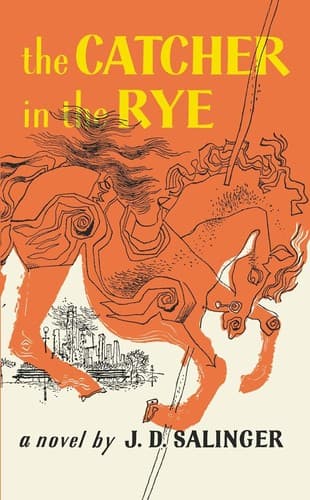
- The Catcher in the Rye
J.D. Salinger
3.8 (2.7M) average on GoodreadsYoung AdultFeatures a young protagonist grappling with the transition from innocence to experience, though with a different tone.
- The Great Gatsby
F. Scott Fitzgerald
3.9 (3.8M) average on GoodreadsHistorical FictionIn the opulent Roaring Twenties, a mysterious millionaire's lavish parties hide his desperate, tragic pursuit of a lost love, exposing the emptiness within the American Dream.
- Pride and Prejudice
Jane Austen
4.3 (3M) average on GoodreadsHistorical FictionIn a society focused on status and money, Elizabeth Bennet navigates love and pride, challenging Mr. Darcy and social expectations to find true affection.
- Angels & Demons
Dan Brown
3.9 (2.7M) average on GoodreadsThrillerA Harvard symbologist races through Rome's ancient sites, deciphering cryptic clues to unmask the Illuminati and stop a vengeful plot to destroy the Vatican with a stolen antimatter weapon.





Enjoyed the summary?
A summary gives you the shape of the book. The book itself has the detail, the examples and the voice.
Find The Human Comedy on AmazonAs an Amazon Associate, BookBrief earns from qualifying purchases. How we're funded