

Synopsis
Covers the whole plot, including the ending.
- Difficulty
- Medium
- Pacing
- Moderate
- Mood
- Atmospheric, Melancholy, Romantic, Artistic, Sensuous
- Read it if
- You enjoy lush, poetic prose, historical Indian settings, and emotionally rich stories about love, loss, and artistic expression.
- Skip it if
- You prefer fast-paced plots with clear resolutions, or are sensitive to themes of infant loss.
The Last Song of Dusk Plot Summary
Covers the whole plot, including the ending.
The Arrival of Anuradha
The novel begins by introducing Anuradha, a beautiful, musical young woman from a traditional background, who travels to Bombay. She is to marry Vardhmaan, a kind, intelligent doctor from a respectable family. Their initial courtship and marriage are happy, full of growing love and respect. Anuradha quickly adjusts to her new life, charming Vardhmaan and his family with her grace and singing. Their early years together are happy and promising, building a foundation of deep affection as they settle into married life in Bombay.
The Birth and Loss of a Son
Anuradha and Vardhmaan are very happy when their first child, a son named Dev, is born. Their joy, however, is short-lived. Dev dies in a terrible accident, leaving the couple in deep grief. The loss shatters their happy world, straining their marriage and breaking their spirits. Their once lively home becomes sad, and their once harmonious relationship is severely tested, casting a long shadow over their lives and their ability to find joy again.
A New Beginning in a Heartbroken Villa
To escape the constant sorrow and memories of their old home, Anuradha and Vardhmaan decide to move. They find an old, slightly run-down villa by the sea. Despite its sad air, it offers a sense of distance and the chance for a new start. This move shows their wish to fix their broken lives and rekindle the love that grief had hidden. The villa itself, with its history and atmosphere, watches their struggles and their slow, often painful, journey toward healing and finding each other again among the echoes of their past.
The Arrival of Nandini
Soon after they move, Nandini, a new and interesting character, enters their lives. Described as a striking, somewhat tricky artist, Nandini is a distant relative or acquaintance who comes to live with Anuradha and Vardhmaan. Her presence is immediately noticeable, marked by her unusual life, artistic talent, and a mysterious hint of 'leopard blood,' suggesting a wild nature. Nandini's arrival brings a new, often unsettling, dynamic to the quiet, grief-stricken household, challenging the couple's peace and introducing unpredictable energy and passion.
Nandini's Artistic Flourish
Nandini quickly becomes known in Bombay's growing art scene. Her unique artistic vision, combined with her flamboyant personality and unusual methods, gets much attention. She becomes a prominent figure in the city's bohemian circles, challenging social norms and expressing herself with great passion through her art. While Nandini's public life thrives with creative energy and recognition, her presence in the villa continues to stir Anuradha and Vardhmaan's emotions, subtly influencing their interactions and views on love and life.
The Complexities of Relationship
As Nandini becomes part of their lives, the dynamics in the villa grow more complex. Her vibrant, provocative nature and artistic freedom contrast sharply with Anuradha's quiet grace and Vardhmaan's reserved intelligence. Subtle tensions and unsaid desires begin to appear, creating an emotional tangle that tests the limits of Anuradha and Vardhmaan's marriage. Nandini's appeal, whether intended or not, makes the couple face their own weaknesses, their lingering grief, and the true nature of their commitment, pushing them to redefine their love.
Anuradha's Internal Journey
Amidst the external drama Nandini brings, Anuradha begins a deep inner journey. She continues to fight the heavy weight of her son's death, finding comfort in her music but struggling to tell Vardhmaan her deepest sorrows and desires. Nandini's free spirit both fascinates and scares her, making Anuradha think about her own identity and place in her marriage. She begins to quietly assert herself, not with grand gestures, but with subtle acts of defiance and a renewed connection to her inner self, seeking to reclaim her joy and redefine her understanding of love.
Vardhmaan's Dilemma
Vardhmaan, too, is deeply affected by his son's loss and the strain on his marriage. He struggles with his own grief, often retreating into his work. Nandini's arrival, while at first a distraction, eventually makes him confront the emotional distance that has grown between him and Anuradha. He finds himself drawn to Nandini's liveliness and artistic passion, yet he remains deeply committed to Anuradha. Vardhmaan must navigate his conflicting emotions and actively work to close the gap with his wife, understanding that real healing needs more than just sharing a home.
The Revelation of Love's Nature
Through their shared experiences, Nandini's challenges, and their individual struggles, Anuradha and Vardhmaan slowly begin to understand their love. They realize that love is not always shown through clear declarations or obvious actions, especially after deep loss. Instead, it appears in quiet understanding, shared silences, lasting presence, and an unsaid, firm commitment to each other. This realization marks a turning point, allowing them to rebuild their connection on a deeper, stronger foundation, acknowledging the changing and varied aspects of their bond.
Resolution and Enduring Connection
By the novel's end, Anuradha and Vardhmaan have gone through the difficult aftermath of their tragedy and Nandini's disruption. While the pain of their loss never fully leaves, they learn to live with it, finding comfort and strength in their lasting love. They emerge from their trials with a deep, though quieter, understanding of their relationship. Their love, once a fairy tale, becomes something more real, strong, and complex—a love given and received in silence, like the haunting beauty of an old song. They ultimately confirm their bond, having found peace in their shared journey and the unsaid language of their hearts.
The Last Song of Dusk Characters
Anuradha
Protagonist
A beautiful and musically gifted woman whose life is transformed by love and profound loss.
Anuradha is initially portrayed as a woman of ethereal beauty and a mesmerizing singing voice, embodying grace and traditional virtues. She enters her marriage with Vardhmaan with an innocent optimism that is shattered by the tragic death of her firstborn son. This loss plunges her into deep grief, making her quiet and withdrawn. Throughout the novel, she grapples with her sorrow, the changing dynamics of her marriage, and the unsettling presence of Nandini, slowly finding her own voice and strength not through outward rebellion, but through internal resilience and a quiet reassertion of self.
Relationships: Vardhmaan (Husband; deep love tested by tragedy and external influences.); Dev (Deceased son; his loss is the central tragedy of her life.); Nandini (Relative/acquaintance; her presence creates tension and self-reflection.)
Vardhmaan
Protagonist
A kind and intelligent doctor, devoted to his wife, who endures immense grief and seeks to mend his fractured marriage.
Vardhmaan is a charming and compassionate doctor, deeply in love with Anuradha. He represents stability and intellect. The death of his son devastates him, leading him to become emotionally distant, though his love for Anuradha remains steadfast. He struggles to navigate his own grief while also trying to support his wife and understand the complexities introduced by Nandini. His journey involves confronting his emotional reticence and actively working to reconnect with Anuradha, ultimately learning to express love in more nuanced, silent ways.
Relationships: Anuradha (Wife; deep love tested by tragedy and external influences.); Dev (Deceased son; his loss is a profound source of grief.); Nandini (Relative/acquaintance; her presence introduces intrigue and subtle tension.)
Nandini
Supporting/Catalyst
A dazzling, devious, and unconventional artist who stirs the emotional landscape of the central couple.
Nandini is a vibrant and eccentric artist, described as having a 'trace of leopard blood in her veins,' symbolizing her wild, untamed spirit. She is a catalyst in the story, her flamboyant personality and unconventional lifestyle disrupting the quiet grief of Anuradha and Vardhmaan. She thrives in Bombay's art scene, embodying freedom and artistic expression. While not overtly malicious, her presence creates an emotional triangle, forcing the couple to confront their unspoken issues and the true nature of their love. She represents an alternative path, a different way of living and loving, and indirectly aids in the couple's healing.
Relationships: Anuradha (Relative/acquaintance; a source of fascination and subtle tension.); Vardhmaan (Relative/acquaintance; a source of intrigue and potential distraction.)
Dev
Mentioned/Catalyst
Anuradha and Vardhmaan's firstborn son, whose tragic death sets the central conflict in motion.
Dev is Anuradha and Vardhmaan's firstborn son. Though his time in the story is brief, his death is the pivotal event that shatters the couple's idyllic life and propels the narrative forward. His memory casts a long shadow over their marriage, becoming the central source of their grief and the catalyst for their move to the heartbroken villa. Dev's loss forces Anuradha and Vardhmaan to confront profound sorrow and to re-evaluate the foundations of their love and commitment.
Relationships: Anuradha (Son; his death causes her immense suffering.); Vardhmaan (Son; his death causes him profound grief.)
Vardhmaan's Mother
Supporting
A traditional matriarch who cares for Anuradha but also embodies societal expectations.
Vardhmaan's mother is a traditional figure within the family, initially welcoming Anuradha warmly into their home. She embodies the societal expectations and norms of the time, often offering advice or expressing concerns typical of a matriarch. While she cares for Anuradha, particularly after the tragedy, her understanding of grief and relationships is rooted in conventional wisdom, sometimes contrasting with the deeper, more complex emotions experienced by Anuradha and Vardhmaan. She represents the background of family and tradition against which the couple's personal struggles unfold.
Relationships: Vardhmaan (Son; traditional mother-son relationship.); Anuradha (Daughter-in-law; cares for her, but sometimes misunderstands her grief.)
The Villa by the Sea
Setting/Symbolic
An old, melancholic house that becomes a character in itself, mirroring the couple's emotional state.
While not a human character, the heartbroken old villa by the sea functions as a significant entity in the story. It is a place of refuge and attempted renewal for Anuradha and Vardhmaan after their tragedy. Its melancholic atmosphere and history subtly reflect the couple's grief and the state of their fractured marriage. The villa absorbs their sorrows, witnesses their quiet struggles, and eventually becomes the backdrop for their slow healing and rediscovery of love. It is a silent observer, its walls holding the echoes of their past and the promise of their future.
Relationships: Anuradha (Home; a place for her internal journey and solace.); Vardhmaan (Home; a place for reflection and reconnection with his wife.)
The Last Song of Dusk Themes
The Enduring Nature of Love Amidst Grief
The novel explores how love, especially in marriage, can last and even change after great sorrow. After their son's death, Anuradha and Vardhmaan's happy love breaks, replaced by unspoken grief. This theme shows in their hard journey to reconnect, learning that love is often quiet understanding, shared silences, and a steady presence, not grand gestures. For example, their move to the 'sad old villa' shows their shared attempt to rebuild, finding that love is 'changing and many-hued,' able to endure even the bleakest times.
“real love, mercurial and many-hued, is given and received in silence.”
The Power of Art and Expression
Art, especially music and painting, is a key way to express and heal in the story. Anuradha's singing is first a source of joy, then a private comfort for her grief. Nandini, a flamboyant artist, uses painting to show her wild spirit and challenge norms, captivating Bombay's art scene. Her art, though sometimes disruptive, also represents freedom and a different way of processing emotions. The difference between Anuradha's inner, musical expression and Nandini's outer, visual flamboyance highlights the many ways people cope and communicate their inner worlds.
“Her songs were spellbinding, but her fate was troubled.”
Loss and Memory
The tragic death of Anuradha and Vardhmaan's son, Dev, is the central trauma that shapes the whole story. The novel carefully shows the lasting effects of deep loss, how memory can haunt people and relationships. The couple's inability to openly discuss their grief creates a distance between them, showing how unaddressed sorrow can grow. Their move to the new villa is an attempt to escape these haunting memories, yet the past constantly affects their present. Ultimately, the theme suggests that healing is not about forgetting, but about integrating loss into one's life and finding new ways to carry the memory without being overcome by it.
“tragedy transforms their marriage into a bleak landscape.”
Societal Expectations vs. Individual Desire
The story subtly looks at the tension between social norms and expectations, especially for women, in 1920s India, and personal desires for freedom and expression. Anuradha, despite her artistic talent, is initially limited by traditional roles. Nandini, however, actively defies these expectations, embracing a bohemian artist's life and challenging conventional morality. This contrast shows the different paths available (or not available) to women and the struggles in balancing personal fulfillment with family and social pressures. The novel suggests a quiet defiance of these norms through Anuradha's eventual inner freedom.
“A cornucopia of life at full tilt and high color...”
Plot Devices & Literary Techniques
The Tragic Loss of a Child
A pivotal event that serves as the primary catalyst for the protagonists' emotional and relational struggles.
The death of Anuradha and Vardhmaan's firstborn son, Dev, is the central inciting incident of the novel. This tragic event immediately shatters the idyllic happiness of the couple, plunging them into profound grief and creating a significant emotional chasm between them. It forces them to move, introduces the need for healing, and ultimately sets the stage for Nandini's arrival and the subsequent re-evaluation of their love. Without this tragedy, the core conflict and the protagonists' transformative journey would not exist.
The 'Heartbroken Old Villa by the Sea'
A symbolic setting that mirrors and influences the emotional state of the characters.
The villa itself acts as a significant plot device and a symbolic character. Its dilapidated state and melancholic atmosphere reflect the brokenness and grief of Anuradha and Vardhmaan's marriage. Moving into it is an attempt at a fresh start, yet the villa's 'heartbroken' nature means it does not immediately offer solace but rather becomes a crucible for their continued suffering and eventual healing. It provides a contained environment where the emotional dynamics, particularly with Nandini's arrival, can intensify and play out.
The Catalyst Character (Nandini)
A vibrant, unconventional character whose arrival disrupts the status quo and forces the protagonists to confront their issues.
Nandini serves as a classic catalyst character. Her dynamic, free-spirited, and somewhat devious presence disrupts the quiet, grief-stricken existence of Anuradha and Vardhmaan. She doesn't have a strong personal arc in the same way the protagonists do, but her actions and very being provoke reactions and force the main couple to confront their unspoken grief, their emotional distance, and the true nature of their love. Her 'leopard blood' and artistic flamboyance inject a much-needed, albeit unsettling, energy into the narrative, pushing the plot forward and deepening character introspection.
Anuradha's Singing
A recurring motif and a means of emotional expression for the protagonist.
Anuradha's singing is a significant motif throughout the novel. Initially, it symbolizes her beauty, grace, and her ability to enchant. After her son's death, her songs become a private means of expressing her profound grief and unspoken sorrow. It is a way for her to process her emotions when words fail, and it subtly communicates her inner state to Vardhmaan and the reader. The 'last song of dusk' in the title itself hints at the fading of an old way of life or love, and the quiet, enduring beauty that remains.
The Last Song of Dusk Quotes
“Love, like a monsoon, arrives unbidden, drenches everything, and then retreats, leaving behind a landscape forever altered.”
“Memory is a cruel mistress, offering glimpses of what was, but never allowing one to truly return.”
“The greatest tragedies are not those that strike with sudden fury, but those that unfold slowly, like a wilting flower, each petal a tiny farewell.”
“Some silences are louder than any scream, carrying the weight of unspoken words and unfulfilled desires.”
“History, they say, is written by the victors. But the heart, it remembers the vanquished.”
“To truly live is to embrace both the light and the shadow, for one cannot exist without the other.”
“The world outside may rage with change, but within these walls, time folds in on itself, preserving echoes of what was.”
“Grief is not a single storm, but a series of unending drizzles, each drop eroding a little more of the soul.”
“Sometimes, the most profound connections are forged not in grand gestures, but in shared moments of quiet understanding.”
“Beauty, like a fleeting melody, can be both a blessing and a curse, drawing admiration and envy in equal measure.”
“The past is not dead; it is not even past. It breathes in the dust of our homes, in the lines on our faces, in the stories we tell.”
“Hope is a fragile bird, easily startled, but capable of soaring to unimaginable heights when given the smallest encouragement.”
“What is love, if not the willingness to watch another's heart break, knowing you cannot mend it, only witness it?”
“The world is a stage, and we are merely players, but sometimes, the lines we are given are not the ones our hearts wish to speak.”
Quiz
10 questions on the plot and the characters. Each answer comes with a short explanation.
Question 1
In what city do Anuradha and Vardhmaan move to marry and begin their life together?
- Delhi
- Calcutta
- Bombay
- Madras
Show answer
C. Bombay The synopsis explicitly states that 'the astonishingly lovely Anuradha moves to Bombay to marry Vardhmaan'.
Question 2
What profession does Vardhmaan, Anuradha's husband, have?
- A lawyer
- A charming young doctor
- An artist
- A merchant
Show answer
B. A charming young doctor The text describes Vardhmaan as 'a charming young doctor'.
Question 3
What tragic event transforms Anuradha and Vardhmaan's marriage into a 'bleak landscape'?
- Vardhmaan loses his job
- Anuradha loses her singing voice
- Their firstborn son dies in a terrible accident
- They suffer a significant financial loss
Show answer
C. Their firstborn son dies in a terrible accident The synopsis clearly states, 'But when their firstborn son dies in a terrible accident, tragedy transforms their marriage into a bleak landscape.'
Question 4
Who is Nandini, the character who joins Anuradha and Vardhmaan in their heartbroken old villa?
- Anuradha's estranged sister
- A dazzling and devious artist
- Vardhmaan's former medical colleague
- A housemaid they hire
Show answer
B. A dazzling and devious artist Nandini is introduced as 'a dazzling and devious artist with a trace of leopard blood in her veins'.
Question 5
What unique, somewhat mystical trait is attributed to Nandini?
- She has the ability to predict the future.
- She can communicate with animals.
- She has a trace of leopard blood in her veins.
- She can make plants grow instantly.
Show answer
C. She has a trace of leopard blood in her veins. The description of Nandini includes the detail 'with a trace of leopard blood in her veins'.
Question 6
Where do Anuradha and Vardhmaan attempt to mend their marriage after the tragedy?
- They travel abroad for a change of scenery.
- They move to a heartbroken old villa by the sea.
- They return to their childhood homes.
- They immerse themselves in social work.
Show answer
B. They move to a heartbroken old villa by the sea. The text states, 'As the pair starts fresh in a heartbroken old villa by the sea, they are joined by Nandini'.
Question 7
What is Anuradha's special talent mentioned in the synopsis?
- Her cooking is renowned.
- Her songs are spellbinding.
- She is an exceptional dancer.
- She has a talent for painting.
Show answer
B. Her songs are spellbinding. The synopsis explicitly mentions 'beautiful Anuradha, whose songs are spellbinding'.
Question 8
What is the ultimate realization Anuradha and Vardhmaan come to about real love?
- It can only be found through grand gestures.
- It is mercurial and many-hued, given and received in silence.
- It requires constant verbal affirmation.
- It is a fleeting emotion that cannot be sustained.
Show answer
B. It is mercurial and many-hued, given and received in silence. The synopsis concludes that they discover 'real love, mercurial and many-hued, is given and received in silence'.
Question 9
The novel is set in what decade of the 20th century?
- 1910s
- 1920s
- 1930s
- 1940s
Show answer
B. 1920s The very first line of the synopsis states, 'Set in 1920s India'.
Question 10
Which of the following authors is Siddharth Dhanvant Shanghvi NOT compared to in the provided reviews?
- Arundhati Roy
- Zadie Smith
- Salman Rushdie
- Vikram Seth
Show answer
C. Salman Rushdie The Sunday Oregonian review mentions Shanghvi 'who’s been compared to Arundhati Roy, Zadie Smith, and Vikram Seth', but Salman Rushdie is not listed.
The Last Song of Dusk FAQ
What is the central premise of 'The Last Song of Dusk'?
The novel centers on the marriage of Anuradha, a spellbinding singer, and Vardhmaan, a charming doctor, in 1920s Bombay. Their initial fairy-tale life is shattered by the tragic death of their firstborn son, leading them to relocate to a heartbroken villa and confront their grief, eventually finding a different kind of love.
Who is Nandini and what role does she play in Anuradha and Vardhmaan's lives?
Nandini is a dazzling and devious artist with a mysterious 'leopard blood' lineage who joins Anuradha and Vardhmaan in their new villa. She becomes a vibrant, disruptive force in Bombay's art scene and subtly, yet profoundly, impacts the couple's attempt to mend their fractured marriage, introducing new dynamics and temptations.
How does the setting of 1920s Bombay influence the story?
1920s Bombay provides a vibrant, evolving backdrop of cultural dynamism and societal expectations. It allows for the juxtaposition of traditional values, represented by Anuradha and Vardhmaan's initial marriage, with the burgeoning modern art scene and more unconventional lifestyles embodied by Nandini, reflecting a city in transition.
What is the significance of Anuradha's singing ability?
Anuradha's spellbinding songs are initially presented as a defining characteristic of her beauty and charm, contributing to the 'fairy tale' aspect of her early life with Vardhmaan. Later, her inability or reluctance to sing might symbolize her deep grief and the silencing of her joy after their son's death, reflecting her internal state.
What kind of tragedy befalls Anuradha and Vardhmaan early in their marriage?
Their firstborn son dies in a terrible accident, a devastating event that completely transforms their idyllic marriage into a 'bleak landscape.' This tragedy is the catalyst for their move to the old villa by the sea and the subsequent unraveling and re-evaluation of their relationship.
What is implied by Nandini having 'a trace of leopard blood in her veins'?
This detail hints at Nandini's wild, untamed, and perhaps predatory nature. It suggests an inherent connection to primal instincts, sensuality, and an exotic, untamed energy that sets her apart and makes her both alluring and potentially dangerous to the conventional world of Anuradha and Vardhmaan.
Are there any subtle indications of magical realism beyond Nandini's 'leopard blood'?
The description of Anuradha's songs as 'spellbinding' and the overall 'magical debut novel' framing suggest a subtle vein of magical realism. The 'heartbroken old villa' also personifies the setting, hinting at an emotional resonance that transcends mere physical description, infusing the environment with a melancholic spirit.
How does the 'heartbroken old villa by the sea' serve as more than just a setting?
The villa acts as a symbolic character, mirroring the emotional state of Anuradha and Vardhmaan. Its 'heartbroken' nature reflects their grief and shattered dreams, while its location by the sea, with its mercurial nature, parallels the shifting tides of their love and the unpredictable forces at play in their lives.
How does Vardhmaan's character evolve after the tragedy?
Initially a charming young doctor, Vardhmaan's character likely undergoes a profound transformation, grappling with grief and the breakdown of his fairy-tale life. His journey involves navigating the 'bleak landscape' of his marriage and rediscovering love in a different, perhaps more mature and silent form, alongside Anuradha.
What psychological impact does the loss of their child have on Anuradha?
The loss of her firstborn son plunges Anuradha into deep grief, likely causing her to withdraw and her previously 'spellbinding' nature to dim. Her journey involves navigating this profound sorrow, attempting to mend her marriage, and ultimately finding a new expression of love that is 'given and received in silence.'
How does Nandini's presence psychologically affect Anuradha and Vardhmaan's relationship?
Nandini's dazzling and devious presence introduces a complex psychological dynamic, potentially stirring jealousy, desire, or even a catalyst for self-reflection within the couple. Her flamboyance might highlight the couple's muted grief, pushing them to confront their emotional landscape or seek solace in unexpected ways.
The book states they discover 'real love, mercurial and many-hued, is given and received in silence.' What does this mean for their relationship?
This suggests that their love transforms from an overtly romantic, fairy-tale ideal into something deeper, more resilient, and less reliant on outward expressions or grand gestures. It implies an understanding and connection that transcends words, forged through shared pain and quiet endurance, acknowledging love's complex and ever-changing nature.
How does the 'wickedly funny' aspect mentioned in the description fit into a story primarily about grief and tragedy?
The 'wickedly funny' element likely emerges through the vibrant characters, particularly Nandini, and the observations of human nature and societal quirks in 1920s Bombay. It provides a crucial counterpoint to the tragedy, offering moments of levity and demonstrating life's inherent contradictions, preventing the narrative from becoming solely somber.
Is Nandini intended to be a villain, a catalyst, or something more complex?
Nandini is likely a complex character, not a straightforward villain. While 'devious,' her role as a 'dazzling artist' suggests she is more of a catalyst, disrupting the couple's stagnant grief and forcing them to re-evaluate their lives and love. Her 'leopard blood' hints at a primal, amoral force rather than pure malice.
What is the ultimate message about fate conveyed by the novel?
The novel suggests that fate is a powerful, inescapable force that can bring both immense joy and profound tragedy, as seen in the couple's initial happiness and subsequent loss. However, it also implies that within the confines of fate, individuals can still find different forms of love and resilience, even if it means redefining their understanding of happiness.
How does the author use 'sensuous and electric' prose to tell this story?
The 'sensuous and electric' prose likely manifests in rich, evocative descriptions of Bombay's atmosphere, the characters' emotions, and the physical details of their lives. This style would immerse the reader in the vibrant setting and the intense emotional landscape, making the experiences of Anuradha, Vardhmaan, and Nandini feel vivid and immediate.
What distinguishes the 'love' Anuradha and Vardhmaan discover from their initial 'fairy-tale' love?
Their initial 'fairy-tale' love was likely idealized, perhaps superficial, and shattered by tragedy. The 'real love' they discover is 'mercurial and many-hued,' implying it's more complex, resilient, and forged through shared suffering. It's a love that transcends words, 'given and received in silence,' suggesting a deeper, unspoken understanding and acceptance of each other's flaws and grief.
About the author

Siddharth Dhanvant Shanghvi is an Indian author known for his fiction. His notable work, The Last Song of Dusk, explores themes of love and loss against a richly woven backdrop. Shanghvi's writing often reflects the complexities of human emotions and relationships.
Similar books
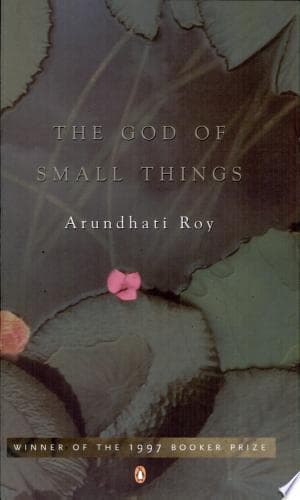
- The God of Small Things
Arundhati Roy
3.9 (244k) average on GoodreadsLiterary FictionShares a lush, poetic writing style, focus on family tragedy, and vivid Indian setting.
- The White Tiger
Aravind Adiga
3.7 (157k) average on GoodreadsLiterary FictionCaptures the vibrant and complex spirit of modern India, with distinctive narrative voice.
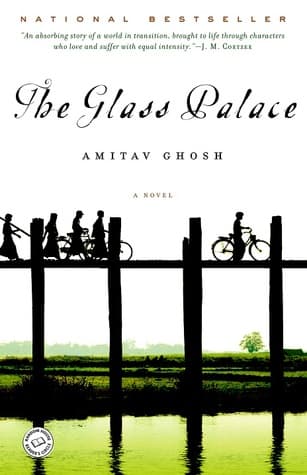
- The Glass Palace
Amitav Ghosh
4.0 (23k) average on GoodreadsLiterary FictionGhosh's work is a sweeping historical epic more concerned with broader political and economic forces, whereas Shanghvi prioritizes the internal lives and romantic entanglements of his characters, offering a more intimate focus.
- To Kill a Mockingbird
Harper Lee
4.3 (4.5M) average on GoodreadsHistorical FictionIn the 1930s Jim Crow South, Harper Lee writes about racial injustice, moral growth, and the quiet courage of a lawyer father, Atticus Finch, as seen through his young daughter's eyes.
- The Great Gatsby
F. Scott Fitzgerald
3.9 (3.8M) average on GoodreadsHistorical FictionIn the opulent Roaring Twenties, a mysterious millionaire's lavish parties hide his desperate, tragic pursuit of a lost love, exposing the emptiness within the American Dream.
- Pride and Prejudice
Jane Austen
4.3 (3M) average on GoodreadsHistorical FictionIn a society focused on status and money, Elizabeth Bennet navigates love and pride, challenging Mr. Darcy and social expectations to find true affection.




Enjoyed the summary?
A summary gives you the shape of the book. The book itself has the detail, the examples and the voice.
Find The Last Song of Dusk on AmazonAs an Amazon Associate, BookBrief earns from qualifying purchases. How we're funded