

Synopsis
Covers the whole plot, including the ending.
- Difficulty
- Medium
- Pacing
- Moderate
- Mood
- Redemptive, Hopeful, Melancholy, Romantic, Historical
- Read it if
- You enjoy historical fiction set in the American Old West with a strong focus on themes of grief, redemption, and finding love and faith after loss.
- Skip it if
- You prefer fast-paced thrillers or are uncomfortable with stories dealing with significant personal tragedy and spiritual struggle.
The Looking Glass Plot Summary
Covers the whole plot, including the ending.
The Weight of Grief
Hunter Bell, a minister, is devastated by his wife Sarah's death during childbirth. Overwhelmed by grief and feeling abandoned by God, he leaves their infant daughter, Annie, with his sister Martha and brother-in-law Thomas. Hunter then leaves his home in Wisconsin, drawn by the gold mines in the Utah Territory. He tells himself he is earning money for Annie's future, but he is truly escaping his pain and haunting memories. His faith is broken, replaced by detachment and a willingness to gamble.
A New Life in Ophir
Hunter arrives in Ophir, a harsh mining town, and sheds his past as a man of God. He gets a job at a local saloon as a bouncer and card dealer, a sharp change from his former life. He keeps to himself, stoic and distant, rarely speaking of his past or family. Ophir's rough environment, full of miners, gamblers, and outlaws, reflects his inner desolation. He sends money home to Martha and Thomas for Annie, but it feels more like an obligation than a connection. He spends his nights gambling and his days working, lost in regret.
The Blizzard and the Discovery
A severe blizzard hits Ophir, isolating the town. Hunter, braving the dangerous conditions, goes to check on a supply delivery. He finds a stagecoach, abandoned and buried in snow. Inside, among frozen cargo, he discovers a young woman, near death from exposure, holding a small, ornate looking glass. He also finds a hidden compartment with a large sum of money and a journal. The woman, barely conscious, whispers 'Leah' before dying from the cold. Despite his cynicism, Hunter feels a strange need to understand her story.
Leah's Story Unfolds
Hunter brings the frozen woman's body back to Ophir. With the local doctor's help, he learns her name was Leah. He then reads the journal he found with her, a small, leather-bound book with Leah's elegant handwriting. The journal details her journey from a respectable life in the East, through increasingly difficult situations, including betrayal and forced servitude. She writes of her hopes for a new life, her love for a mysterious man, and her desperate search for freedom. Hunter is drawn into her story, finding himself unexpectedly invested in her tragic fate and the secrets she carried.
The Unveiling of Betrayal
As Hunter reads Leah's journal, a disturbing picture emerges. Leah, a refined and educated woman, was tricked and enslaved by a ruthless man named Silas Blackwood. Blackwood promised her safe passage to Utah but used her as collateral for his illegal ventures. The journal entries show her resilience, her spirit, and her determination to escape her captor. She describes the horrors she faced, the kindness of strangers, and her hope for a future with her beloved. Hunter feels a growing outrage and a desire to bring justice to Silas Blackwood, a man who represents the evil Hunter had come to believe defined the world.
A Quest for Justice
Leah's journal ends suddenly, leaving Hunter with a sense of unfinished business. He realizes the money he found was likely hers, meant for a new life. The looking glass, often mentioned in her writings, seems to hold special meaning. Driven by duty and a renewed moral sense, Hunter decides to find Silas Blackwood. This quest for justice becomes a new purpose, pulling him from his apathy. He sells his belongings, gathers supplies, and prepares to leave Ophir, determined to correct the wrongs done to Leah.
The Trail to Redemption
Hunter's pursuit of Silas Blackwood takes him across the rugged and dangerous Utah landscape. He uses clues from Leah's journal and his own instincts to follow Blackwood's trail. Along the way, he meets various people: tough frontiersmen, desperate prospectors, and a few kind souls who offer unexpected help. He finds himself using skills he thought he had lost, and his experiences on the trail slowly chip away at his cynicism. The journey is full of danger, including encounters with outlaws and the harsh wilderness, but Hunter's resolve stays strong.
Confrontation and Revelation
Hunter finally corners Silas Blackwood in a remote hideout. A fierce confrontation follows, testing Hunter's physical and moral strength. During the fight, Blackwood reveals a shocking truth about Leah's past and his own connection to her. The revelation adds another layer of tragedy to Leah's story but strengthens Hunter's belief that he is doing the right thing. The fight is brutal, but Hunter, driven by Leah's memory and a new sense of purpose, wins. Blackwood is brought to justice, and Hunter recovers a significant part of Leah's stolen money.
The Return to Faith
Having kept his promise to Leah, Hunter feels a deep change within himself. The darkness that had consumed him since Sarah's death begins to fade. He finds himself praying again, not out of duty, but from genuine gratitude and renewed faith. The journey brought justice and guided him back to his true calling. He realizes that even in the darkest times, hope and redemption are possible. He uses the recovered money to help those in need, honoring Leah's memory and embracing his role as a compassionate servant.
A New Beginning for Annie
Hunter, changed by his experiences, returns to Wisconsin. He is no longer the grieving, faithless man who left. He embraces Annie, feeling a love and connection he thought he had lost. He shares his story with Martha and Thomas, explaining the journey that led him back to himself and to God. While the pain of Sarah's loss remains, it is now balanced by a deep sense of peace and purpose. He dedicates himself to raising Annie, using lessons from Leah's tragic life to guide his path forward, showing resilience, love, and the lasting power of hope.
Principal Figures
Hunter Bell
Protagonist
A grieving former minister seeking redemption in the American West.
Hunter Bell is a man consumed by grief and guilt after the death of his wife, Sarah, and the subsequent abandonment of his faith and infant daughter. He is initially cynical, withdrawn, and emotionally numb, finding solace in gambling and the anonymity of the frontier. Despite his hardened exterior, a deep-seated morality and compassion still reside within him, awakened by Leah's story. He possesses a keen intellect and a strong sense of justice that he had suppressed. His journey forces him to confront his inner demons and rediscover his spiritual and moral compass.
Relationships: Sarah Bell (Deceased wife, her death is the catalyst for his grief and flight.); Annie Bell (Infant daughter, his love for her is a driving, though initially distant, motivation.); Martha Bell (Sister, who cares for Annie and maintains a connection to Hunter's past.); Thomas (Brother-in-law, Martha's husband, who supports her in caring for Annie.); Leah (The deceased woman whose journal inspires Hunter's quest for justice and redemption.)
Leah
Catalyst/Supporting (posthumous)
A mysterious woman whose tragic story and journal ignite Hunter's journey.
Leah is a refined and educated young woman from the East, whose life is tragically cut short in the blizzard. Though she appears only briefly in person, her character is profoundly developed through her journal entries. She is depicted as intelligent, resilient, and hopeful, despite enduring immense hardship, betrayal, and forced servitude. Her unwavering spirit and her deep desire for a new life, free from her oppressor, are central to her character. She embodies the innocence and vulnerability that Hunter feels compelled to protect and avenge.
Relationships: Hunter Bell (Her tragic story becomes the catalyst for his transformation.); Silas Blackwood (Her captor and tormentor, the antagonist of her personal story.)
Silas Blackwood
Antagonist
The ruthless and deceptive man responsible for Leah's suffering.
Silas Blackwood is the embodiment of greed and cruelty. He is a cunning and manipulative individual who preys on the vulnerable, using deceit and force to achieve his illicit gains. He is responsible for Leah's enslavement and her subsequent tragic fate. Blackwood represents the moral decay and lawlessness of the untamed West, a stark contrast to Hunter's former life as a man of God. His actions drive the central conflict of the plot, serving as the target of Hunter's quest for justice.
Relationships: Leah (Her captor and tormentor.); Hunter Bell (His pursuer and ultimate adversary.)
Sarah Bell
Mentioned/Catalyst
Hunter's deceased wife, whose death triggers his profound grief and crisis of faith.
Sarah Bell is Hunter's beloved wife, whose sudden death during childbirth shatters his world. Though she never appears alive in the narrative, her memory and the profound impact of her loss are central to Hunter's character. She represents the happiness and faith Hunter once possessed, and her absence creates the void he tries to fill with detachment and cynicism. Her memory serves as a constant reminder of what Hunter has lost and what he is trying to escape.
Relationships: Hunter Bell (His deceased wife, the love of his life.)
Annie Bell
Supporting
Hunter's infant daughter, representing his future and a reason for his eventual return.
Annie Bell is Hunter's infant daughter, left in the care of his sister and brother-in-law. She represents the fragile hope and future that Hunter initially abandons but eventually returns to. Though she is a baby and has no active role in the plot, her existence is a constant, albeit distant, motivation for Hunter. Her well-being is the stated reason for his work in Ophir, and his eventual return to her symbolizes his complete redemption and acceptance of his responsibilities.
Relationships: Hunter Bell (Her father.); Martha Bell (Her aunt and primary caregiver.); Thomas (Her uncle and primary caregiver.)
Martha Bell
Supporting
Hunter's compassionate sister, who cares for Annie and represents his ties to home.
Martha Bell is Hunter's sister, a kind and steadfast woman who takes on the responsibility of raising Annie when Hunter leaves. She represents the enduring family ties and the stable, loving home that Hunter has abandoned. Her letters to Hunter serve as a lifeline, reminding him of his responsibilities and the love awaiting him. She embodies patience, forgiveness, and unwavering support, never giving up hope for Hunter's return and his eventual healing.
Relationships: Hunter Bell (Her brother.); Annie Bell (Her niece and ward.); Thomas (Her husband.)
Thomas
Supporting
Hunter's brother-in-law, a steady and supportive figure.
Thomas is Martha's husband and Hunter's brother-in-law. He is a practical and supportive man who stands by Martha in caring for Annie. He represents the quiet strength and reliability of family. While not as emotionally expressive as Martha, his actions demonstrate his commitment to his family and his understanding of Hunter's plight, even if he doesn't fully comprehend the depths of Hunter's despair. He is a grounded presence that contrasts with Hunter's initial aimlessness.
Relationships: Hunter Bell (His brother-in-law.); Martha Bell (His wife.); Annie Bell (His niece and ward.)
Doc Adams
Supporting
The local doctor in Ophir who assists Hunter and offers a gruff wisdom.
Doc Adams is the no-nonsense, experienced doctor in Ophir. He is a practical and somewhat cynical man, hardened by life on the frontier, but possesses a deep sense of duty and a surprising compassion. He helps Hunter with Leah's body and offers pragmatic advice. He represents the unsentimental but ultimately decent side of frontier life, providing a foil to Hunter's initial despair and a grounding presence in the rough mining town.
Relationships: Hunter Bell (An acquaintance who offers professional and occasional personal advice.)
Themes & Insights
Redemption and Forgiveness
This theme explores Hunter's journey from deep grief, guilt, and self-abandonment to renewed purpose and spiritual healing. His initial escape from his past and daughter shows his inability to forgive himself or God for his wife's death. Leah's story, however, compels him to act, forcing him to face external evil and his own inner struggles. By seeking justice for Leah, he unintentionally finds his own redemption, forgiving himself and rekindling his faith. This is clear when he begins to pray again and returns to Annie, a changed man ready to embrace his responsibilities.
“I had run from God, from my calling, from my own heart. But in the barren wastes of Utah, a lost soul found me, and through her silence, she spoke of grace.”
The Power of Storytelling
Leah's journal is a key plot device that highlights the deep impact of individual stories. Through her written words, Leah, though dead, becomes a vivid and influential character. Her narrative goes beyond her physical absence, moving Hunter from apathy to a passionate quest for justice. The journal allows her voice to be heard, her suffering to be acknowledged, and her legacy to shape the protagonist's destiny. This theme shows how personal stories can inspire change, reveal truth, and build empathy, even across time and death, fundamentally altering another's life.
“Her words, inscribed on brittle pages, were not just a history; they were a living plea, a testament that demanded an answer.”
Loss and Grief
The novel begins with Hunter consumed by the devastating loss of his wife, Sarah. His grief is so profound that he abandons his faith, profession, and infant daughter. This theme explores the destructive power of unresolved sorrow and its psychological toll. Hunter's initial journey to the West is an escape from this grief, a desperate attempt to outrun his pain. However, by confronting Leah's tragic loss, Hunter begins to process his own, slowly realizing that true healing comes not from avoidance but from facing hardship and finding purpose beyond personal suffering. His eventual return to Annie signifies his acceptance of loss and his ability to move forward.
“The silence of the blizzard mirrored the silence in my soul, a vast, echoing void where joy had once resided.”
Justice and Morality in the Frontier
The harsh and lawless American West serves as a backdrop for the struggle between good and evil. Hunter, a former minister, has lost his moral compass, but Leah's story reignites his sense of justice. The theme explores the idea that even where law is often absent, an inherent human need for fairness and retribution exists. Hunter's pursuit of Silas Blackwood is not just a personal vendetta but a quest to restore some moral order. It examines how individuals define and enact justice when formal systems are lacking, highlighting the personal responsibility needed to uphold ethical principles in a challenging environment.
“In the shadowlands of men's hearts, some evils festered, demanding more than mere law to be brought to account.”
The Resilience of the Human Spirit
Despite enduring unimaginable betrayal, hardship, and ultimately, death, Leah's journal entries consistently show her hope for a better future and her determination to escape her circumstances. Her spirit, even in the face of immense cruelty, never breaks. Similarly, Hunter, though initially shattered by grief, shows resilience by eventually rising from his despair. His decision to pursue justice for Leah, despite the dangers, shows his ability to overcome personal suffering and find a new purpose. The novel suggests that even when faced with humanity's darkest aspects, the will to survive, hope, and seek meaning can endure.
“Even in the darkest of nights, a flicker of hope, like a distant star, guided her steps.”
Plot Devices & Literary Techniques
The Looking Glass
A small, ornate mirror that symbolizes connection, hope, and hidden truths.
The looking glass found with Leah is a significant symbolic object. It represents Leah's connection to her past, a cherished personal item she carried through her ordeal. It also symbolizes hope for the future, as she might have used it to reflect on who she was and who she hoped to become. For Hunter, it becomes a tangible link to Leah, a constant reminder of her presence and the quest he undertakes. It also subtly hints at the idea of reflection – Hunter looking into himself and confronting his own brokenness. Its discovery initiates the central mystery and propels Hunter into action.
Leah's Journal
A written account that serves as a posthumous narrator and primary source of exposition.
Leah's journal is the most crucial plot device. It functions as a posthumous narrator, providing the backstory and character development for Leah, who is otherwise only seen deceased. Through her entries, the reader (and Hunter) learns about her past, her suffering at the hands of Silas Blackwood, her hopes, and her journey. The journal is the catalyst for Hunter's transformation, giving him purpose and direction. It drives the plot forward by revealing clues and motivating Hunter's quest for justice, effectively allowing a deceased character to shape the entire narrative.
The Blizzard
A severe winter storm that isolates the protagonist and facilitates a pivotal discovery.
The blizzard is more than just a weather event; it acts as a narrative device. Its intensity isolates Ophir and Hunter, creating a confined setting that forces introspection. Crucially, the blizzard is responsible for the abandoned stagecoach and Leah's death, thereby creating the circumstances for Hunter's discovery of her body and her journal. The harsh, unforgiving nature of the storm also mirrors Hunter's internal emotional landscape, emphasizing his isolation and the desolation of his soul. It sets the stage for the dramatic turning point of the story.
The Utah Territory/Ophir
The untamed frontier setting, symbolizing lawlessness, opportunity, and personal wilderness.
The setting of the Utah Territory, particularly the mining town of Ophir, functions as a powerful plot device. It represents a place of escape for Hunter, a 'wilderness' where he can lose himself and his past identity. The lawlessness and harshness of the frontier mirror his internal chaos and despair. Simultaneously, it offers opportunities for reinvention and, ironically, for the discovery of a new purpose. The rugged environment also provides challenges for Hunter's journey, testing his resilience and forcing him to rely on his instincts, contributing to his transformation.
The Looking Glass Quotes
“The past is a place of reference, not a place of residence.”
“Sometimes the most important things are not what we see with our eyes, but what we feel with our hearts.”
“Love is not about finding someone to live with, it's about finding someone you can't live without.”
“Hope is the only thing stronger than fear.”
“We all have a looking glass, but it shows us only what we choose to see.”
“The greatest journeys are not across lands, but across hearts.”
“Forgiveness is not for the other person; it's for you.”
“Even in the darkest night, there is always a star.”
“Sometimes the greatest strength is found in surrender.”
“A life unexamined is a life unlived.”
“The threads of fate are often woven with the choices we make.”
“True beauty is not in the reflection, but in the soul.”
“Every goodbye is a chance for a new hello.”
“It is in the quiet moments that we often hear the loudest truths.”
Quiz
10 questions on the plot and the characters. Each answer comes with a short explanation.
Question 1
What is the primary reason Hunter Bell goes to Utah's gold-mining towns?
- To escape a warrant for his arrest
- To find a new congregation to lead
- To earn money for his daughter after his wife's death
- To prospect for gold himself and get rich
Show answer
C. To earn money for his daughter after his wife's death Hunter Bell, a minister, heads to Utah's gold-mining towns to play card tables for money to care for his young daughter after his wife dies in childbirth.
Question 2
What significant event precedes Hunter Bell's journey to the gold-mining towns?
- He lost his church in a fire.
- His wife died in childbirth.
- He was excommunicated from his faith.
- He inherited a gold mine.
Show answer
B. His wife died in childbirth. The excerpt explicitly states that Hunter Bell heads to Utah's gold-mining towns after his wife dies in childbirth, leaving him with nothing left to lose.
Question 3
What is Hunter Bell's profession before his journey to Utah?
- A gold miner
- A gambler
- A minister
- A doctor
Show answer
C. A minister The description identifies Hunter Bell as 'a minister who heads to Utah's gold-mining towns.'
Question 4
The excerpt mentions Hunter Bell's diary. What emotion does he express in the diary entry provided?
- Excitement for new beginnings
- Deep anguish and a broken heart
- Optimism about striking gold
- Frustration with the harsh weather
Show answer
B. Deep anguish and a broken heart The diary entry states, 'roaming the shadowlands of remembrance amidst the shards of my broken heart,' clearly indicating deep anguish.
Question 5
What kind of discovery does Hunter Bell make in the heart of a driving blizzard?
- A hidden stash of gold
- A shocking discovery that hints at renewed hope
- The body of a missing prospector
- Evidence of a criminal conspiracy
Show answer
B. A shocking discovery that hints at renewed hope The text states, 'But in the heart of a driving blizzard, Hunter makes a shocking discovery --and begins to see that a life tested by unthinkable cruelty can still be rich with faith, love, and hope for a better tomorrow...'
Question 6
What is the overarching theme the novel explores regarding Hunter Bell's life?
- The corrupting influence of wealth
- The struggle for survival in a harsh environment
- The possibility of faith, love, and hope even after immense suffering
- The importance of seeking revenge for past wrongs
Show answer
C. The possibility of faith, love, and hope even after immense suffering The description highlights how Hunter 'begins to see that a life tested by unthinkable cruelty can still be rich with faith, love, and hope for a better tomorrow,' which is a central theme.
Question 7
The blizzard is described as reflecting Hunter Bell's anguish. What literary device is this an example of?
- Foreshadowing
- Irony
- Pathetic fallacy
- Metaphor
Show answer
C. Pathetic fallacy Pathetic fallacy is when human emotions are attributed to inanimate objects or nature. Here, the 'winter storms' reflect the 'anguish raging in Hunter Bell.'
Question 8
How does the phrase 'A man with nothing left to lose' characterize Hunter Bell at the beginning of his journey to Utah?
- He is reckless and seeks danger.
- He feels liberated from responsibilities.
- He is despondent and feels his life has been stripped of value and purpose.
- He is determined to make a fortune at any cost.
Show answer
C. He is despondent and feels his life has been stripped of value and purpose. The phrase 'nothing left to lose' following the death of his wife in childbirth implies a profound loss and despondency, suggesting his life has been stripped of what he valued most.
Question 9
Which of the following books is NOT mentioned as part of the trilogy that 'The Looking Glass' belongs to?
- The Locket
- The Carousel
- The Promise
- The Looking Glass itself is part of the trilogy
Show answer
C. The Promise The excerpt explicitly states the trilogy includes 'The Locket' and 'The Carousel,' with 'The Looking Glass' being the third.
Question 10
The novel is set in the American Old West. How does this setting contribute to the themes of the story?
- The lawlessness of the Old West forces Hunter to become a vigilante.
- The harsh, wide-open frontier parallels Hunter's internal struggle and the potential for new beginnings.
- The gold rush specifically symbolizes Hunter's greed and moral decay.
- The historical context emphasizes the impossibility of finding redemption in such a brutal era.
Show answer
B. The harsh, wide-open frontier parallels Hunter's internal struggle and the potential for new beginnings. The description mentions the 'wide-open frontier' and how the 'winter storms' reflect Hunter's anguish, suggesting the setting acts as a mirror to his internal state and provides a backdrop for his journey of redemption and hope.
The Looking Glass FAQ
What is the central premise of 'The Looking Glass'?
'The Looking Glass' follows Hunter Bell, a grief-stricken minister who leaves his young daughter to seek solace and funds in Utah's gold-mining towns after his wife dies in childbirth. He gambles at card tables, feeling he has nothing left to lose, until a profound discovery during a blizzard begins to change his perspective on life, love, and faith.
Who is Hunter Bell and what drives him at the beginning of the story?
Hunter Bell is a minister whose life is shattered by the tragic death of his wife during childbirth. Overwhelmed by grief and a sense of loss, he heads to the frontier, driven by a desperate need for money to support his young daughter and a profound emptiness that leads him to reckless behavior like gambling.
What significant event occurs during a blizzard that alters Hunter's path?
During a fierce blizzard, Hunter Bell makes a shocking discovery that is pivotal to the narrative. This event acts as a catalyst, forcing him to confront his despair and opening him up to the possibility of rediscovering faith, love, and hope, despite the immense cruelty he has experienced.
How does the frontier setting of Utah's gold-mining towns influence the story?
The harsh, unforgiving frontier setting of Utah's gold-mining towns mirrors Hunter Bell's internal anguish and provides a backdrop of desperation and lawlessness. This environment not only tests his character but also serves as a crucible where his redemption story unfolds amidst the raw realities of the Old West.
What is the significance of the title 'The Looking Glass'?
The title 'The Looking Glass' likely refers to a metaphorical mirror, prompting Hunter Bell to reflect deeply on his past, his grief, and his identity. It suggests a journey of self-discovery and seeing his life, and perhaps even God's plan, with new clarity and perspective after his profound experiences.
How does 'The Looking Glass' connect to 'The Locket' and 'The Carousel'?
'The Looking Glass' is part of a trilogy, along with 'The Locket' and 'The Carousel,' suggesting shared themes of love, loss, and redemption, possibly with interwoven characters or generational connections. While each book stands alone, they explore similar emotional landscapes and historical contexts within the American Old West.
Are there any specific historical figures or events referenced in the novel?
While the synopsis doesn't explicitly name historical figures, the setting in Utah's gold-mining towns during the Old West era implies an engagement with the historical context of frontier expansion, mining booms, and the challenges faced by pioneers and settlers in that period. The novel likely draws on the general atmosphere and societal norms of the time.
What role does the 'shadowlands of remembrance' play in Hunter Bell's journey?
The 'shadowlands of remembrance' represent Hunter Bell's ongoing struggle with the memory of his deceased wife and the pain of his broken heart. These internal 'shadowlands' are where he grapples with his past grief, and his journey involves moving through them to find healing and a renewed sense of purpose.
How does Hunter Bell's profession as a minister impact his personal crisis?
Hunter Bell's background as a minister intensifies his personal crisis, as his profound grief and despair challenge his own faith and understanding of divine providence. His journey involves reconciling his spiritual calling with his human suffering, making his path to redemption particularly poignant and complex.
What psychological transformation does Hunter Bell undergo by the end of the book?
Hunter Bell undergoes a significant psychological transformation, moving from a state of profound grief, recklessness, and despair to one of renewed faith, love, and hope. His experiences on the frontier and the discovery he makes allow him to heal his 'broken heart' and embrace a future previously unimaginable.
How does the theme of 'unthinkable cruelty' manifest in the story?
The 'unthinkable cruelty' mentioned in the synopsis primarily manifests through the tragic death of Hunter Bell's wife in childbirth, which plunges him into deep despair. It may also refer to the harsh realities and injustices encountered in the frontier setting, further testing his resilience and faith.
Is there a strong romantic element in 'The Looking Glass' despite Hunter's grief?
Yes, 'The Looking Glass' is categorized as Historical Fiction and Romance, indicating that while Hunter Bell begins the story in deep grief, a significant romantic element will likely emerge. His journey of redemption will involve finding new love, suggesting that healing and connection are central to his transformation.
What is the role of Hunter's young daughter in his motivation and eventual redemption?
Hunter's young daughter is a crucial motivator for him, even as he grapples with his grief. His initial gambling is to secure money for her, and her existence serves as a tether to his past and a powerful reason for him to seek redemption and build a better future, ultimately influencing his path back to hope.
How does the blizzard symbolize Hunter Bell's internal state and transformation?
The driving blizzard symbolizes Hunter Bell's internal turmoil, representing his anguish, isolation, and the 'winter storms' raging within him. The moment it 'pauses' and leaves things 'still' reflects a potential turning point, mirroring the calm and clarity that begin to emerge in his soul after his pivotal discovery.
What does the phrase 'a life tested by unthinkable cruelty can still be rich with faith, love, and hope' imply about the novel's overarching message?
This phrase encapsulates the novel's core message of resilience and redemption. It implies that even after profound suffering and loss, it is possible to find renewed purpose, spiritual connection, and emotional fulfillment. It highlights the enduring power of the human spirit to overcome adversity and embrace a hopeful future.
Does the novel offer a definitive answer to the question of suffering and faith?
While the novel explores Hunter Bell's struggle with faith in the face of suffering, it likely doesn't offer a simplistic answer. Instead, it demonstrates a personal journey where faith is challenged, re-examined, and ultimately rediscovered through experience, suggesting that faith can evolve and deepen even amidst profound pain.
Are there any recurring symbols or motifs beyond the blizzard and the looking glass?
Beyond the blizzard and the looking glass, the 'card tables' and 'gambling' likely serve as motifs representing Hunter's recklessness and his feeling of having nothing to lose. The 'gold-mining towns' themselves may symbolize the pursuit of fleeting wealth versus true spiritual riches, further enriching the novel's thematic depth.
About the author

Richard Paul Evans is an American author known for his works of fiction, including "The Christmas Box," which gained significant popularity and has been adapted into a film. His other notable books include "The Prisoner of Cell 25," "Rise of the Elgen," "The Walk," "The Sunflower," and "Storm of Lightning." Evans often explores themes of hope and redemption in his storytelling.
Similar books
- Redeeming Love
Francine Rivers
4.5 (213k) average on GoodreadsHistorical FictionA historical romance with strong Christian themes of redemption and unconditional love amidst hardship.
- Lonesome Dove
Larry McMurtry
4.5 (149k) average on GoodreadsHistorical FictionEpic Western with detailed historical setting and character-driven narrative, though 'The Looking Glass' is less sprawling.
- The Great Alone
Kristin Hannah
4.3 (377k) average on GoodreadsHistorical FictionHannah's novel offers a more raw, immersive, and historically detailed portrayal of survival and human relationships in a challenging environment. It delves deeper into psychological trauma and societal pressures, presenting characters with greater moral ambiguity and complex internal conflicts, making its historical fiction elements more integral to the narrative's themes.
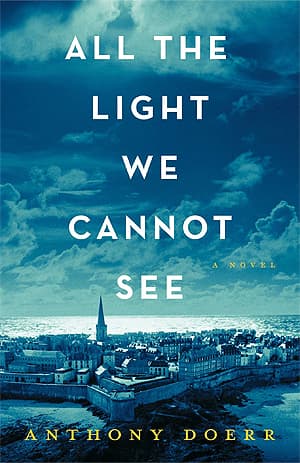
- All the Light We Cannot See
Anthony Doerr
4.3 (1M) average on GoodreadsHistorical FictionDoerr's work is a benchmark for historical immersion, intricately weaving historical details of WWII into the fabric of its characters' lives and choices. It explores profound philosophical questions and presents deeply nuanced character arcs, where the historical setting is not merely a backdrop but an active force shaping the narrative, offering greater literary depth and verisimilitude than 'The Looking Glass'.
- To Kill a Mockingbird
Harper Lee
4.3 (4.5M) average on GoodreadsHistorical FictionIn the 1930s Jim Crow South, Harper Lee writes about racial injustice, moral growth, and the quiet courage of a lawyer father, Atticus Finch, as seen through his young daughter's eyes.
- The Great Gatsby
F. Scott Fitzgerald
3.9 (3.8M) average on GoodreadsHistorical FictionIn the opulent Roaring Twenties, a mysterious millionaire's lavish parties hide his desperate, tragic pursuit of a lost love, exposing the emptiness within the American Dream.




Enjoyed the summary?
A summary gives you the shape of the book. The book itself has the detail, the examples and the voice.
Find The Looking Glass on AmazonAs an Amazon Associate, BookBrief earns from qualifying purchases. How we're funded