
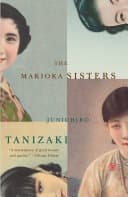
Synopsis
Covers the whole plot, including the ending.
- Difficulty
- Medium
- Pacing
- Slow
- Mood
- Nostalgic, Reflective, Detailed, Melancholy, Elegant
- Read it if
- You enjoy slow-burn, character-driven historical fiction with rich cultural detail and a focus on family dynamics and societal customs.
- Skip it if
- You prefer fast-paced plots, strong action, or clear-cut resolutions to every subplot.
The Makioka Sisters Plot Summary
Covers the whole plot, including the ending.
The First Omiai for Yukiko
The story begins with the four Makioka sisters—Tsuruko, Sachiko, Yukiko, and Taeko—living in different homes after their Osaka family lost its standing. Tsuruko, the oldest, represents the main family line in Osaka. Sachiko and her husband, Teinosuke, have a branch house in Ashiya. The main problem is the marriage of Yukiko, the third sister, who is twenty-nine. Her younger sister, Taeko, cannot marry until Yukiko does, as is customary. The novel details Sachiko and Teinosuke's efforts to find Yukiko a husband through omiai (formal marriage interviews). Their first serious prospect is Mr. Segi, a diplomat. But Yukiko's shyness and the family's close scrutiny lead to the proposal's failure, frustrating Sachiko.
Taeko's Scandal and its Repercussions
Taeko, the youngest and most modern sister, causes both pride and worry for the family. A few years earlier, she briefly ran off with Okuhata, a jeweler's son. This caused a small scandal and was in the newspapers. The family stopped the elopement from becoming a full marriage, but the 'Okuhata affair' damaged the Makioka family's name. This past event makes Yukiko's omiai harder, as potential suitors worry about being linked to a family with a 'blemish.' Sachiko and Teinosuke try to hide or downplay Taeko's past. This shows how important reputation is in their society.
A String of Failed Omiai
After the Segi failure, Sachiko and Teinosuke arrange more omiai for Yukiko. These meetings are often awkward. Yukiko's quiet nature makes it hard for her to talk to suitors. The family's high standards, especially Tsuruko's wish for a prestigious match, also lead to rejections. One suitor is Mr. Mimaki, a charming but poor man from a noble family. Sachiko likes him at first, but Tsuruko rejects him. Another is Mr. Sawazaki, a successful businessman, but his family background is not good enough. Each failed attempt adds to the family's stress and Yukiko's growing sadness, while Taeko becomes more eager to marry.
Taeko's Pursuit of Independence and Business Ventures
Frustrated by delays in her own marriage and her sisters' strict expectations, Taeko focuses on doll-making and fashion design. She wants to open her own shop and be financially independent. This upsets Tsuruko and, to a lesser degree, Sachiko, who think such work is not suitable for a Makioka sister. Taeko also starts relationships with men the family does not approve of, including Itani, a bar owner who becomes her business partner, and later, Mr. Miyoshi, a photographer. Her modern goals and romantic choices show the generational conflict in the family and the changing society of pre-war Japan.
The Illness and Recovery of Sachiko's Daughter
Sachiko and Teinosuke's young daughter, Etsuko, gets very sick with a fever. This health crisis temporarily shifts the family's focus from Yukiko's marriage, bringing the sisters together in concern. Sachiko, a devoted mother, is very upset by Etsuko's condition, showing her caring side. The illness also lets the sisters gather, sharing worries and offering support, despite their underlying tensions about Yukiko and Taeko. Etsuko recovers, allowing the family to resume finding a husband for Yukiko, but with a new awareness of how fragile life is and how important family ties are.
The Persistent Issue of Taeko's Relationships
Taeko's relationships continue to worry the family, especially Sachiko. After her time with Itani, she becomes seriously involved with Mr. Miyoshi, a photographer, and considers marrying him. Tsuruko and Sachiko strongly disapprove of this choice. Miyoshi is from a lower social class and is not considered a suitable match for a Makioka. Sachiko tries to stop Taeko, fearing more damage to the family's name and Yukiko's chances. Taeko, however, wants to follow her heart and find her own happiness, even if it means going against her sisters and social norms. This shows her rebellious spirit.
The Quest for a Perfect Omiai Continues
The search for Yukiko's husband becomes more urgent as she nears thirty. Sachiko and Teinosuke look at new options, including Mr. Hashioka, a promising but eccentric man, whom Yukiko finds acceptable. However, the family's careful checks find small flaws or perceived problems, leading to another rejection. The process is tiring for everyone, especially Yukiko, who remains quiet but longs for a decision. These repeated failures highlight the strict social expectations and the difficulty of finding a 'perfect' match that satisfies the whole, often divided, Makioka family.
Yukiko's Illness and a Trip to Tokyo
Yukiko develops a rash and feels unwell, which the family thinks is due to stress from the long marriage search. Sachiko, worried about her sister's health, takes Yukiko to Tokyo for a change of scene and to look for suitors there, hoping that distance from Osaka's gossip might help. This trip shows different social groups and a slight change in the sisters' views. In Tokyo, they consider new omiai prospects, but the main problems—Yukiko's shyness and the family's high standards—remain. This shows that a change of place alone cannot fix their deep-seated issues.
The Yamamura Affair and Taeko's Pregnancy
In a surprising turn, Taeko becomes pregnant by Mr. Okuhata, the same man from her earlier scandal, who is now married. This is a devastating blow to the Makioka family's reputation and causes great distress, especially to Tsuruko and Sachiko. The family has to deal with the scandal directly, with Sachiko leading the crisis management. Taeko miscarries, but the incident further confirms her reputation as a wild and unconventional sister. This affair highlights the severe results of defying social norms in pre-war Japanese society and its lasting impact on the whole family.
The Final Omiai with Mr. Fukuzawa
After many disappointments, a new prospect, Mr. Fukuzawa, is introduced. He is a quiet, respectable man from a good family, though he has a slight hearing problem. Despite this small flaw, the family, tired from years of searching, finds him acceptable. Yukiko, now thirty-one, is more open to the match, having accepted her situation. Sachiko and Teinosuke carefully check Fukuzawa's background, and the omiai proceeds with careful hope. This match is the family's last, most serious attempt to secure Yukiko's future and, by extension, allow Taeko to live her own life without the weight of tradition.
Yukiko's Engagement and Departure
After the successful omiai with Mr. Fukuzawa, Yukiko's engagement is made official. The family feels a great sense of relief and accomplishment, though also sadness at seeing Yukiko leave home. Wedding preparations begin, carefully following traditional customs. Yukiko, always quiet, accepts her fate with dignity. Her departure is a major turning point, not just for her, but for the whole Makioka family. It signals the completion of a long-held duty and the end of a chapter that has dominated their lives for years. The focus now shifts slightly to Taeko's future.
Taeko's Decision and the Family's Future
With Yukiko married, Taeko is finally free to make her own choices. Despite the family's continued disapproval, she decides to marry Mr. Miyoshi, the photographer, or at least pursue a life with him. This signals her complete break from traditional expectations. The novel ends with a sense of the Makioka family's decline and the fading of their old way of life. Tsuruko and Sachiko continue to uphold tradition, but Taeko's independent path shows the irreversible changes happening in pre-war Japan. The story concludes with the family facing an uncertain future on the brink of World War II, their old world slowly disappearing.
Principal Figures
Sachiko Makioka
Supporting
The second sister, pragmatic and devoted, who shoulders the burden of finding Yukiko a husband.
Sachiko is the most sympathetic and relatable of the Makioka sisters, embodying a blend of traditional values and modern sensibilities. She runs the Ashiya branch family with her husband, Teinosuke, and is primarily responsible for arranging Yukiko's omiai. She is pragmatic, kind-hearted, and deeply devoted to her sisters, often acting as a mediator between the rigid Tsuruko and the rebellious Taeko. Her greatest desire is to see her sisters settled, and she invests immense emotional energy into the search for Yukiko's husband, often enduring frustration and disappointment. She is also a loving mother to her daughter, Etsuko.
Relationships: Tsuruko Makioka (Eldest sister, often at odds over family decisions); Yukiko Makioka (Younger sister, for whom she tirelessly seeks a husband); Taeko Makioka (Youngest sister, whose rebellious nature causes Sachiko great anxiety); Teinosuke Makioka (Devoted husband, her partner in managing family affairs and omiai); Etsuko Makioka (Her young daughter)
Yukiko Makioka
Protagonist
The shy, passive third sister whose marriage prospects drive the central plot.
Yukiko is the quiet, reserved third sister, whose prolonged unmarried status is the central dilemma of the novel. She is beautiful but exceedingly shy, often appearing passive and uncommunicative during her numerous omiai. While outwardly compliant with her sisters' wishes, she possesses an inner will and a subtle stubbornness that often manifests as an inability to 'perform' for potential suitors. Her character symbolizes the constraints placed upon traditional Japanese women, as her personal desires are largely subsumed by family duty and societal expectations. She longs for a resolution but is incapable of actively pursuing it.
Relationships: Sachiko Makioka (Second sister, her primary caretaker and marriage arranger); Tsuruko Makioka (Eldest sister, whose approval is crucial for any match); Taeko Makioka (Youngest sister, whose marriage is contingent on Yukiko's); Teinosuke Makioka (Brother-in-law, also active in her marriage search)
Taeko Makioka
Supporting
The youngest and most modern sister, rebellious and determined to forge her own path.
Taeko is the spirited and independent youngest Makioka sister, a stark contrast to her traditional siblings. She chafes under the family's expectations and the delay of her own marriage due to Yukiko's status. Taeko is artistic, pursuing doll-making and fashion design, and is determined to be financially independent. She is also more modern in her romantic choices, engaging in relationships with men the family deems unsuitable, leading to scandals. Her character represents the emerging modern woman in pre-war Japan, challenging the rigid social conventions and the declining power of aristocratic families. She is both a source of pride and constant anxiety for her sisters.
Relationships: Sachiko Makioka (Second sister, often tries to guide and protect Taeko); Tsuruko Makioka (Eldest sister, strongly disapproves of Taeko's modern ways); Yukiko Makioka (Third sister, whose delayed marriage directly impacts Taeko's future); Mr. Miyoshi (Photographer, her chosen romantic partner); Mr. Okuhata (Former suitor, involved in her past scandal and later pregnancy)
Tsuruko Makioka
Supporting
The eldest sister, strict and traditional, representing the main family line.
Tsuruko is the eldest of the Makioka sisters, representing the main family line and the most staunchly traditional. She lives in Tokyo with her husband and children, having moved from Osaka. She is proud, rigid, and deeply concerned with upholding the family's honor and social standing, often making decisions that prioritize reputation over individual happiness. Her conservative views frequently clash with Sachiko's more pragmatic approach and Taeko's modern aspirations. Tsuruko's insistence on a prestigious match for Yukiko, and her disapproval of Taeko's choices, often complicate the sisters' efforts, making her a formidable, if sometimes frustrating, figure.
Relationships: Sachiko Makioka (Second sister, often at odds over family decisions); Yukiko Makioka (Third sister, for whom she demands a high-status match); Taeko Makioka (Youngest sister, whose behavior she strongly disapproves of); Tatsuo (Her husband)
Teinosuke Makioka
Supporting
Sachiko's devoted husband, a pragmatic and supportive figure in the omiai process.
Teinosuke is Sachiko's husband and the manager of the Ashiya branch family. He is a practical, intelligent, and supportive man who is deeply involved in the arduous task of finding a husband for Yukiko. Though not a blood relative, he is committed to the Makioka family's welfare and honor, often taking a leading role in investigating potential suitors and navigating the complex social protocols of omiai. He is generally level-headed and empathetic, offering a male perspective that often balances the sisters' emotional considerations. He genuinely cares for all the sisters and acts as a stabilizing force.
Relationships: Sachiko Makioka (Wife, his partner in all family endeavors); Yukiko Makioka (Sister-in-law, for whom he helps arrange marriages); Taeko Makioka (Sister-in-law, whose behavior he sometimes finds exasperating); Tsuruko Makioka (Sister-in-law, with whom he sometimes disagrees on strategy)
Mr. Itani
Supporting
A bar owner who becomes Taeko's business partner and romantic interest.
Mr. Itani is a charming and ambitious bar owner who enters Taeko's life as a potential business partner for her doll-making venture. He is a self-made man from a lower social class, which makes him an unsuitable match in the eyes of the Makioka family. Despite this, Taeko is drawn to his entrepreneurial spirit and independence. Their relationship, though never fully formalized, is one of Taeko's first serious forays into personal and professional autonomy outside of family approval. He represents the kind of modern, unconventional partner that Taeko seeks, contrasting sharply with the traditional suitors presented to Yukiko.
Relationships: Taeko Makioka (Business partner and romantic interest)
Mr. Miyoshi
Supporting
A photographer who becomes Taeko's chosen romantic partner.
Mr. Miyoshi is a photographer with whom Taeko develops a serious romantic relationship. Like Itani, he comes from a modest background and is considered an unsuitable match for a Makioka sister by Tsuruko and Sachiko. However, Taeko is deeply committed to him, seeing in him a kindred spirit who understands her artistic aspirations and desire for independence. Their relationship is a symbol of Taeko's rebellion against traditional arranged marriages and her determination to choose her own path, even if it means enduring family disapproval and societal judgment. He represents the future that Taeko envisions for herself.
Relationships: Taeko Makioka (Romantic partner and eventual husband)
Mr. Okuhata
Mentioned
The jeweler's son involved in Taeko's past scandal and later pregnancy.
Mr. Okuhata is a jeweler's son who was involved in Taeko's scandalous elopement attempt years before the main narrative begins. Although the elopement was thwarted, the 'Okuhata affair' damaged the Makioka family's reputation and continued to hinder Yukiko's marriage prospects. He reappears later in the story, leading to Taeko's unexpected pregnancy, further solidifying his role as a disruptive force in the family's attempts to maintain decorum. He represents the persistent threats to the Makioka family's honor and the difficult consequences of Taeko's independent actions, even when seemingly resolved.
Relationships: Taeko Makioka (Past romantic interest and father of her child)
Etsuko Makioka
Supporting
Sachiko and Teinosuke's young daughter, whose illness brings temporary family unity.
Etsuko is Sachiko and Teinosuke's young daughter, a lively and sometimes mischievous child. Her presence offers a glimpse into the domestic life of the Ashiya branch family. Her serious illness during the narrative provides a moment of intense worry and temporary unity among the sisters, as their focus shifts from marriage arrangements to her well-being. Etsuko represents the next generation and the future of the Makioka family, albeit one that will likely be very different from the aristocratic past. Her illness highlights Sachiko's maternal devotion and the fragility of life.
Relationships: Sachiko Makioka (Mother); Teinosuke Makioka (Father); Yukiko Makioka (Aunt); Taeko Makioka (Aunt)
Themes & Insights
The Decline of the Aristocracy and Traditional Values
The novel details the fading glory of the Makioka family, once a prominent Osaka merchant house. Their struggle to arrange Yukiko's marriage, with its focus on lineage, reputation, and customs, highlights how old values were becoming outdated in a Japan modernizing before World War II. The family's financial struggles and the constant need to appear wealthy and proper, despite their decreasing assets, underscore this decline. Tsuruko shows strict adherence to these fading traditions, while Taeko's rebellious spirit directly challenges them, showing the generational shift away from the old order.
“For the Makiokas, a good marriage was not simply a matter of love or even money; it was a matter of preserving the family name, of maintaining a certain social standing.”
The Role and Constraints of Women in Pre-War Japan
The lives of the four Makioka sisters show the societal expectations and limits placed on women in pre-war Japan. Yukiko's life centers on finding a suitable marriage, a process she has little control over. Her shyness and passive nature are both results of these limits. Taeko, in contrast, actively fights these norms, pursuing a career and choosing her own partners, often at great personal and family cost. Sachiko finds a middle ground, balancing traditional duties with a more modern, practical view. The novel explores how these women are shaped by, and react to, a patriarchal society that dictates their worth and future.
“A girl of her age, unmarried, was a constant source of anxiety, a burden on the family's conscience and reputation.”
The Importance of Reputation and Appearance
Throughout the novel, the Makioka family's actions are heavily influenced by the need to maintain their 'face' and reputation in society. Taeko's past 'Okuhata affair' and later pregnancy are disastrous not just for her, but for the entire family's marriage prospects, especially Yukiko's. The omiai process itself is an elaborate show where appearances, family background, and perceived flaws are closely examined. Sachiko and Teinosuke constantly plan to present the best image of Yukiko and to downplay any family scandals. This theme highlights the intense social pressure and the value placed on public perception in their upper-class world.
“A blemish on the family name, however small, was a blemish that spread, tainting every member.”
Nostalgia and the Passage of Time
Tanizaki fills the story with a deep feeling of longing for a vanishing era of elegant Osaka culture. The detailed descriptions of traditional customs, seasonal festivals, kimonos, and food paint a loving, almost sad, picture of a world slowly disappearing. The repeated references to the 'old days' and the family's attempts to hold onto past glories emphasize this theme. Time passes, marked by changing seasons and the aging of the sisters, especially Yukiko, as her marriage chances lessen. The novel is a sad tribute to the beauty and grace of a refined way of life about to be lost forever due to modernization and coming war.
“The past, for the Makiokas, was not merely a memory but a living presence, a standard against which the present always fell short.”
Family Duty vs. Individual Desire
A central conflict in the novel is between the sisters' individual desires and their perceived duties to the Makioka family name. Yukiko's personal feelings are always less important than the family's need to secure a prestigious match. Taeko's entire struggle is a battle to put her own happiness, artistic goals, and romantic choices ahead of her sisters' expectations and the demands of family honor. Sachiko often feels torn between her affection for her sisters and her duty to uphold tradition. This conflict highlights the major shifts happening in Japanese society, where individualism was starting to challenge old collective values.
“To be a Makioka meant to sacrifice one's own desires for the good of the family name, to bear burdens silently.”
Plot Devices & Literary Techniques
Omiai (Formal Marriage Interview)
The central ritual driving the plot, revealing social customs and character.
The omiai is the primary plot device, serving as the engine for Yukiko's protracted marriage search. Each omiai functions as a mini-drama, introducing new characters (suitors and their families) and revealing intricate social protocols, expectations, and judgments. It highlights the family's meticulous standards, the importance of background checks, and the delicate dance of negotiation. The repeated failures of these interviews create dramatic tension, frustration, and a sense of mounting pressure for the Makioka family, while also showcasing Yukiko's passive personality and the societal constraints placed upon her.
The 'Okuhata Affair'
A past scandal that serves as a persistent obstacle to family reputation and marriage prospects.
The 'Okuhata affair' is a crucial plot device, referring to Taeko's past elopement attempt. Although it happened before the novel's main timeline, its lingering repercussions significantly impact the Makioka family. It damages their reputation, making it harder to find suitable matches for Yukiko, and provides a constant source of anxiety and disapproval from Tsuruko. This device demonstrates the long-lasting effects of social transgression in pre-war Japan and the weight of family honor. Its re-emergence with Taeko's later pregnancy further solidifies its role as a narrative linchpin for scandal and consequence.
Detailed Descriptions of Customs and Seasons
Immersive cultural details that establish setting, mood, and thematic elements.
Tanizaki uses extensive, loving descriptions of traditional Japanese customs, seasonal festivals, clothing (kimonos), food, and landscapes as a significant plot device. These details are not merely decorative; they immerse the reader in the opulent, intricate world of pre-war Osaka aristocracy, establishing a strong sense of place and time. They also serve a thematic purpose, highlighting the beauty and fragility of a vanishing culture, evoking nostalgia, and contrasting the elegance of the old world with the anxieties of the new. The changes in seasons often mirror the emotional shifts and progression of the marriage search.
Symbolism of Illness and Physical Ailments
Physical conditions that reflect emotional states and societal pressures.
Various illnesses and physical ailments serve as symbolic plot devices. Yukiko's recurring rashes and general malaise are often attributed to the stress and anxiety of her prolonged marriage search, externalizing her internal suffering. Etsuko's severe illness provides a moment of family unity and highlights the fragility of life. Taeko's later pregnancy and miscarriage are physical manifestations of her defiance and the severe consequences of her actions. These physical symptoms underscore the emotional toll of societal expectations, family burdens, and personal struggles, adding a layer of realism and psychological depth to the characters' experiences.
The Makioka Sisters Quotes
“There are people who can never be happy because they are always longing for something else.”
“The feeling of being watched, even if by a person of no consequence, can be a great restraint.”
“For a woman, it is not enough to be beautiful; she must also be fortunate.”
“The past, once it's gone, is gone forever. But sometimes, it comes back to haunt you.”
“No matter how much you try to protect your children, they will inevitably face their own difficulties.”
“It is a woman's fate to be swayed by the opinions of others, especially those of her family.”
“Life is a series of partings, and one must learn to accept them.”
“The most ordinary things can sometimes hold the most profound beauty.”
“To be truly happy, one must be able to live with uncertainty.”
“The greater the expectation, the greater the disappointment.”
“There is a certain sadness in seeing things change, even if for the better.”
“A woman's beauty is a fragile thing, easily damaged by time and circumstance.”
“True elegance is not about what you wear, but how you carry yourself.”
Quiz
10 questions on the plot and the characters. Each answer comes with a short explanation.
Question 1
Which of the Makioka sisters is the focus of the family's efforts to arrange a marriage, and is considered the most beautiful?
- Sachiko
- Yukiko
- Taeko
- Tsuruko
Show answer
B. Yukiko Yukiko is the third sister and the primary focus of the family's protracted efforts to find a suitable husband, often described as the most traditionally beautiful.
Question 2
What significant event in Taeko's past causes a scandal that complicates Yukiko's marriage prospects?
- She ran away with a married man.
- She eloped with a bartender.
- She was rumored to have eloped with Okubata, a jeweler's son.
- She became pregnant out of wedlock.
Show answer
C. She was rumored to have eloped with Okubata, a jeweler's son. A newspaper article mistakenly reported that Taeko eloped with Okubata, a jeweler's son, causing a scandal that the family struggles to live down and which hinders Yukiko's omiai.
Question 3
Which sister is the most headstrong and modern, pursuing her own career and romantic interests?
- Tsuruko
- Sachiko
- Yukiko
- Taeko
Show answer
D. Taeko Taeko, the youngest sister, is the most unconventional. She pursues a career in doll-making and later Western-style dancing, and has several suitors and romantic entanglements, much to the family's dismay.
Question 4
What is the primary reason the Makioka family's fortunes are in decline?
- Poor investments made by the family patriarch.
- The changing economic landscape and the cost of maintaining their traditional lifestyle.
- Excessive gambling by the husbands of the elder sisters.
- Heavy taxes imposed by the government.
Show answer
B. The changing economic landscape and the cost of maintaining their traditional lifestyle. The family's wealth, tied to their traditional Osaka merchant house, is gradually eroding due to the changing pre-war economy and the expense of upholding their social status and traditions, such as the elaborate omiai for Yukiko.
Question 5
Where do Sachiko and her husband, Teinosuke, reside, establishing their own branch family (bunke)?
- Tokyo
- Kyoto
- Ashiya (near Osaka)
- Kobe
Show answer
C. Ashiya (near Osaka) Sachiko and Teinosuke live in Ashiya, a fashionable suburb near Osaka, where they manage their own household and play a central role in the lives of Yukiko and Taeko.
Question 6
What specific physical ailment does Yukiko suffer from that is mentioned throughout the novel and causes concern?
- Chronic headaches
- Frequent stomachaches and diarrhea
- Weak eyesight
- A persistent cough
Show answer
B. Frequent stomachaches and diarrhea Yukiko is frequently afflicted with stomach problems, particularly diarrhea, which is often attributed to her delicate constitution and nervousness, and becomes a recurring detail throughout the narrative.
Question 7
What is the traditional Japanese marriage arrangement process, involving formal meetings between families, that is central to Yukiko's storyline?
- Miai
- Omiai
- Konkatsu
- Yuino
Show answer
B. Omiai The 'omiai' is the formal arranged marriage meeting process, which the Makioka family undertakes repeatedly and with increasing desperation for Yukiko.
Question 8
Which of the following is NOT a suitor considered for Yukiko at some point in the novel?
- The third son of the Mimaki family
- Mr. Segawa, a doctor
- Mr. Itani, a businessman from Tokyo
- Mr. Sawazaki, a diplomat's son
Show answer
C. Mr. Itani, a businessman from Tokyo While the Mimaki, Segawa, and Sawazaki families are all considered as potential matches for Yukiko, Mr. Itani is not mentioned as one of her specific suitors in the narrative.
Question 9
How does the novel subtly reflect the looming threat of World War II, despite its focus on domestic life?
- Direct discussions of military campaigns and political leaders.
- The increasing scarcity of goods, rationing, and the changing social atmosphere.
- Frequent air raid drills and bomb shelters being built.
- The Makioka family actively participating in wartime industries.
Show answer
B. The increasing scarcity of goods, rationing, and the changing social atmosphere. The war's approach is felt through subtle details like the increasing difficulty in finding certain imported goods, rising prices, and a general sense of unease and change in the social fabric, rather than overt military events.
Question 10
What is the significance of the annual cherry blossom viewing in Kyoto for the Makioka sisters?
- It is a time for the family to discuss their financial troubles.
- It is a cherished tradition and an opportunity for Yukiko to be seen by potential suitors.
- It is the only time all four sisters are able to gather together.
- It is a religious pilgrimage for the family.
Show answer
B. It is a cherished tradition and an opportunity for Yukiko to be seen by potential suitors. The cherry blossom viewing in Kyoto is a beloved family tradition that allows the sisters to enjoy a moment of beauty and nostalgia. Crucially, it also serves as an important occasion for Yukiko to be observed and evaluated by potential suitors and their families, showcasing her grace and beauty in a traditional setting.
The Makioka Sisters FAQ
What is the central conflict driving the plot of 'The Makioka Sisters'?
The central conflict revolves around the Makioka family's urgent need to find a suitable husband for the third sister, Yukiko, whose prolonged spinsterhood is holding back the youngest sister, Taeko, from marrying. This societal pressure and the family's declining fortunes create a series of delicate negotiations and emotional struggles, highlighting the clash between tradition and modernity in pre-war Japan.
Who are the four Makioka sisters, and what are their primary roles within the family dynamic?
The four sisters are Tsuruko, the eldest and head of the main Makioka household; Sachiko, the second eldest and protagonist, who manages the branch family; Yukiko, the beautiful but shy third sister whose marriage is the family's main preoccupation; and Taeko (known as 'Ko-chan'), the youngest and most modern, who desires independence and a career in doll-making. Each sister embodies different aspects of Japanese womanhood and societal expectations.
How does the novel portray the declining fortunes of the Makioka family?
The novel subtly illustrates the family's decline through various details: their inability to maintain the lavish lifestyle of their ancestors, the necessity of living in a branch household, the financial strains of Sachiko's husband, Teinosuke, and the increasing difficulty in securing a prestigious marriage for Yukiko. These elements collectively paint a picture of a once-prominent family struggling to adapt to changing economic and social realities.
What role does the setting of Osaka play in the novel?
Osaka serves as more than just a backdrop; it is a character in itself, representing a specific cultural and historical period. Tanizaki meticulously details Osaka's customs, festivals, architecture, and social etiquette, particularly focusing on the traditional upper-class life. This rich evocation of pre-war Osaka imbues the narrative with a strong sense of nostalgia and provides context for the sisters' struggles and traditions.
What is the significance of the cherry blossom viewing scenes in the novel?
The cherry blossom viewing scenes, particularly the one at Keage, are pivotal for their symbolic representation of the fleeting beauty of life and the passing of an era. They also serve as important social events where the sisters are observed, and potential marriage prospects for Yukiko are subtly evaluated. These scenes underscore the aesthetic sensibility and the traditional social rituals of the time.
How does Tanizaki use the weather and seasonal changes to reflect the mood or plot developments?
Tanizaki frequently employs weather and seasonal changes to mirror the emotional states of the characters or foreshadow events. For example, the oppressive summer heat often accompanies periods of heightened tension or frustration regarding Yukiko's marriage prospects, while the beauty of spring can symbolize hope or the fleeting nature of happiness. This attention to detail enriches the atmosphere and narrative depth.
Are there any subtle foreshadowing elements regarding Japan's impending entry into World War Two?
While not overtly political, the novel contains subtle hints of the changing world, such as mentions of military conscription, economic anxieties, and the overall sense of a traditional way of life slowly eroding. These elements, though minor, subtly underscore the fragility of the Makioka's world and the larger historical shift occurring around them, adding a layer of poignant irony for the reader.
What is the implied significance of Taeko's decision to pursue doll-making and later operate a bar?
Taeko's choices signify a radical departure from traditional expectations for women of her class. Her pursuit of a craft and her later foray into business represent a desire for financial independence and self-expression, directly contrasting with her sisters' more conventional lives. This highlights the growing influence of Western ideals and the changing roles for women in pre-war Japan.
How does Yukiko's chronic shyness and delicate health contribute to her characterization and the plot?
Yukiko's extreme shyness and occasional bouts of illness, like her migraine headaches, are central to her enigmatic character. They make her seem fragile and appealing in a traditional sense, but also contribute to the difficulties in arranging her marriage, as she struggles to engage with potential suitors. This delicate nature makes her both desirable and challenging, prolonging the family's quest.
Analyze Sachiko's psychological burden as the primary orchestrator of Yukiko's marriage.
Sachiko carries a significant psychological burden, feeling immense responsibility for Yukiko's future and the family's honor. She experiences constant anxiety, frustration, and occasional despair as one marriage prospect after another falls through. Her efforts are driven by love and duty, but also by a desire to maintain her family's social standing, leading to emotional exhaustion and internal conflict.
How does the relationship between Tsuruko and Sachiko reflect sibling rivalry and differing values?
Tsuruko and Sachiko's relationship is characterized by a subtle but persistent sibling rivalry and a clash of values. Tsuruko, as the eldest and head of the main family, is more conservative and concerned with strict adherence to tradition, often criticizing Sachiko's more lenient approach. Sachiko, while respectful, resents Tsuruko's domineering attitude and often feels misunderstood, highlighting the tension between duty and personal affection.
What psychological motivations drive Taeko's rebellious behavior and choice of partners?
Taeko's rebellion stems from a deep-seated desire for personal freedom and a rejection of the restrictive societal norms imposed on her. Her choices in partners, often men of lower social standing or unconventional backgrounds, reflect her yearning for authenticity and a life unburdened by family expectations. This behavior can be seen as a psychological assertion of self against the rigid traditional framework.
Is the ending of the novel optimistic or pessimistic regarding the future of the Makioka family and traditional Japanese society?
The ending is largely poignant and bittersweet rather than definitively optimistic or pessimistic. While Yukiko finally marries, Taeko's future remains uncertain, and the family's financial struggles persist. The novel concludes with a sense of an era passing, suggesting that while individual lives continue, the traditional world the Makiokas represent is fading. It leaves the reader with a feeling of beautiful melancholy for a vanished way of life.
To what extent can 'The Makioka Sisters' be read as a critique of traditional Japanese marriage customs?
The novel offers a nuanced, rather than outright critical, look at traditional marriage customs. While it highlights the immense pressure, intricate negotiations, and emotional toll these customs take on individuals like Yukiko and Sachiko, it also portrays the beauty and stability they could offer. It critiques the rigidity and sometimes dehumanizing aspects without fully condemning the system, instead showing its complexities from within.
How does the novel explore the theme of beauty and its transience?
The theme of beauty, particularly its transience, is pervasive. Yukiko's delicate beauty is a central asset in her marriage prospects, yet it is also fragile and subject to societal scrutiny. The detailed descriptions of traditional garments, festivals, and natural landscapes like the cherry blossoms all emphasize a refined aesthetic sense, while simultaneously reminding the reader of the impermanence of such beauty and the era it represents.
Discuss the significance of the recurring motif of photographs in the narrative.
Photographs serve as a powerful motif, representing captured moments of beauty, memory, and the desire to preserve a vanishing past. They are crucial in the marriage negotiations, as potential suitors evaluate Yukiko's appearance. However, they also highlight the limitations of superficial judgments and the discrepancy between image and reality, underscoring the family's struggle to maintain appearances.
How does Tanizaki's narrative style, with its meticulous detail and deliberate pacing, contribute to the novel's overall effect?
Tanizaki's narrative style, characterized by its slow, deliberate pacing and an almost obsessive attention to detail regarding clothing, food, customs, and social etiquette, creates a rich, immersive, and highly nostalgic atmosphere. This precision allows the reader to fully inhabit the Makioka's world, making the eventual decline of their traditional lifestyle feel all the more poignant and deeply felt, enhancing the sense of a vanished era.
What is the symbolic meaning of Sachiko's recurring desire to visit Kyoto?
Sachiko's frequent trips to Kyoto, especially for cherry blossom viewing or other aesthetic pursuits, symbolize her longing for an idealized past and a purer form of traditional Japanese culture, distinct from the more commercialized Osaka. Kyoto represents beauty, refinement, and a sense of timelessness that she yearns for amidst the changing world and the anxieties of her family's present circumstances.
About the author
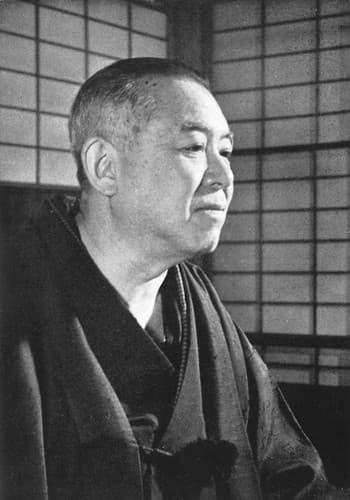
Jun'ichirō Tanizaki was a Japanese author known for his exploration of themes such as desire and cultural identity. His notable works include "The Makioka Sisters," which delves into the lives of a declining aristocratic family, and "Quicksand," a psychological novel that examines obsession and societal norms. Tanizaki's writing reflects the complexities of modern Japanese life in the early 20th century.
Similar books
- The Tale of Genji
Murasaki Shikibu
4.0 (539) average on GoodreadsFantasyExplores aristocratic Japanese life, courtly love, and social customs with meticulous detail.
- A House for Mr Biswas
V. S. Naipaul
3.8 (18k) average on GoodreadsLiterary FictionA sprawling family saga depicting the struggles of an individual within a complex social structure.
- Middlemarch
George Eliot
4.0 (136k) average on GoodreadsHistorical FictionA detailed social novel exploring lives, marriages, and societal expectations in a specific historical context.
- To Kill a Mockingbird
Harper Lee
4.3 (4.5M) average on GoodreadsHistorical FictionIn the 1930s Jim Crow South, Harper Lee writes about racial injustice, moral growth, and the quiet courage of a lawyer father, Atticus Finch, as seen through his young daughter's eyes.
- The Great Gatsby
F. Scott Fitzgerald
3.9 (3.8M) average on GoodreadsHistorical FictionIn the opulent Roaring Twenties, a mysterious millionaire's lavish parties hide his desperate, tragic pursuit of a lost love, exposing the emptiness within the American Dream.
- Pride and Prejudice
Jane Austen
4.3 (3M) average on GoodreadsHistorical FictionIn a society focused on status and money, Elizabeth Bennet navigates love and pride, challenging Mr. Darcy and social expectations to find true affection.





Enjoyed the summary?
A summary gives you the shape of the book. The book itself has the detail, the examples and the voice.
Find The Makioka Sisters on AmazonAs an Amazon Associate, BookBrief earns from qualifying purchases. How we're funded