

Synopsis
Covers the whole plot, including the ending.
- Difficulty
- Medium
- Pacing
- Moderate
- Mood
- Gritty, Desperate, Melancholy, Realistic
- Read it if
- You appreciate raw, unflinching portrayals of addiction, post-war urban decay, and the struggles of marginalized characters.
- Skip it if
- You prefer lighthearted plots, clear-cut morality, or stories with optimistic resolutions.
The Man With the Golden Arm Plot Summary
Covers the whole plot, including the ending.
Frankie's Return and the Golden Arm
Frankie Machine, a decorated World War II veteran, returns to his old neighborhood on Chicago's Division Street. He struggles with a severe morphine addiction he developed during the war. He lives with his wife, Sophie, who fakes paralysis to control him. Frankie works as a card dealer for the local crime group, run by 'Nifty Louie' Fomorowski. Frankie's nickname, 'The Man With the Golden Arm,' refers to his skill as a card dealer and his drug use. He dreams of becoming a professional drummer, a talent he has but rarely uses because of his addiction and current life. His attempts to stay clean are constantly hurt by his surroundings and Sophie's emotional demands.
Sophie's Grip and Molly's Influence
Sophie Machine, in a wheelchair, uses her fake paralysis to control Frankie, making him feel guilty. She secretly fakes her condition, known only to her and her doctor, Dr. Schultz, who benefits from the lie. Meanwhile, Molly Novotny, Frankie's former lover, returns. Molly, a stripper who sees things practically, offers a way out of his current problems. She encourages Frankie's drumming dreams and offers him a chance at a cleaner, more stable life, away from drugs and gambling. Her presence contrasts sharply with Sophie's controlling influence, pulling Frankie in two directions.
The Card Game and Blackie's Betrayal
During a high-stakes poker game that Frankie is dealing, a fight breaks out with a player named Domino, who accuses Frankie of cheating. Frankie's associate, Blackie, a local tough, steps in. In the struggle, Domino accidentally dies when he falls and hits his head. Blackie, afraid of the consequences, runs, leaving Frankie to take the blame. Panicked and high on morphine, Frankie also runs, becoming a wanted man. This event pulls Frankie deeper into the criminal world and makes his already difficult life worse, forcing him to leave Division Street and hide.
Life on the Run with Molly
Frankie, now a fugitive, finds shelter with Molly Novotny. They move from one rundown apartment to another, trying to avoid the law while Frankie struggles with his worsening morphine addiction without a steady supply. Molly works hard to support them, often stripping to earn money. She tries to get Frankie to pursue his drumming, hoping it will give him an escape and purpose. Despite the constant fear of being found and Frankie's withdrawal, their bond grows. Molly is Frankie's last chance at a better life, a lifeline in his desperate escape from justice and his own destructive habits.
The Hunt for Frankie
Detective Bednar, a dedicated but tired police officer, leads the Domino murder investigation. He systematically tracks Frankie's movements, interviewing people from Division Street. At the same time, Nifty Louie Fomorowski, the crime boss, also wants to find Frankie, fearing Frankie might involve him or expose the group's operations. Louie uses his network of informants and enforcers to track Frankie, adding another layer of danger to Frankie's desperate flight. Both the law and the underworld are closing in, putting immense pressure on Frankie and Molly as they try to start a new life.
Withdrawal and Relapse
As Frankie's morphine supply runs out, he experiences terrible withdrawal symptoms: tremors, hallucinations, and intense pain. Molly tries her best to help him, but his suffering is huge. Desperate for a fix, Frankie takes bigger risks, including breaking into pharmacies and stealing. His addiction becomes an all-consuming force, overriding his desire for a clean life with Molly. Each relapse pushes him further from his dreams and deeper into the cycle of dependency, showing the overwhelming power of his habit and how hard it is to escape its hold, even with Molly's loving support.
Sophie's Confession and Betrayal
As the investigation grows, Sophie's fake paralysis starts to fall apart. Under pressure from Detective Bednar, and fearing exposure, she eventually tells Dr. Schultz she has been faking her condition. This reveal adds another layer of lies to Frankie's already complicated life. She also, whether on purpose or not, gives information that helps the police narrow their search for Frankie. Her actions, driven by fear, resentment, and a desire to keep control, ultimately lead to Frankie's capture, isolating him further and showing how destructive their relationship is.
The Drunken Drummer and Miss Machine
Despite the constant threat of capture, Frankie, encouraged by Molly, gets a job playing drums in a small club under a false name. For a short time, he feels like his old self, finding comfort and purpose in his music. However, his addiction continues to bother him, making it hard to play consistently. Meanwhile, Sophie, driven by guilt and fear, begins to break down. Her 'paralysis' wavers, and the truth slowly becomes clear to those around her, including her neighbors and eventually the police, further exposing the lies that have trapped Frankie.
The Final Chase
As the police search intensifies, Frankie and Molly are forced to move constantly, their money running low. Detective Bednar, relentless in his pursuit, gets closer to them. Frankie's addiction reaches a critical point, and he becomes more desperate and paranoid. The chase leads them through Chicago's grimy alleys and forgotten places, reflecting Frankie's inner turmoil. His 'golden arm,' once a sign of skill, now represents the chains of his addiction, making him vulnerable as he tries to outrun both the law and his own demons.
The Trapped Animal
Frankie's escape ends when police corner him in a rundown building. Overwhelmed by withdrawal, exhaustion, and hopelessness, he makes a final, desperate attempt to escape. The pressure of the chase, guilt over Domino's death, and the crushing weight of his addiction are too much. In a moment of despair and clarity, realizing there is no escape from his situation or his inner demons, Frankie takes his own life. His death is a tragic end to his fight for a better life and freedom, leaving Molly to mourn and the Division Street underworld to continue its cycle of struggle.
The Man With the Golden Arm Characters
Frankie Machine
Protagonist
A talented drummer and card dealer battling morphine addiction and a manipulative wife.
Frankie Machine, a World War II veteran, is a man torn between his aspirations for a clean life as a drummer and the crushing weight of his morphine addiction. Nicknamed 'The Man With the Golden Arm' for his card-dealing prowess and his skill with a needle, Frankie is inherently good-hearted but weak-willed, easily manipulated by Sophie and constantly drawn back to his habit. He dreams of escape and redemption, often seeing Molly as his last chance, but his internal struggles and external pressures prove too formidable.
Relationships: Sophie Machine (Wife, manipulative and controlling); Molly Novotny (Lover, source of hope and support); Nifty Louie Fomorowski (Employer/syndicate boss, exploitative); Blackie (Associate, ultimately betrays him); Detective Bednar (Investigator, antagonist)
Molly Novotny
Supporting
Frankie's pragmatic and supportive lover, a stripper who offers him a path to redemption.
Molly Novotny is a strong, resilient woman who works as a stripper to survive. She genuinely loves Frankie and sees his potential, constantly encouraging his drumming and trying to pull him away from his addiction and the destructive environment of Division Street. Unlike Sophie, Molly is practical and independent, representing a realistic chance for Frankie to build a new, clean life. She endures significant hardship and risk to protect and support him, acting as his primary source of hope and stability amidst his chaos.
Relationships: Frankie Machine (Lover, deeply committed and supportive)
Sophie Machine
Antagonist
Frankie's manipulative wife who fakes paralysis to control him.
Sophie Machine is Frankie's wife, a deeply resentful and manipulative woman who feigns paralysis to keep Frankie tied to her through guilt and obligation. Her 'illness' is a tool of control, preventing Frankie from leaving her and pursuing his own happiness. She is vindictive and emotionally abusive, contributing significantly to Frankie's despair and inability to break free from his destructive lifestyle. Her deception is a constant drain on Frankie's emotional and financial resources, and her actions ultimately contribute to his downfall.
Relationships: Frankie Machine (Wife, manipulative and emotionally abusive); Dr. Schultz (Accomplice to her deception)
Nifty Louie Fomorowski
Supporting
The shrewd and ruthless syndicate boss who employs Frankie.
Nifty Louie Fomorowski is the cold, calculating, and pragmatic syndicate boss who employs Frankie as a card dealer. He operates with a detached efficiency, prioritizing his business interests above all else. While he initially seems to offer Frankie a form of stability, he is ultimately exploitative and dangerous. Louie's primary concern is maintaining control and avoiding exposure, making him a threat to Frankie once the murder occurs, as he fears Frankie might implicate him or his organization. He represents the systemic corruption and entrapment of the underworld.
Relationships: Frankie Machine (Employer/syndicate boss, exploitative)
Detective Bednar
Supporting
The persistent and weary police detective investigating the murder.
Detective Bednar is the lead investigator in the Domino murder case. He is a diligent, methodical, and somewhat world-weary police officer who understands the gritty realities of Division Street. Bednar is not necessarily malicious, but he is relentless in his pursuit of justice, slowly piecing together the clues that lead him to Frankie. He represents the impartial force of the law, steadily closing in on Frankie regardless of Frankie's personal struggles or tragic circumstances.
Relationships: Frankie Machine (Investigator, antagonist)
Blackie
Supporting
Frankie's associate who betrays him after the murder.
Blackie is a local tough and associate of Frankie who is present during the fatal card game. He is hot-headed and prone to violence, ultimately causing Domino's death during a scuffle. Following the incident, Blackie flees, leaving Frankie to take the fall for the murder. His actions highlight the treacherous nature of the criminal underworld and the unreliable loyalties within it, directly contributing to Frankie's status as a fugitive.
Relationships: Frankie Machine (Associate, ultimately betrays him)
Sparrow
Supporting
A small-time thief and hanger-on, often acting as Frankie's sidekick.
Sparrow is a petty thief and a peripheral figure in Frankie's life, often acting as his loyal but somewhat hapless sidekick. He is a product of the Division Street environment, constantly looking for an angle or a quick buck. While he genuinely cares for Frankie in his own way, his loyalty is often overshadowed by his self-preservation instincts and his inability to significantly help Frankie escape his predicament. Sparrow represents the pervasive despair and limited opportunities of their social class.
Relationships: Frankie Machine (Friend/sidekick)
Dr. Schultz
Mentioned
Sophie's doctor, complicit in her deception.
Dr. Schultz is Sophie's doctor who, for a fee, is complicit in her charade of paralysis. He profits from her deception and enables her manipulative behavior, highlighting the moral decay and opportunism present even in professional circles within the story's setting. His involvement underscores the depth of Sophie's deceit and the willingness of others to exploit situations for personal gain.
Relationships: Sophie Machine (Doctor, complicit in deception)
The Man With the Golden Arm Themes
Addiction and Self-Destruction
The novel deeply explores how morphine addiction controls Frankie Machine. His 'golden arm,' initially a skill, becomes a sign of his enslavement to the drug. The story carefully details his painful withdrawal, his desperate search for a fix, and how his addiction destroys his identity, relationships, and hopes. Each attempt at sobriety is defeated by the overwhelming physical and mental need, showing addiction's cyclical and self-destructive nature. This theme is key to Frankie's tragic story, as his addiction ultimately decides his choices and fate, despite his wish for a better life with Molly.
“A man could go to sleep and never wake up. He could go to sleep and never touch a needle again. He could go to sleep and never see Sophie again. He could go to sleep and never see Molly again. He could go to sleep and never see himself again. He could go to sleep and never see anything again.”
Manipulation and Deception
Manipulation and deception are common in the characters' lives, most clearly through Sophie Machine's fake paralysis. Her feigned illness is a strong tool to control Frankie, tying him to her with guilt and obligation. This deception not only traps Frankie but also shows how lies harm relationships. Other characters, like Nifty Louie, use subtle manipulation to keep power, and even minor characters engage in small cons. This theme points to a world where trust is rare, and people often use each other for survival or control, adding to the feeling of entrapment Frankie experiences.
“She was a woman who could make a man feel guilty for breathing.”
The Search for Redemption
Frankie's journey is a desperate search for a better life, both from his past mistakes and from his addiction. Molly Novotny represents this hope, offering him a chance at a clean life, a stable relationship, and the opportunity to pursue his drumming. His brief moments of playing the drums are glimpses of a changed self, free from the vice and squalor of Division Street. However, his addiction, Sophie's manipulation, and the results of his actions continually pull him back down, making a better life an elusive and ultimately unreachable goal. The novel suggests that for some, escaping their circumstances is an impossible dream.
“He always had a feeling that if he could just get his hands on a set of drums, everything would be all right.”
Entrapment and Social Determinism
The novel clearly shows the feeling of being trapped within a specific social and economic environment, especially the post-war Chicago slums of Division Street. Characters like Frankie, Molly, and Sparrow are products of their surroundings, seemingly unable to escape the cycle of poverty, crime, and despair. Frankie's attempts to break free are constantly blocked by outside forces—the crime group, the law, and the demands of those who depend on him—as well as his inner demons. The setting itself acts as a character, a suffocating force that dictates the limited choices available to its inhabitants, suggesting that individuals are largely shaped and confined by their social circumstances.
“Division Street was a street of no escape. Once you were on it, you stayed on it.”
The Illusion of Freedom
Frankie often has brief moments where he believes he can escape his situation—through his drumming, his relationship with Molly, or even the temporary high of a drug. However, these moments are always short-lived, quickly overshadowed by the harsh realities of his addiction, the relentless pursuit by the law, and Sophie's manipulative hold. The novel suggests that true freedom is an illusion for those caught in the cycle of addiction and poverty. It highlights how external and internal forces work together to prevent real liberation. His escape from the law is a physical sign of his desire for freedom, yet he remains imprisoned by his own body and mind.
“He knew he was free, but he couldn't feel it.”
Plot Devices & Literary Techniques
The Golden Arm
A symbolic nickname representing both skill and addiction.
Frankie's nickname, 'The Man With the Golden Arm,' serves as a powerful double entendre. On one hand, it refers to his exceptional dexterity as a card dealer, a skill that provides him with income (albeit illicit). On the other, and more tragically, it refers to his proficiency with a needle, symbolizing his crippling morphine addiction. This device highlights the duality of his character: his potential for greatness juxtaposed with his self-destructive tendencies. It becomes a metaphor for how his talents are simultaneously his livelihood and the instrument of his downfall, inextricably linking his skill to his vice.
Sophie's Feigned Paralysis
A central deception used for manipulation and control.
Sophie's faked paralysis is a crucial plot device that drives much of Frankie's initial entrapment and guilt. This elaborate deception is not merely a character trait but a mechanism through which Sophie exerts absolute control over Frankie, exploiting his sense of duty and compassion. It prevents him from leaving her and pursuing a cleaner life with Molly. The slow unraveling of this lie, particularly under police scrutiny, adds tension and reveals the depths of Sophie's manipulation, while also contributing to Frankie's eventual desperate flight and tragic end. It's a symbol of the emotional and psychological burdens placed upon him.
The Domino Murder
The inciting incident that transforms Frankie into a fugitive.
The accidental death of Domino during a card game, for which Frankie is wrongly implicated, serves as the primary inciting incident of the novel's central conflict. This event immediately shifts Frankie's status from a struggling addict to a hunted fugitive, forcing him to abandon his life and go on the run with Molly. It escalates the stakes dramatically, introducing the element of the law's pursuit and intensifying the pressures on Frankie's addiction and his relationship with Molly. Without this event, Frankie's story would remain confined to his internal struggles, but the murder propels him into a desperate external flight.
The Drumming
A symbol of Frankie's lost potential and desire for redemption.
Frankie's talent and passion for drumming act as a recurring symbolic motif throughout the novel. His dreams of becoming a professional drummer represent his untapped potential, his artistic spirit, and his yearning for a life free from addiction and crime. Whenever he gets a chance to play, even briefly, it offers a glimpse of the man he could be, a moment of fleeting freedom and purpose. This device highlights the contrast between his aspirations and his grim reality, making his eventual downfall even more poignant as it signifies the death of his dreams and the triumph of his destructive habits.
The Man With the Golden Arm Quotes
“He knew it for what it was: the old familiar fear, the one he’d been running from all his life.”
“A man without a habit ain't a man at all.”
“The needle was a friend, a lover, a betrayer.”
“Chicago was a city of perpetual twilight, a place where the sun always seemed to be setting on someone's hopes.”
“He had a golden arm, but it was a golden arm that was always reaching for a fix.”
“There were only two kinds of people in the world, the ones who got away with it and the ones who didn't.”
“Love was a word for things you never quite had, and always wanted.”
“The streets of Chicago had a way of swallowing you whole, leaving nothing but a faint echo.”
“He was a man who lived on the edge of a razor, and the razor was getting dull.”
“Every man has a weakness, and if he don't, he ain't a man.”
“The music was a wail, a plea, a promise of something better that never came.”
“You can't go home again, not really. Not when home ain't there no more.”
“He moved through the city like a ghost, seen by many, known by none.”
“The dice were loaded, but not by him. They were loaded by life.”
Quiz
10 questions on the plot and the characters. Each answer comes with a short explanation.
Question 1
What is Frankie Machine's primary addiction throughout the novel?
- Alcohol
- Morphine
- Gambling
- Cocaine
Show answer
B. Morphine Frankie Machine struggles with a severe morphine addiction, a habit he acquired during his time in the Second World War.
Question 2
What is Frankie Machine's nickname, referring to his aspiration?
- The Golden Kid
- The Drummer Boy
- The Man With the Golden Arm
- The Card Shark
Show answer
C. The Man With the Golden Arm Frankie is nicknamed 'The Man With the Golden Arm' due to his skill as a drummer, which he hopes will lead to a better life, contrasting with his drug use.
Question 3
What is the name of Frankie Machine's invalid wife?
- Molly
- Sophie
- Zosh
- Vi
Show answer
C. Zosh Frankie is married to Zosh, who pretends to be paralyzed to manipulate him and keep him dependent.
Question 4
What is Frankie's primary legitimate ambition or job during the day?
- Bartender
- Card dealer
- Drummer
- Factory worker
Show answer
C. Drummer Frankie aspires to be a professional drummer and often practices, seeing it as his only path to a clean life.
Question 5
Who is Molly to Frankie Machine?
- His sister
- His wife
- An old flame and source of potential redemption
- His drug dealer
Show answer
C. An old flame and source of potential redemption Molly is Frankie's ex-girlfriend who represents a chance for him to escape his destructive lifestyle and build a new life.
Question 6
What crime does Frankie Machine become implicated in, forcing him to go on the run?
- Bank robbery
- Murder
- Assault
- Drug trafficking
Show answer
B. Murder Frankie is wrongly implicated in the murder of a card player, triggering a desperate flight from the law.
Question 7
What is the primary setting for the majority of the novel's events?
- New York City
- Chicago's Northwest side
- Los Angeles
- New Orleans
Show answer
B. Chicago's Northwest side The story is firmly set in the gritty post-war environment of Chicago's Northwest side, a key element of the novel's atmosphere.
Question 8
How does the novel portray the theme of addiction beyond just Frankie's personal struggle?
- It focuses solely on the individual's lack of willpower.
- It suggests addiction is a choice with no external factors.
- It illustrates addiction as a systemic problem tied to poverty, despair, and post-war disillusionment.
- It depicts addiction as a rare occurrence in the community.
Show answer
C. It illustrates addiction as a systemic problem tied to poverty, despair, and post-war disillusionment. Algren's novel uses Frankie's addiction as a lens to explore the broader societal issues of poverty, desperation, and the pervasive sense of being 'dispossessed' in post-war America.
Question 9
What is the ultimate fate of Frankie Machine at the end of the novel?
- He successfully escapes Chicago with Molly and starts a new life.
- He is arrested and imprisoned for the murder.
- He dies by suicide, unable to escape his circumstances and addiction.
- He overcomes his addiction and becomes a successful drummer.
Show answer
C. He dies by suicide, unable to escape his circumstances and addiction. Frankie's struggle tragically ends with him taking his own life, unable to break free from the cycle of addiction and despair that has consumed him.
Question 10
How does Algren use the character of Zosh to complicate Frankie's attempts at sobriety and redemption?
- She actively encourages his drug use.
- Her feigned paralysis and emotional manipulation keep him tied to her and his old life.
- She reports him to the police every time he tries to leave.
- She provides him with a stable income, removing his motivation to change.
Show answer
B. Her feigned paralysis and emotional manipulation keep him tied to her and his old life. Zosh's manipulative behavior, particularly her faking paralysis, creates a powerful emotional and practical tether for Frankie, making it incredibly difficult for him to leave her and pursue a clean life with Molly.
The Man With the Golden Arm FAQ
What is the central conflict Frankie Machine faces throughout the novel?
Frankie Machine's central conflict is his struggle against morphine addiction, which constantly undermines his aspirations to become a professional drummer and live a clean life with Molly. This internal battle is exacerbated by the pressures of his environment and the people around him, who often pull him back towards his old habits and illicit activities.
Who is 'Sophie' and what is her relationship with Frankie?
Sophie is Frankie Machine's invalid wife, confined to a wheelchair after an incident Frankie believes he caused, though the true circumstances are ambiguous. Her dependence and manipulative behavior, particularly her feigned paralysis, create a significant emotional and financial burden on Frankie, making it difficult for him to leave her or pursue his own happiness.
How does Molly play a role in Frankie's journey?
Molly is Frankie's former lover and a symbol of potential redemption and a 'straight' life. She encourages his drumming ambitions and offers him a chance at a stable future, free from drugs and crime. Her belief in him provides a powerful, albeit often fleeting, motivation for Frankie to try and overcome his addiction and escape his circumstances.
What is the significance of Frankie's nickname, 'The Man With the Golden Arm'?
The nickname 'The Man With the Golden Arm' refers to Frankie's skill as a card dealer, particularly his ability to shuffle and deal quickly and deceptively, making him valuable in illicit card games. However, it also has a darker, ironic connotation, alluding to his 'golden arm' for injecting morphine, which ultimately controls his life.
What is the primary setting of the novel and how does it influence the characters?
The novel is primarily set in the impoverished, gritty Northwest side of Chicago, a post-war landscape of tenements, bars, and gambling dens. This environment traps characters like Frankie, Sophie, and Sparrow in cycles of poverty, crime, and addiction, making escape incredibly difficult due to limited opportunities and pervasive social pressures.
What is the true nature of Sophie's paralysis, and why is it significant?
Sophie's paralysis is revealed to be largely psychosomatic rather than physical, a manipulative tactic to keep Frankie tied to her. This hidden detail highlights her psychological control over Frankie and complicates his guilt, making his attempts to leave her feel even more morally ambiguous and difficult.
Are there any subtle clues about the cause of Sophie's 'accident' that Frankie might have missed?
While Frankie carries immense guilt, believing he caused Sophie's fall down the stairs, the narrative subtly suggests that Sophie may have exaggerated or even intentionally orchestrated aspects of the incident to ensure Frankie's continued care. Her subsequent manipulative behavior reinforces this possibility, implying Frankie's guilt is partly misplaced.
How does the character of Sparrow serve as a foil or parallel to Frankie?
Sparrow, Frankie's petty thief accomplice, serves as a foil by representing a path Frankie could easily fall further into – a life of small-time crime and no ambition beyond immediate gratification. He is a constant reminder of Frankie's past and the struggle against the lure of easy money and the destructive habits of their shared environment.
What role does the police detective, Bednar, play in understanding the novel's themes?
Detective Bednar represents the indifferent and often corrupt face of authority, more interested in maintaining order and making arrests than in understanding the systemic issues leading to the characters' struggles. His pursuit of Frankie underscores the inescapable nature of the law in their world, even as it fails to address the root causes of crime and addiction.
How does Frankie's war experience contribute to his psychological state and addiction?
Frankie's experiences in World War II are implied to be a significant contributing factor to his morphine addiction and overall psychological trauma, though not explicitly detailed. The war likely introduced him to the drug for pain relief and left him with a sense of displacement and inner turmoil, making him vulnerable upon his return to civilian life.
Analyze the co-dependent relationship between Frankie and Sophie.
Frankie and Sophie's relationship is a classic example of codependency, where Sophie manipulates Frankie's guilt and sense of responsibility to maintain control, while Frankie, despite his desire for freedom, struggles to break away due to his ingrained sense of duty and misplaced blame. Their dynamic is a destructive cycle of emotional blackmail and self-sacrifice.
What psychological barriers prevent Frankie from truly committing to a clean life with Molly?
Frankie faces several psychological barriers: the deep-seated hold of his morphine addiction, which creates intense physical and mental cravings; his overwhelming guilt regarding Sophie; and a pervasive sense of self-doubt and fatalism instilled by his environment. These factors constantly sabotage his efforts towards a stable life, even with Molly's support.
How does Algren use Frankie's internal monologue to reveal his psychological state?
Algren frequently uses Frankie's internal monologue to expose his tormented psychological state, revealing his oscillating desires for redemption and his surrender to addiction. These internal thoughts are often fragmented, desperate, and self-recriminating, offering a raw, unfiltered look into the mind of a man trapped between hope and despair.
Is Frankie a tragic hero, a victim, or something else entirely?
Frankie can be interpreted as a tragic hero due to his noble aspirations (drumming, a clean life) constantly thwarted by a fatal flaw (addiction) and external forces. He is also undeniably a victim of his environment, war trauma, and manipulative relationships. Ultimately, he embodies a complex blend of both, making his fate particularly poignant.
Does the novel offer any hope for redemption, or is it a purely fatalistic portrayal of its characters?
While the novel is undeniably bleak and often fatalistic, particularly regarding Frankie's ultimate fate, it does offer fleeting moments of hope through Molly's unwavering belief in Frankie and his own persistent, albeit often failed, attempts at change. However, the overarching message leans towards the crushing power of environment and addiction, making redemption elusive.
How does Algren's writing style contribute to the novel's gritty realism and themes?
Algren's raw, unvarnished, and often poetic prose, characterized by vivid descriptions of urban squalor and the internal lives of his characters, immerses the reader in the harsh reality of post-war Chicago. His use of naturalistic dialogue and unflinching portrayal of addiction and poverty reinforces the novel's themes of social injustice and human struggle.
What is the novel's stance on social responsibility for the plight of its characters?
The novel implicitly argues for significant social responsibility, portraying characters like Frankie as products of systemic poverty, war trauma, and societal neglect. It suggests that the lack of opportunities, inadequate support for veterans, and the prevalence of illicit economies in marginalized communities contribute directly to their struggles with addiction and crime.
Could Frankie have made different choices to escape his fate, or was he truly trapped?
While individual agency is always present, the novel strongly suggests that Frankie was largely trapped by a confluence of powerful forces: the physiological grip of morphine, Sophie's emotional manipulation, the lack of legitimate economic opportunities, and the pervasive influence of his criminal associates. His choices, though his own, were severely constrained by his circumstances.
About the author
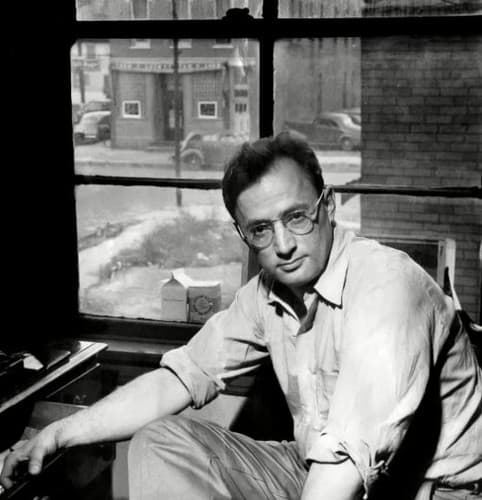
Nelson Algren was an American writer. His 1949 novel The Man with the Golden Arm won the National Book Award and was adapted as the 1955 film of the same name.
Similar books
- A Tree Grows in Brooklyn
Betty Smith
4.3 (388k) average on GoodreadsHistorical FictionExplores poverty and hardship in an urban setting with a strong sense of place.
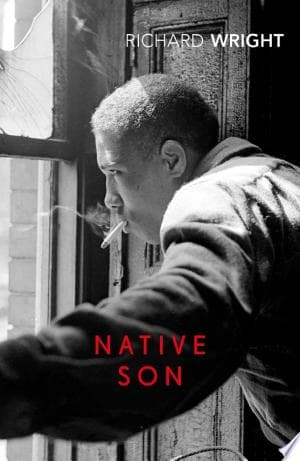
- Native Son
Richard Wright
4.0 (89k) average on GoodreadsHistorical FictionExamines social injustice and the struggles of a marginalized protagonist in a harsh urban environment.
- The Old Man and the Sea
Ernest Hemingway
3.8 (831k) average on GoodreadsLiterary FictionA Cuban fisherman's long struggle with a giant marlin becomes a story of endurance and dignity, now retold for young adults with illustrations, phonetic guides, and writing prompts in Traditional Chinese.
- One Hundred Years of Solitude
Gabriel García Márquez
4.1 (753k) average on GoodreadsLiterary FictionThrough the multi-generational story of the Buendía family, a mythical town deals with the repeating patterns of time, love, and solitude, as the extraordinary mixes with the ordinary.
- The Goldfinch
Donna Tartt
3.9 (720k) average on GoodreadsLiterary FictionHaunted by a tragic explosion and clutching a stolen Dutch masterpiece, a young orphan navigates the opulent drawing rooms of New York and the gritty underbelly of the art world, desperately seeking connection and redemption amidst a life spiraling into crime and obsession.
- Little Fires Everywhere
Celeste Ng
4.1 (713k) average on GoodreadsLiterary FictionIn Shaker Heights, an artist and her daughter move in, and their free-spirited lives clash with a rule-bound matriarch, revealing hidden conflicts beneath a perfect surface.





Enjoyed the summary?
A summary gives you the shape of the book. The book itself has the detail, the examples and the voice.
Find The Man With the Golden Arm on AmazonAs an Amazon Associate, BookBrief earns from qualifying purchases. How we're funded