

Synopsis
Covers the whole plot, including the ending.
- Difficulty
- Medium
- Pacing
- Moderate
- Mood
- Heartwarming, Resilient, Hopeful, Challenging
- Read it if
- You enjoy historical fiction with strong female protagonists, medical drama, and stories about community resilience.
- Skip it if
- You prefer fast-paced thrillers or are uncomfortable with detailed descriptions of childbirth and historical racism.
The Midwife of Hope River Plot Summary
Covers the whole plot, including the ending.
Arrival in Hope River
Patience Murphy, a recent nursing school graduate and trained midwife, arrives in the remote, poor town of Hope River, West Virginia, during the Great Depression. She carries a secret and a forged identity, fleeing a traumatic past. Guided by her mentor, Mrs. Kelly, who started the midwifery practice in Hope River, Patience is determined to serve the community's great need for medical care, especially for pregnant women. She quickly faces the harsh realities of rural life: extreme poverty, poor sanitation, widespread disease, and deep distrust from some mountain residents towards outsiders and modern medicine. Her first interactions are cautious as she tries to prove herself and gain the trust of the wary residents.
First Deliveries and Challenges
Patience immediately begins her work, handling challenging deliveries with few resources. Her first patients include the poor Maybelle and the demanding Mrs. Perkins, whose difficult birth tests Patience's skills. She meets the local doctor, Dr. Blum, who sees her with a mix of suspicion and respect, representing the medical community's doubt about midwives. Patience's kindness and skill slowly begin to win over some residents, but the mountain people's traditions and use of folk remedies often conflict with her medical training. She also starts to learn about the social dynamics and hidden prejudices within the isolated community.
The Threat of the Klan
The Ku Klux Klan's presence becomes clear in Hope River and nearby areas. Patience sees their intimidation and the fear they create, especially targeting Black families and anyone seen as an outsider or 'different.' She worries about her friend and helper, Bitsy, a young Black woman, and her family. The Klan's actions escalate, including threats, violence, and cross burnings, creating constant tension and danger. Patience, with her own secrets and outsider status, feels vulnerable to their scrutiny and potential anger, making her work even more risky.
Developing Relationships and Trust
As Patience continues her work, she gradually earns the trust of more families. She becomes close friends with Bitsy, who is her assistant and confidante. She also starts to connect with Daniel, a kind and quiet local man who works in the mines and respects her dedication. Their growing affection offers Patience hope and comfort amid the harsh realities of her life. These relationships are important for her emotional well-being and for her acceptance into the tight-knit community, helping to ease the isolation she has felt since arriving and the burden of her past.
The Flu Epidemic
A severe flu epidemic sweeps through Hope River, overwhelming the small community. Patience works tirelessly, nursing the sick, delivering babies to ailing mothers, and often being the only medical professional for miles. The epidemic highlights the severe lack of resources and medical knowledge in the region, and Patience's skills are pushed to their limits. She sees great suffering and loss, and the experience takes a heavy toll on her. During this crisis, she works more closely with Dr. Blum, and their professional respect grows as they face the challenge together, saving lives and comforting the dying.
Confronting Prejudice and Ignorance
Beyond physical ailments, Patience often confronts deep-seated prejudices and superstitions. She meets resistance to modern medical practices, with many families preferring traditional folk remedies, sometimes with tragic results. Racial prejudice, fueled by the Klan, is a constant threat. Patience often defends Bitsy and other Black families from discrimination. She also deals with the stigma around unwed mothers and children born out of wedlock, handling delicate situations with kindness. Her work is not just about delivering babies but also about challenging ignorance and advocating for the vulnerable.
The Mystery of Mrs. Kelly's Past
As Patience settles into Mrs. Kelly's old house and practice, she learns more about her mentor's life. Through old journals, letters, and talks with long-time residents, Patience learns about Mrs. Kelly's struggles, her dedication to the community, and the challenges she faced in starting the midwifery practice. This discovery deepens Patience's understanding of her own role and the legacy she continues. The insights into Mrs. Kelly's past provide comfort and guidance, strengthening Patience's commitment to Hope River and helping her feel more connected to the place and its history.
A Dangerous Delivery
Patience is called to a difficult and dangerous delivery, far in the mountains, during a harsh winter storm. The mother is in severe distress, and the baby is breech. With no other medical help and conditions worsening, Patience must rely solely on her skills and courage. The scene is full of tension and fear, pushing Patience to her physical and emotional limits. Her success in saving both mother and baby strengthens her reputation as a skilled and dedicated midwife, earning her more respect and gratitude from the community, even those who were initially skeptical.
The Threat to Bitsy and Daniel
The Klan's escalating violence directly threatens Bitsy and her family. Their home is damaged, and they face direct threats. At the same time, Daniel, Patience's love interest, becomes a target because of his involvement in union activities at the mines, which the Klan opposes. Patience is torn between protecting those she cares about and maintaining her secret. The danger forces her to confront the reality of the Klan's power and the vulnerability of those who oppose them, strengthening her resolve to fight for justice and protect her friends, even at great personal risk.
Patience's Past Revealed
As Patience's life in Hope River becomes more connected with the community, her past begins to catch up with her. Through events, including a chance meeting or the arrival of someone from her past, her true identity as Sarah and the traumatic reasons she took on a new life are gradually revealed. The revelation tests her relationships, especially with Daniel and Bitsy. She must confront the shame and fear she has carried and decide whether to trust those around her with the truth, risking rejection or further danger.
Confronting the Klan and Seeking Justice
After the Klan's actions directly harm someone close to her, Patience, along with Daniel and other brave members of the Hope River community, decides to take a stand. They work together to expose the Klan's activities and members, often at great personal risk. This involves gathering evidence, seeking help from authorities, or directly confronting the perpetrators. The community's collective effort to resist the Klan shows their strength and unity, proving that even in the face of terror, working together and being brave can succeed, leading to a turning point in the fight against injustice.
A New Beginning for Hope River
With the Klan's threat lessened and her past acknowledged, Patience finds a sense of belonging and peace in Hope River. She has not only established herself as an important midwife but has also found love and a true community. The town, though still facing economic hardship, begins to heal and look towards a better future. Patience accepts her new identity and her role, committing to staying and continuing her work. The story ends with Patience looking forward, having found redemption, purpose, and a home where she is truly loved and accepted, marking a new beginning for both her and Hope River.
Principal Figures
Patience Murphy (Sarah)
Protagonist
A compassionate and skilled midwife fleeing a traumatic past.
Patience Murphy is a young woman who, under the assumed name of Patience, dedicates herself to midwifery in the impoverished Appalachian community of Hope River. She is highly skilled, compassionate, and resilient, often putting her own safety at risk to care for her patients. Haunted by a traumatic past involving a secret illegitimate child and a violent event, she carries deep emotional scars and a fear of exposure. Her drive to help others is both a genuine calling and a way to atone for perceived past wrongs. She is intelligent, observant, and possesses a quiet strength that allows her to navigate the harsh realities of her new life.
Relationships: Bitsy (Close friend and assistant); Daniel (Love interest); Mrs. Kelly (Mentor (deceased, but influential)); Dr. Blum (Professional colleague, initially wary, later respectful)
Bitsy
Supporting
Patience's loyal and insightful Black assistant and friend.
Bitsy is a young Black woman from Hope River who becomes Patience's invaluable assistant and closest friend. She is intelligent, resourceful, and possesses a deep understanding of the local customs and the mountain folk's ways, which she shares with Patience. Despite facing severe racial prejudice and the constant threat of the Ku Klux Klan, Bitsy remains resilient and courageous, often putting herself at risk to help Patience and her community. Her loyalty to Patience is unwavering, and she provides much-needed emotional support and practical assistance, bridging the gap between Patience and the wary residents.
Relationships: Patience Murphy (Close friend and professional partner)
Daniel
Supporting
A quiet, honorable miner who falls in love with Patience.
Daniel is a local miner in Hope River, a quiet and honorable man who quickly develops feelings for Patience. He is kind, steady, and deeply committed to his community, often involved in efforts to improve conditions for the miners. Daniel represents a stable and loving future for Patience, offering her a sense of belonging and security that she has long craved. He is patient and understanding, accepting Patience despite her mysterious past and the dangers she faces. His presence provides a grounding force in Patience's tumultuous life and stands as a contrast to the violence and uncertainty around them.
Relationships: Patience Murphy (Love interest, later partner)
Dr. Blum
Supporting
The local, initially skeptical, doctor who eventually respects Patience.
Dr. Blum is the established, albeit overworked, physician in Hope River. Initially, he views Patience and her midwifery practices with skepticism, representing the traditional medical establishment's distrust of midwives. He is gruff but ultimately dedicated to his patients, and through their shared experiences during epidemics and difficult cases, he comes to respect Patience's skills and dedication. Dr. Blum serves as a professional foil and later an ally for Patience, highlighting the challenges of providing healthcare in a remote area and the potential for collaboration between different medical approaches.
Relationships: Patience Murphy (Professional colleague, initially wary, later respectful)
Mrs. Kelly
Mentioned
Patience's deceased mentor and the original midwife of Hope River.
Mrs. Kelly is Patience's deceased mentor and the previous midwife of Hope River. Although she never appears in person, her presence is deeply felt throughout the novel through Patience's memories, her journals, and the legacy of her practice. Mrs. Kelly instilled in Patience not only the skills of midwifery but also a profound sense of compassion and dedication to serving the most vulnerable. Her life and work serve as a guiding light and inspiration for Patience, helping her to understand the community and her place within it. She represents the enduring spirit of care and resilience.
Relationships: Patience Murphy (Mentor and role model)
The Ku Klux Klan (Klan members)
Antagonist
A menacing, prejudiced organization terrorizing the community.
The Ku Klux Klan represents the primary antagonistic force in Hope River. Composed of local men cloaked in anonymity, they embody racial prejudice, xenophobia, and a violent opposition to anyone who challenges their narrow worldview or social order. They target Black families, union organizers, and anyone perceived as an outsider, including Patience. Their presence creates a constant atmosphere of fear and danger, threatening the safety and peace of the community. They are a manifestation of the era's deep-seated societal injustices and the extreme measures taken to enforce them.
Relationships: Patience Murphy (Opponent and target of intimidation); Bitsy (Target of racial violence and intimidation); Daniel (Target due to union activities)
Maybelle
Supporting
One of Patience's first and most impoverished patients.
Maybelle is one of Patience's first patients in Hope River, a young woman living in extreme poverty. Her difficult and complicated birth highlights the harsh conditions and lack of medical care faced by many in the community. Maybelle's story underscores the dire need for Patience's services and helps to establish Patience's compassion and skill to the wary residents. She represents the vulnerable population Patience serves and the immediate impact of her work.
Relationships: Patience Murphy (Patient)
Mrs. Perkins
Supporting
A demanding patient whose difficult birth tests Patience's abilities.
Mrs. Perkins is another early patient for Patience, notable for her demanding personality and a particularly challenging birth. Her case pushes Patience's medical skills and composure to their limits. Successfully navigating Mrs. Perkins's delivery, despite her initial skepticism and difficult demeanor, is a crucial step in Patience gaining acceptance and demonstrating her competence to the community. She represents the variety of personalities and medical challenges Patience faces in her practice.
Relationships: Patience Murphy (Patient)
Themes & Insights
Resilience in Adversity
The novel shows the strength of the human spirit when facing great hardship. Characters like Patience, Bitsy, and the whole Hope River community endure extreme poverty, widespread disease, racial prejudice, and the terror of the Klan. Despite these difficulties, they continue to strive for survival, hope, and dignity. Patience's dedication to her calling, even when exhausted and in danger, shows this theme. The community's ability to come together and support one another, especially during the flu epidemic and against the Klan, shows their collective strength and refusal to be defeated by their circumstances. This resilience highlights the lasting power of human will to overcome.
“There was always another baby, another mother, another life waiting to be ushered into the world. And as long as there was life, there was hope.”
The Power of Community and Connection
Despite initial distrust and the isolating nature of mountain life, the novel stresses the importance of community and human connection. Patience, an outsider with a hidden past, gradually becomes a part of Hope River, finding belonging and love. The relationships she forms with Bitsy, Daniel, and her patients give her emotional support and a sense of purpose. The community's response to crises, such as the flu epidemic or the Klan's threat, shows how shared hardship can create strong bonds and lead to collective action. This theme highlights that even in the worst times, mutual support and kindness can create a powerful sense of belonging and strength.
“In this place, where life was often brutal and short, the simple act of holding a new baby, surrounded by caring hands, was a miracle that bound them all together.”
Prejudice and Injustice
The presence of prejudice and injustice is a main theme, appearing in many forms. Racial prejudice, shown by the terrifying presence and actions of the Ku Klux Klan, directly affects Bitsy and other Black families, highlighting the systemic racism of the era. There is also prejudice against midwives from the established medical community (initially from Dr. Blum), and general suspicion towards outsiders like Patience. The novel also touches on the social stigma around unwed mothers and children. These injustices highlight the challenges Patience faces not just as a medical professional but as an advocate for the vulnerable and a fighter against ignorance and hatred. The theme explores the destructive power of prejudice and the courage needed to confront it.
“Fear was a poison, she knew, and the Klan spread it like a disease, infecting minds and hearts.”
Redemption and Forgiveness
Patience's journey is deeply rooted in themes of redemption and forgiveness. Fleeing a traumatic past under a new identity, she carries great guilt and shame. Her dedication to midwifery in Hope River is, in part, an act of penance, a way to make up for her perceived wrongs and find meaning after suffering. As she becomes more integrated into the community and faces her past, she learns to forgive herself and receives forgiveness and acceptance from those around her. This theme explores the healing power of service, self-acceptance, and the capacity for others to offer grace, allowing Patience to find peace and a new beginning.
“She had run from her past, but perhaps, in this forgotten valley, she could finally outrun the shame and build a future worth living.”
The Cycle of Life and Death
As a midwife, Patience is constantly involved in the cycle of life and death, especially in a time and place where both are very present. The novel contrasts the miracles of childbirth with the harsh realities of death from disease, accidents, and violence. Patience sees the fragility of life, especially during the flu epidemic and in dangerous mining conditions, but also the lasting hope and joy that new life brings. This theme highlights the midwife's unique role at the start of existence, celebrating life's perseverance amid suffering and the importance of each birth as a sign of hope and renewal in a challenging world.
“Every birth was a miracle, a small defiance against the harshness of the world, a promise that life would go on.”
Plot Devices & Literary Techniques
Hidden Identity/Secret Past
Patience operates under an assumed name to escape a traumatic past.
Patience's hidden identity as 'Sarah' and her traumatic past serve as a central plot device, creating suspense and driving her character's internal conflict. This secret dictates her cautious interactions, her fear of exposure, and her initial emotional distance from others. The gradual revelation of her past provides key turning points, explaining her motivations and adding depth to her character. It also creates external conflict as the threat of her past catching up to her looms, impacting her relationships and her sense of security in Hope River.
First-Person Perspective
The story is told through Patience's eyes, providing intimate access to her thoughts and feelings.
The novel is narrated from Patience Murphy's first-person perspective, allowing readers to experience the harsh realities of Hope River, her internal struggles, and her emotional journey directly. This device creates a deep sense of empathy for Patience, making her fears, compassion, and resilience palpable. It also limits the reader's knowledge to what Patience observes and understands, building suspense around her past and the unfolding events in the community. Her voice is central to establishing the authentic tone and emotional core of the narrative.
The Obstetric Bag
Patience's midwife bag symbolizes her professional identity and connection to her mentor.
Patience's worn obstetric bag, inherited from Mrs. Kelly, serves as a powerful symbol. It represents her professional identity, her skills, and her commitment to her calling. More importantly, it is a tangible link to her mentor, Mrs. Kelly, embodying the legacy of care and compassion that Patience is carrying on. The contents of the bag – the instruments, remedies, and journals – are not just tools but reminders of her purpose and the knowledge passed down to her. It grounds her in her role and is a constant companion in her journey.
The Journal Entries (Mrs. Kelly's)
Patience discovers and reads her mentor's old journals.
Patience's discovery and reading of Mrs. Kelly's old journals serve as a crucial plot device. These entries provide exposition about the history of Hope River, the challenges of midwifery in the region, and insights into Mrs. Kelly's own life and character. For Patience, the journals are a source of guidance, comfort, and connection to her predecessor, helping her to understand the community and her place within it. They also allow the author to weave in historical details and context without breaking the primary narrative flow, enriching the reader's understanding of the setting and its past.
The Midwife of Hope River Quotes
“There was no such thing as an easy birth, but sometimes there was a quick one.”
“The mountain taught you patience, and it taught you to be prepared.”
“Every life was a miracle, no matter how it started.”
“Fear was a powerful thing, but hope was stronger.”
“You couldn't save everyone, but you had to try.”
“A woman's body knew what to do if you let it.”
“The mountains held secrets, and sometimes they gave them up grudgingly.”
“Love found a way, even in the harshest places.”
“Sometimes the best medicine was simply a kind word and a warm hand.”
“Prejudice was a sickness, and it spread faster than any fever.”
“Every scar told a story, and some stories were best left untold.”
“A midwife didn't just deliver babies; she delivered hope.”
“You learned to make do with what you had, or you didn't make it at all.”
“The past was a shadow you carried, but it didn't have to define your future.”
Quiz
10 questions on the plot and the characters. Each answer comes with a short explanation.
Question 1
What is Patience Murphy's profession in 'The Midwife of Hope River'?
- A teacher
- A nurse
- A midwife
- A doctor
Show answer
C. A midwife Patience Murphy is explicitly stated as a midwife in the novel, working in Appalachia.
Question 2
In what historical period is 'The Midwife of Hope River' primarily set?
- The Roaring Twenties
- The Great Depression (1930s)
- World War I era
- The Post-World War II boom
Show answer
B. The Great Depression (1930s) The book is set during the Depression in the 1930s, reflecting the hardscrabble conditions of that era.
Question 3
Where does Patience Murphy practice her midwifery?
- Rural Maine
- Appalachia, specifically West Virginia
- The bustling streets of New York City
- A frontier town in the Old West
Show answer
B. Appalachia, specifically West Virginia Patience works in the hardscrabble conditions of Appalachia, with specific mention of the dangerous mines of West Virginia.
Question 4
What significant personal challenge does Patience face in addition to external hardships?
- A debilitating physical illness
- A haunting past and personal secrets
- A lack of formal midwifery training
- An estranged relationship with her family
Show answer
B. A haunting past and personal secrets The synopsis mentions that Patience struggles against her 'own haunting past' and that her 'secrets are too fragile to let anyone in'.
Question 5
What is one of the primary obstacles Patience encounters in her work, beyond poverty and disease?
- Lack of interest from the community in her services
- Frequent natural disasters like floods and earthquakes
- Prejudices and the terrifying attentions of the Klu Klux Klan
- Competition from a well-established local hospital
Show answer
C. Prejudices and the terrifying attentions of the Klu Klux Klan The synopsis explicitly states she faces 'prejudices' and the 'terrifying attentions of the Klu Klux Klan'.
Question 6
What is Patience's approach to choosing her clients when she is just starting her practice?
- She only takes on clients who can pay well.
- She focuses on the wealthiest families to establish her reputation.
- She takes on the jobs no one else wants, those most in need and least likely to pay.
- She exclusively serves clients referred by her mentor.
Show answer
C. She takes on the jobs no one else wants, those most in need and least likely to pay. The text states, 'Just beginning, she takes on the jobs no one else wants: those most in need-and least likely to pay.'
Question 7
What is the central theme that 'The Midwife of Hope River' celebrates?
- The triumph of technology over tradition
- The miracle of life and resilience in harsh conditions
- The importance of economic prosperity
- The decline of rural communities
Show answer
B. The miracle of life and resilience in harsh conditions The description states the novel 'celebrates the miracle of life' and shows Patience bringing 'new light, and life, into an otherwise cruel world'.
Question 8
Why is gaining trust crucial for Patience in her new midwife practice, especially given her background?
- She needs to secure financial backing from the community.
- She is an outsider and carries fragile secrets that could undermine her work.
- Her mentor specifically instructed her to build a large network of allies.
- Trust is required to access advanced medical supplies.
Show answer
B. She is an outsider and carries fragile secrets that could undermine her work. The text highlights that 'starting a midwife practice means gaining trust, and Patience's secrets are too fragile to let anyone in,' implying her past makes trust-building more complex.
Question 9
What does Patience strive to bring into the world, despite the cruel conditions she faces?
- Modern medical technology
- Political reform and social justice
- New light, and life
- Economic prosperity to the region
Show answer
C. New light, and life The synopsis concludes by stating Patience 'must strive to bring new light, and life, into an otherwise cruel world'.
Question 10
What kind of novel is 'The Midwife of Hope River' primarily categorized as?
- Science Fiction
- Mystery Thriller
- Historical Fiction and Romance
- Fantasy Adventure
Show answer
C. Historical Fiction and Romance The provided text explicitly states the book's genre as 'Historical Fiction, Romance'.
The Midwife of Hope River FAQ
What is the central premise of 'The Midwife of Hope River'?
The novel follows Patience Murphy, a midwife in rural Appalachia during the Great Depression. She navigates extreme poverty, rampant disease, and societal prejudices while establishing her practice and confronting her own traumatic past, all to bring safe childbirth and hope to the community.
Who is Patience Murphy and what is her primary motivation?
Patience Murphy is the protagonist, a skilled midwife who arrived in Hope River with a mysterious past. Her primary motivation is to honor her mentor's legacy by providing essential medical care to indigent women, often taking on the most challenging cases, and ultimately seeking redemption and a new life.
What significant challenges does Patience face in her work?
Patience confronts numerous obstacles including widespread poverty, lack of proper medical supplies, infectious diseases like pellagra and tuberculosis, dangerous mine accidents, and the deep-seated mistrust and superstitions of the Appalachian community. She also battles the insidious presence of the Ku Klux Klan.
What role does Dr. Robert Cole play in Patience's journey?
Dr. Robert Cole is the local physician who initially views Patience with skepticism but eventually becomes a crucial ally and romantic interest. He provides her with medical support, shares knowledge, and helps her navigate the political and social landscape of Hope River, ultimately becoming a source of stability.
How does the setting of Appalachia in the 1930s influence the story?
The Appalachian setting during the Depression profoundly shapes the narrative, highlighting the isolation, resource scarcity, and strong community bonds of the era. It underscores the challenges of practicing medicine without modern amenities and emphasizes the resilience of people living in harsh conditions.
What is the nature of Patience's 'haunting past' mentioned in the synopsis?
Patience's haunting past involves a tragic incident in New York where she was accused of a crime and forced to flee, leaving behind a life of privilege. This secret, tied to a death during a midwifery case and a subsequent legal entanglement, drives her need for anonymity and her dedication to her new profession.
Are there any symbolic elements in the name 'Hope River'?
The name 'Hope River' is highly symbolic, representing the potential for renewal and a fresh start despite the harsh realities of the region. For Patience, it signifies a place where she can rebuild her life and bring 'hope' through her midwifery, flowing like a river through challenges and despair.
How does the Ku Klux Klan's presence specifically impact Patience's work?
The Ku Klux Klan's presence creates a dangerous and hostile environment, particularly for Patience who treats all patients regardless of race. They threaten her, burn crosses, and represent the deep-seated prejudices she must overcome, making her work not just medically challenging but also physically perilous.
What is the significance of the character Sarah, a young girl Patience befriends?
Sarah represents the innocence and vulnerability of the children in Hope River, and her illness and eventual recovery highlight the dire medical needs of the community. Patience's bond with Sarah also helps to humanize her and shows her capacity for maternal affection, hinting at her desire for a family.
How does Patience's internal conflict between her past and present manifest?
Patience constantly grapples with guilt and fear from her past, which makes her hesitant to form deep connections or reveal her true identity. This internal struggle manifests as a guarded demeanor and a fierce independence, even as she yearns for acceptance and love in Hope River.
What psychological impact does witnessing so much suffering have on Patience?
Witnessing constant suffering, death, and poverty takes a significant psychological toll on Patience, leading to moments of despair and self-doubt. However, it also strengthens her resolve and compassion, pushing her to work harder and find resilience in the face of overwhelming odds, reinforcing her purpose.
How does the isolation of Appalachia affect the mental state of its residents, including Patience?
The isolation of Appalachia fosters both strong community bonds and profound loneliness. For residents, it can lead to a sense of being forgotten, while for Patience, it initially provides a refuge but also intensifies her personal solitude until she gradually allows herself to connect with others.
In what ways does Patience exemplify resilience and determination?
Patience exemplifies resilience by consistently facing down disease, poverty, and prejudice without faltering. Her determination is evident in her willingness to travel long distances in harsh weather, work with minimal resources, and stand up against the Klan, all to ensure the safety of mothers and babies.
Is Patience's decision to keep her past a secret morally justifiable given her new role?
This is debatable. While her secret protects her and allows her to practice vital medicine where it's desperately needed, it also builds a wall of distrust. Some might argue that honesty, even painful, is always best, while others would prioritize the good she does for the community over her personal truth.
How does the novel challenge or affirm traditional gender roles of the 1930s?
The novel both challenges and affirms. Patience, as an independent, skilled professional, challenges traditional female roles. However, the pervasive poverty and the focus on childbirth also highlight women's primary roles as mothers and caregivers within the constraints of the era.
What is the overarching message about 'hope' in the context of the book's title?
The overarching message is that hope can be found even in the most desolate circumstances. Patience, through her unwavering dedication to life and healing, embodies this hope, demonstrating that compassion and human connection can illuminate even the cruelest worlds.
Does the novel suggest that modern medicine is always superior to traditional practices?
The novel subtly suggests that while modern medicine (represented by Dr. Cole) offers advancements, traditional midwifery practices, steeped in generational knowledge and community trust, are equally vital, especially in resource-scarce environments. It advocates for a blend of both approaches.
How does the book portray the concept of 'family' beyond traditional blood ties?
The book portrays 'family' as extending beyond blood ties to include communities and chosen relationships. Patience gradually builds a found family in Hope River with Dr. Cole, Mrs. Kelly, and the women she serves, emphasizing that support and belonging can be forged through shared experiences and care.
About the author

Patricia Harman is an author known for her fiction, particularly her novel "The Midwife of Hope River." Her work often explores themes of midwifery and the experiences of women in historical contexts. Harman's storytelling is informed by her background in midwifery and her deep understanding of the challenges faced by women.
Similar books
- The Giver of Stars
Jojo Moyes
4.3 (183k) average on GoodreadsHistorical FictionFeatures strong female friendships and community building in Depression-era Appalachia.
- Where the Crawdads Sing
Delia Owens
4.5 (975k) average on GoodreadsHistorical FictionExplores themes of isolation, prejudice, and resilience in a natural setting.
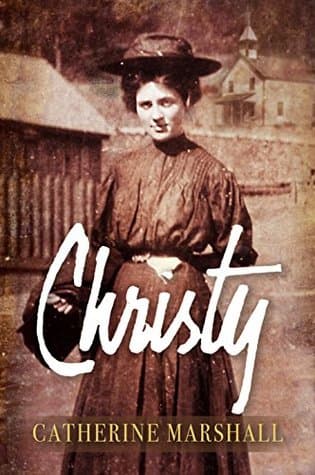
- Christy
Catherine Marshall
4.2 (49k) average on GoodreadsHistorical FictionA classic story of a young woman bringing education and care to impoverished Appalachia.
- The Help
Kathryn Stockett
4.5 (2.2M) average on GoodreadsHistorical FictionStockett's novel also confronts racial prejudice in the American South but is set in the 1960s and focuses on domestic service and social activism through multiple perspectives. Harman's 'Midwife' is set earlier, during the Depression, and explores prejudice through the lens of a single protagonist's struggle against immediate community threats and the slow-building of trust, with a strong emphasis on medical realism rather than systemic political action.
- To Kill a Mockingbird
Harper Lee
4.3 (4.5M) average on GoodreadsHistorical FictionIn the 1930s Jim Crow South, Harper Lee writes about racial injustice, moral growth, and the quiet courage of a lawyer father, Atticus Finch, as seen through his young daughter's eyes.
- The Great Gatsby
F. Scott Fitzgerald
3.9 (3.8M) average on GoodreadsHistorical FictionIn the opulent Roaring Twenties, a mysterious millionaire's lavish parties hide his desperate, tragic pursuit of a lost love, exposing the emptiness within the American Dream.





Enjoyed the summary?
A summary gives you the shape of the book. The book itself has the detail, the examples and the voice.
Find The Midwife of Hope River on AmazonAs an Amazon Associate, BookBrief earns from qualifying purchases. How we're funded