

Synopsis
Covers the whole plot, including the ending.
- Difficulty
- Medium
- Pacing
- Moderate
- Mood
- Quirky, Poignant, Resilient, Humorous, Melancholy
- Read it if
- You enjoy quirky, character-driven literary fiction with a blend of humor and pathos, exploring themes of survival, identity, and forgiveness.
- Skip it if
- You prefer fast-paced thrillers or stories without elements of dark humor and hardship.
The Miracle Life of Edgar Mint Plot Summary
Covers the whole plot, including the ending.
The Accident and the Awakening
The story opens with seven-year-old Edgar Mint, a half-Apache boy living on the San Carlos Apache Reservation, being run over by a mail truck. The mailman, a man named Lyle, is distraught and believes Edgar is dead. Miraculously, Edgar survives, though he sustains a severe head injury that leaves him in a coma for several weeks. When he awakens, he has amnesia, remembering nothing of his life before the accident. His recovery is slow and painful, marked by a new, almost obsessive desire to understand language and the world around him, as if seeing and hearing everything for the first time. The incident is the defining event of his childhood, separating his life into 'before' and 'after'.
The Institute for Native American Children
After his mother abandons him, Edgar is sent to the Institute for Native American Children in Arizona, a grim and dilapidated boarding school. Here, he encounters eccentric and often troubled characters, both students and staff. The school is poorly run, often violent, and provides little proper education or care. Edgar is frequently bullied and witnesses various forms of abuse, but he also forms strong bonds with a few fellow students, most notably a boy named Jake and a girl named Lana. He begins his lifelong habit of writing letters, meticulously documenting his experiences and feelings. This practice is his primary coping mechanism and a way to make sense of his fractured memory.
The Friendship with Jake and Lana
At the Institute, Edgar finds solace and companionship in his friendships with Jake and Lana. Jake, a quick-witted and rebellious boy, is Edgar's closest confidant and protector, teaching him how to survive within the school's harsh system. Lana, a quiet and artistic girl, offers Edgar emotional support and a sense of normalcy amidst the chaos. Their bond is a source of strength for Edgar, but it is also fraught with the typical complexities of adolescence, including rivalry, jealousy, and unspoken affections. These friendships are important for Edgar's emotional development, providing him with a sense of belonging that is otherwise absent from his life.
Escape Attempts and Punishments
Life at the Institute is characterized by strict rules and severe punishments. Edgar, Jake, and Lana, like many of the other children, dream of escaping the school. They make several attempts, each met with escalating consequences. One notable incident involves them trying to run away through the desert, only to be caught and subjected to brutal physical and psychological torment by the staff, particularly the sadistic Mr. Williams. These experiences deeply scar Edgar, reinforcing his sense of injustice and his longing for freedom, while also solidifying his bond with his fellow sufferers.
The Death of Jake and Edgar's Departure
A devastating incident occurs at the Institute when Jake, Edgar's best friend, dies under suspicious circumstances, possibly due to neglect or abuse by the staff. This loss deeply affects Edgar, deepening his trauma and sense of isolation. Following Jake's death, the school comes under scrutiny, and Edgar is finally removed from the Institute. He is placed with a Mormon foster family, the Kings, in Utah. This marks a significant transition from the harsh, institutionalized environment to a more conventional, though still challenging, family setting. This move represents a new chapter in Edgar's search for a home and a sense of belonging.
Life with the King Family
Edgar's new life with the King family in Utah is a stark contrast to the Institute. The Kings are a large, devoutly Mormon family with their own set of quirks and challenges. Mrs. King is kind but overwhelmed, while Mr. King is a stern but ultimately well-meaning patriarch. Edgar struggles to adapt to their strict religious practices and their boisterous family dynamics. He finds himself an outsider again, but he also experiences moments of genuine warmth and care. His time with the Kings is marked by his continued attempts to understand the world and his place in it, often through his relentless letter writing and observations.
The Quest for Lyle
Throughout his adolescence, Edgar becomes increasingly obsessed with finding Lyle, the mailman who ran over his head. He believes that encountering Lyle will somehow provide him with answers about his past and perhaps even restore his lost memories. This quest is a central driving force in his life, a symbolic journey for understanding and closure. He meticulously collects information about Lyle, writing letters and making inquiries, demonstrating his unwavering determination and his unique way of processing trauma and seeking resolution.
College and New Relationships
Edgar eventually attends college, where he continues his academic pursuits and further refines his understanding of language and human nature. He forms new friendships and experiences his first romantic relationships, which are often awkward and complicated due to his unusual upbringing and his emotional scars. These experiences further shape his character, allowing him to explore intimacy and connection outside the confines of his traumatic past. He continues to write letters, not just to imaginary recipients but also to real people, using them as a means of communication and self-expression.
The Reunion with Lana
Years after leaving the Institute, Edgar unexpectedly reconnects with Lana, his friend from the boarding school. Their reunion is bittersweet, as they both carry the scars of their shared past. They reflect on their experiences at the Institute, the loss of Jake, and how their lives have diverged and converged. This reunion provides Edgar with a sense of closure regarding that painful chapter of his life and allows him to process some of the unresolved grief and trauma. Their renewed friendship brings comfort and understanding, highlighting the enduring power of their early bond.
The Encounter with Lyle
After years of searching, Edgar finally locates Lyle, the mailman. He arranges a meeting, not out of anger or a desire for revenge, but out of a deep need for understanding and, ultimately, forgiveness. Lyle, now an old man, is still haunted by the accident. Their encounter is emotional and cathartic. Edgar learns about Lyle's perspective and the burden of guilt he has carried. This meeting provides Edgar with a deep sense of closure, allowing him to release the lingering questions and anxieties surrounding the defining event of his life. It marks an important step in his journey towards healing and self-acceptance.
Forgiveness and Moving Forward
Following his meeting with Lyle, Edgar experiences a deep sense of peace. He realizes that true understanding comes not from recovering lost memories, but from accepting his past and embracing his present. He has come to terms with the man he has become, shaped by both his traumas and his triumphs. The novel ends with Edgar reflecting on his extraordinary life, his unique perspective, and his ability to find meaning and beauty amidst adversity. He continues to write, using language as his tool for connection and comprehension, embodying the 'miracle' of his survival and his enduring spirit.
Principal Figures
Edgar Mint
Protagonist
A half-Apache orphan who survives a bizarre accident and seeks to understand his life.
Edgar Mint is the resilient and introspective protagonist. After a mail truck runs over his head at age seven, he suffers amnesia and embarks on a lifelong quest for identity and understanding. He is characterized by his innate goodness, his obsessive need to write letters to make sense of his experiences, and his keen observations of human behavior. Despite enduring immense trauma—abandonment, abuse at a boarding school, and the loss of loved ones—Edgar maintains a profound curiosity about the world and an unwavering belief in the power of language.
Relationships: Lyle (The mailman who ran him over; Edgar seeks him for answers and forgiveness.); Jake (Best friend at the Institute; a rebellious and protective companion.); Lana (Close friend and later romantic interest from the Institute; a quiet and artistic confidante.); The King Family (Mormon foster family who provides a complicated but ultimately caring home.); Mr. Williams (Abusive staff member at the Institute; an antagonist.)
Lyle
Supporting/Antagonist (unwilling)
The mailman whose accident with Edgar haunts him for decades.
Lyle is the mailman responsible for Edgar's accident. Though his role in the narrative is initially that of an unseen force, his guilt and the impact of his actions are central to Edgar's quest. Lyle is portrayed as a man burdened by an accidental tragedy, constantly reliving the moment he believed he had killed a child. He is a symbol of the unintentional harm people can inflict and the long-lasting psychological effects of such events. His eventual encounter with Edgar is a moment of profound catharsis for both characters.
Relationships: Edgar Mint (The victim of his accident; Lyle is haunted by their past connection.)
Jake
Supporting
Edgar's best friend at the Institute, a rebellious and protective figure.
Jake is Edgar's closest friend and confidant during their time at the Institute for Native American Children. He is sharp-witted, rebellious, and street-smart, often acting as Edgar's protector and guide in the harsh environment of the boarding school. Jake embodies a spirit of resistance against the oppressive system, and his friendship provides Edgar with crucial emotional support and a sense of belonging. His tragic death deeply impacts Edgar, becoming a significant source of grief and trauma.
Relationships: Edgar Mint (Best friend and protective companion.); Lana (Friend and fellow student at the Institute.)
Lana
Supporting
A quiet and artistic girl who befriends Edgar at the Institute.
Lana is another of Edgar's close friends from the Institute. She is quiet, artistic, and sensitive, offering a gentle presence amidst the school's brutality. Lana provides Edgar with emotional solace and a deeper connection than many others. Her presence represents a glimmer of beauty and humanity in a desolate place. Their bond endures beyond the Institute, and their eventual reunion allows both characters to reflect on their shared past and find a degree of healing.
Relationships: Edgar Mint (Close friend and later a romantic interest.); Jake (Friend and fellow student at the Institute.)
Mrs. King
Supporting
Edgar's kind but overwhelmed Mormon foster mother.
Mrs. King is Edgar's foster mother in Utah. She is a kind-hearted, devout Mormon woman with a large family, often overwhelmed by the demands of her household. Despite her good intentions, she struggles to fully understand Edgar's complex background and emotional needs. She represents a well-meaning but sometimes culturally insensitive attempt to provide Edgar with a stable home, highlighting the challenges of cross-cultural foster care. Her love, though imperfect, offers Edgar a taste of familial warmth.
Relationships: Edgar Mint (Foster mother.); Mr. King (Husband.)
Mr. Williams
Antagonist
A cruel and abusive staff member at the Institute.
Mr. Williams is one of the most significant antagonists at the Institute for Native American Children. He is a sadistic and abusive staff member who inflicts physical and psychological torment on the children, particularly Edgar and his friends. He embodies the systemic cruelty and neglect prevalent in the institution, and his actions contribute significantly to Edgar's trauma. His presence underscores the harsh realities faced by many Native American children in such facilities.
Relationships: Edgar Mint (Abuser.); Students at the Institute (Abuser of multiple children.)
The Narrator (Older Edgar)
Narrator/Protagonist (future self)
The voice of Edgar Mint reflecting on his past experiences.
The narrator is the older, wiser Edgar Mint, recounting his life story with a unique blend of humor, introspection, and profound insight. This narrative voice is distinct from the younger Edgar, offering a retrospective perspective on the events and characters. The narrator often interjects with philosophical observations, wry commentary, and an awareness of the tragicomic nature of his past. His voice is characterized by a deep understanding of language and a persistent search for meaning, framing the entire story as a journey of self-discovery and the miracle of survival.
Relationships: Younger Edgar (The subject of his narration, his past self.)
Themes & Insights
The Search for Identity and Belonging
Edgar's life is a continuous quest to understand who he is, particularly after the accident leaves him with amnesia. He is a half-Apache orphan, repeatedly displaced from his home and culture. At the Institute, he finds a temporary, though fractured, sense of belonging with Jake and Lana. With the King family, he struggles to fit into a devout Mormon household, feeling like an outsider. His relentless letter writing is a means of constructing a personal history and identity, and his search for Lyle is ultimately a search for the missing pieces of himself, culminating in an acceptance of his unique, 'miracle' life.
“If I could tell you only one thing about my life it would be this: when I was seven years old the mailman ran over my head. As formative events go, nothing else comes close.”
The Redemptive Power of Language and Storytelling
From the moment he wakes from his coma, Edgar develops an almost obsessive relationship with language. He meticulously writes letters, documenting every detail of his life, his observations, and his feelings. These letters, often unsent or addressed to an unknown recipient, are his primary coping mechanism, a way to process trauma, and a means of building a coherent narrative for his fragmented past. Storytelling, both his own and the stories he hears, allows him to make sense of an often chaotic and painful world, ultimately leading to self-understanding and closure in his adult life.
“I had no memory of a life before the accident, only a vague, general sense of what it meant to be a boy. I had to learn everything, starting with words.”
Trauma, Resilience, and Forgiveness
Edgar's life is marked by deep trauma: the accident, abandonment, the abuse at the Institute, and the death of his best friend. Despite these devastating experiences, he displays remarkable resilience, consistently finding ways to survive and even thrive. His journey culminates in his search for Lyle, not for revenge, but for understanding and ultimately, forgiveness. This act of forgiveness, both for Lyle and for himself, allows Edgar to release the burdens of his past and achieve a sense of peace, demonstrating the healing power of letting go.
“I wanted to find Lyle not to punish him, but to thank him. He had given me my life, even if he had taken my memory.”
The Nature of Memory and History
Edgar's amnesia after the accident forces him to grapple with the subjective and often unreliable nature of memory. He has no personal history before the age of seven, leading him to construct his past through observation, imagination, and the stories of others. His letter writing is an attempt to create a tangible record, a personal history that he can hold onto. The novel explores how individual and collective memories shape identity, and how, even without direct recollection, the past deeply influences the present.
“Without memory, I was a ghost, a boy with no past, only a continuous, bewildering present.”
Plot Devices & Literary Techniques
First-Person Retrospective Narration
An older Edgar Mint recounts his life story from a mature, reflective viewpoint.
The entire novel is narrated by Edgar Mint as an adult, looking back on his childhood and adolescence. This allows for a unique blend of childlike wonder and adult wisdom. The older Edgar can comment on his past experiences with a sense of irony, humor, and profound insight that the younger Edgar would not possess. This device provides emotional distance and allows the narrator to foreshadow events, reflect on themes, and create a cohesive narrative from fragmented memories, emphasizing his journey of self-discovery and healing.
Epistolary Elements (Letter Writing)
Edgar's constant writing of letters serves as a primary coping mechanism and narrative tool.
Throughout his life, Edgar writes countless letters, often to imaginary recipients, the mailman, or later, to real people. These letters are not always sent but function as a diary, a therapeutic outlet, and a means for Edgar to process his experiences, observations, and emotions. They allow the reader direct access to Edgar's internal world, his unique voice, and his evolving understanding of the world. This device underscores the theme of language as a tool for self-creation and understanding, and literally 'writes' Edgar's fragmented history into existence.
The Defining Accident
The mail truck accident serves as the inciting incident and a central metaphor for Edgar's life.
The bizarre incident of Edgar's head being run over by a mail truck is not just the inciting event but also a powerful metaphor. It physically and psychologically separates his life into 'before' and 'after,' symbolizing his loss of innocence and memory, and the extraordinary, 'miracle' nature of his survival. This event dictates his life's trajectory, his amnesia, and his eventual quest for Lyle, making it the thematic and structural core around which his entire story revolves. It's the 'miracle' that shapes his unique perspective on life.
Symbolism of the Mailman/Mail
The mailman and mail represent connection, communication, and the delivery of fate.
Lyle, the mailman, is more than just a character; he is a symbolic figure. He represents both the random cruelty of fate (delivering an accident) and the potential for connection and communication (delivering letters). Mail itself, which Edgar obsesses over through his letter writing, symbolizes the human need to connect, to send and receive messages, and to construct narratives. The mailman's route, traversing vast distances, also mirrors Edgar's own journey across different landscapes and experiences in his search for understanding and belonging.
The Miracle Life of Edgar Mint Quotes
“I was born dead. This is how I begin.”
“There are some things in life you can never prepare for. Not really. You can get all the advice, read all the books, but when it happens, it's always a shock.”
“My father used to say that the world was full of good people, but that you had to look for them. They weren't always easy to find.”
“It was the kind of silence that made you feel like you were the only person left in the world.”
“Sometimes you have to break things to fix them.”
“Grief is a funny thing. It comes and goes, sometimes when you least expect it, sometimes when you think you've finally moved on.”
“The past is a stubborn thing. It doesn't just go away because you want it to.”
“It’s amazing how much you can learn about a person just by watching them.”
“There are some things that, once seen, can never be unseen.”
“Hope, I learned, was a dangerous thing. It could keep you going, but it could also break your heart.”
“Sometimes the only way to find out who you are is to get lost.”
“The world was a big place, full of people who didn't know you, and didn't care. And sometimes, that was a good thing.”
“You can't choose your family, but you can choose who you let into your heart.”
“Every scar tells a story. And some stories are worth telling.”
Quiz
10 questions on the plot and the characters. Each answer comes with a short explanation.
Question 1
What unusual accident occurs when Edgar Mint is seven years old, setting the stage for his 'miracle life'?
- He falls from a tree and breaks every bone in his body.
- He is struck by lightning while playing outside.
- The mailman runs over his head with a jeep.
- He is bitten by a venomous snake and almost dies.
Show answer
C. The mailman runs over his head with a jeep. The defining event of Edgar's early life, as stated in the book's opening, is when the mailman runs over his head.
Question 2
What is Edgar Mint's ethnic background, as mentioned in the book's description?
- Half-Navajo
- Full-blooded Lakota
- Half-Apache
- Part-Cherokee
Show answer
C. Half-Apache Edgar is described as 'half-Apache and mostly orphaned,' which is a key detail about his identity.
Question 3
Which type of institution does Edgar attend after his accident, described as a 'hellish' place?
- A military academy for troubled youth
- A boarding school for Native American orphans
- A reformatory for juvenile delinquents
- A psychiatric hospital for children
Show answer
B. A boarding school for Native American orphans The synopsis explicitly mentions Edgar surviving 'a hellish boarding school for Native American orphans.'
Question 4
What is one of Edgar's persistent beliefs that helps him endure his hardships?
- His belief in the power of revenge
- His belief in the redeeming power of language
- His belief in the inevitability of fate
- His belief in the importance of solitude
Show answer
B. His belief in the redeeming power of language The description highlights 'Edgar’s innate goodness, his belief in the redeeming power of language,' as something that persists through his trials.
Question 5
What kind of foster family does Edgar experience after the boarding school?
- A strict, disciplinary military family
- A wealthy, but emotionally distant, East Coast family
- A well-meaning but wildly dysfunctional Mormon foster-family
- A quiet, elderly couple living on a remote farm
Show answer
C. A well-meaning but wildly dysfunctional Mormon foster-family After the boarding school, Edgar encounters 'a well-meaning but wildly dysfunctional Mormon foster-family,' adding to his diverse experiences.
Question 6
What is Edgar's ultimate goal regarding the man who ran over his head?
- To seek financial compensation for his injuries.
- To report him to the authorities and see him punished.
- To find and forgive him.
- To understand the man's motivation for the accident.
Show answer
C. To find and forgive him. The text states Edgar's 'determination to find and forgive the man who almost killed him,' highlighting a central theme of reconciliation.
Question 7
The novel is described as being 'inhabited by characters as outsized as the landscape of the American West.' What does this imply about the characters?
- They are physically large and imposing.
- They are often exaggerated, memorable, and larger-than-life.
- They are all Native American, reflecting the Western setting.
- Their personalities are as barren and desolate as the desert.
Show answer
B. They are often exaggerated, memorable, and larger-than-life. Comparing characters to the 'outsized' landscape of the American West suggests they are larger-than-life, memorable, and perhaps a bit eccentric or exaggerated, fitting the novel's tone.
Question 8
What does Edgar lose throughout his life, as mentioned in the description, besides his physical well-being?
- His Apache heritage and cultural identity.
- Most of the illusions that are supposed to make life bearable.
- His ability to read and write due to his head injury.
- His connection to his foster families and friends.
Show answer
B. Most of the illusions that are supposed to make life bearable. The text states Edgar survives 'the loss of most of the illusions that are supposed to make life bearable,' indicating a journey of disillusionment but also resilience.
Question 9
The phrase 'The Miracle Life of Edgar Mint is a miracle of storytelling, bursting with heartache and hilarity' suggests what about the novel's tone?
- It is primarily a tragic and depressing story.
- It is a lighthearted comedy with no serious moments.
- It balances profound sadness with humor and wit.
- It focuses solely on the miraculous aspects of Edgar's survival.
Show answer
C. It balances profound sadness with humor and wit. The juxtaposition of 'heartache and hilarity' indicates a complex tone that combines both tragic and comedic elements, a hallmark of literary fiction.
Question 10
Given the description of Edgar's experiences, what overarching theme is strongly suggested by his journey?
- The inevitable decline of traditional Native American cultures.
- The importance of seeking revenge for past wrongs.
- Resilience and the human spirit's ability to endure and find meaning despite profound adversity.
- The corrupting influence of power and authority figures.
Show answer
C. Resilience and the human spirit's ability to endure and find meaning despite profound adversity. Edgar's survival of multiple traumas (accident, hellish school, dysfunctional family) and his persistent goodness and determination to forgive strongly point to themes of resilience and the enduring human spirit.
The Miracle Life of Edgar Mint FAQ
What is the central premise of 'The Miracle Life of Edgar Mint'?
The novel follows Edgar Mint, a half-Apache boy, whose life is irrevocably shaped by a bizarre accident at age seven when a mailman runs over his head. It chronicles his journey through various challenging environments, including a Native American boarding school and a Mormon foster family, as he seeks to understand his past and find the mailman responsible.
Who is Edgar Mint and what defines his character?
Edgar Mint is the resilient protagonist, a half-Apache orphan characterized by his innate goodness, his belief in the power of language, and an unwavering determination. Despite facing immense hardship and loss, he maintains a hopeful outlook and a drive to connect with the world around him, particularly through writing.
What role does the 'mailman accident' play in Edgar's development?
The mailman running over Edgar's head is the defining event of his life, not just physically, but psychologically. It serves as the catalyst for his quest for meaning and connection, driving his later search for the mailman and shaping his perspective on fate, forgiveness, and the fragility of life.
Describe Edgar's experiences at the Native American boarding school.
Edgar's time at the boarding school, likely the Arizona State Training School for Indian Boys, is depicted as harsh and often brutal, yet it's also where he forms crucial friendships. He learns to navigate a rigid system and experiences both cruelty from staff and camaraderie with fellow students, significantly impacting his worldview.
How does Edgar end up with a Mormon foster family, and what is their impact?
After the boarding school, Edgar is placed with the Fittses, a well-meaning but highly dysfunctional Mormon family in Utah. While they offer a different kind of home, their eccentricities and internal struggles provide Edgar with new challenges and insights into family dynamics, further shaping his understanding of love and belonging.
What is the significance of Edgar's obsession with typewriters and writing?
Edgar's fascination with typewriters and his constant writing are central to his coping mechanisms and his identity. Language becomes his primary tool for processing trauma, preserving memories, and making sense of his chaotic life, embodying his 'belief in the redeeming power of language' mentioned in the synopsis.
Are there any symbolic meanings behind the recurring motif of letters and mail?
Beyond the literal mailman accident, letters and mail symbolize connection, communication, and the search for answers throughout the book. Edgar's eventual quest involves finding the mailman, and the very act of writing his life story is a form of communication, highlighting the desire to send and receive understanding.
How does the author use humor to balance the darker themes of the novel?
Brady Udall employs a distinct blend of dark humor and absurdity to lighten the heavy themes of trauma, abandonment, and racism. The outrageous situations Edgar finds himself in, and the quirky characters he encounters, often provide moments of unexpected hilarity, making the difficult narrative more palatable and complex.
What is the psychological impact of Edgar's head injury on his identity and memory?
The head injury profoundly shapes Edgar's identity, making him feel both unique and marked. While he doesn't suffer overt memory loss, the trauma becomes the lens through which he views all subsequent experiences, influencing his perception of fate and his persistent drive to find closure regarding the accident.
How does Edgar cope with the repeated experiences of loss and abandonment throughout his life?
Edgar copes with loss and abandonment primarily through his inner resilience, his capacity for forgiveness, and his dedication to documenting his life through writing. He forms deep, if sometimes fleeting, attachments and finds solace in the belief that understanding and connection are still possible, even after profound separation.
Discuss the psychological concept of 'forgiveness' as explored through Edgar's pursuit of the mailman.
Edgar's quest to find the mailman is less about blame and more about achieving a form of psychological closure and forgiveness. His determination suggests a need to understand the human element behind his trauma, to connect with the source of his pain not for revenge, but for the healing power of empathy and letting go.
How does Edgar maintain his 'innate goodness' despite the harsh realities he faces?
Edgar's 'innate goodness' is maintained through his unwavering optimism, his capacity for love and friendship, and his refusal to succumb to bitterness. He consistently seeks out positive connections and finds meaning in small acts of kindness and the simple act of living, even when surrounded by dysfunction and cruelty.
What is the broader commentary on Native American experiences in the book?
The novel offers a critical, albeit sometimes subtly, commentary on the historical treatment of Native Americans, particularly through Edgar's experiences at the boarding school. It highlights the cultural displacement, systemic neglect, and often harsh assimilation policies faced by Indigenous communities, seen through Edgar's personal lens.
Is 'The Miracle Life of Edgar Mint' ultimately a story of fate or free will?
The novel presents a complex interplay of fate and free will. While the initial accident is an act of fate, Edgar's subsequent choices – his resilience, his pursuit of the mailman, and his commitment to writing – demonstrate his agency. It suggests that while circumstances may be fated, how one responds to them is a matter of free will.
How does the setting of the American West contribute to the novel's themes?
The vast, often stark landscape of the American West mirrors Edgar's journey of isolation and self-discovery. It represents both a challenging environment and a place of potential freedom and new beginnings, emphasizing themes of resilience, survival, and the search for identity in a rugged, expansive world.
What is the meaning behind the title, 'The Miracle Life of Edgar Mint'?
The title refers to Edgar's miraculous survival of the mailman accident and, more broadly, his miraculous ability to endure and thrive despite immense adversity. It highlights the extraordinary nature of his resilience, his capacity for hope, and the unexpected joys and connections he finds throughout his challenging life.
Does the novel offer a definitive resolution to Edgar's quest for the mailman?
The novel does provide a resolution to Edgar's quest, though it might not be what readers initially expect. The encounter with the mailman is less about confrontation and more about achieving a profound understanding and a sense of peace for Edgar, culminating in a deeply human and emotionally resonant moment of closure.
About the author

Brady Udall is an American author known for his critically acclaimed novels. His debut, "The Miracle Life of Edgar Mint," was a finalist for the PEN/Faulkner Award for Fiction. "The Lonely Polygamist" was a "New York Times" Notable Book. Udall's work is celebrated for its unique voice and compelling storytelling.
Similar books
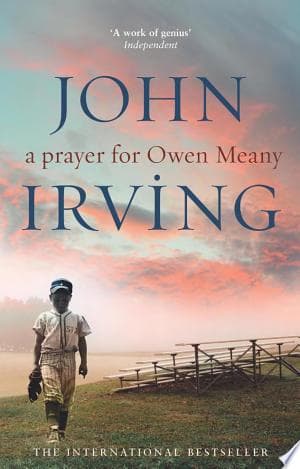
- A Prayer For Owen Meany
John Irving
4.2 (286k) average on GoodreadsLiterary FictionFeatures a unique protagonist, a blend of humor and tragedy, and explores themes of fate and impact from a formative childhood event.
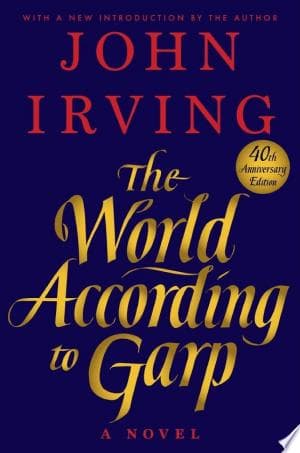
- The World According to Garp
John Irving
4.1 (205k) average on GoodreadsLiterary FictionKnown for its eccentric characters, dark humor, and exploration of an unusual life story shaped by unexpected events.
- The House of the Spirits
Isabel Allende
4.2 (190k) average on GoodreadsFantasyBoth novels incorporate elements of magical realism within a historical fiction framework, depicting the lives of characters shaped by significant historical events and personal tragedies. Allende's work, however, spans multiple generations and focuses on a broader political and social canvas of an unnamed Latin American country, utilizing a more overtly lyrical and expansive magical realism. Udall's novel is more tightly focused on a single protagonist's journey and uses magical realism more subtly to reflect Edgar's internal world and perception of reality, against the specific historical backdrop of Native American life in the US.
- The Old Man and the Sea
Ernest Hemingway
3.8 (831k) average on GoodreadsLiterary FictionA Cuban fisherman's long struggle with a giant marlin becomes a story of endurance and dignity, now retold for young adults with illustrations, phonetic guides, and writing prompts in Traditional Chinese.
- One Hundred Years of Solitude
Gabriel García Márquez
4.1 (753k) average on GoodreadsLiterary FictionThrough the multi-generational story of the Buendía family, a mythical town deals with the repeating patterns of time, love, and solitude, as the extraordinary mixes with the ordinary.
- The Goldfinch
Donna Tartt
3.9 (720k) average on GoodreadsLiterary FictionHaunted by a tragic explosion and clutching a stolen Dutch masterpiece, a young orphan navigates the opulent drawing rooms of New York and the gritty underbelly of the art world, desperately seeking connection and redemption amidst a life spiraling into crime and obsession.




Enjoyed the summary?
A summary gives you the shape of the book. The book itself has the detail, the examples and the voice.
Find The Miracle Life of Edgar Mint on AmazonAs an Amazon Associate, BookBrief earns from qualifying purchases. How we're funded