

Synopsis
Covers the whole plot, including the ending.
- Difficulty
- Medium
- Pacing
- Moderate
- Mood
- Melancholy, Reflective, Suspenseful, Poignant
- Read it if
- You want a poignant, character-driven story about love, survival, and the human cost of war, told through a gripping first-person narrative.
- Skip it if
- You prefer fast-paced action or stories with clear, optimistic resolutions.
The Night in Lisbon Plot Summary
Covers the whole plot, including the ending.
The Encounter in Lisbon
In 1942, in Lisbon, a young, anonymous Austrian refugee, who has spent years avoiding the Gestapo across Europe, watches a ship bound for America with despair. He is penniless and stateless. A well-dressed stranger approaches him, offering two tickets for the ship, passage to the United States, and a large sum of money. The only condition is that the refugee must listen to his story, which he insists on telling that very night. The refugee, seeing no other option, agrees, and the two men go to a quiet bar, beginning a long night of confession that will reveal the stranger's past.
Josef Schwarz's Escape from Germany
The stranger introduces himself as Josef Schwarz (though this is not his real name, which he keeps secret for much of the story). He begins his story from the early days of Nazi Germany, describing his escape from a concentration camp in 1938. He recounts the realities of the camp and his journey across the border into Switzerland. This escape sets the stage for the relentless pursuit and constant fear that will define his life and the lives of countless others fleeing the Third Reich. His narration immediately shows the listener the dangers of the era.
The Return for Helen
Despite the danger and the certainty of re-arrest, Josef cannot bear to leave his wife, Helen, behind in Germany. He gets forged papers and, against all reason, returns to Nazi territory. His love for Helen is his only motivation, overriding his instinct for self-preservation. This act of devotion highlights the central theme of love's power in the face of adversity, and sets the stage for their struggle to survive together, constantly hunted.
Years on the Run
Josef and Helen begin a journey across war-torn Europe, constantly moving from one country to another, always one step ahead of the Gestapo. They live under assumed names, facing daily uncertainty, poverty, and the threat of discovery. Their journey takes them through Switzerland, France, Spain, and Portugal, each border crossing a new challenge, each temporary refuge a precarious illusion. Their love becomes their only constant amidst the chaos, a fragile but powerful shield against despair as they witness the horrors of war.
Life in Paris and the Fall of France
For a time, Josef and Helen find some peace in Paris, living under false identities and trying to build a normal life. They experience moments of joy and normalcy, hoping the war will not reach them there. However, this peace is shattered with the swift invasion of France by the German army. The fall of Paris forces them back into flight, showing the relentless nature of the persecution and the shrinking safe havens in Europe.
The Spanish Interlude and Helen's Illness
As they make their way through Spain, Helen's health begins to decline. The physical and emotional strain of years on the run, coupled with constant fear and lack of proper care, takes a heavy toll. Her illness adds another difficulty to their journey, forcing Josef to make agonizing choices and testing his endurance and devotion. This period highlights the human cost of war and displacement, beyond direct combat.
Arrival in Lisbon and the Search for Passage
Josef and Helen finally arrive in Lisbon, the last port of escape from Europe. However, their arrival does not end their struggles. They face the challenge of securing passage to America, which requires large sums of money and rare visas. Lisbon, while a haven, is also a place of desperate refugees, black markets, and bureaucratic hurdles. Josef works tirelessly, navigating this complex world, trying to secure their future, all while Helen's health worsens, casting a shadow over their potential freedom.
The Revelation of Helen's Condition
One night, after years of hiding her true condition, Helen reveals to Josef the truth: she is suffering from an incurable illness, likely cancer, and has little time left. She had kept it secret to spare him worry and to maintain their hope for escape. This revelation shatters Josef, forcing him to confront heartbreak after all their struggles. It shifts the entire purpose of their journey, making their escape less about a shared future and more about fulfilling Helen's last wish.
Helen's Final Days and Request
Helen's condition quickly worsens. In her final days, she makes a request of Josef: she asks him to leave her behind in Lisbon and take the available passage to America alone. She does not want him to witness her death or be burdened by her memory in a way that prevents his own survival. This act of self-sacrifice shows her love and her desire for Josef to live, even if it means doing so without her. Josef struggles with this request, torn between his love and her desperate wish.
Helen's Death and Josef's Despair
Despite Josef's attempts to keep her alive, Helen dies. Her death leaves Josef devastated, his reason for enduring years of hardship suddenly gone. He is left with the tickets for America, a symbol of a future they can no longer share. The weight of her loss, combined with the years of fear and uncertainty, pushes him to despair. He grapples with the meaning of his survival without her, feeling an immense void in his life.
The Offer to the Refugee
As dawn approaches, Josef finishes his story, explaining to the young refugee why he has chosen him. He reveals that he has been looking for someone to take his place on the ship, someone who still has a life to live. He cannot go to America without Helen, and the thought of starting anew without her is unbearable. He sees in the young man a reflection of his past self, desperate and full of unfulfilled potential, and offers him the chance he no longer desires for himself, a final act of love and remembrance for Helen.
The Refugee's Departure and Josef's Fate
The young refugee, moved and understanding the sacrifice, accepts the tickets and the money. He prepares to board the ship, carrying not only his own hopes but also the weight of Josef and Helen's story. Josef, having unburdened himself, walks away into the Lisbon morning. The narrative suggests his ultimate fate is one of quiet despair, perhaps even suicide, though it is left ambiguous. He has given away his last chance at life, choosing instead to remain in the city where he lost everything, forever bound to Helen's memory.
The Night in Lisbon Characters
Josef Schwarz (Karl Loewenstein)
Protagonist
A German refugee haunted by his past and devoted to his wife.
Josef Schwarz, whose real name is Karl Loewenstein, is a German anti-Nazi refugee who has spent years on the run across Europe. He is a man of immense courage, resilience, and profound devotion, driven almost entirely by his love for his wife, Helen. Despite constant fear and persecution, he displays incredible resourcefulness in navigating borders, obtaining false papers, and securing their survival. He is deeply reflective and carries the immense psychological burden of his experiences, culminating in a profound despair after Helen's death. His act of giving away his tickets is his final, selfless gesture.
Relationships: Helen (Wife, soulmate, the sole reason for his struggle and survival); The Narrator (Refugee) (Confidant, recipient of his story and his tickets, a surrogate for his lost future)
Helen
Supporting Character
Josef's beloved wife, whose quiet strength and ultimate sacrifice define their journey.
Helen is Josef's wife and the emotional anchor of his life. She is portrayed as delicate yet incredibly strong, enduring years of hardship, fear, and illness with remarkable fortitude. Her love for Josef is as deep as his for her, and she makes the ultimate sacrifice by keeping her terminal illness a secret to protect him and ensure his continued fight for freedom. Her final wish for Josef to live on without her underscores her selfless nature and profound understanding of his devotion.
Relationships: Josef Schwarz (Husband, the object of her enduring love and her reason for living until the end)
The Narrator (The Young Refugee)
Protagonist/Frame Narrator
An anonymous young Austrian refugee, the recipient of Josef's story and his hope for freedom.
The narrator is an unnamed young Austrian refugee, also stateless and penniless in Lisbon, desperate for a way to escape Europe. He represents the countless displaced individuals of the era, living in constant fear and uncertainty. He is initially cynical and wary but becomes deeply moved and transformed by Josef's harrowing tale. His willingness to listen and his eventual acceptance of Josef's offer make him a vessel for Josef's legacy and a symbol of renewed hope amidst widespread despair. He serves as the reader's entry point into Josef's story.
Relationships: Josef Schwarz (Benefactor, storyteller, a paternal figure who offers him a future)
The Gestapo
Antagonist
The relentless secret police of Nazi Germany, representing the ever-present threat.
The Gestapo serves as the primary antagonistic force, a faceless, omnipresent threat that relentlessly pursues Josef and Helen across Europe. They represent the brutal, dehumanizing power of the Nazi regime and the constant fear under which refugees lived. Their pursuit is not just physical but psychological, forcing Josef and Helen to live in a perpetual state of vigilance, eroding their sense of safety and identity. They symbolize the systemic evil that drives the entire narrative.
Frau von Kleist
Supporting Character
A kind and resourceful woman who aids Josef and Helen in Paris.
Frau von Kleist is a German expatriate living in Paris who provides assistance to Josef and Helen. She embodies the network of compassionate individuals who risked their own safety to help refugees during the war. She offers them shelter, advice, and a sense of community, however brief. Her presence highlights the humanity that persisted even in the darkest times, offering moments of respite and hope amidst the constant danger.
Relationships: Josef Schwarz (Helper, friend); Helen (Helper, friend)
The Portuguese Officials
Mentioned
Bureaucratic figures representing the hurdles faced by refugees.
These officials, largely unseen but frequently referenced, represent the bureaucratic and administrative obstacles that refugees like Josef and Helen faced in their quest for safety. They embody the indifferent, often rigid, systems that controlled access to visas, permits, and passage, adding another layer of difficulty to an already desperate situation. Their presence highlights the dehumanizing aspects of state control during wartime.
The Ship's Captain
Mentioned
The personification of the final chance for escape to America.
The Ship's Captain is a largely unseen figure who represents the ultimate gateway to freedom in America. The ship itself becomes a powerful symbol of hope and the promised land. The Captain, by extension, holds the power to grant or deny this final chance, embodying the last hurdle Josef and Helen must overcome. His authority underscores the precariousness of their situation even in Lisbon.
The Night in Lisbon Themes
Love and Sacrifice
Love in the face of adversity is a central theme. Josef's struggle, his return to Germany, and years on the run are fueled by his love for Helen. Helen, in turn, sacrifices by concealing her illness and urging Josef to live without her. Their love transcends physical presence and guides Josef's final act of generosity towards the young refugee. The novel suggests that love, even in its tragic forms, can be a source of resilience and meaning.
“One day you will be free. And you will be free for both of us.”
The Trauma of Exile and Statelessness
The novel shows the psychological and physical toll of being a refugee. Josef and Helen lose their identity, home, and security, forced to live under false names, constantly moving, and facing the threat of deportation or death. This constant fear leads to trauma, evident in Josef's despair and Helen's suffering. The narrative highlights the dehumanizing effects of being 'stateless,' an individual without rights or a place, and the yearning for a safe haven.
“To be a refugee is to be nobody. To have no name, no country, no future.”
Memory and Storytelling as Survival
Josef recounting his story to the young refugee is not just a transaction for tickets; it is an act of catharsis and a way to ensure Helen's memory lives on. By sharing his experiences, Josef processes his trauma and gives meaning to his suffering. For the refugee, listening to the story is a way to understand the sacrifices made by others. Storytelling becomes a tool for emotional survival, a way to witness history, and to pass on the lessons and legacies of the past.
“One can live without hope, but not without meaning.”
The Fragility of Hope and the Reality of Despair
Hope is a flickering, often deceptive, light throughout the novel. Josef and Helen cling to the hope of freedom and a new life in America, which sustains them through years of hardship. However, this hope is challenged by the Gestapo, the realities of war, and Helen's terminal illness. The novel explores how hope can be both a motivator and a source of anguish when it is crushed. Josef's despair after Helen's death shows the impact of shattered hope, leading him to abandon his own chance at survival.
“Hope is a trick of the imagination, a mirage in the desert of despair.”
Plot Devices & Literary Techniques
Frame Narrative
A story within a story, with the refugee's present framing Josef's past.
The novel employs a frame narrative structure, where the anonymous young refugee's desperate situation in Lisbon in 1942 frames the much longer, more detailed story told by Josef Schwarz. This device allows Remarque to present a personal, intimate account of war and persecution through Josef's voice, while the outer frame provides a sense of immediate tension and illustrates the widespread impact of the conflict. It also creates a powerful sense of an unfolding confession, drawing the reader directly into the emotional core of Josef's experiences.
The Unnamed Narrator
The use of an anonymous narrator to universalize the refugee experience.
By leaving the primary narrator (the young refugee) unnamed, Remarque universalizes his experience. He becomes an everyman figure, representing the countless nameless individuals displaced and suffering during World War II. This anonymity allows readers to project themselves onto him, making his desperate situation and his profound reaction to Josef's story more relatable. It emphasizes that Josef's tale is not just one man's tragedy, but a reflection of the collective trauma of an entire generation of refugees, enhancing the novel's thematic weight.
The Tickets to America
A powerful symbol of freedom, hope, and ultimate sacrifice.
The two tickets for passage to America serve as a central symbolic device. Initially, they represent the ultimate goal of freedom, safety, and a new life for Josef and Helen. They are the tangible manifestation of their years of struggle and hope. However, after Helen's death, the tickets transform into a symbol of Josef's profound loss and his inability to move on. His act of giving them away to the young refugee signifies his ultimate sacrifice, turning them into a symbol of bequeathed hope and the continuation of life, even if not his own. They embody the novel's core themes of hope, despair, and selfless love.
The City of Lisbon
A liminal space representing both a last chance and a dead end.
Lisbon functions as a crucial plot device and symbolic setting. As a neutral port during WWII, it represents the last gateway to freedom from Nazi-occupied Europe, a beacon of hope for countless refugees. Yet, it is also a place of immense desperation, bureaucratic hurdles, and the black market, a 'dead end' for those who cannot secure passage. For Josef, Lisbon becomes the city where his hope for a shared future with Helen finally dies. It is a liminal space, poised between the horrors of the past and the uncertainty of the future, embodying both potential salvation and ultimate despair.
The Night in Lisbon Quotes
“Life is a strange thing. One day you're a human being, and the next you're a number.”
“Only the unhappy remember the past with such terrible clarity.”
“Hope is the most treacherous of all human gifts.”
“A man's worth is not in his possessions, but in his courage and his heart.”
“The dead are the only ones who can truly rest.”
“Fear is a disease. It eats away at you, slowly, until there's nothing left.”
“Love is not an anchor, it is a sail.”
“One never knows what one is capable of until one is forced to do it.”
“To forget is to betray.”
“The past is never dead. It's not even past.”
“We were not seeking happiness, but a brief respite from despair.”
“Money is not everything, but it is a good deal of what is needed to survive.”
“There are wounds that never show on the body, that are deeper and more hurtful than anything that bleeds.”
“Courage is not the absence of fear, but rather the judgment that something else is more important than fear.”
Quiz
10 questions on the plot and the characters. Each answer comes with a short explanation.
Question 1
What is the primary motivation for the stranger to offer the two tickets for America to the young refugee?
- He is trying to get rid of the tickets because he cannot use them himself.
- He wants someone to listen to his life story before he departs.
- He is a philanthropist helping refugees escape Europe.
- He owes a debt to the refugee's family.
Show answer
B. He wants someone to listen to his life story before he departs. The stranger, Schwarz, offers the tickets to the refugee in exchange for a listener for his harrowing life story, which he feels compelled to share before his own departure.
Question 2
What is the name the stranger initially uses when he approaches the young refugee?
- Josef Schwarz
- Robert Kern
- Schwarz
- Ludwig
Show answer
C. Schwarz The stranger introduces himself simply as 'Schwarz' to the refugee, only later revealing his full identity as Josef Schwarz.
Question 3
What is the main reason Josef Schwarz cannot use the tickets to America himself?
- He has no desire to go to America.
- He is terminally ill and does not expect to survive the journey.
- He is being pursued by the Gestapo and cannot risk leaving the continent.
- He has already arranged passage on another ship.
Show answer
B. He is terminally ill and does not expect to survive the journey. Schwarz reveals that he is dying of a severe illness and knows he won't survive the journey to America, which is why he seeks someone to inherit his tickets and his story.
Question 4
Who is Helen, the woman at the center of Josef Schwarz's story?
- His sister, whom he is trying to protect.
- His wife, whom he was separated from and desperately tried to find.
- A fellow refugee he met in a camp.
- The woman who helped him obtain his false papers.
Show answer
B. His wife, whom he was separated from and desperately tried to find. Helen is Josef Schwarz's wife. His entire harrowing journey and struggle for survival are driven by his quest to reunite with her after their separation during the Nazi rise to power.
Question 5
What is the primary theme explored through Josef Schwarz's relentless pursuit of Helen?
- The futility of resistance against totalitarian regimes.
- The enduring power of love and human connection amidst war and despair.
- The importance of individual freedom above all else.
- The inevitability of fate.
Show answer
B. The enduring power of love and human connection amidst war and despair. Schwarz's unwavering dedication to finding Helen, despite immense danger and hardship, highlights the theme of love's resilience and its ability to provide meaning and motivation even in the darkest times.
Question 6
Where does Josef Schwarz first encounter Helen after their initial separation, many years later?
- In a refugee camp in France.
- In a hotel in Paris.
- In a small village in the Alps.
- In a hospital in Switzerland.
Show answer
B. In a hotel in Paris. Schwarz finally tracks Helen down to a hotel in Paris, where she is working under a different name, after years of searching.
Question 7
What specific challenge do Josef and Helen face once reunited regarding their ability to travel and live freely?
- They cannot agree on a destination to escape to.
- Helen is hesitant to leave Europe due to family ties.
- They lack valid passports and visas, making every border crossing perilous.
- Josef is constantly being tracked by a former business rival.
Show answer
C. They lack valid passports and visas, making every border crossing perilous. Like many refugees, Josef and Helen are stateless, constantly on the run, and must rely on forged documents and risky border crossings, making their quest for safety extremely difficult.
Question 8
What is the significance of the city of Lisbon in the context of the novel's beginning and end?
- It is where Josef and Helen originally met.
- It represents a temporary haven and the last port of escape from Nazi-dominated Europe.
- It is the city where Josef Schwarz was born.
- It is the location of the main resistance movement against the Nazis.
Show answer
B. It represents a temporary haven and the last port of escape from Nazi-dominated Europe. Lisbon, being a neutral port, served as one of the last remaining gateways for refugees to escape Europe for America, making it a critical symbol of hope and despair at the edge of the collapsing continent.
Question 9
How does Helen ultimately choose to deal with the relentless pursuit and the constant threat of capture by the Gestapo?
- She joins a resistance group to fight back.
- She commits suicide to prevent herself from being a burden or captured.
- She manages to secure a safe passage to England alone.
- She surrenders to the authorities, hoping for clemency.
Show answer
B. She commits suicide to prevent herself from being a burden or captured. Overwhelmed by the constant fear and the seemingly inescapable pursuit, Helen tragically takes her own life, a desperate act to maintain her dignity and prevent further suffering for herself and Josef.
Question 10
What is the refugee's eventual fate after hearing Schwarz's story?
- He decides to stay in Lisbon and help other refugees.
- He uses the tickets to America, carrying Schwarz's story with him.
- He goes back to Germany to fight against the Nazis.
- He loses the tickets and remains stranded in Lisbon.
Show answer
B. He uses the tickets to America, carrying Schwarz's story with him. The refugee, having received both the tickets and the profound, tragic story of Josef Schwarz, departs for America, becoming the keeper and a testament to the lives and loves lost in the war.
The Night in Lisbon FAQ
What is the central premise of 'The Night in Lisbon'?
The novel centers on an unnamed refugee in Lisbon who is offered two transatlantic tickets to America by a mysterious German exile, Josef Schwarz. In exchange for the tickets, Schwarz insists on spending the night recounting his harrowing escape from Nazi Germany and his relentless search for his wife, Helen, across war-torn Europe.
Who is the primary narrator of the story, and what is his situation?
The primary narrator is an unnamed young German refugee, desperate to escape Europe. He has been stateless for years, living in fear and poverty in Lisbon, and is on the verge of giving up hope when Schwarz approaches him with the offer of tickets to America.
Who is Josef Schwarz, and what is his motivation for giving away the tickets?
Josef Schwarz is the mysterious benefactor who offers the tickets. He reveals his true name is Ludwig Kern, and his motivation stems from a profound sense of exhaustion and resignation after years of persecution and loss. He wants to share his story, particularly his love for Helen, before he faces his own inevitable end, unable to continue the struggle.
What role does Helen play in Ludwig Kern's story?
Helen is Ludwig Kern's beloved wife, separated from him by the outbreak of war and his escape from a Nazi concentration camp. His entire journey across Europe is driven by his desperate, years-long quest to find her and reunite, making her the central emotional anchor of his entire narrative.
What is the significance of Lisbon as the setting for this encounter?
Lisbon serves as a crucial transit point for refugees fleeing Nazi Europe, a city of both desperate hope and profound despair. It is a temporary haven, a gateway to the New World, making it the perfect backdrop for the exchange of a life story for a chance at a new life.
How does Ludwig Kern manage to escape Germany and then re-enter it multiple times?
Ludwig Kern initially escapes a concentration camp with the help of a sympathetic guard. He later re-enters Germany multiple times using forged papers and the identity of a deceased man, 'Josef Schwarz,' displaying remarkable courage and resourcefulness driven by his unwavering determination to find Helen.
What is the 'price of love' mentioned in the book's description, as exemplified by Ludwig and Helen?
The 'price of love' refers to the immense sacrifices, risks, and suffering Ludwig endures to reunite with Helen. It encompasses years of separation, living under false identities, constant fear of capture, and ultimately, the tragic realization that even after finding her, their happiness is fleeting due to her terminal illness.
Are there any parallels between the unnamed narrator's past and Ludwig Kern's experiences?
While not explicitly stated, the unnamed narrator's fear, statelessness, and profound weariness mirror Ludwig's own earlier struggles as a refugee. The encounter allows the narrator to vicariously experience a more intense version of his own plight, offering both a warning and a fragile hope for survival.
What does the 'legacy of evil' refer to in the context of the novel?
The 'legacy of evil' refers to the pervasive and destructive impact of Nazism, not only on its direct victims but also on the survivors. It manifests in the psychological scars, the loss of identity, the constant fear, and the inability of characters like Ludwig to ever truly escape the trauma, even when physically safe.
How does Ludwig Kern's relentless pursuit of Helen demonstrate the psychology of hope in desperate times?
Ludwig's pursuit of Helen is an act of profound psychological hope, even against overwhelming odds. She represents his last connection to his former life and sanity, providing a singular, tangible goal that allows him to endure unimaginable hardship and maintain his will to live, even when logic suggests despair.
What psychological impact does the act of storytelling have on Ludwig and the unnamed narrator?
For Ludwig, telling his story is a form of catharsis and a final act of preserving his and Helen's memory, relieving him of his emotional burden. For the narrator, listening provides a unique bond, a deeper understanding of human suffering and resilience, and perhaps a renewed sense of purpose for his own survival.
How does the novel explore the theme of identity, particularly through Ludwig Kern?
Ludwig's identity is constantly shifting and threatened. He loses his name, his nationality, and his sense of self as he adopts the persona of 'Josef Schwarz' to survive. His struggle highlights how war strips individuals of their fundamental identity, forcing them to create new ones to endure.
What is the psychological significance of Ludwig's ultimate decision regarding the tickets and his own fate?
Ludwig's decision to give away the tickets and accept his fate signifies a deep psychological exhaustion and a profound sense of peace found in having completed his mission to tell his story. It reflects a surrender not to despair, but to a quiet acceptance, having reconciled with his losses and shared his truth.
Why does Remarque choose to keep the primary narrator unnamed throughout the book?
Keeping the narrator unnamed allows him to represent the collective experience of countless anonymous refugees during World War II. It makes him an everyman, allowing readers to more easily project themselves into his shoes and empathize with the universal plight of the displaced.
Is the ending of the novel ultimately hopeful or tragic?
The ending is a complex blend of both. It is tragic in Ludwig's ultimate demise and Helen's illness, highlighting the immense cost of war. However, it offers a glimmer of hope as the unnamed narrator receives a chance at a new life, carrying Ludwig's story forward, suggesting that memory and human connection can endure.
What is the significance of the 'unshakable bond' formed between Ludwig and the narrator?
The unshakable bond signifies the power of shared human experience and empathy. Despite their brief encounter, Ludwig entrusts the narrator with his life's most profound story, and the narrator, in turn, accepts this burden and gift, creating a spiritual connection that transcends their individual fates.
How does Remarque use the narrative structure (a story within a story) to enhance the novel's themes?
The story-within-a-story structure allows Remarque to explore themes of memory, witness, and the transmission of trauma. It emphasizes that individual stories, however harrowing, are vital for understanding historical events and for preserving the humanity of those affected, preventing their experiences from being lost.
What message does 'The Night in Lisbon' convey about the nature of survival during wartime?
The novel conveys that survival during wartime is not merely physical, but also spiritual and psychological. It involves immense sacrifice, loss of identity, and the constant struggle to maintain one's humanity and hope. It also suggests that true survival can mean finding meaning even in the face of overwhelming despair.
About the author
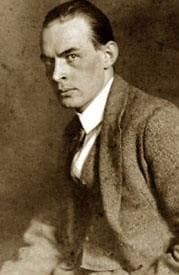
Erich Maria Remarque was a German-born novelist. His landmark novel All Quiet on the Western Front (1928), based on his experience in the Imperial German Army during World War I, was an international bestseller which created a new literary genre, and was adapted to film several times. Remarque's anti-war themes led to his condemnation by Nazi propaganda minister Joseph Goebbels as "unpatriotic". He was able to use his literary success to relocate to Switzerland and the United States, where he became a naturalized citizen.
Similar books
- All Quiet on the Western Front
Erich Maria Remarque
4.0 (355k) average on GoodreadsHistorical FictionShares Remarque's signature themes of war's futility and profound human suffering, told with raw emotional honesty.
- The Book Thief
Markus Zusak
4.4 (1.8M) average on GoodreadsHistorical FictionExplores themes of survival, love, and the impact of Nazism on ordinary lives, with a strong emotional core.
- A Farewell to Arms
Ernest Hemingway
3.8 (263k) average on GoodreadsHistorical FictionFocuses on a love story set against the backdrop of war, with a similar sense of fatalism and emotional depth.
- To Kill a Mockingbird
Harper Lee
4.3 (4.5M) average on GoodreadsHistorical FictionIn the 1930s Jim Crow South, Harper Lee writes about racial injustice, moral growth, and the quiet courage of a lawyer father, Atticus Finch, as seen through his young daughter's eyes.
- The Great Gatsby
F. Scott Fitzgerald
3.9 (3.8M) average on GoodreadsHistorical FictionIn the opulent Roaring Twenties, a mysterious millionaire's lavish parties hide his desperate, tragic pursuit of a lost love, exposing the emptiness within the American Dream.
- Pride and Prejudice
Jane Austen
4.3 (3M) average on GoodreadsHistorical FictionIn a society focused on status and money, Elizabeth Bennet navigates love and pride, challenging Mr. Darcy and social expectations to find true affection.






Enjoyed the summary?
A summary gives you the shape of the book. The book itself has the detail, the examples and the voice.
Find The Night in Lisbon on AmazonAs an Amazon Associate, BookBrief earns from qualifying purchases. How we're funded